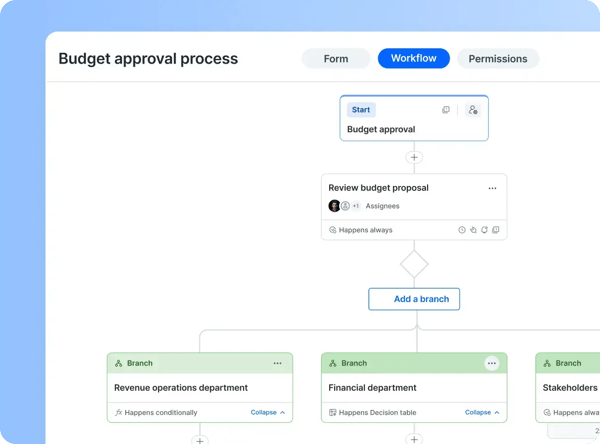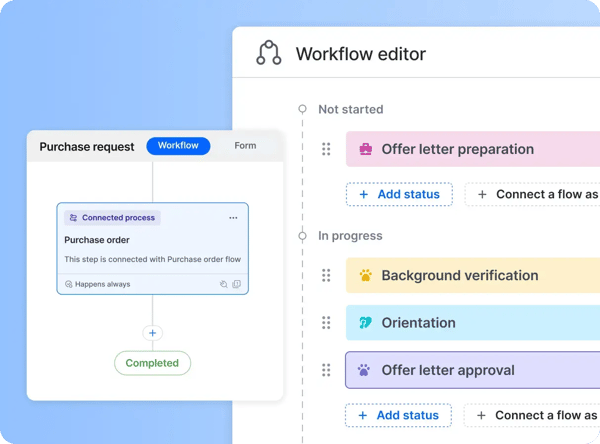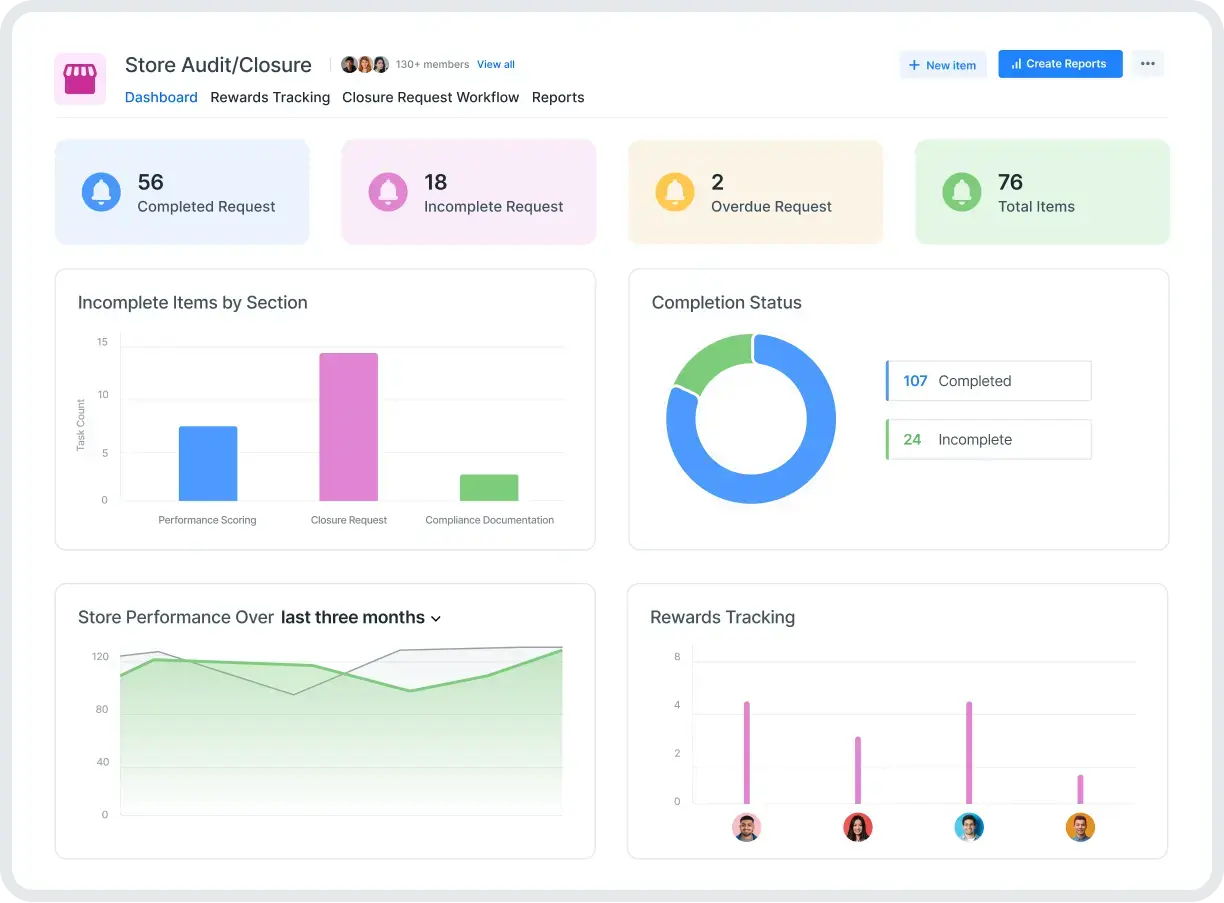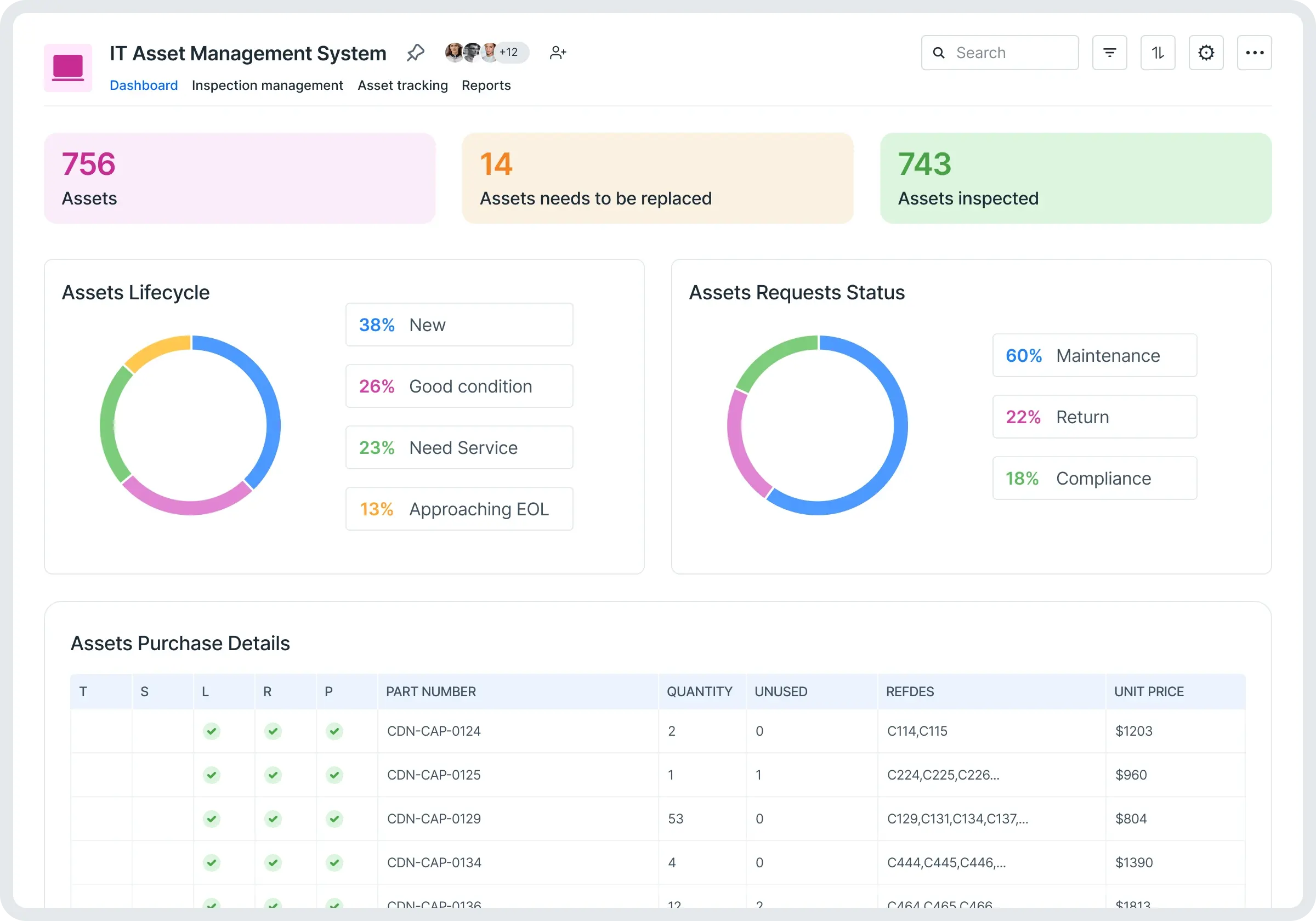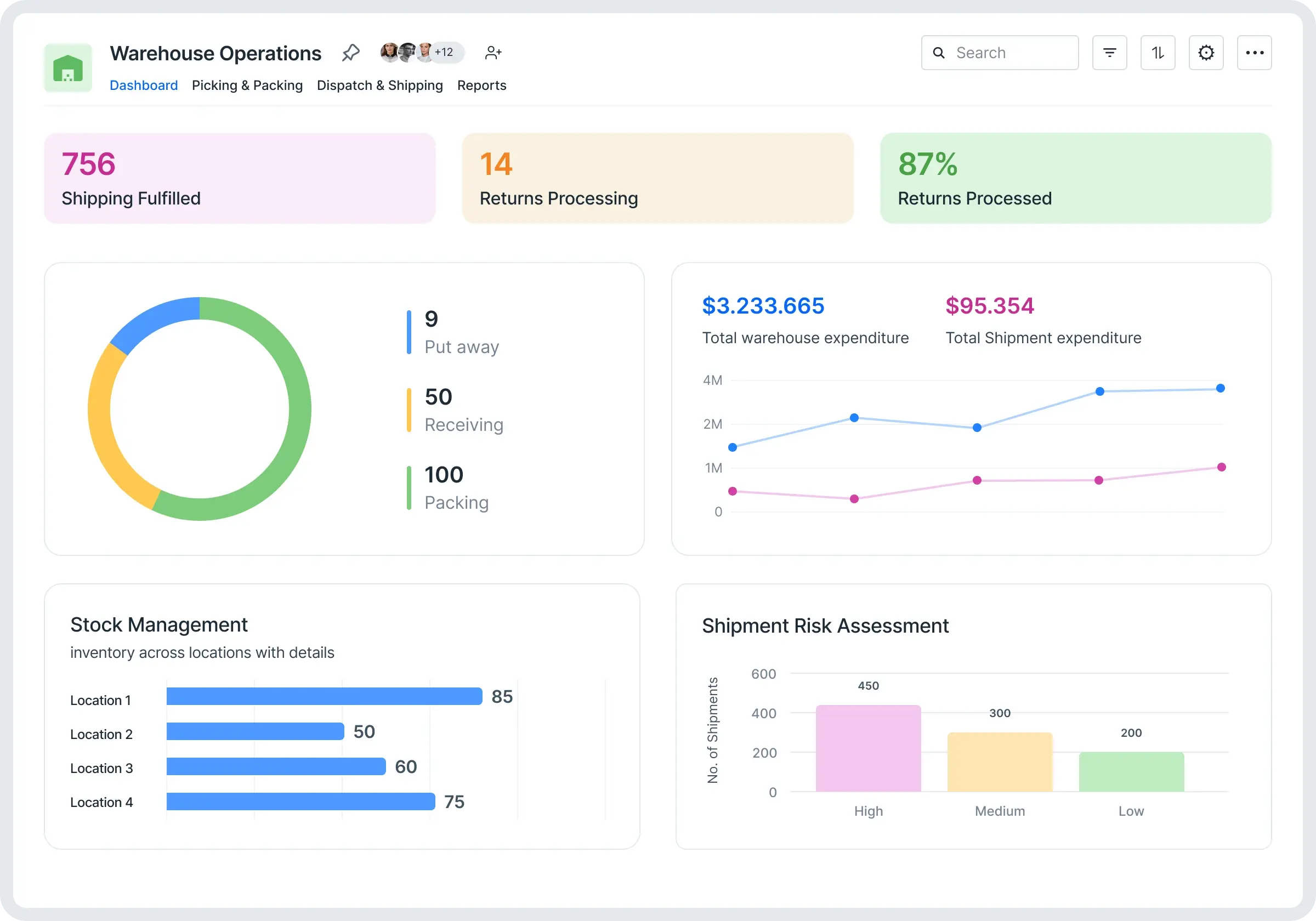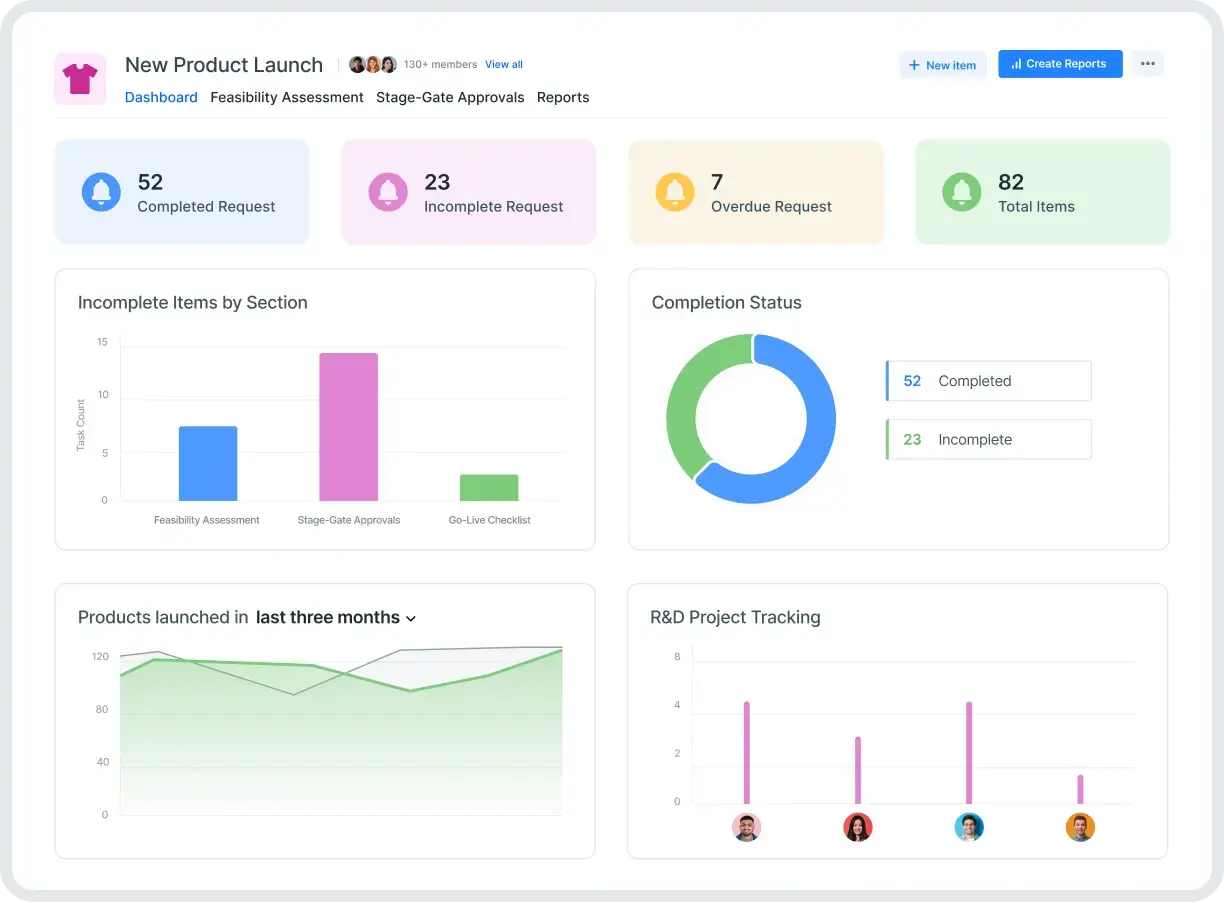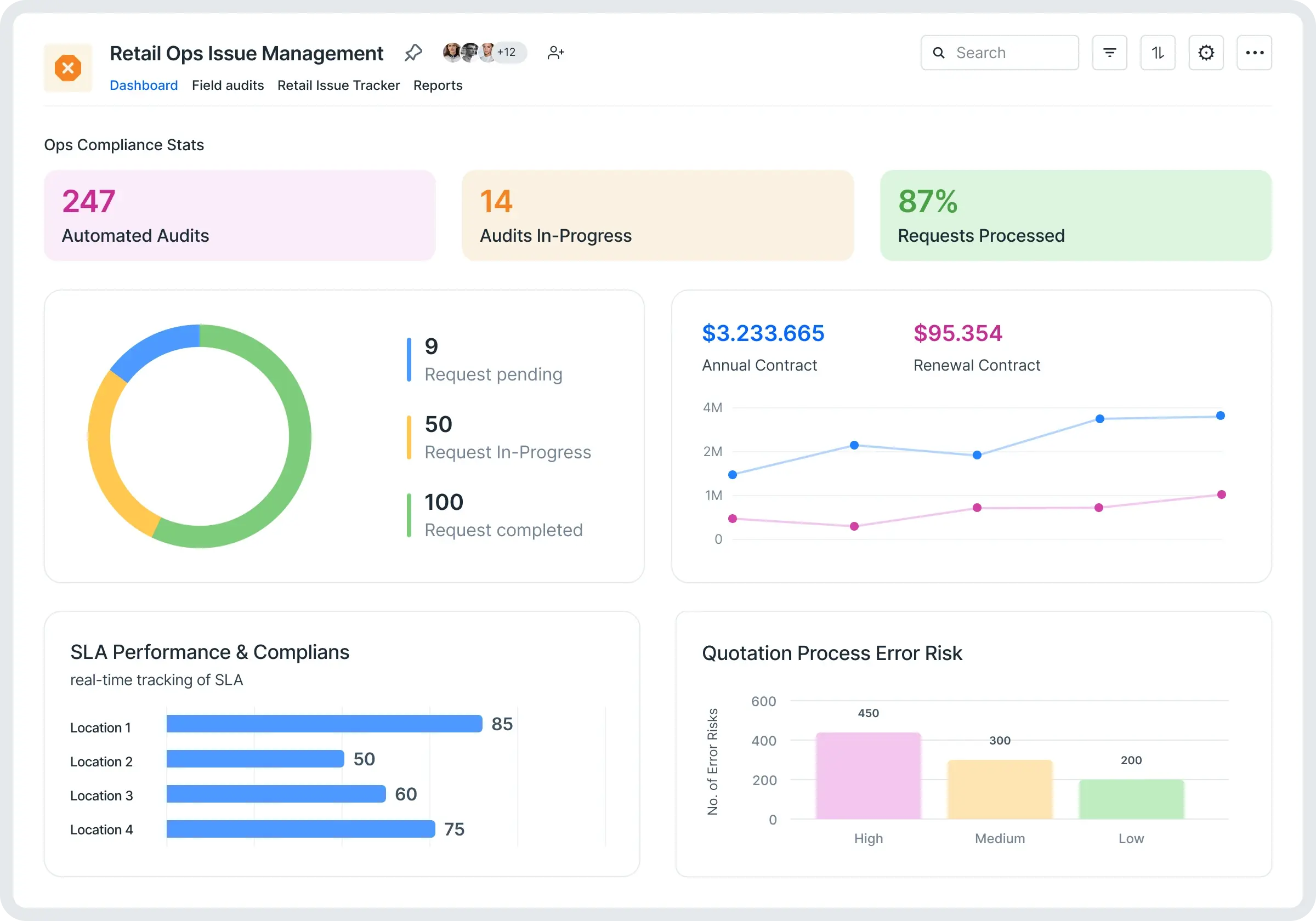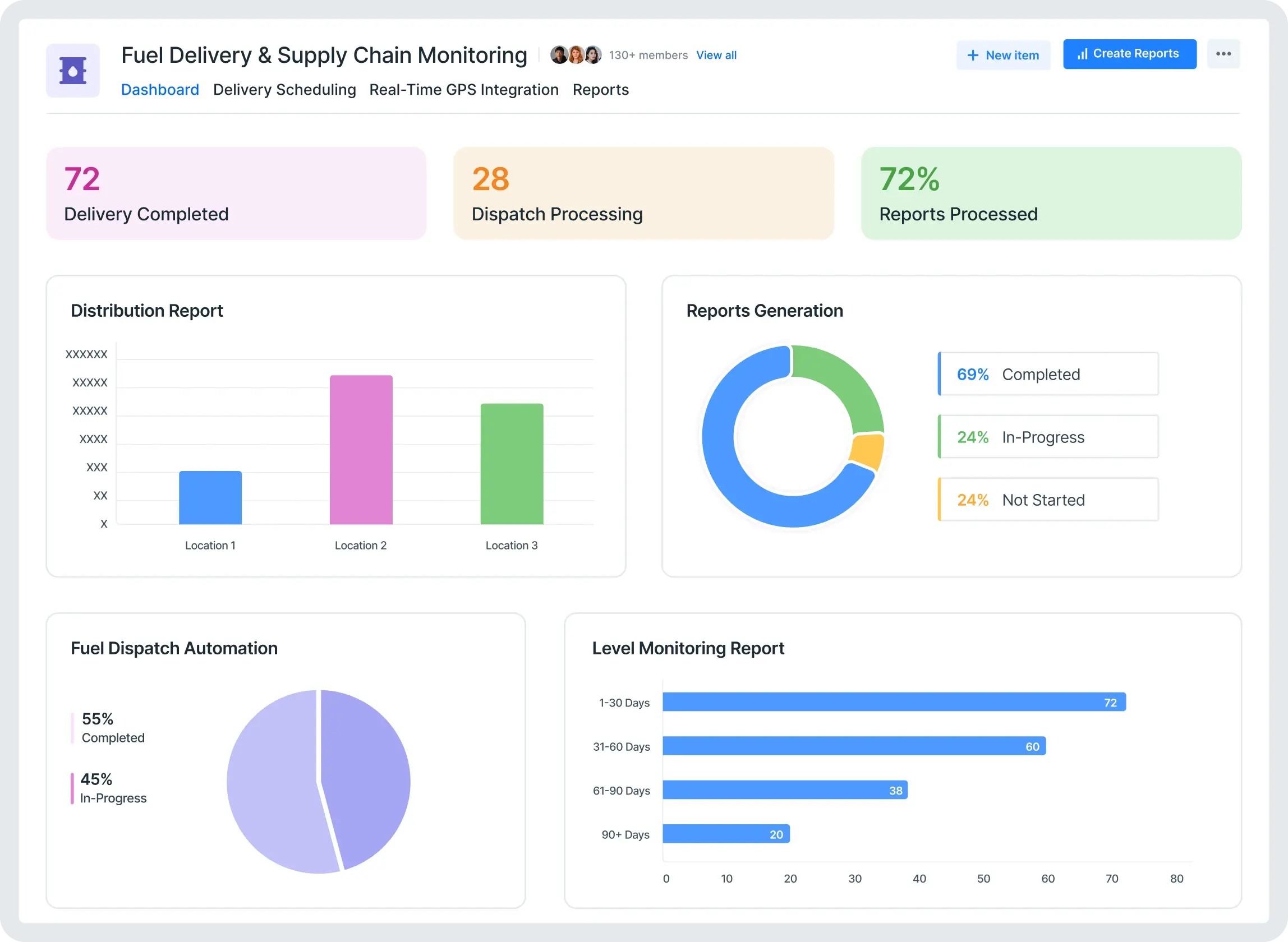
Enterprise process management software is a comprehensive platform that models, automates, and optimizes business processes across your entire organization. Unlike basic workflow tools that handle simple task sequences within one department, EPMS provides cross-functional integration, connecting processes across multiple business units. It includes advanced capabilities like process mining, AI analytics, and real-time dashboards that basic tools lack.
EPMS drives efficiency by automating repetitive tasks, eliminating process bottlenecks, and standardizing workflows across departments. Organizations typically see 30-50% productivity gains by replacing manual, paper-based processes with digital workflows. The software provides real-time visibility into performance, helping teams identify and fix inefficiencies before they impact business outcomes.
Focus on visual process modeling with drag-and-drop interfaces, low-code/no-code capabilities for business users, and robust integration with existing ERP and CRM systems. Security features like role-based access and audit trails are essential for compliance. Scalability matters—ensure the platform can grow with your workflow complexity and user base.
The software creates standardized workflows with automatic audit trails, logging every process action for regulatory reviews. Role-based access controls restrict sensitive data to authorized personnel only. Automated notifications prevent compliance-critical tasks from being missed, while built-in documentation ensures consistent process execution across all departments.
Cloud-based solutions offer lower upfront costs, automatic updates, and remote accessibility - ideal for distributed teams. On-premise works better for organizations with strict data residency requirements. Most enterprises now prefer cloud or hybrid approaches for faster deployment and scalability without heavy infrastructure investment.
Track process cycle time reductions, employee hours saved on manual tasks, and error rate decreases. Measure cost savings from eliminated paper processes and reduced rework. Most organizations see ROI within 6-12 months through faster approvals, improved throughput, and lower operational costs per transaction.
Workflow automation handles individual, repeatable task sequences — like routing a leave request for approval. Enterprise process management is broader: it encompasses the design, execution, monitoring, and continuous improvement of interconnected processes across the entire organization. Enterprise BPM software includes workflow automation as a core capability, but also adds process modeling, analytics, governance, and cross-system integration that standalone automation tools lack.
Legacy enterprise business management software implementations typically take 6–18 months and require external consultants. Kissflow is designed to be different: most teams deploy their first live process within days, and a full enterprise rollout typically completes in 4–8 weeks. Because business users can build and manage workflows themselves using no-code tools, you don't need a dedicated IT project to get started.