NPI Gate Review Readiness Authorization Software
Engineering sign-off is not the same thing as manufacturing readiness, and finding that out after launch is the expensive way to learn it. Kissflow routes every NPI gate through structured readiness review across every function that has to be ready, not just the one that signed off first.

Trusted by leading manufacturers worldwide


One authorization path for every NPI gate, across every function that has to be ready
Engineering sign-off and manufacturing readiness are not the same milestone, though most gate reviews get run as if they were.
A new product introduction moves through gates, design freeze, pilot build, production ramp, each one supposed to confirm the product is actually ready to proceed on every function's terms, not just engineering's. In practice, gate reviews often run as a status meeting where whoever shows up speaks for their function, and readiness gets waved through informally when the launch date is already public and nobody wants to be the person who says stop. Manufacturing's actual readiness, tooling qualified, line balanced, suppliers capable at volume, gets assumed rather than confirmed, and the gap surfaces on the production ramp instead of at the gate where it should have been caught.
Kissflow captures readiness input from every function, engineering, quality, manufacturing, and supply chain, at each gate, routes the go or no-go decision to the authorizer who owns that gate, and keeps the readiness record and decision on file for every product that goes through it.
A gate cleared by one function is not a gate the product is actually ready for
Readiness input is inconsistent across functions
Engineering, quality, and manufacturing each report readiness differently, with no common checklist to compare against.
Gate decisions happen in a status meeting
Go or no-go gets decided informally in a review meeting, without a documented readiness assessment behind it.
Launch date pressure overrides readiness
A public launch date creates pressure to clear a gate even when a function's readiness input says otherwise.
No record of what readiness looked like at each gate
When a launch issue traces back to a readiness gap, there is no record of what was actually reported at the gate review.
Six modules. Configurable to your gate policy.
Every module ships with default forms, approval logic, integrations, and dashboards. Configure each one to your operating model in the visual builder.
Gate readiness intake
Captures readiness input from engineering, quality, manufacturing, and supply chain against a standard checklist.
Multi-stage gate authorization
Routes the go or no-go decision to the authorizer who owns that specific gate, with delegation and escalation.
Readiness gap flagging
Surfaces any function's unmet readiness criteria before the gate decision is made, not discovered after.
Audit trail
Keeps the readiness input from every function and the resulting gate decision on record for each product.
Live status tracking
Shows the NPI team exactly where a gate review sits and which function's input is still outstanding.
Gate-to-gate progression tracking
Tracks a product's progress across every gate from design freeze through production ramp in one record.
From request to system of record in four steps
Submit
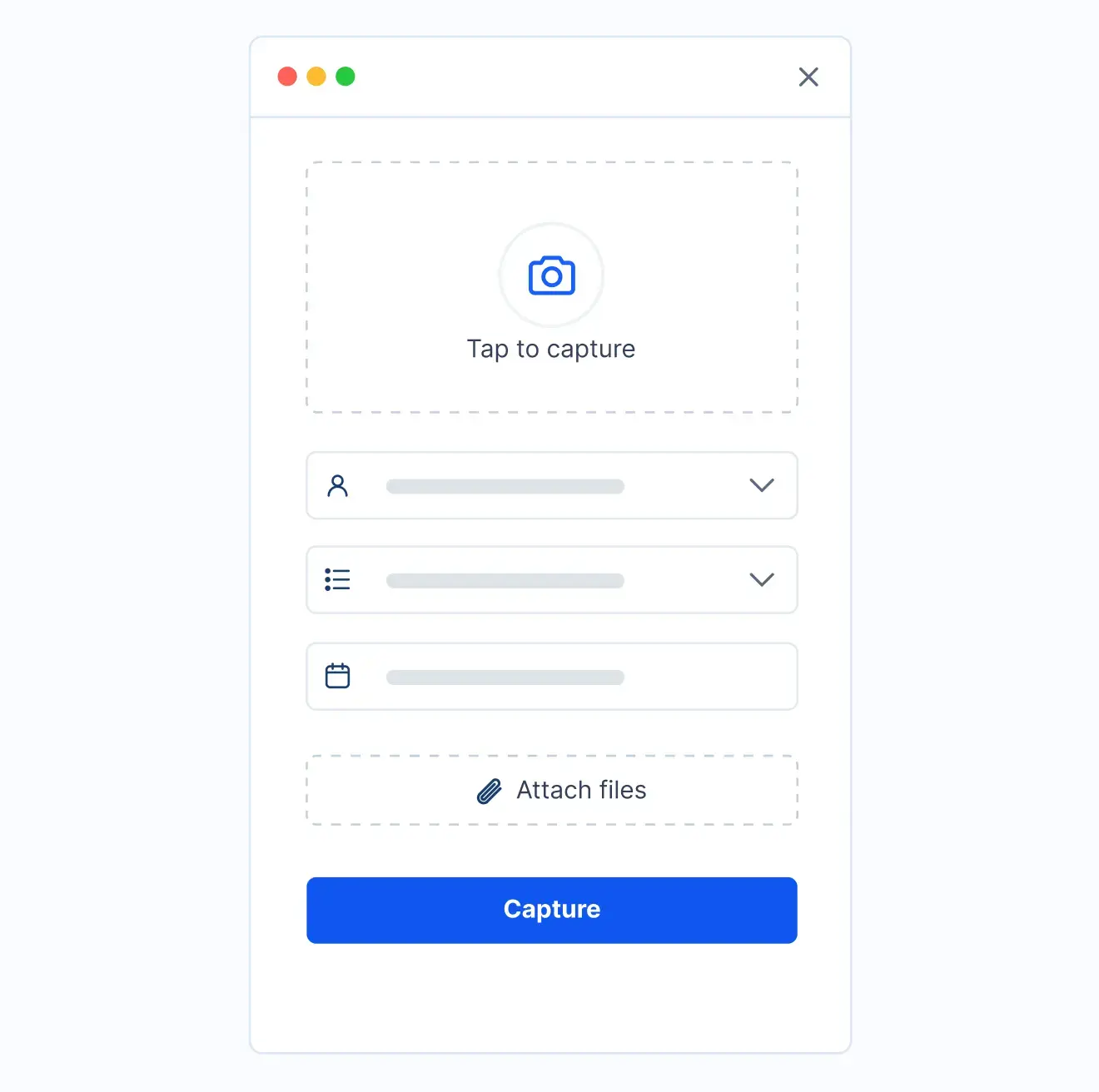
A product approaches a defined gate, and readiness input is requested from every function involved.
Review
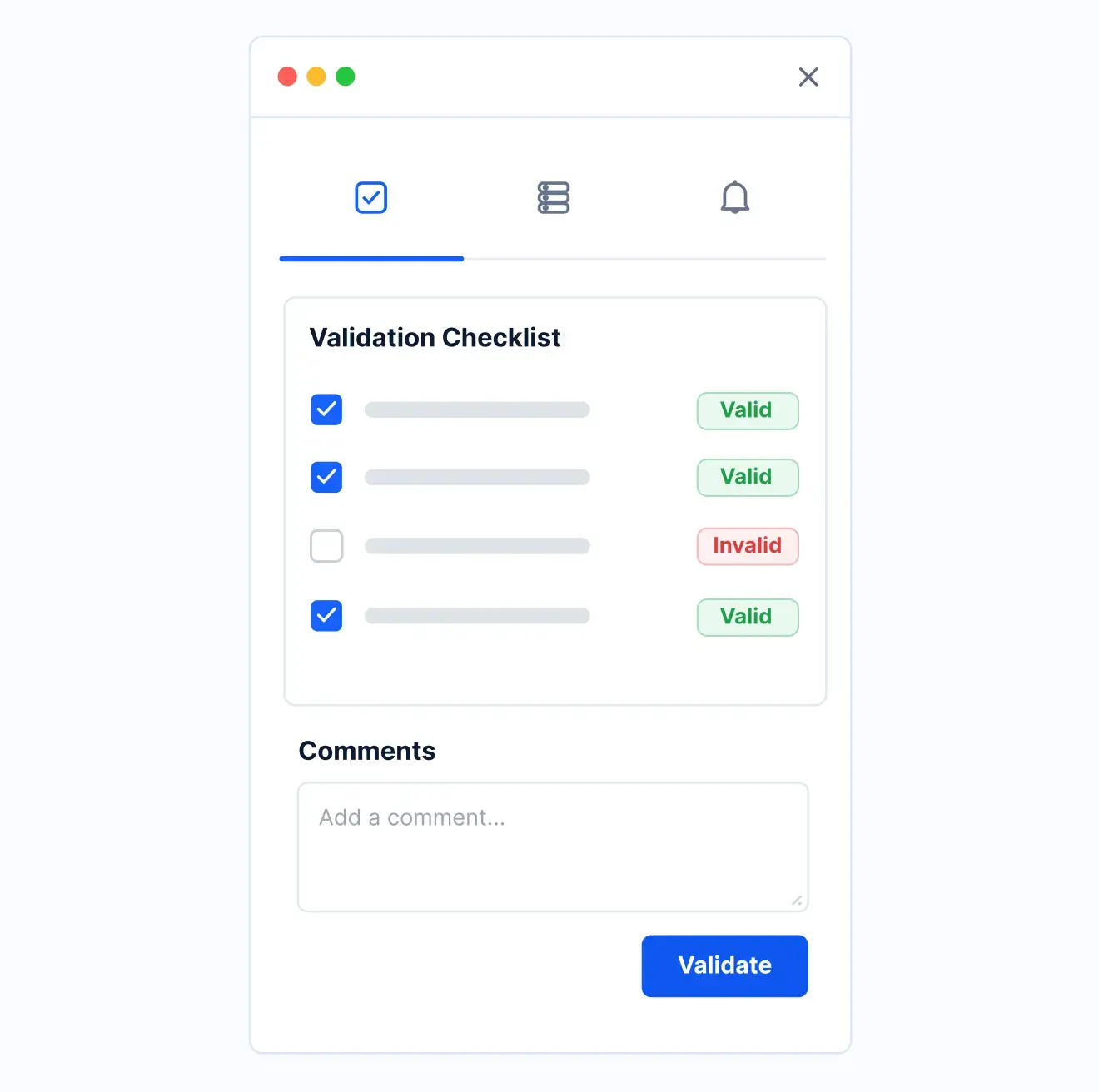
Engineering, quality, manufacturing, and supply chain submit readiness input against the gate's checklist for review.
Approve
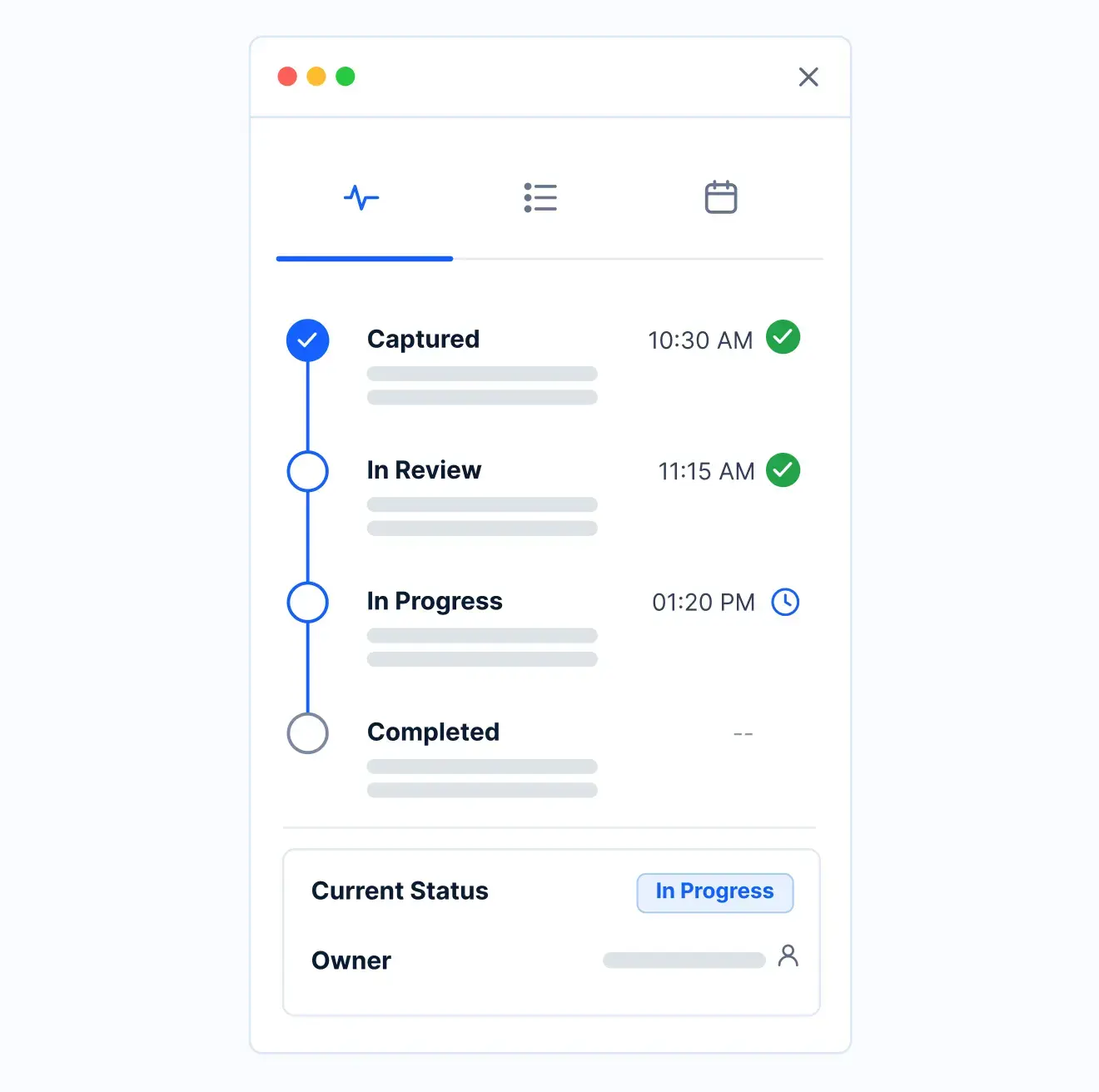
The gate authorizer makes a go or no-go call based on the full readiness picture, escalating gaps.
Record
An approved gate moves the product forward, and the readiness record and decision are logged.
What changes when NPI gate review runs on Kissflow
| Process | Before Kissflow | On Kissflow |
|---|---|---|
| Readiness input | Reported inconsistently, function by function | Captured against a standard checklist for every function |
| Gate decision | Made informally in a status review meeting | Routed to the accountable gate authorizer for a documented decision |
| Readiness gaps | Surface after the gate is cleared | Flagged before the go or no-go decision is made |
| Launch pressure | Can override a function's readiness concerns informally | A documented gap requires an explicit override decision, not a shrug |
| Record | No trace of what readiness looked like at each gate | Every function's input and the gate decision logged |
| Progression tracking | Each gate tracked separately, if at all | One record shows progress across every gate in the launch |
Connects to the PLM and ERP systems you already run
.svg)



.svg)
.svg)
.svg)
.svg)

.svg)
.svg)
.svg)
.svg)
.svg)

.svg)

.svg)

.svg)
.svg)
.svg)
.svg)
.svg)
.svg)
.svg)
.svg)
.svg)

.svg)
Built for how NPI teams actually clear gates
An authorization layer, not a new PLM system
Your PLM or engineering systems stay the record of design data. Kissflow runs the governed gate readiness and authorization workflow around them.
Live in weeks, not a re-implementation
Configure gate definitions, readiness checklists, and approval routing in the visual builder.
Governance built into the workflow
Delegation, escalation, and a full audit log are how every gate decision moves, not a control added on afterward.
Readiness gaps surfaced before the decision
Every function's unmet criteria show up before the gate review, so a go decision is made with the full picture.
Every function represented, not just the loudest one
Engineering, quality, manufacturing, and supply chain each submit readiness input directly, not through a summary someone else presents.
Made for cross-functional launches
The full launch team sees the same gate record and progression, from design freeze through production ramp.
Related apps
Line Clearance & Changeover Readiness Authorization
Authorizes a specific production line changeover, a narrower and more frequent gate than a full NPI stage review.
Pre-Production Management
Coordinates broader pre-production readiness across material, tooling, and documentation, feeding into the NPI gate decision.
Production Quality Control (PQC) Orchestration
Coordinates in-process quality checkpoints once production is running, after the NPI gates have cleared.
We help manufacturers clear NPI gates on readiness, not on a launch date deadline
.gif)

“If a company cannot enable everybody to use AI, they will never get the true benefit of AI. Platforms like Kissflow allow us to put that capability in the hands of our users in a safe way.”
Vagesh Dave
GVP & CIO at McDermott International, Ltd
See The Full Story

“Advanced automation of all processes is easy to set up. I cannot imagine how to manage workflows without this software.”
Tanay Tiwary
Global Head - Digitalization & Business Improvement
See the Full Story

“Kissflow supports rapid application development by building a working application prototype in the shortest amount of time.”
Maria Theresa Cabigon
CIO, SN Aboitiz Power Group
See The Full Story
See what Kissflow can do for you
Talk to usGot questions? We're here to help.
Get SupportLine clearance authorizes a single production line changeover, something that happens repeatedly on the floor. This app authorizes a full NPI gate, design freeze, pilot build, production ramp, which happens once per product launch.
No. Your PLM system stays the record of design and engineering data. Kissflow runs the readiness review and gate authorization workflow around it.
Configurable to your NPI process, typically design freeze, pilot build approval, and production ramp readiness, each with its own checklist.
Routing is configurable, typically a cross-functional NPI leader or steering committee for major gates, with delegation when a member is unavailable.
Yes. Process owners configure gate definitions, checklists, and routing in the visual builder, and the AI Builder can generate a working app from a plain-language description.
Through APIs and integration connectors, under single sign-on and role-based access, with every action written to an audit log.
Configuration and AI generation move delivery from weeks to days, without a multi-year platform program or an engineering backlog.
Kissflow is certified to SOC 1, SOC 2, SOC 3, ISO/IEC 27001, HIPAA, GDPR, and CCPA, hosted on Google Cloud with data residency in the US, EU, APAC, and Oceania.