The Gaps Your HCM Never Covered
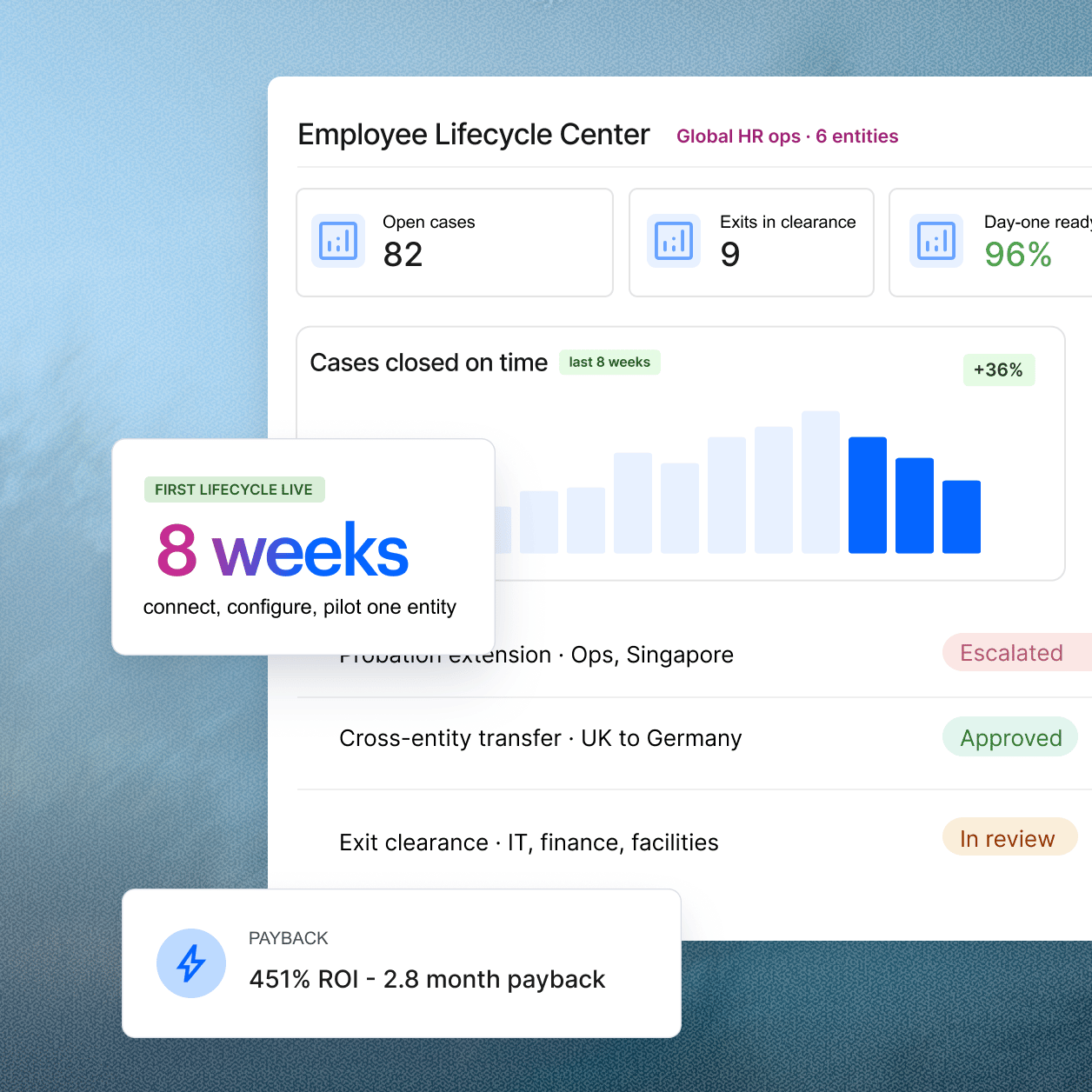
Probation extensions, cross-entity transfers, letter requests, exit clearance. Kissflow runs the employee processes that never made it into a module and writes the outcome back to the system that holds the record.


4.3/5 on G2 across 591 reviews







HR is hired for strategy and spends the week on admin
A median 40 percent of HR time goes to strategic work. The rest is chasing, filing, and answering the same question again.

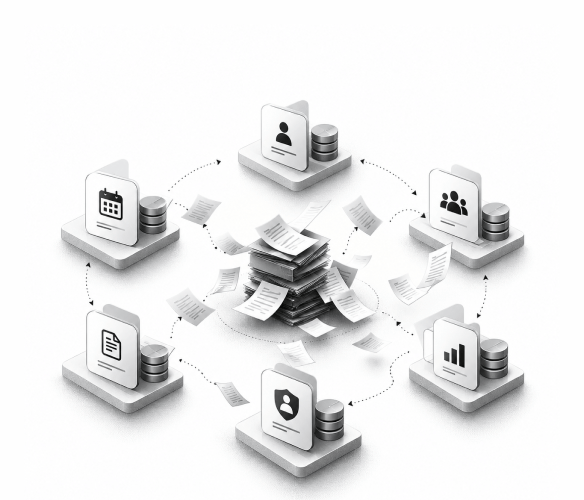
Six HR systems, and the integration between them is a person
The average business runs 6.17 HR technology providers, and 71 percent of HR teams move employee data between them by hand.
The org chart lives in a slide, not a system
43 percent of HR leaders build theirs in PowerPoint. Everything that depends on knowing the structure is maintained by hand too.
A hire costs $5,475, and hiring is not the slow part
Screening and interviewing take eight to nine days each. What happens after the yes is where the rest of the days go.
Pay transparency and AI in hiring have dates attached
The EU Pay Transparency Directive deadline was 7 June 2026. High-risk employment AI falls under the EU AI Act from 2 December 2027.
The best HR teams serve 65 percent more people per head
Digital World Class HR functions support 65 percent more employees per staff member than their peers. The gap is process, not headcount.
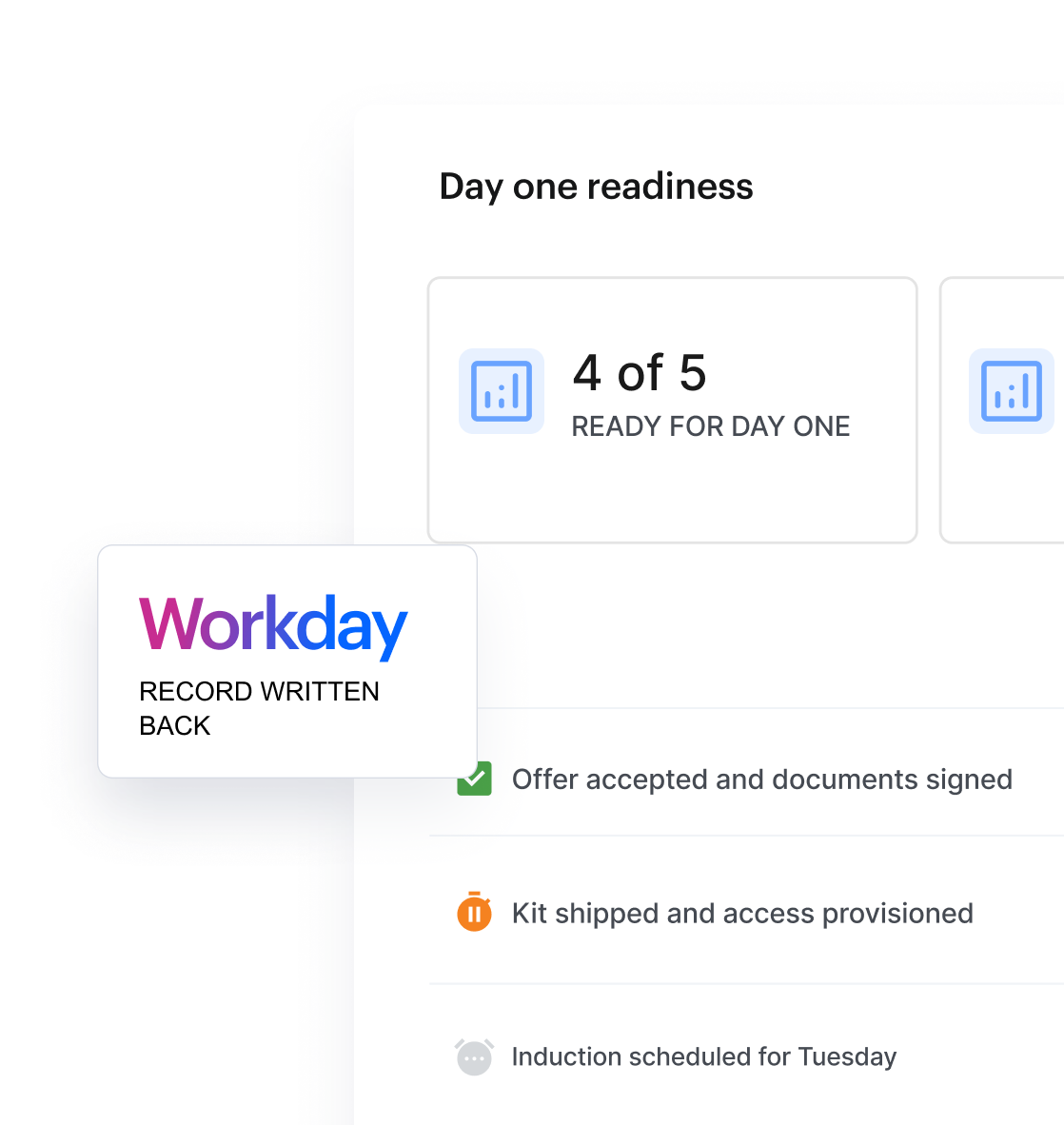
Nothing leaves Workday. Everything around it stops living in email.
Experience
The people the lifecycle actually moves through.


Kissflow — the digital operations backbone
Orchestration, escalation, and governance in one layer.


Systems of record — everything you already paid for
The employee record, payroll, the org structure, identity, and asset registers stay authoritative and stay where they are. REST APIs and webhooks. No migration, no second source of truth, no re-implementation.
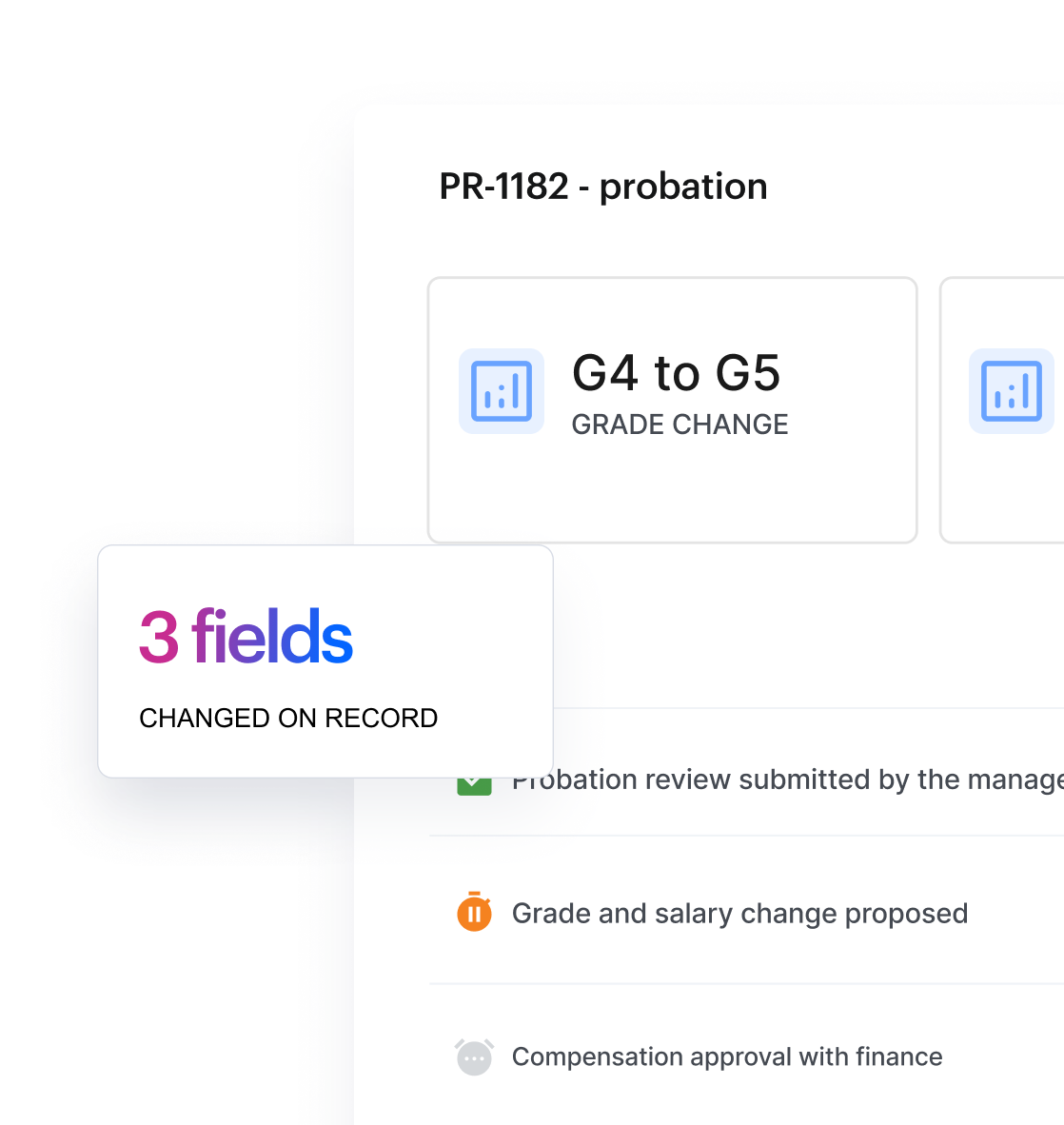
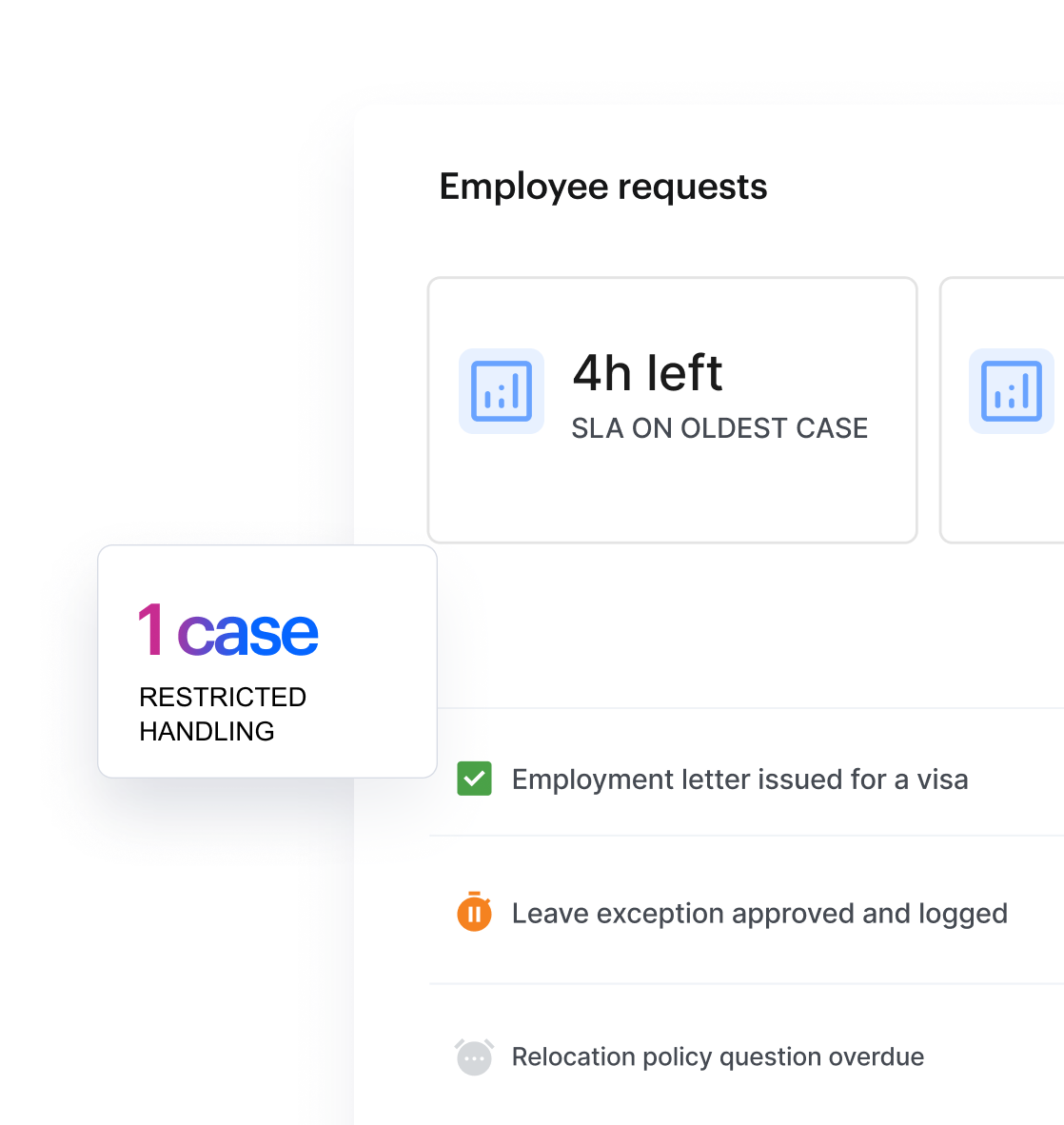
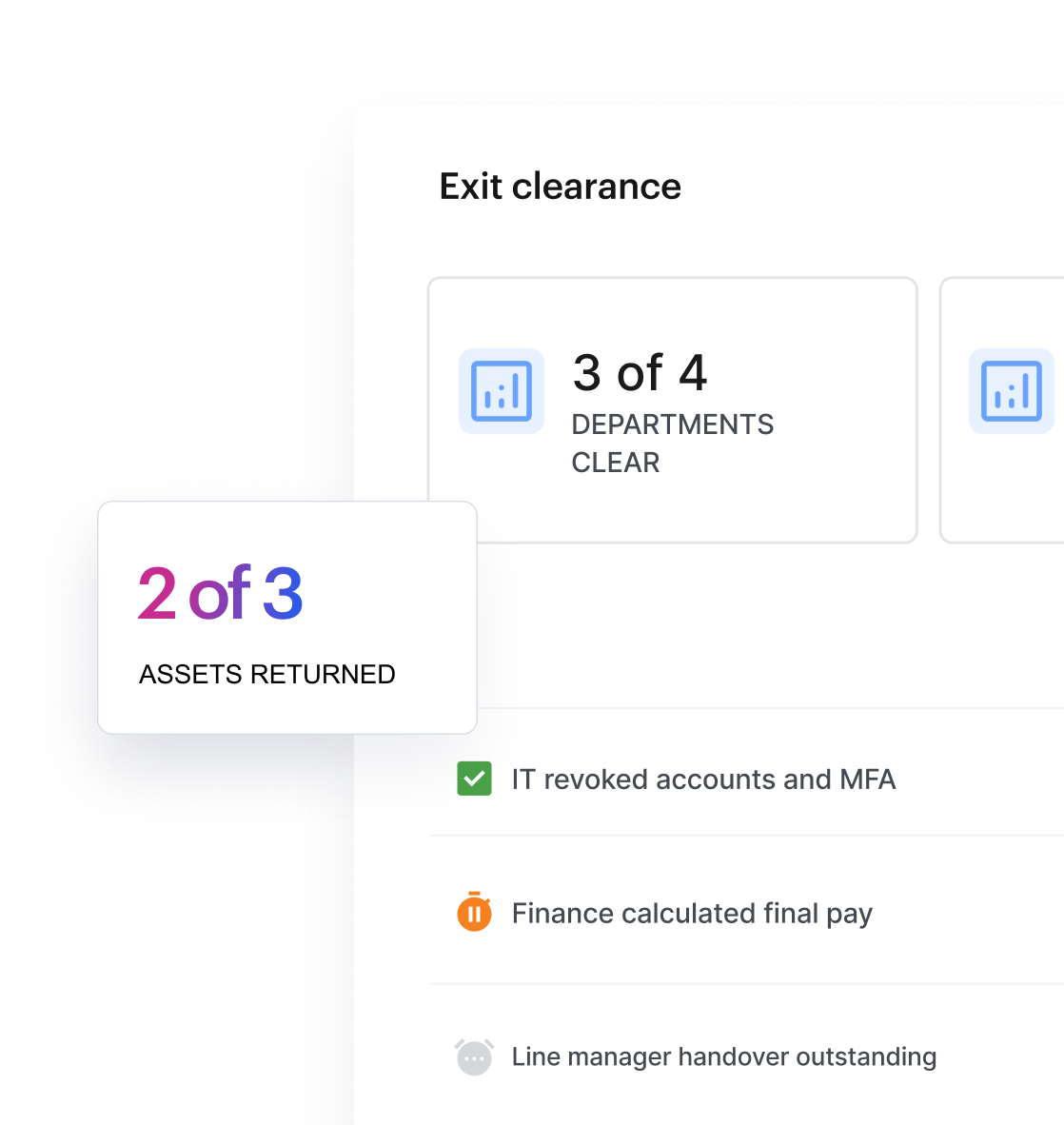
IT doesn't want another system.
HR doesn't want another ticket queue.
No new system. No new queue.

Processes HR actually needs
Build probation, transfers, exits, relocation, grievances, and more around your own policies.

Live fast. Change faster.
Launch in weeks, then let HR update workflows as policies change, without IT tickets.

Audit-ready by default
Approvals, authority, timestamps, and audit trails are captured automatically.

No duplicate system
Your HRIS and payroll stay authoritative. Kissflow orchestrates through APIs and webhooks.

AI drafts. HR decides.
AI builds the first workflow. HR reviews, refines, and stays in control.

IT governs. HR moves.
IT sets security and integration guardrails. HR changes processes within them.


“Advanced automation of all processes is easy to set up. I cannot imagine how to manage workflows without this software.”
Tanay Tiwary
Global Head - Digitalization & Business Improvement
See the Full Story

“Advanced automation of all processes is easy to set up. I cannot imagine how to manage workflows without this software.”
Maria Theresa Cabigon
CIO, SN Aboitiz Power Group
See The Full Story

“Everyone uses Kissflow. It requires no previous training. The platform is very intuitive and user-friendly.”
Antonio Serpa Pinto
Head of IT, Valantic
See The Full Story