Business process management software (BPM software) is a digital platform that lets teams design, automate, run, and improve business processes in one place. It replaces email chains, spreadsheets, and point tools with structured workflows, approvals, forms, and analytics, giving process owners end-to-end visibility into how work moves through the organization.
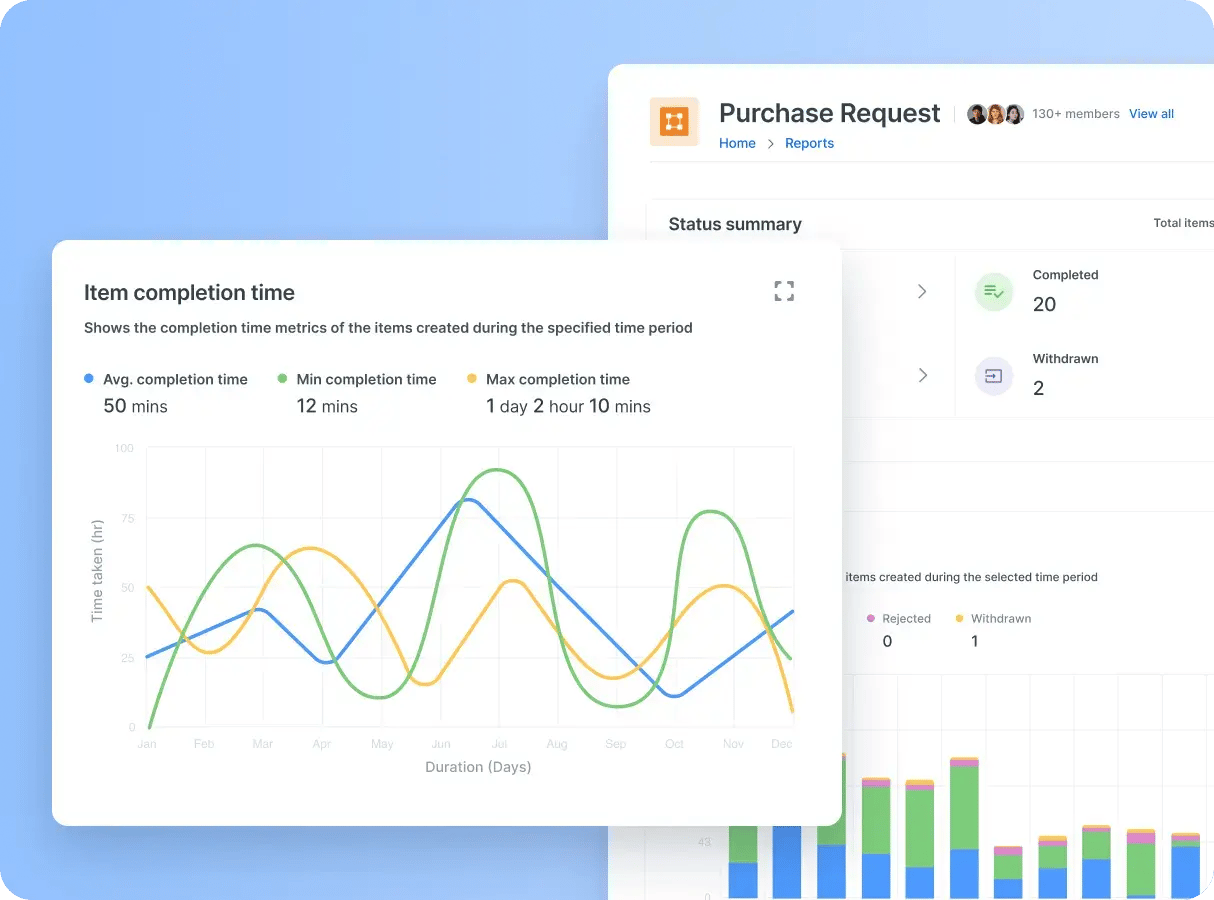
Workflow software automates a single sequence of tasks, like routing a purchase request for approval. A BPM platform covers the full process lifecycle: modeling, execution, monitoring, and improvement across every system of record the process touches. Modern BPM platforms like Kissflow also include case management, low-code app building, and AI-assisted process design in one product, instead of selling them as separate modules you have to integrate.
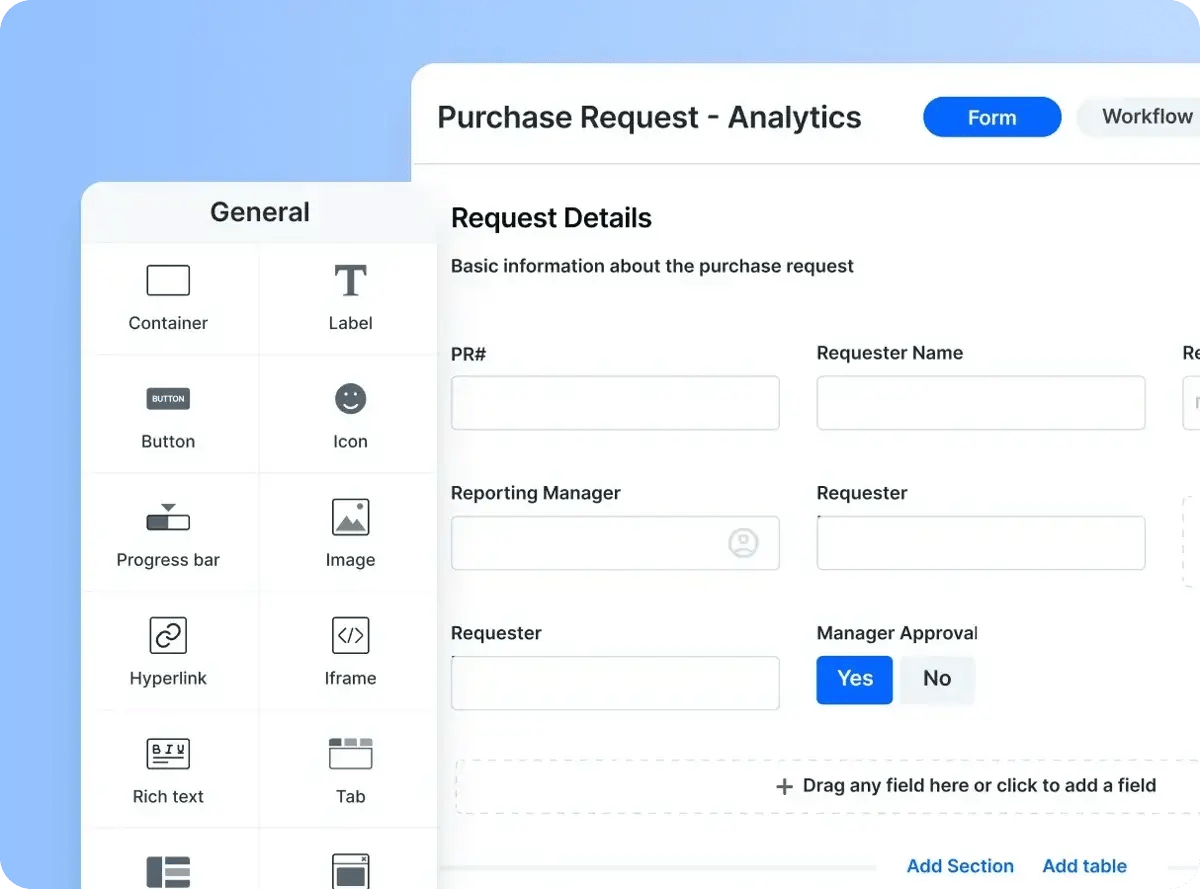
A modern BPM tool should offer a visual no-code builder, a drag-and-drop form designer, a rules and decision engine, native integrations with ERP and CRM systems, role-based access controls, audit trails, and AI-assisted process generation with deterministic outputs. Bonus if it unifies BPM, workflow, case management, and app building in one platform so teams do not have to buy four different products.
No. Kissflow is BPM software designed to coexist with your existing systems of record. It sits above your ERP, CRM, HRMS, and finance systems and orchestrates workflows across them using native connectors and APIs. Your transactions stay in SAP or Oracle. Your accounts stay in Salesforce. Your employee records stay in Workday. Kissflow is the execution layer above all of them.
Appian, Pega, and IBM target large-enterprise IT teams with developer-led deployments, certified consultants, and multi-quarter implementations. Kissflow is built for process owners to design and ship workflows themselves, with IT providing governance rather than doing the build. Most Kissflow customers launch their first process in under two weeks, compared with six to eighteen months for traditional BPM rollouts.
Most customers go live with their first process in under two weeks. A broader rollout across multiple departments typically takes two to three months. Compare that with legacy BPM implementations that commonly run six to eighteen months with a system integrator on retainer, plus three more months of change management after the initial launch.
Kissflow AI is built into the platform, not sold as an add-on. It drafts workflows from natural language prompts, suggests form fields, and flags bottlenecks from historical runs. Unlike GenAI app builders that generate disposable apps, Kissflow produces deterministic, enterprise-grade processes that run in production for years. AI assists. Humans own. Systems persist.
Most customers start by running Kissflow alongside existing workflow tools and form products, then gradually consolidate as new processes land on Kissflow. The tool stack shrinks naturally over 12 to 18 months as renewal dates come up. There is no forced migration on Day 1 and no rip-and-replace project.
Kissflow is SOC 2 Type II certified, GDPR compliant, and supports HIPAA workloads. The platform provides role-based access controls, audit trails, single sign-on, data encryption at rest and in transit, granular permission settings, and compliance-ready evidence logging for regulated industries.
The best BPM tool depends on who is doing the building. For Fortune 100 teams with a dedicated BPM center of excellence and multi-year transformation budgets, Appian and Pega are strong choices. For mid-market and enterprise teams that want to ship quickly without a large system integrator contract, Kissflow is consistently rated a leader on G2 and Gartner Peer Insights. Start with a free trial or a live build to compare.





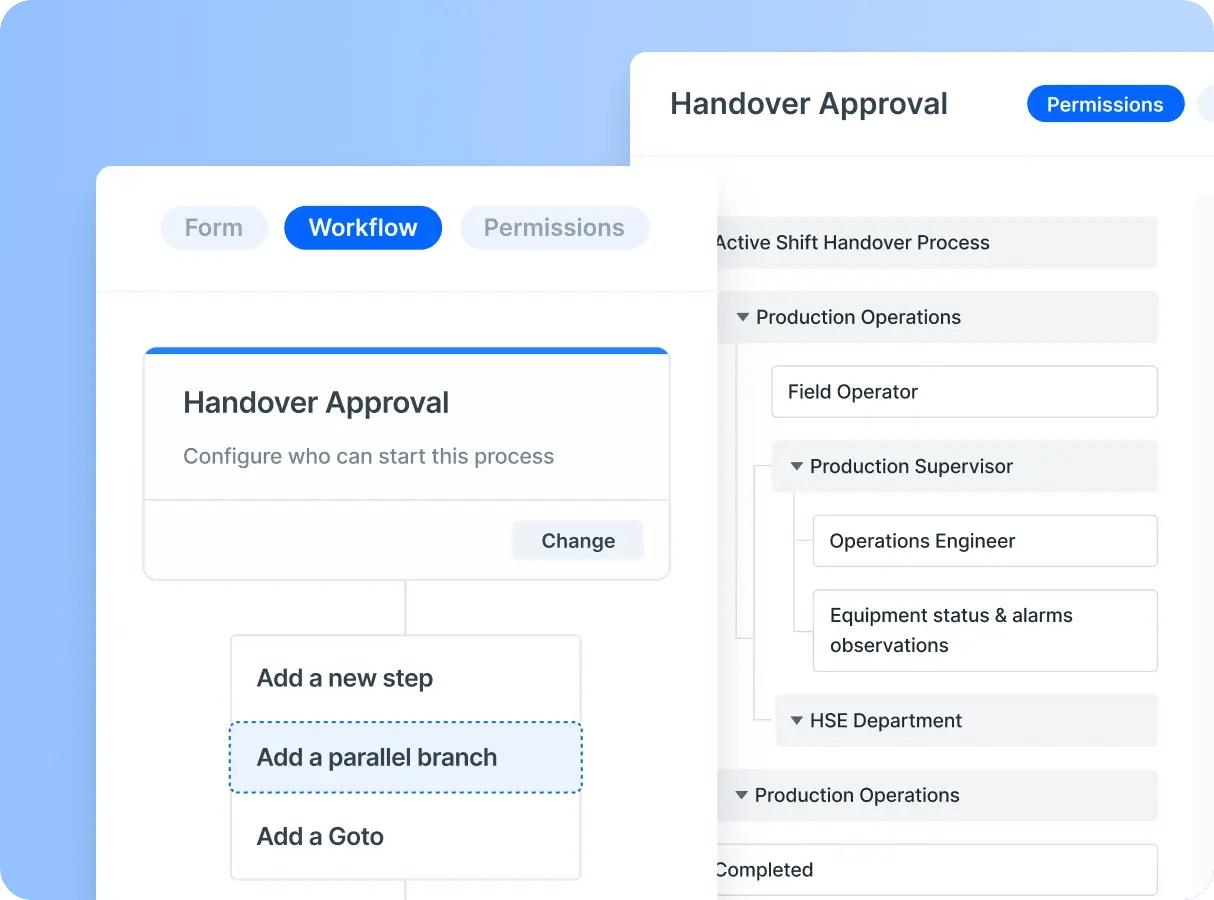
 Process designer
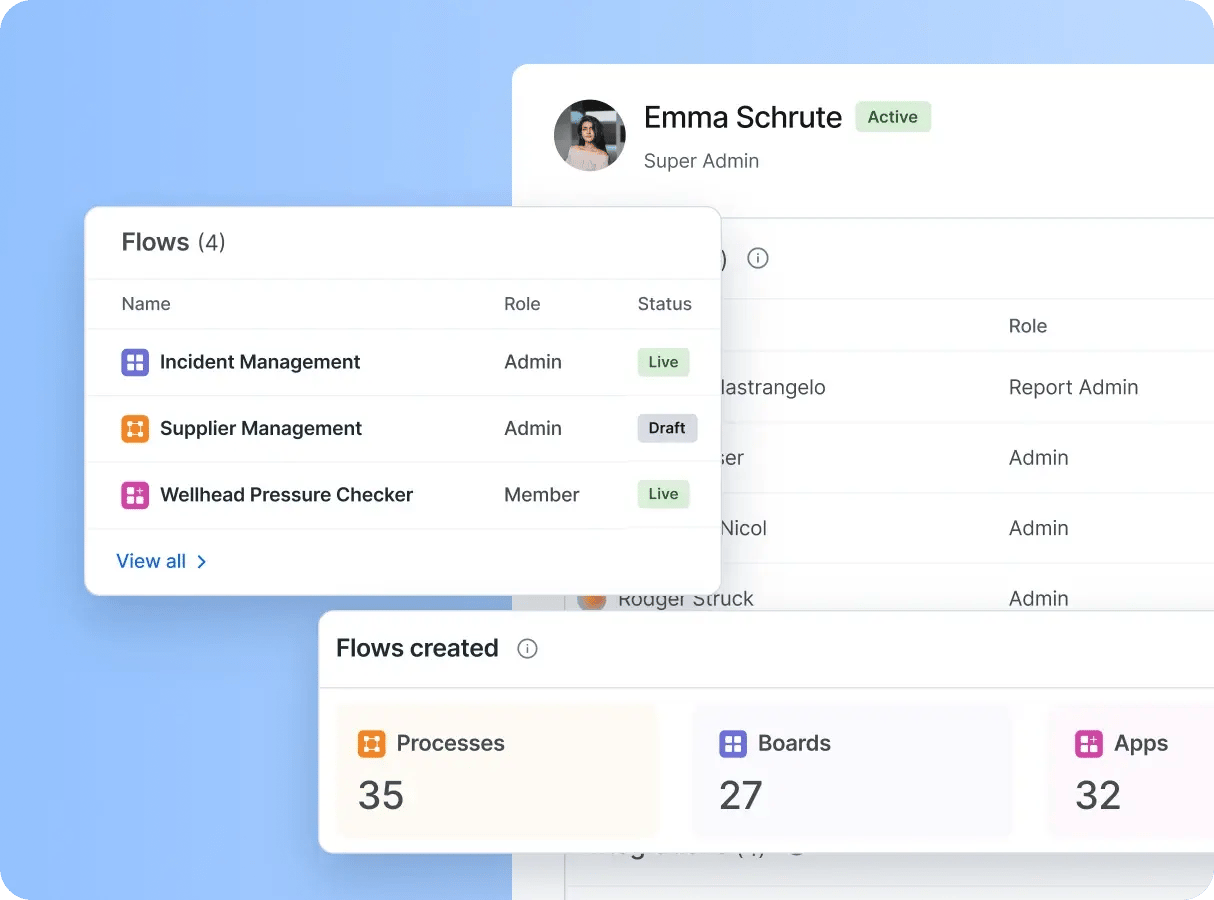
 Form builder
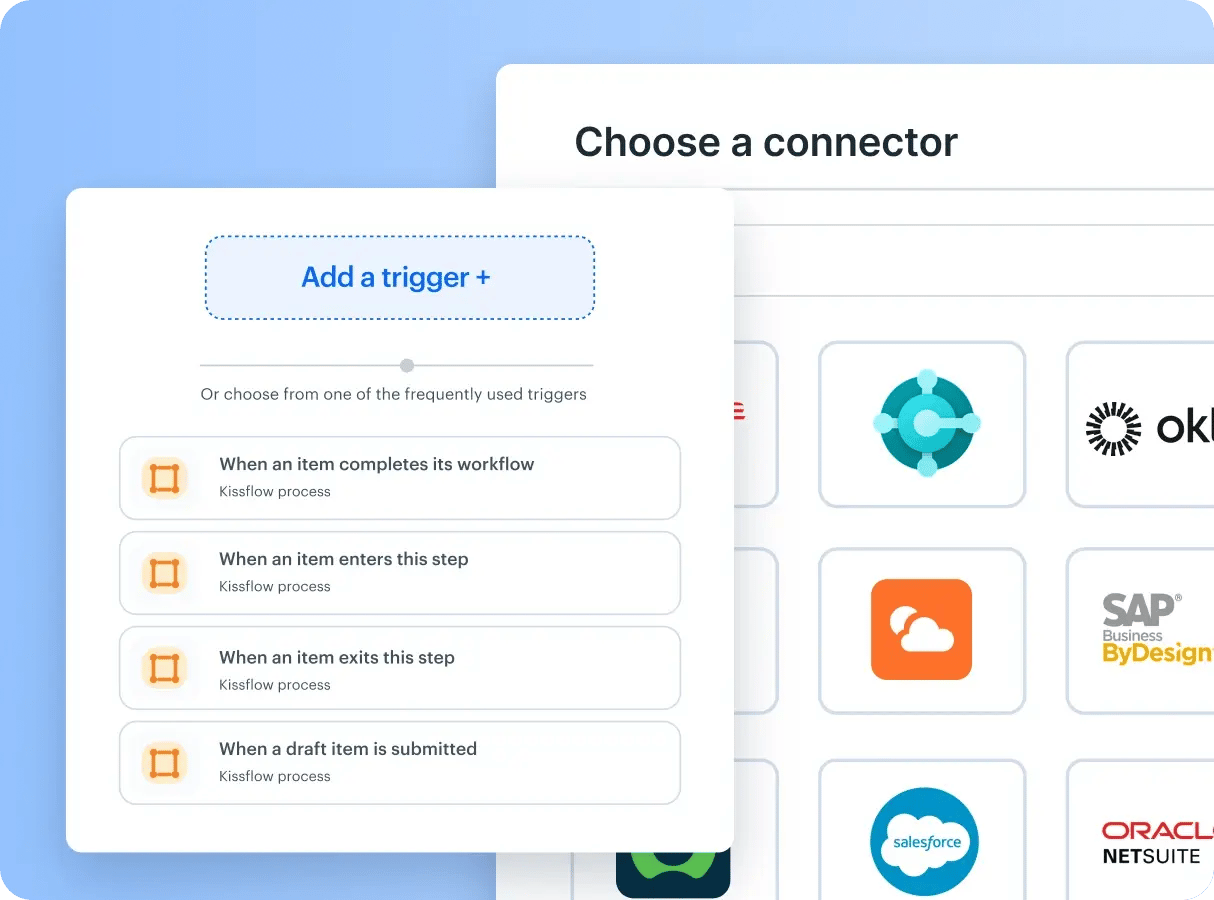
 Native integrations
 AI-assisted workflows






-May-15-2025-11-55-57-8886-AM.png)




-May-15-2025-11-55-57-9426-AM.png)



-May-15-2025-11-55-58-6954-AM.png)