Student Exception and Grade Change Management Built for the Record an Auditor Will Actually Pull
An incomplete resolved late, a grade appeal upheld, or a retroactive withdrawal approved each need an instructor's request, a registrar's approval, and a transcript update that matches, in that order, traceable six months later, not a note in a file.

Trusted by leading universities worldwide






The incomplete resolved months after the deadline everyone forgot to track
An appeal upheld, an incomplete resolved months late, a retroactive withdrawal finally approved: three different reasons a grade changes after a term has already closed, and all three still need the same thing, an instructor's documented request, a registrar's approval, and a transcript that matches by the time anyone checks it. Most offices run each through whatever channel is available that week, a form for one, an email for another, a phone call and a note in an advising file for the third, so six months later nobody can reconstruct who asked for the change.
Student Exception and Grade Change Management System gives each of those requests a form, an approval chain, and a record tied to the course section, so a grade change six months after the fact is still traceable to who requested it and who approved it, not just a note in a file. A faculty member submits a grade change, incomplete resolution, or exception request tied to the section, and each request type routes to the right approver, chair, dean, or registrar, based on policy. An open incomplete carries its deadline on the record and escalates before it defaults, and every posted change keeps the original grade attached.
What breaks when grade changes and exceptions run on email
No paper trail tied to the section
A grade change lands as a reply-all thread, disconnected from the course section or term it belongs to.
Approval authority is assumed, not enforced
Nothing stops a change from posting before the department chair or registrar has actually signed off.
Deadlines pass unnoticed
An incomplete's resolution window closes without anyone flagging it, and the grade defaults before a decision is even made.
No record for a dispute months later
When a student or an auditor asks why a grade changed, the explanation has to be reconstructed from memory.
Six modules. Built for a grade change that still has to make sense a year later.
Every module ships with default forms, routing, and dashboards. Configure each one to match your grading and exception policy.
Exception and grade change intake
A faculty member submits a grade change, an incomplete resolution, or an exception request tied to the specific course section and student.
Approval routing by exception type
Each request type routes to the right approver, department chair, dean, or registrar, based on the policy behind it.
Incomplete deadline tracking
An open incomplete carries its resolution deadline directly on the record and escalates automatically before it defaults.
Change history on the student record
Every posted change keeps the original grade, the request, and the approval attached, not just the final value.
Student and advisor status view
A student or advisor can see where an exception request stands without emailing the registrar's office.
Exception volume and pattern reporting
The registrar sees grade change volume by course, instructor, and reason, useful for spotting a course that needs a policy look.
From request to system of record in four steps
Submit
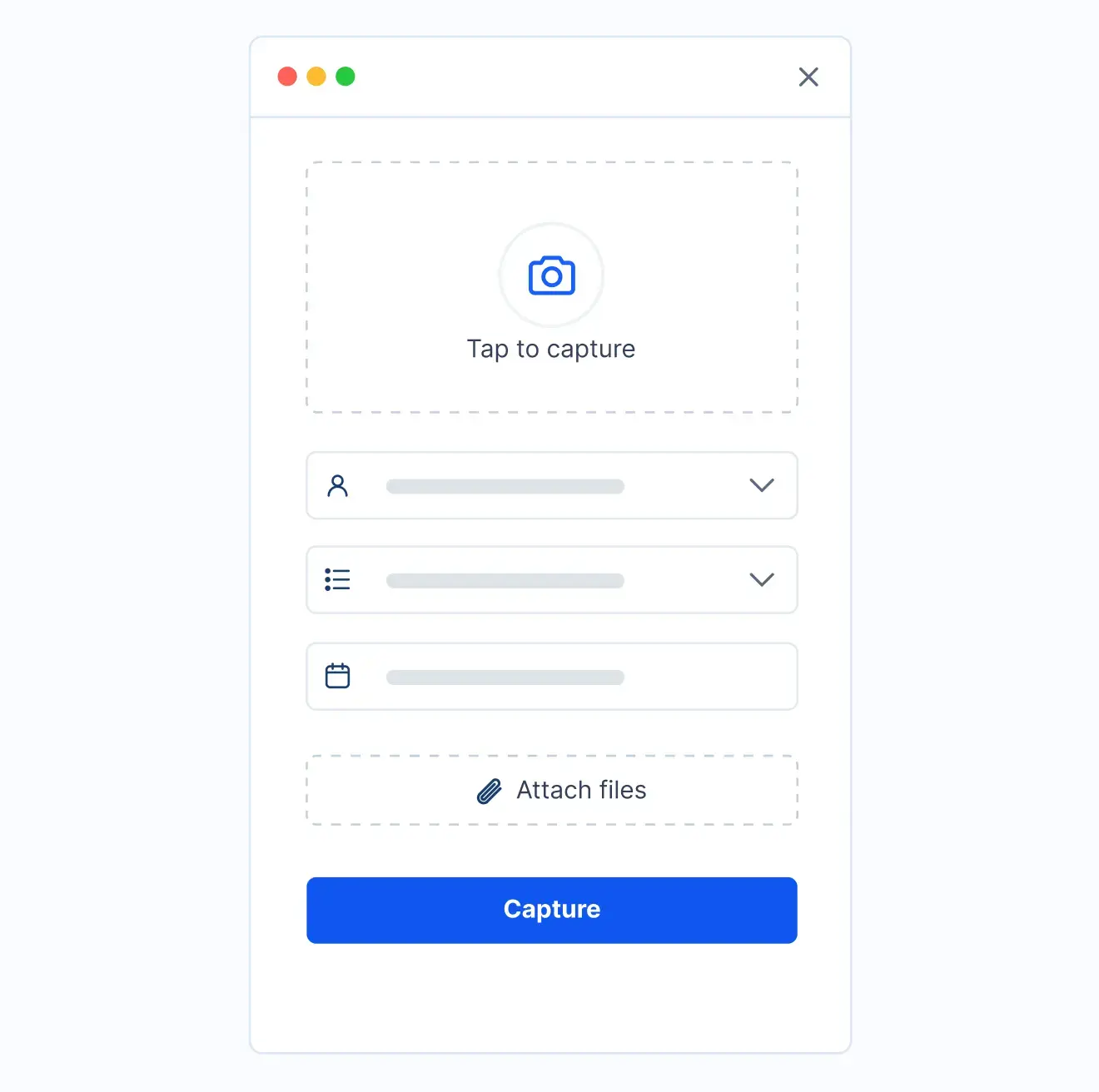
Faculty submits the exception, a grade change, incomplete resolution, or exception request, tied to the section through a guided form.
Review
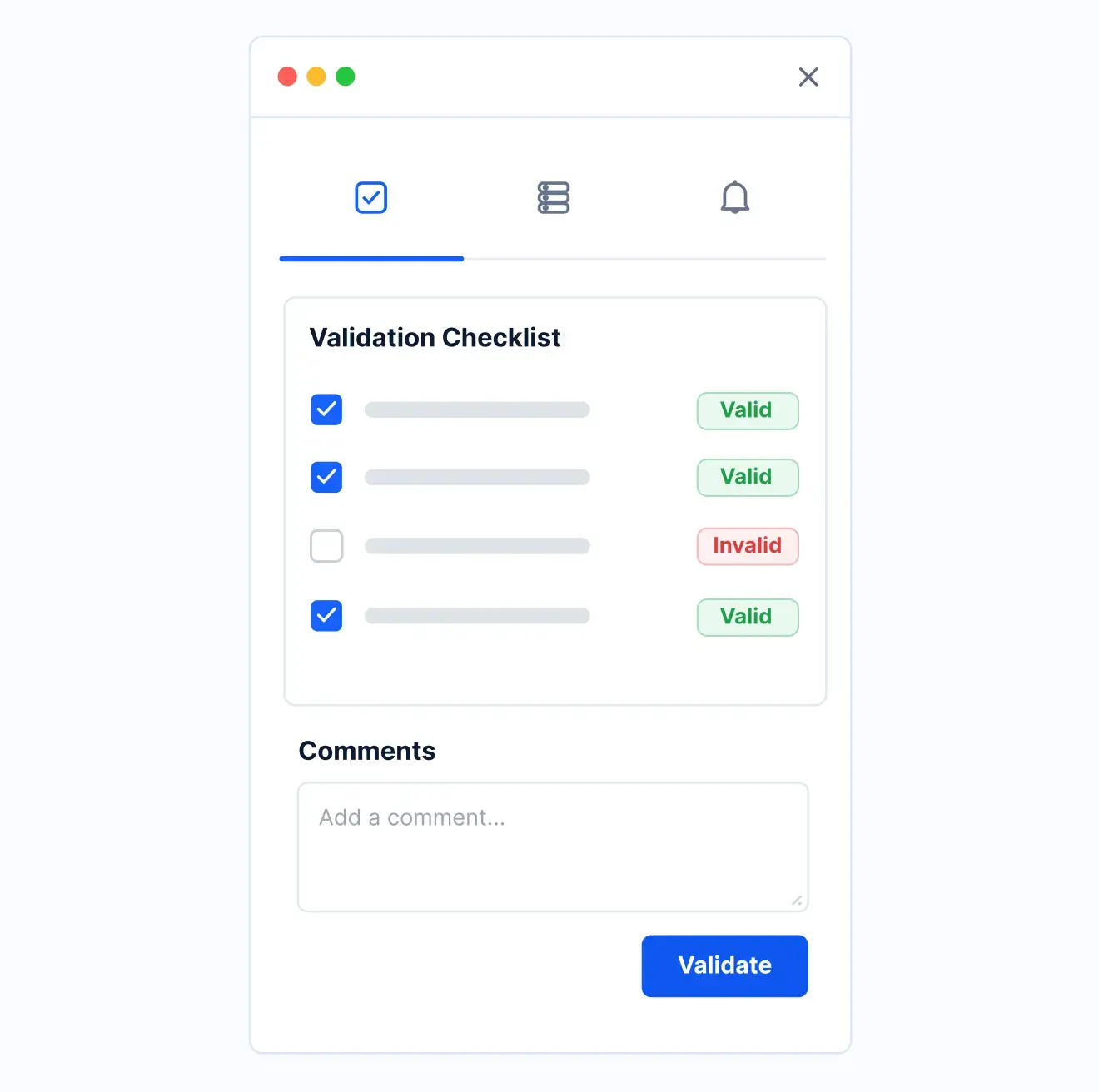
The request routes to the department chair, dean, or registrar based on exception type and institutional policy, with full context attached.
Approve
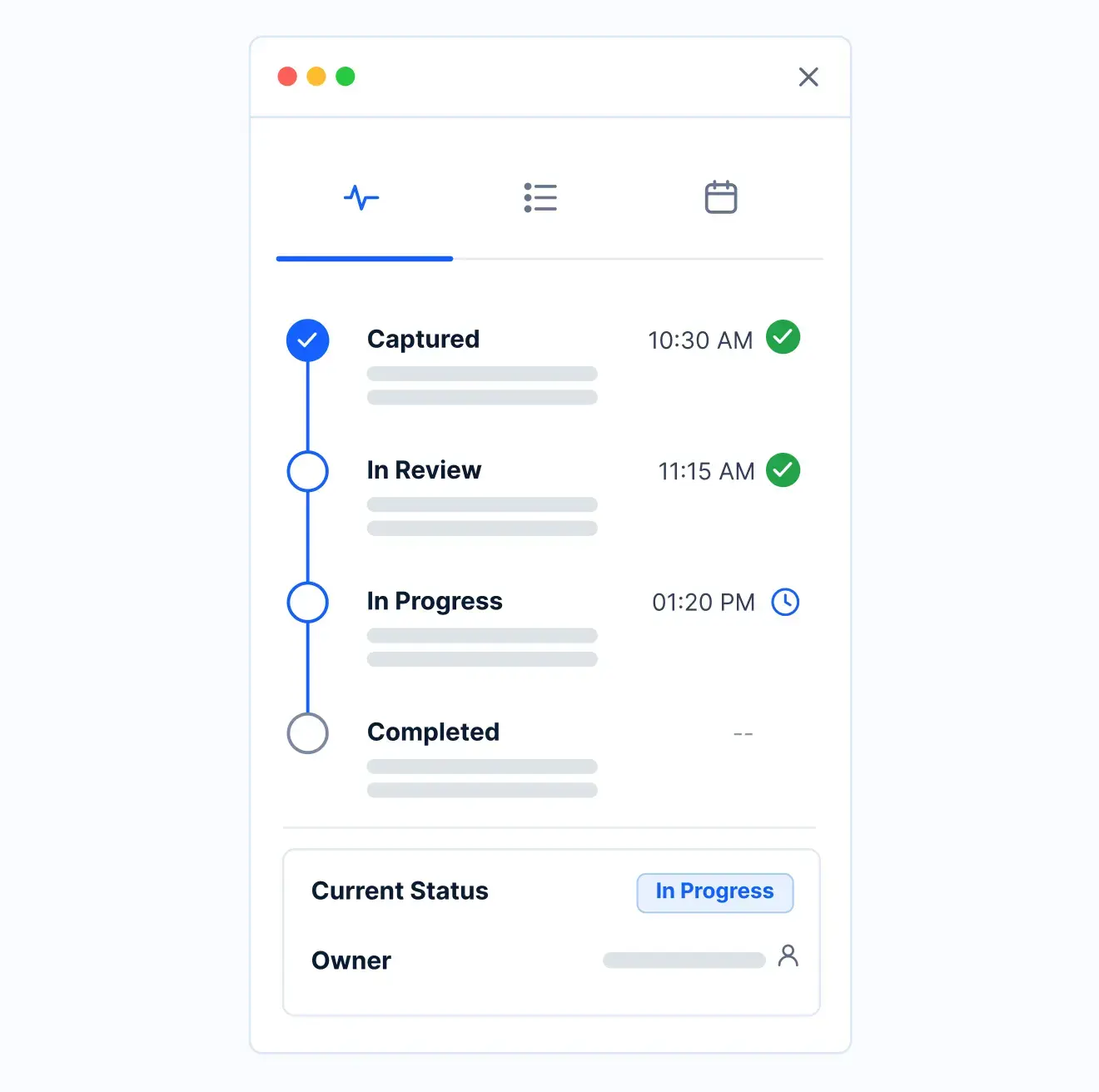
Once approved, the grade updates and the original value, the request, and the approval all stay attached to the record, traceable months later.
Record
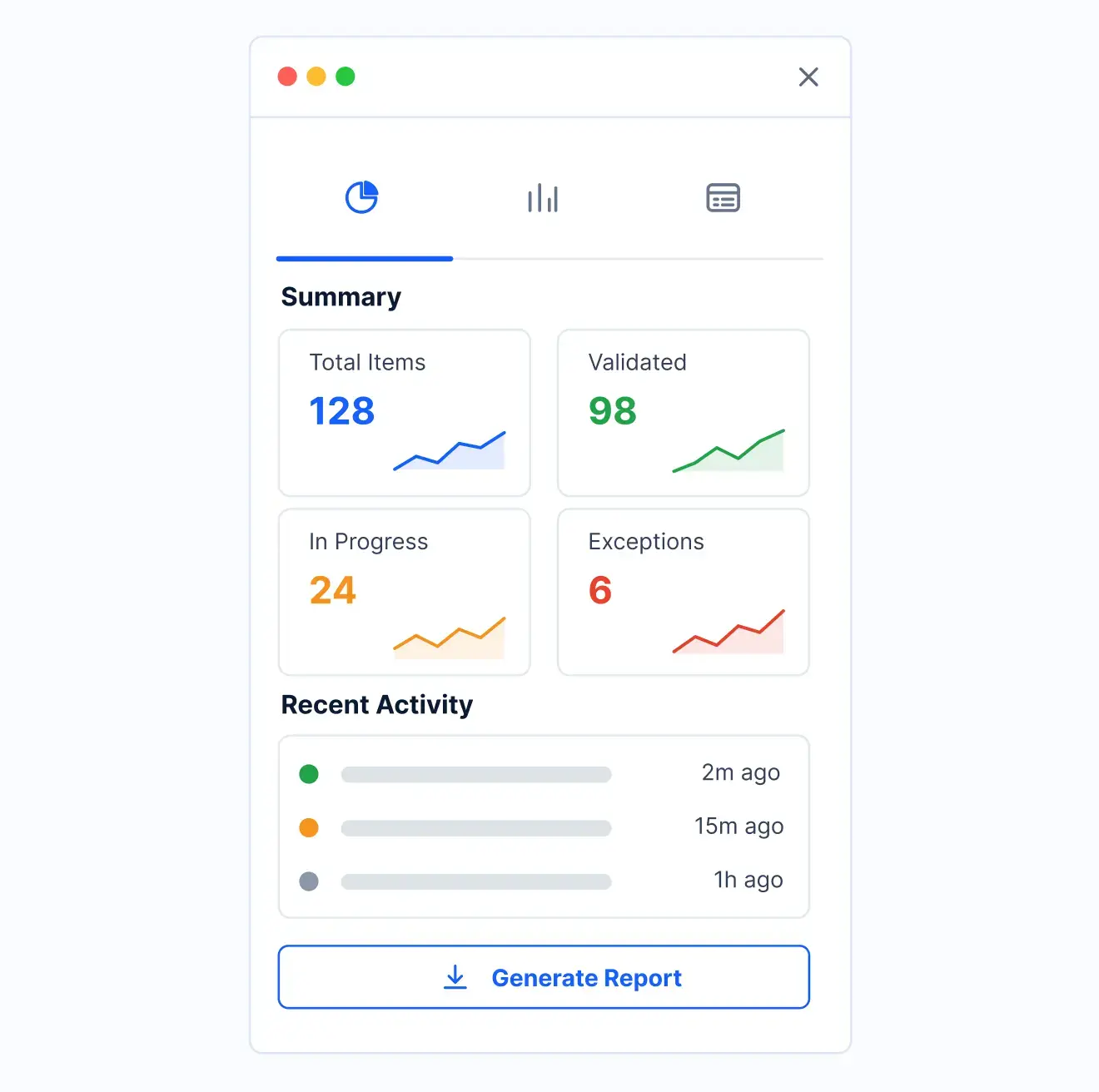
Exception volume by course, instructor, and reason is written to registrar reporting for review, with a full change history retained.
What changes when grade change and exception handling runs on Kissflow
| Process | Before Kissflow | On Kissflow |
|---|---|---|
| Exception submission | Email or paper form | One intake form tied to the course section |
| Approval | Assumed, rarely verified | Routed and enforced by exception type |
| Incomplete deadlines | Tracked by the instructor, if at all | Tracked on the record with automatic escalation |
| Change history | A note in someone's file | Original grade, request, and approval all attached |
| Student visibility | A call to the registrar's office | Self-service status view |
| Reporting | Reconstructed at audit time | Exception volume and pattern reporting on demand |
Connects to your SIS; Banner, Workday, or Ellucian stays the system of record
Kissflow does not post grades directly into Banner, Workday, or Ellucian on its own authority. It is where the exception request, the approval, and the documentation trail live before the registrar's office makes the update, so the SIS entry always has a governed record behind it.
.svg)



.svg)
.svg)
.svg)
.svg)

.svg)
.svg)
.svg)
.svg)
.svg)

.svg)

.svg)

.svg)
.svg)
.svg)
.svg)
.svg)
.svg)
.svg)
.svg)
.svg)

.svg)
Built for a grade change six months later, not just the one today
Live in weeks
Exception types, approval routing, and incomplete deadlines are configured in the visual builder, and the AI Builder can generate a starting workflow from a description of your grade change policy.
Approval enforced, not assumed
A change cannot post without the sign-off the policy requires, whoever that is for that exception type.
Incomplete deadlines that escalate themselves
An unresolved incomplete surfaces to the registrar before its window closes, not after.
A record that survives the question
Original grade, request, and approval stay attached to the change indefinitely, ready for a transcript dispute or an audit.
Role-based access
Faculty see their own submitted requests; the registrar's office sees the full exception queue and history.
Pattern visibility the registrar didn't have before
Exception volume by course and instructor surfaces a pattern worth a policy conversation, not just individual cases.
Related apps
Update Student Final Grades Management System
Final grade submission, review, posting, and change-request workflow in one register.
Student Petition & Exception Processing Management System
The broader petition path for a deadline waiver or policy exception outside grading; see the FAQ for the difference.
Academic Policy Enforcement & Exception Management
Where a one-off exception becomes a pattern worth a policy review.
We help registrar's offices turn a grade change into a governed record, not a reply-all thread.
.gif)

“If a company cannot enable everybody to use AI, they will never get the true benefit of AI. Platforms like Kissflow allow us to put that capability in the hands of our users in a safe way.”
Vagesh Dave
GVP & CIO at McDermott International, Ltd
See The Full Story

“Advanced automation of all processes is easy to set up. I cannot imagine how to manage workflows without this software.”
Tanay Tiwary
Global Head - Digitalization & Business Improvement
See the Full Story

“Kissflow supports rapid application development by building a working application prototype in the shortest amount of time.”
Maria Theresa Cabigon
CIO, SN Aboitiz Power Group
See The Full Story
See what Kissflow can do for you
Talk to usGot questions? We're here to help.
Get SupportNo. Banner, Workday, or Ellucian remains the system of record for the posted grade. Kissflow is where the exception request, approval, and documentation trail live before that grade gets updated.
Update Student Final Grades Management System handles original grade submission at the end of a term, by section, by instructor. This app handles what happens after: an appeal, an incomplete resolved late, or a retroactive change, each with its own approval path and history.
Student Petition & Exception Processing routes broader policy exceptions, a late-withdrawal deadline waived, a residency requirement waived, through a committee decision. This app is specific to grade changes and grading-related exceptions, incompletes and appeals, routed to the chair, dean, or registrar rather than a standing committee.
The system flags the approaching deadline to the instructor and escalates to the department if it passes without a resolution, instead of letting the incomplete default silently.
Access is role-based. The submitting faculty member sees their own requests; the registrar's office sees the full queue and change history across courses.
Yes. Exception types, approval routing, and deadline rules are configured in the visual builder, and the AI Builder can generate a starting workflow from a description of your grade change policy.
Configuration and AI-assisted setup typically move initial rollout to weeks, not a multi-month systems project.
Kissflow is certified to SOC 1, SOC 2, SOC 3, and ISO/IEC 27001, supports HECVAT review, and is built to support FERPA and GLBA Safeguards obligations, with data residency options in the US, EU, APAC, and Oceania.