Student Petition and Exception Processing, From Submission to Registrar Update
A petition to waive a rule gets a defined committee, a documented rationale, and a registrar update, in that order, not an email thread CC'd to whoever in the office might have an opinion, that quietly gets forgotten a week later by everyone copied on it.

Trusted by leading universities worldwide






A late-withdrawal petition needs a committee decision, not a CC'd thread
A petition to waive the late-withdrawal deadline needs a committee decision, a documented rationale, and a registrar update, in that order, and a lot of institutions still run it as an email thread CC'd to everyone who might have an opinion. A grade-forgiveness request, a course substitution, a residency waiver, each is a student asking a specific committee to bend a specific rule for their own record, and the decision needs to be traceable if it's ever appealed or audited. When the thread that decided it lives in one staff member's inbox, that trail disappears the day they change roles.
Student Petition and Exception Processing Management System captures the rule being waived, routes it to the reviewer with actual authority over that rule, and pushes the outcome to the registrar automatically. The petition form captures the specific rule the student is asking to have waived, with supporting documentation attached directly to the request rather than a separate email. It routes to the standing committee or office with authority over that particular rule, not a generic queue, and the decision and its rationale get logged before the registrar is notified to act.
What breaks when student petitions run as an email thread
No consistent record of the rule being waived
Each petition gets described differently by whoever writes the email.
Committee routing is inconsistent
Some petitions reach the right reviewer by chance, others get lost between offices.
Decisions and rationale aren't documented
A future appeal or audit has nothing to point to.
The registrar update happens as an afterthought
Sometimes days after a decision that should have taken effect immediately.
Three modules. Built for the rule being waived, not just the request.
Every module ships with default forms, routing, and dashboards. Configure each one to match your institution's petition types.
Petition submission form
The specific rule the student is asking to have waived, with supporting documentation attached to the request itself.
Committee review and decision
Routed to the standing committee or office with actual authority over that specific rule, not a generic queue.
Decision record and registrar update
The outcome and its rationale are logged against the petition, and the registrar is notified to act on it immediately.
From request to system of record in four steps
Submit
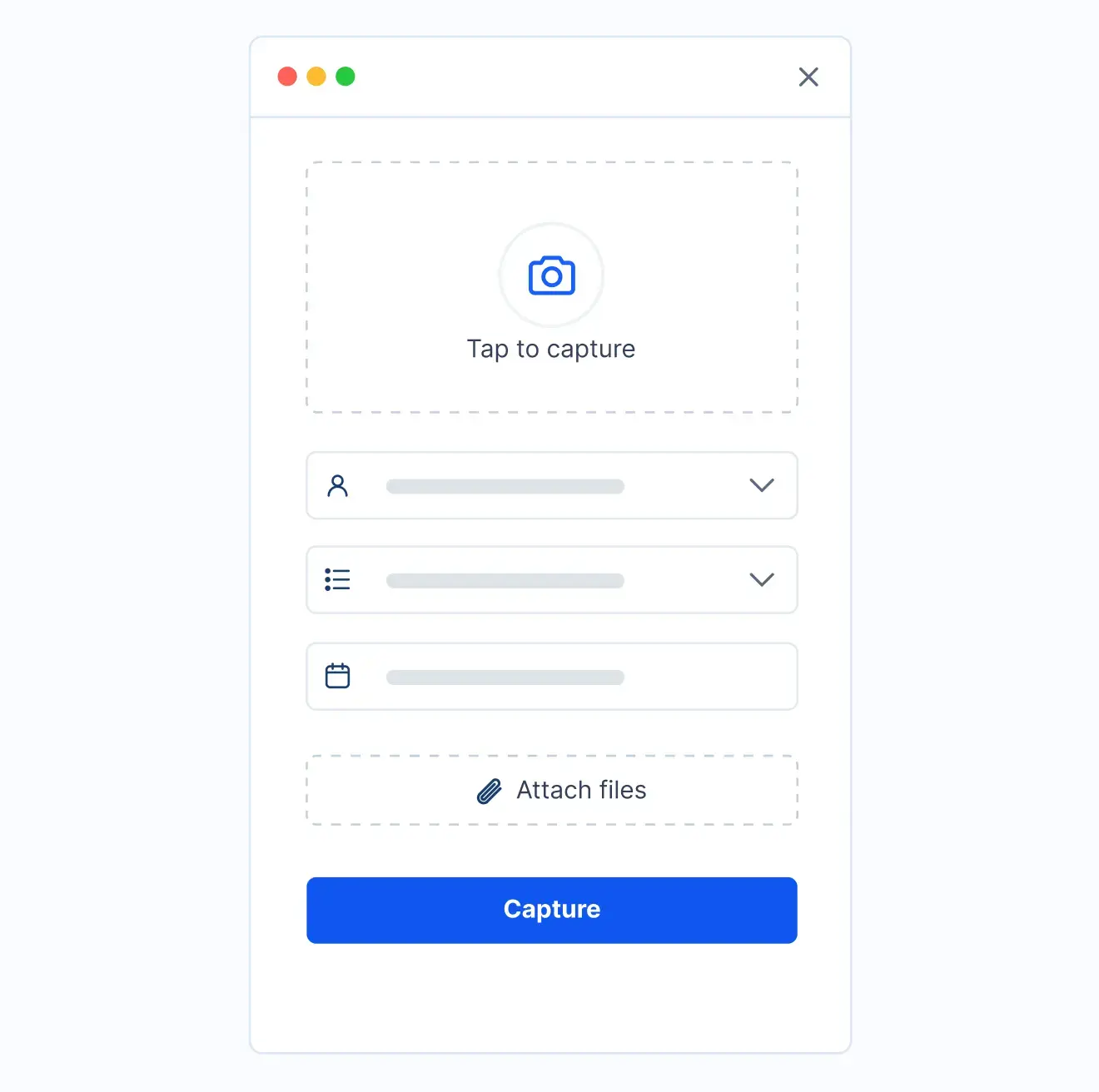
The student submits a petition, with the specific rule and supporting documentation attached to the form.
Review
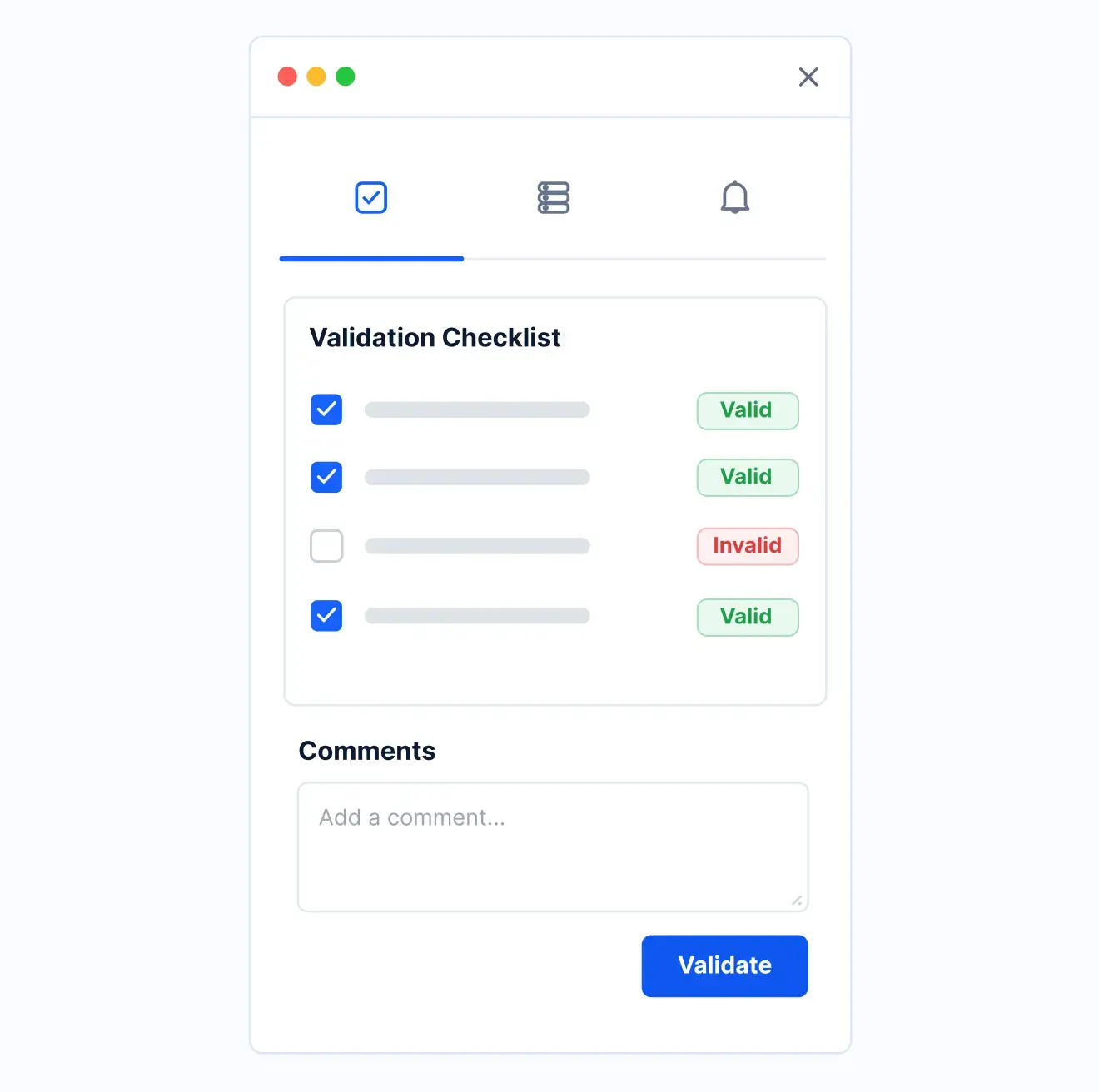
The petition routes to the committee with authority, a defined reviewer with a defined scope, not an email thread.
Approve
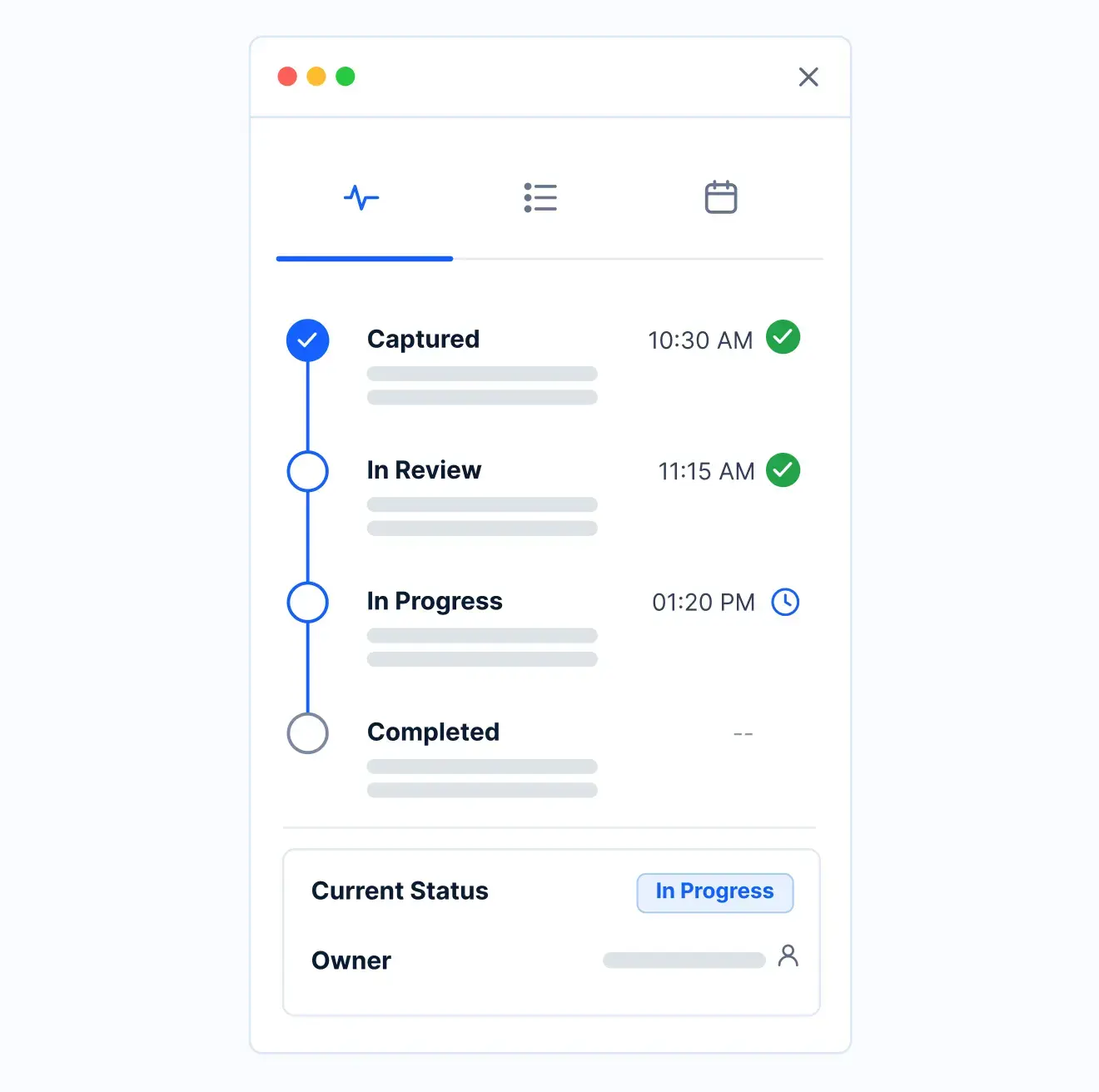
The decision is made and recorded with rationale, and the outcome and reasoning are logged directly against the petition.
Record
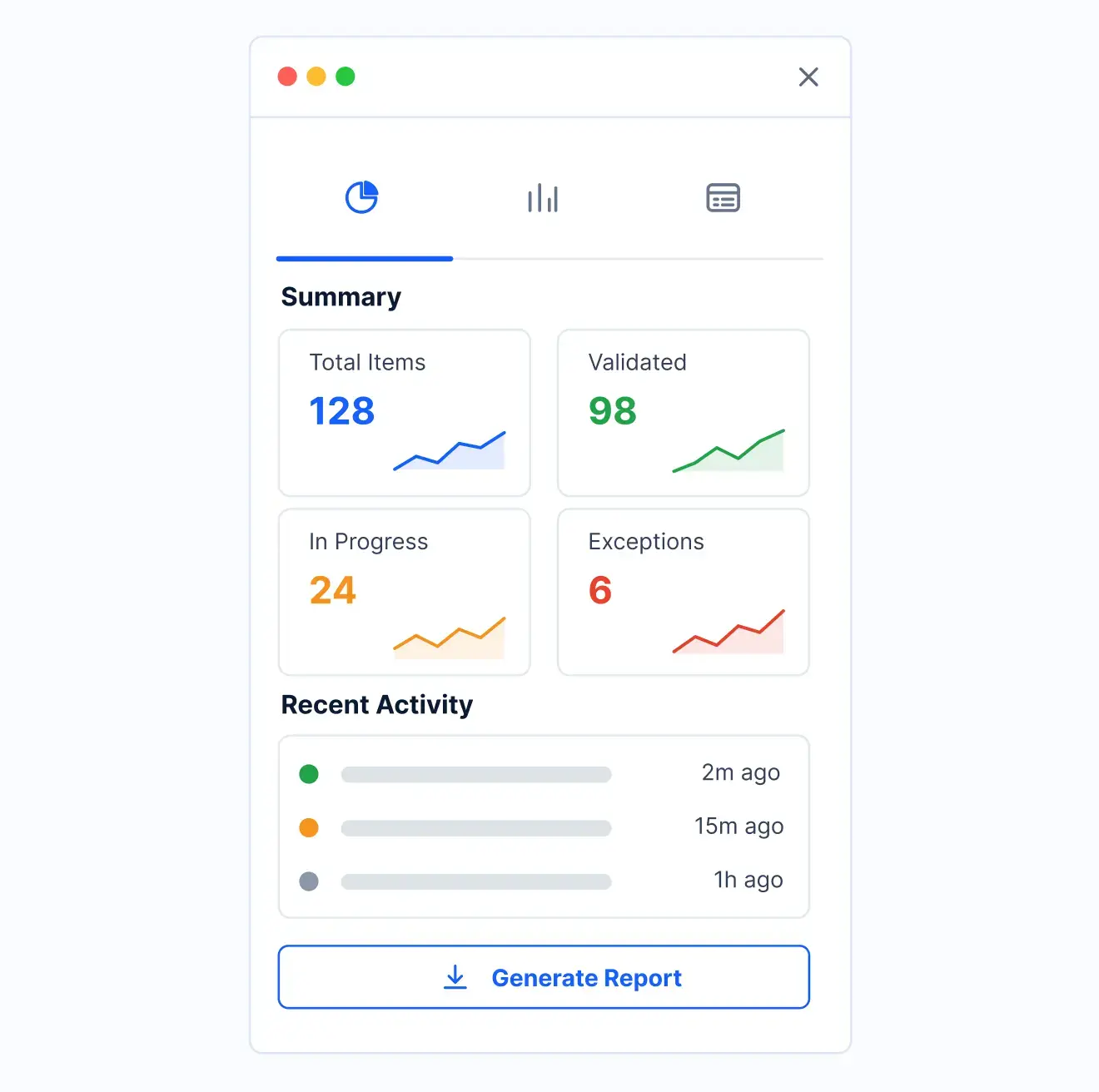
The registrar is notified to act, and the approved exception reaches the record that has to reflect it that day.
What changes when petition processing runs on Kissflow
| Process | Before Kissflow | On Kissflow |
|---|---|---|
| Petition record | An email thread | A structured submission form |
| Routing | Inconsistent, sometimes lost | Routed to the committee with authority |
| Decision and rationale | Not documented | Logged against the petition |
| Registrar update | An afterthought | Triggered automatically on approval |
| Appeal readiness | Nothing to point to | A documented decision record |
| Petition volume reporting | Not tracked | Reported by rule and by outcome |
Connects to your SIS; Banner and Workday stay the system of record
Kissflow does not replace Banner or your SIS as the record of a student's academic history. Kissflow manages the petition, the committee decision, and the rationale that leads to a registrar update.
.svg)



.svg)
.svg)
.svg)
.svg)

.svg)
.svg)
.svg)
.svg)
.svg)

.svg)

.svg)

.svg)
.svg)
.svg)
.svg)
.svg)
.svg)
.svg)
.svg)
.svg)

.svg)
Built for a decision that has to hold up to an appeal
One structured petition form, not an email thread
The specific rule being waived and its supporting documentation are captured the same way every time.
Routed to the committee with actual authority
Not whichever office happens to receive the email first.
Live in weeks
Petition types and committee routing are configured in the visual builder, and the AI Builder can generate a starting workflow from a description of your petition categories.
An ERP-adjacent record
Banner or your SIS remains the system of record for the student's academic history; Kissflow manages the petition and decision that updates it.
A stalled petition surfaces before the deadline it's tied to
A petition sitting past a review window is escalated before the student misses the outcome it depends on.
Role-based access
Students see their own petitions; committee members see only the petition types they have authority over.
Related apps
Academic Policy Enforcement and Exception Management
The institution-side register of policy currency and office-initiated exceptions, distinct from a student-initiated petition.
Student Grievance and Title IX Case Management
The complaint and conduct process a petition is not; see the FAQ for the difference.
Curriculum and Program Approval Management System
Handles a proposed change to the rule itself, not a one-time exception request.
We help the registrar's office turn a petition into a documented, appealable decision.
.gif)

“If a company cannot enable everybody to use AI, they will never get the true benefit of AI. Platforms like Kissflow allow us to put that capability in the hands of our users in a safe way.”
Vagesh Dave
GVP & CIO at McDermott International, Ltd
See The Full Story

“Advanced automation of all processes is easy to set up. I cannot imagine how to manage workflows without this software.”
Tanay Tiwary
Global Head - Digitalization & Business Improvement
See the Full Story

“Kissflow supports rapid application development by building a working application prototype in the shortest amount of time.”
Maria Theresa Cabigon
CIO, SN Aboitiz Power Group
See The Full Story
See what Kissflow can do for you
Talk to usGot questions? We're here to help.
Get SupportNo. Banner or your SIS remains the system of record for the student's academic history. Kissflow manages the petition, committee decision, and rationale, and pushes the approved outcome to the registrar to record.
No. Student Grievance and Title IX Case Management handles a complaint about how a student was treated, with investigation and hearing steps. A petition here is a student proactively asking a committee to waive a specific academic rule for their own record, a different process with a different reviewer.
That app is the institution-side register of policy currency, attestation, and office-initiated waiver requests. This app is student-initiated: an individual student petitioning a specific committee to bend a rule for their own case.
It escalates to the committee chair or a designated backup reviewer before the deadline the student's petition is tied to passes.
Yes. Petition types, committee routing, and required documentation are configured in the visual builder, and the AI Builder can generate a starting workflow from a description of your petition categories.
Access is role-based. The submitting student sees their own petition; committee members see only the petition types within their authority; the registrar sees approved outcomes that require a record update.
Configuration and AI-assisted setup typically move initial rollout to weeks, not a multi-month systems project.
Kissflow is certified to SOC 1, SOC 2, SOC 3, and ISO/IEC 27001, supports HECVAT review, and is built to support FERPA and GLBA Safeguards obligations, with data residency options in the US, EU, APAC, and Oceania.