Curriculum and Program Approval From Proposal to Catalog, in One App
Every catalog change, new course, new program, or routine edit, moves through the same structured intake, review, and publication handoff, so a one-line prerequisite fix never sits behind a full new-program proposal in the same committee queue for weeks.

Trusted by leading universities worldwide




Every catalog entry traveled through committee before it printed
Every catalog entry, a brand-new program, a revised prerequisite, a retired course, traveled through committee before it printed, and most institutions run all three kinds of change through the same slow, undocumented process regardless of how different the stakes actually are. A one-line prerequisite fix waits behind a full new-program proposal in the same queue, and a committee member on sabbatical becomes a silent bottleneck nobody notices until the catalog deadline is a week away.
Curriculum and Program Approval Management System gives every proposal one structured intake form, routes it through the right committee and senate chain, and hands the approved change to the catalog system as a documented request instead of a re-typed entry. New course, new program, or a routine catalog edit each get captured on their own form, curriculum committee, senate, and dean sign-off route in sequence, and an absent reviewer's approval can be delegated instead of stalling the chain. Every revision and approval decision is timestamped against the proposal for a full audit trail, and once approved, the change reaches the catalog system as a structured request, not a hallway conversation.
What breaks when curriculum and catalog changes route by email
Different change types get handled inconsistently
A course tweak and a new-program launch move through whatever process the department chair happens to remember.
Approvals stall with no visibility
A proposal sits in someone's inbox and nobody downstream can see where it is.
The catalog update happens outside the approval record
Someone manually keys the change in, sometimes before the approval is actually final.
No audit trail for a reviewer
Reconstructing who approved what, and when, means searching old email threads.
Six modules. Built for every kind of catalog change, in one intake.
Every module ships with default forms, routing, and dashboards. Configure each one to match your institution's committee structure.
Change-type intake form
New course, new program, or catalog edit, each captured on its own structured form instead of one generic request.
Multi-level committee and senate review
Curriculum committee, academic senate, and dean sign-off route in sequence, in the order the institution actually requires.
Delegation and escalation
An absent reviewer's approval can be delegated, and a stalled item escalates automatically before a deadline is missed.
Full audit and version trail
Every revision and approval decision is timestamped against the proposal, building a full audit trail as it moves.
Catalog publication handoff
An approved change reaches the catalog system as a structured update request, not a hallway conversation.
Approval cycle reporting
Average time-to-approval broken down by proposal type and committee stage, so a bottleneck stage is visible, not guessed at.
From request to system of record in four steps
Submit
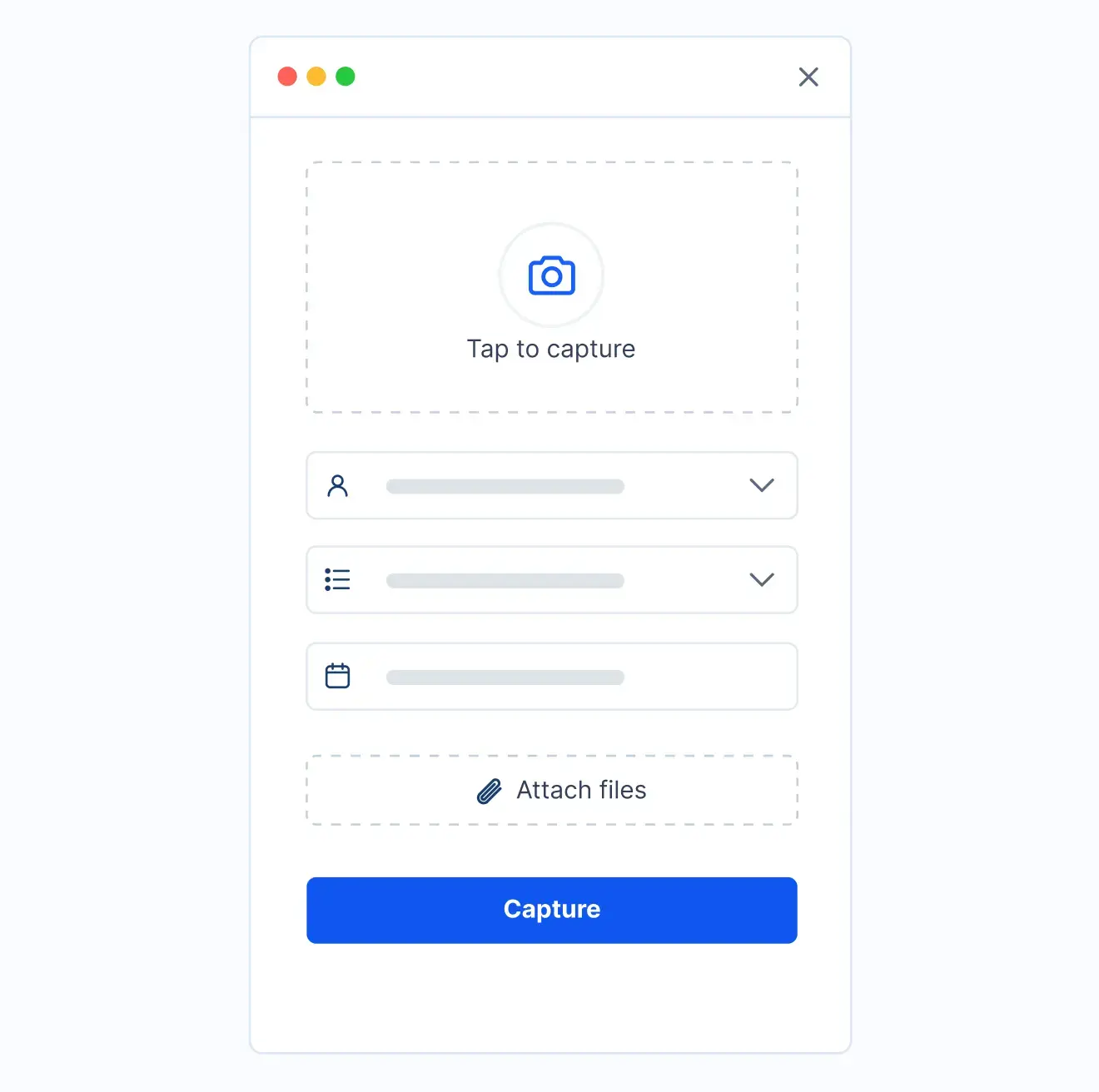
A new course, program, or catalog change is submitted on its own dedicated intake form.
Review
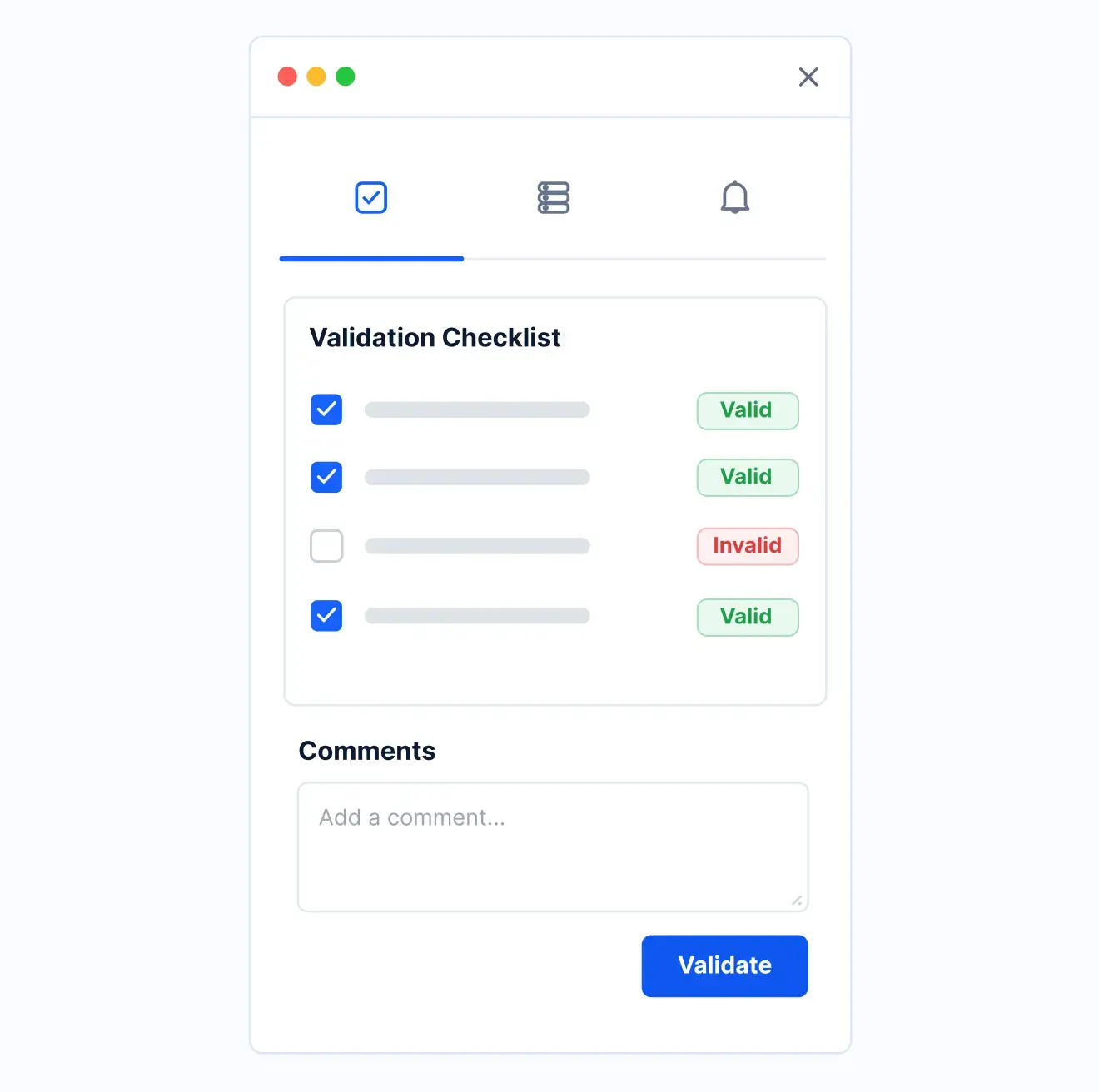
The proposal moves through curriculum committee, senate, and dean sign-off in sequence, with delegation and escalation keeping a stalled item moving.
Approve
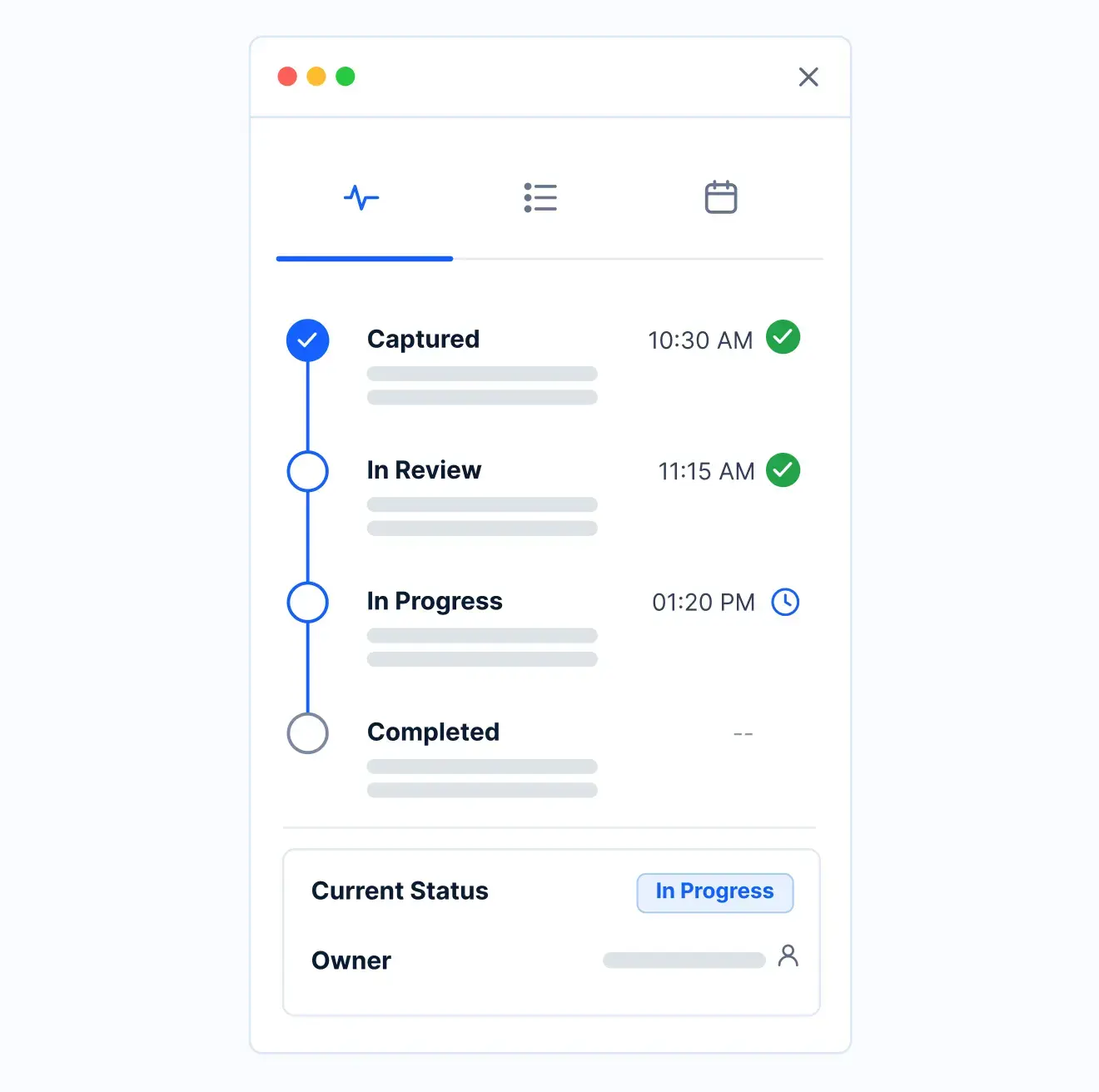
Approval is recorded with a full audit trail once every level has signed off.
Record
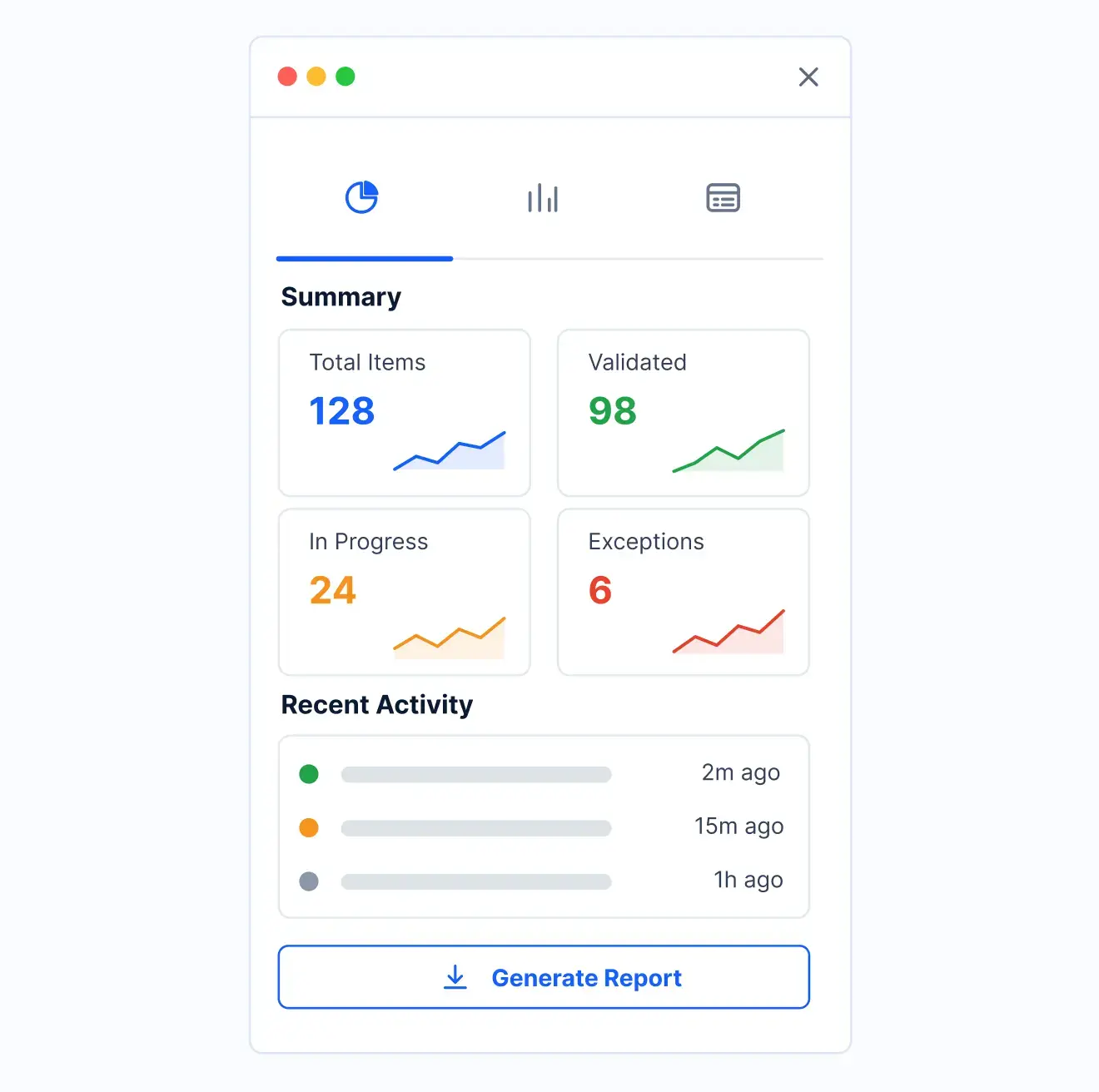
Catalog publication is triggered, and the approved change reaches the catalog system as a structured handoff.
What changes when curriculum and program approval runs on Kissflow
| Process | Before Kissflow | On Kissflow |
|---|---|---|
| Change intake | Whatever form a department chair has on hand | One structured intake form for any change type |
| Committee routing | Manual, tracked in email | Multi-level review routed automatically |
| Delegation | Reviewer absence stalls the item | Delegation keeps it moving |
| Audit trail | Reconstructed from old threads | Timestamped automatically |
| Catalog update | A manual re-entry, sometimes before approval finalizes | A structured handoff after approval |
| Cycle reporting | Not tracked | Time-to-approval reported by type and stage |
Connects to your catalog system; Banner and Workday stay the system of record
Kissflow does not replace your catalog publishing system. Your catalog system stays the system of record for the published course or program description; Kissflow manages and records the approval decision that authorizes the catalog to change.
.svg)



.svg)
.svg)
.svg)
.svg)

.svg)
.svg)
.svg)
.svg)
.svg)

.svg)

.svg)

.svg)
.svg)
.svg)
.svg)
.svg)
.svg)
.svg)
.svg)
.svg)

.svg)
Built for every kind of catalog change, without three different processes
One intake form for every kind of catalog change
A course edit, a new program, or a catalog retirement all start the same structured way.
Catalog publication as a structured handoff, not a re-entry
The approved change reaches the catalog system as a documented request tied to its approval.
Live in weeks
Committee routing and delegation rules are configured in the visual builder, and the AI Builder can generate a starting workflow from a description of your governance chain.
An ERP-adjacent record
Your catalog system stays the system of record for the published entry; Kissflow manages the approval that authorizes the change.
A stalled proposal surfaces before the catalog deadline
Escalation reaches the next reviewer automatically instead of waiting on a nudge email.
Role-based access
Faculty, committee members, and administrators each see only the proposals and stages relevant to their role.
Related apps
Accreditation Compliance Evidence Management System
Evidence capture, currency alerts, escalation, and a trend dashboard for accreditation standards, tracked year-round.
Program Review Cycle Management
The recurring viability review a program goes through independent of any single proposed change.
Faculty Governance Committee Coordination
The standing committee structure that often reviews a curriculum proposal alongside its other business.
We help academic affairs move a proposal from committee to catalog without losing the paper trail.
.gif)

“If a company cannot enable everybody to use AI, they will never get the true benefit of AI. Platforms like Kissflow allow us to put that capability in the hands of our users in a safe way.”
Vagesh Dave
GVP & CIO at McDermott International, Ltd
See The Full Story

“Advanced automation of all processes is easy to set up. I cannot imagine how to manage workflows without this software.”
Tanay Tiwary
Global Head - Digitalization & Business Improvement
See the Full Story

“Kissflow supports rapid application development by building a working application prototype in the shortest amount of time.”
Maria Theresa Cabigon
CIO, SN Aboitiz Power Group
See The Full Story
See what Kissflow can do for you
Talk to usGot questions? We're here to help.
Get SupportNo. Your catalog system stays the system of record for the published course or program description. Kissflow manages and records the approval decision that authorizes the catalog to change.
Some institutions run separate deep processes for a single-course amendment versus a brand-new program launch with state review. This app is the consolidated version: one intake and one committee chain for any catalog change, built for institutions that would rather run one app than two or three.
Yes, as an additional review stage. The proposal routes through your internal committee and senate chain first, then to any state or system-level review your institution requires, all tracked on the same record.
Their approval step can be delegated to another reviewer, and if a proposal sits unreviewed past a set window, it escalates automatically instead of stalling.
Yes. Committee structure, routing rules, and forms per change type are configured in the visual builder, and the AI Builder can generate a starting workflow from a description of your governance chain.
Access is role-based. The submitting faculty member sees their own proposal's status; committee members and administrators see the proposals relevant to their review stage.
Configuration and AI-assisted setup typically move initial rollout to weeks, not a multi-month systems project.
Kissflow is certified to SOC 1, SOC 2, SOC 3, and ISO/IEC 27001, supports HECVAT review, and is built to support FERPA and GLBA Safeguards obligations, with data residency options in the US, EU, APAC, and Oceania.