Faculty Governance Committee Coordination Built for Quorum, Agenda, and Vote
Membership, terms, agenda items, and votes all stay on one shared committee record, so governance doesn't lose an entire afternoon confirming who's actually in the room, and a member whose term quietly expired doesn't keep voting for months unnoticed.

Trusted by leading universities worldwide




Confirming quorum by email the morning of the meeting
A faculty senate committee cannot vote without a quorum, and confirming quorum by email the morning of the meeting is how shared governance loses an afternoon. Agenda items arrive as separate emails in whatever order they were sent, supporting documents get attached inconsistently, and when a matter gets referred from one committee to another, its history usually doesn't travel with it, so the second committee starts from scratch on something the first one already debated.
Faculty Governance Committee Coordination tracks membership and terms against quorum requirements, compiles the agenda in one place, and keeps minutes and votes as a retained institutional record, not someone's personal notes. Membership, terms, and quorum requirements get tracked per committee instead of from memory, agenda items get submitted, compiled, and distributed ahead of the meeting, and proposals, reports, and supporting documents attach directly to the agenda item they belong to. An item referred from one committee to another keeps its full history intact, a shared dashboard shows where every pending item sits, and votes and minutes get recorded as the institution's actual governance record.
What breaks when shared governance runs on email and a shared calendar
Quorum gets confirmed the morning of the meeting
By counting reply-all responses instead of tracking membership and terms.
Agenda items arrive in whatever order they were emailed
With supporting documents attached inconsistently, if at all.
Referred items lose their history
When a matter moves from one committee to another, the record doesn't travel with it.
Minutes and votes live in whoever's notes
Not a retained institutional governance record.
Six modules. Built for the structure shared governance actually runs on.
Every module ships with default forms, routing, and dashboards. Configure each one to match your institution's committee structure.
Committee roster and term tracking
Membership, terms, and quorum requirements are tracked per committee, not reconstructed from memory the morning of a vote.
Meeting and agenda scheduling
Agenda items are submitted, compiled, and distributed ahead of the meeting, not assembled from separate emails.
Document and motion collection
Proposals, reports, and supporting documents attach directly to the agenda item they belong to, not a loose folder.
Cross-committee handoff
An item referred from one committee to another keeps its full history intact, so the next committee doesn't restart it.
Shared status dashboard
Where every pending item sits across the whole governance structure, visible on one shared status dashboard.
Minutes and vote archive
Votes and minutes are recorded and retained as the institution's governance record, not one member's personal notes.
From request to system of record in four steps
Plan
The committee is seated for the term, with roster, terms, and quorum requirements tracked from day one.
Assign
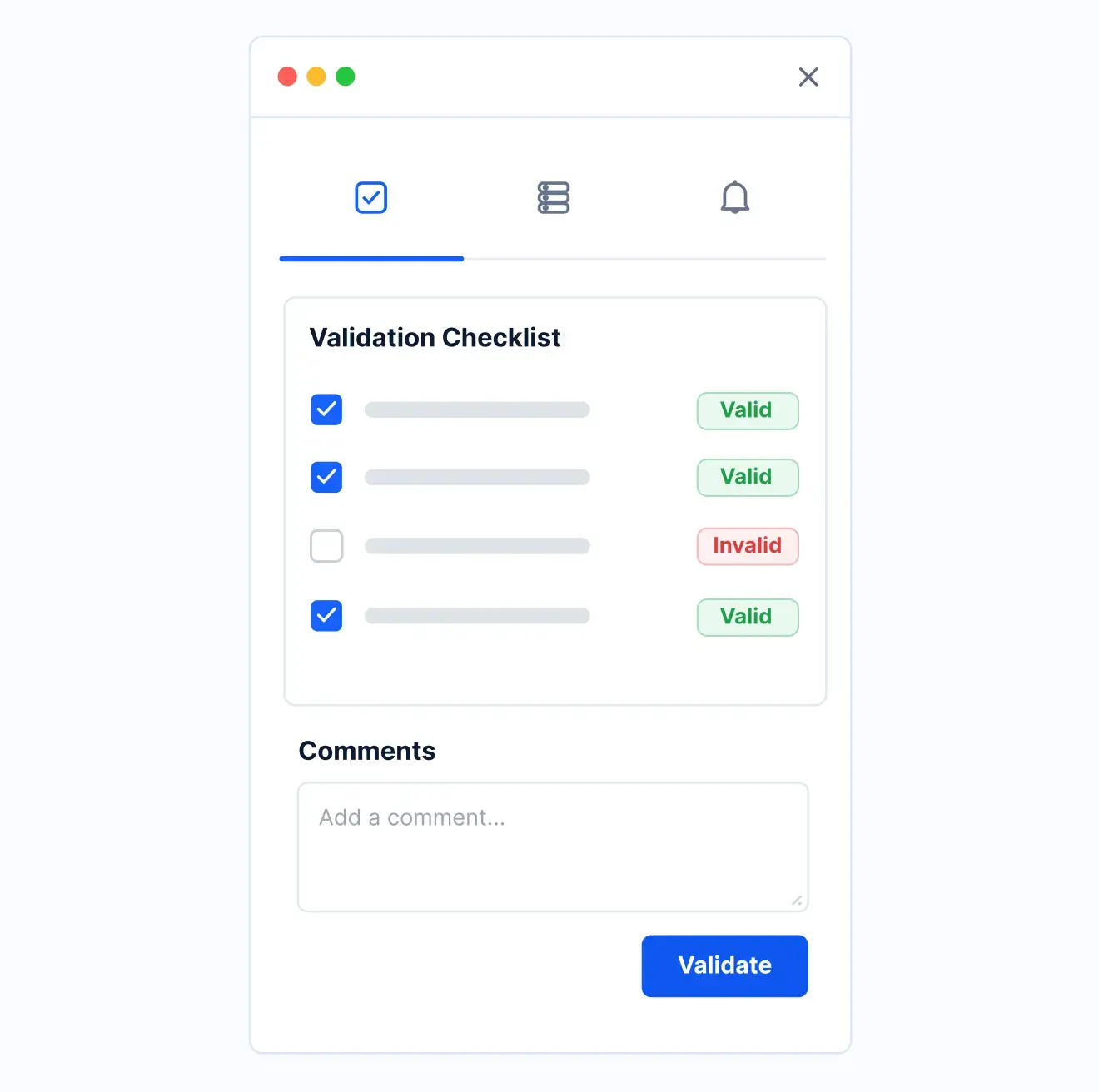
Agenda items are submitted and compiled, with proposals and documents attached to the item they belong to.
Execute
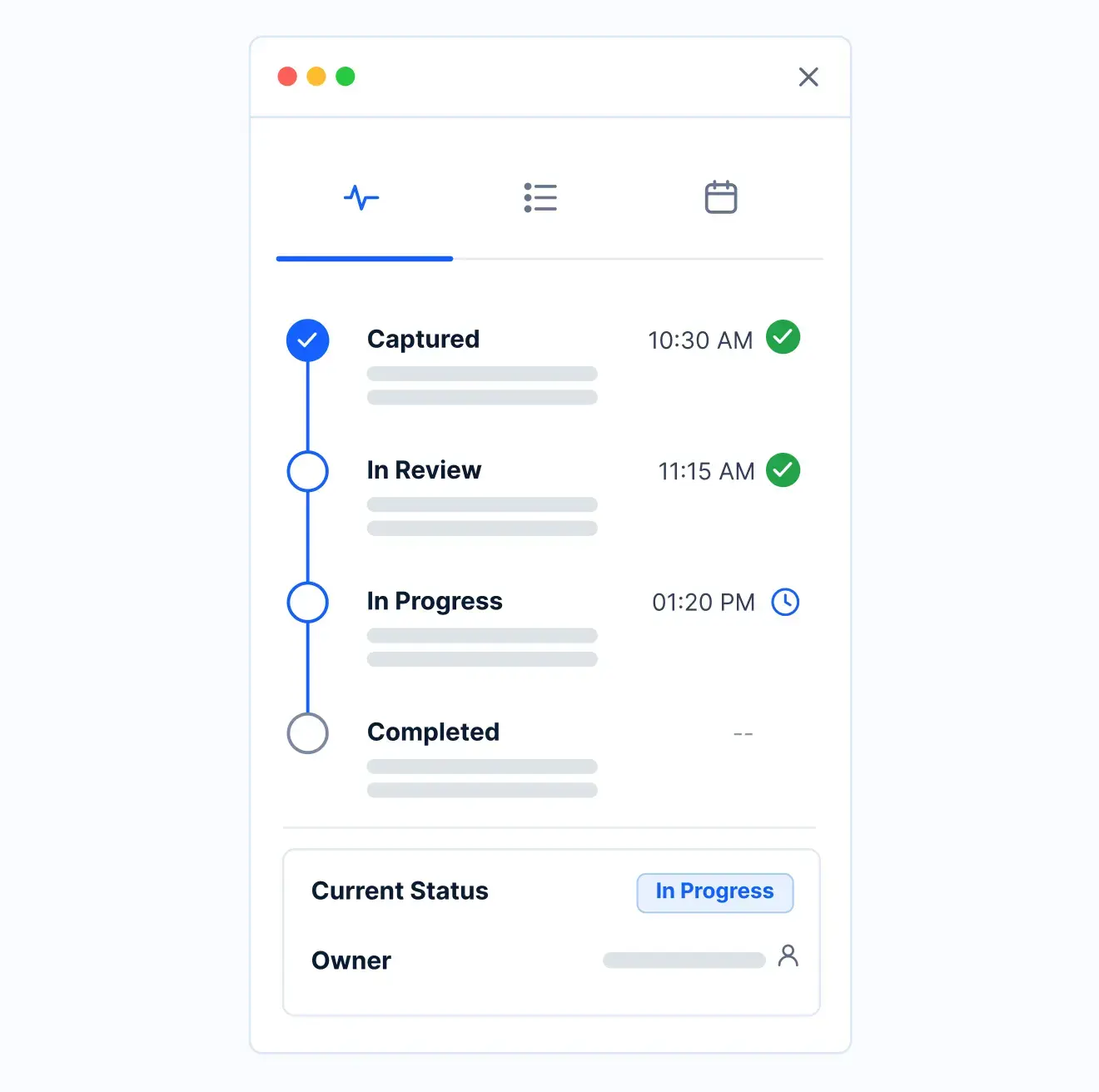
The meeting runs against a shared record, with votes and minutes captured as they actually happen in real time.
Close-out
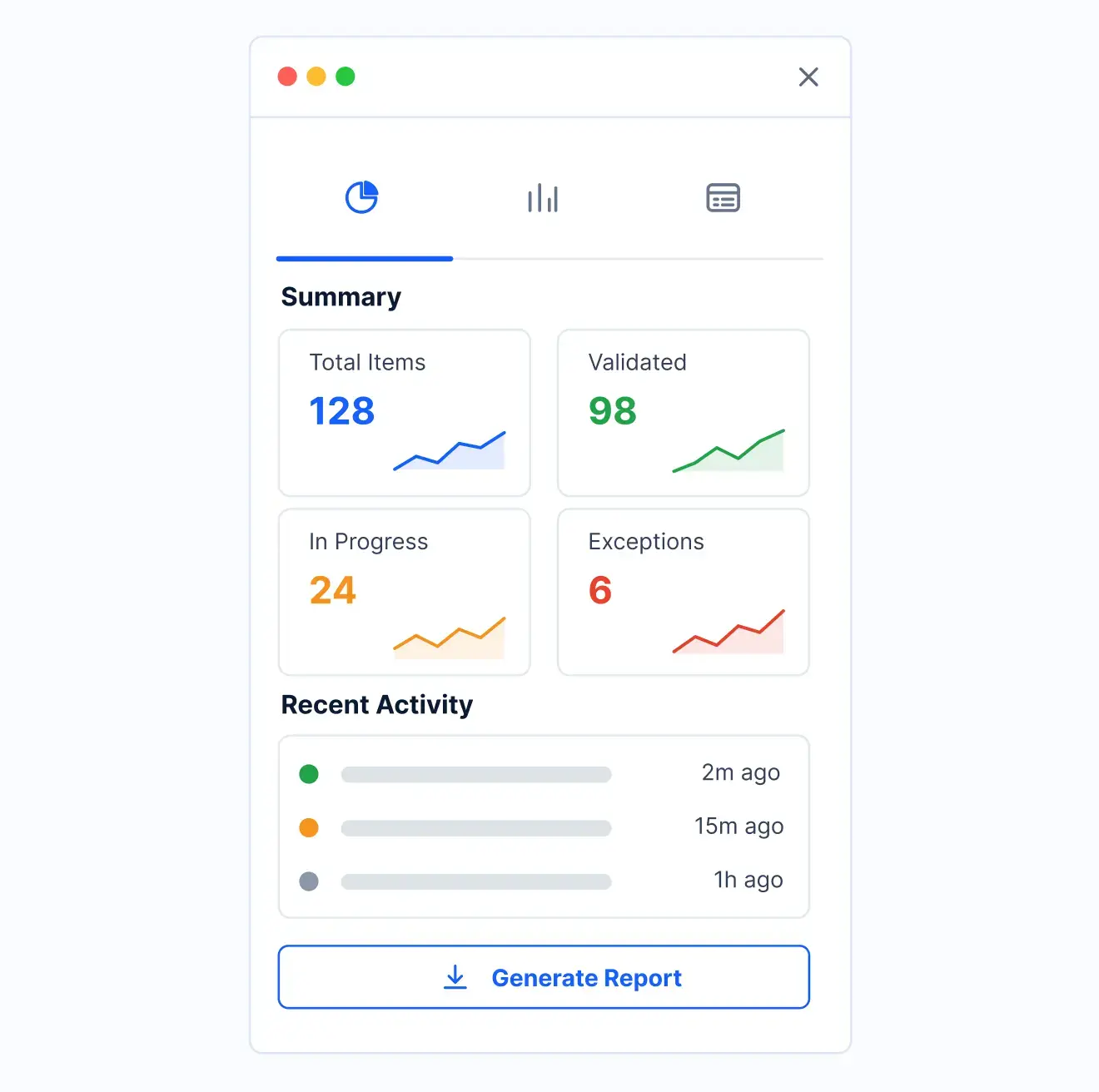
Referred items carry their history forward, so an item sent to another committee keeps its full record intact, and the minutes and vote archive is retained.
What changes when governance coordination runs on Kissflow
| Process | Before Kissflow | On Kissflow |
|---|---|---|
| Quorum | Confirmed the morning of the meeting | Tracked against membership and terms |
| Agenda | Compiled from scattered emails | Submitted and compiled in the app |
| Documents | Attached inconsistently | Attached to the agenda item they belong to |
| Referred items | Lose their history | Carry their full record to the next committee |
| Minutes and votes | Kept in personal notes | Retained as the institutional record |
| Cross-committee visibility | None | A shared status dashboard |
Connects to your document systems; the SIS stays the system of record
Kissflow does not replace each department's own systems or Banner or your SIS. Kissflow coordinates the shared committee work, agenda, documents, and votes, that shared governance runs on across departments.
.svg)



.svg)
.svg)
.svg)
.svg)

.svg)
.svg)
.svg)
.svg)
.svg)

.svg)

.svg)

.svg)
.svg)
.svg)
.svg)
.svg)
.svg)
.svg)
.svg)
.svg)

.svg)
Built for a governance structure with more than one committee
Quorum tracked against membership and terms
Not confirmed by counting replies the morning of the meeting.
Referred items keep their history across committees
A matter sent from one committee to another arrives with its full record intact.
Live in weeks
Committee rosters, agenda structure, and referral routing are configured in the visual builder, and the AI Builder can generate a starting workflow from a description of your governance structure.
An ERP-adjacent record
Your SIS remains the system of record for enrollment and academic data; Kissflow retains the committee's own governance record.
A stalled agenda item surfaces before the next meeting
An item without action carries forward visibly instead of quietly dropping off the agenda.
Role-based access
Committee members see their own committee's business; governance leadership sees the full structure.
Related apps
Inter-Department Academic Coordination Management System
Coordinates a specific cross-department initiative, distinct from this app's standing committee structure.
Curriculum and Program Approval Management System
One of the recurring items a curriculum committee's business often includes.
Cross-Department Process Standardization Management System
Governs the standard process itself, rather than the committee structure that approves it.
We help faculty senates keep quorum, agenda, and votes on one record instead of a chain of emails.
.gif)

“If a company cannot enable everybody to use AI, they will never get the true benefit of AI. Platforms like Kissflow allow us to put that capability in the hands of our users in a safe way.”
Vagesh Dave
GVP & CIO at McDermott International, Ltd
See The Full Story

“Advanced automation of all processes is easy to set up. I cannot imagine how to manage workflows without this software.”
Tanay Tiwary
Global Head - Digitalization & Business Improvement
See the Full Story
“Kissflow supports rapid application development by building a working application prototype in the shortest amount of time.”
Maria Theresa Cabigon
CIO, SN Aboitiz Power Group
See The Full Story
See what Kissflow can do for you
Talk to usGot questions? We're here to help.
Get SupportNo. Each department's internal systems and Banner or your SIS stay the system of record for that department's own decisions. Kissflow coordinates the shared committee work between offices and committees on shared governance business.
Inter-Department Academic Coordination handles a specific cross-department initiative with a defined start and end, a joint degree or a shared program review. This app runs the standing shared-governance committee structure itself, roster, quorum, agenda, and votes, across any number of initiatives over time.
Against the roster and term data tracked for each committee, so quorum is confirmed from actual membership records rather than a headcount of email replies.
It moves with its full history, prior discussion, documents, and any partial action, so the receiving committee isn't starting from a blank page.
Yes. Committee rosters, agenda structure, and referral routing are configured in the visual builder, and the AI Builder can generate a starting workflow from a description of your governance structure.
Access is role-based. Committee members see their own committee's business; governance leadership and the provost's office see the full structure across committees.
Configuration and AI-assisted setup typically move initial rollout to weeks, not a multi-month systems project.
Kissflow is certified to SOC 1, SOC 2, SOC 3, and ISO/IEC 27001, supports HECVAT review, and is built to support FERPA and GLBA Safeguards obligations, with data residency options in the US, EU, APAC, and Oceania.