Program Review Cycle Management Built for the Five- or Seven-Year Clock
Every academic program's review date is tracked against its own institutional cycle, with the last self-study on file to build the next one from, so a finding written down five years ago doesn't quietly disappear the moment its binder closes for good.

Trusted by leading universities worldwide




The self-study binder is the best evidence anyone has that the next one is due
The clock on an academic program's next review is real, five years or seven depending on the discipline, but the only reminder most departments have is the self-study binder gathering dust from the last cycle. Nothing prompts the office when a program's date arrives, external reviewer logistics get handled one email at a time, and the recommendations from the last review, if anyone still has them, carry no owner and no deadline into the next cycle.
Program Review Cycle Management tracks every program's date against the institution's own cycle, collects the self-study, coordinates external reviewers, and carries findings forward as tracked action items. Every program's review date is tracked against the standard cycle instead of institutional memory, data, curriculum maps, and outcomes assessment get gathered against a standard template, and reviewer assignment, site visit scheduling, and report collection all live in one place. Review findings become tracked action items with an owner and a due date, the last cycle's self-study stays attached to the program record, and a provost's office can finally see which programs are current, due, or have open findings.
What breaks when program review runs off the last cycle's binder
Review dates get missed
Nothing prompts the office when a program's five- or seven-year clock is up.
Self-study assembly starts from zero
Data and curriculum maps get rebuilt instead of updated from the last cycle.
External reviewer logistics happen by email
Assignment, scheduling, and report collection managed one message at a time.
Findings don't carry forward
Recommendations from the last review have no owner and no due date, so they quietly expire.
Six modules. Built for a cycle that runs on years, not memory.
Every module ships with default forms, routing, and dashboards. Configure each one to match your institution's program review cycle.
Review cycle scheduling
Every program's review date is tracked against the institution's standard cycle, five or seven years, not tracked from memory.
Self-study document collection
Data, curriculum maps, and outcomes assessment gathered against a standard template, not whatever format a department prefers.
External reviewer coordination
Reviewer assignment, site visit scheduling, and report collection all tracked in one place, not four separate emails.
Findings and recommendations tracking
Review findings become tracked action items with a named owner and a due date, not a recommendation nobody follows up on.
Prior cycle archive
The last review's self-study and findings stay attached directly to the program record for the next cycle to build from.
Institution-wide review status
Which programs are current, which are due, and which still have open findings, visible across the whole institution.
From request to system of record in four steps
Plan
The program review date is scheduled against the institution's standard five- or seven-year cycle, built from the last self-study on file.
Assign
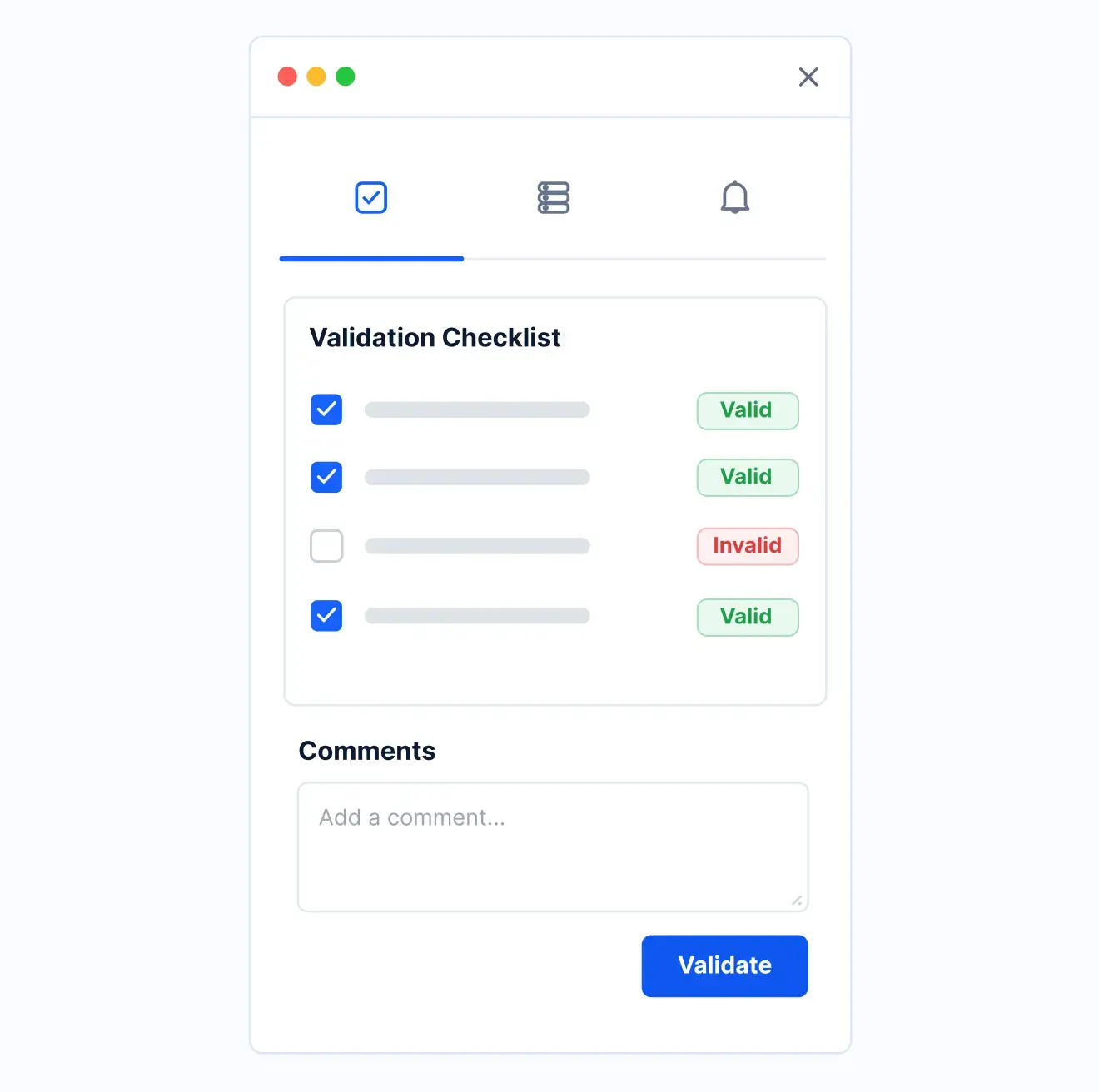
Self-study materials — data, curriculum maps, and assessment evidence — are collected to a standard template, and external reviewers are assigned.
Execute
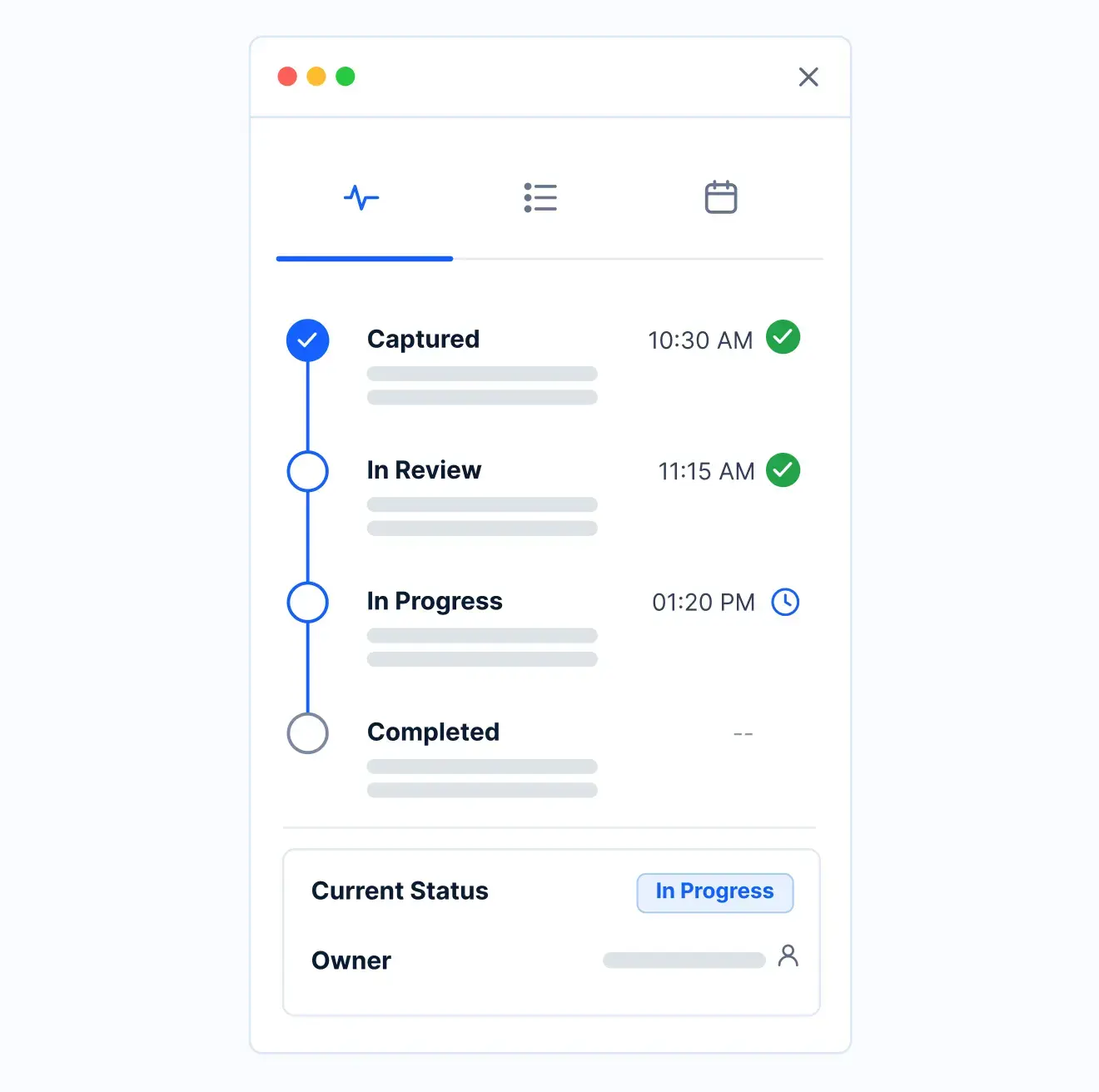
The external review runs with assignment, site visit, and report collection tracked in one place.
Close-out
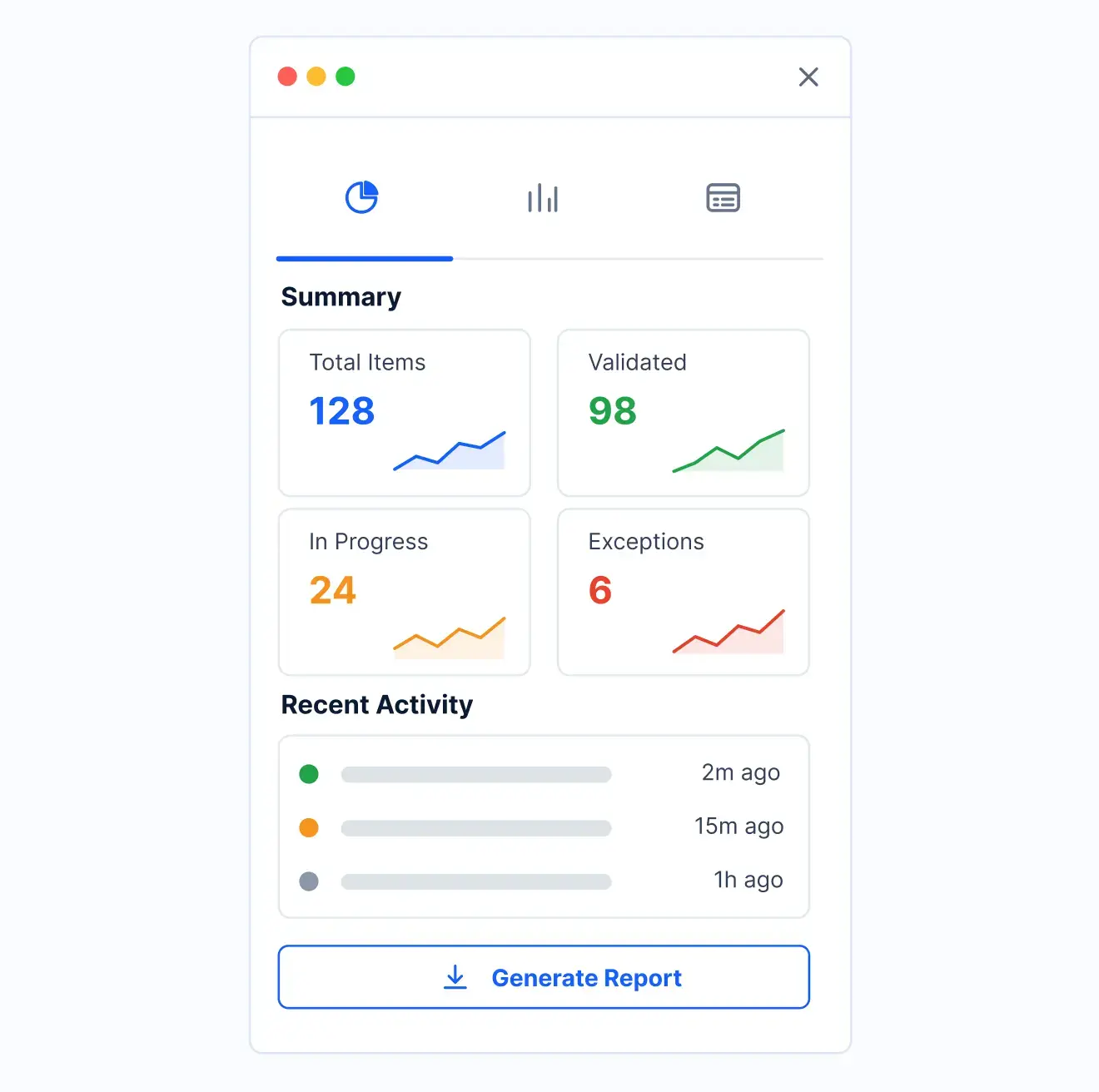
Findings become tracked action items, each recommendation carried into the next cycle with an owner and a due date rather than disappearing when the binder closes.
What changes when program review runs on Kissflow
| Process | Before Kissflow | On Kissflow |
|---|---|---|
| Review scheduling | Tracked from memory | Set against the institution's cycle |
| Self-study assembly | Rebuilt from scratch | Updated from the prior cycle's record |
| External reviewer coordination | By email | Assignment, scheduling, and reports in one place |
| Findings | Noted, then forgotten | Tracked with an owner and due date |
| Prior cycle history | Filed away separately | Attached to the program record |
| Institution-wide status | Not visible | A live view of every program's cycle |
Connects to your SIS and assessment systems; Banner and Workday stay the system of record
Kissflow does not replace Banner, Workday, or your assessment platform. Program and outcomes data stay where they are; Kissflow schedules the review cycle, collects the self-study, and tracks findings to closure.
.svg)



.svg)
.svg)
.svg)
.svg)

.svg)
.svg)
.svg)
.svg)
.svg)

.svg)

.svg)

.svg)
.svg)
.svg)
.svg)
.svg)
.svg)
.svg)
.svg)
.svg)

.svg)
Built for a cycle measured in years, not a single deadline
Review dates tracked against the institution's own cycle
No program's clock runs on memory alone.
External reviewer logistics in one place
Assignment, scheduling, and report collection, instead of a chain of individual emails.
Live in weeks
Review cycles, self-study templates, and findings tracking are configured in the visual builder, and the AI Builder can generate a starting workflow from a description of your review process.
An ERP-adjacent record
Program and assessment data stay where they are; Kissflow schedules and documents the review cycle around them.
An overdue review surfaces before the next cycle is already late
A program approaching its review date is flagged well ahead of the deadline.
Role-based access
Program directors see their own review; institutional effectiveness sees status across every program.
Related apps
Curriculum and Program Approval Management System
Handles proposing a new program or change; this app periodically reviews an existing program's continued viability instead.
Course Program Approval Management System
New course and program proposals routed through eligibility checks, multi-level approval, and catalog entry.
Accreditation Compliance Evidence Management System
Evidence capture, currency alerts, escalation, and a trend dashboard for accreditation standards, tracked year-round.
We help institutional effectiveness offices run program review from the cycle date, not the calendar reminder nobody set.
.gif)

“If a company cannot enable everybody to use AI, they will never get the true benefit of AI. Platforms like Kissflow allow us to put that capability in the hands of our users in a safe way.”
Vagesh Dave
GVP & CIO at McDermott International, Ltd
See The Full Story

“Advanced automation of all processes is easy to set up. I cannot imagine how to manage workflows without this software.”
Tanay Tiwary
Global Head - Digitalization & Business Improvement
See the Full Story

“Kissflow supports rapid application development by building a working application prototype in the shortest amount of time.”
Maria Theresa Cabigon
CIO, SN Aboitiz Power Group
See The Full Story
See what Kissflow can do for you
Talk to usGot questions? We're here to help.
Get SupportNo. Program and outcomes data stay in your SIS or assessment platform. Kissflow schedules the review cycle, collects the self-study, coordinates reviewers, and tracks findings.
No. Curriculum and Program Approval Management System, and its sibling Course Program Approval, handle proposing a new program or a change to an existing one. This app periodically reviews an already-established program's continued viability on a recurring five- or seven-year cycle, independent of any proposed change.
Against the institution's own standard cycle length, typically five or seven years, tracked per program from its last completed review.
Each recommendation becomes a tracked action item with an assigned owner and due date, carried forward so it doesn't quietly expire before the next cycle.
Yes. Review cycles, self-study templates, and reviewer assignment are configured in the visual builder, and the AI Builder can generate a starting workflow from a description of your review process.
Access is role-based. Program directors see their own program's cycle and findings; institutional effectiveness sees status across every program.
Configuration and AI-assisted setup typically move initial rollout to weeks, not a multi-month systems project.
Kissflow is certified to SOC 1, SOC 2, SOC 3, and ISO/IEC 27001, supports HECVAT review, and is built to support FERPA and GLBA Safeguards obligations, with data residency options in the US, EU, APAC, and Oceania.