Academic Policy Enforcement and Exception Management Built for the Policy Nobody's Reviewed Since It Was Written
Every published policy carries a version, an attestation record, and a review date, and every exception request against it gets logged and routed to the office that actually owns the rule, not granted informally over a hallway conversation nobody wrote down.

Trusted by leading universities worldwide





The policy PDF that's two revisions out of date
A policy exception granted informally to one student in a hallway conversation becomes, unofficially, the policy for the next five students who ask the same question. Every policy on the books still needs someone to periodically prove it matches practice, and a request to bend it needs a different kind of record entirely. Most offices reference whichever PDF happens to be on the shared drive, assume other offices have acknowledged the current version without checking, and let a scheduled currency review slide for years because nothing prompts it.
Academic Policy Enforcement and Exception Management keeps a version and revision history on every policy, logs attestation from the offices bound by it, and tracks exception requests against a specific policy separately from the policy itself. A policy owner drafts, a governance committee reviews, and the provost or designated authority signs off, and once published, every bound office has to log an acknowledgment of the current version rather than an assumption they've seen it. Every policy comes up for a scheduled review so nothing goes stale, and a documented exception routes to the office that owns the rule.
What breaks when policy enforcement runs on institutional memory
Nobody knows which version is current
A policy gets referenced from a PDF that's two revisions out of date.
Attestation isn't tracked
Offices are assumed to have acknowledged a policy, with no record confirming it.
Periodic review gets skipped
A policy goes years past its scheduled currency check because nothing prompts the review.
Exception requests have no consistent record
A waiver granted informally to one student sets a precedent nobody documented.
Six modules. Built for a policy's full lifecycle, from draft to waiver.
Every module ships with default forms, routing, and dashboards. Configure each one to match your institution's policy governance structure.
Policy drafting and versioning
Every policy is tracked with an effective date and a documented revision history, not just the latest PDF on a shared drive.
Review and approval routing
The policy owner drafts, a governance committee reviews, and the provost or designated authority signs off.
Publishing and attestation
A published policy requires a logged acknowledgment from every office bound by it, not an assumption they've read it.
Periodic review scheduling
Every policy comes up for a scheduled currency review, so no policy goes stale for years unnoticed by anyone.
Exception and waiver requests
A documented exception or waiver request against a specific policy, routed to the office that actually owns it.
Policy currency and exception reporting
Which policies are current, which are overdue for review, and how many exceptions were granted this year.
From request to system of record in four steps
Submit
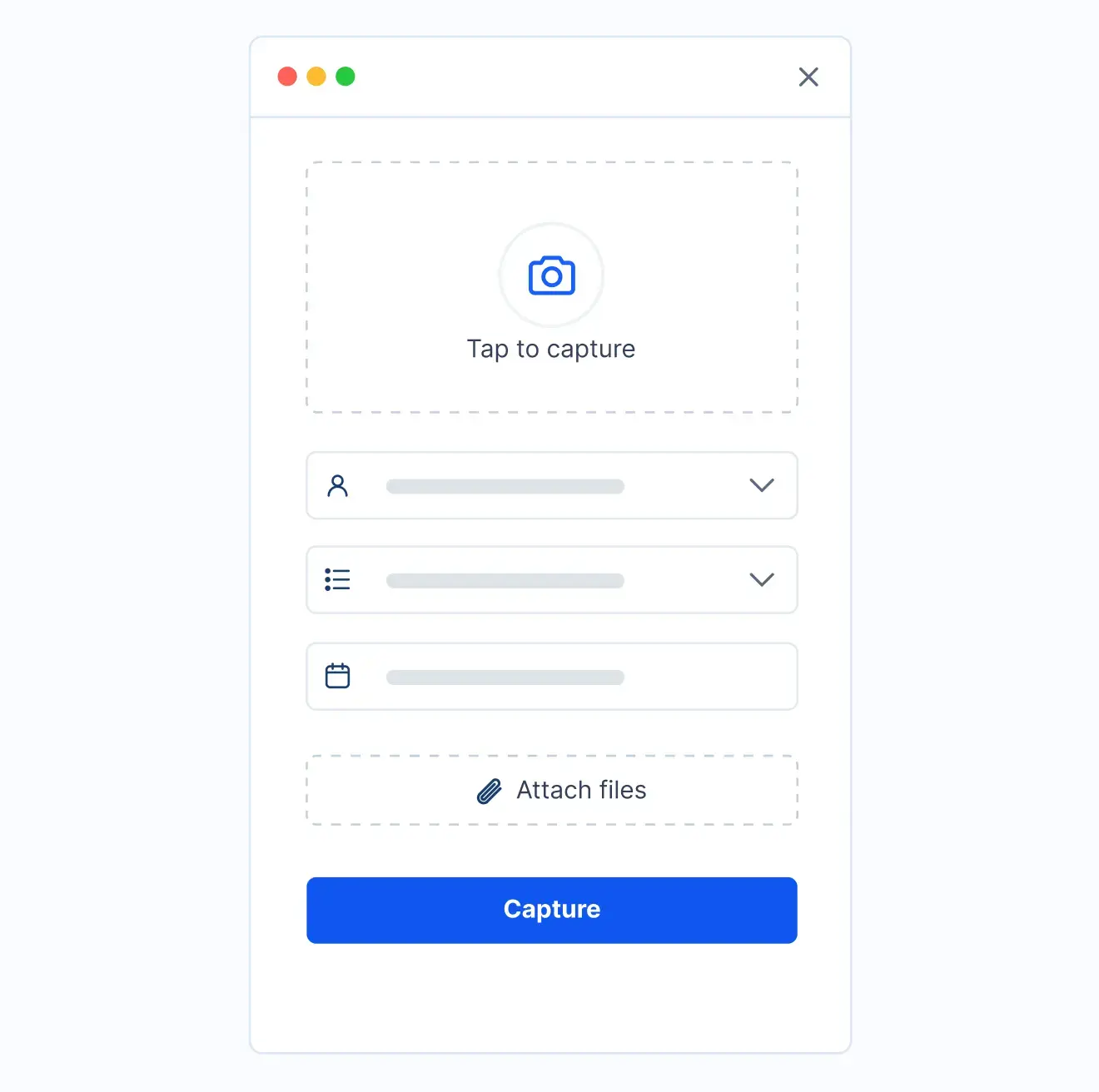
A policy is drafted and versioned, carrying an effective date and a revision history from the outset.
Review
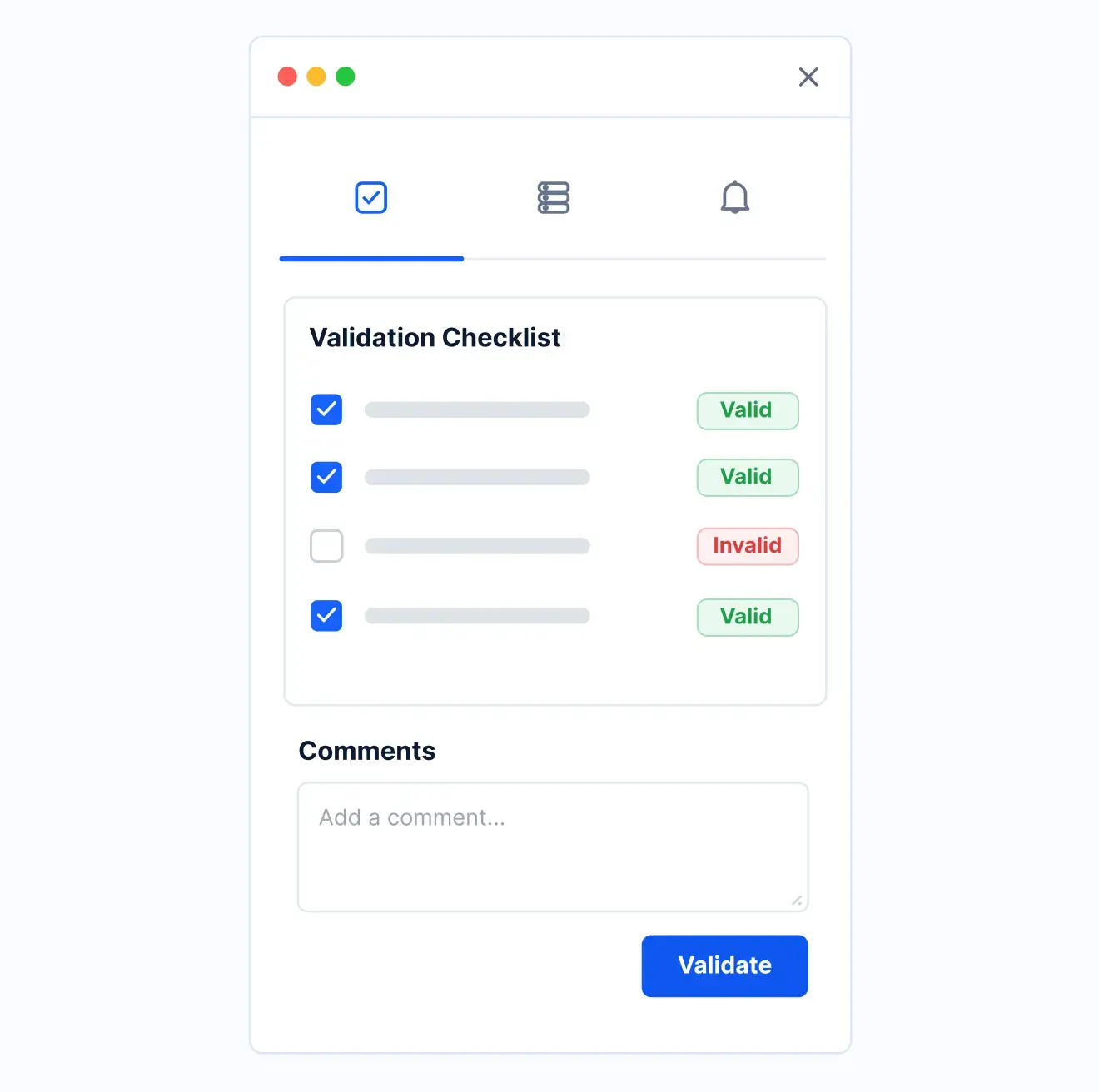
A governance committee reviews the policy for its scheduled sign-off.
Approve
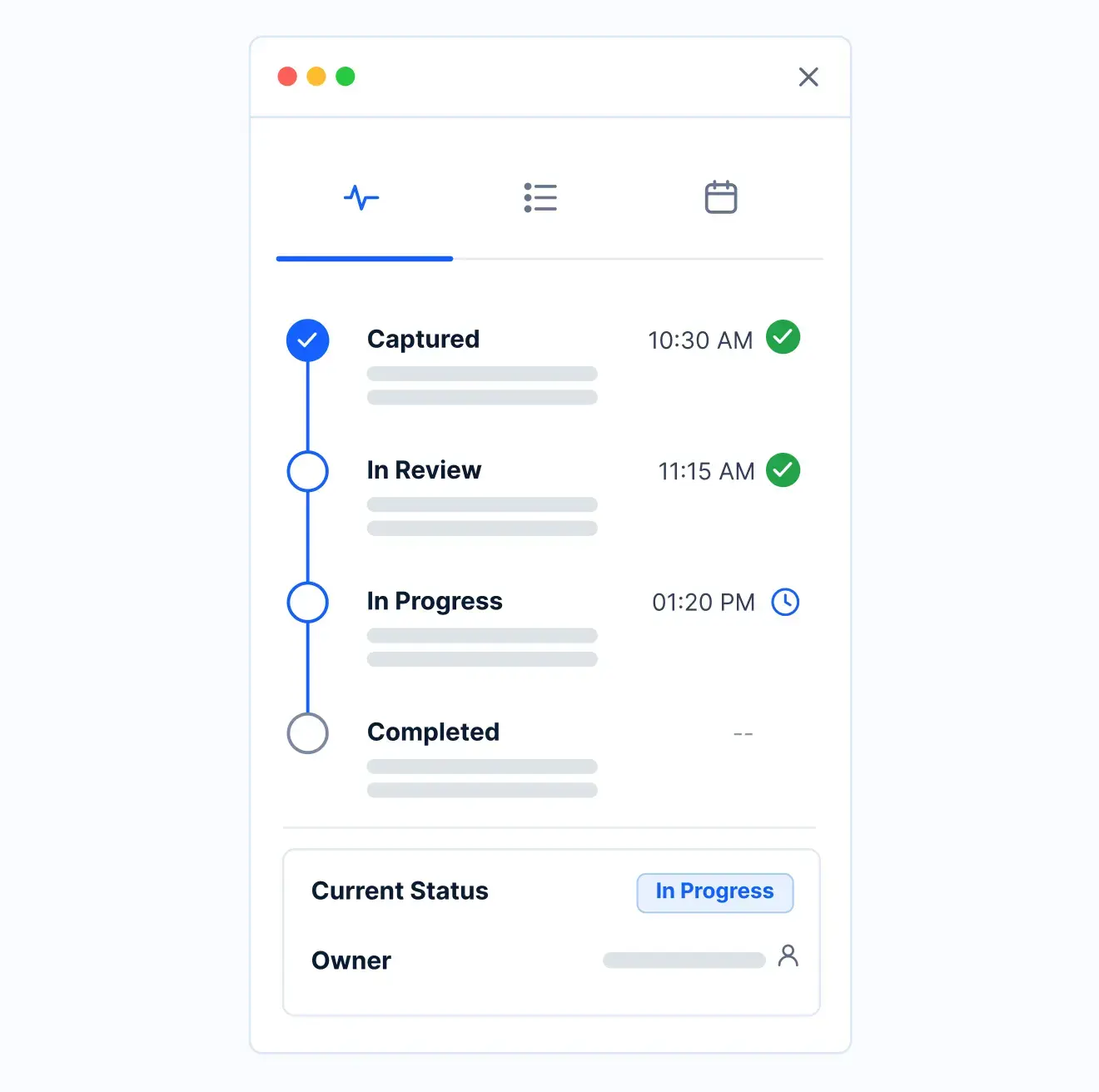
The provost or designated authority approves, and publication and attestation happen together so bound offices acknowledge the current version.
Record
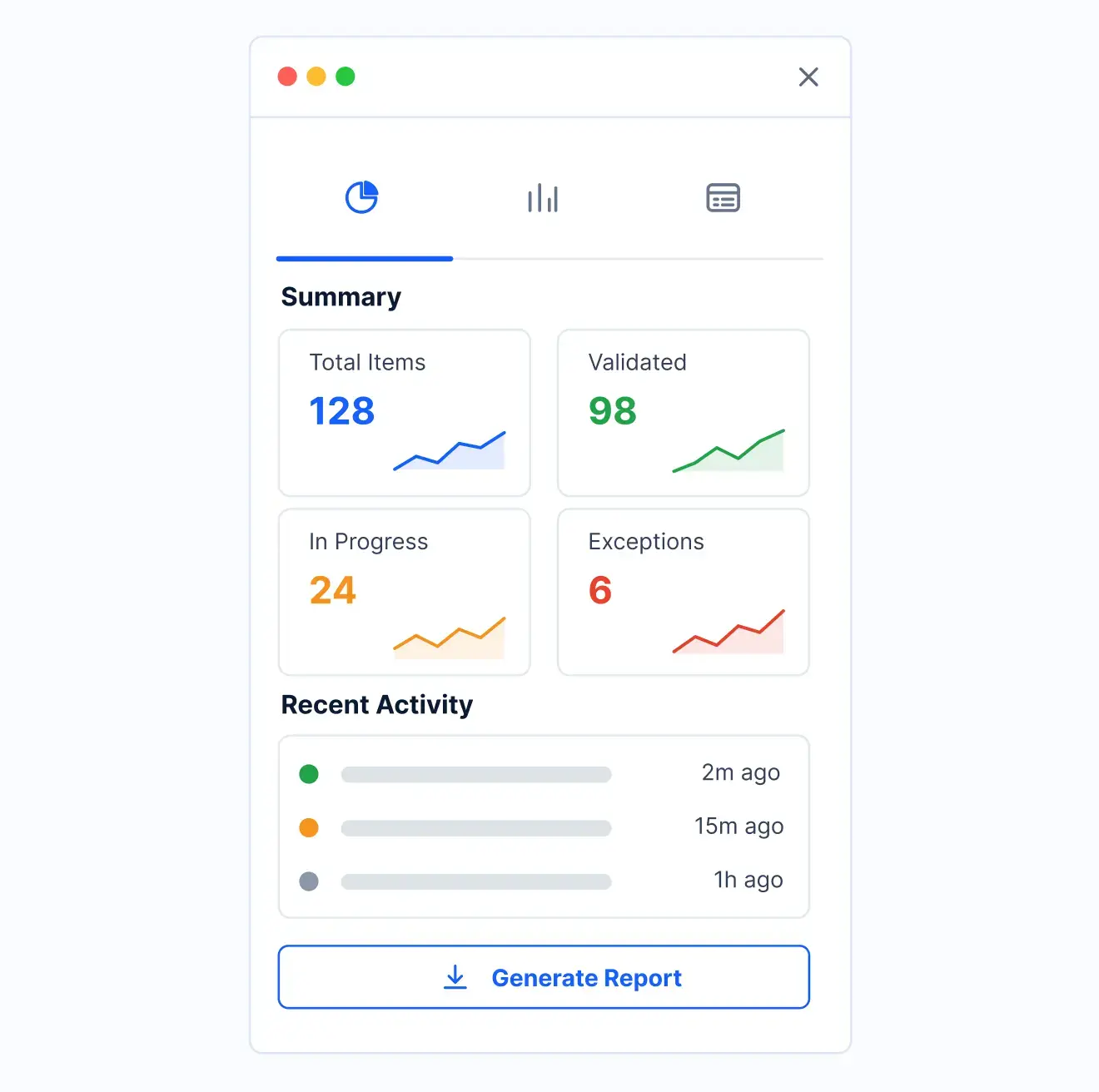
The policy is held on record with its attestations, comes up for scheduled review, and any waiver request against it is logged and routed to the office that owns the rule.
What changes when policy enforcement runs on Kissflow
| Process | Before Kissflow | On Kissflow |
|---|---|---|
| Policy version | Whatever PDF is on the shared drive | One current version with a revision history |
| Approval routing | Informal, by email | Structured committee review and sign-off |
| Attestation | Assumed | Logged acknowledgment from bound offices |
| Periodic review | Skipped until someone remembers | Scheduled automatically |
| Exception requests | Handled informally, sets undocumented precedent | Logged against the specific policy |
| Reporting | Not tracked | Policy currency and exception volume reported annually |
Connects to your document library; Banner and Workday stay the system of record
Kissflow does not replace Banner, Workday, or your academic catalog. Those stay the system of record for the official policy text; Kissflow tracks version currency, attestation, and exception requests against the published policy.
.svg)



.svg)
.svg)
.svg)
.svg)

.svg)
.svg)
.svg)
.svg)
.svg)

.svg)

.svg)

.svg)
.svg)
.svg)
.svg)
.svg)
.svg)
.svg)
.svg)
.svg)

.svg)
Built for a policy that needs to be enforceable, not just written down
One current policy version, with a revision history
No question about which version is in effect, or what it replaced.
Attestation logged, not assumed
A published policy requires a recorded acknowledgment from every office it binds.
Live in weeks
Policy governance routing and review schedules are configured in the visual builder, and the AI Builder can generate a starting workflow from a description of your policy structure.
An ERP-adjacent record
Your catalog stays the system of record for the official policy text; Kissflow tracks version, attestation, and exception history.
An overdue review surfaces before the policy goes stale
A scheduled currency review that's about to lapse is flagged to the policy owner.
Role-based access
Policy owners see their own policies; governance committee members and the provost's office see the full policy library.
Related apps
Curriculum and Program Approval Management System
The committee approval chain for changing what gets taught, distinct from changing the policy that governs how it's taught.
Student Petition and Exception Processing Management System
Where a student, rather than an office, requests an exception to a specific academic rule for themselves.
Faculty Governance Committee Coordination
The standing committee structure that often reviews and approves policy changes.
We help academic affairs keep a policy enforceable, with a version history nobody has to reconstruct.
.gif)

“If a company cannot enable everybody to use AI, they will never get the true benefit of AI. Platforms like Kissflow allow us to put that capability in the hands of our users in a safe way.”
Vagesh Dave
GVP & CIO at McDermott International, Ltd
See The Full Story

“Advanced automation of all processes is easy to set up. I cannot imagine how to manage workflows without this software.”
Tanay Tiwary
Global Head - Digitalization & Business Improvement
See the Full Story

“Kissflow supports rapid application development by building a working application prototype in the shortest amount of time.”
Maria Theresa Cabigon
CIO, SN Aboitiz Power Group
See The Full Story
See what Kissflow can do for you
Talk to usGot questions? We're here to help.
Get SupportNo. Your catalog or policy library stays the system of record for the official published text. Kissflow tracks the version history, attestation, review schedule, and exception requests around it.
Academic Policy Change Requests handles authoring and amending a policy, drafting the change and getting it approved. This app operates the policy once it's published: attestation, periodic currency review, and day-to-day exception or waiver requests against it.
A logged confirmation from an office that it has read and will operate under the current version of a policy, distinct from the policy's own approval.
It's flagged to the policy owner ahead of the scheduled review date, so a currency check doesn't slip by years unnoticed.
Yes. Policy categories, attestation requirements, and review schedules are configured in the visual builder, and the AI Builder can generate a starting workflow from a description of your policy governance structure.
Any office or individual with standing to request one can submit it; it routes to the specific office that owns the policy being waived, not a generic approver.
Configuration and AI-assisted setup typically move initial rollout to weeks, not a multi-month systems project.
Kissflow is certified to SOC 1, SOC 2, SOC 3, and ISO/IEC 27001, supports HECVAT review, and is built to support FERPA and GLBA Safeguards obligations, with data residency options in the US, EU, APAC, and Oceania.