SCADA Exception Response Workflow
A SCADA exception response workflow takes exceptions escalated out of the control room and turns each into a tracked case with an owner, a response deadline, and a closure record. Kissflow runs this in the business-process layer above the control system, never inside it.

Trusted by energy operators worldwide






The alarm is handled in minutes. The follow-up takes weeks.
A control room handles the immediate response well. An alarm comes in, the operator acts, the situation stabilizes. What happens next is where operations lose things. The alarm indicated a transmitter reading outside its expected band, or a pump cycling more than it should, or a setpoint someone changed without a record. That follow-up needs an engineer, a work order, or a management of change, and it leaves the control room as a note in a shift log that the next shift inherits and the shift after that forgets.
Kissflow runs the follow-up as governed cases. An exception escalated out of the control room becomes a case with a category, an owner, and a response deadline appropriate to its type. Nuisance and repeating alarms aggregate, so the twelfth occurrence of the same alarm on the same tag reads as one case with a count rather than twelve entries nobody connects.
To be explicit about the boundary: Kissflow does not sit on the control network, does not read live process signals, and does not control equipment. Your SCADA and historian own that layer. Kissflow runs the human response workflow that begins once an exception has left it.
The alarm is closed. The cause is not.
Follow-up lives in the shift log
The engineering action an alarm implied is written as a note and inherited by shifts that did not see the event.
Nobody outside the control room owns it
The operator who handled the alarm cannot fix a drifting transmitter, and there is no route to the person who can.
Repeat alarms are counted, not connected
The same tag alarming twelve times reads as twelve entries rather than one chronic problem worth engineering out.
Alarm burden is anecdotal
Everyone knows which console is noisy, and nobody can show it in a form that justifies a rationalization project.
Six process modules
Every module ships with default exception categories, response deadlines, escalation routing, and dashboards. Configure each one to your operation in the visual builder.
Exception intake
Capture of exceptions escalated from the control room by the operator or through an integration, with tag, unit, alarm type, time, and the immediate action already taken.
Categorization and ownership
Classification by exception type, instrument fault, process deviation, nuisance alarm, unrecorded setpoint change, with routing to the engineering or maintenance owner who can resolve it.
Repeat alarm aggregation
Recurring alarms on the same tag aggregated into a single case with an occurrence count, so chronic nuisance alarms become one visible problem rather than a stream of individual notes.
Response deadlines
Response windows by exception type, with escalation when a case passes its window, so follow-up does not depend on the next shift remembering.
Handoff to work management and MOC
Structured handoff to a work order or a management of change where the resolution requires one, with the link retained on the case.
Alarm burden reporting
Reporting on exception volume, repeat offenders by tag and unit, response performance, and the alarm burden carried by each console.
From request to system of record in four steps
Report
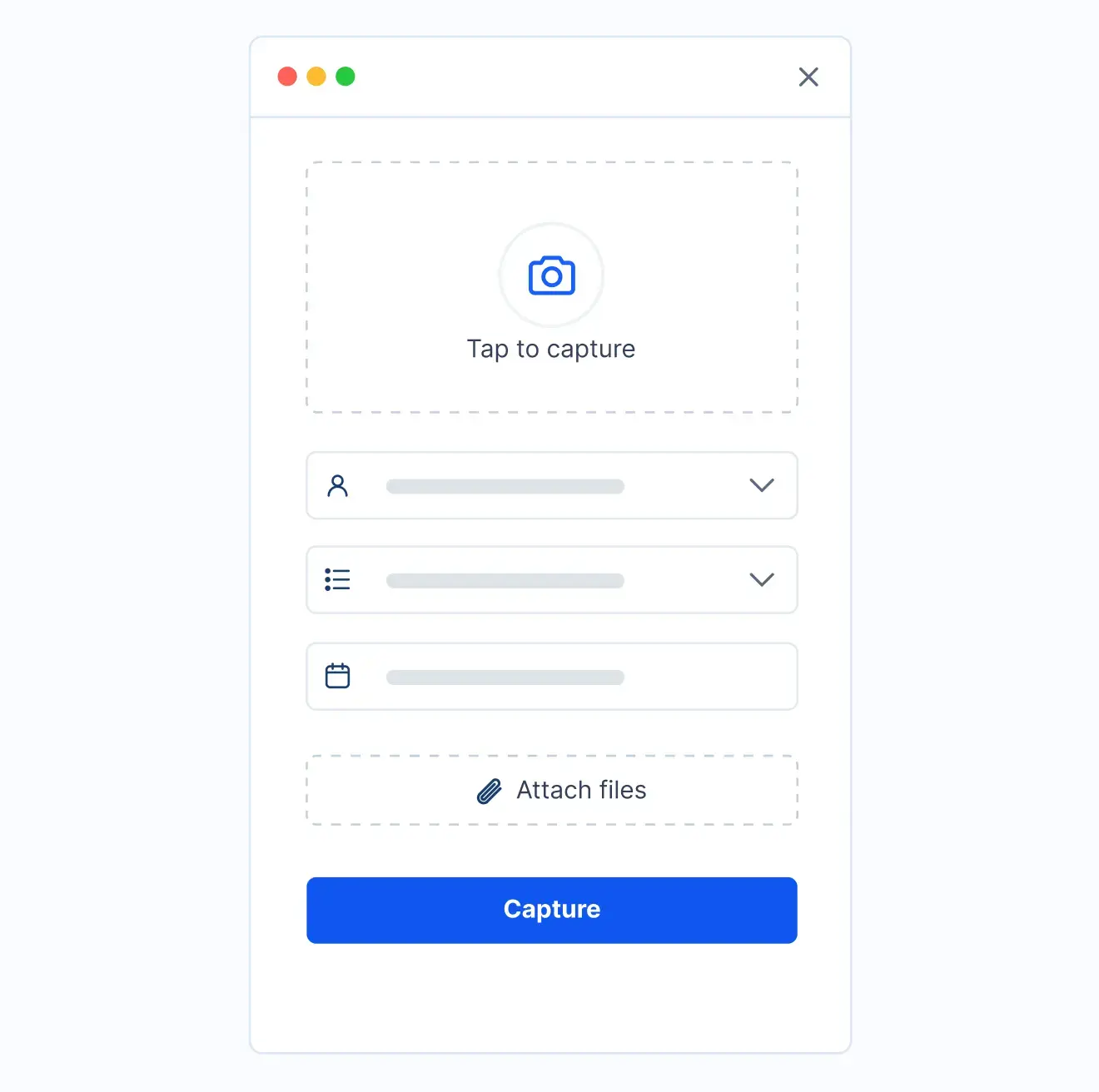
An exception escalated out of the control room is reported with tag, unit, alarm type, time, and the immediate action the operator has already taken.
Assess
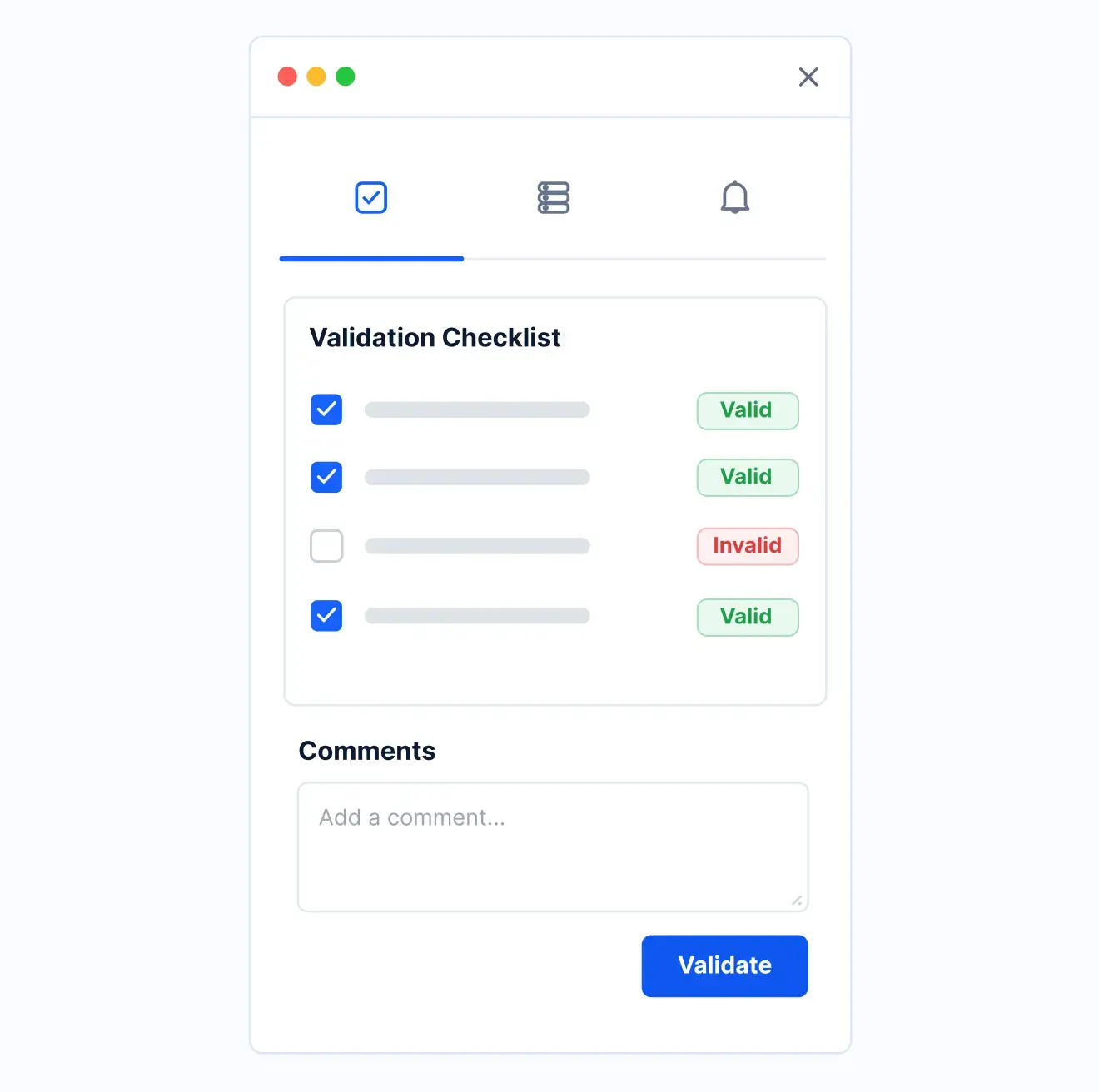
The exception is classified by type and routed to the engineering or maintenance owner who can resolve it, with repeat occurrences on the same tag aggregated into one case.
Resolve
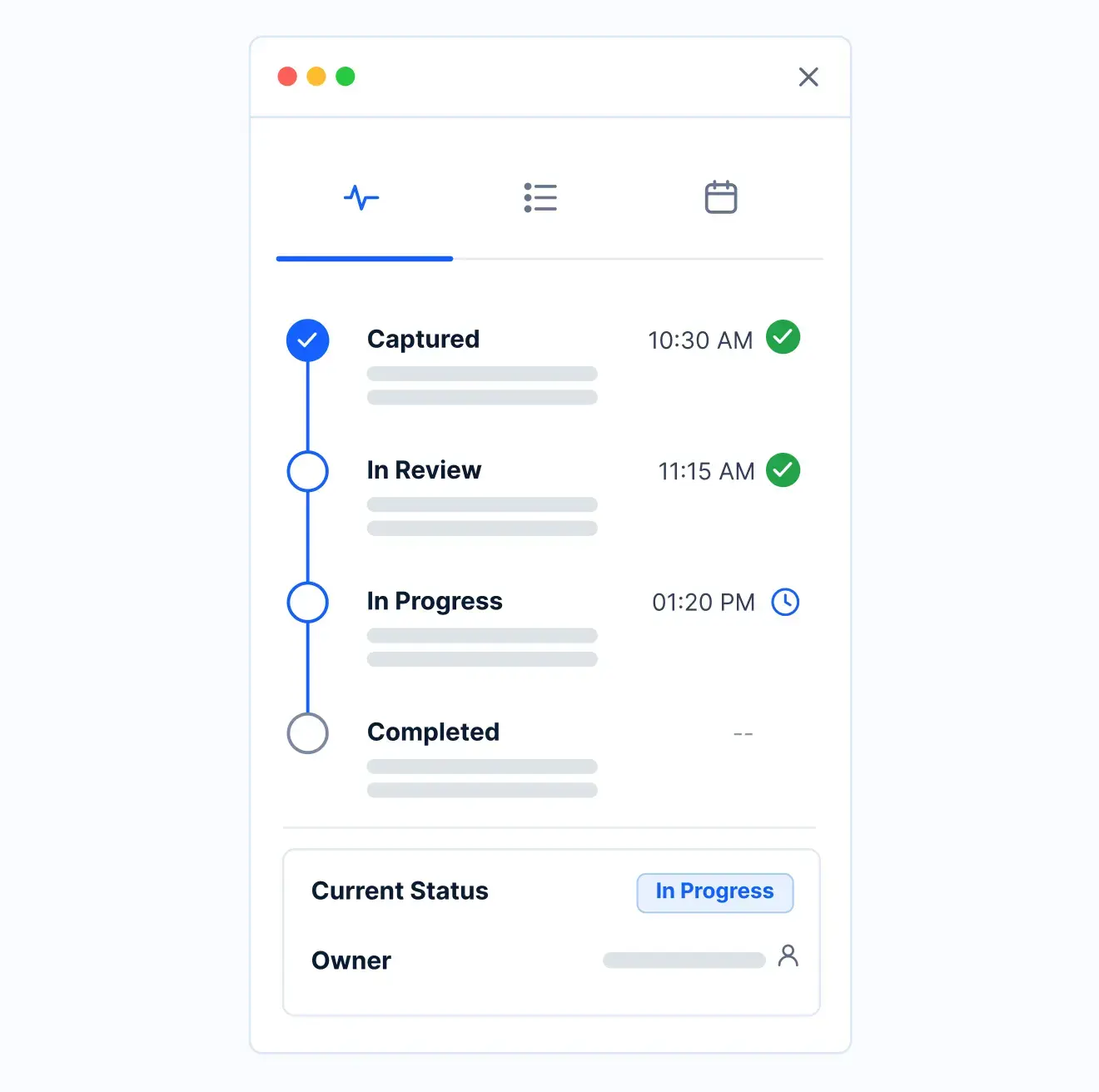
The owner resolves the case within its response window, handing off to a work order or a management of change where the fix requires one and keeping the link on record.
Record
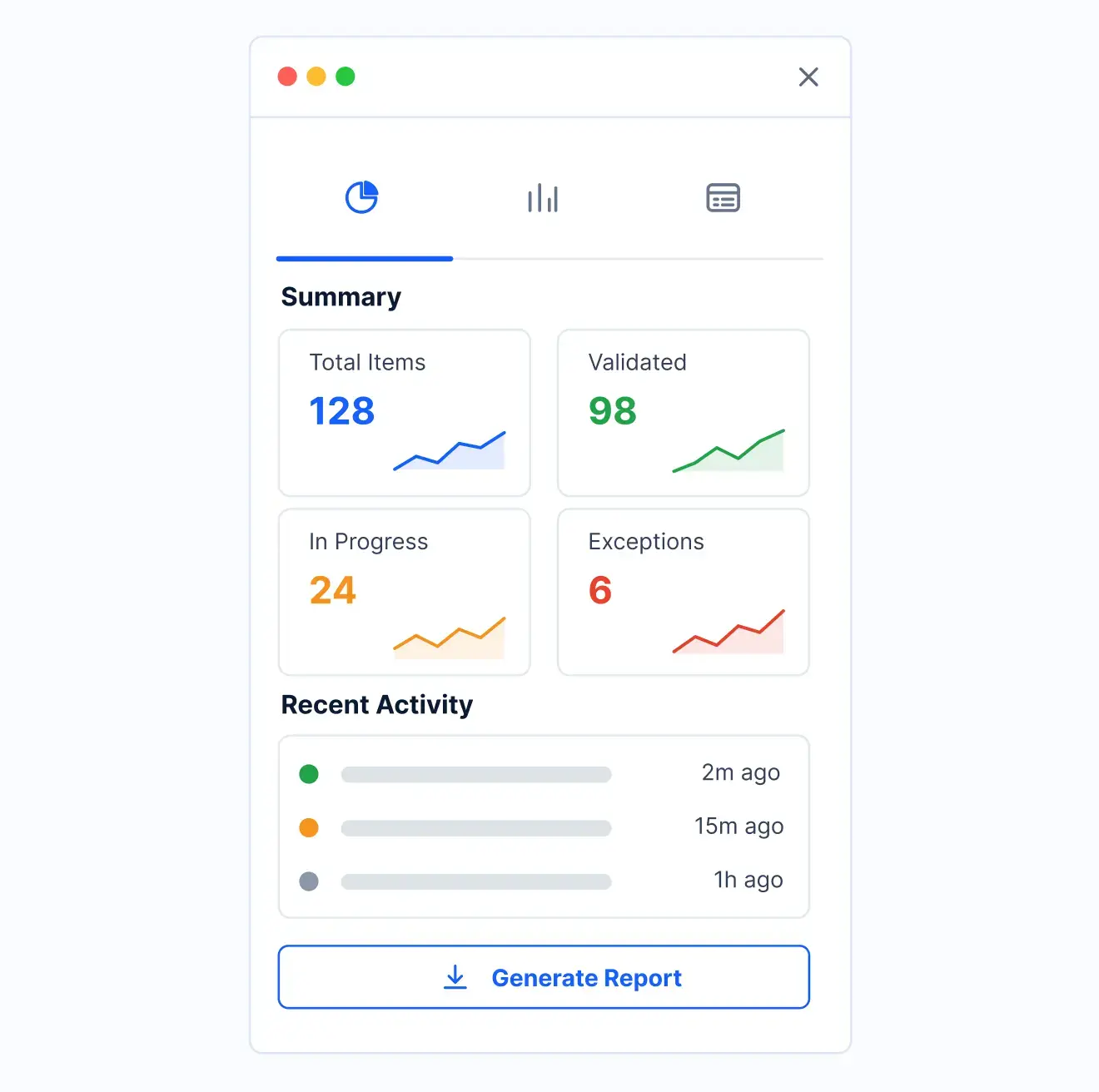
The case closes with its resolution recorded, feeding reporting on alarm burden, repeat offenders, and response performance by console and unit.
What changes when control room follow-up runs on Kissflow
| Process | Before Kissflow | On Kissflow |
|---|---|---|
| Follow-up capture | A note in the shift log | A case with a category and a named owner |
| Ownership | Inherited by the next shift | Routed to the engineer or planner who can resolve it |
| Repeat alarms | A stream of separate entries | Aggregated into one case with an occurrence count |
| Response time | Unbounded | A response window by exception type, with escalation |
| Work management handoff | Raised verbally or not at all | Structured handoff with the link retained on the case |
| Alarm burden | Anecdotal | Reported by tag, unit, and console |
Connects to the systems your operation already runs on
.svg)



.svg)
.svg)
.svg)
.svg)

.svg)
.svg)
.svg)
.svg)
.svg)

.svg)

.svg)

.svg)
.svg)
.svg)
.svg)
.svg)
.svg)
.svg)
.svg)
.svg)

.svg)
Built for the layer above the control system
Explicitly outside the control network
Kissflow does not read live process signals, control equipment, or sit on the control network. It runs the human response workflow that starts after an exception leaves the control room.
Chronic alarms become one problem
Repeat occurrences on the same tag aggregate into a single case with a count, which is how a nuisance alarm becomes visible enough to fix.
Clean handoff, not a parallel queue
Where resolution needs a work order or an MOC, the case hands off and keeps the link rather than duplicating the work item.
A response layer, not a historian
Your SCADA and historian own the telemetry and the alarm system. Kissflow owns what people then have to do about it.
Governed from day one
Single sign-on, role-based access, and a timestamped audit log are how the app is built, in the business-process layer segmented from OT.
Live in weeks, not a program
Configure in the visual builder, or describe the standard and let the AI Builder generate the app. Delivery moves from weeks to days.
Related apps
Energy deviation response workflow
Investigate and close out deviations in energy and utility performance against plan.
Critical equipment downtime log
Log downtime events with reason coding, tiered escalation, and availability reporting.
Safety critical equipment compliance
Hold the verification and performance-standard status of every safety critical element, with impairment tracked on record.
We help operations leaders close the loop the control room cannot hold
.gif)

“If a company cannot enable everybody to use AI, they will never get the true benefit of AI. Platforms like Kissflow allow us to put that capability in the hands of our users in a safe way.”
Vagesh Dave
GVP & CIO at McDermott International, Ltd
See The Full Story

“Advanced automation of all processes is easy to set up. I cannot imagine how to manage workflows without this software.”
Tanay Tiwary
Global Head - Digitalization & Business Improvement
See the Full Story

“Kissflow supports rapid application development by building a working application prototype in the shortest amount of time.”
Maria Theresa Cabigon
CIO, SN Aboitiz Power Group
See The Full Story
See what Kissflow can do for you
Talk to usGot questions? We're here to help.
Get SupportIt takes exceptions escalated out of the control room, such as instrument faults, process deviations, chronic nuisance alarms, and unrecorded setpoint changes, and turns each into a tracked case with an owner, a response window, and a closure record.
No. Kissflow runs in the business-process layer. It does not read live process signals, control equipment, or operate on the control network. Exceptions reach it once they have been escalated out of the control room, by an operator or through an integration at the business layer.
Recurring alarms on the same tag aggregate into a single case with an occurrence count, so a chronic nuisance alarm appears as one problem with evidence of its frequency rather than as a stream of unconnected entries.
The case hands off to your work management or MOC process and retains the link, so the exception is not closed prematurely and the resolution is not duplicated in two queues.
Yes. Fields, categories, routing rules, and escalation thresholds are configured by the process owner in the visual builder, and every change is written to the same audit log as a manual edit.
No. Kissflow runs in the business-process layer alongside the systems you already own and connects to them through APIs and integration connectors. It does not replace your EHS suite, your ERP, or your maintenance system, and it does not operate inside the control system.
No. Kissflow AI maps natural language to platform metadata and produces an inspectable blueprint, so every app is auditable and the process owner can maintain it.
Kissflow is certified to SOC 1, SOC 2, SOC 3, ISO/IEC 27001, HIPAA, GDPR, and CCPA, hosted on Google Cloud with data residency in the US, EU, APAC, and Oceania.