Critical Equipment Downtime Log
A critical equipment downtime log records every downtime event on critical equipment with consistent reason coding, escalates by duration tier, and reports availability, repair time, and repeat offenders by asset. Kissflow runs that register alongside your maintenance system.

Trusted by energy operators worldwide





Availability is a number everyone quotes and few can defend
Equipment availability drives production planning, maintenance strategy, and capital cases, and it is usually calculated from data that was entered inconsistently. Downtime start is recorded when someone noticed rather than when the equipment stopped. The reason is chosen from a list with overlapping entries. Time waiting for a decision, waiting for parts, and actually repairing are collapsed into one duration, which means the resulting repair time cannot tell you where the delay was.
Kissflow separates what needs separating. Each event captures failure time, response time, and repair time distinctly, so a long outage caused by a two-day wait for a part is not read as a difficult repair. Reason coding runs through a structured hierarchy applied at entry. Duration tiers escalate automatically, so an outage crossing a threshold on critical equipment reaches the reliability engineer while it is still running.
The reporting then supports the argument it is supposed to support: which equipment fails most, where repair time is actually spent, and whether a repeat offender justifies redesign, a spares policy change, or a strategy review.
Availability is quoted confidently and calculated loosely
Timing is collapsed into one duration
Failure, response, and restoration are recorded as a single number, so repair performance cannot be separated from waiting.
Reason codes overlap
A list that grew over time gives several defensible answers for the same failure, and consistency is impossible.
Escalation depends on judgment
An outage crossing a threshold reaches the reliability engineer only if someone thinks to call.
Repeat offenders are known but not evidenced
Everyone can name the worst equipment, and nobody can produce the failure mode pattern that justifies acting on it.
Six process modules
Every module ships with default equipment criticality, reason hierarchies, escalation tiers, and dashboards. Configure each one to your reliability program in the visual builder.
Downtime event capture
Events recorded against the equipment tag with failure, response, and restoration times captured separately rather than collapsed into a single duration.
Structured reason coding
A failure and downtime reason hierarchy applied at entry, so the same failure mode codes consistently regardless of who records the event.
Duration tier escalation
Escalation by duration tier and equipment criticality, so an outage crossing a threshold reaches the reliability engineer while it is still running.
Delay analysis
Waiting time for decision, permit, parts, and resources tracked distinctly from active repair, so repair performance reflects the work rather than the queue.
Availability and repair reporting
Availability, mean time to repair, and mean time between failures by equipment, class, and area, with delay contribution shown separately.
Repeat offender analysis
Equipment with recurring failures surfaced with failure mode patterns, supporting redesign, spares policy, and maintenance strategy decisions.
From request to system of record in four steps
Report
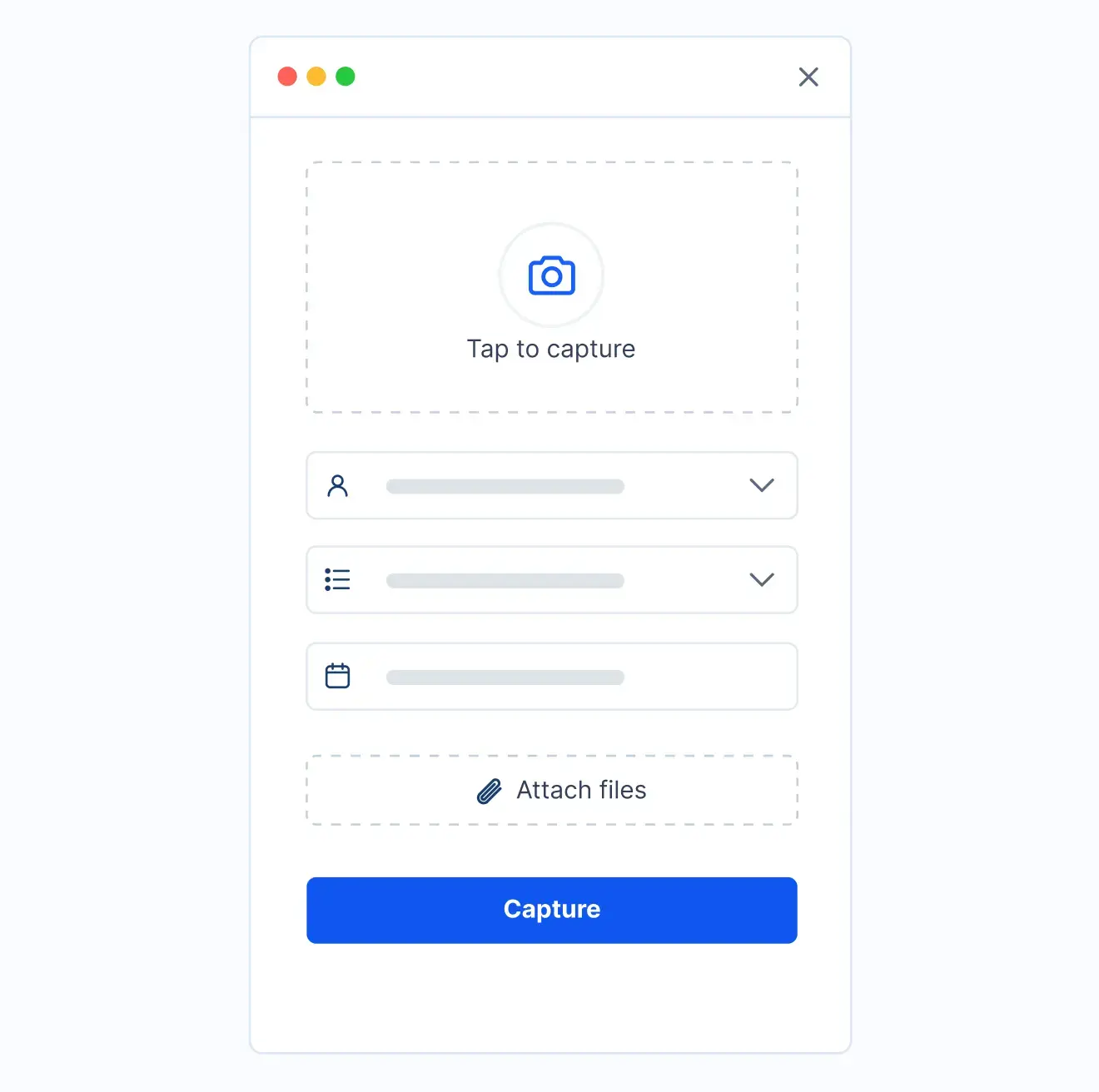
A downtime event is logged against the equipment tag with failure time, the condition observed, and the immediate response, from the control room or the field.
Assess
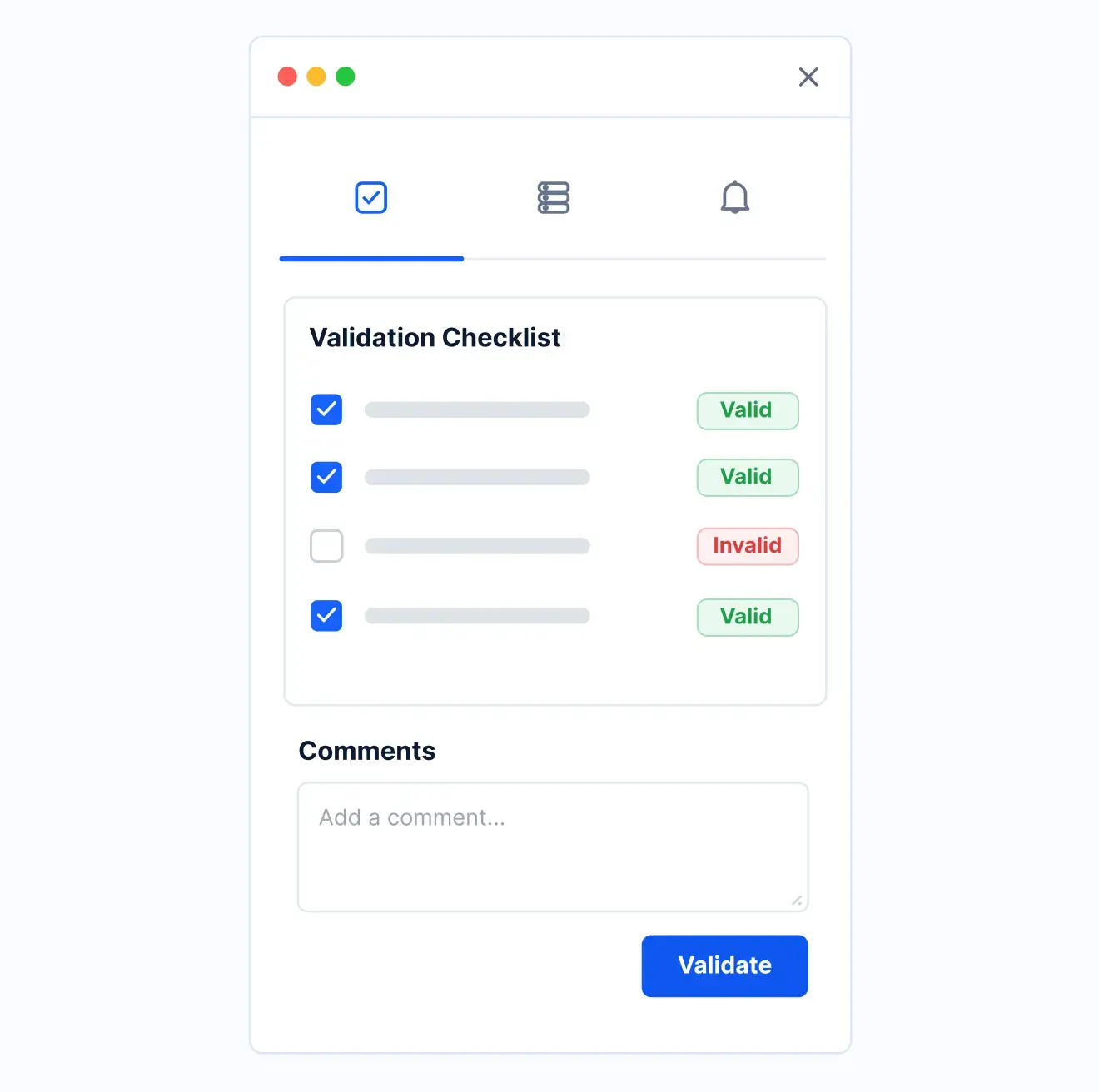
The event is coded through a structured reason hierarchy, criticality and duration determine escalation, and waiting time is separated from active repair as the event runs.
Resolve
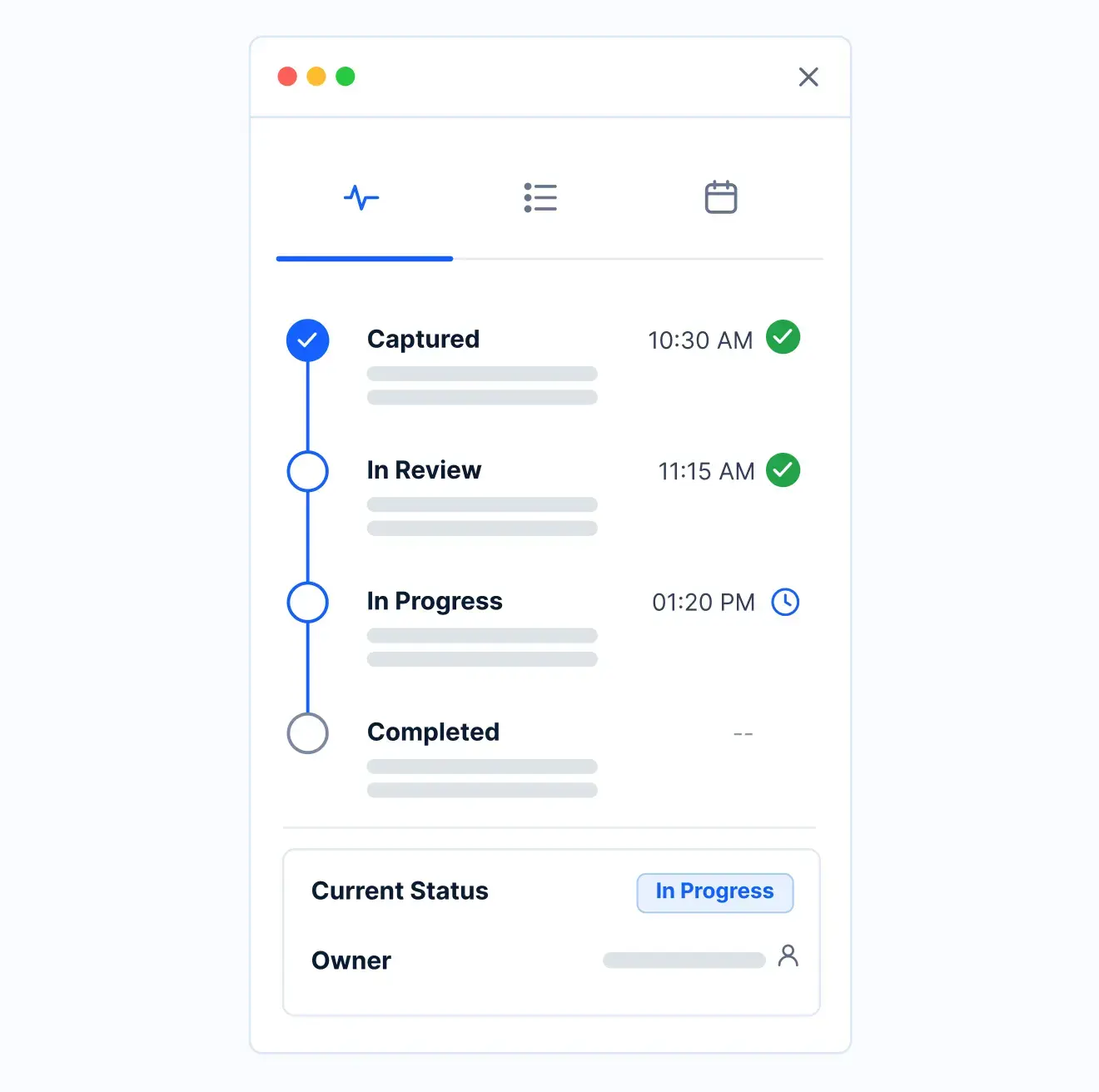
Restoration is recorded with the work performed and parts used, and the event closes with response, delay, and repair durations distinguished.
Record
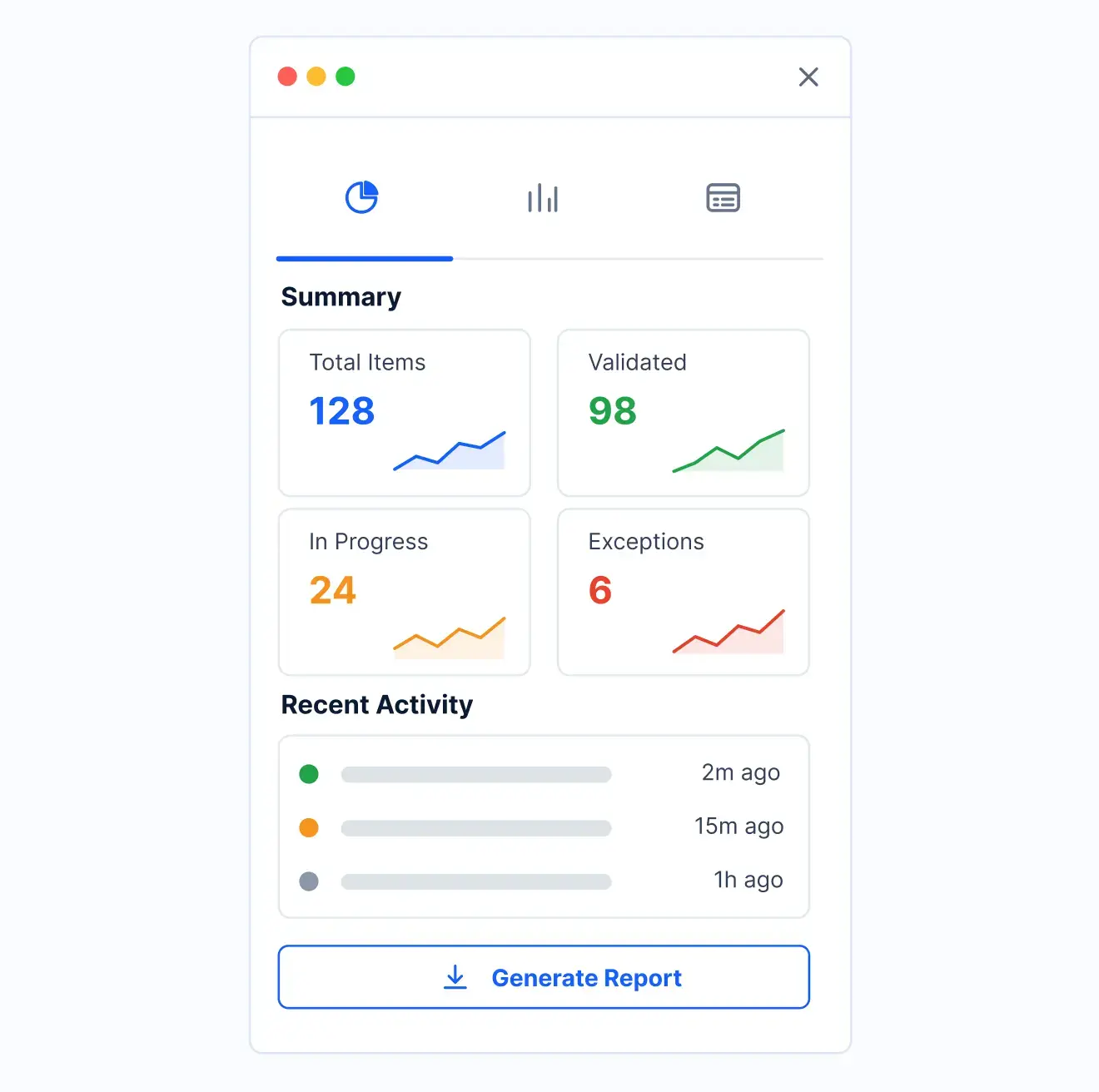
The event is retained and feeds availability, repair performance, and repeat-offender reporting by equipment, class, and area.
What changes when downtime logging runs on Kissflow
| Process | Before Kissflow | On Kissflow |
|---|---|---|
| Event timing | One duration from noticed to running | Failure, response, and restoration captured separately |
| Reason coding | Chosen from an overlapping list | Applied through a structured hierarchy at entry |
| Waiting time | Buried inside repair duration | Tracked distinctly by cause of delay |
| Escalation | When somebody thinks to call | By duration tier and equipment criticality |
| Availability figures | Defended with difficulty | Traceable to consistently coded events |
| Repeat offenders | Known anecdotally | Reported with failure mode patterns |
Connects to the systems your operation already runs on
.svg)



.svg)
.svg)
.svg)
.svg)

.svg)
.svg)
.svg)
.svg)
.svg)

.svg)

.svg)

.svg)
.svg)
.svg)
.svg)
.svg)
.svg)
.svg)
.svg)
.svg)

.svg)
Built so availability and repair time mean something
Delay separated from repair
A two-day wait for a part is not a difficult repair, and only separated timing tells you which one you have.
Consistent coding at entry
A structured hierarchy applied as the event is logged is what makes a year of downtime data usable.
Repeat offenders with patterns
Recurring failures are surfaced with their failure modes, which is the input a redesign or spares policy decision needs.
A register, not another CMMS
Your maintenance system holds work orders and history. Kissflow holds the downtime event record and the analysis around it.
Governed from day one
Single sign-on, role-based access, and a timestamped audit log are how the app is built. Kissflow runs in the business-process layer, segmented from the OT and control network.
Live in weeks, not a program
Configure in the visual builder, or describe the program and let the AI Builder generate the app. Delivery moves from weeks to days.
Related apps
Production loss reporting
Log deferred production against plan with structured loss reason coding and root event linking.
Corrective action plan tracker
Track corrective and preventive actions through to a verified effectiveness review.
Deferred maintenance tracker
Hold the register of deferred work with risk assessment, compensating measures, and re-review dates.
We help reliability leaders defend the availability number they report
.gif)

“If a company cannot enable everybody to use AI, they will never get the true benefit of AI. Platforms like Kissflow allow us to put that capability in the hands of our users in a safe way.”
Vagesh Dave
GVP & CIO at McDermott International, Ltd
See The Full Story
“Advanced automation of all processes is easy to set up. I cannot imagine how to manage workflows without this software.”
Tanay Tiwary
Global Head - Digitalization & Business Improvement
See the Full Story

“Kissflow supports rapid application development by building a working application prototype in the shortest amount of time.”
Maria Theresa Cabigon
CIO, SN Aboitiz Power Group
See The Full Story
See what Kissflow can do for you
Talk to usGot questions? We're here to help.
Get SupportIt records downtime events on critical equipment with failure, response, and restoration times captured separately, applies structured reason coding at entry, escalates by duration tier, and reports availability and repair performance by equipment and area.
This app measures equipment availability and repair performance. Production loss reporting measures deferred volume against plan attributed to a cause hierarchy. A single compressor trip appears in both, expressed for different audiences.
Because a long outage caused by waiting for a part or a decision is a supply chain or process problem, and one caused by a difficult repair is a maintenance capability problem. Collapsed into one duration, neither is visible.
No. Your maintenance system holds work orders, history, and planning. Kissflow holds the downtime event record, the reason coding, and the availability analysis around it.
Yes. Fields, categories, routing rules, and escalation thresholds are configured by the process owner in the visual builder, and every change is written to the same audit log as a manual edit.
No. Kissflow runs in the business-process layer alongside the systems you already own and connects to them through APIs and integration connectors. It does not replace your EHS suite, your ERP, or your maintenance system, and it does not operate inside the control system.
No. Kissflow AI maps natural language to platform metadata and produces an inspectable blueprint, so every app is auditable and the process owner can maintain it.
Kissflow is certified to SOC 1, SOC 2, SOC 3, ISO/IEC 27001, HIPAA, GDPR, and CCPA, hosted on Google Cloud with data residency in the US, EU, APAC, and Oceania.