Production Loss Reporting Tool
A production loss reporting tool records deferred production against plan with a consistent loss reason hierarchy, routes investigation of significant losses, and reports deferment by cause, asset, and well. Kissflow runs that register alongside your production accounting system.

Trusted by energy operators worldwide






Everyone agrees production was down. Nobody agrees why.
Deferment reporting fails on classification, not on capture. Volumes are recorded reasonably well. What varies is the reason attached to them, because the choice is made at the end of a shift by whoever is writing the report, from a list that has grown organically and contains overlapping options. Was the loss maintenance or equipment failure? Was a compressor trip that led to a well shut-in coded to compression or to the well? Ask two production engineers and you get two answers, and the annual deferment analysis that goes to the planning cycle rests on that inconsistency.
Kissflow enforces the hierarchy at entry. A loss is coded against a structured tree with a single defensible path, so the same event is coded the same way whoever enters it. Losses beyond a threshold raise an investigation case with an owner, rather than a code and a comment. Planned and unplanned losses are separated properly, and losses cascading from a single root event are linked to it rather than counted independently.
The output is a deferment analysis the planning and reserves teams can rely on, built from the same entries the shift made rather than reconstructed and reclassified afterward.
Deferment data is captured well and coded badly
The reason list has grown organically
Overlapping options mean two engineers code the same event differently, and neither is wrong.
Cascading losses are counted separately
A compressor trip and every well it shut in appear as unrelated deferments, so the analysis blames the wells.
Planned and unplanned blur together
Scheduled maintenance deferment sits in the same total as unplanned loss, distorting every availability measure built on it.
Major losses close on a dropdown
A significant deferment is coded and commented rather than investigated by a named owner.
Six process modules
Every module ships with a default loss hierarchy, thresholds, investigation routing, and dashboards. Configure each one to your production system in the visual builder.
Deferment capture
Recording of deferred volume against plan by well, facility, and stream, with period, planned basis, and actual production captured at the shift.
Structured loss coding
A loss reason hierarchy applied at entry with a single defensible path, so the same event is coded consistently regardless of who records it.
Root event linking
Cascading losses linked to the single root event that caused them, so a compressor trip and the wells it shut in are not counted as unrelated deferments.
Major loss investigation
Losses beyond threshold routed as investigation cases with owners and findings, rather than closed with a code and a free-text comment.
Planned and unplanned separation
Planned maintenance deferment held distinctly from unplanned loss, so availability and reliability measures are not distorted by scheduled work.
Deferment analytics
Reporting of deferment by cause, asset, well, and period, with recurring causes and the largest contributors surfaced for the planning cycle.
From request to system of record in four steps
Capture
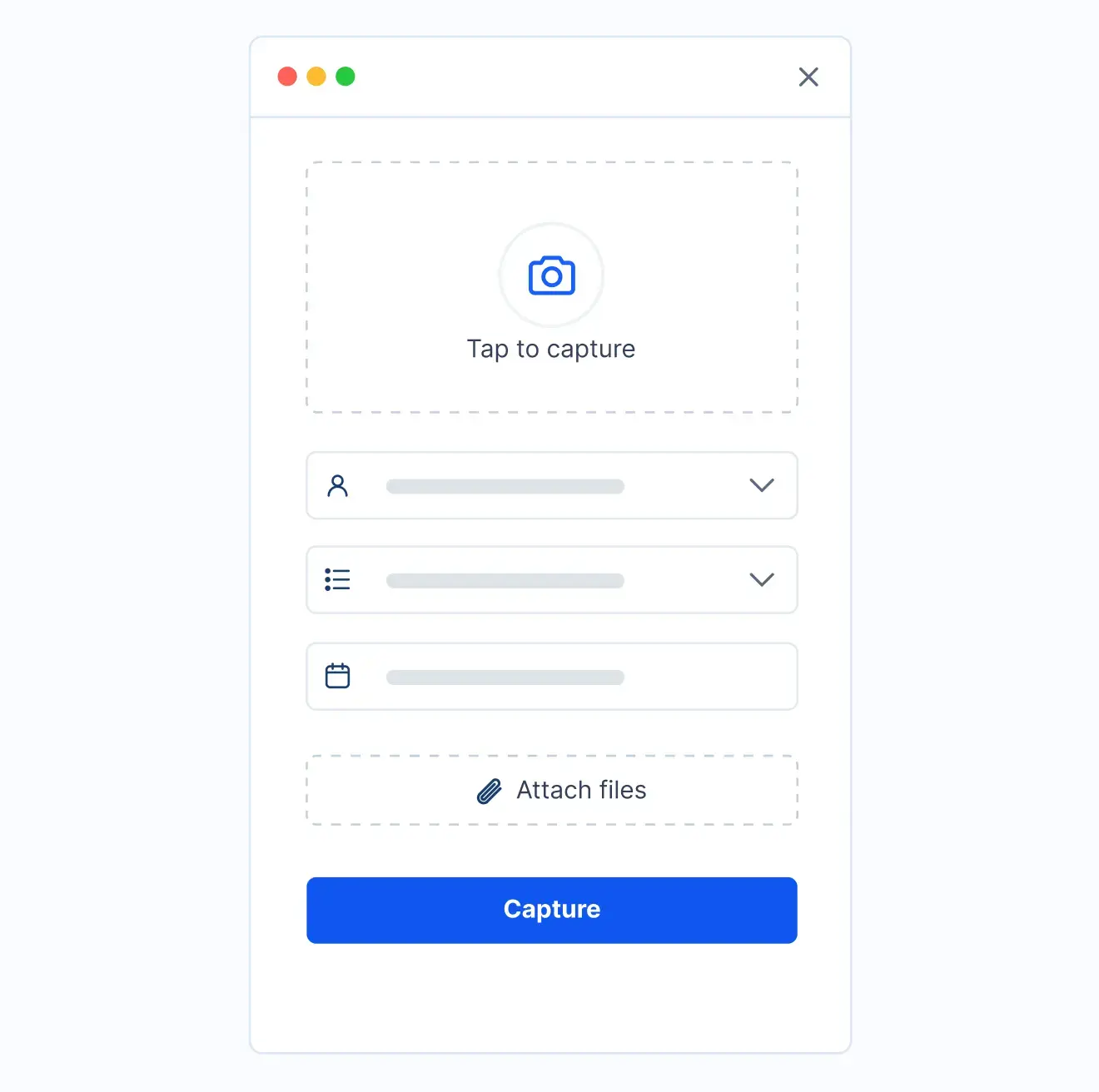
Deferred volume against plan is recorded at the shift by well, facility, and stream, with the planned basis and actual production captured.
Validate
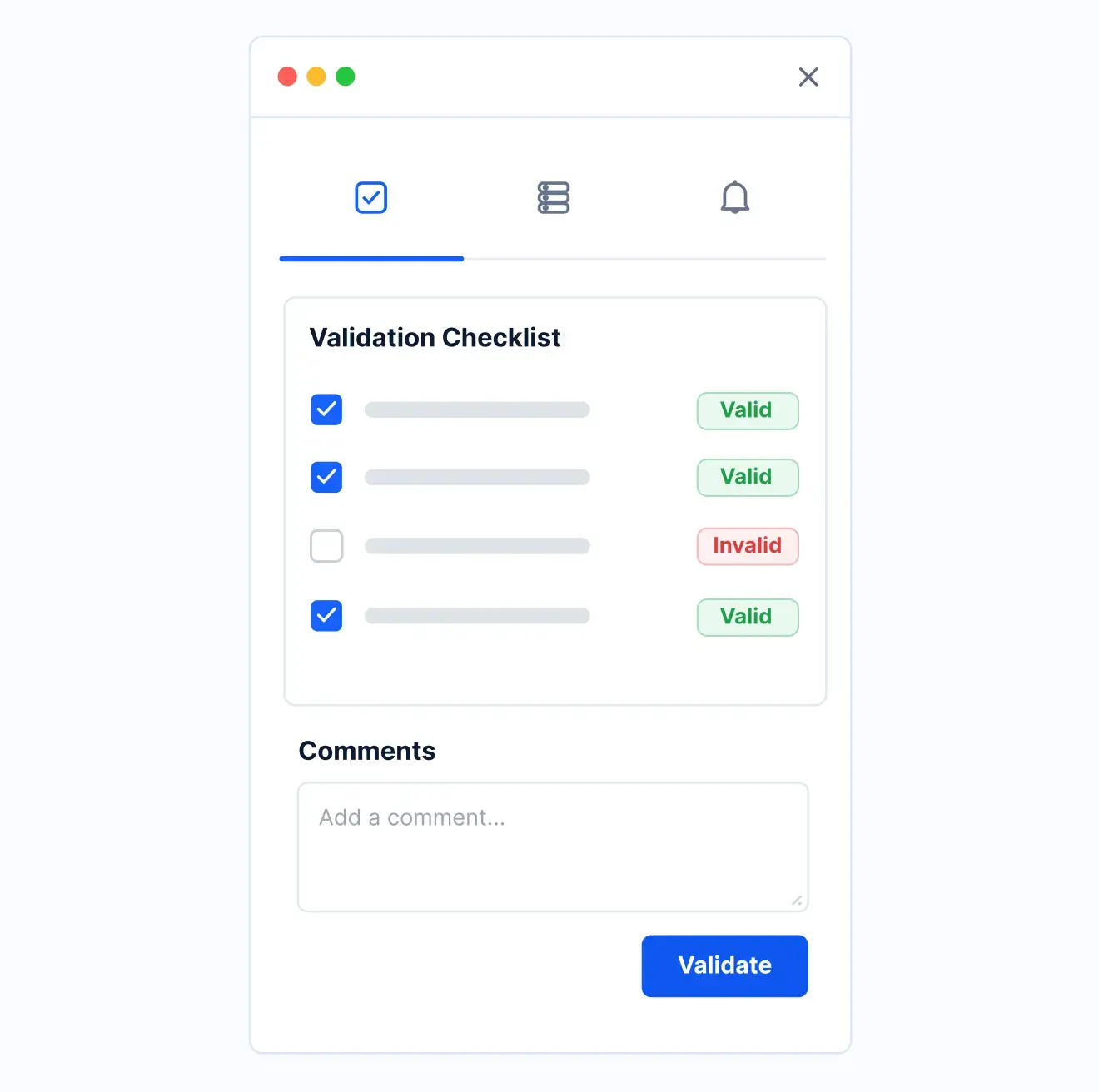
Each loss is coded against a structured hierarchy with a single defensible path, and cascading losses are linked to their root event so the entry is complete before it enters the register.
Track
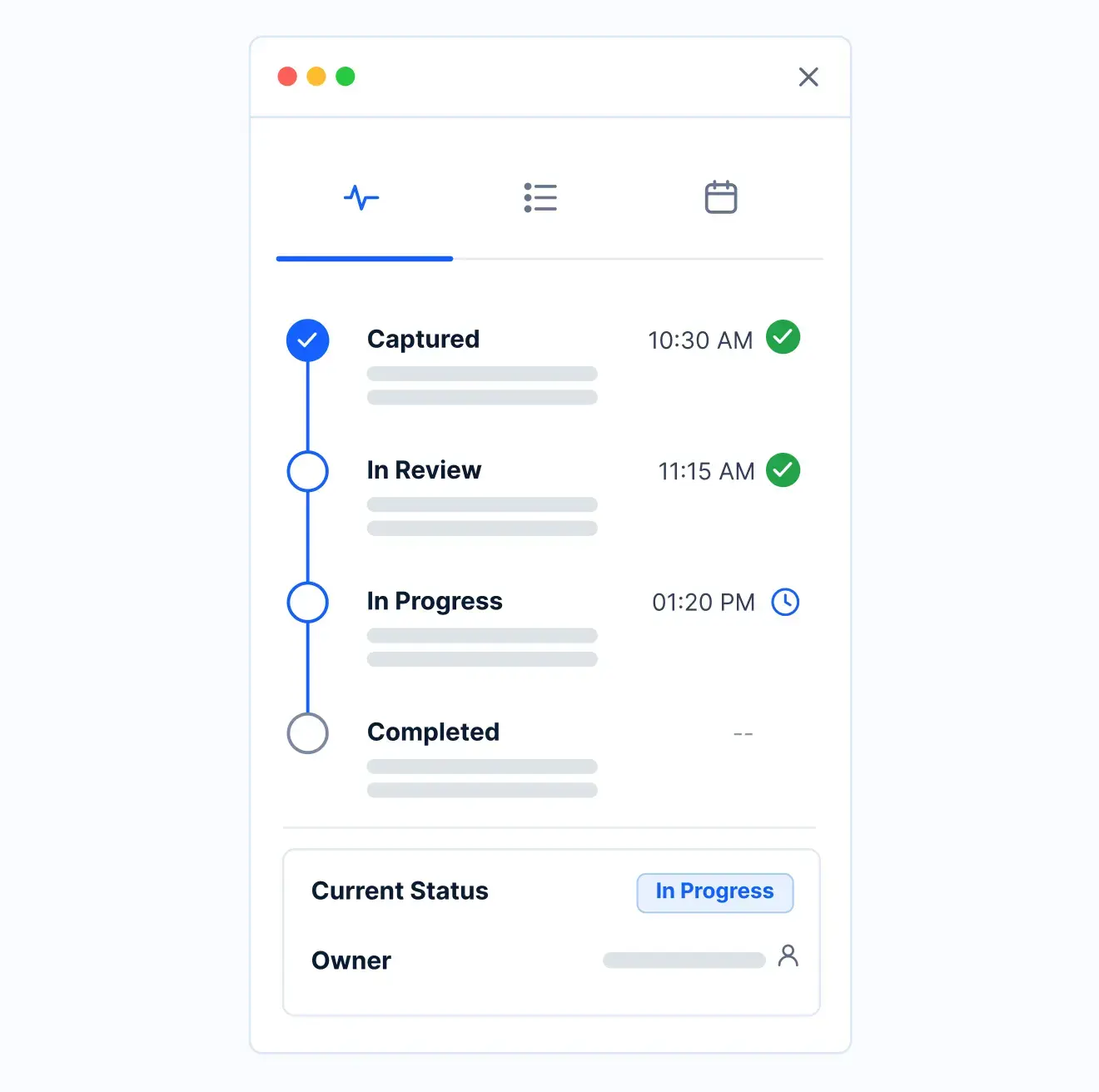
The register stays live, and losses beyond threshold surface for investigation that establishes cause and corrective action with a named owner, rather than closing on a code and a comment.
Report
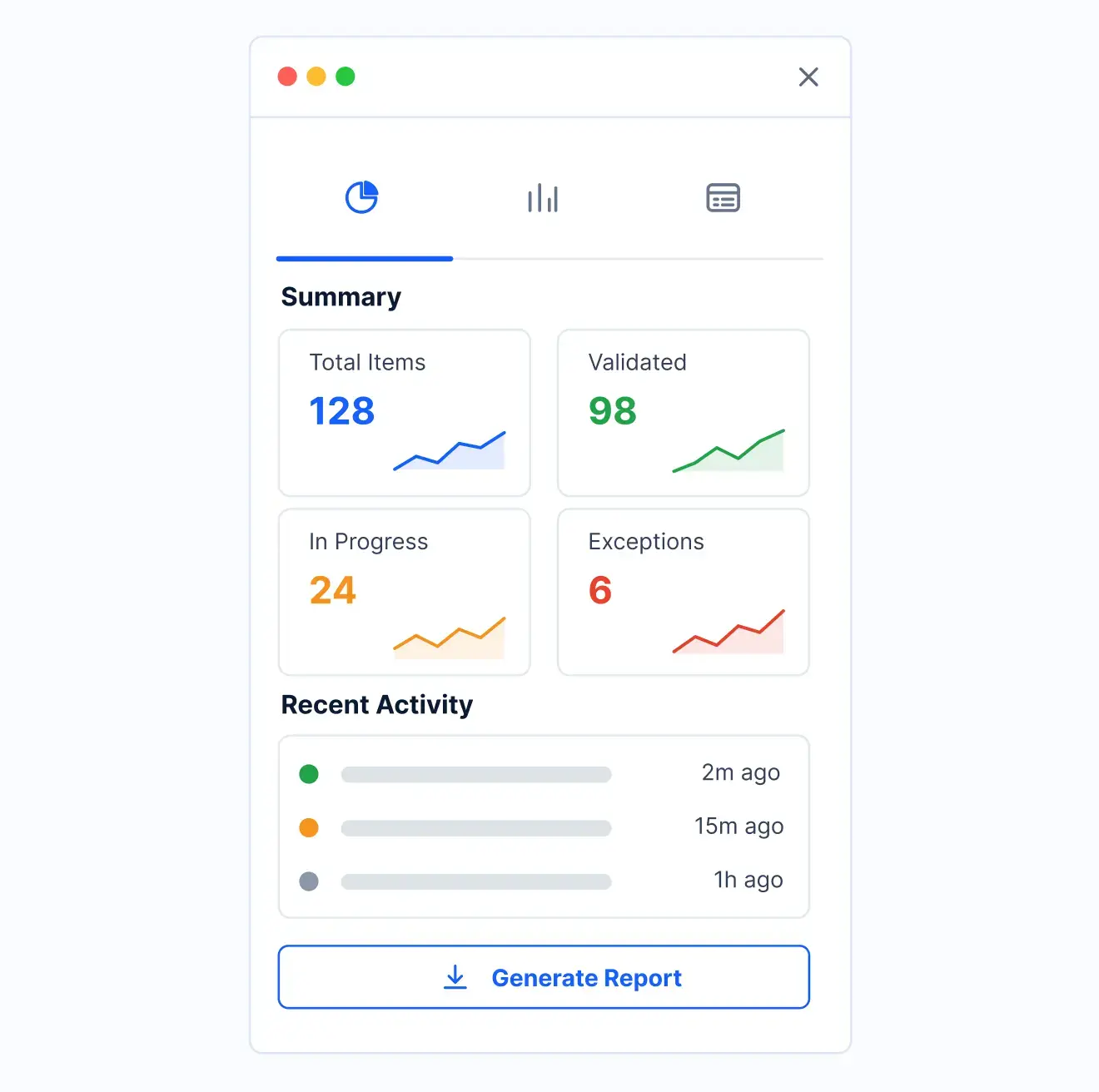
The deferment register is the system of record, so deferment analysis by cause, asset, and well draws straight from it for the planning and reserves cycle.
What changes when deferment reporting runs on Kissflow
| Process | Before Kissflow | On Kissflow |
|---|---|---|
| Loss coding | Chosen from an overlapping list at shift end | Applied through a hierarchy with one defensible path |
| Cascading losses | Counted as separate deferments | Linked to the single root event |
| Planned versus unplanned | Blurred in the same total | Separated, so availability measures stay meaningful |
| Major losses | Closed with a code and a comment | Routed as an investigation with an owner |
| Consistency | Varies by who wrote the report | The same event codes the same way |
| Planning input | Reclassified before the annual cycle | Drawn from the entries the shift made |
Connects to the systems your operation already runs on
.svg)



.svg)
.svg)
.svg)
.svg)

.svg)
.svg)
.svg)
.svg)
.svg)

.svg)

.svg)

.svg)
.svg)
.svg)
.svg)
.svg)
.svg)
.svg)
.svg)
.svg)

.svg)
Built so the deferment analysis can be trusted
Coding consistency is the whole point
A structured hierarchy applied at entry is what makes a year of deferment data usable rather than something that has to be reclassified before use.
Root events, not repeated counting
Losses cascading from one trip are linked to it, so the analysis attributes the deferment to the cause rather than to every affected well.
Big losses get an investigation
Beyond a threshold a loss needs a named owner and findings, not a dropdown selection.
A register, not a production accounting system
Your production accounting system holds the authoritative volumes. Kissflow holds the deferment classification and the investigation around them.
Governed from day one
Single sign-on, role-based access, and a timestamped audit log are how the app is built. Kissflow runs in the business-process layer, segmented from the OT and control network.
Live in weeks, not a program
Configure in the visual builder, or describe the standard and let the AI Builder generate the app. Delivery moves from weeks to days.
Related apps
Critical equipment downtime log
Log equipment downtime events with reason coding, tiered escalation, and availability reporting.
Energy deviation response workflow
Investigate and close out deviations in energy and utility performance against plan.
Manual transfer reconciliation
Record and reconcile product movements that do not pass a custody meter, within the shift.
We help production leaders build a deferment analysis that survives the planning cycle
.gif)

“If a company cannot enable everybody to use AI, they will never get the true benefit of AI. Platforms like Kissflow allow us to put that capability in the hands of our users in a safe way.”
Vagesh Dave
GVP & CIO at McDermott International, Ltd
See The Full Story

“Advanced automation of all processes is easy to set up. I cannot imagine how to manage workflows without this software.”
Tanay Tiwary
Global Head - Digitalization & Business Improvement
See the Full Story

“Kissflow supports rapid application development by building a working application prototype in the shortest amount of time.”
Maria Theresa Cabigon
CIO, SN Aboitiz Power Group
See The Full Story
See what Kissflow can do for you
Talk to usGot questions? We're here to help.
Get SupportIt records deferred production against plan by well, facility, and stream, applies a structured loss reason hierarchy at entry, links cascading losses to their root event, and routes significant losses to investigation.
Deferment is measured in volume against plan and attributed to a cause hierarchy for production analysis. An equipment downtime log measures equipment availability and repair performance. One compressor trip appears in both, expressed differently.
Because the annual deferment analysis feeding planning and reserves is only as good as the consistency of its coding. A structured path applied at entry means the same event is coded the same way whoever records it.
No. Your production accounting system holds the authoritative volumes. Kissflow holds the deferment classification, the root event linking, and the investigation workflow around them.
Yes. Fields, categories, routing rules, and escalation thresholds are configured by the process owner in the visual builder, and every change is written to the same audit log as a manual edit.
No. Kissflow runs in the business-process layer alongside the systems you already own and connects to them through APIs and integration connectors. It does not replace your EHS suite, your ERP, or your maintenance system, and it does not operate inside the control system.
No. Kissflow AI maps natural language to platform metadata and produces an inspectable blueprint, so every app is auditable and the process owner can maintain it.
Kissflow is certified to SOC 1, SOC 2, SOC 3, ISO/IEC 27001, HIPAA, GDPR, and CCPA, hosted on Google Cloud with data residency in the US, EU, APAC, and Oceania.