Energy Deviation Response Workflow
An energy deviation response workflow takes consumption variances in fuel gas, steam, and power against plan, routes each to the unit owner for investigation, and tracks the correction through to verified closure. Kissflow runs that loop alongside your energy monitoring systems.

Trusted by energy operators worldwide






Energy variance is measured well and acted on badly
Most plants know their energy performance to a decimal place. A monthly report circulates showing specific energy consumption against target by unit, and it is accurate. What it does not do is create work. The unit that ran three percent above its steam target last month appears in the report, gets mentioned in a meeting, and appears again next month, because nothing between the report and the plant assigned the investigation to a person with a date.
Kissflow closes that gap. A deviation beyond threshold becomes a case with a unit owner, an investigation window, and a required cause classification: equipment degradation, operating practice, instrumentation, feed or ambient conditions, or planned change. The correction is tracked as work, and the verification checks whether consumption actually returned to expectation rather than assuming it did.
Because causes are classified consistently, the pattern becomes usable. A fouling trend that shows up as recurring degradation on one exchanger justifies a cleaning cycle change. That argument needs a history, and the history is what a monthly report never accumulates.
Energy performance is reported monthly and corrected rarely
The report does not create work
A unit above target appears in the monthly pack, gets discussed, and appears again next month with nothing assigned.
Causes are described differently every time
Free-text explanations do not accumulate, so twelve months of deviations never become one argument.
Corrective actions have no owner
Actions agreed in a review meeting are not tracked as work with a name and a date against them.
Nobody checks whether it worked
Closure is assumed when the action is done rather than confirmed against actual consumption.
Three process modules
Every module ships with default thresholds, cause classifications, investigation routing, and dashboards. Configure each one to your energy program in the visual builder.
Deviation intake and thresholds
Consumption variances against plan captured by unit and utility stream, with thresholds deciding which variances become cases rather than every fluctuation raising one.
Investigation and cause classification
Investigation routed to the unit owner with a required cause classification covering equipment degradation, operating practice, instrumentation, feed and ambient conditions, and planned change.
Correction and verification
Corrective actions tracked as work with owners and dates, and verification confirming consumption returned to expectation rather than assuming the fix landed.
From request to system of record in four steps
Report
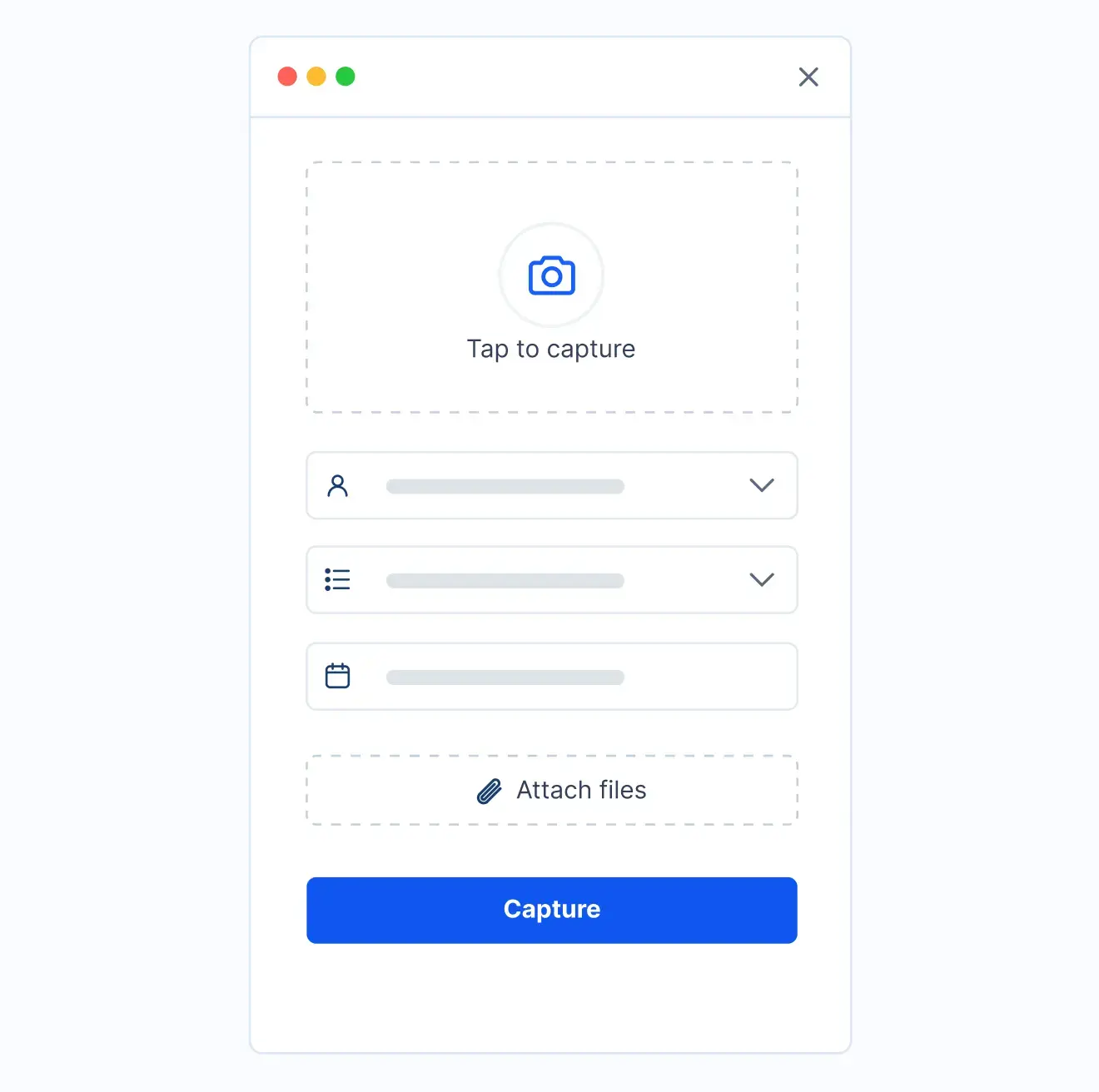
A consumption variance beyond threshold is raised as a case against the unit and utility stream, with the period, magnitude, and plan basis recorded.
Assess
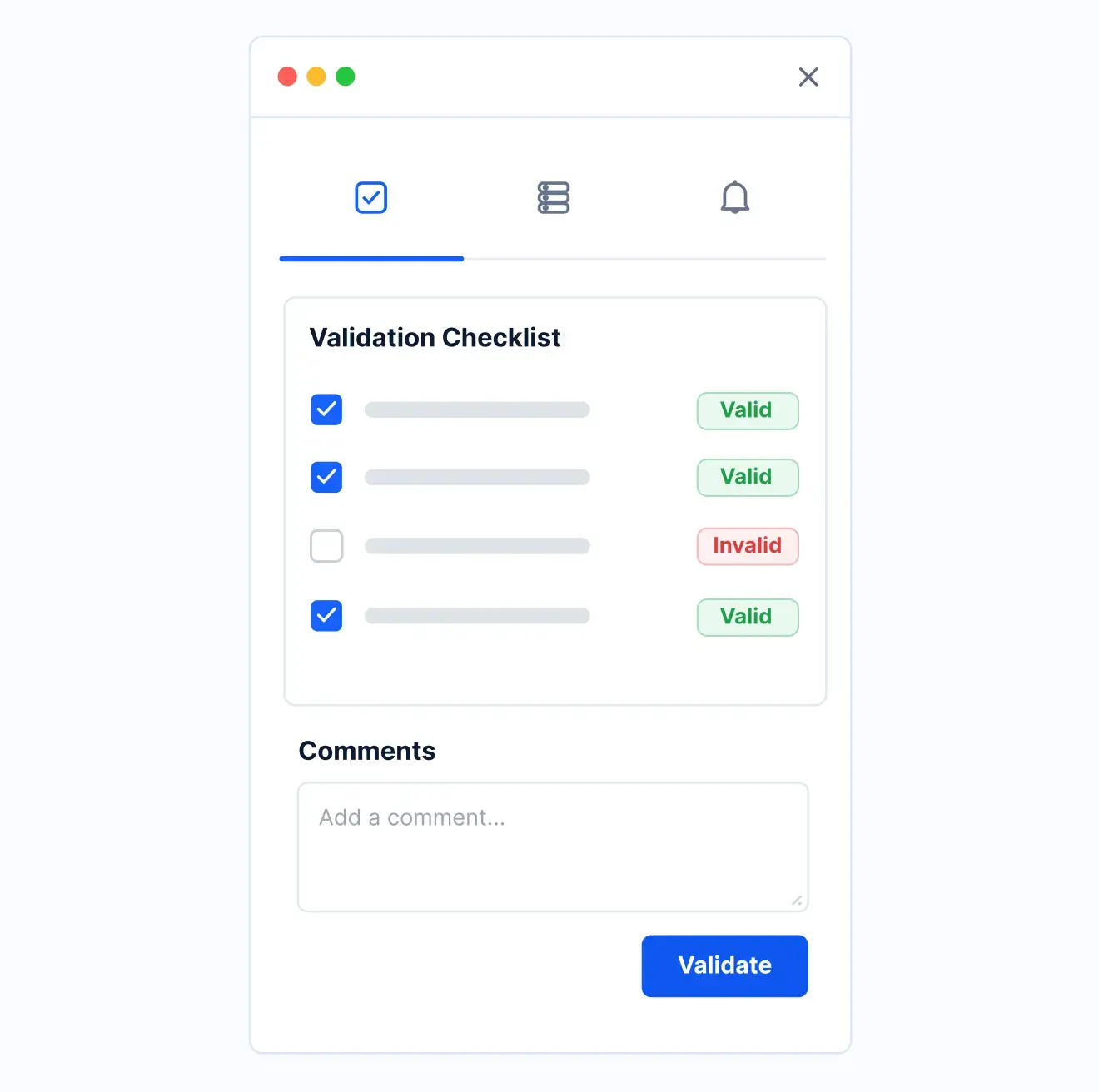
The unit owner investigates within a defined window and classifies the cause, separating equipment degradation from operating practice, instrumentation error, and conditions outside anyone's control.
Resolve
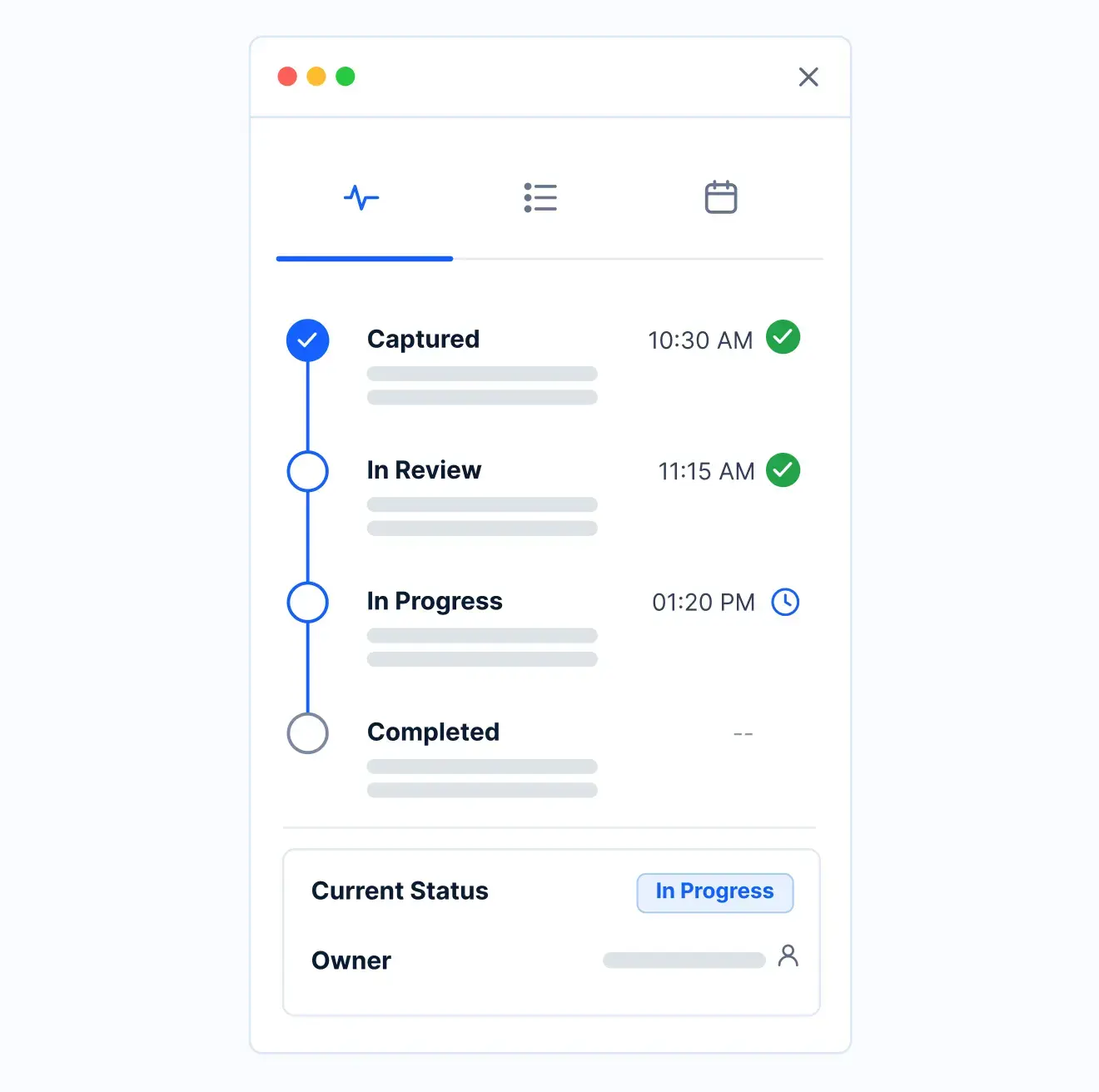
Corrective actions are tracked as work with owners and dates, and verification confirms whether consumption actually returned to expectation.
Record
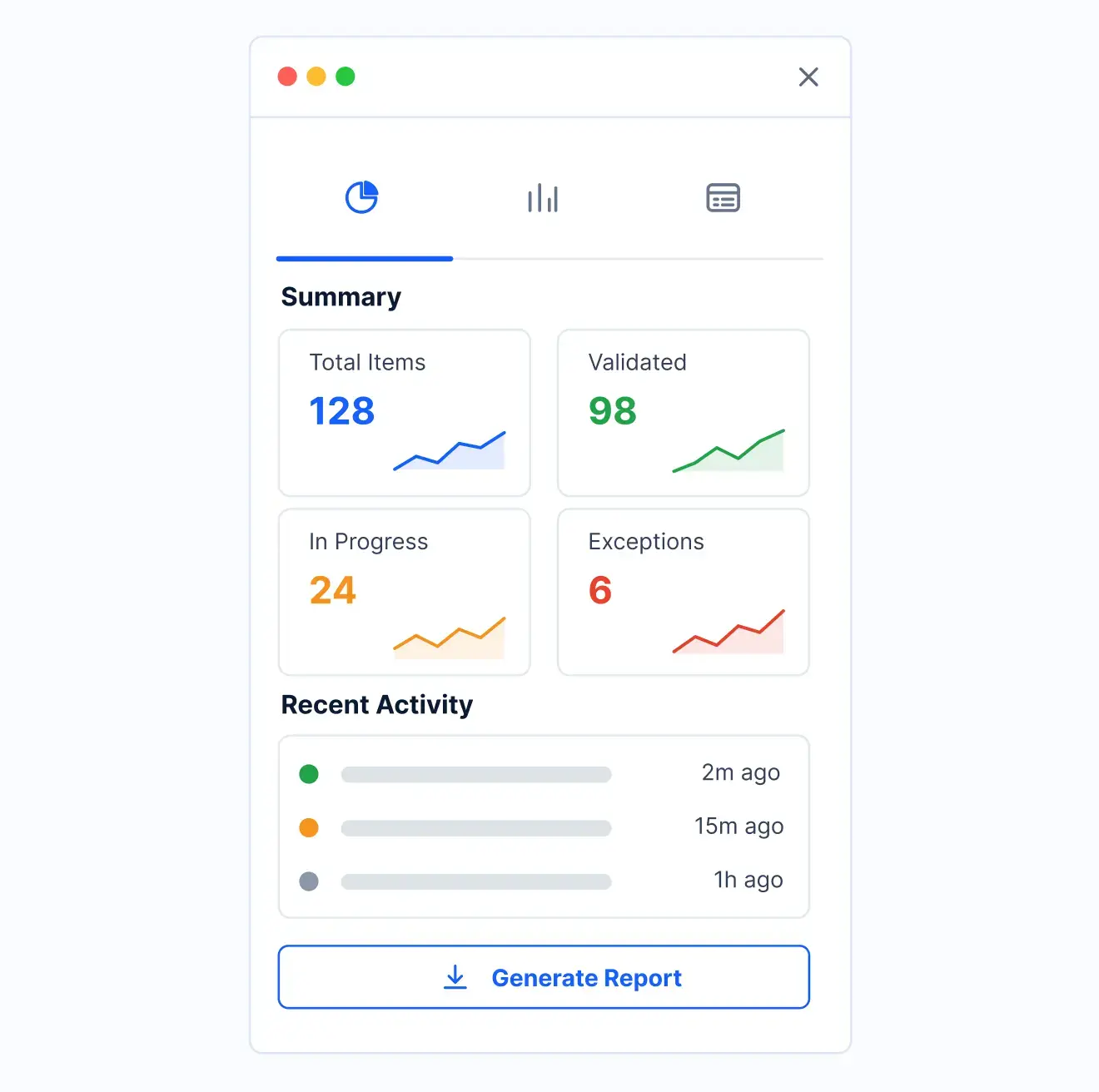
The case closes on verified performance and is retained, building the cause history that justifies a cleaning cycle, a setpoint change, or a capital case.
What changes when energy deviations run on Kissflow
| Process | Before Kissflow | On Kissflow |
|---|---|---|
| Deviation handling | Appears in a monthly report and a meeting | Becomes a case with an owner and a window |
| Cause | Described differently every time | Classified against a fixed set |
| Corrective action | Discussed, rarely assigned | Tracked as work with an owner and a date |
| Verification | Assumed once the action is done | Confirmed against actual consumption |
| Recurrence | Reappears next month unexplained | Visible as a cause pattern with history |
| Capital justification | Argued from opinion | Supported by classified deviation history |
Connects to the systems your operation already runs on
.svg)



.svg)
.svg)
.svg)
.svg)

.svg)
.svg)
.svg)
.svg)
.svg)

.svg)

.svg)

.svg)
.svg)
.svg)
.svg)
.svg)
.svg)
.svg)
.svg)
.svg)

.svg)
Built to turn energy reporting into energy work
Thresholds decide what becomes work
Not every fluctuation deserves a case. Thresholds mean the ones that do get an owner and the rest stay in the report.
Cause classification is required
A consistent cause set is what turns twelve monthly reports into an argument for a cleaning cycle or a setpoint change.
Verified against actual consumption
Closure checks whether performance returned rather than whether the action was marked complete.
A response layer, not an energy monitoring system
Your metering and energy monitoring systems measure. Kissflow runs the investigation and correction workflow around them.
Governed from day one
Single sign-on, role-based access, and a timestamped audit log are how the app is built. Kissflow runs in the business-process layer, segmented from the OT and control network.
Live in weeks, not a program
Configure in the visual builder, or describe the program and let the AI Builder generate the app. Delivery moves from weeks to days.
Related apps
SCADA exception response workflow
Turn escalated control room exceptions into tracked cases with owners, deadlines, and closure records.
Production loss reporting
Log deferred production events with loss reason coding and analysis against plan.
Critical equipment downtime log
Log downtime events with reason coding, tiered escalation, and availability reporting.
We help operations and energy leaders turn a monthly variance report into assigned work
.gif)

“If a company cannot enable everybody to use AI, they will never get the true benefit of AI. Platforms like Kissflow allow us to put that capability in the hands of our users in a safe way.”
Vagesh Dave
GVP & CIO at McDermott International, Ltd
See The Full Story

“Advanced automation of all processes is easy to set up. I cannot imagine how to manage workflows without this software.”
Tanay Tiwary
Global Head - Digitalization & Business Improvement
See the Full Story

“Kissflow supports rapid application development by building a working application prototype in the shortest amount of time.”
Maria Theresa Cabigon
CIO, SN Aboitiz Power Group
See The Full Story
See what Kissflow can do for you
Talk to usGot questions? We're here to help.
Get SupportIt takes consumption variances in fuel gas, steam, and power against plan, raises those beyond threshold as investigation cases with unit owners, requires a cause classification, and tracks the correction to verified closure.
No. Your metering and energy monitoring systems measure consumption and produce the variance. Kissflow runs the investigation, correction, and verification workflow that turns a variance into work.
Because a consistent cause set across many deviations is what supports a change to a cleaning cycle, an operating setpoint, or a capital case. Free-text explanations do not accumulate into an argument.
Verification checks actual consumption against expectation after the corrective action, so a case closes on returned performance rather than on a completed task.
Yes. Fields, categories, routing rules, and escalation thresholds are configured by the process owner in the visual builder, and every change is written to the same audit log as a manual edit.
No. Kissflow runs in the business-process layer alongside the systems you already own and connects to them through APIs and integration connectors. It does not replace your EHS suite, your ERP, or your maintenance system, and it does not operate inside the control system.
No. Kissflow AI maps natural language to platform metadata and produces an inspectable blueprint, so every app is auditable and the process owner can maintain it.
Kissflow is certified to SOC 1, SOC 2, SOC 3, ISO/IEC 27001, HIPAA, GDPR, and CCPA, hosted on Google Cloud with data residency in the US, EU, APAC, and Oceania.