Manual Transfer Reconciliation Tracker
A manual transfer reconciliation tracker records product movements that do not pass a custody meter, reconciles each against tank gauges and tickets, and surfaces unexplained variance while the people involved still remember the movement. Kissflow runs that register alongside your accounting systems.

Trusted by energy operators worldwide






The movements that do not pass a meter are the ones that cost you at month end
Not every movement goes through a custody transfer meter. Truck loadings, internal tank-to-tank transfers, line displacements, slop and drain recovery, sampling and product returns all move volume without a metered ticket, and every one of them is recorded by a person. Individually the volumes are small. Collectively they are the difference between a hydrocarbon balance that closes and one that carries an unexplained loss line the accountants ask about three weeks later.
Kissflow holds these movements as a register. Each is recorded at the time with the source, destination, product, volume, method, and the operator who made it, and it is reconciled against opening and closing gauges on the same shift rather than at month end. A variance beyond tolerance raises an exception while the shift that made the movement is still on site.
Because the register carries method and operator, systematic variance becomes visible: a gauge that reads consistently high, a transfer route that always loses more than it should, a procedure that different shifts execute differently. That is a correctable problem rather than a monthly write-off.
The volume that never meets a meter is the volume that goes missing
Movements are written down and keyed later
A sheet filled in during the shift and entered the next day loses the detail that would explain a variance.
Reconciliation happens at month end
By the time a variance surfaces, the shift that made the movement has rotated and the answer is gone.
Systematic bias hides in the aggregate
A gauge reading high or a route that always loses volume disappears inside one monthly loss figure.
Tickets and movements live apart
The ticket reference and the operational record sit in different places, so reconstructing a movement takes two searches.
Three process modules
Every module ships with default movement types, tolerance rules, reconciliation logic, and dashboards. Configure each one to your terminal in the visual builder.
Movement capture
Recording of each manual movement at the time with source, destination, product, volume, method, ticket reference, and the operator who performed it.
Shift reconciliation
Reconciliation against opening and closing tank gauges within the shift, so a variance is raised while the people who made the movement are still on site.
Variance and pattern reporting
Unexplained variance by route, tank, product, method, and shift, surfacing systematic bias rather than presenting one aggregate loss figure at month end.
From request to system of record in four steps
Capture
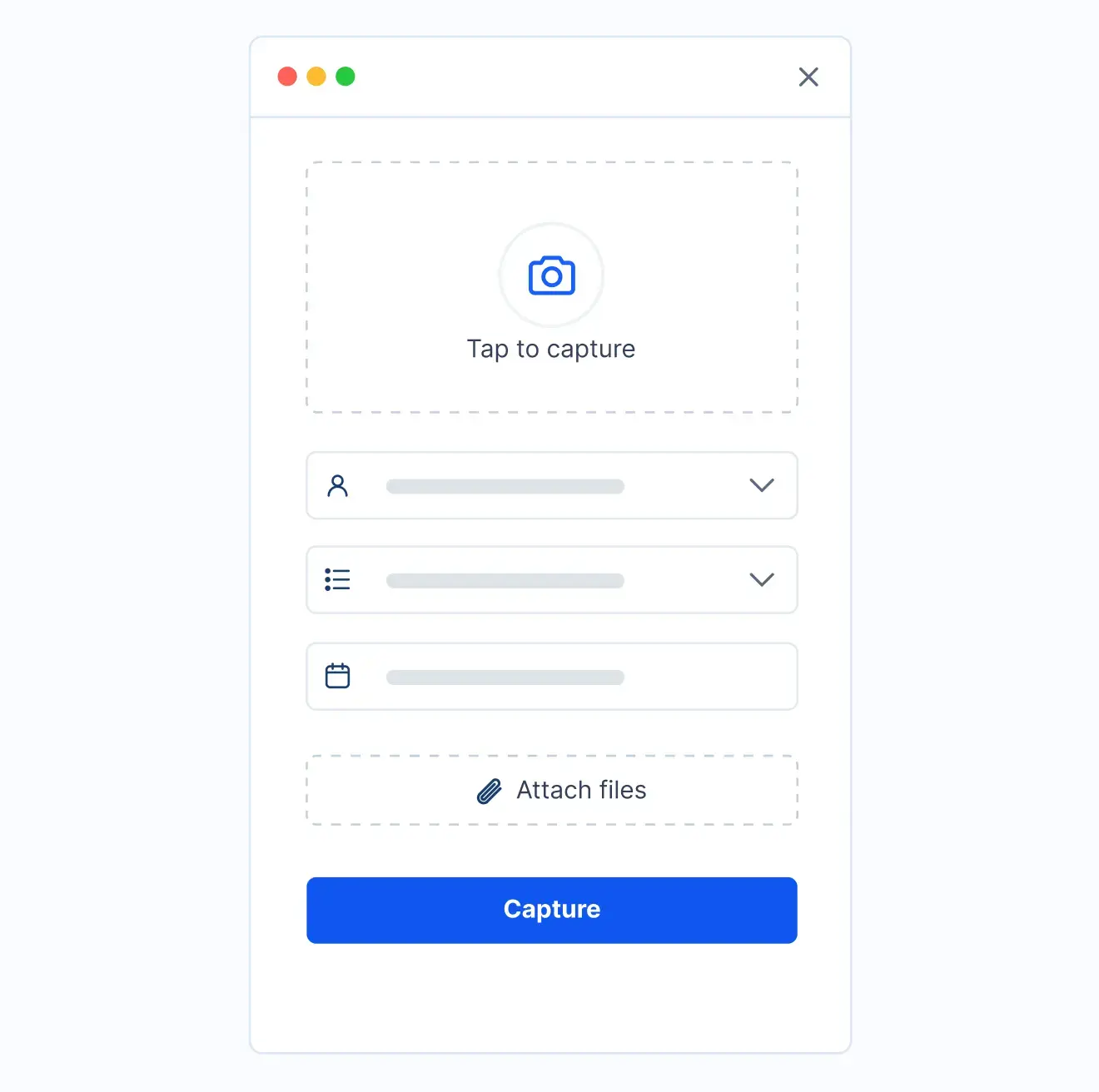
Each manual movement is recorded at the time with source, destination, product, volume, method, ticket reference, and operator, from the terminal or the field.
Validate
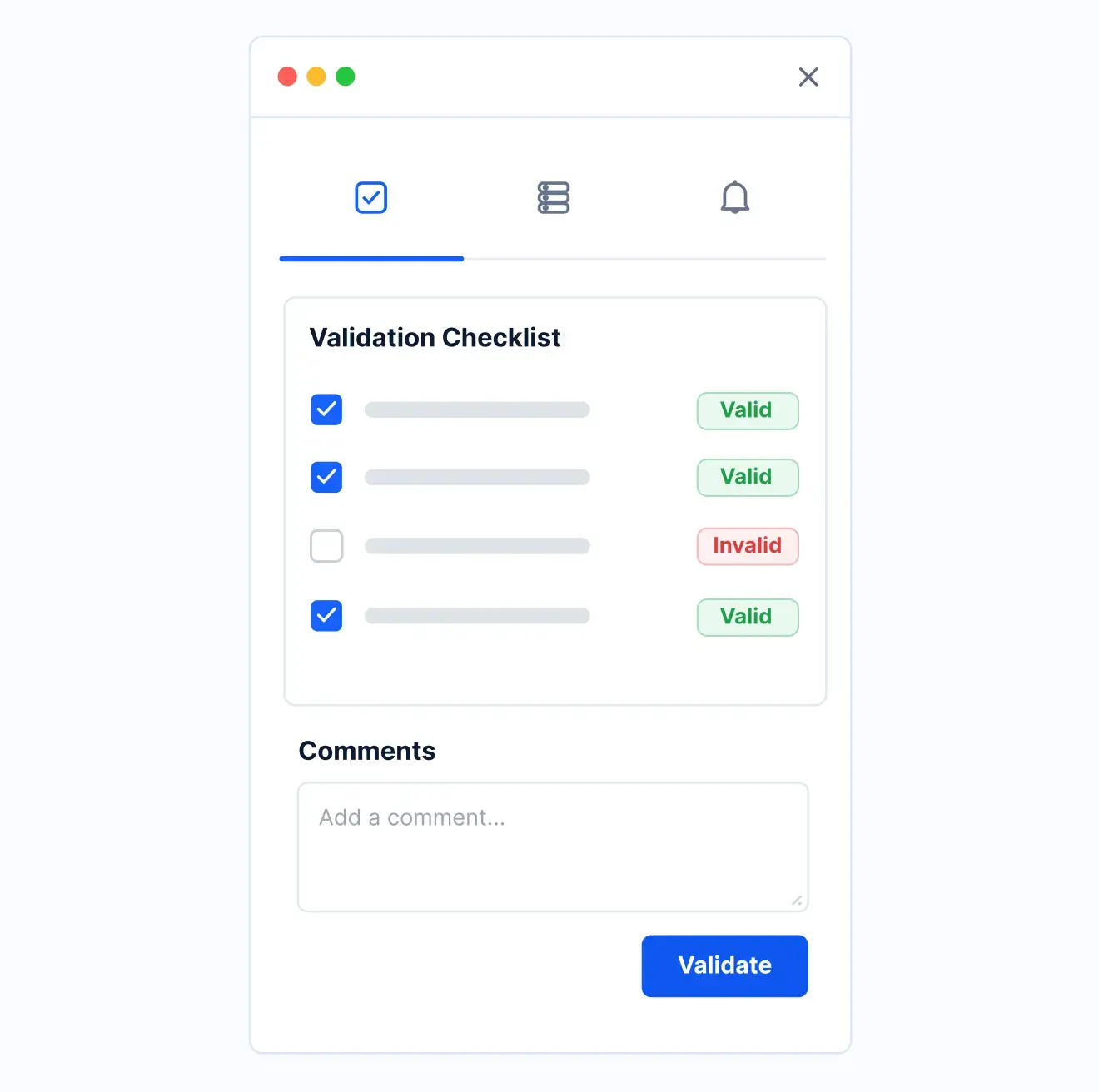
Volumes are checked against tolerance and against opening and closing gauges within the shift, so an entry that cannot reconcile is questioned immediately.
Track
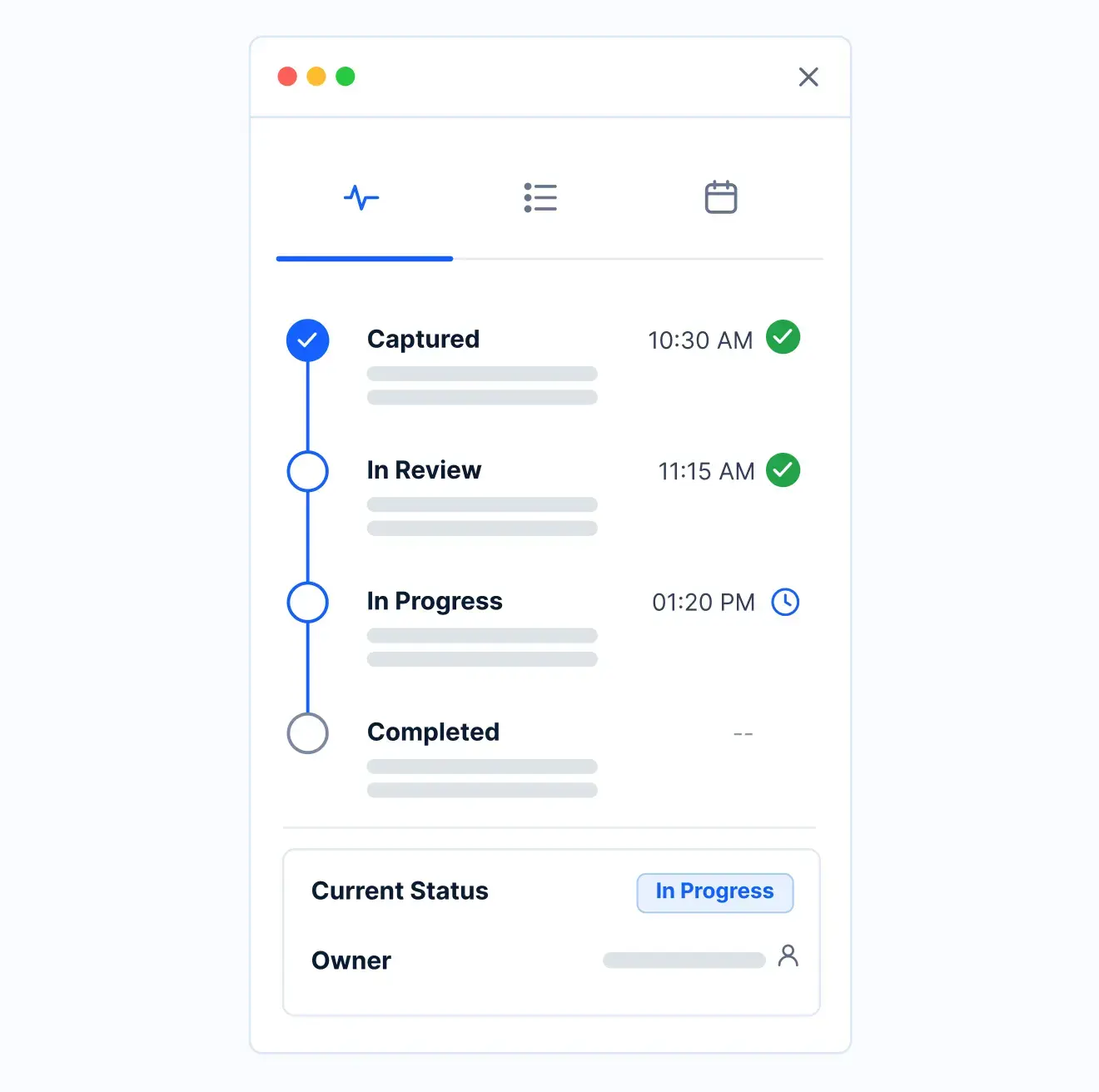
The running register stays live, and variances beyond tolerance surface as exceptions by route, tank, and shift rather than accumulating to month end.
Report
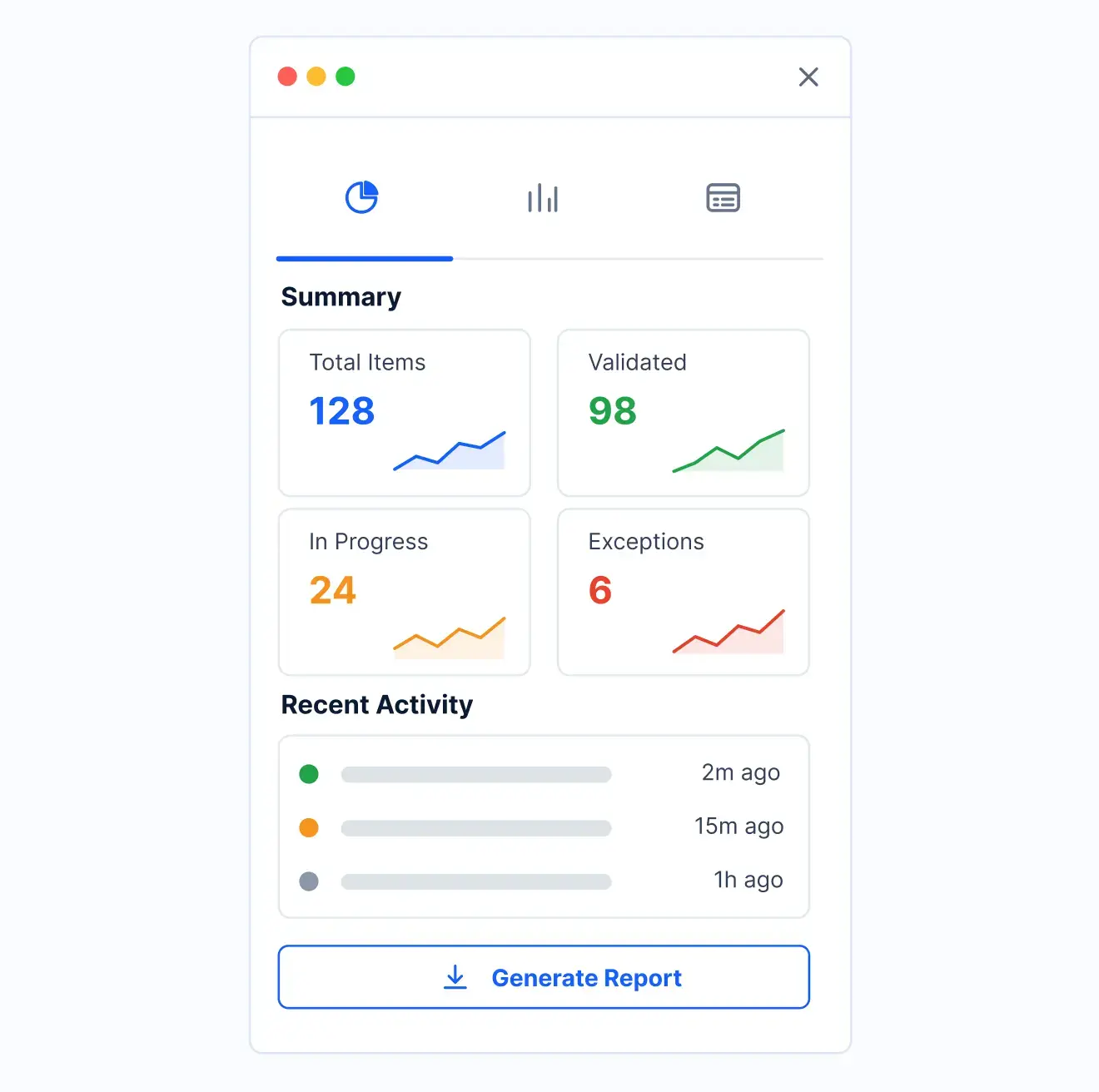
The register is itself the movement record, so reconciliation feeds hydrocarbon accounting from the same data the terminal used, with systematic bias visible by method and route.
What changes when manual transfers run on Kissflow
| Process | Before Kissflow | On Kissflow |
|---|---|---|
| Movement record | Written on a sheet and keyed later | Recorded at the time with method and operator |
| Reconciliation | Performed at month end | Performed within the shift against gauges |
| Variance discovery | Three weeks after the movement | While the shift that made it is still on site |
| Systematic bias | Hidden inside an aggregate loss figure | Visible by route, tank, method, and shift |
| Ticket linkage | Held separately from the movement | Attached to the movement record |
| Accounting handoff | Re-keyed from operational records | Fed from the register the terminal used |
Connects to the systems your operation already runs on
.svg)



.svg)
.svg)
.svg)
.svg)

.svg)
.svg)
.svg)
.svg)
.svg)

.svg)

.svg)

.svg)
.svg)
.svg)
.svg)
.svg)
.svg)
.svg)
.svg)
.svg)

.svg)
Built for volume that never touches a custody meter
Reconciled within the shift
A variance raised the same shift is answerable. The same variance raised at month end is a write-off.
Systematic bias becomes visible
Method, route, and operator on every record turn a recurring loss into a correctable cause.
Built for the awkward movements
Truck loadings, tank-to-tank transfers, line displacements, slop recovery, and returns all sit in one register rather than in separate sheets.
A register, not a hydrocarbon accounting system
Your accounting system produces the balance. Kissflow holds the operational movement record that feeds it.
Governed from day one
Single sign-on, role-based access, and a timestamped audit log are how the app is built. Kissflow runs in the business-process layer, segmented from the OT and control network.
Live in weeks, not a program
Configure in the visual builder, or describe the terminal and let the AI Builder generate the app. Delivery moves from weeks to days.
Related apps
Metering & Custody Transfer Exception Workflow
Handle failed provings, mismeasurement, and imbalance at custody points through to agreed correction with the counterparty.
Tank farm movement logbook
Record tank line-ups, movements, and status across the tank farm with a live shift view.
Production loss reporting
Log deferred production events with loss reason coding and analysis against plan.
We help terminal and operations leaders answer a variance while it is still answerable
.gif)

“If a company cannot enable everybody to use AI, they will never get the true benefit of AI. Platforms like Kissflow allow us to put that capability in the hands of our users in a safe way.”
Vagesh Dave
GVP & CIO at McDermott International, Ltd
See The Full Story

“Advanced automation of all processes is easy to set up. I cannot imagine how to manage workflows without this software.”
Tanay Tiwary
Global Head - Digitalization & Business Improvement
See the Full Story

“Kissflow supports rapid application development by building a working application prototype in the shortest amount of time.”
Maria Theresa Cabigon
CIO, SN Aboitiz Power Group
See The Full Story
See what Kissflow can do for you
Talk to usGot questions? We're here to help.
Get SupportIt records product movements that do not pass a custody transfer meter, such as truck loadings, tank-to-tank transfers, line displacements, and slop recovery, and reconciles each against tank gauges within the shift rather than at month end.
This app covers movements without a metered ticket and reconciles them against gauges. A custody transfer exception workflow handles mismeasurement and disputes at metered custody points, where a counterparty and a contract are involved.
No. Your accounting system produces the balance. Kissflow holds the operational movement record and the shift reconciliation that feeds it, connecting through APIs and integration connectors.
Because every record carries method, route, and operator, systematic bias is reported rather than absorbed into a single aggregate loss figure, which makes a recurring variance correctable.
Yes. Fields, categories, routing rules, and escalation thresholds are configured by the process owner in the visual builder, and every change is written to the same audit log as a manual edit.
No. Kissflow runs in the business-process layer alongside the systems you already own and connects to them through APIs and integration connectors. It does not replace your EHS suite, your ERP, or your maintenance system, and it does not operate inside the control system.
No. Kissflow AI maps natural language to platform metadata and produces an inspectable blueprint, so every app is auditable and the process owner can maintain it.
Kissflow is certified to SOC 1, SOC 2, SOC 3, ISO/IEC 27001, HIPAA, GDPR, and CCPA, hosted on Google Cloud with data residency in the US, EU, APAC, and Oceania.