Corrective Action Plan Tracker
A corrective action plan tracker carries actions from failure investigations and root cause analysis through implementation to an effectiveness review that checks whether the failure actually stopped recurring. Kissflow runs that full loop, including the part most programs skip.

Trusted by energy operators worldwide




Most CAPA programs close actions. Few of them verify anything.
The corrective action process is well understood and unevenly executed. An investigation identifies causes, actions are written, owners are assigned, and the actions are eventually marked complete. The step that separates a program that improves reliability from one that generates paperwork is the last one: going back six months later to ask whether the failure mode actually stopped. That step has no deadline pressure behind it, so it is the one that gets dropped.
Kissflow builds the loop so the effectiveness review is scheduled at the moment the action is closed, not left to intent. Each action is linked to the specific cause it addresses, so an investigation that identified four causes cannot close with actions covering two. Preventive actions applied to similar equipment elsewhere are tracked as their own items rather than assumed to happen.
When the same failure mode recurs on equipment that already had a corrective action, that connection is visible. It is the most valuable output the process produces and the one a spreadsheet cannot give you.
Actions close. Failures recur anyway.
Effectiveness is never checked
Going back months later to ask whether the failure mode stopped has no deadline behind it, so it does not happen.
Causes go unaddressed
An investigation naming four causes can close with actions covering two, and nothing flags the gap.
Interim controls are described once
The measures holding the risk until the permanent fix lands are written in the report and never tracked.
Replication is assumed
A fix that should apply to identical equipment at three other sites is recommended rather than assigned.
Six process modules
Every module ships with default cause linking, action types, effectiveness scheduling, and dashboards. Configure each one to your reliability program in the visual builder.
Cause and action linking
Each action linked to the specific cause it addresses, so an investigation cannot close while identified causes have no action against them.
Action ownership
Actions assigned to named owners with due dates and defined completion criteria, separated into corrective, preventive, and interim control types.
Interim controls
Controls holding the risk while a permanent action is implemented, tracked and time-bounded rather than described once in the investigation report.
Preventive replication
Actions applied to similar equipment or sites tracked as their own items, so replication is executed rather than assumed.
Effectiveness review scheduling
An effectiveness review scheduled when the action closes, asking whether the failure mode actually stopped recurring rather than whether the task was completed.
Recurrence reporting
Reporting on overdue actions, effectiveness review outcomes, and failure modes recurring on equipment that already carried a corrective action.
From request to system of record in four steps
Report
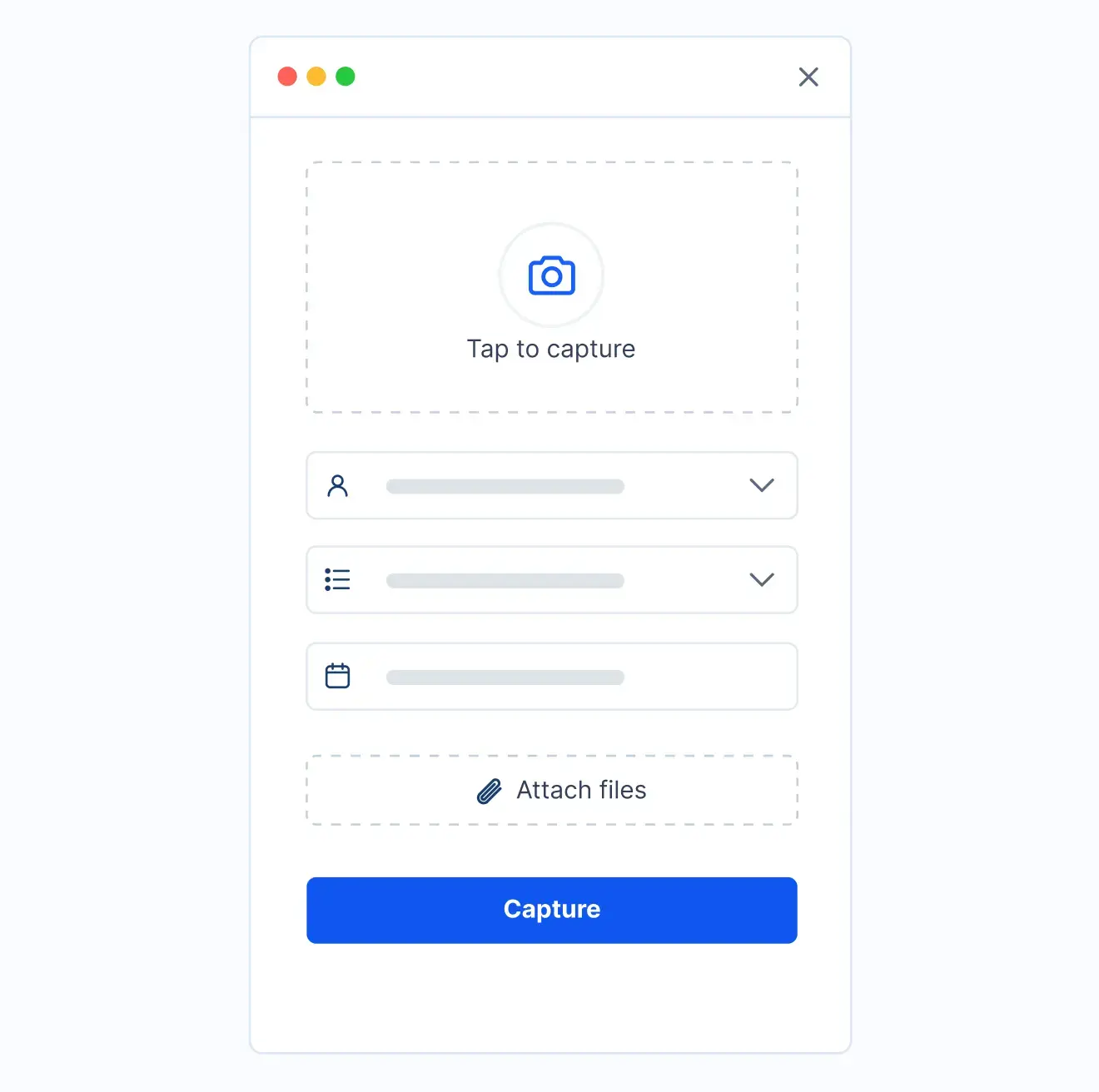
Actions arising from a failure investigation or root cause analysis are raised and linked to the specific causes they address.
Assess
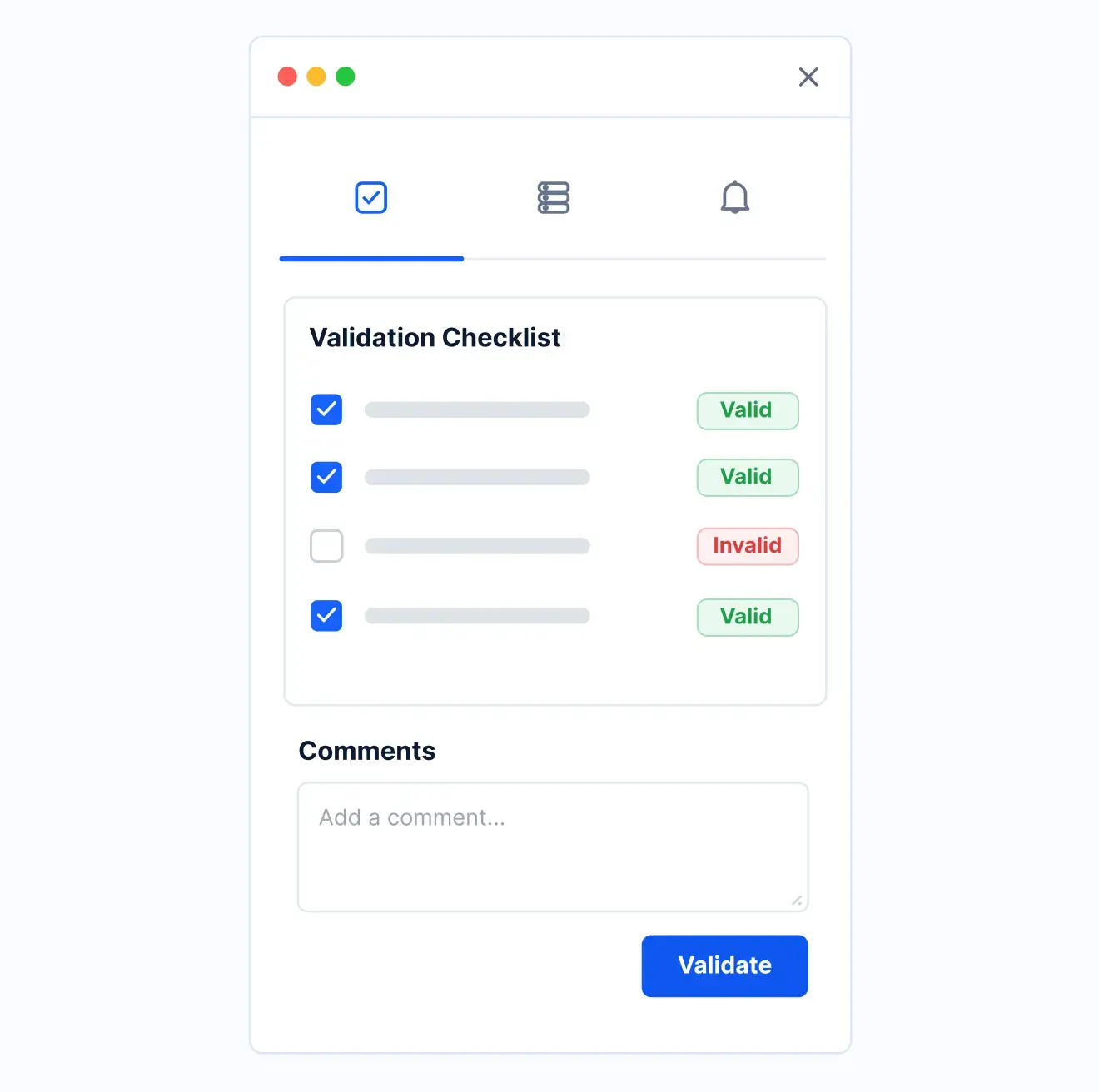
Each action is typed as corrective, preventive, or interim control, assigned to a named owner with a due date and completion criteria, and replication to similar equipment is identified.
Resolve
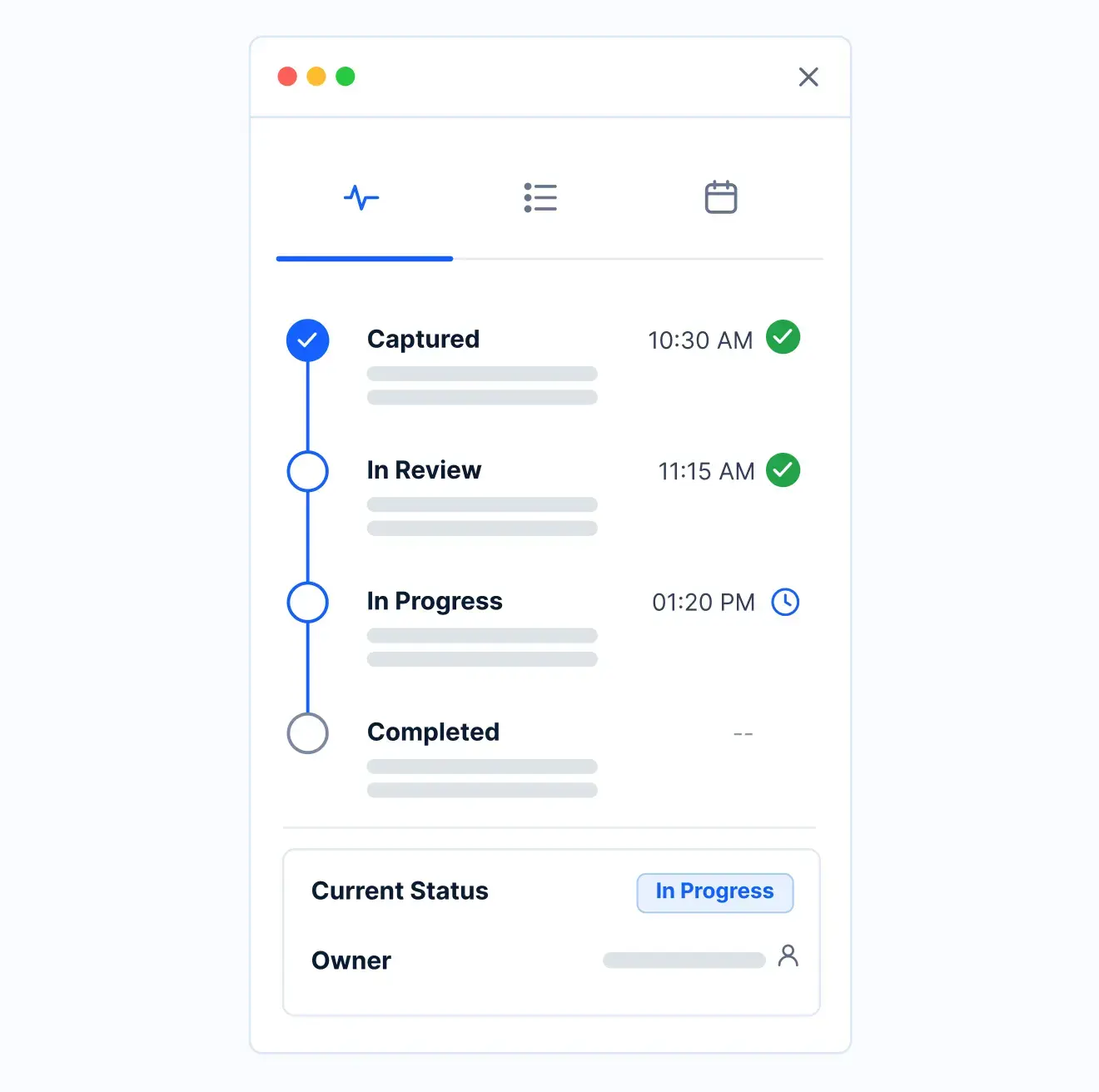
Actions are implemented with evidence against their completion criteria, interim controls are tracked while permanent fixes remain outstanding, and overdue items escalate.
Record
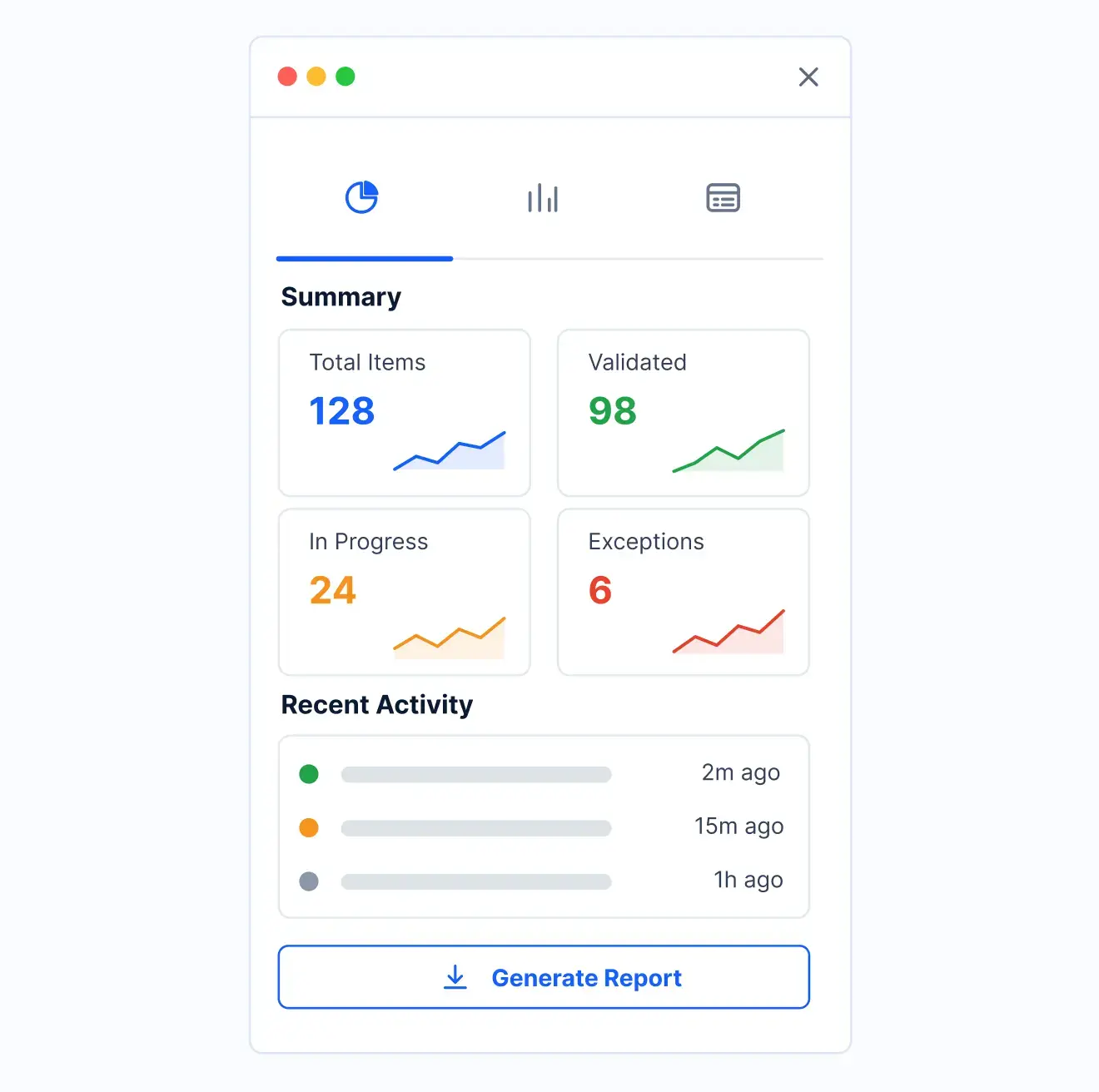
Closure schedules an effectiveness review, and the outcome of that review determines whether the action truly closed or the cause needs revisiting.
What changes when corrective actions run on Kissflow
| Process | Before Kissflow | On Kissflow |
|---|---|---|
| Cause coverage | Actions written against the report overall | Each action linked to a specific identified cause |
| Action types | All treated as one list | Corrective, preventive, and interim separated |
| Interim controls | Described in the report and forgotten | Tracked and time-bounded until the fix lands |
| Replication | Assumed to happen elsewhere | Tracked as its own action per site or asset |
| Closure | Marked complete by the owner | Schedules an effectiveness review |
| Recurrence | Noticed by long-serving engineers | Reported against equipment with prior actions |
Connects to the systems your operation already runs on
.svg)



.svg)
.svg)
.svg)
.svg)

.svg)
.svg)
.svg)
.svg)
.svg)

.svg)

.svg)

.svg)
.svg)
.svg)
.svg)
.svg)
.svg)
.svg)
.svg)
.svg)

.svg)
Built around the step most CAPA programs skip
Effectiveness review is scheduled, not intended
The review is created when the action closes, which is the only reliable way it happens.
Causes cannot go unaddressed
An investigation cannot close while an identified cause carries no action against it.
Replication is work, not an assumption
Applying a fix to similar equipment elsewhere is tracked as its own item with an owner.
An action layer, not another reliability suite
Your reliability and maintenance systems hold the failure history. Kissflow runs the action, replication, and effectiveness loop around it.
Governed from day one
Single sign-on, role-based access, and a timestamped audit log are how the app is built. Kissflow runs in the business-process layer, segmented from the OT and control network.
Live in weeks, not a program
Configure in the visual builder, or describe the program and let the AI Builder generate the app. Delivery moves from weeks to days.
Related apps
Critical equipment downtime log
Log equipment downtime events with reason coding, tiered escalation, and availability reporting.
Safety audit action tracking
Route audit and inspection findings to named owners and track every corrective action to verified closure.
Deferred maintenance tracker
Hold the register of deferred work with risk assessment, compensating measures, and re-review dates.
We help reliability leaders find out whether the fix actually worked
.gif)

“If a company cannot enable everybody to use AI, they will never get the true benefit of AI. Platforms like Kissflow allow us to put that capability in the hands of our users in a safe way.”
Vagesh Dave
GVP & CIO at McDermott International, Ltd
See The Full Story
“Advanced automation of all processes is easy to set up. I cannot imagine how to manage workflows without this software.”
Tanay Tiwary
Global Head - Digitalization & Business Improvement
See the Full Story
“Kissflow supports rapid application development by building a working application prototype in the shortest amount of time.”
Maria Theresa Cabigon
CIO, SN Aboitiz Power Group
See The Full Story
See what Kissflow can do for you
Talk to usGot questions? We're here to help.
Get SupportIt carries corrective, preventive, and interim actions from failure investigations and root cause analysis through implementation to a scheduled effectiveness review that checks whether the failure mode stopped recurring.
A safety audit action tracker closes findings raised by audits and inspections against a standard. This app closes actions raised by failure investigations against a cause, and adds the effectiveness review that asks whether the failure stopped.
It is a scheduled check some period after closure asking whether the failure mode actually stopped recurring, rather than whether the task was completed. It is created automatically when the action closes.
Applying a fix to similar equipment or other sites is tracked as its own action with an owner and a date, rather than being noted as a recommendation and assumed to happen.
Yes. Fields, categories, routing rules, and escalation thresholds are configured by the process owner in the visual builder, and every change is written to the same audit log as a manual edit.
No. Kissflow runs in the business-process layer alongside the systems you already own and connects to them through APIs and integration connectors. It does not replace your EHS suite, your ERP, or your maintenance system, and it does not operate inside the control system.
No. Kissflow AI maps natural language to platform metadata and produces an inspectable blueprint, so every app is auditable and the process owner can maintain it.
Kissflow is certified to SOC 1, SOC 2, SOC 3, ISO/IEC 27001, HIPAA, GDPR, and CCPA, hosted on Google Cloud with data residency in the US, EU, APAC, and Oceania.