Pipeline Repair Work Permit Software for Excavation and Repair Crews
Kissflow ties every pipeline repair permit to the anomaly record it's authorizing, tracks line-locate and one-call clearance as required conditions, routes approval through integrity engineering and operations with delegation, and closes the loop with hydrotest and sign-off evidence.

Trusted by energy operators worldwide




The dig crew is standing by. The permit is not signed yet.
A pipeline integrity exception clears engineering and gets a repair plan: excavate at a specific station, expose the pipe, install a sleeve or a composite repair, hydrotest, and backfill. None of that starts until the work permit is issued, and the permit itself depends on a line-locate confirmation, a one-call clearance, an excavation and hot-work authorization if welding is involved, and sign-off from the integrity engineer that the repair method matches what the exception called for. A crew mobilized to a dig site with an unsigned permit is a crew that either waits or works around the rule.
Kissflow runs pipeline repair as a permit-to-work approval: an intake form ties the permit to the specific anomaly and repair method it's authorizing, multi-stage approval with delegation routes the request through integrity engineering and the operations authority so it doesn't stall on one person, an audit trail records every sign-off and condition, and a requester self-service portal lets the field crew check permit status without a call to the office.
Once the repair closes out, the permit record, tied to the anomaly, is the evidence a regulator needs that the exception was resolved.
Where pipeline repair authorization breaks down before the dig
The permit isn't tied to the exception it's fixing
A repair permit gets issued as a standalone document, disconnected from the anomaly record that called for it.
Sign-off waits on one engineer
The crew sits on standby because the one person who can approve the repair method is unreachable.
Line-locate and one-call clearance aren't tracked as conditions
The permit gets issued before every prerequisite clearance is confirmed on record.
Status is a phone call to the office
A field supervisor has no way to check permit status without calling someone at a desk.
Six modules. Every repair authorized, tracked, and closed against the anomaly it fixes.
Configure permit conditions, approval chains, and repair methods to your integrity program.
Permit intake tied to the anomaly
The repair permit request links directly to the anomaly record and repair method from the exception workflow.
Prerequisite condition tracking
Line-locate, one-call clearance, and excavation or hot-work authorization are tracked as required conditions before issue.
Multi-stage approval with delegation
The permit routes through integrity engineering and the operations authority, with delegation so it doesn't stall.
Audit trail
Every approval, condition, and sign-off is timestamped and attributed directly on the permit record.
Requester self-service portal
A field supervisor checks permit status from a mobile device without placing a call back to the office.
Repair closeout and evidence
Hydrotest results and closeout sign-off attach to the same record, closing the loop back to the original anomaly.
From request to system of record in four steps
Submit
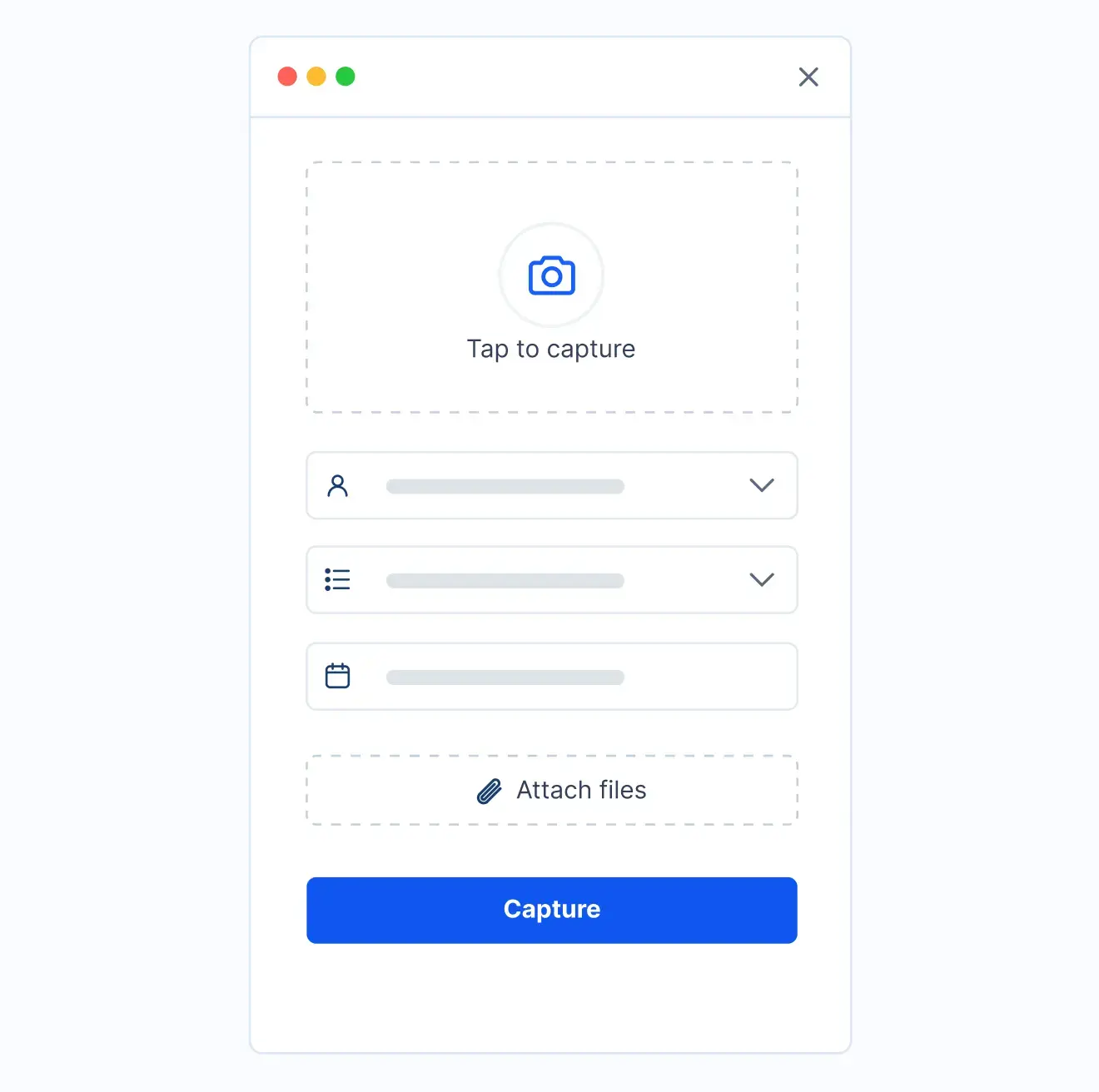
A repair request is submitted tied to the anomaly record it authorizes and the proposed repair method.
Review
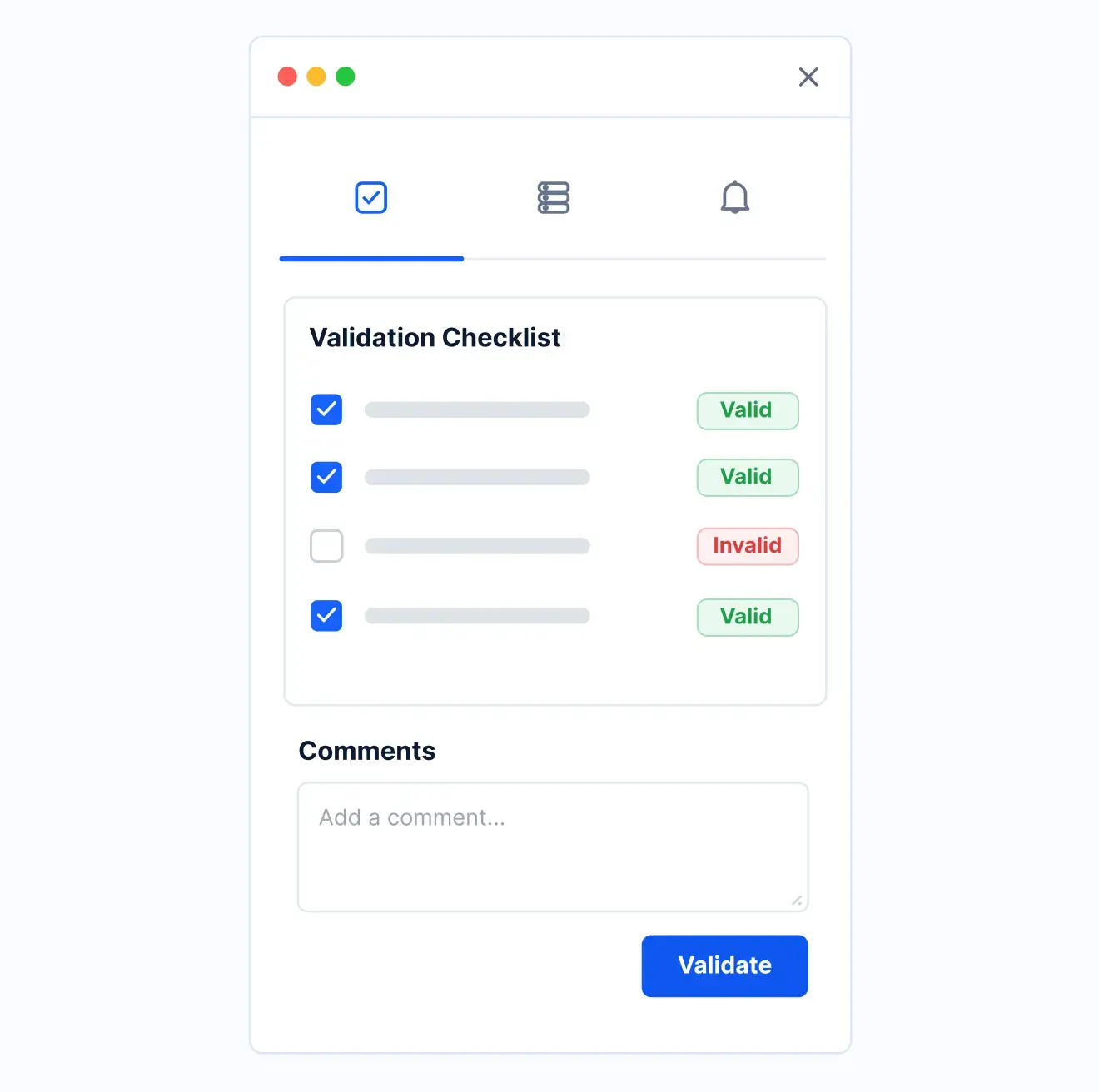
Line-locate, one-call clearance, and any hot-work authorization are confirmed as met before the permit advances.
Approve
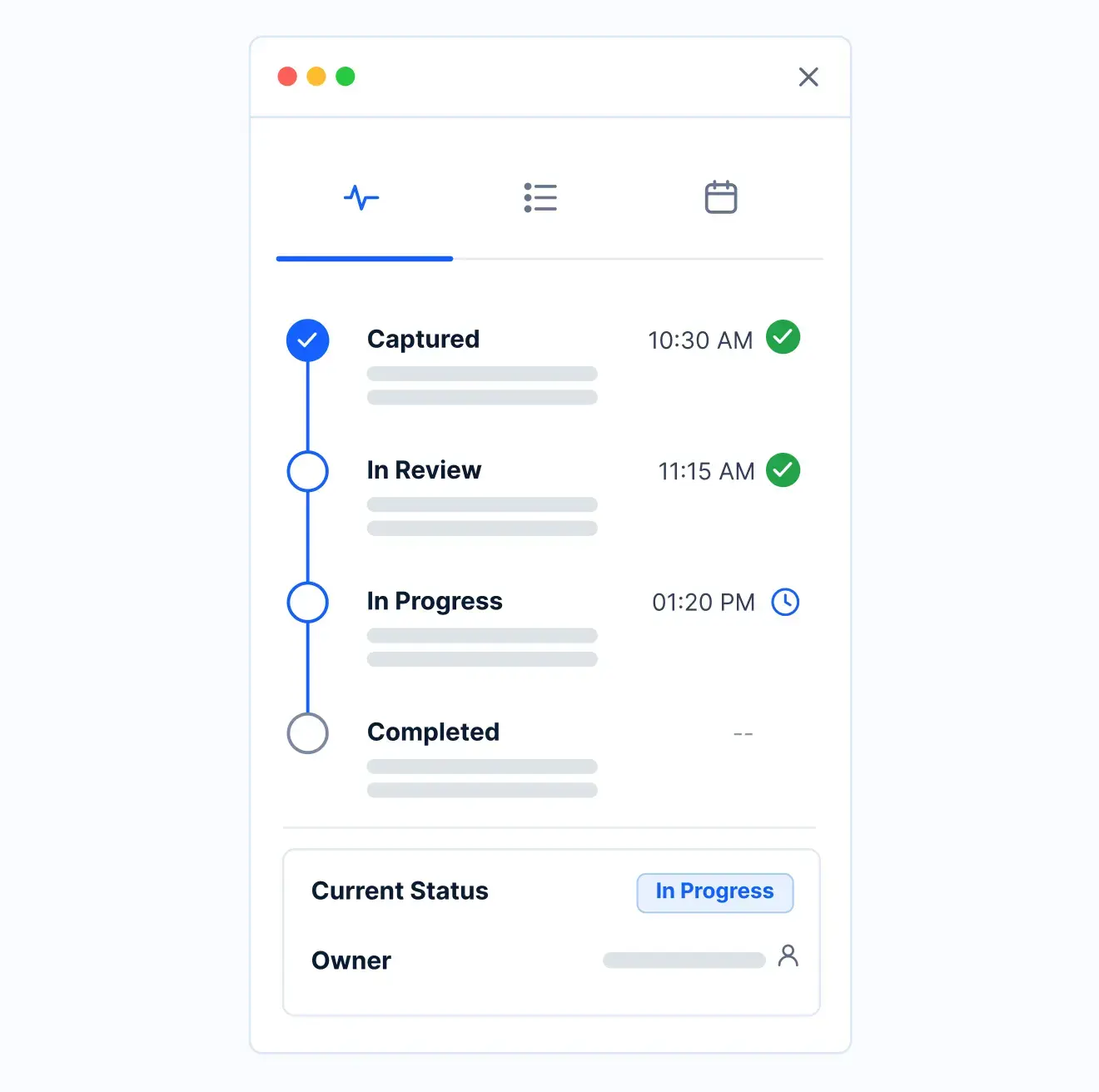
The permit routes through integrity engineering and operations for approval, escalating if an approver is unavailable.
Record
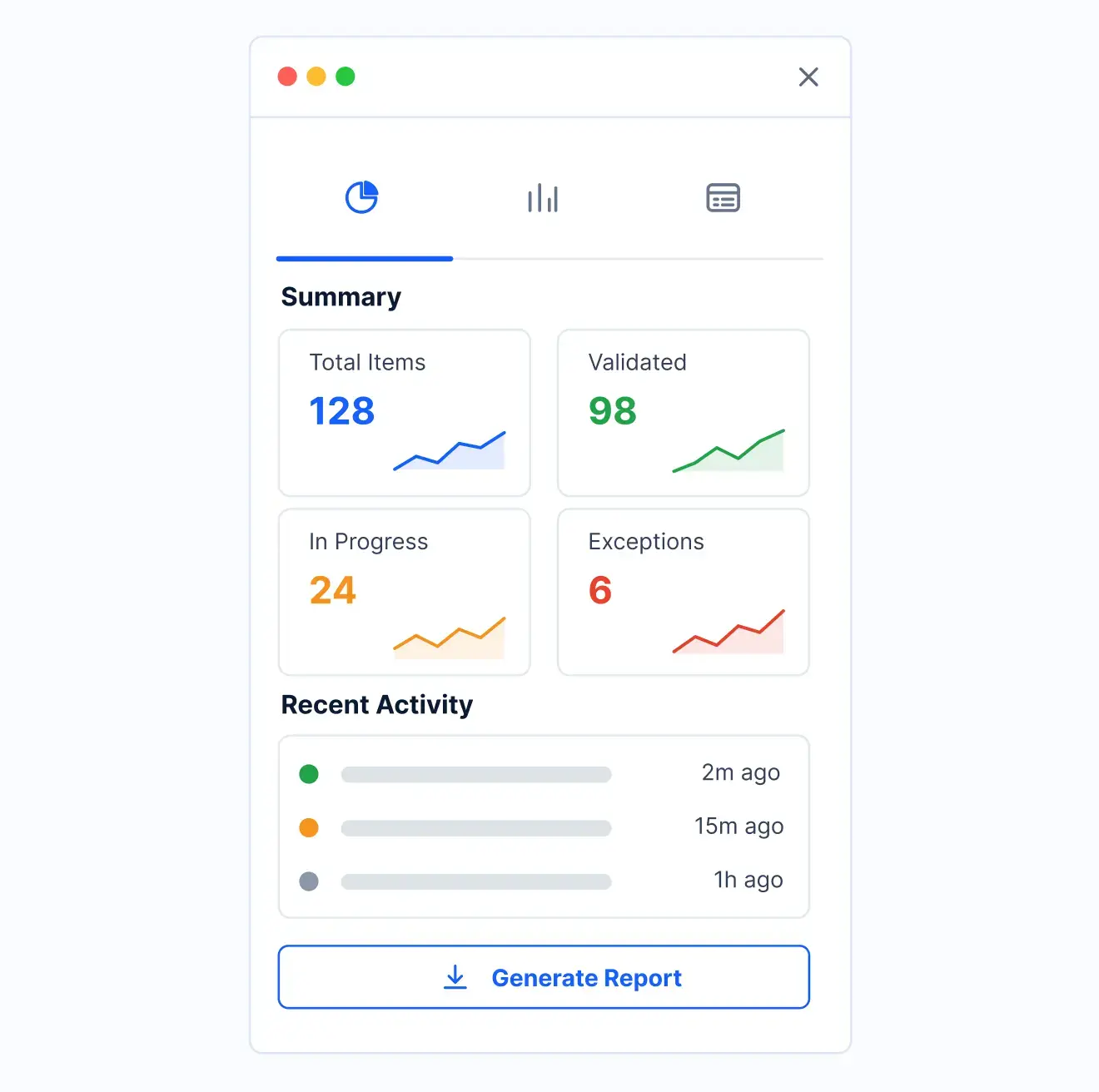
The dig and repair proceed under the issued permit, closing with hydrotest results and sign-off on record.
What changes when pipeline repair permits run on Kissflow
| Process | Before Kissflow | On Kissflow |
|---|---|---|
| Permit request | A standalone form disconnected from the anomaly it fixes | Linked directly to the anomaly record and repair method |
| Prerequisite conditions | Confirmed verbally or not at all before the crew mobilizes | Tracked as required conditions before the permit issues |
| Approval | Waits on one engineer's availability | Delegation keeps the chain moving |
| Field status visibility | A phone call to the office | Self-service portal shows real-time status |
| Audit trail | Reconstructed from permit paperwork after the fact | A timestamped record of every approval and condition |
| Repair closeout | A hydrotest ticket filed separately from the permit | Attached to the same record, closing the loop to the original anomaly |
Connects to your ERP or work management system for the repair work order and cost; Kissflow doesn't replace your system of record
Kissflow runs the permit request, approval, and audit trail layer. Your ERP or work management system stays the system of record for the work order and repair cost.
.svg)



.svg)
.svg)
.svg)
.svg)

.svg)
.svg)
.svg)
.svg)
.svg)

.svg)

.svg)

.svg)
.svg)
.svg)
.svg)
.svg)
.svg)
.svg)
.svg)
.svg)

.svg)
Built for how a pipeline repair actually gets authorized
Tied to the anomaly, not a standalone form
The permit record connects directly back to the exception that called for the repair.
Conditions confirmed before issue, not assumed
Line-locate and one-call clearance are required conditions on the permit, not a verbal check.
Delegation that keeps the crew moving
A permit doesn't stall because one engineer is offline.
Live in weeks
Configure permit conditions and approval chains in the visual builder, or describe the use case to the AI Builder.
Governed from day one
Role-based access and a full audit trail on every permit and condition.
Field crews see status without calling the office
A self-service portal shows exactly where a permit stands.
Related apps
Pipeline Integrity Exception Response Management System
Assess the anomaly and decide on the repair method this permit authorizes.
Pipeline Integrity Inspection Management System
A structured register of every inline inspection run, its readings, and its history, by pipe segment and joint.
ROW Violation Management System
Encroachment capture, one-call cross-check, escalation, and resolution tracking for every right-of-way violation.
We help pipeline integrity teams turn a repair decision into an authorized dig
.gif)

“If a company cannot enable everybody to use AI, they will never get the true benefit of AI. Platforms like Kissflow allow us to put that capability in the hands of our users in a safe way.”
Vagesh Dave
GVP & CIO at McDermott International, Ltd
See The Full Story
“Advanced automation of all processes is easy to set up. I cannot imagine how to manage workflows without this software.”
Tanay Tiwary
Global Head - Digitalization & Business Improvement
See the Full Story

“Kissflow supports rapid application development by building a working application prototype in the shortest amount of time.”
Maria Theresa Cabigon
CIO, SN Aboitiz Power Group
See The Full Story
See what Kissflow can do for you
Talk to usGot questions? We're here to help.
Get SupportNo. Your ERP or work management system stays the system of record for the repair work order and cost. Kissflow runs the permit request, approval, and audit trail layer.
Pipeline Integrity Exception Response Management System covers the assessment and decision to repair. This app is the permit-to-work authorization that clears the excavation and repair crew to execute that decision.
Yes. Every permit request ties back to the specific anomaly record and repair method it's authorizing.
Whatever you configure, typically line-locate confirmation, one-call clearance, and excavation or hot-work authorization if welding is involved.
Yes. The self-service portal shows real-time status on any permit they've requested or are working under.
Hydrotest results and closeout sign-off attach to the same permit record, which closes the loop back to the original anomaly.
Configuration and AI-assisted app generation move delivery from a multi-month program to a matter of weeks.
Kissflow is certified to SOC 1, SOC 2, SOC 3, and ISO/IEC 27001, with role-based access and a full audit log on every permit and approval.