Pipeline Integrity Inspection Management Software for Inline Inspection Data
Kissflow structures every inline inspection run's vendor data by segment and joint, calculates corrosion growth rate automatically against the prior run, and flags threshold-crossing readings, turning a vendor report into a searchable working record instead of a filed PDF.

Trusted by energy operators worldwide






An inline inspection run comes back as a file of readings tied to pipe joint and distance, more rows than anyone reads end to end.
A smart pig, magnetic flux leakage or ultrasonic, runs a segment and comes back with thousands of individual readings: metal loss at a given odometer distance, a dent here, a coating anomaly there, each tied to a specific pipe joint. The raw vendor file is complete and precise, and almost useless as a working record until it's tied to the segment's history, compared against the last run to calculate a corrosion growth rate, and made searchable by joint number instead of a distance offset nobody can look up without the original report.
Kissflow runs pipeline integrity inspection data as a structured register: every run's readings load in against the segment and joint, prior-run comparison calculates a corrosion growth rate automatically, results are searchable by segment, joint, and anomaly type, and readings above a configured threshold flag out to the exception response workflow without anyone having to review the whole file by hand.
A pressure rerating decision, a next-inspection-interval calculation, or a regulator's request for a specific joint's history all pull from the same register, instead of an engineer digging through several years of vendor reports to answer the question.
Where inline inspection data goes to die after the run
The vendor file sits as a static report, not a working record
Readings are precise but locked in a report format nobody queries by joint or segment.
Corrosion growth rate is calculated manually, if at all
Comparing this run to the last one is a spreadsheet exercise someone does when they have time.
Threshold-crossing readings aren't flagged automatically
An engineer has to scroll thousands of rows to find the handful that matter.
Segment history is scattered across multiple vendor reports
Answering a question about one joint's history means opening several years of separate files.
Six modules. Every inspection run logged, compared, and searchable by segment and joint.
Configure segment structure, threshold rules, and comparison logic to your pipeline system.
Inspection run intake
Vendor inline inspection files load in and map to the segment and joint structure automatically.
Corrosion growth rate calculation
Each run is compared against the prior run on the same segment to calculate a growth rate per joint.
Searchable by segment and joint
Any joint's full inspection history is searchable without opening a vendor report.
Threshold flagging
Readings above a configured wall-thickness or dent threshold flag out to the exception response workflow.
Run-over-run history
Every prior run on a segment stays attached, building a longitudinal record instead of a snapshot.
Integrity dashboard
Segment condition, next-inspection intervals, and open exceptions roll up in one view.
From request to system of record in four steps
Capture
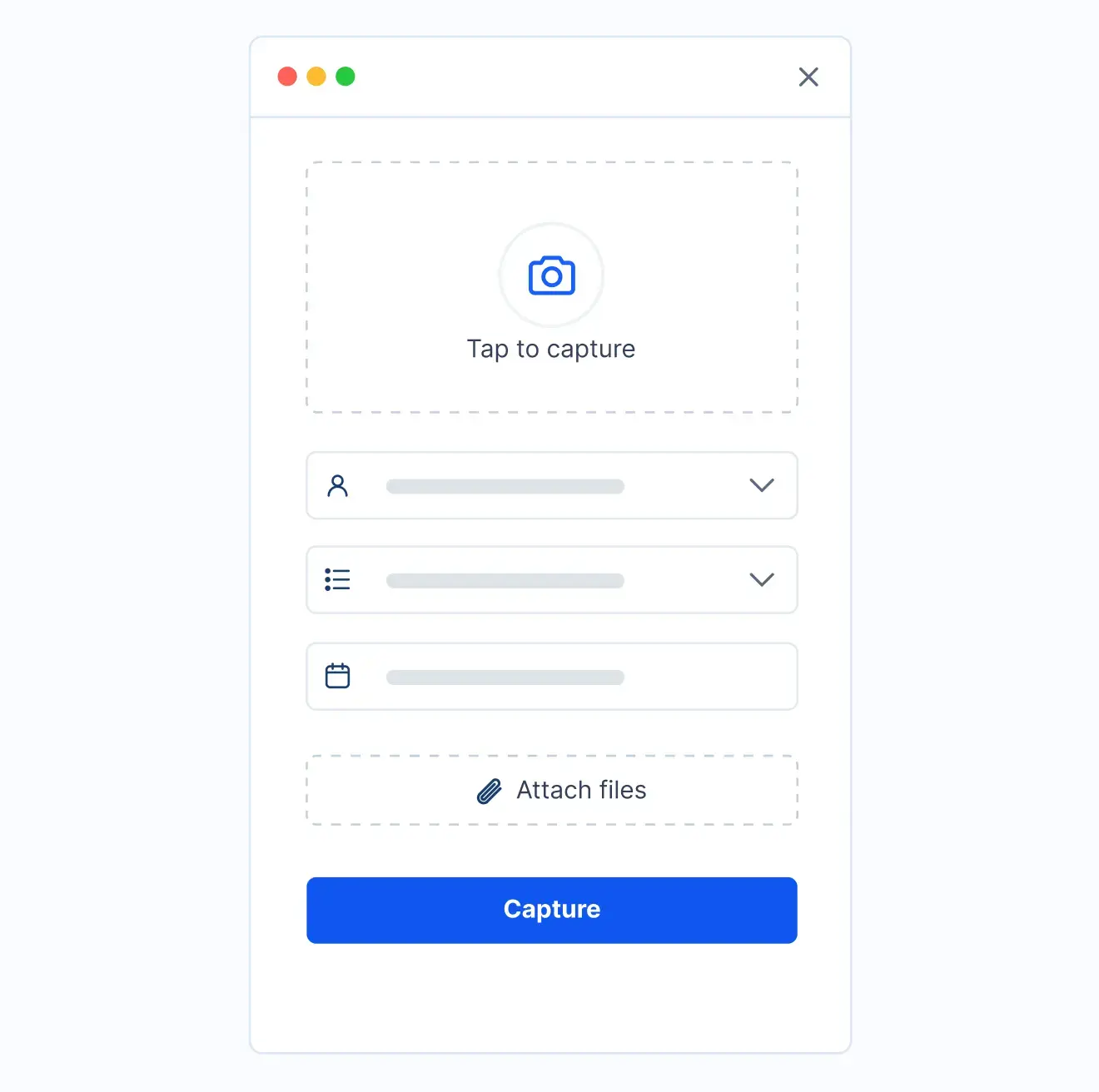
A vendor inline inspection file loads in and maps to the segment and joint structure.
Validate
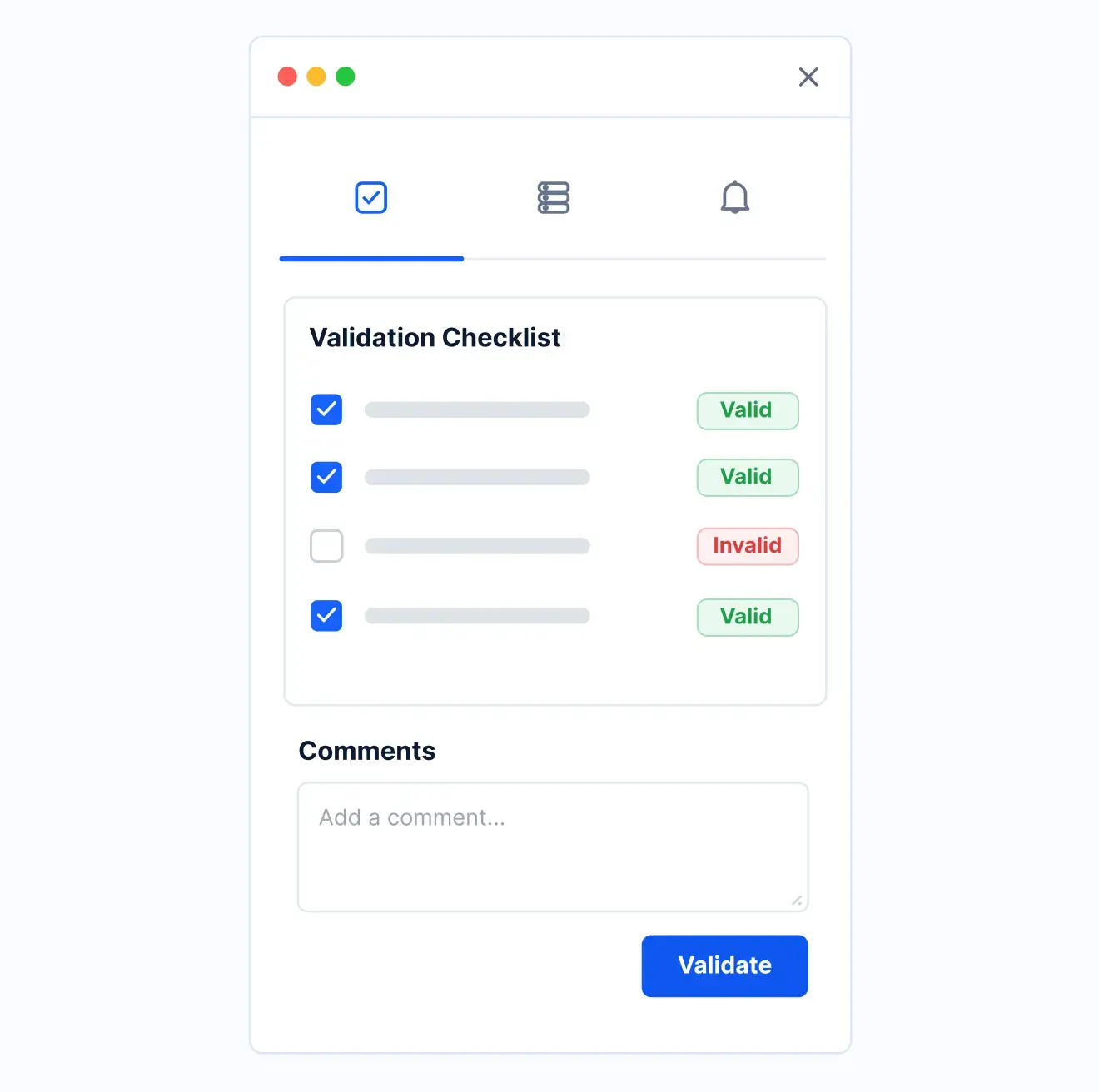
The system calculates a corrosion growth rate for each segment against its last inspection.
Track
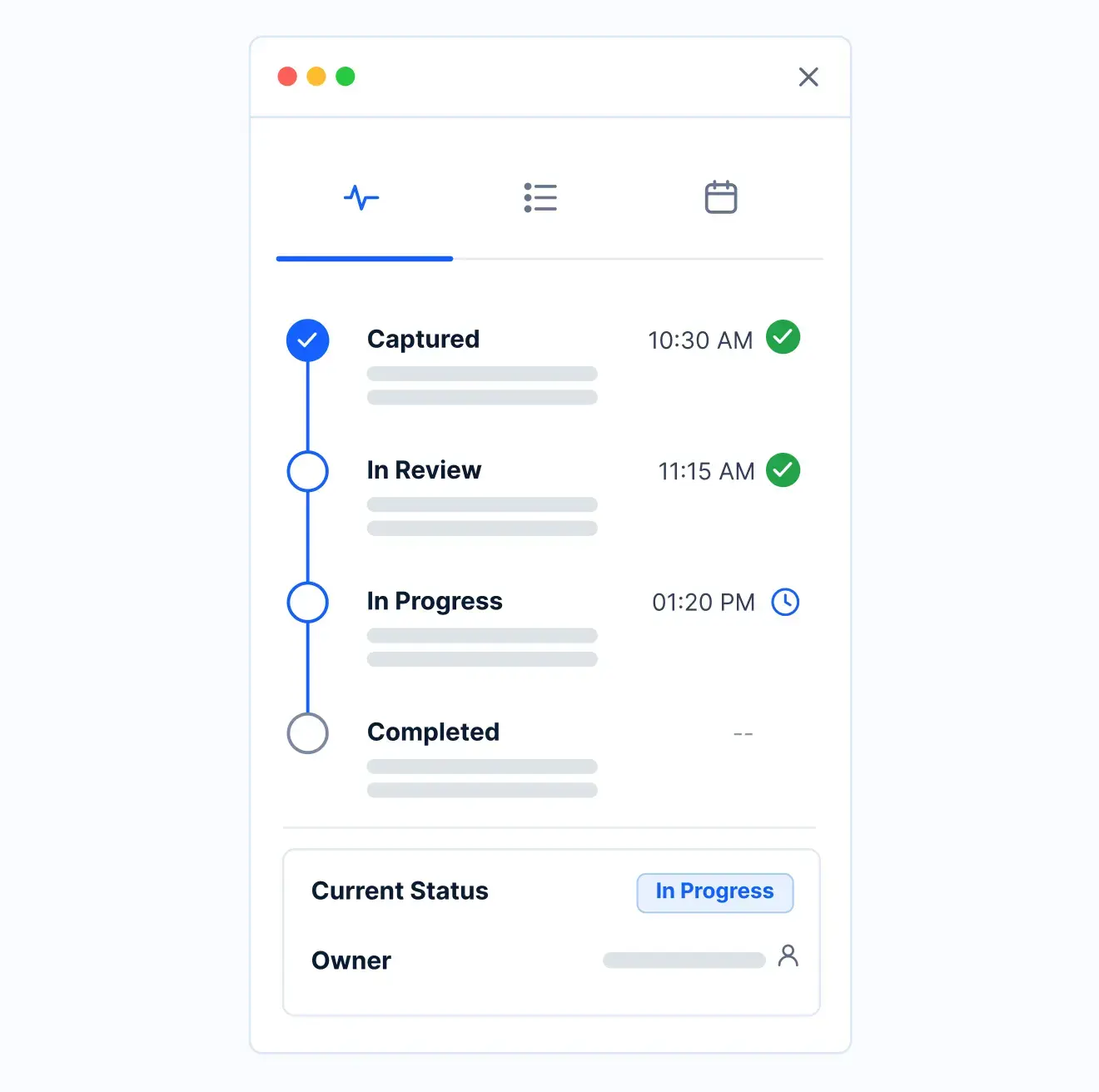
Readings above a configured threshold route to the exception response workflow.
Report
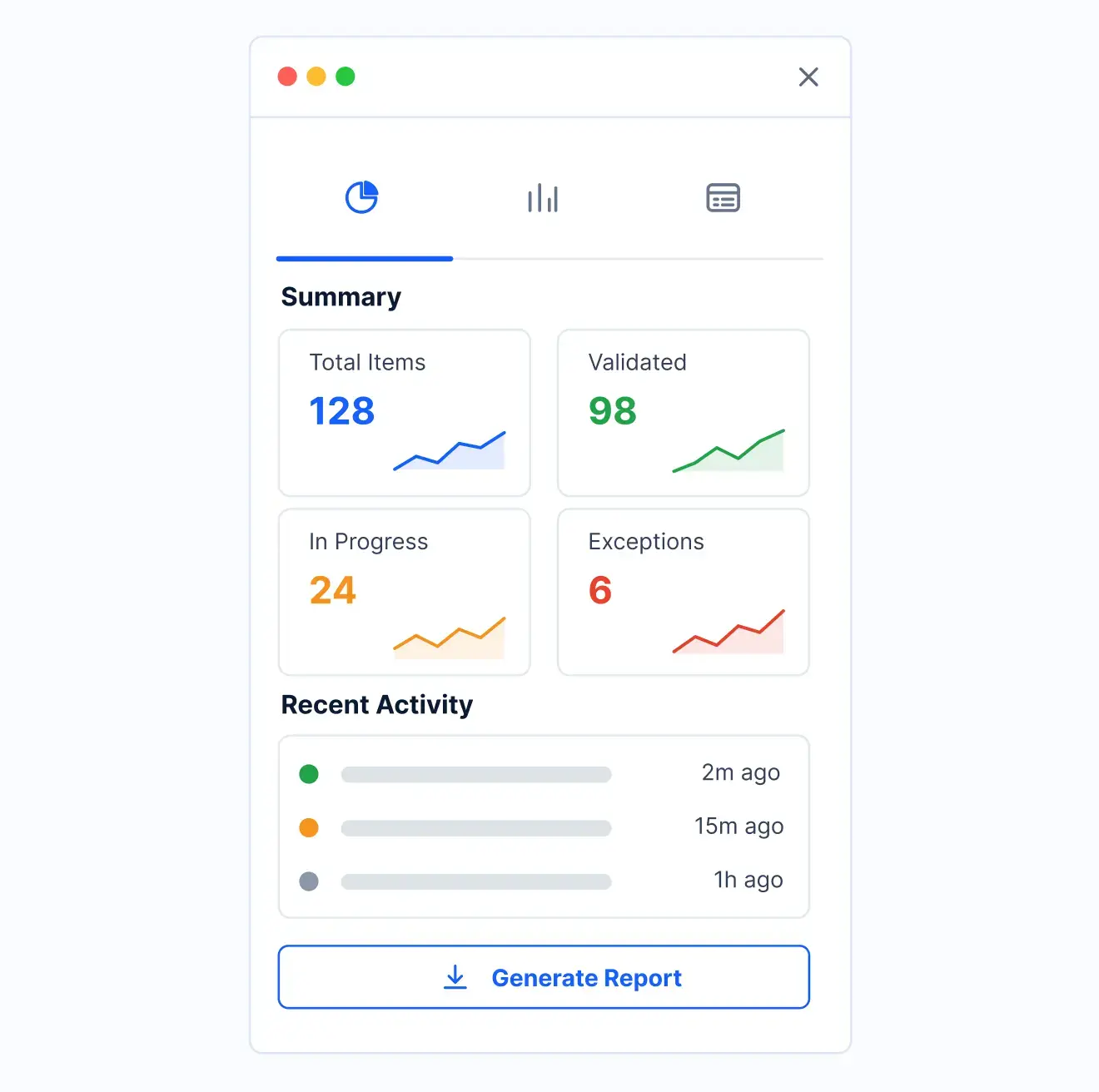
Any joint or segment's full history is searchable for engineering review or a regulatory request, held in the register itself.
What changes when pipeline inspection data runs on Kissflow
| Process | Before Kissflow | On Kissflow |
|---|---|---|
| Run data intake | A vendor report filed by run date | Loaded and mapped to segment and joint structure |
| Corrosion growth rate | Calculated manually when someone has time | Calculated automatically against the prior run |
| Finding specific joint history | Opening multiple years of vendor reports | Searchable in seconds by segment and joint |
| Threshold-crossing readings | Found by scrolling thousands of rows | Flagged automatically to the exception workflow |
| Segment condition view | Reconstructed for each engineering review | A standing dashboard, always current |
| Regulatory data requests | A multi-day file search | An exportable record by segment and joint |
Connects to your pipeline integrity management system or ERP as the source for the underlying vendor inspection files; Kissflow doesn't replace your system of record
Kissflow structures and makes searchable the inspection data your vendors deliver. Your integrity management system or ERP stays the system of record for the pipeline's full engineering file.
.svg)



.svg)
.svg)
.svg)
.svg)

.svg)
.svg)
.svg)
.svg)
.svg)

.svg)

.svg)

.svg)
.svg)
.svg)
.svg)
.svg)
.svg)
.svg)
.svg)
.svg)

.svg)
Built for how inline inspection data actually needs to be used
Searchable by joint, not just by run
Find a specific joint's full history without opening a vendor report.
Growth rate calculated automatically
Compare this run to the last one without a manual spreadsheet exercise.
Threshold readings surface themselves
The handful of readings that need attention flag out of thousands that don't.
Live in weeks
Configure segment structure and threshold rules in the visual builder, or describe the use case to the AI Builder.
Governed from day one
Role-based access and a full audit trail on every run and every reading.
One dashboard, every segment
See condition, next-inspection intervals, and open exceptions across the whole pipeline system.
Related apps
Pipeline Integrity Exception Response Management System
Resolve the anomalies this register flags above threshold.
Pipeline Inspection Readiness Management System
Clear the next inline inspection run before it launches.
Inspection Finding Management System
Reusable inspection templates, a findings-to-CAPA workflow, photo evidence, and a closure dashboard for every asset type.
We help integrity teams turn a vendor file into a working record
.gif)

“If a company cannot enable everybody to use AI, they will never get the true benefit of AI. Platforms like Kissflow allow us to put that capability in the hands of our users in a safe way.”
Vagesh Dave
GVP & CIO at McDermott International, Ltd
See The Full Story

“Advanced automation of all processes is easy to set up. I cannot imagine how to manage workflows without this software.”
Tanay Tiwary
Global Head - Digitalization & Business Improvement
See the Full Story

“Kissflow supports rapid application development by building a working application prototype in the shortest amount of time.”
Maria Theresa Cabigon
CIO, SN Aboitiz Power Group
See The Full Story
See what Kissflow can do for you
Talk to usGot questions? We're here to help.
Get SupportNo. Your integrity management system or ERP stays the system of record for the pipeline's full engineering file. Kissflow structures and makes searchable the inspection run data your vendors deliver.
This app is the register of every reading from every run, most of them routine. Pipeline Integrity Exception Response Management System is the resolution workflow for the handful of readings that cross a threshold and need an engineering decision.
No. The vendor's report is still the underlying source. Kissflow structures that data by segment and joint so it's searchable and comparable, instead of living only as a static file.
By comparing the current run's reading at a given joint against the prior run on the same segment, once both runs are loaded into the register.
Yes. Every joint's readings across every run it's appeared in are searchable without opening a separate vendor file.
Yes, if you connect this register to Pipeline Integrity Exception Response Management System. A reading above your configured threshold flags into that workflow.
Configuration and AI-assisted app generation move delivery from a multi-month program to a matter of weeks.
Kissflow is certified to SOC 1, SOC 2, SOC 3, and ISO/IEC 27001, with role-based access and a full audit log on every run loaded.