Pipeline Integrity Exception Response Software for Anomaly Resolution
Kissflow flags every inline inspection reading that crosses a configured wall-thickness or dent threshold, routes it to an integrity engineer for assessment against your fitness-for-service standard, and tracks the dig verification, repair, and compliance evidence on one record from flag to closure.

Trusted by energy operators worldwide




Most inline inspection readings are routine. One of them isn't.
An inline inspection run comes back with a file of metal-loss and anomaly readings tied to pipe joint and distance. Almost all of them sit comfortably inside the acceptable wall-thickness range. A handful don't, and the moment one crosses a defined threshold, whether that's a percentage of nominal wall thickness or a dent-with-metal-loss combination, someone has to decide, on a documented basis, whether it needs a dig for direct examination, an engineering assessment, or an immediate pressure restriction while a repair gets scheduled.
Kissflow runs pipeline integrity exceptions as a resolution workflow: every threshold-exceeding anomaly gets flagged automatically from the inspection data, routed to an integrity engineer for assessment against the applicable fitness-for-service standard, a dig verification or repair plan gets scheduled and tracked, and the compliance evidence, the assessment, the dig report, the repair sign-off, attaches to the same anomaly record.
A regulator or an auditor asking about a specific anomaly gets a single record showing the reading, the assessment, the decision, and the closure, instead of an engineer reconstructing the history from three separate files.
Where anomaly response breaks down after an inspection run
Threshold-exceeding anomalies get buried in the data
A handful of readings that need attention sit in the same file as thousands that don't, with nothing flagging the difference.
Assessment happens on an ad hoc basis
One engineer applies one standard, another applies a different one, with no consistent documented method.
Dig verification isn't tracked against the anomaly that triggered it
The dig report ends up in a different file than the reading that called for it.
Compliance evidence is scattered across three systems
The reading, the assessment, and the repair sign-off live in different places, making an audit a research project.
Six modules. Every threshold-exceeding anomaly assessed, verified, and closed with compliance evidence.
Configure threshold rules, assessment standards, and repair sign-off criteria to your pipeline system.
Automatic threshold flagging
Anomaly readings that cross a configured wall-thickness or dent threshold are flagged directly from the inspection data.
Engineering assessment
An integrity engineer evaluates the anomaly against the applicable fitness-for-service standard.
Dig verification tracking
A scheduled dig and direct examination is tracked against the anomaly record that triggered it.
Repair planning and scheduling
A repair, sleeve, recoat, or replacement, is planned and scheduled once the assessment calls for one.
Compliance evidence log
The reading, assessment, dig report, and repair sign-off all attach to the same anomaly record.
Exception dashboard
Every open anomaly rolls up by segment, severity, and age across the pipeline system.
From request to system of record in four steps
Report
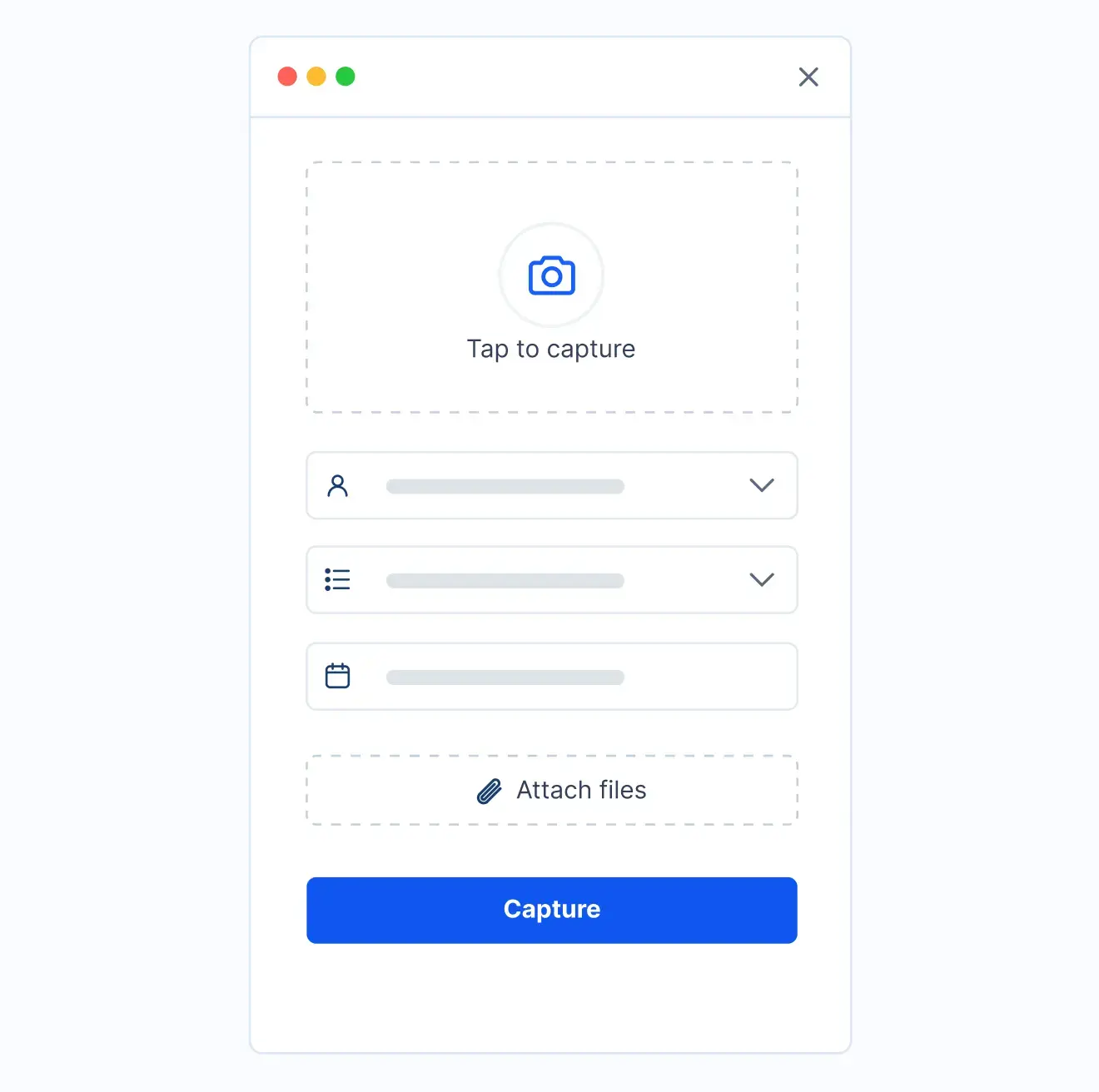
A reading that crosses a configured wall-thickness or dent threshold is flagged automatically from the inline inspection data.
Assess
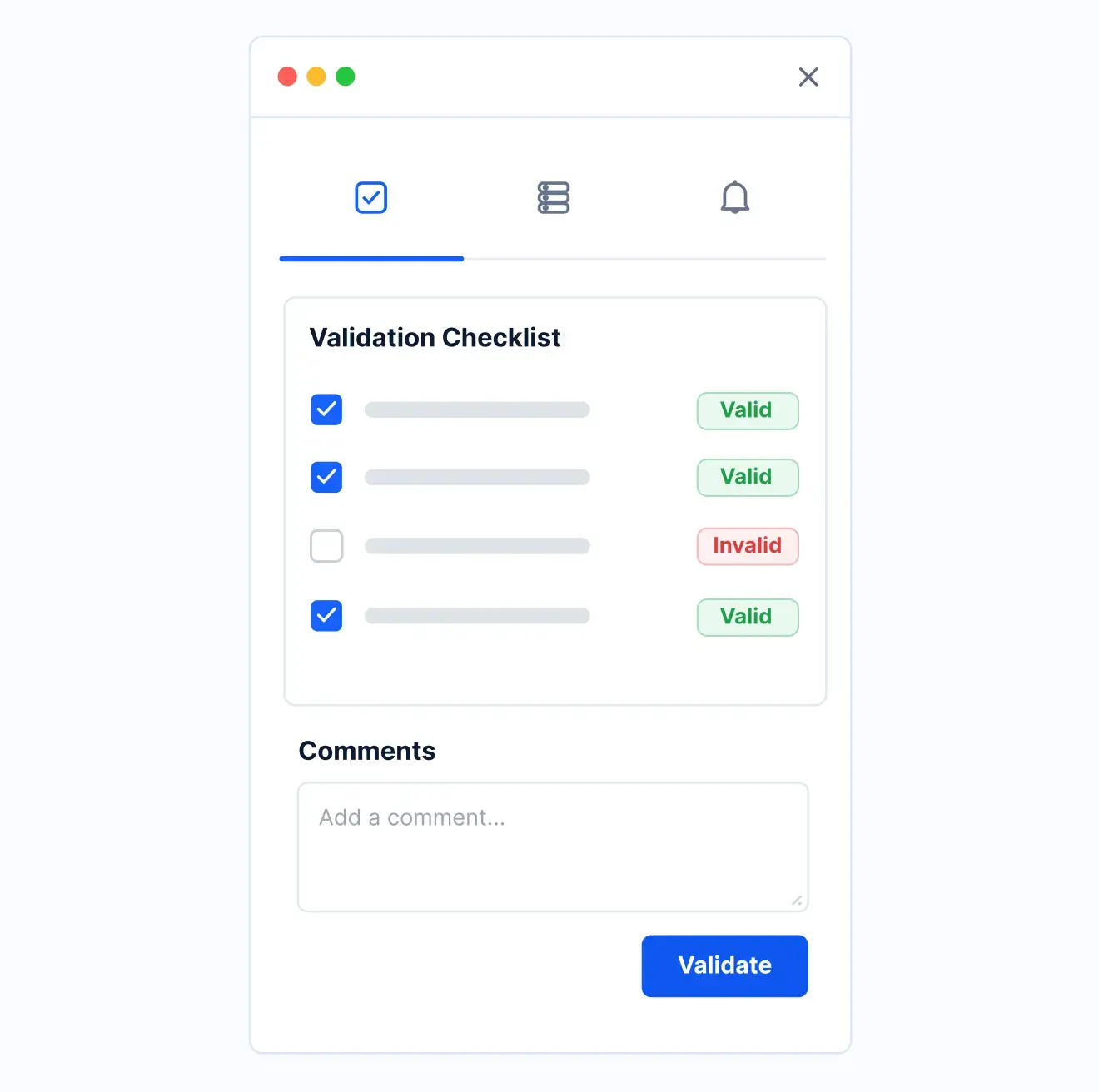
An integrity engineer evaluates the anomaly against the applicable fitness-for-service standard.
Resolve
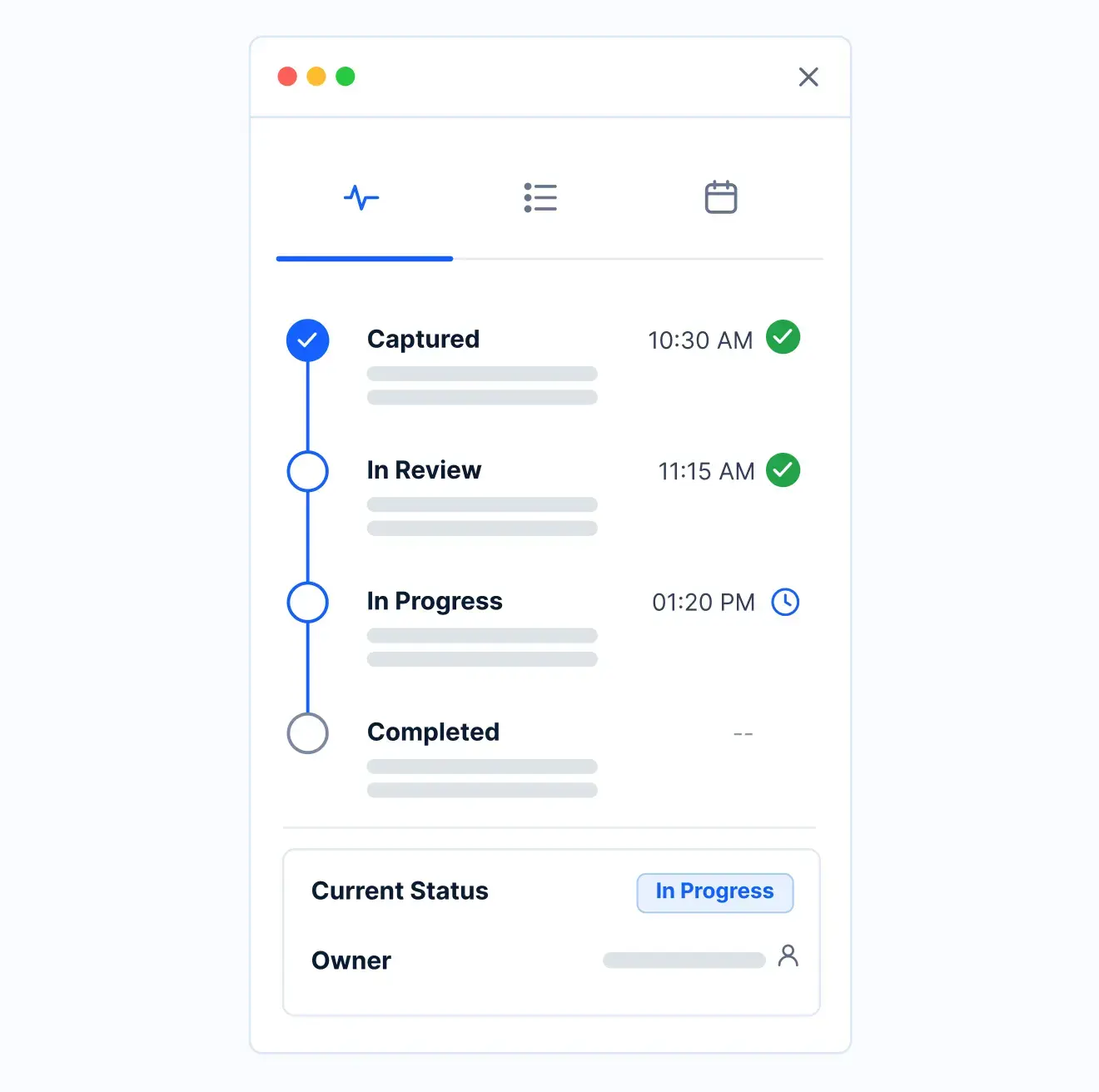
A dig verification or repair is scheduled and tracked against the flagged anomaly.
Record
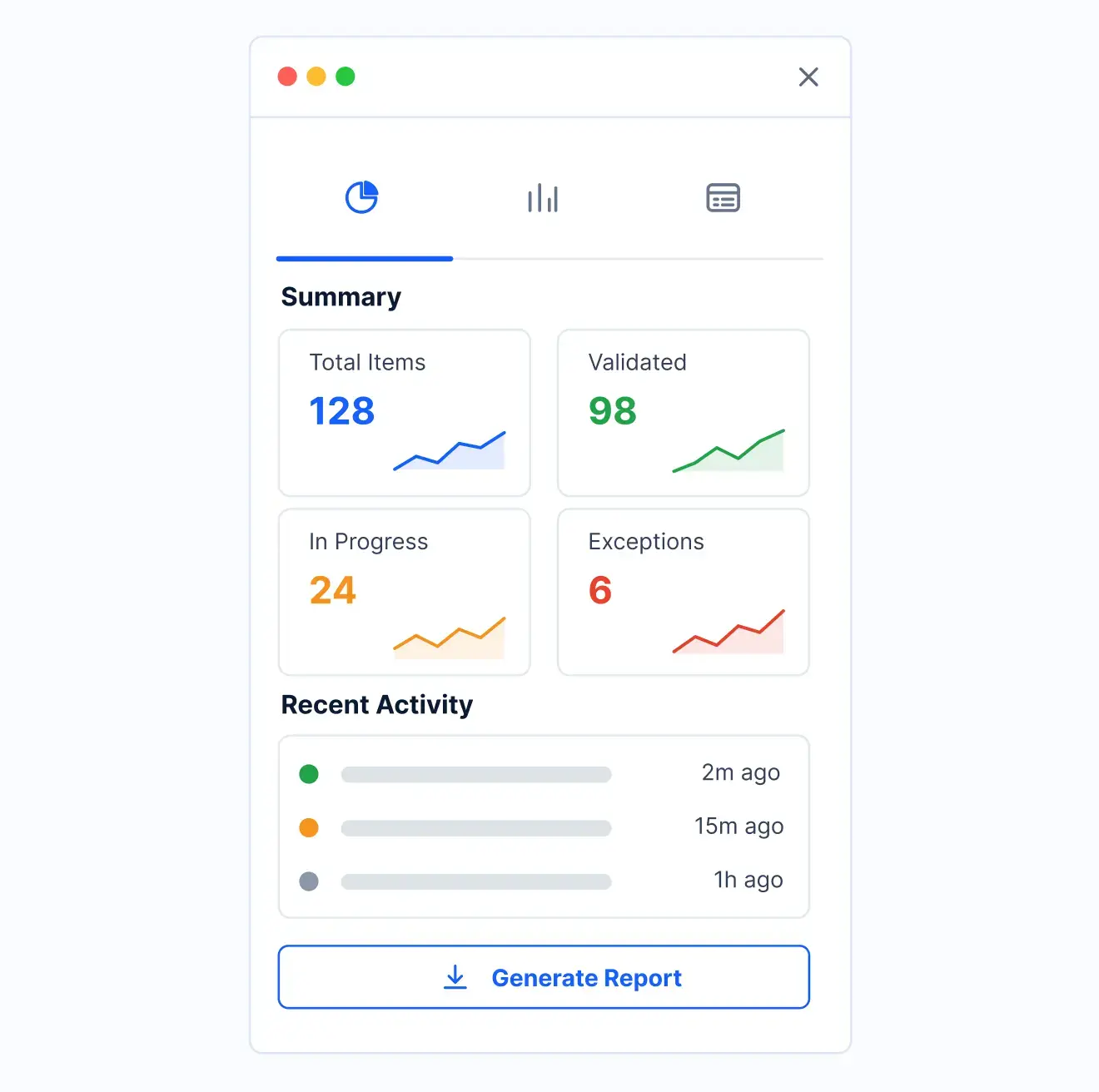
The assessment, dig report, and repair sign-off close out the anomaly record with the compliance evidence retained.
What changes when pipeline integrity exception response runs on Kissflow
| Process | Before Kissflow | On Kissflow |
|---|---|---|
| Anomaly identification | Buried in a file of thousands of readings | Flagged automatically the moment a threshold is crossed |
| Engineering assessment | Applied inconsistently, engineer to engineer | Run against a configured, documented fitness-for-service standard |
| Dig verification | Tracked in a separate file from the reading | Linked directly to the anomaly record that triggered it |
| Repair scheduling | Coordinated by email between engineering and operations | Scheduled and tracked against the same exception record |
| Compliance evidence | Scattered across inspection, engineering, and maintenance files | Consolidated on one record from flag to closure |
| Audit response | A multi-day research project across three systems | One record per anomaly, ready to show a regulator |
Connects to your pipeline integrity management system or ERP for the source inspection data; Kissflow doesn't replace your system of record
Kissflow runs the assessment, dig verification, and compliance evidence layer on top of your inline inspection data. Your integrity management system or ERP stays the system of record for the pipeline's engineering data and repair cost.
.svg)



.svg)
.svg)
.svg)
.svg)

.svg)
.svg)
.svg)
.svg)
.svg)

.svg)

.svg)

.svg)
.svg)
.svg)
.svg)
.svg)
.svg)
.svg)
.svg)
.svg)

.svg)
Built for how a threshold-crossing anomaly actually gets resolved
Nothing gets missed in the noise
A threshold-crossing reading is flagged automatically, not found by an engineer scrolling a spreadsheet.
One documented standard, every time
Every assessment runs against the same configured fitness-for-service criteria.
Dig verification tied to the reading that called for it
The dig report and the anomaly record are the same file, not two.
Live in weeks
Configure threshold rules and assessment criteria in the visual builder, or describe the use case to the AI Builder.
Governed from day one
Role-based access and a full audit trail on every anomaly, assessment, and repair.
One dashboard, every open anomaly
See every unresolved anomaly by segment and severity, across the whole pipeline system.
Related apps
Pipeline Integrity Inspection Management System
A structured register of every inline inspection run, its readings, and its history, by pipe segment and joint.
Pipeline Repair Work Permit Management System
Authorize the excavation and repair work once a repair plan is approved.
Pipeline Inspection Readiness Management System
Clear the next inline inspection run that will re-verify this segment.
We help integrity teams turn a threshold breach into a documented decision
.gif)

“If a company cannot enable everybody to use AI, they will never get the true benefit of AI. Platforms like Kissflow allow us to put that capability in the hands of our users in a safe way.”
Vagesh Dave
GVP & CIO at McDermott International, Ltd
See The Full Story
“Advanced automation of all processes is easy to set up. I cannot imagine how to manage workflows without this software.”
Tanay Tiwary
Global Head - Digitalization & Business Improvement
See the Full Story

“Kissflow supports rapid application development by building a working application prototype in the shortest amount of time.”
Maria Theresa Cabigon
CIO, SN Aboitiz Power Group
See The Full Story
See what Kissflow can do for you
Talk to usGot questions? We're here to help.
Get SupportNo. Your integrity management system or ERP stays the system of record for the pipeline's engineering data, the full inspection dataset, and repair cost. Kissflow runs the assessment, dig verification, and compliance evidence workflow for anomalies that cross a threshold.
Pipeline Integrity Inspection Management System is the register of every reading from every inspection run, most of them routine. This app is the resolution workflow for the readings that cross a defined threshold and need an engineering decision.
This app covers assessment and the decision to repair. Pipeline Repair Work Permit Management System is the permit-to-work authorization for the excavation and repair crew once that decision is made.
Whatever fitness-for-service standard your integrity program uses. The assessment step and its documentation are configured to your standard, not fixed to one method.
No. The assessment determines whether a dig, an engineering critical assessment, or an immediate pressure restriction is the right response, and the workflow routes accordingly.
That app is the broader fitness-for-service register across inspection types and asset classes. This app is scoped specifically to inline-inspection pipeline anomalies crossing a defined threshold, through dig verification and repair planning.
Configuration and AI-assisted app generation move delivery from a multi-month program to a matter of weeks.
Kissflow is certified to SOC 1, SOC 2, SOC 3, and ISO/IEC 27001, with role-based access and a full audit log on every anomaly and repair decision.