Right-of-Way Violation Management Software for Pipeline Operators
Kissflow captures every right-of-way finding from patrol, a landowner call, or a field crew, cross-checks it automatically against logged one-call tickets and encroachment permits, and escalates an active dig immediately, so a violation gets a fast, documented response instead of a slow one.

Trusted by energy operators worldwide



A backhoe half a mile down the right-of-way does not know or care whether the encroachment permit it should have pulled actually got filed.
A patrol flight, a landowner phone call, or a field technician driving the right-of-way finds a fence built too close to the pipeline, a structure encroaching on the easement, or an excavator working without a confirmed one-call ticket. Every one of those findings needs the same next steps fast: confirm it against the one-call and permit records, classify the severity, whether it's a mapping issue or an active third-party dig that's a genuine damage risk, and get the right party stopped or corrected before it becomes an incident instead of a violation.
Kissflow runs right-of-way violations as an exception workflow: a capture form for the patrol, landowner report, or field find, an automatic cross-check against logged one-call tickets and encroachment permits, severity classification that routes active-dig findings to immediate escalation, and a resolution record showing what was done, a stop-work notice, a permit filed after the fact, a landowner agreement, before the case closes.
A damage prevention manager sees every open violation across the right-of-way network by severity and age, instead of piecing together patrol reports, landowner calls, and one-call records from three different places to answer whether the line is protected.
Where right-of-way protection breaks down between patrol and resolution
Findings from patrol don't get cross-checked
A patrol report notes activity near the line, but nobody checks it against the one-call and permit records to see if it's actually authorized.
Severity isn't classified consistently
An active excavator and an old fence line get the same response priority because nothing separates urgent from administrative.
Resolution isn't tracked to closure
A stop-work notice gets issued verbally in the field, with no record of whether the situation was actually resolved.
There's no network-wide view of open violations
Patrol reports, landowner calls, and field finds live in three different places, so no one sees the whole picture.
Six modules. Every violation captured, cross-checked, escalated, and resolved on one record.
Configure severity rules, one-call cross-checks, and escalation paths to your right-of-way program.
Violation capture
A patrol flight, landowner call, or field find is logged with location, description, and photo evidence.
One-call and permit cross-check
The finding is checked automatically against logged one-call tickets and encroachment permits.
Severity classification
Findings are classified by risk, from a mapping discrepancy to an active excavation, driving the response priority.
Immediate escalation for active digs
An unauthorized excavation near the pipeline escalates immediately to a damage prevention responder.
Resolution tracking
Every action taken, a stop-work notice, a permit filed retroactively, a landowner agreement, is logged against the case.
Damage prevention dashboard
Every open violation rolls up by severity, location, and age across the right-of-way network.
From request to system of record in four steps
Report
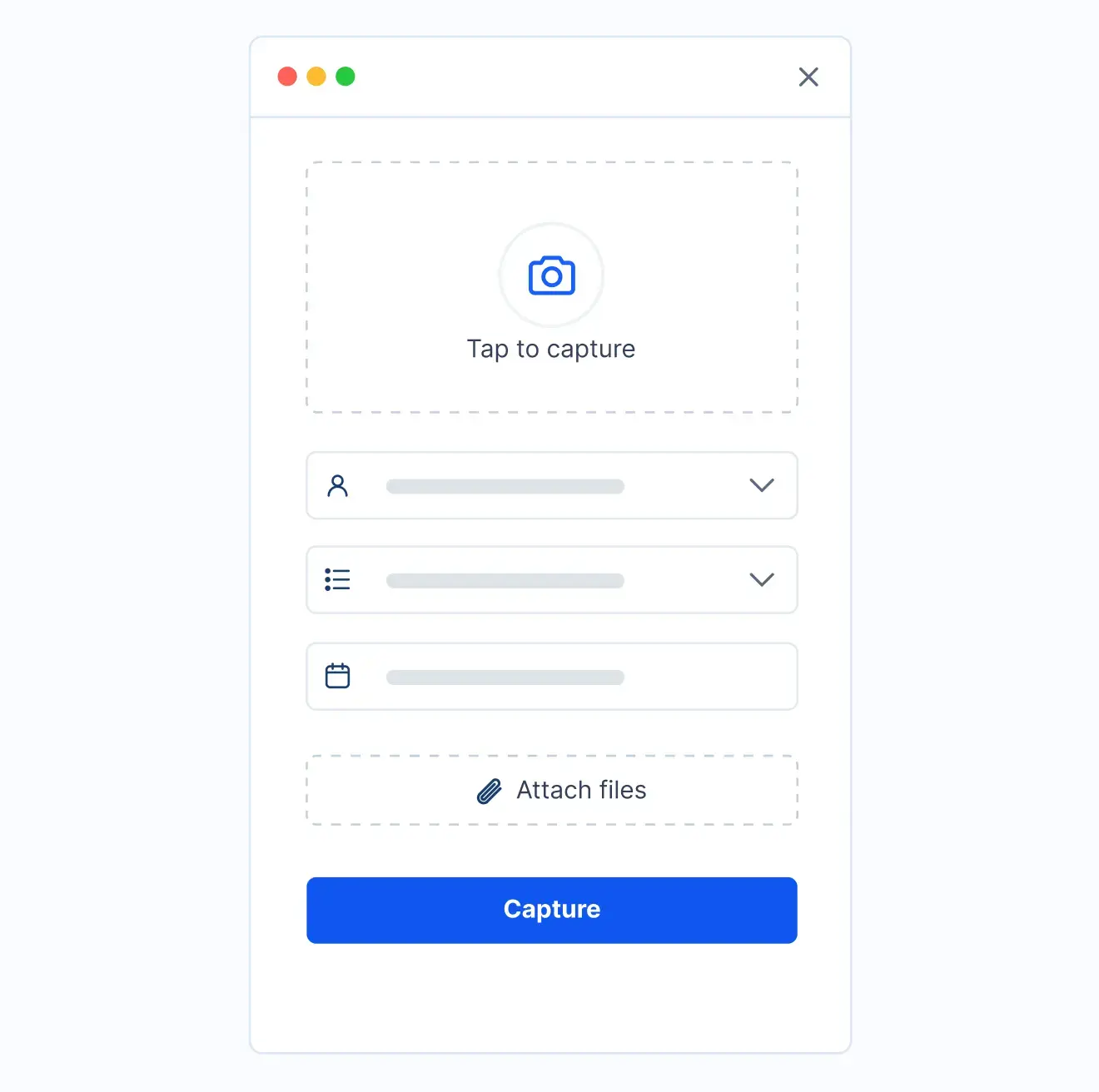
A patrol report, landowner call, or field find is logged with its location and evidence.
Assess
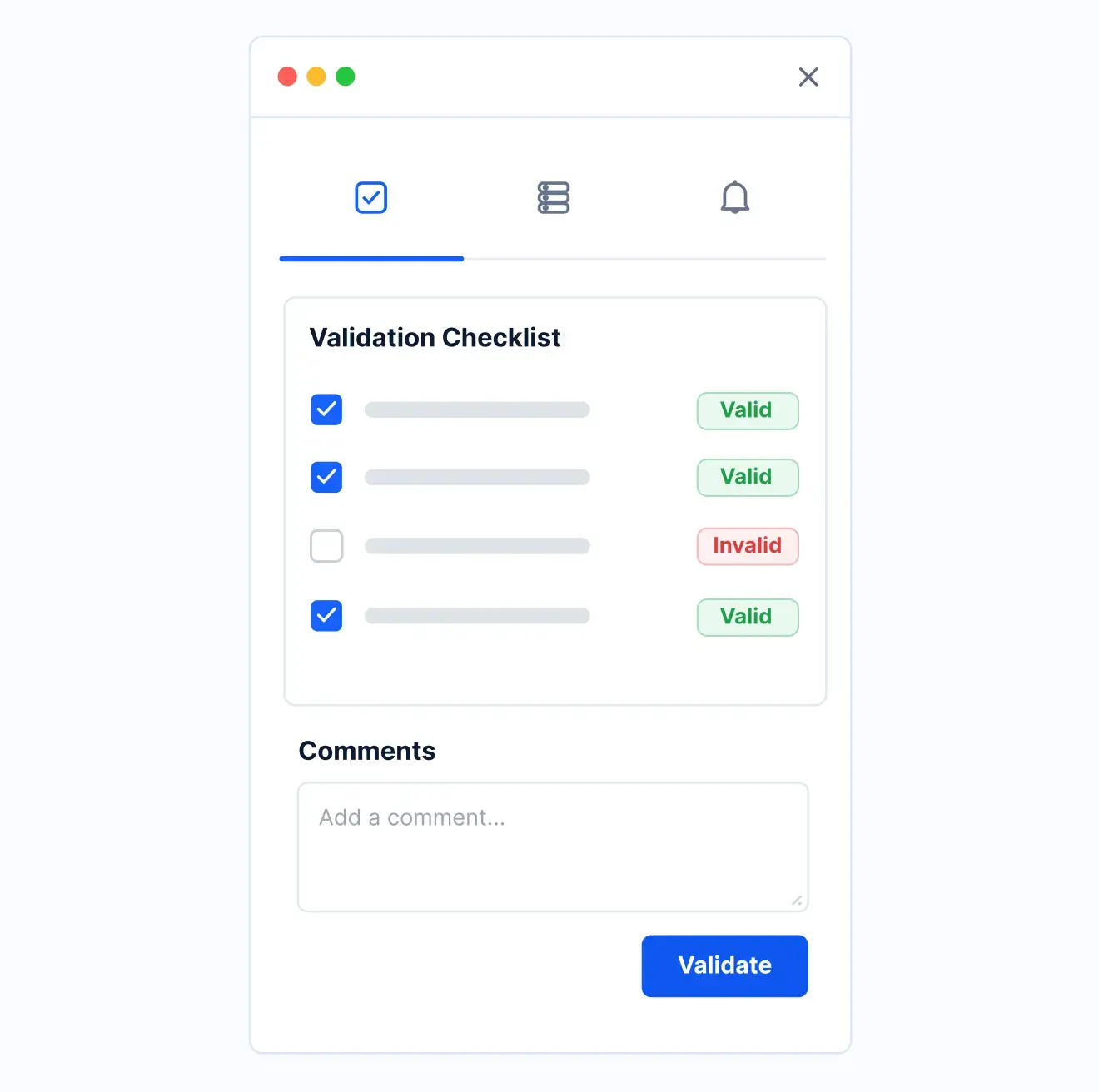
The finding is cross-checked automatically against logged one-call tickets and encroachment permits, and its severity is classified.
Resolve
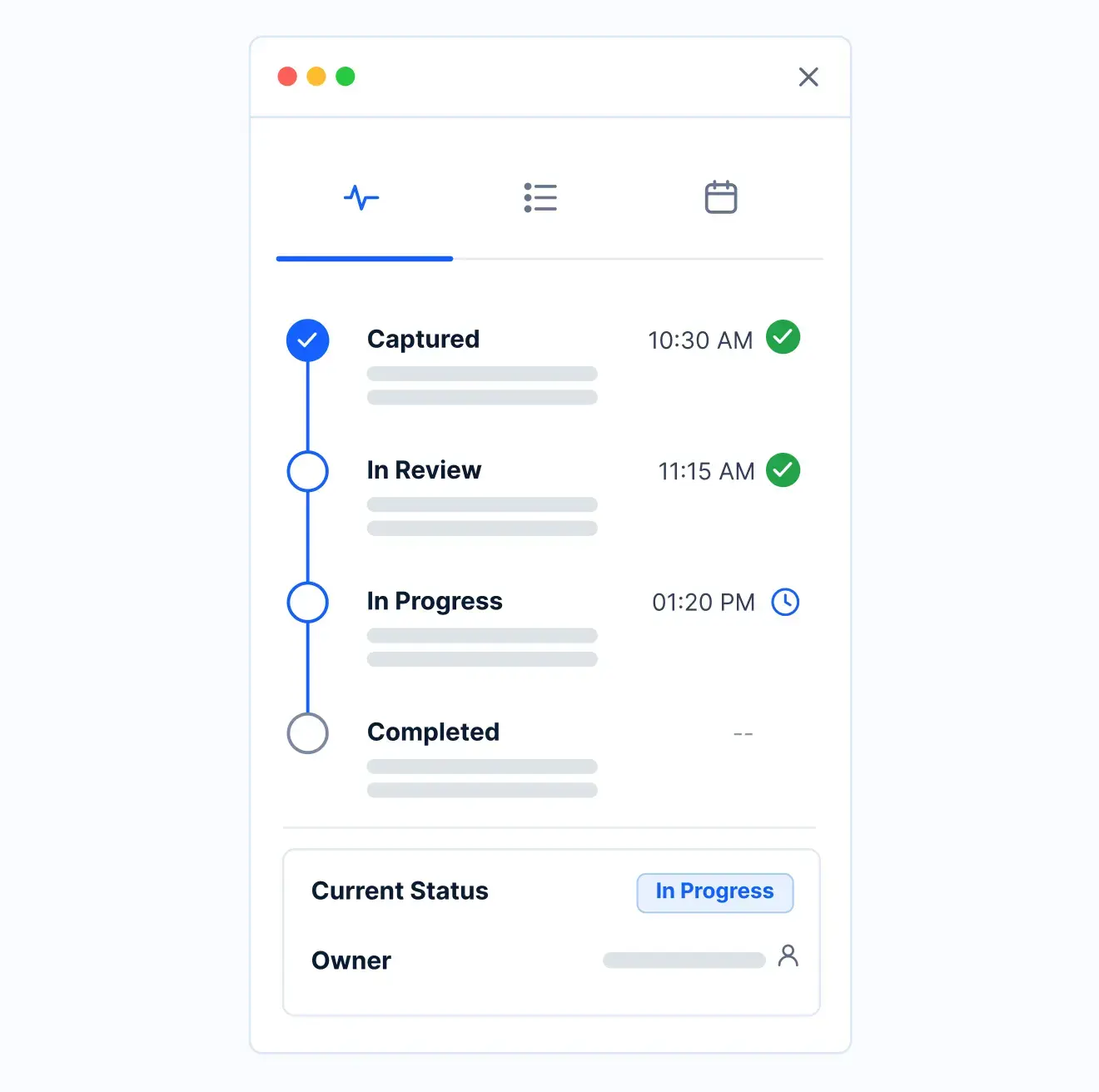
Severity determines the response, from a documentation follow-up to an immediate field response on an active dig.
Record
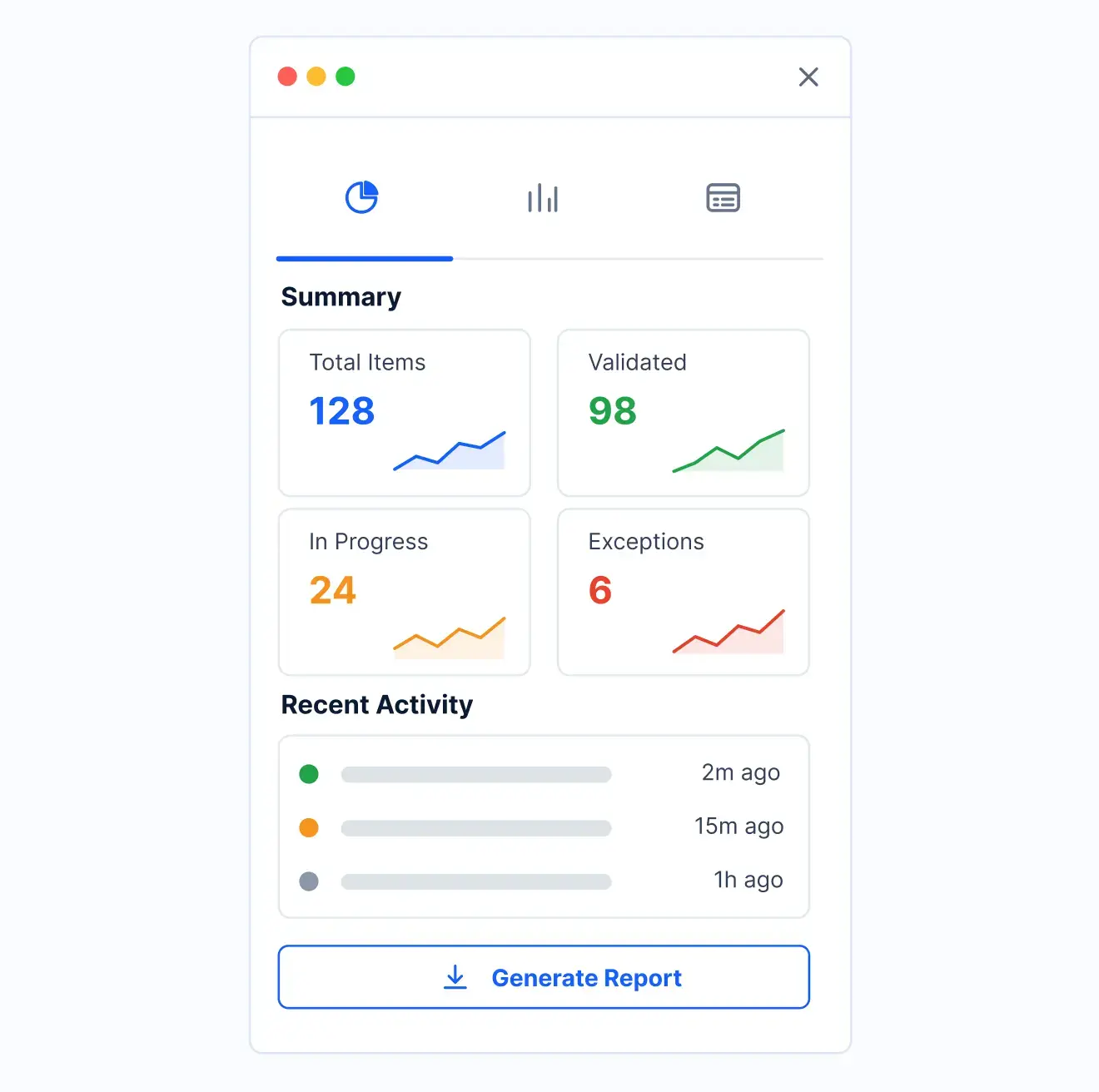
The case closes once the corrective action is logged and confirmed.
What changes when right-of-way violations run on Kissflow
| Process | Before Kissflow | On Kissflow |
|---|---|---|
| Finding capture | A note in a patrol pilot's logbook or a landowner voicemail | Logged with location, description, and photo evidence on one record |
| Authorization check | Manually cross-referenced against permit files, if at all | Checked automatically against logged one-call tickets and permits |
| Severity classification | Judged inconsistently by whoever handles the report | Classified against a configured risk standard |
| Active-dig response | Depends on someone recognizing urgency and making calls | Escalates immediately to a damage prevention responder |
| Resolution record | A verbal stop-work notice, undocumented | Logged with the action taken and confirmation of resolution |
| Network-wide visibility | Patrol, landowner, and field reports in three separate places | One dashboard across the right-of-way network |
Connects to your GIS or pipeline integrity management system for right-of-way mapping; Kissflow doesn't replace your system of record
Kissflow runs the violation capture, cross-check, and resolution layer. Your GIS or integrity management system stays the system of record for the right-of-way easement and centerline data.
.svg)



.svg)
.svg)
.svg)
.svg)

.svg)
.svg)
.svg)
.svg)
.svg)

.svg)

.svg)

.svg)
.svg)
.svg)
.svg)
.svg)
.svg)
.svg)
.svg)
.svg)

.svg)
Built for how right-of-way protection actually works in the field
Automatic cross-check against one-call and permits
A finding is checked against authorization records the moment it's logged, not days later.
Severity that drives real urgency
An active excavator gets escalated immediately, not queued behind routine paperwork.
Resolution logged, not assumed
A stop-work notice or landowner agreement is on record, not a verbal exchange in the field.
Live in weeks
Configure severity rules and escalation paths in the visual builder, or describe the use case to the AI Builder.
Governed from day one
Role-based access and a full audit trail on every violation and resolution.
One view across the whole right-of-way network
Patrol, landowner, and field findings all land in the same dashboard.
Related apps
Pipeline Repair Work Permit Management System
Authorize repair work if excavation near the right-of-way damages the pipeline.
Inspection Finding Management System
Reusable inspection templates, a findings-to-CAPA workflow, photo evidence, and a closure dashboard for every asset type.
Leak Detection Escalation Management System
Respond to a confirmed leak if a right-of-way incident results in one.
We help pipeline operators keep the right-of-way a protected line, not a hope
.gif)

“If a company cannot enable everybody to use AI, they will never get the true benefit of AI. Platforms like Kissflow allow us to put that capability in the hands of our users in a safe way.”
Vagesh Dave
GVP & CIO at McDermott International, Ltd
See The Full Story
“Advanced automation of all processes is easy to set up. I cannot imagine how to manage workflows without this software.”
Tanay Tiwary
Global Head - Digitalization & Business Improvement
See the Full Story

“Kissflow supports rapid application development by building a working application prototype in the shortest amount of time.”
Maria Theresa Cabigon
CIO, SN Aboitiz Power Group
See The Full Story
See what Kissflow can do for you
Talk to usGot questions? We're here to help.
Get SupportNo. Your GIS or integrity management system stays the system of record for right-of-way easement and centerline data. Kissflow runs the violation capture, cross-check, and resolution workflow on top of it.
Leak Detection Escalation Management System responds to a pipeline instrumentation alarm suggesting a loss of containment. This app tracks third-party encroachment and right-of-way violations, unauthorized digging, structures, or activity near the line, before any release occurs.
A logged finding is checked automatically against one-call tickets and encroachment permits on file for that location, flagging whether the activity was actually authorized.
It's classified as high severity and escalates immediately to a damage prevention responder, rather than waiting in a standard review queue.
Yes. Any source, aerial patrol, ground patrol, landowner report, or field technician, feeds the same capture form and workflow.
Yes. The damage prevention dashboard rolls up every open case by severity, location, and age.
Configuration and AI-assisted app generation move delivery from a multi-month program to a matter of weeks.
Kissflow is certified to SOC 1, SOC 2, SOC 3, and ISO/IEC 27001, with role-based access and a full audit log on every violation and resolution.