Backlog Clearance Prioritizer
A backlog clearance prioritizer scores corrective maintenance backlog against criticality and risk criteria, routes the prioritization decision through a review board, and records why each job entered or missed the next execution window. Kissflow runs that decision layer alongside your maintenance system.

Trusted by energy operators worldwide






The backlog is not a list. It is a series of decisions nobody wrote down.
Every plant carries more corrective work than it has window to execute. That is normal. What is not normal, and is close to universal, is that the choice of which jobs make the next window is made in a weekly meeting, argued from experience, and recorded only as a change to the schedule. Six months later, when a failure occurs on equipment whose corrective job had been deferred four times, nobody can reconstruct the reasoning, and the question becomes personal rather than systemic.
Kissflow makes the decision explicit. Each backlog candidate is scored against criteria your reliability standard defines: equipment criticality, consequence of failure, current condition, safety and environmental exposure, and how long it has been deferred. The review board sees a ranked list with the scoring visible, decides, and the decision is recorded against each job with its basis.
Jobs repeatedly deferred surface rather than sinking. That is the single most useful output, because a job deferred four times is telling you something the scoring did not capture the first three.
The hardest maintenance decision is the one nobody records
Prioritization happens in a weekly meeting
Which jobs make the window is argued from experience and recorded only as a change to the schedule.
Criteria are implicit
Criticality, consequence, and condition are weighed differently depending on who is in the room.
Repeat deferrals sink
A job pushed four times moves further down the list each cycle rather than escalating.
Reasoning is lost
When a failure follows a deferral, the basis for the original decision cannot be reconstructed.
Three process modules
Every module ships with default scoring criteria, review routing, deferral tracking, and dashboards. Configure each one to your reliability standard in the visual builder.
Risk-based scoring
Backlog candidates scored against equipment criticality, consequence of failure, current condition, safety and environmental exposure, and time deferred, using your reliability criteria.
Review board workflow
A ranked candidate list presented to the review board with scoring visible, decisions captured per job with the basis stated rather than reflected only in a schedule change.
Deferral pattern reporting
Repeatedly deferred jobs surfaced with their deferral count and cumulative risk, alongside window utilization and backlog age by equipment and area.
From request to system of record in four steps
Submit
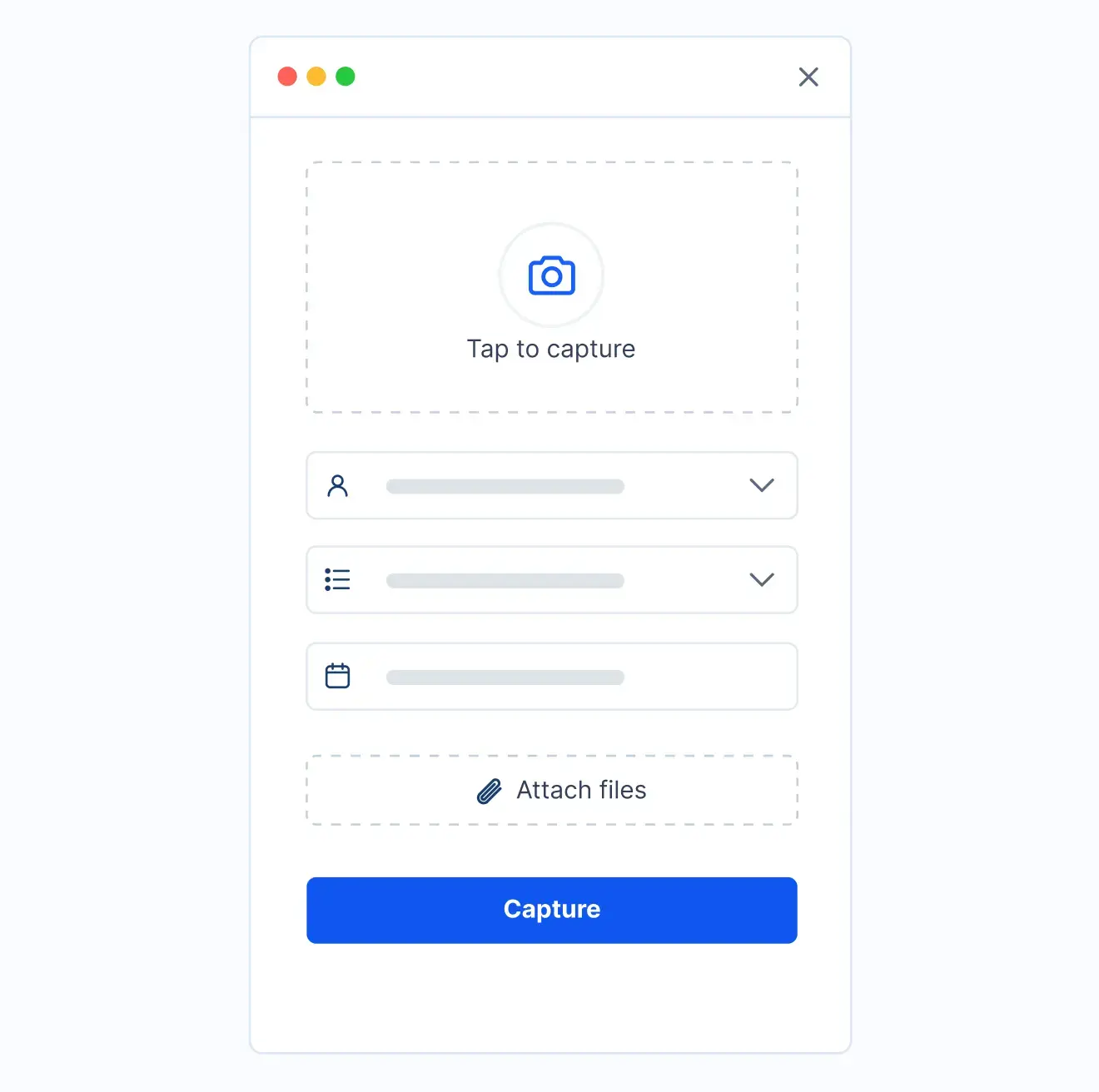
Corrective backlog candidates are put forward for the next execution window with equipment, condition, and consequence information attached.
Review
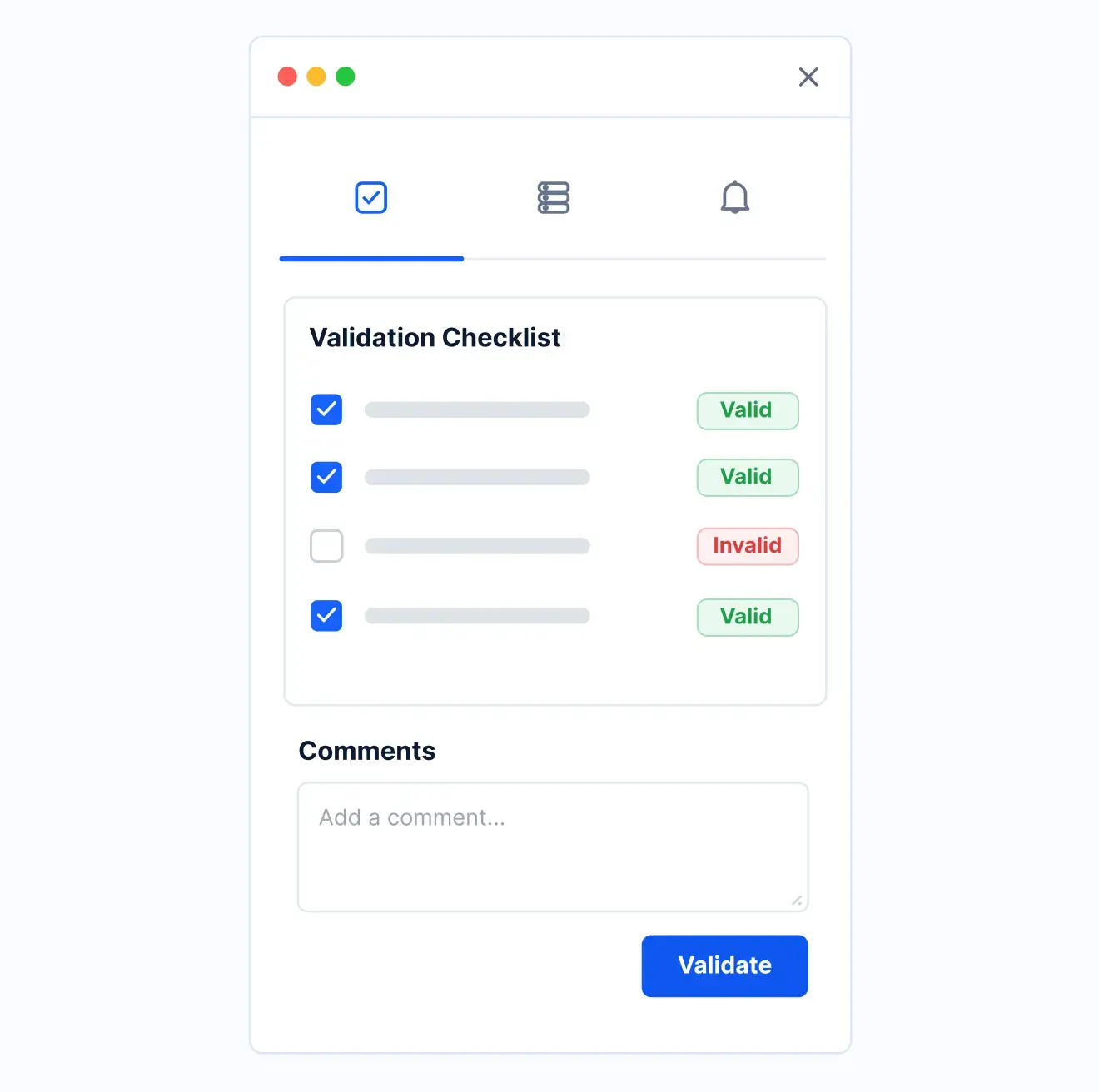
Each candidate is scored against your criticality and risk criteria, and the review board receives a ranked list with the scoring visible rather than an unordered backlog.
Approve
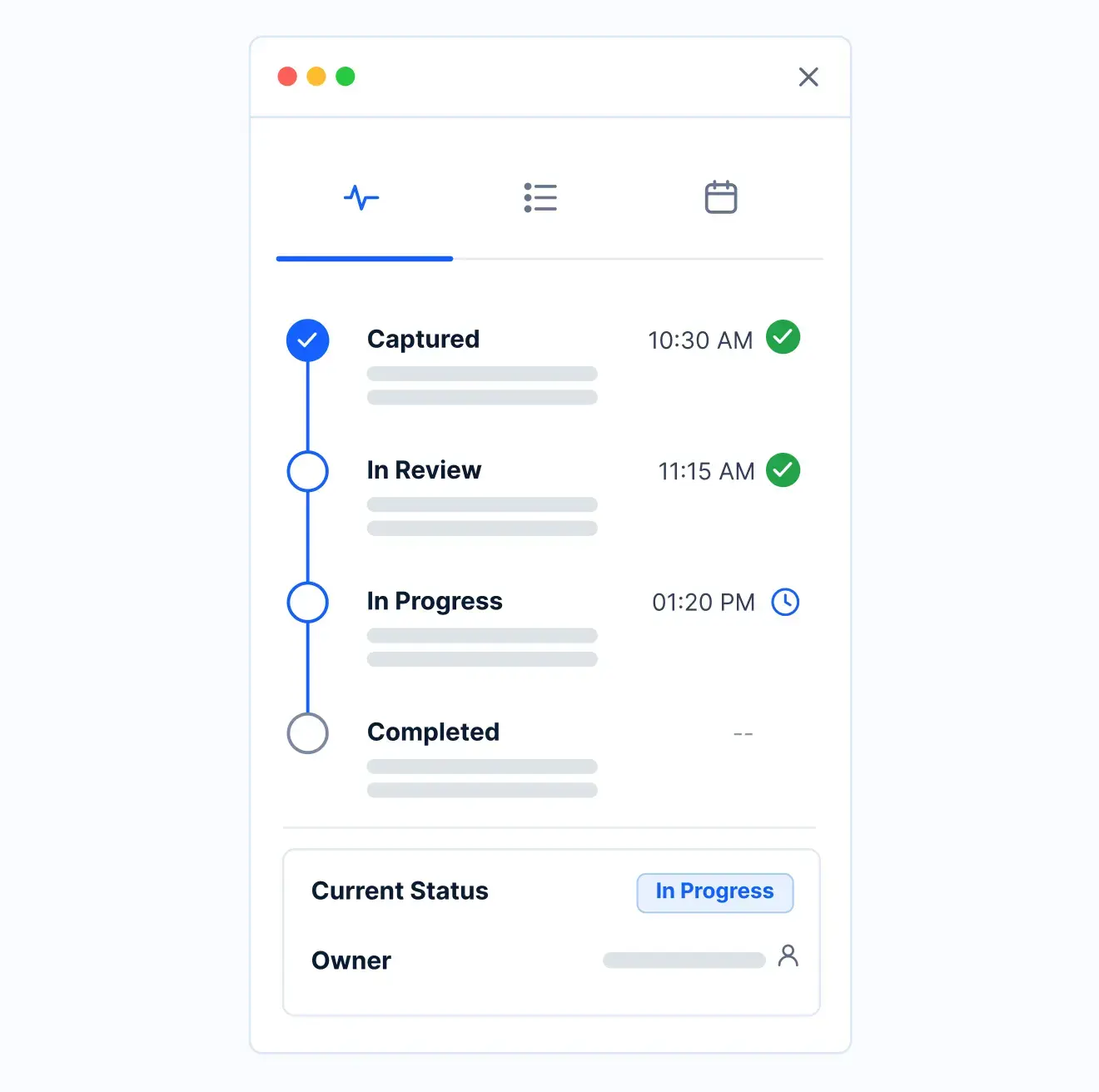
The board decides which jobs enter the window, and each decision is recorded against the job with its basis, including the reasoning for anything deferred again.
Record
Decisions are written back against the work item and retained, with repeatedly deferred jobs and cumulative deferred risk reported into the next cycle.
What changes when backlog prioritization runs on Kissflow
| Process | Before Kissflow | On Kissflow |
|---|---|---|
| Candidate ranking | Argued from experience in a meeting | Scored against defined criticality and risk criteria |
| Decision record | Visible only as a schedule change | Recorded against each job with its basis |
| Repeat deferrals | Sink quietly down the list | Surfaced with count and cumulative risk |
| Board input | An unordered backlog extract | A ranked list with scoring visible |
| Reconstruction after a failure | Depends on memory | Available as a decision record |
| Window utilization | Known roughly | Reported against the decisions that filled it |
Connects to the systems your operation already runs on
.svg)



.svg)
.svg)
.svg)
.svg)

.svg)
.svg)
.svg)
.svg)
.svg)

.svg)

.svg)

.svg)
.svg)
.svg)
.svg)
.svg)
.svg)
.svg)
.svg)
.svg)

.svg)
Built so the deferral decision survives the next twelve months
Scoring makes the argument explicit
Criteria replace seniority in the room, and the score is visible to everyone at the table.
Repeat deferrals cannot hide
A job deferred four times is surfaced with its cumulative risk rather than sinking further each cycle.
The reasoning is retained
When a failure follows a deferral, the record shows what was known and decided rather than leaving it to memory.
A decision layer, not another CMMS
Your maintenance system holds the work orders and the backlog. Kissflow runs the prioritization decision and its record.
Governed from day one
Single sign-on, role-based access, and a timestamped audit log are how the app is built. Kissflow runs in the business-process layer, segmented from the OT and control network.
Live in weeks, not a program
Configure in the visual builder, or describe the standard and let the AI Builder generate the app. Delivery moves from weeks to days.
Related apps
Deferred maintenance tracker
Hold the register of deferred work with risk assessment, compensating measures, and re-review dates.
Asset Reliability & Turnaround Orchestration Workflow
Control turnaround scope against the freeze and move work-pack and readiness approvals on the critical path.
Preventive maintenance compliance tracking
Track PM compliance against schedule, with deferrals authorized and overdue work visible by asset.
We help reliability leaders make the backlog decision defensible a year later
.gif)

“If a company cannot enable everybody to use AI, they will never get the true benefit of AI. Platforms like Kissflow allow us to put that capability in the hands of our users in a safe way.”
Vagesh Dave
GVP & CIO at McDermott International, Ltd
See The Full Story

“Advanced automation of all processes is easy to set up. I cannot imagine how to manage workflows without this software.”
Tanay Tiwary
Global Head - Digitalization & Business Improvement
See the Full Story

“Kissflow supports rapid application development by building a working application prototype in the shortest amount of time.”
Maria Theresa Cabigon
CIO, SN Aboitiz Power Group
See The Full Story
See what Kissflow can do for you
Talk to usGot questions? We're here to help.
Get SupportIt scores corrective maintenance backlog candidates against criticality and risk criteria, presents a ranked list to the review board, and records each prioritization decision with its basis against the work item.
This app decides what goes into the next window. A deferred maintenance tracker holds what was pushed out of it, with the risk assessment and compensating measures that apply while the work stays undone. They are two halves of the same cycle.
No. Your maintenance system holds work orders, the backlog, and the schedule. Kissflow runs the prioritization decision and writes the outcome and its reasoning back.
Repeat deferrals are surfaced with their deferral count and cumulative risk rather than sinking down the list, which is usually the signal the original scoring missed something.
Yes. Fields, categories, routing rules, and escalation thresholds are configured by the process owner in the visual builder, and every change is written to the same audit log as a manual edit.
No. Kissflow runs in the business-process layer alongside the systems you already own and connects to them through APIs and integration connectors. It does not replace your EHS suite, your ERP, or your maintenance system, and it does not operate inside the control system.
No. Kissflow AI maps natural language to platform metadata and produces an inspectable blueprint, so every app is auditable and the process owner can maintain it.
Kissflow is certified to SOC 1, SOC 2, SOC 3, ISO/IEC 27001, HIPAA, GDPR, and CCPA, hosted on Google Cloud with data residency in the US, EU, APAC, and Oceania.