Asset Reliability & Turnaround Orchestration Workflow
A turnaround orchestration workflow controls scope intake against the freeze date, routes work-pack and readiness approvals on the critical path, captures field sign-offs, and leaves a close-out record that survives the event. Kissflow runs that coordination alongside your planning and maintenance systems.

Trusted by energy operators worldwide






Every day a turnaround slips has a day-rate attached to it
Turnaround performance is decided months before the unit comes down. Scope that arrives after the freeze, work packs waiting on an approval nobody is chasing, contractor readiness confirmed verbally, and materials assumed to be on site are the four routes to a late restart, and all four are coordination failures rather than execution failures. Planning software holds the schedule well. What it does not do is move an approval through four functions in a week.
Kissflow runs the orchestration. Scope requests arrive through a controlled intake that knows the freeze date, so late scope requires an explicit justification and an authorization rather than quietly appearing on the list. Work-pack approvals route on the critical path with escalation, readiness reviews hold against defined criteria, and field sign-offs and punch-list items are captured on mobile in the unit.
The close-out record assembles as the event runs, which is the only time it can be assembled honestly. Next cycle starts with what actually happened rather than with what the final report said three months later.
The restart date is decided months before the unit comes down
Scope arrives after the freeze
Late additions appear on the list without a justification, an impact assessment, or an authorization.
Work packs wait on approvals nobody is chasing
An approval sitting in one function for a week is invisible until the schedule shows the slip.
Readiness is confirmed in a meeting
Materials, contractor mobilization, permits, and isolations are declared ready verbally rather than checked against criteria.
Close-out is written months later
The record is assembled from memory once the event is over, which is the least accurate moment to assemble it.
Six process modules
Every module ships with default scope gates, approval routing, readiness criteria, and dashboards. Configure each one to your turnaround standard in the visual builder.
Scope intake and freeze control
Controlled scope intake that knows the freeze date, so late additions require explicit justification, cost and schedule impact, and authorization at the right level.
Work-pack approval routing
Work packs routed through engineering, HSE, operations, and inspection on the critical path, with escalation when an approval passes its window.
Readiness reviews
Readiness held against defined criteria covering materials, contractor mobilization, permits, isolations, and scaffolding, with each criterion confirmed by a named role.
Contractor coordination
Contractor scope, mobilization status, and competency verification tracked against the schedule, so readiness is confirmed on record rather than asserted in a meeting.
Field execution and punch list
Field sign-offs, mechanical completion, and punch-list items captured on mobile in the unit, with punch items tracked to closure against restart.
Close-out and lessons
Close-out record assembled as the event runs, covering scope changes, approval delays, and punch closure, feeding the next cycle rather than a report written months later.
From request to system of record in four steps
Plan
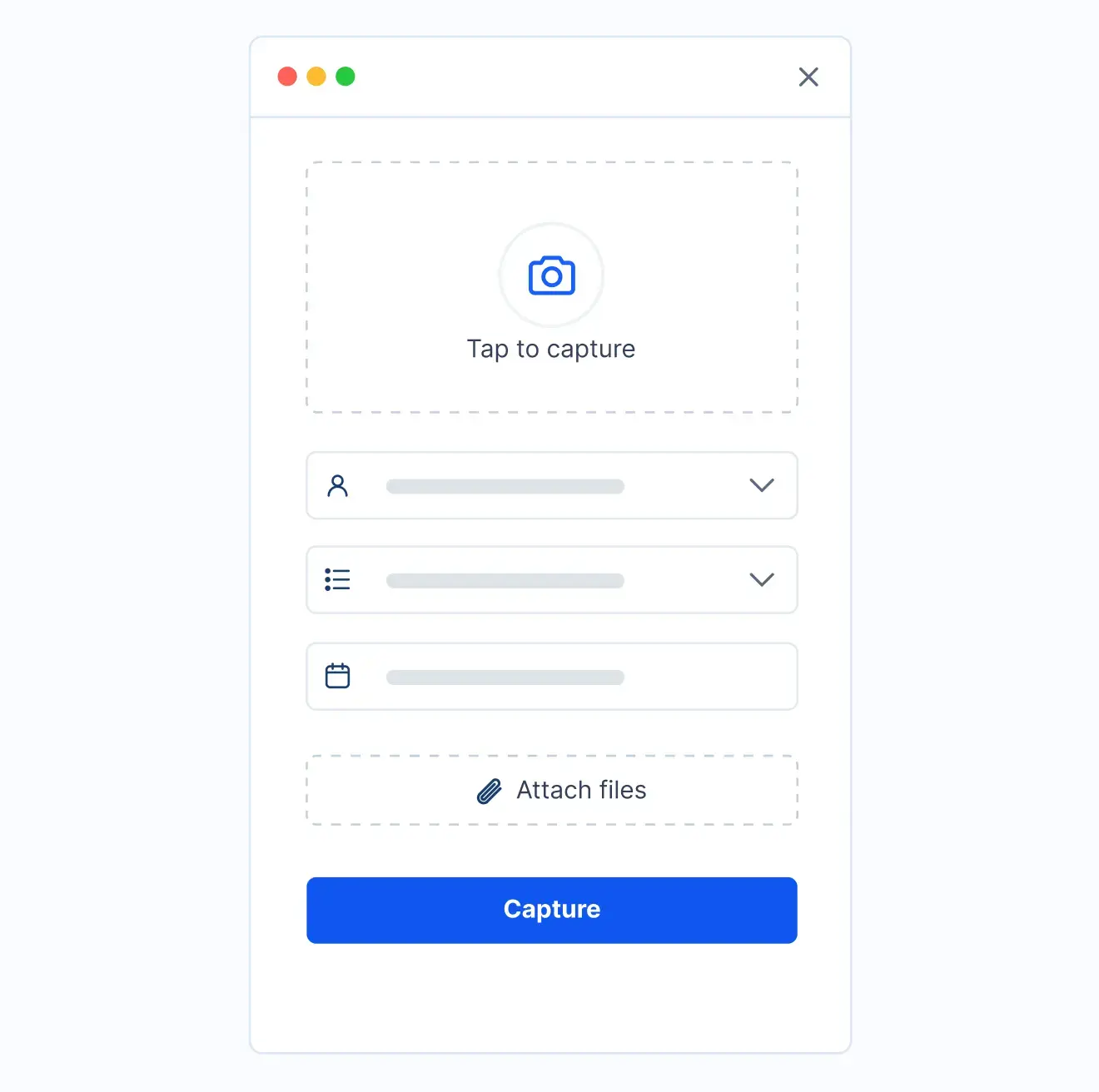
Turnaround scope, work packs, milestones, and readiness criteria are set up in one workspace, with the freeze date governing what can still be added.
Assign
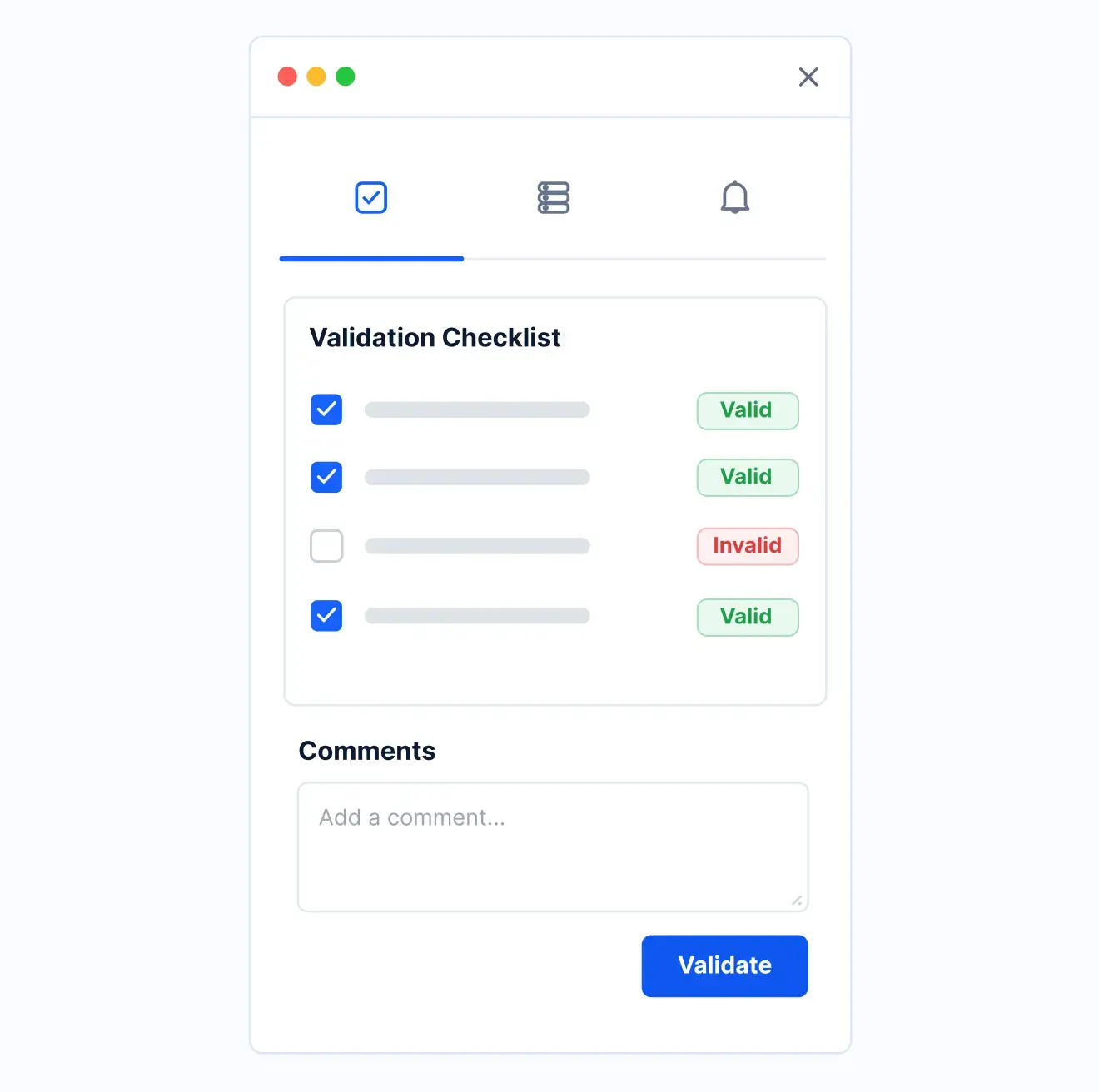
Work packs and readiness items are distributed to engineering, HSE, operations, inspection, and contractor owners with dependencies and dates.
Execute
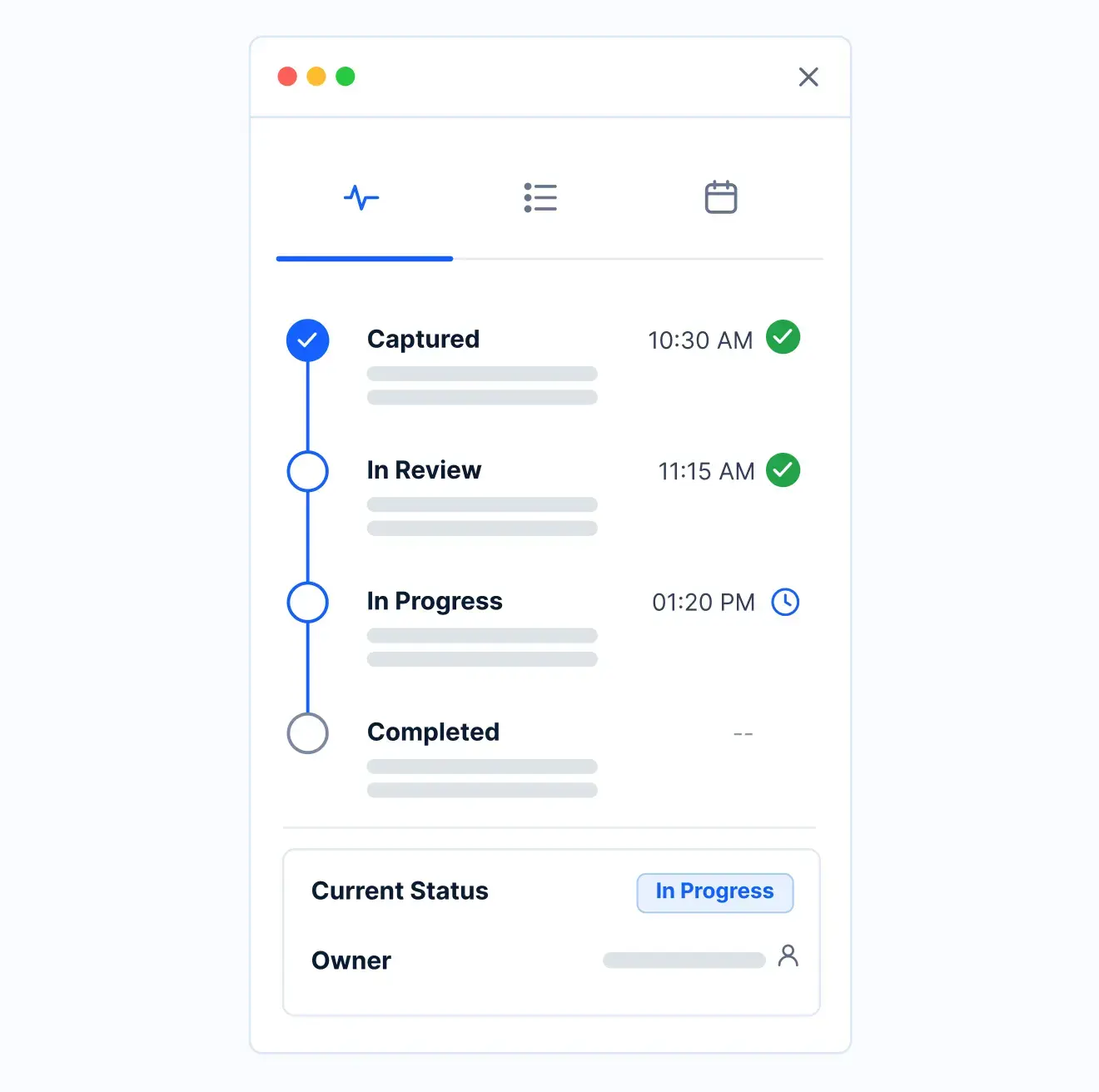
Approvals, readiness confirmations, field sign-offs, and punch items move on a single board, with escalation when anything stalls on the critical path.
Close-out
Mechanical completion and punch closure are signed off, and the full record is archived against the asset, ready for the next cycle and for audit.
What changes when turnaround orchestration runs on Kissflow
| Process | Before Kissflow | On Kissflow |
|---|---|---|
| Scope after freeze | Appears on the list without a decision | Requires justification, impact, and authorization |
| Work-pack approvals | Chased by the planner over email | Routed on the critical path with escalation |
| Readiness | Confirmed verbally in a meeting | Held against criteria confirmed by named roles |
| Contractor mobilization | Asserted by the contractor | Tracked against schedule with verification on record |
| Punch list | A spreadsheet updated at night | Captured in the unit and tracked to restart |
| Close-out | Written months later from memory | Assembled as the event runs |
Connects to the systems your operation already runs on
.svg)



.svg)
.svg)
.svg)
.svg)

.svg)
.svg)
.svg)
.svg)
.svg)

.svg)

.svg)

.svg)
.svg)
.svg)
.svg)
.svg)
.svg)
.svg)
.svg)
.svg)

.svg)
Built for the coordination that decides the restart date
The freeze is enforced, not requested
Late scope needs justification, impact, and an authorization, which is the difference between a freeze and a preference.
Readiness against criteria, not opinion
Each readiness criterion is confirmed by a named role, so a review is a check rather than a conversation.
Punch closure tracked to restart
Punch items captured in the unit and tracked against restart rather than reconciled from a spreadsheet at night.
An orchestration layer, not a planning system
Your planning and maintenance systems hold the schedule and the work orders. Kissflow moves the approvals and readiness decisions around them.
Governed from day one
Single sign-on, role-based access, and a timestamped audit log are how the app is built. Kissflow runs in the business-process layer, segmented from the OT and control network.
Live in weeks, not a program
Configure in the visual builder, or describe the standard and let the AI Builder generate the app. Delivery moves from weeks to days.
Related apps
SIMOPS coordination tracker
Coordinate simultaneous operations with conflict identification and controlled authorization across teams.
Production operations startup and shutdown
Coordinate unit startups and shutdowns with readiness gates and step sign-offs on one board.
Backlog clearance prioritizer
Decide which corrective backlog work enters the next window on criticality and risk.
We help turnaround and reliability leaders keep the days out of the approval queue
.gif)

“If a company cannot enable everybody to use AI, they will never get the true benefit of AI. Platforms like Kissflow allow us to put that capability in the hands of our users in a safe way.”
Vagesh Dave
GVP & CIO at McDermott International, Ltd
See The Full Story

“Advanced automation of all processes is easy to set up. I cannot imagine how to manage workflows without this software.”
Tanay Tiwary
Global Head - Digitalization & Business Improvement
See the Full Story

“Kissflow supports rapid application development by building a working application prototype in the shortest amount of time.”
Maria Theresa Cabigon
CIO, SN Aboitiz Power Group
See The Full Story
See what Kissflow can do for you
Talk to usGot questions? We're here to help.
Get SupportIt controls scope intake against the freeze date, routes work-pack and readiness approvals on the critical path, tracks contractor mobilization and field sign-offs, and assembles the close-out record as the event runs.
No. Your planning and maintenance systems hold the schedule, the work orders, and the network. Kissflow moves the approvals, readiness confirmations, and scope decisions that the schedule depends on.
After the freeze date, a scope request requires an explicit justification, a cost and schedule impact assessment, and authorization at the level your standard sets, rather than being added to the list.
Oil rig shutdown and turnaround management is an approved Kissflow production example. Ask for a walkthrough of how that was configured during a demo.
Yes. Fields, categories, routing rules, and escalation thresholds are configured by the process owner in the visual builder, and every change is written to the same audit log as a manual edit.
No. Kissflow runs in the business-process layer alongside the systems you already own and connects to them through APIs and integration connectors. It does not replace your EHS suite, your ERP, or your maintenance system, and it does not operate inside the control system.
No. Kissflow AI maps natural language to platform metadata and produces an inspectable blueprint, so every app is auditable and the process owner can maintain it.
Kissflow is certified to SOC 1, SOC 2, SOC 3, ISO/IEC 27001, HIPAA, GDPR, and CCPA, hosted on Google Cloud with data residency in the US, EU, APAC, and Oceania.