Stimulation Management Software for Completion Crews
Kissflow coordinates a completion and stimulation job as one program: stage design and job plan intake, crew and vendor mobilization, stage-by-stage execution tracking, and a flowback and well-test record, so a twenty-stage frac job runs off one plan instead of three vendors' separate spreadsheets.

Trusted by energy operators worldwide






A frac job is twenty stages, three service companies, and one well that either flows or doesn't.
Perforating runs one crew, the frac pumps run another, and wireline logs the result, all against a job plan that specifies proppant type, fluid volume, and pressure limits for each stage. A stage that pumps outside its design window, a vendor that shows up a day off schedule, or a flowback rate nobody captured cleanly makes the difference between a well test that justifies the completion spend and one that doesn't. A job plan in a shared folder tells three companies what should happen. It doesn't confirm what did.
Kissflow runs completion and stimulation as a coordinated program: a stage design and job plan intake, crew and vendor mobilization scheduling against the pad's frac window, a stage execution log that captures proppant and chemical volumes and pump pressure per stage, a flowback and choke management record, and a milestone sign-off once the well test confirms initial production.
Completions engineers see every stage of every well against plan in one place, instead of reconciling a pumping company's report against a wireline company's report after the frac crew has already moved to the next pad.
Where completion and stimulation coordination breaks down between vendors
The job plan lives in three inboxes
Perforating, pumping, and wireline each work off their own copy of the plan, with no shared version of record.
Stage data is captured on paper tickets
Proppant volume, fluid volume, and pressure per stage get logged by hand and reconciled days later.
Mobilization scheduling is a phone tree
Confirming that all three crews will be on location for the frac window takes a string of calls.
Flowback and well test results arrive late
Initial production numbers show up in a report after the completion is already being billed out.
Six modules. Every stage planned, mobilized, executed, and tested against one record.
Configure stage counts, vendors, and sign-off criteria to your completion program.
Stage design and job plan intake
The completions engineer submits the stage count, proppant and fluid design, and pressure limits for the job.
Crew and vendor mobilization scheduling
Perforating, pumping, and wireline crews are scheduled against the pad's frac window in one calendar.
Stage execution log
Proppant volume, fluid volume, and pump pressure are captured per stage as the job runs.
Flowback and choke management capture
Flowback rate and choke settings are logged against each stage as the well cleans up.
Well test and milestone sign-off
Initial production results are captured and signed off once the well test is complete.
Reporting dashboard
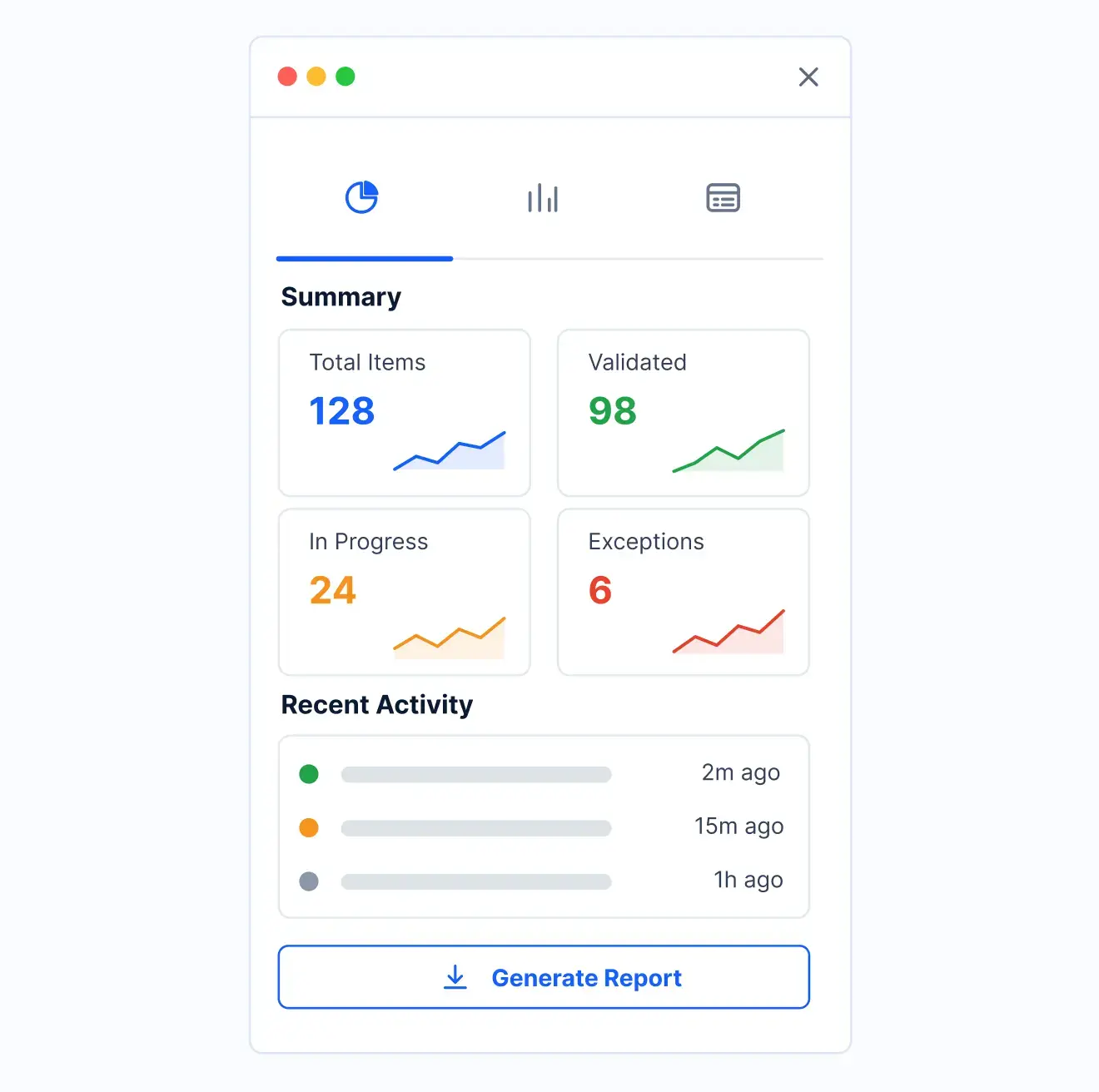
Every well and every stage rolls up into one view of plan versus actual.
From request to system of record in four steps
Plan
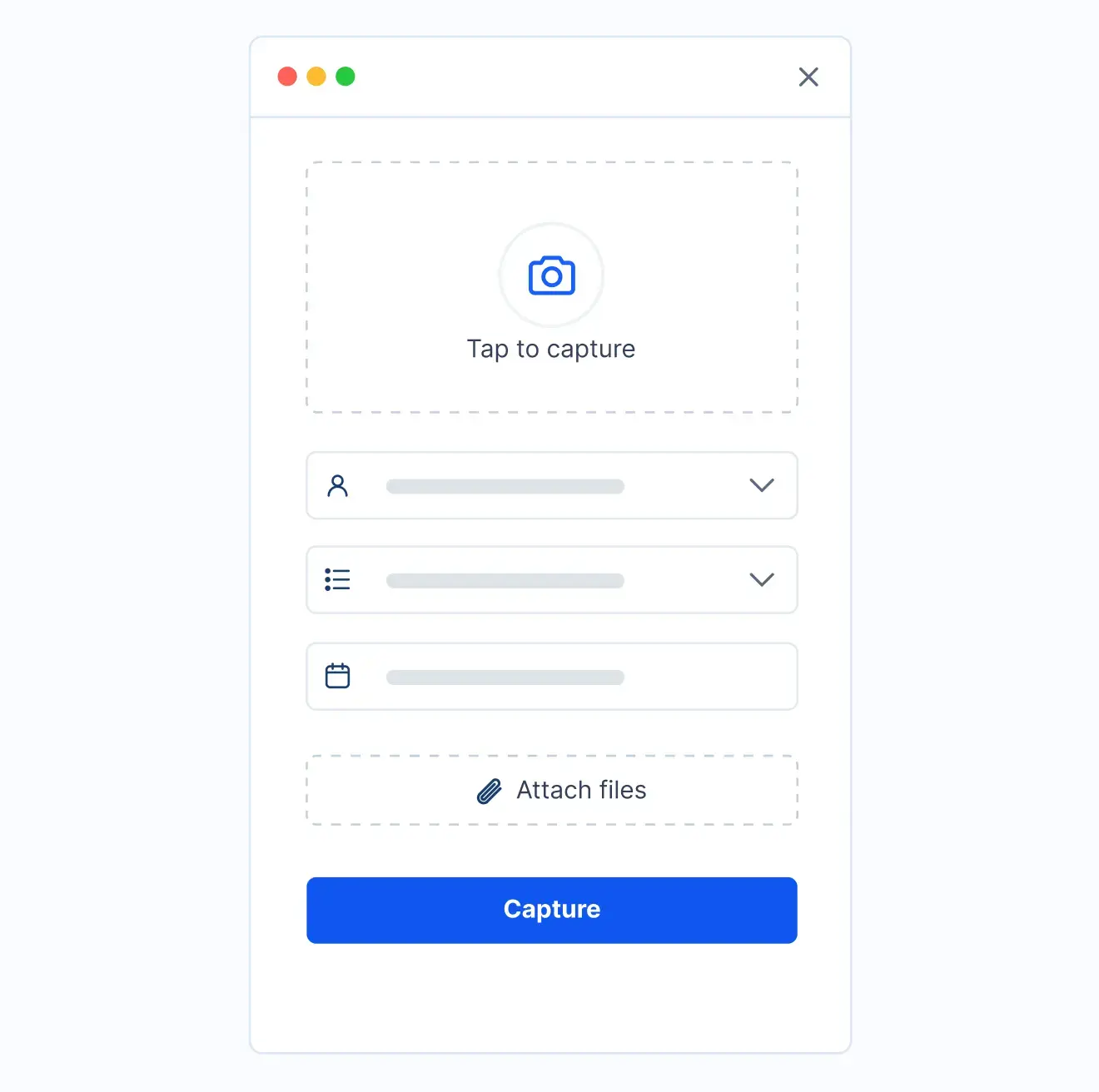
The completions engineer submits the stage design, proppant and fluid plan, and pressure limits as one job plan.
Assign
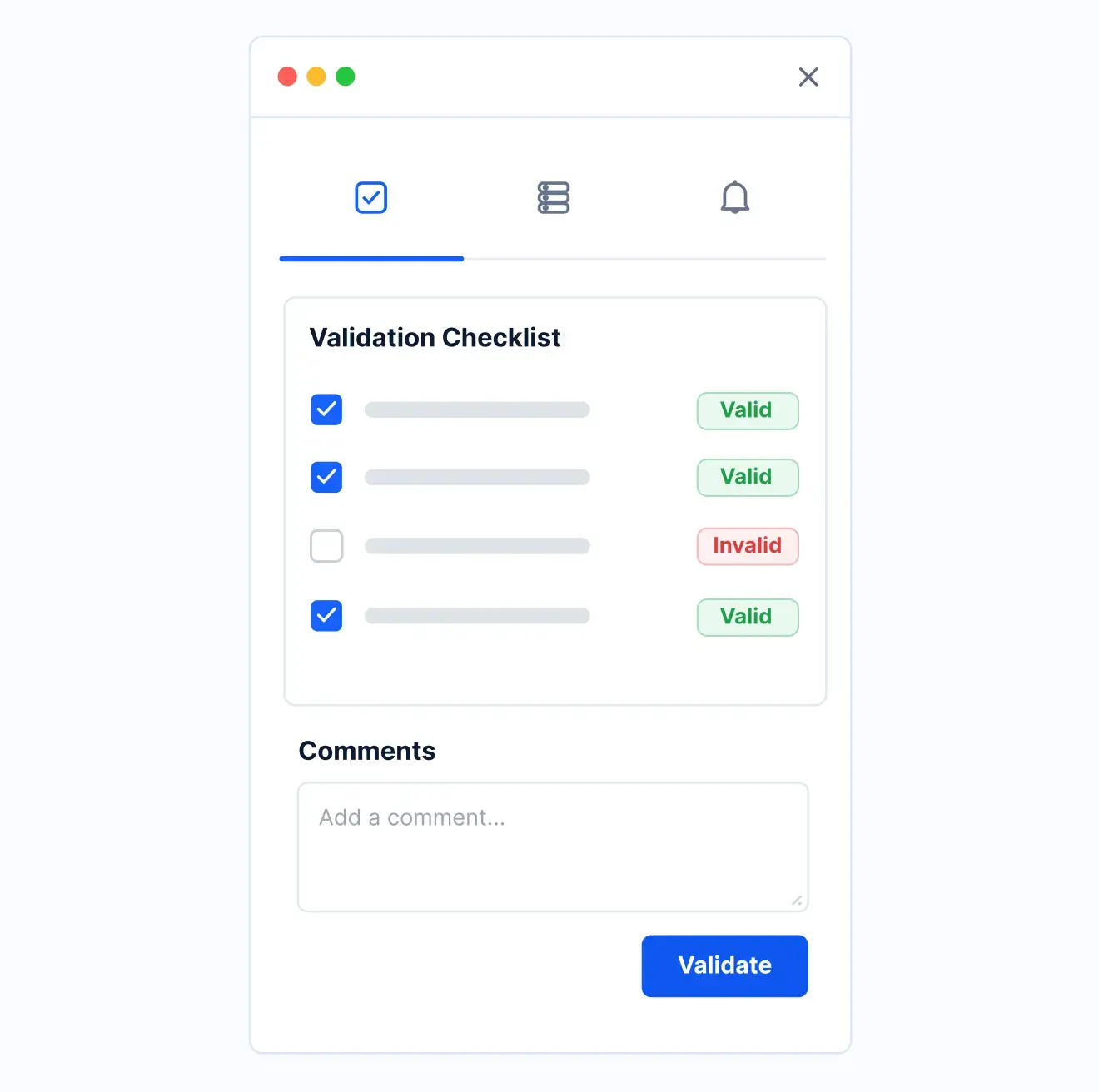
Perforating, pumping, and wireline crews and vendors are mobilized and scheduled against the frac window.
Execute
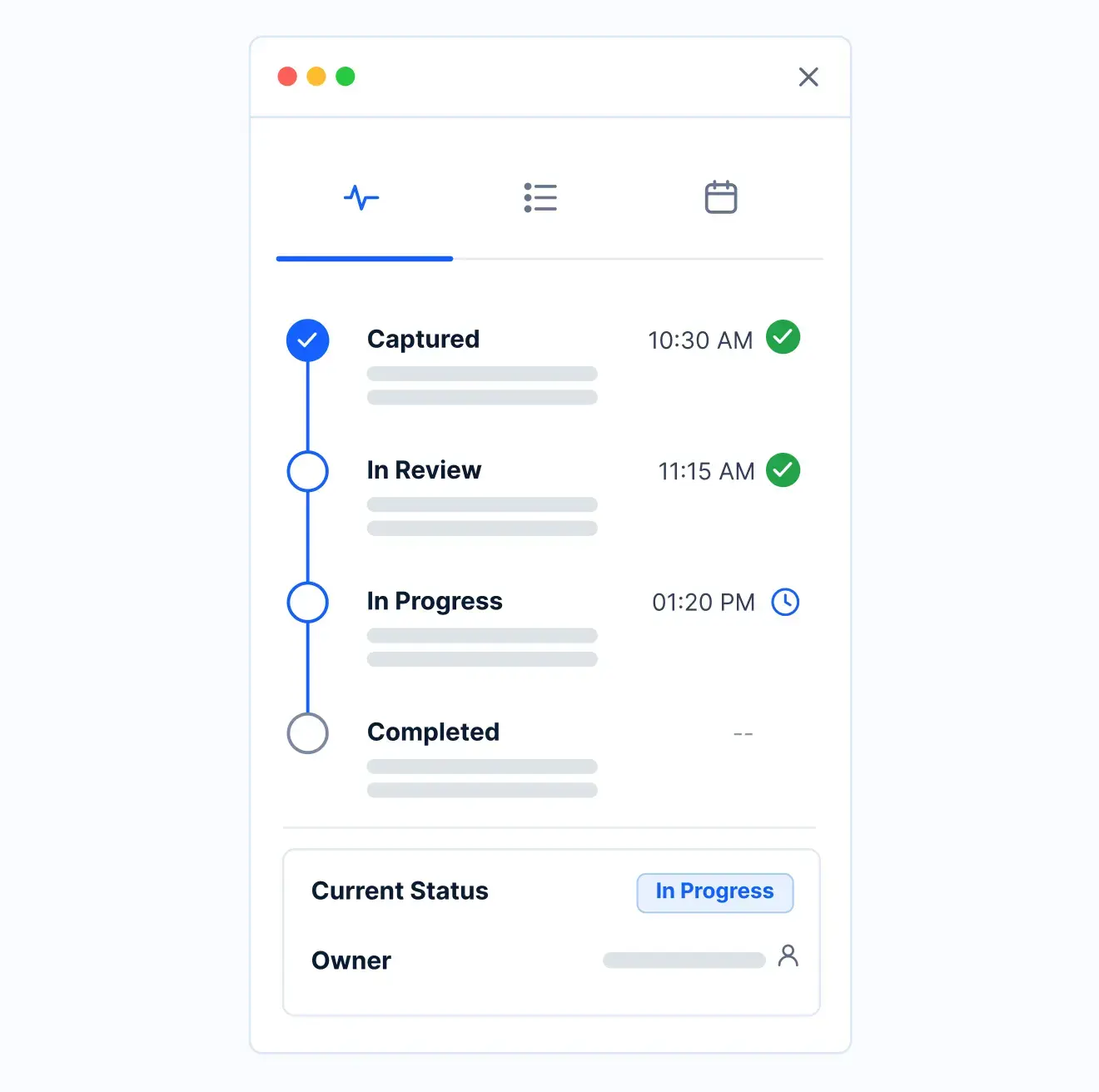
Proppant, fluid, and pressure are logged per stage as the job runs, so a twenty-stage job runs off one plan instead of three vendors' separate spreadsheets.
Close-out
Flowback, choke settings, and well-test results close out the job and feed the dashboard.
What changes when completion and stimulation runs on Kissflow
| Process | Before Kissflow | On Kissflow |
|---|---|---|
| Job plan | A document copied across three vendor inboxes | One shared plan every crew works from |
| Crew mobilization | A string of phone calls to confirm the frac window | One calendar showing every vendor against the schedule |
| Stage data capture | Paper tickets reconciled days later | Logged per stage as the job runs |
| Flowback tracking | A separate spreadsheet from the frac record | Logged against the same stage-by-stage record |
| Well test results | Arrive in a report after billing starts | Captured and signed off as a milestone in the job record |
| Plan versus actual | Reconciled manually after the pad is cleared | Visible live in the reporting dashboard |
Connects to your ERP for vendor invoicing and cost tracking; Kissflow doesn't replace your financial system of record
Kissflow runs the stage design, mobilization, and execution layer. Your ERP stays the system of record for vendor invoices and completion cost.
.svg)



.svg)
.svg)
.svg)
.svg)

.svg)
.svg)
.svg)
.svg)
.svg)

.svg)

.svg)

.svg)
.svg)
.svg)
.svg)
.svg)
.svg)
.svg)
.svg)
.svg)

.svg)
Built for how a completion job actually runs across vendors
One plan, three vendors, no reconciliation
Perforating, pumping, and wireline all work off the same job record.
Stage data captured as it happens
Proppant, fluid, and pressure are logged per stage, not reconstructed from paper tickets.
Flowback tied to the stage that produced it
Choke and flowback data sit on the same record as the frac stage.
Live in weeks
Configure stage templates and vendor roles in the visual builder, or describe the use case to the AI Builder.
Governed from day one
Role-based access and a full audit trail on every stage and sign-off.
Plan versus actual, live
A completions engineer sees every well's progress against plan without waiting on a vendor report.
Related apps
Casing/cementing Approval Management System
Approve the casing and cement job that clears the wellbore for completion.
Drilling & Well Planning Management System
Coordinate the well design and cross-discipline sign-off before spud.
Lessons Learned From Wells Management System
Capture what worked and what didn't from this well for the next completion program.
We help completions teams run one plan across three vendors
.gif)

“If a company cannot enable everybody to use AI, they will never get the true benefit of AI. Platforms like Kissflow allow us to put that capability in the hands of our users in a safe way.”
Vagesh Dave
GVP & CIO at McDermott International, Ltd
See The Full Story

“Advanced automation of all processes is easy to set up. I cannot imagine how to manage workflows without this software.”
Tanay Tiwary
Global Head - Digitalization & Business Improvement
See the Full Story

“Kissflow supports rapid application development by building a working application prototype in the shortest amount of time.”
Maria Theresa Cabigon
CIO, SN Aboitiz Power Group
See The Full Story
See what Kissflow can do for you
Talk to usGot questions? We're here to help.
Get SupportNo. Your ERP stays the system of record for vendor invoices and completion cost. Kissflow runs the stage design, mobilization, and execution layer that feeds it.
Casing/cementing Approval Management System is the well-construction sign-off before casing and cement work happens. This app coordinates the completion job that follows: perforating, frac stages, and flowback, once the wellbore is cased and cemented.
Drilling & Well Planning Management System covers the well design phase before spud. This app coordinates the completion and stimulation program after the well has been drilled and cased.
Yes. Perforating, pumping, and wireline crews all work from one shared stage plan and mobilization schedule.
Proppant volume, fluid volume, and pump pressure are logged per stage as the job runs, either by the crew on location or through an integration with your service company's data feed.
Yes. Flowback rate, choke settings, and well test results are captured against the job record as a milestone sign-off.
Configuration and AI-assisted app generation move delivery from a multi-month program to a matter of weeks.
Kissflow is certified to SOC 1, SOC 2, SOC 3, and ISO/IEC 27001, with role-based access and a full audit log on every stage and sign-off.