VOC Emissions Software for Every LDAR Program
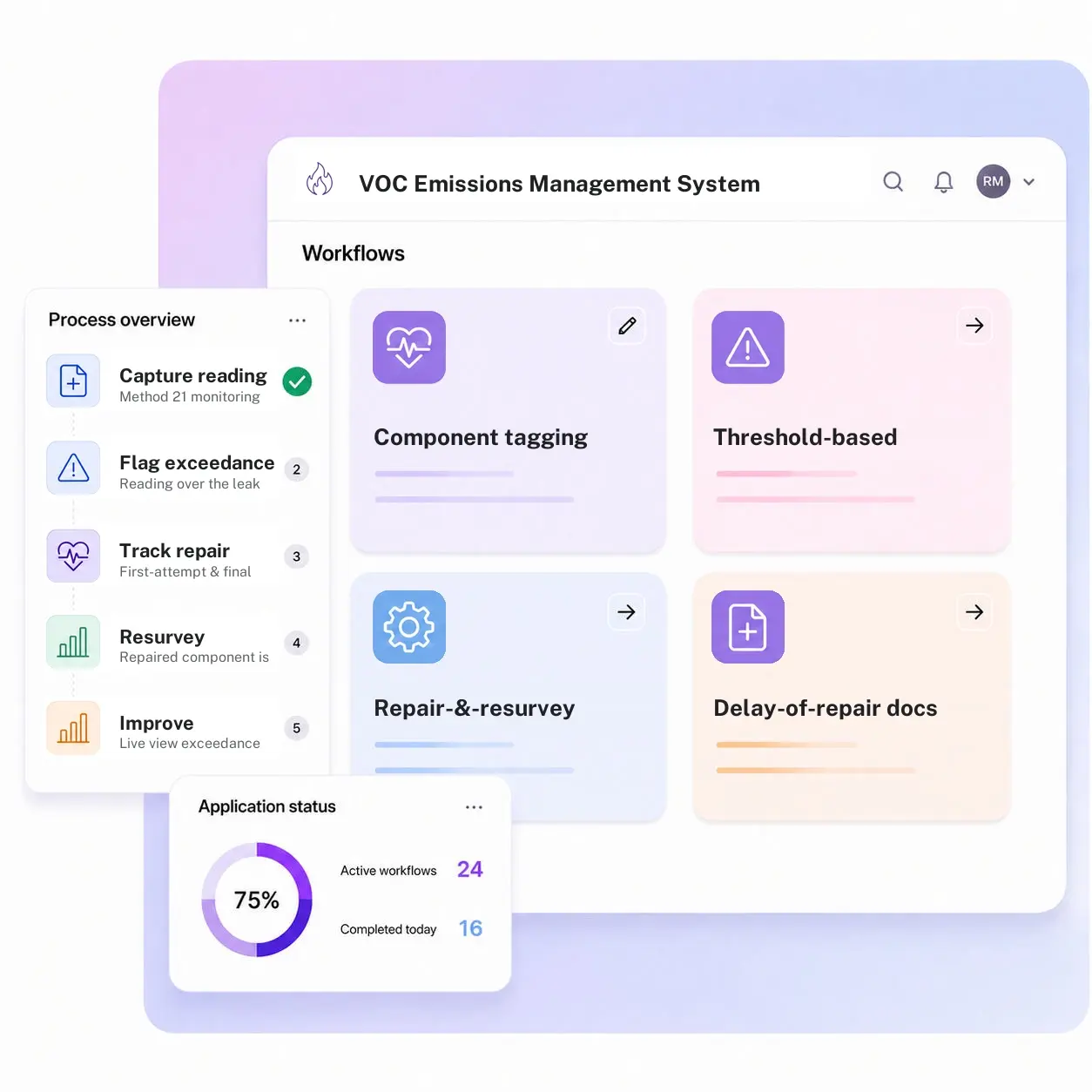
Kissflow runs VOC leak detection and repair as an exception workflow: every component reading tied to its tag, an exceedance flagged the moment it crosses the leak definition, and a repair-and-resurvey clock that doesn't stop until the component is fixed and reverified.
Trusted by energy operators worldwide





A technician walks the unit with a sniffer, and a valve that reads high gets a tag and a clock, not a shrug.
A leak detection and repair program means walking every regulated component, valve, flange, connector, pump seal, with a Method 21 monitor, and logging a reading against each one. A spreadsheet can hold the reading from today's monitoring round. It can't compare that reading against the leak definition in the applicable permit, start a repair clock the moment a component exceeds it, or flag which components keep leaking survey after survey.
Kissflow runs VOC emissions as a leak-detection-and-repair exception workflow: component-level tagging and reading capture tied to each monitoring round, threshold-based exceedance flagging against the applicable leak definition, a repair-and-resurvey clock that tracks first-attempt and final repair deadlines, delay-of-repair documentation when a fix requires a shutdown, and regulatory reporting formatted for the applicable air permit. Your emissions monitoring instrument and your permit stay the technical source of truth; Kissflow runs the tracking, escalation, and reporting layer on top of the readings it produces.
Environmental leads configure component classes, leak definitions, and repair deadlines by permit in the visual builder. A component that keeps showing up on every survey becomes visible as a pattern, not a coincidence across separate rounds.
Where VOC leak tracking breaks down between the monitor and the repair
Readings sit in a spreadsheet
A monitoring round produces a column of numbers, with nothing comparing each one to the leak definition automatically.
Repair clocks aren't tracked
The first-attempt and final repair deadlines exist in the regulation, but nothing in the spreadsheet counts down to them.
Repeat leakers go unnoticed
A component that fails survey after survey looks the same as one that's leaked once, because nothing tracks the history.
Reporting is a manual compile
Regulatory submissions get assembled by hand from monitoring sheets each reporting period.
Six modules. Every leak on a tracked repair clock.
Configure each module to your components, permits, and leak definitions.
Component tagging & reading capture
Every regulated component has a tag and a reading history tied to each Method 21 monitoring round.
Threshold-based exceedance flagging
A reading is checked against the applicable leak definition the moment it's logged.
Repair-and-resurvey clock
First-attempt and final repair deadlines start automatically and track to closure.
Delay-of-repair documentation
A component requiring a shutdown to fix gets a documented delay-of-repair record with a justification.
Regulatory reporting
Reports format to the applicable air permit's requirements, pulled from the monitoring record.
Leak trend dashboard
A live view of exceedance rates, repeat-leaking components, and repair-clock status across every unit.
From request to system of record in four steps
Report
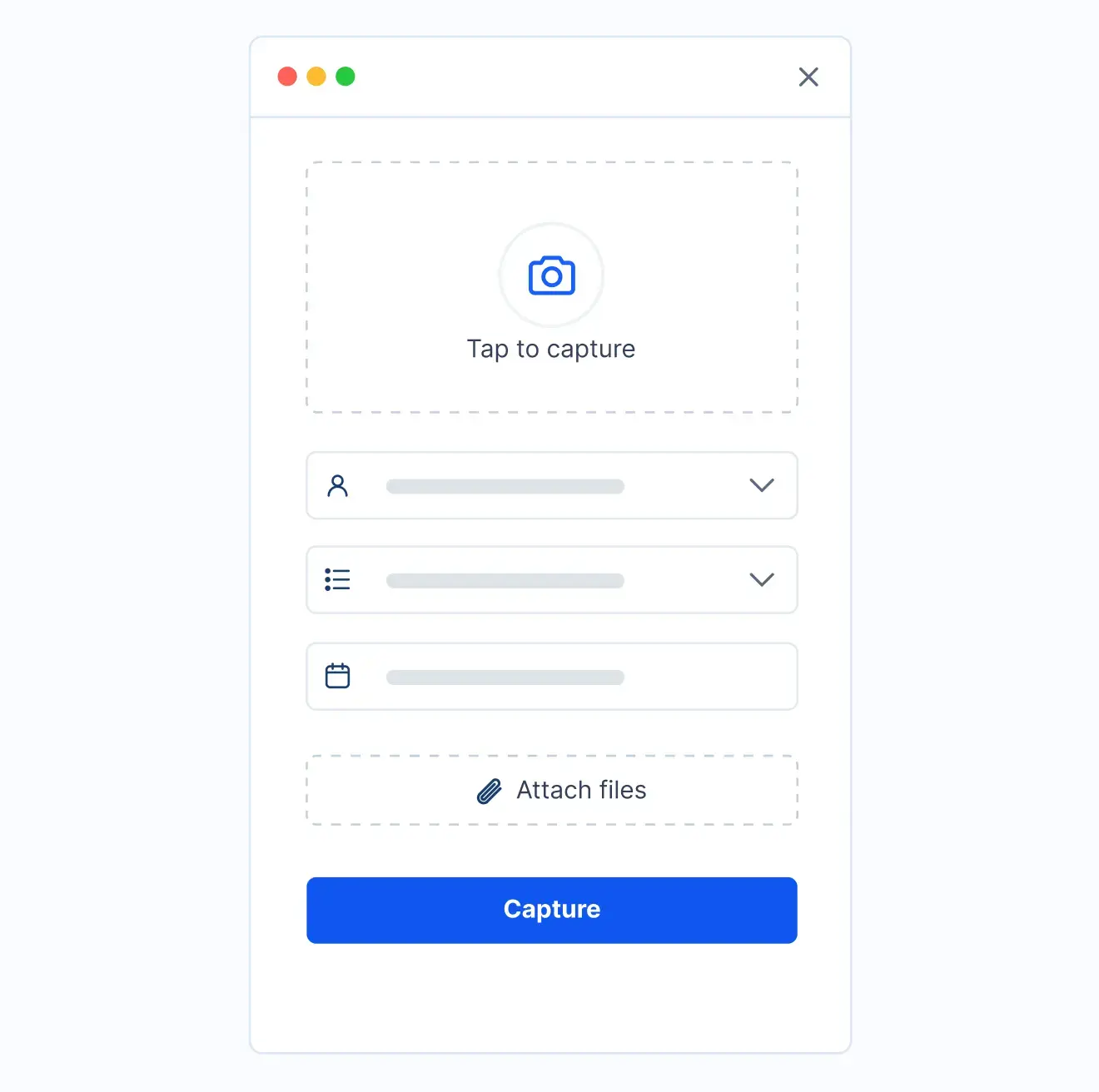
A Method 21 monitoring round logs a reading against each component's tag, so every component's status is captured.
Assess
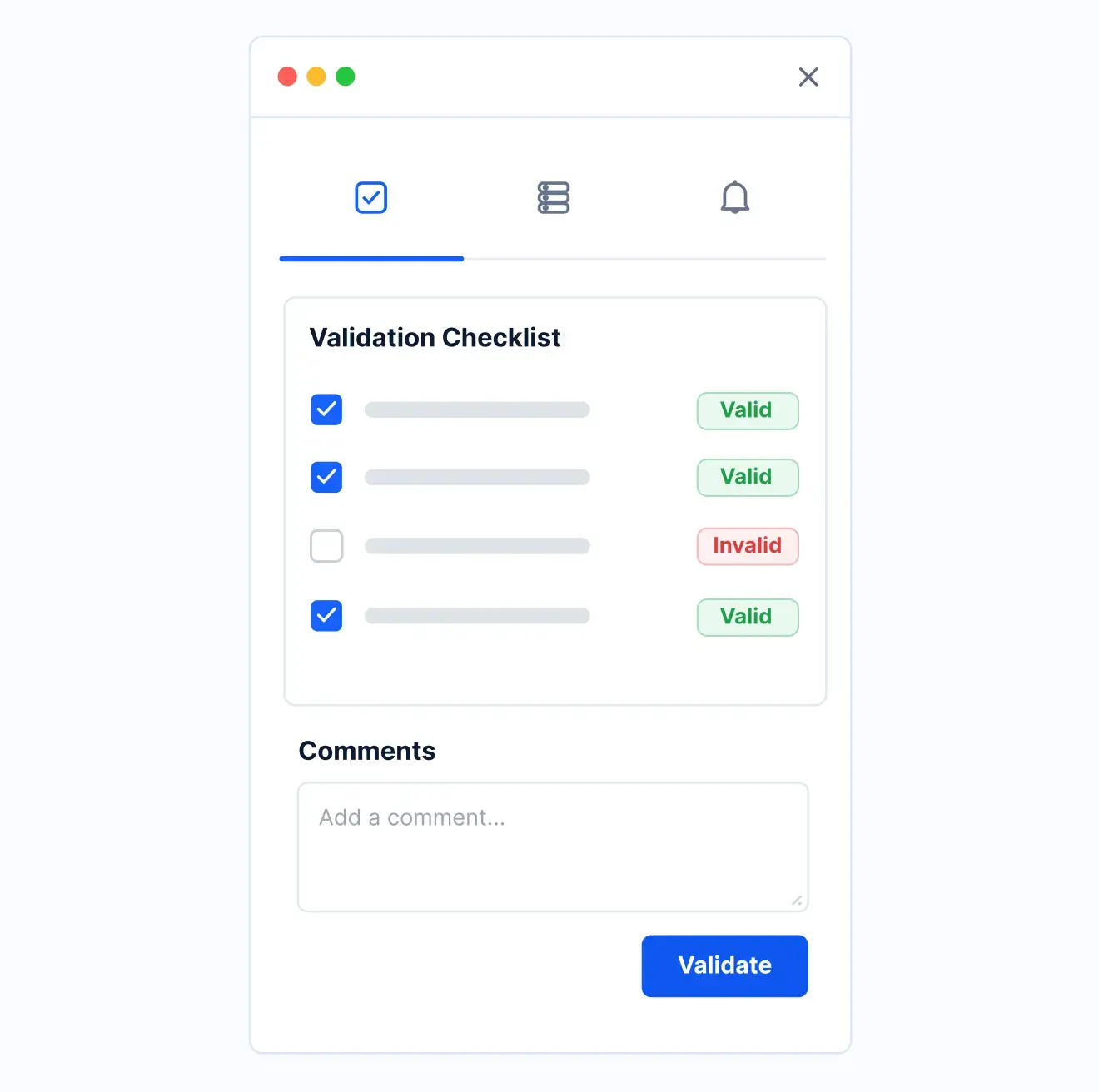
A reading over the leak definition is flagged the instant it lands, opening a repair case tied to the tag.
Resolve
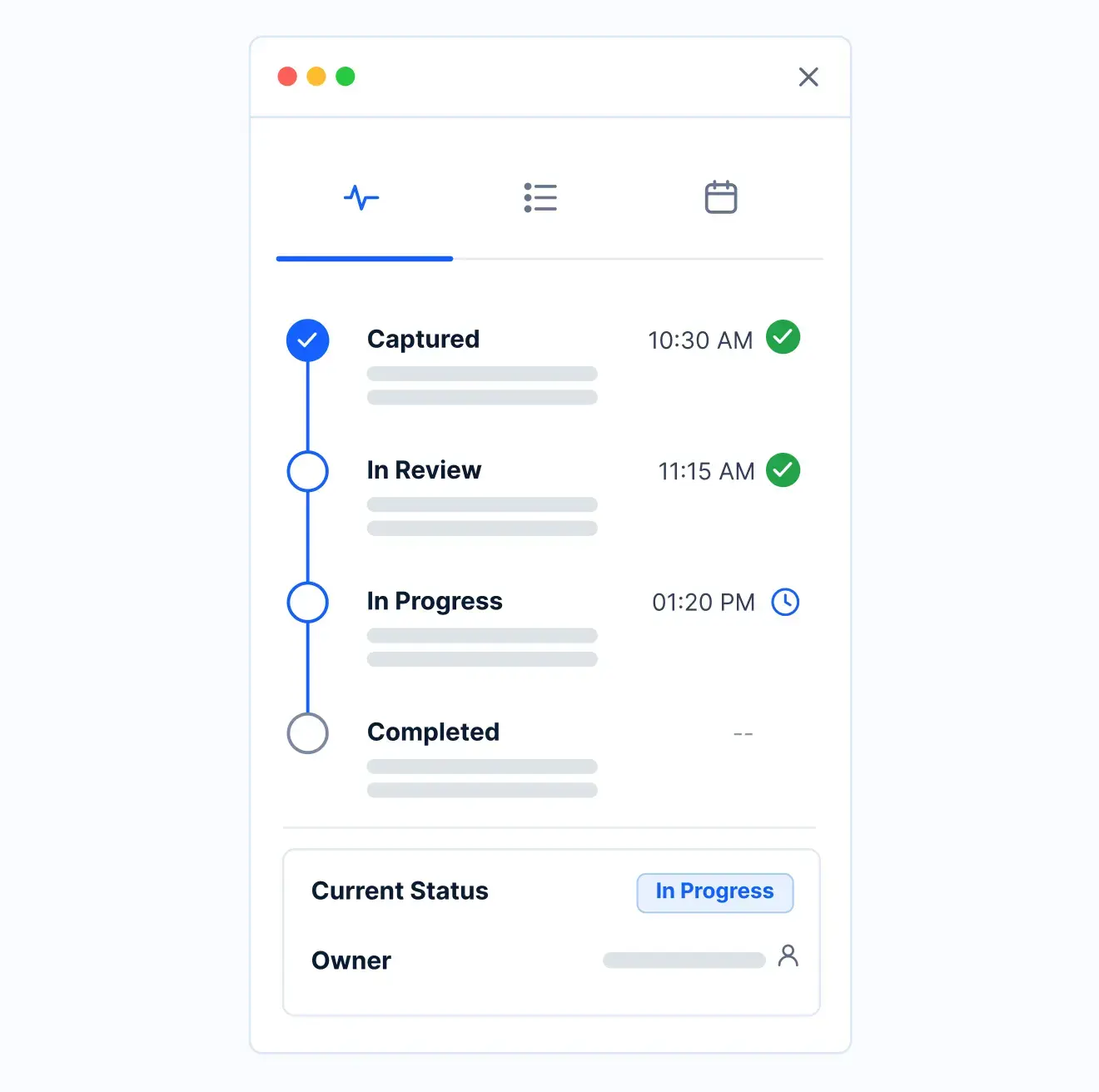
First-attempt and final repair deadlines count down automatically, and the component is repaired and reverified before the clock stops.
Record
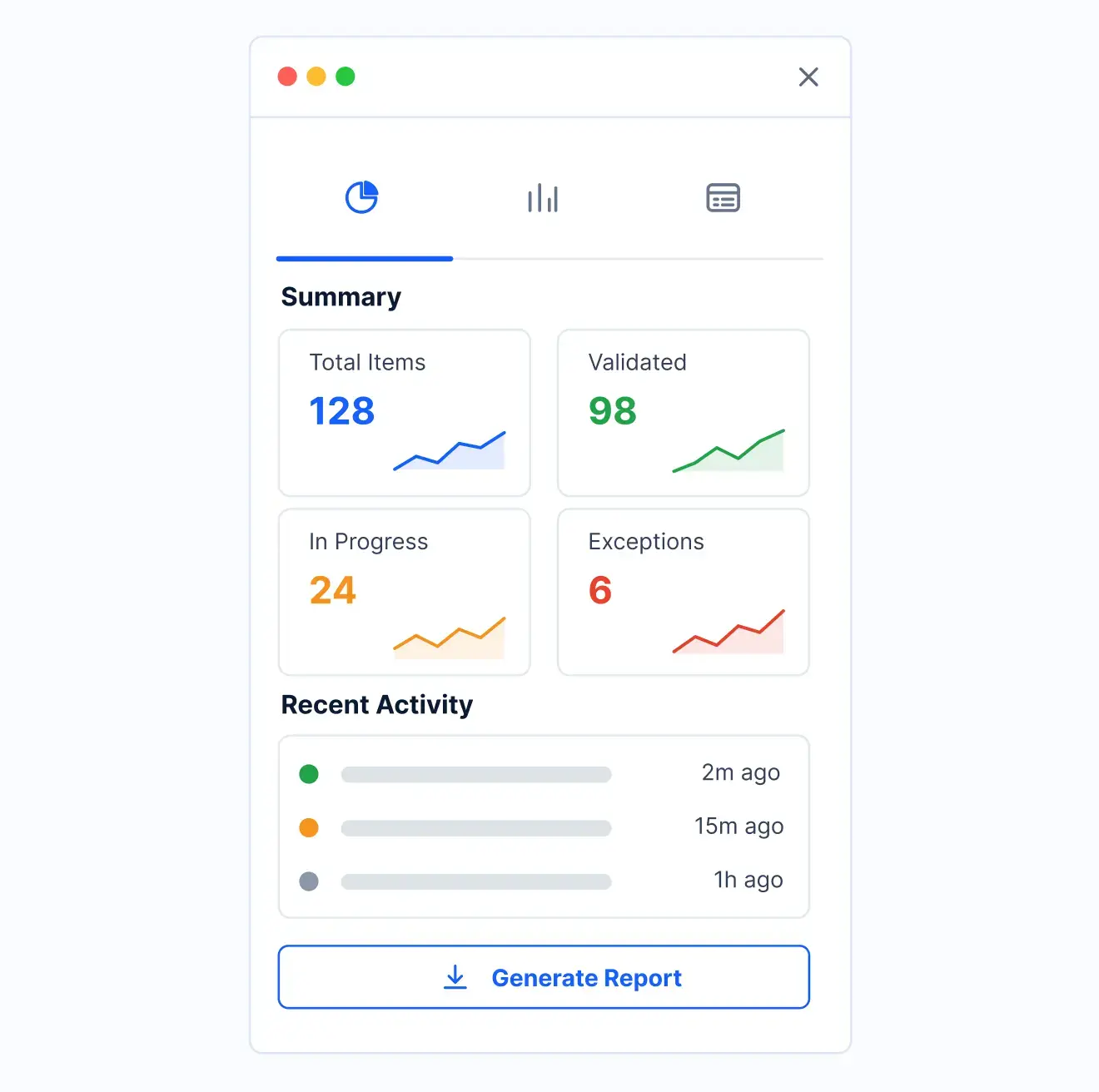
The resurveyed component closes the case, and the full record feeds the next regulatory submission.
What changes when VOC emissions tracking runs on Kissflow
| Process | Before Kissflow | On Kissflow |
|---|---|---|
| Reading capture | Logged in a monitoring-round spreadsheet | Tied to the component's tag and history |
| Exceedance checks | Compared to the leak definition by hand | Checked automatically the moment a reading lands |
| Repair deadlines | Tracked against the regulation from memory | Counted down automatically per component |
| Repeat leakers | Invisible across separate monitoring rounds | Flagged as a pattern on the trend dashboard |
| Delay-of-repair records | Documented after the fact, if at all | Captured with a justification at the time of the delay |
| Regulatory reporting | Manually compiled each reporting period | Pulled directly from the monitoring record |
Works alongside your Method 21 monitoring instrument; Kissflow doesn't replace the detection device itself
Your handheld monitor or fixed sensor stays the source of truth for the reading. Kissflow runs the exceedance flagging, repair-clock, and reporting layer on top of it.
.svg)



.svg)
.svg)
.svg)
.svg)

.svg)
.svg)
.svg)
.svg)
.svg)

.svg)

.svg)

.svg)
.svg)
.svg)
.svg)
.svg)
.svg)
.svg)
.svg)
.svg)

.svg)
Built for how a leak detection and repair program actually runs
Instant exceedance checking
A reading is compared to the leak definition the second it's logged, not at the end of the round.
Repair clocks that don't rely on memory
First-attempt and final repair deadlines track automatically per component.
Repeat leakers surfaced automatically
A component that fails survey after survey shows up on the trend dashboard, not buried in separate spreadsheets.
Live in weeks
Configure component classes and leak definitions in the visual builder, or describe the use case to the AI Builder.
Governed from day one
Role-based access and a full audit log are built into every reading and every exceedance.
One view for environmental and operations
Environmental leads and unit operators see the same live picture instead of separate spreadsheets.
Related apps
Emissions Monitoring Exception Workflow
Component-level leak or exceedance tracking on a repair and resurvey clock across pollutant types.
Environmental Monitoring App
A multi-parameter continuous capture-and-trend layer across every environmental media.
Carbon Footprint & Energy Monitoring App
Continuous GHG and energy metrics with threshold alerts.
We help environmental teams keep a repair clock that doesn't depend on memory
.gif)

“If a company cannot enable everybody to use AI, they will never get the true benefit of AI. Platforms like Kissflow allow us to put that capability in the hands of our users in a safe way.”
Vagesh Dave
GVP & CIO at McDermott International, Ltd
See The Full Story

“Advanced automation of all processes is easy to set up. I cannot imagine how to manage workflows without this software.”
Tanay Tiwary
Global Head - Digitalization & Business Improvement
See the Full Story

“Kissflow supports rapid application development by building a working application prototype in the shortest amount of time.”
Maria Theresa Cabigon
CIO, SN Aboitiz Power Group
See The Full Story
See what Kissflow can do for you
Talk to usGot questions? We're here to help.
Get SupportNo. Your handheld or fixed monitor stays the source of truth for the reading. Kissflow runs the exceedance flagging, repair-clock, and reporting layer on top of that data.
Emissions Monitoring Exception Workflow is the general multi-pollutant exceedance app across emission sources. VOC Emissions Management System is scoped specifically to a leak detection and repair program: component-level VOC readings, EPA Method 21 leak definitions, and the first-attempt and final repair-deadline clocks those programs run on.
Environmental Monitoring is the general continuous capture-and-trend layer across water, air, and waste parameters. This app is scoped to the VOC LDAR program specifically, with repair-clock and delay-of-repair tracking that a general monitoring layer doesn't run.
Yes, leak definitions and repair deadlines are configured per permit, so a component's exceedance threshold matches the permit that actually governs it.
Whoever you configure, typically the maintenance lead responsible for the component, with environmental visibility into every open repair clock.
Yes, the capture form works from a mobile device during a monitoring round.
Configuration and AI-assisted app generation move delivery from a multi-month program to a matter of weeks.
Kissflow is certified to SOC 1, SOC 2, SOC 3, and ISO/IEC 27001, with role-based access and a full audit log on every reading and exceedance.