Student Conduct and Judicial Case Management
Kissflow tracks a conduct case from an RA's incident report through jurisdiction review, hearing, sanction, and appeal on one governed record, so a case doesn't lose its documentation trail between whoever wrote it up and whoever eventually hears it.

Trusted by leading universities worldwide





An RA's 2 a.m. incident report is where most conduct cases actually start, weeks before anyone reaches a hearing.
A conduct case rarely begins with a hearing. It begins with an incident report, an RA documenting a noise complaint that turned into a physical altercation, a professor reporting suspected plagiarism, a public safety report from a weekend call. That report has to be logged, checked against the code of conduct for jurisdiction, is this an academic integrity matter for the department, or a general conduct matter for the dean of students office, and assigned to a hearing officer or conduct board, all before the process most people think of as "student conduct" even starts.
Every stage after that produces documentation that has to survive scrutiny: an investigation summary, evidence, the student's response, the hearing outcome, the sanction, and, in a meaningful share of cases, an appeal that reopens some or all of it. When that record lives across email, a shared drive, and whoever's notes from the hearing, reconstructing it for an appeal or an external review is slow at exactly the moment it needs to be fast.
Kissflow builds this as a governed case management app: intake from any reporting source, jurisdiction and triage routing, case assignment to a hearing officer or board, an investigation workflow with evidence attached to the case, a documented hearing outcome and sanction, and an appeal and closure path, all on one record from the original incident report forward.
What a conduct caseload runs into without a case system
Reports arrive from every corner of campus
An RA, a professor, and public safety each file a report differently, with no shared intake point.
Jurisdiction gets decided informally
Whether a case belongs to a department or the dean of students office is worked out by email, case by case.
Evidence and hearing notes scatter
Investigation summaries, evidence, and hearing outcomes live across email and personal notes, not one case file.
An appeal means reconstructing the whole case
Without one record, responding to an appeal starts with tracking down everyone who touched the case.
Six modules. Built for a case file that has to survive an appeal.
Every module ships with default forms, routing, and dashboards. Configure each one to your conduct process in the visual builder.
Multi-source case intake
Logs an incident report from an RA, faculty member, public safety, or student onto one case record.
Jurisdiction and triage
Routes the case to the right office, academic integrity to the department, general conduct to the dean of students, based on your policy.
Case assignment
Assigns the case to a hearing officer or conduct board with a documented handoff.
Investigation workflow
Attaches evidence, witness statements, and the student's response to the case record.
Hearing outcome and sanction
Documents the hearing decision and any sanction on the same record as the original report.
Appeal and closure
Tracks an appeal against the full case history and logs final closure.
From request to system of record in four steps
Report
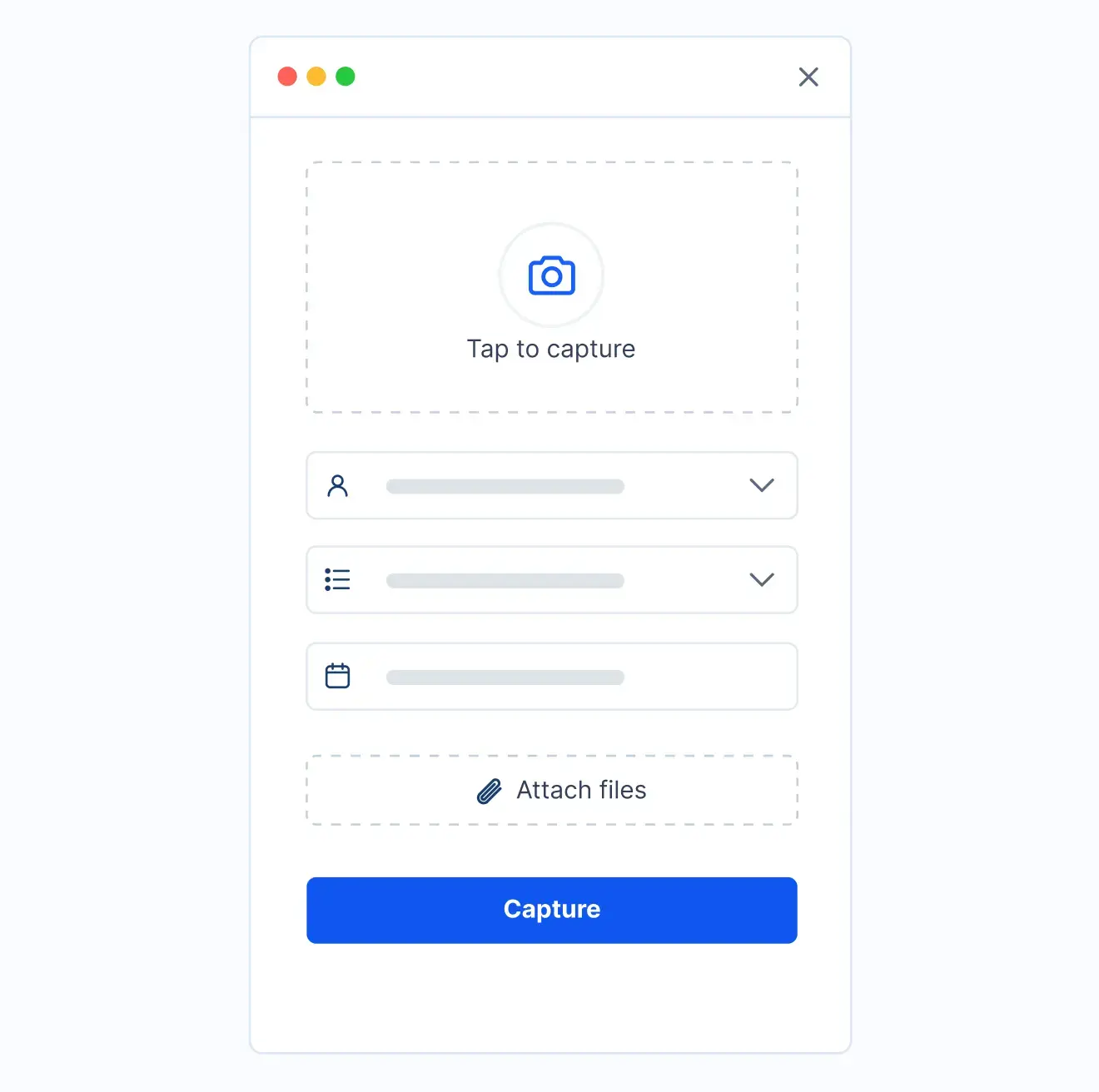
An incident report from any source is logged and checked for jurisdiction.
Assess
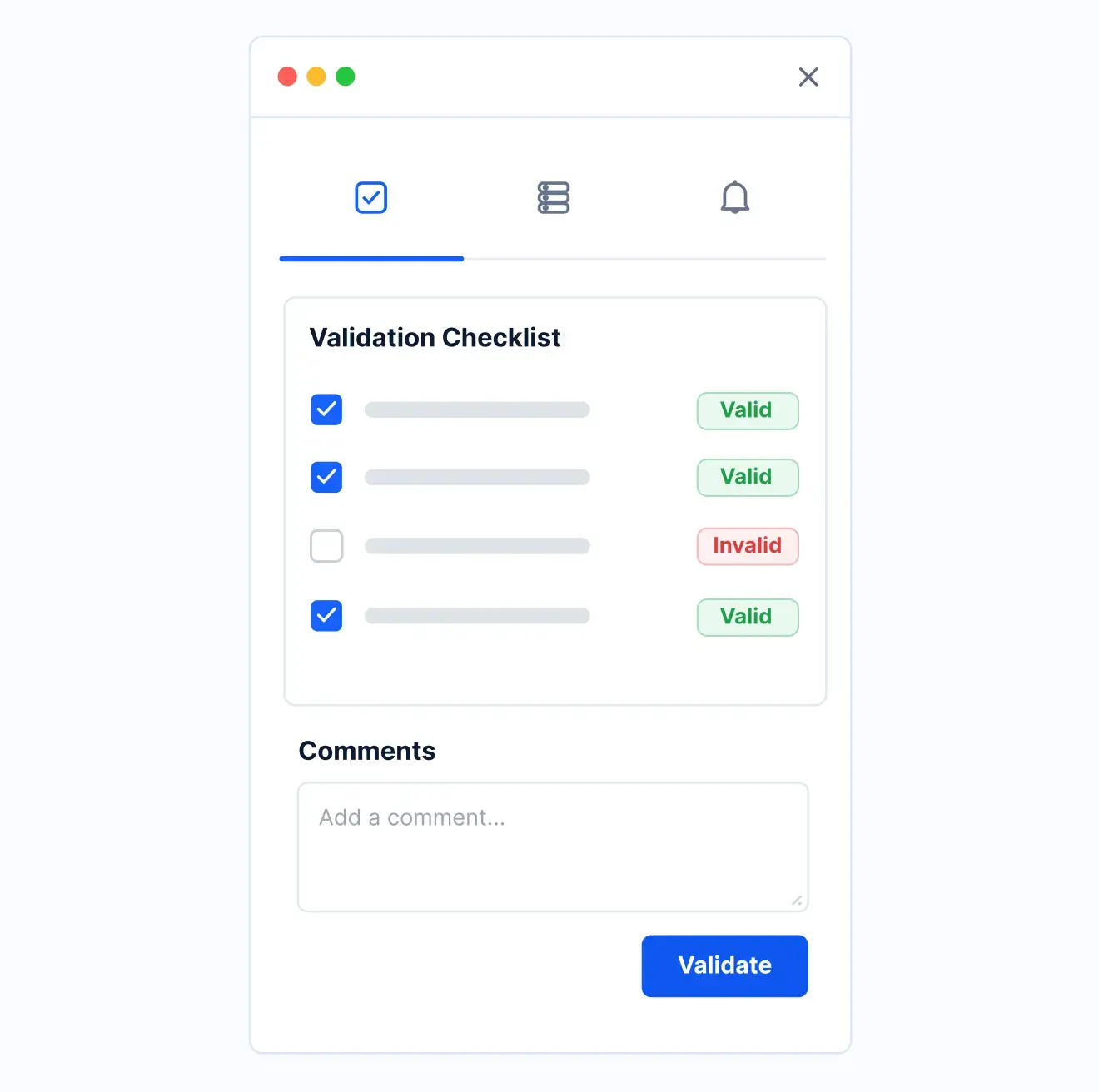
The case is assigned to a hearing officer or board, and evidence is attached as it is gathered.
Resolve
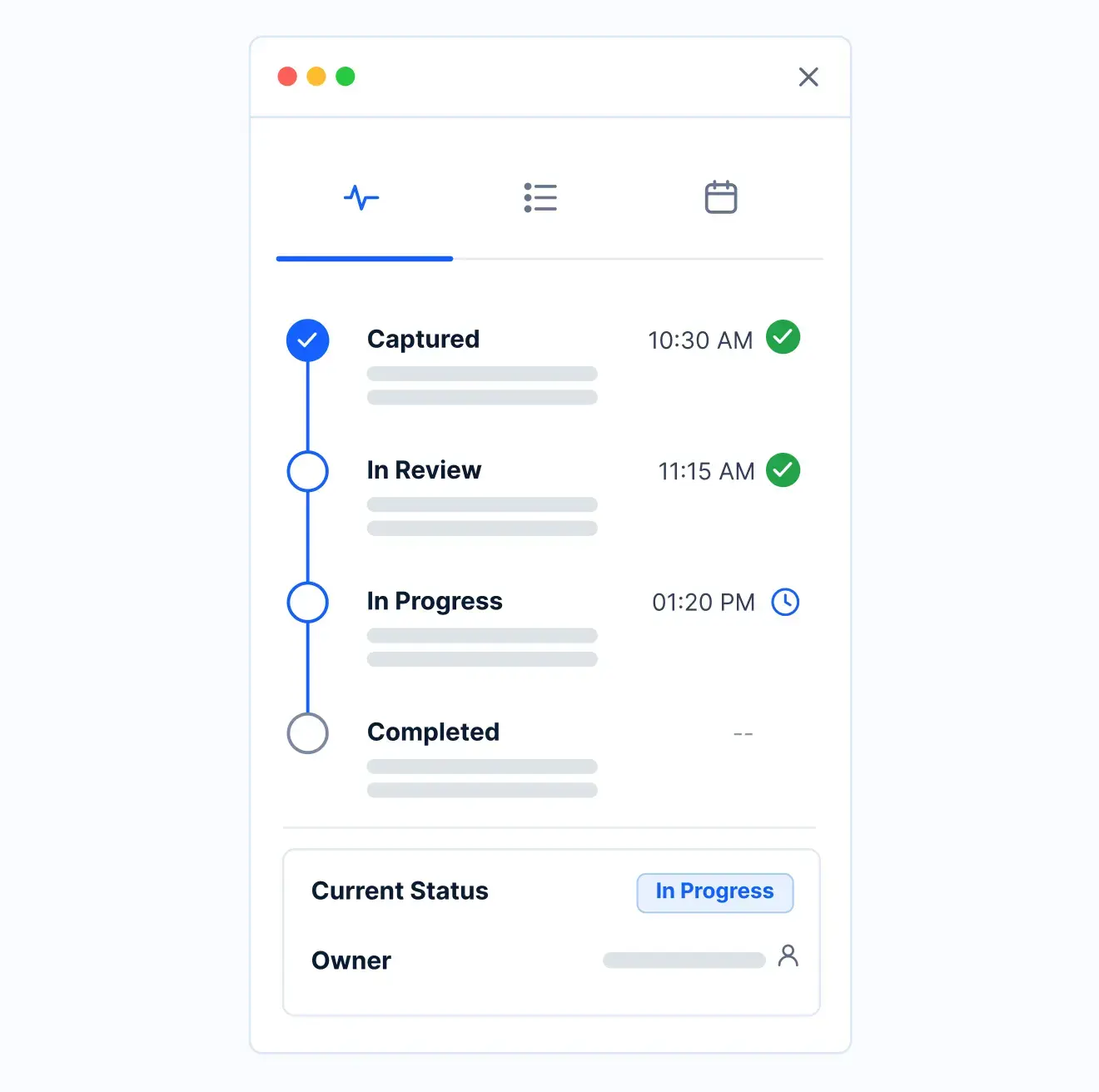
The hearing outcome and any sanction are documented on the case record.
Record
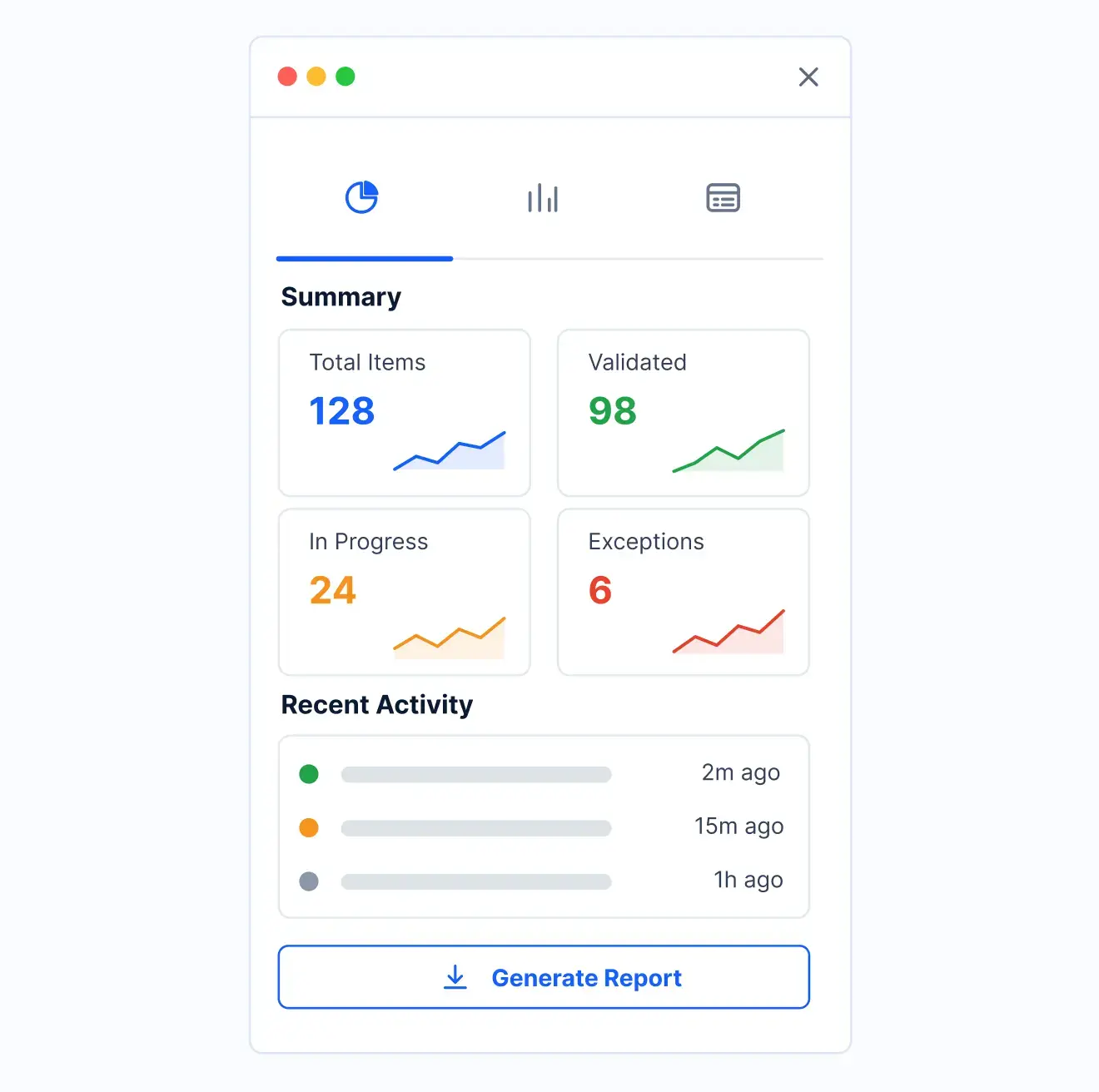
An appeal, if filed, is tracked against the full case history through final closure.
What changes when conduct cases run on Kissflow
| Process | Before Kissflow | On Kissflow |
|---|---|---|
| Report intake | Different formats from different reporters | One intake point regardless of reporting source |
| Jurisdiction | Decided by email, case by case | Routed by policy rules on the case record |
| Evidence | Scattered across email and personal files | Attached to the case as it's gathered |
| Hearing record | Notes from whoever ran the hearing | A documented outcome on the shared case file |
| Appeal | Starts with reconstructing the case | Starts from the full case history already on record |
| Closure | Tracked in whoever's memory closed it last | Logged with a final documented outcome |
Connects to your SIS and public safety systems
Kissflow does not replace your SIS, campus public safety's incident system, or your institution's formal hearing record of proceeding. It is the case management layer that coordinates intake, jurisdiction, investigation, and appeal.
.svg)



.svg)
.svg)
.svg)
.svg)

.svg)
.svg)
.svg)
.svg)
.svg)

.svg)

.svg)

.svg)
.svg)
.svg)
.svg)
.svg)
.svg)
.svg)
.svg)
.svg)

.svg)
Built for a case file that has to survive an appeal
Jurisdiction routed by policy, not by email
A case moves to the right office based on rules your institution sets, not an ad hoc decision.
Evidence stays with the case
Investigation materials attach to the record instead of scattering across inboxes.
A documented hearing outcome
Sanctions and reasoning are logged on the same record as the original report.
An appeal starts from a complete record
Full case history is available immediately, not reconstructed under time pressure.
Live in weeks
The dean of students office configures intake, routing, and hearing workflow in the visual builder.
Access restricted by role
Case records are visible only to assigned hearing officers, board members, and dean of students staff.
Related apps
Behavioral Intervention / CARE Team Case Management
The non-punitive, early-intervention counterpart, used when no violation is alleged.
Student Grievance & Title IX Case Management
The separate, federally regulated process for discrimination and sexual misconduct cases.
Academic Policy Enforcement & Exception Management
Where an academic-integrity finding intersects with broader academic policy enforcement.
We help dean of students offices keep a conduct case file intact from report to appeal
.gif)

“If a company cannot enable everybody to use AI, they will never get the true benefit of AI. Platforms like Kissflow allow us to put that capability in the hands of our users in a safe way.”
Vagesh Dave
GVP & CIO at McDermott International, Ltd
See The Full Story

“Advanced automation of all processes is easy to set up. I cannot imagine how to manage workflows without this software.”
Tanay Tiwary
Global Head - Digitalization & Business Improvement
See the Full Story

“Kissflow supports rapid application development by building a working application prototype in the shortest amount of time.”
Maria Theresa Cabigon
CIO, SN Aboitiz Power Group
See The Full Story
See what Kissflow can do for you
Talk to usGot questions? We're here to help.
Get SupportNo. CARE is non-punitive early intervention with no violation alleged. This app manages alleged code of conduct violations through hearing and possible sanction.
Title IX and related discrimination cases follow a separate federally regulated process with distinct investigator and decision-maker roles. This app covers general code of conduct matters, academic integrity, and policy violations outside that specific track.
Yes, with jurisdiction routing configured to your policy so each type reaches the right office and hearing process.
Yes. Evidence, witness statements, and the student's response attach directly to the case rather than living in separate files.
An appeal is logged against the full case history already on record, so the reviewing party isn't starting from a reconstructed file.
Access is role-based, limited to the assigned hearing officer, board members, and dean of students staff with a defined need.
Yes, in the visual builder, with the AI Builder able to generate a starting workflow from a description of your conduct process.
Yes. Kissflow is certified to SOC 1, SOC 2, SOC 3, and ISO/IEC 27001, and supports HECVAT review.