Behavioral Intervention and CARE Team Case Management
Kissflow gives a CARE or Behavioral Intervention Team one intake point for referrals from faculty, staff, RAs, and students, a triage board scored by risk, and a case record that tracks follow-up until the team is confident the student is supported, not just that the report was closed.

Trusted by leading universities worldwide





Nobody files a CARE report because a student is doing fine.
A referral to a CARE or Behavioral Intervention Team starts because someone, a professor who noticed a student stop showing up, an RA who found a note under a door, a classmate worried about something said in a group chat, decided the concern was serious enough to report. That referral can arrive through a web form, an email to the dean of students, a phone call, or a hallway conversation that gets relayed secondhand, and every one of those channels lands the same case in a different place with a different starting record.
Once it lands, the team has to triage fast: is this a student who needs an academic accommodation conversation, a referral to counseling, a wellness check today, or an immediate threat assessment. A missed or slow triage is the actual institutional risk here, not a filing error, and a caseload split across a shared inbox, a spreadsheet, and whoever remembers to follow up gives a team no reliable way to see which case has gone quiet.
Kissflow builds this as a governed case management app: intake from every referral channel onto one record, a triage board where the team scores and assigns risk level, SLA timers so a case can't quietly age past its check-in window, a resolution workflow that documents the intervention taken, a knowledge base of prior response patterns, and analytics across the caseload the team can bring to a weekly review.
What a CARE team caseload runs into without one system
Referrals arrive through five different doors
A web form, an email, a phone call, and a hallway conversation each start a case with a different record, if any record at all.
Triage depends on whoever reads it first
Without a shared risk rubric on one board, urgency gets judged inconsistently across cases.
Follow-up has no clock on it
A case can go quiet for weeks with nobody noticing the check-in window passed.
The team relearns the same response every time
Without a shared record of what worked on a similar case, each new one starts from scratch.
Six modules. Built for triage speed, not a shared inbox.
Every module ships with default forms, routing, and dashboards. Configure each one to your CARE team's process in the visual builder.
Multi-channel intake
Captures a referral from a web form, email, phone report, or in-person conversation onto one case record.
Risk triage board
Scores and assigns each case by risk level so urgent situations surface first.
SLA timers
Flags a case that's gone past its check-in window before it goes quiet.
Resolution workflow
Documents the intervention taken, referral made, and outcome for each case.
Response knowledge base
Gives the team a shared record of how similar cases were handled before.
Caseload analytics
Rolls up case volume, risk level, and outcomes for the team's regular review.
From request to system of record in four steps
Report
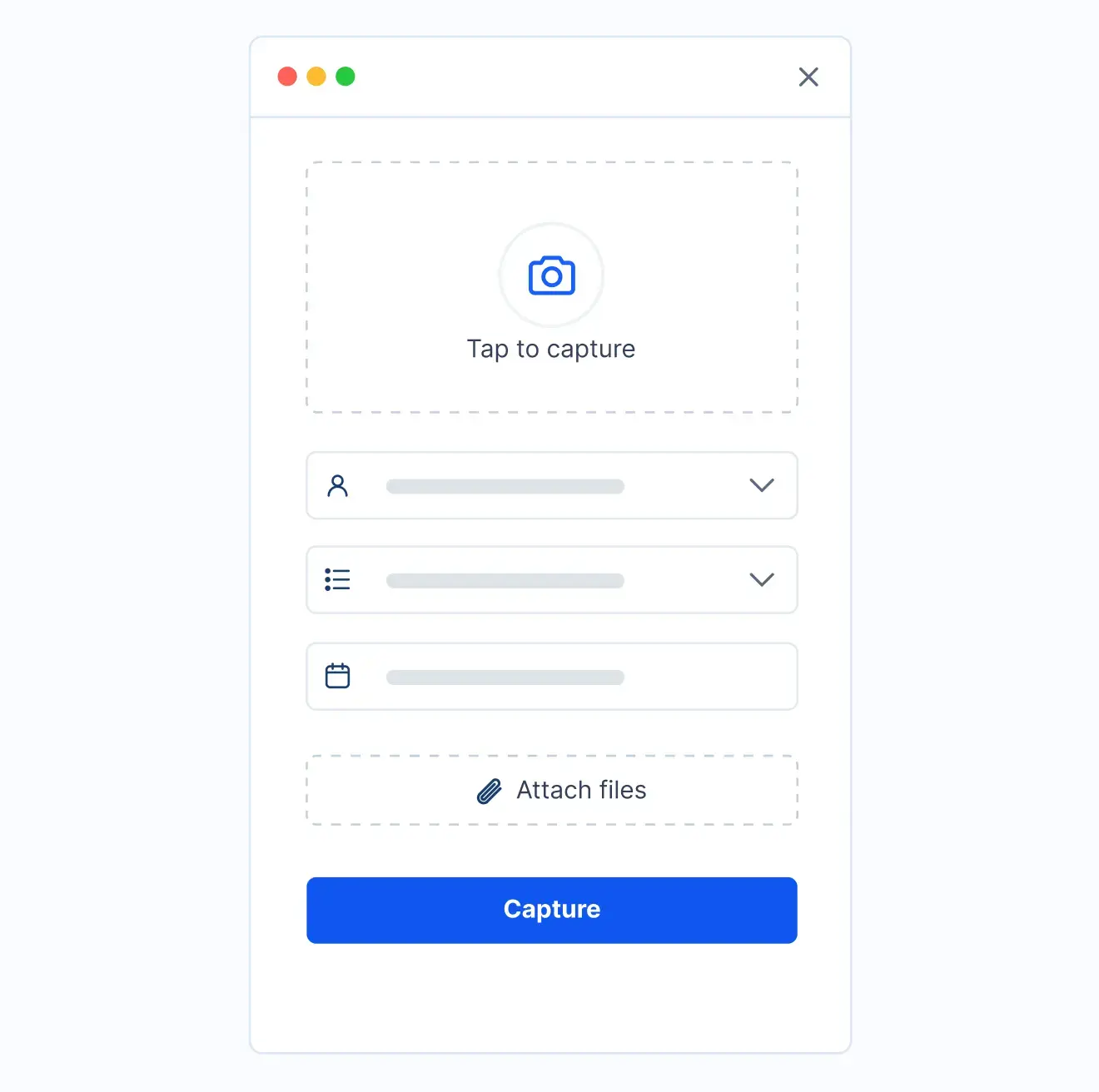
A faculty member, staff member, RA, or student submits a concern through any channel onto one case record.
Assess
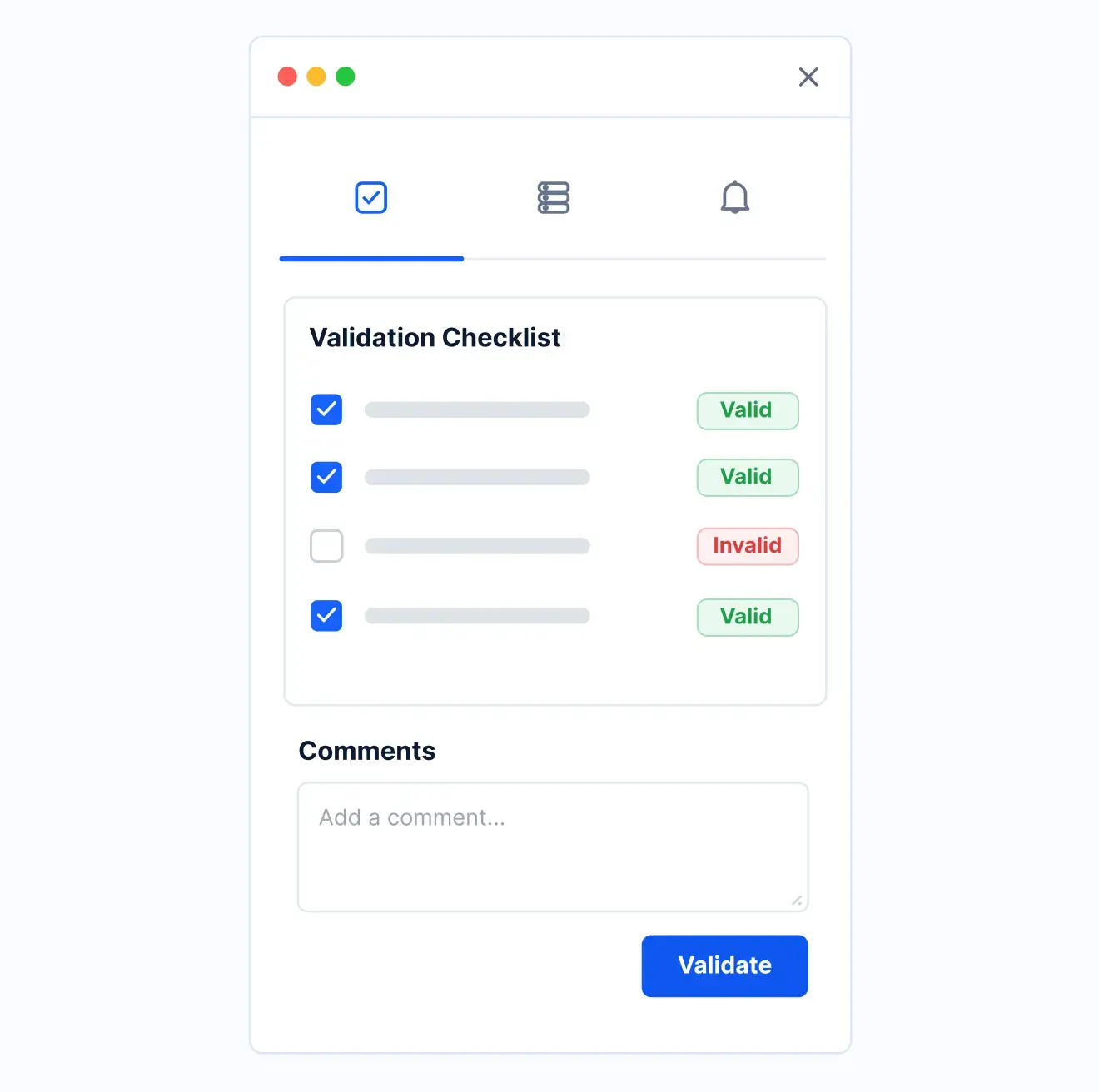
The team scores the case by risk on the triage board and assigns it to a case manager.
Resolve
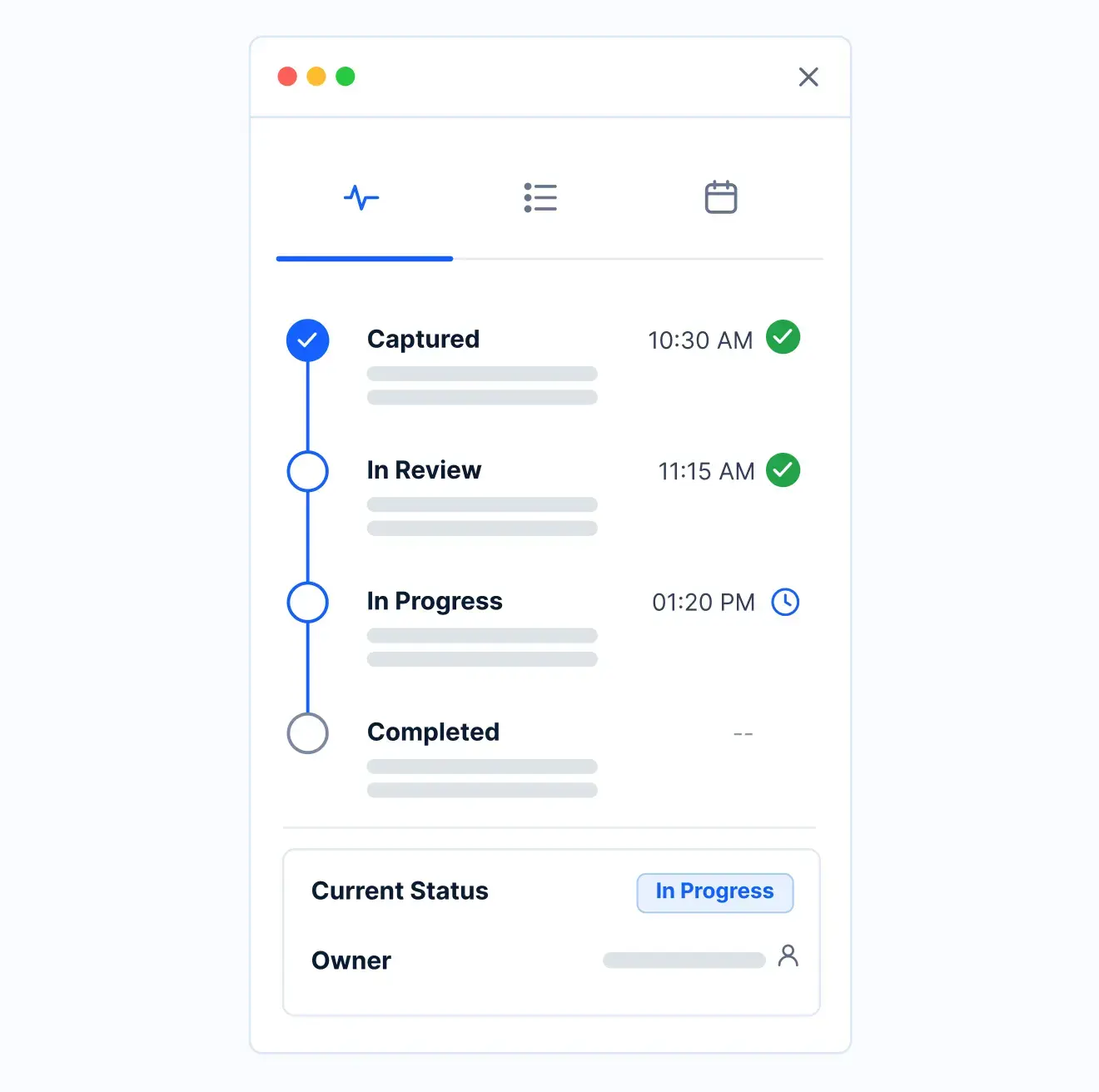
The case manager documents the response, referral, or check-in, tracked against the SLA timer.
Record
The case closes with a documented outcome, retained for the next similar referral or a later pattern review.
What changes when CARE case management runs on Kissflow
| Process | Before Kissflow | On Kissflow |
|---|---|---|
| Referral intake | A different starting point per channel | One case record regardless of how the referral arrived |
| Triage | Judged by whoever reads it first | Scored against a shared risk rubric on one board |
| Follow-up | Tracked in memory or a spreadsheet | An SLA timer flags a case before it goes quiet |
| Response history | Relearned case by case | A shared knowledge base of prior responses |
| Caseload visibility | Reconstructed for each team meeting | A live dashboard across every open case |
| Case record | Scattered across email and notes | One documented record from referral to resolution |
Connects to your student information and advising systems
Kissflow does not replace your SIS, counseling center's clinical record system, or public safety's incident system. It is the case management layer that coordinates a CARE team's own referral, triage, and follow-up process.
.svg)



.svg)
.svg)
.svg)
.svg)

.svg)
.svg)
.svg)
.svg)
.svg)

.svg)

.svg)

.svg)
.svg)
.svg)
.svg)
.svg)
.svg)
.svg)
.svg)
.svg)

.svg)
Built for triage speed and follow-up, not a shared inbox
A shared risk rubric, not individual judgment
Every case is scored the same way regardless of who read it first.
Follow-up has a clock on it
An SLA timer surfaces a case before the check-in window passes unnoticed.
The team doesn't start from scratch
A knowledge base of prior response patterns informs the next case.
One caseload view for the team
Every open case, its risk level, and its status in one dashboard.
Live in weeks
The dean of students office configures intake, triage, and routing in the visual builder.
Access restricted to the CARE team
Case records stay limited to team members and case managers with a defined need.
Related apps
Student Conduct / Judicial Case Management
The violation-and-sanction process, distinct from CARE's non-punitive, early-intervention posture.
Student Grievance & Title IX Case Management
The federally regulated discrimination and misconduct process, with its own separate procedural track.
Disability Services / ADA Accommodation Case Management
Where a CARE referral often leads if the underlying need is a documented accommodation.
We help CARE teams see a caseload, not reconstruct one from a shared inbox
.gif)

“If a company cannot enable everybody to use AI, they will never get the true benefit of AI. Platforms like Kissflow allow us to put that capability in the hands of our users in a safe way.”
Vagesh Dave
GVP & CIO at McDermott International, Ltd
See The Full Story

“Advanced automation of all processes is easy to set up. I cannot imagine how to manage workflows without this software.”
Tanay Tiwary
Global Head - Digitalization & Business Improvement
See the Full Story

“Kissflow supports rapid application development by building a working application prototype in the shortest amount of time.”
Maria Theresa Cabigon
CIO, SN Aboitiz Power Group
See The Full Story
See what Kissflow can do for you
Talk to usGot questions? We're here to help.
Get SupportNo. CARE case management is non-punitive and focused on early intervention and support. Student conduct handles alleged violations of the code of conduct with a hearing and possible sanction.
Title IX cases follow a federally regulated process for discrimination and sexual misconduct with its own procedural requirements. A CARE referral is a general concern about a student's wellbeing or behavior with no allegation of policy violation implied.
The intake form can be configured to accept anonymous referrals, consistent with your institution's CARE team policy.
The team applies its own risk rubric on the triage board; Kissflow provides the shared record and scoring workflow, not a clinical judgment.
An SLA timer flags any case that passes its check-in window without a documented follow-up.
Access is role-based. A case can be shared with counseling, disability services, or public safety only as the team decides.
Yes, in the visual builder, with the AI Builder able to generate a starting workflow from a description of your CARE team's process.
Yes. Kissflow is certified to SOC 1, SOC 2, SOC 3, and ISO/IEC 27001, and supports HECVAT review.