Shift Logbook with Approval
An electronic shift logbook records events, actions, and outstanding items through the shift, routes the handover for supervisor approval, and makes the operating history searchable. Kissflow runs that logbook with the approval step built in rather than bolted on.

Trusted by energy operators worldwide






Handover is a control, and a bound book is a poor place to keep one
Shift handover is one of the few genuine process safety controls that runs entirely on human communication. A bound logbook and a ten-minute conversation carry the plant state, the outstanding actions, the equipment that is not quite right, and the thing the oncoming shift needs to watch. Handled well, it prevents incidents. Handled at the end of a difficult shift by a tired operator, it drops exactly the item that mattered.
Kissflow structures the log without slowing it down. Entries are categorized as they are made, so an equipment abnormality reads differently from a routine note and carries forward until it is closed. Outstanding items roll to the oncoming shift automatically rather than depending on being rewritten. The supervisor approves the handover, which turns it from a conversation into a recorded control with a name against it.
Because the log is searchable, the operating history becomes usable. When an investigation asks what the unit was doing for the four shifts before an event, that is a query rather than a search through bound books.
A process safety control that runs on a bound book and ten minutes
The log is free text
Everything is written the same way, so an equipment abnormality reads like a routine note and is treated as one.
Open items depend on being rewritten
An unresolved issue survives only if the outgoing operator remembers to copy it forward at the end of a long shift.
Handover has no record
The most important communication in the operating day leaves no evidence that it happened or what it covered.
History is unsearchable
Reconstructing what a unit was doing over four previous shifts means reading through bound books.
Six process modules
Every module ships with default entry categories, carry-forward rules, approval routing, and dashboards. Configure each one to your operation in the visual builder.
Structured log entry
Entries categorized as they are made, covering equipment abnormalities, process changes, safety events, permits in force, and routine notes, on any device in the control room or field.
Carry-forward items
Open items rolling automatically to the oncoming shift until closed, so an unresolved abnormality does not depend on being rewritten each handover.
Handover approval
Supervisor review and approval of the handover, turning it into a recorded control with a named accountable person rather than an undocumented conversation.
Multi-position logs
Separate logs per console, unit, or position with a consolidated shift view, so a control room and a field position each keep their own record without losing the whole picture.
Searchable operating history
Full search across entries by unit, equipment tag, category, and date, so reconstructing plant state before an event is a query rather than a manual search.
Recurring issue reporting
Reporting on repeated abnormalities, long-running carry-forward items, and handover completeness by shift and position.
From request to system of record in four steps
Capture
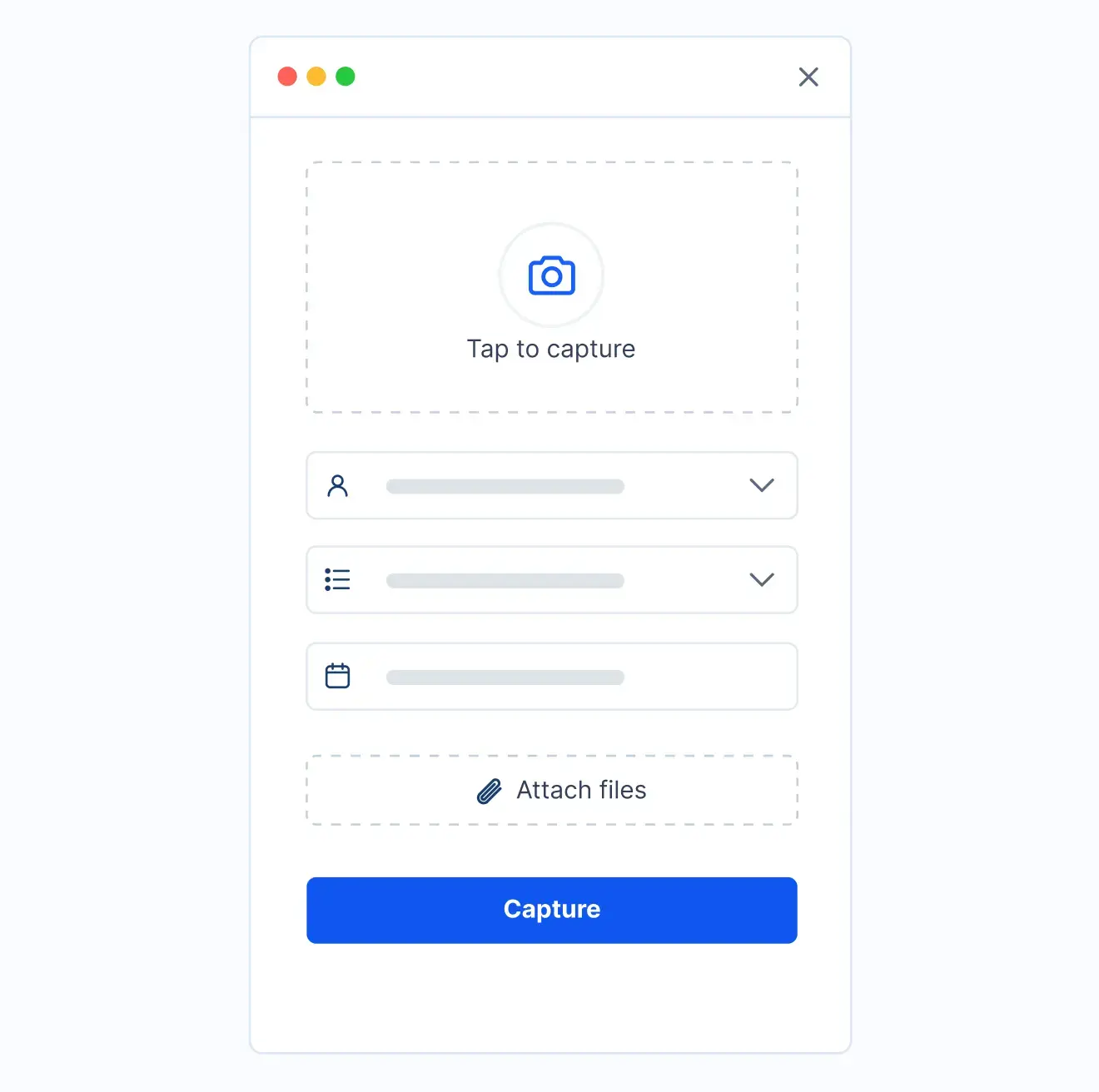
Operators record events, actions, abnormalities, and notes through the shift, categorized as they are entered, from the control room or the field.
Validate
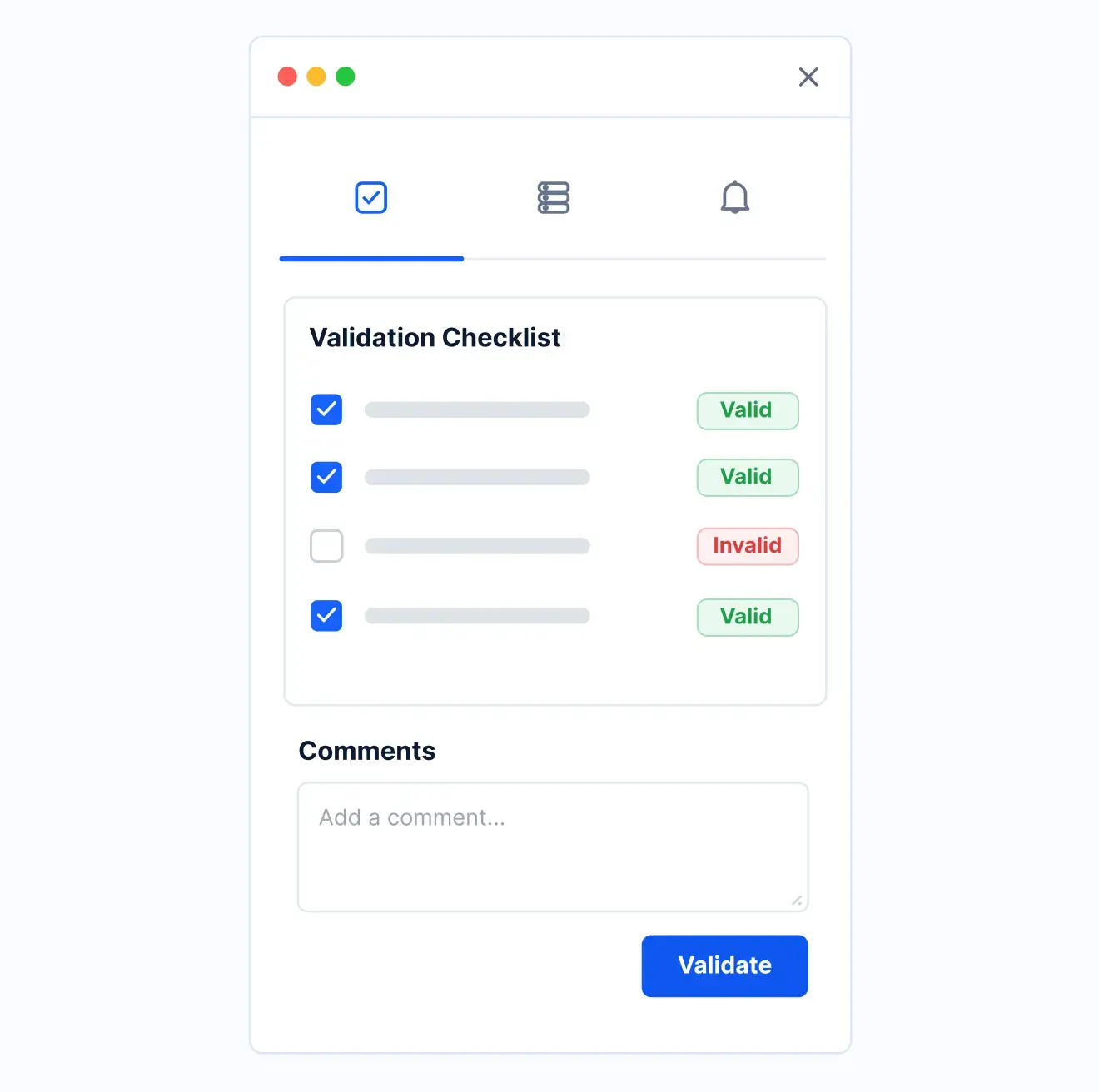
Entries are checked for the detail their category requires, the handover routes for supervisor approval, and open items from the previous shift are confirmed still open or closed rather than silently dropped.
Track
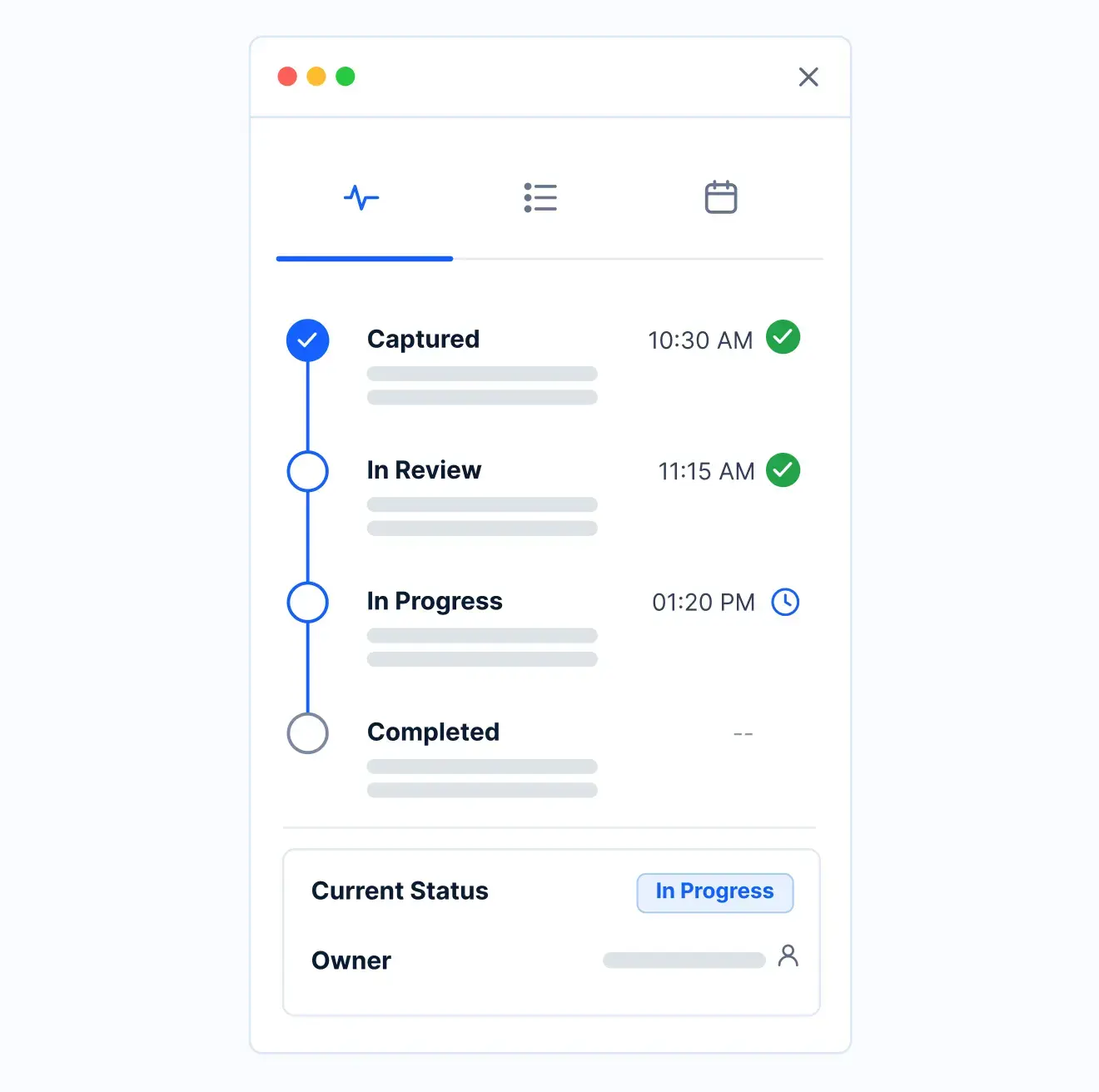
Carry-forward items roll to the oncoming shift until closed, and long-running items and repeated abnormalities surface as exceptions.
Report
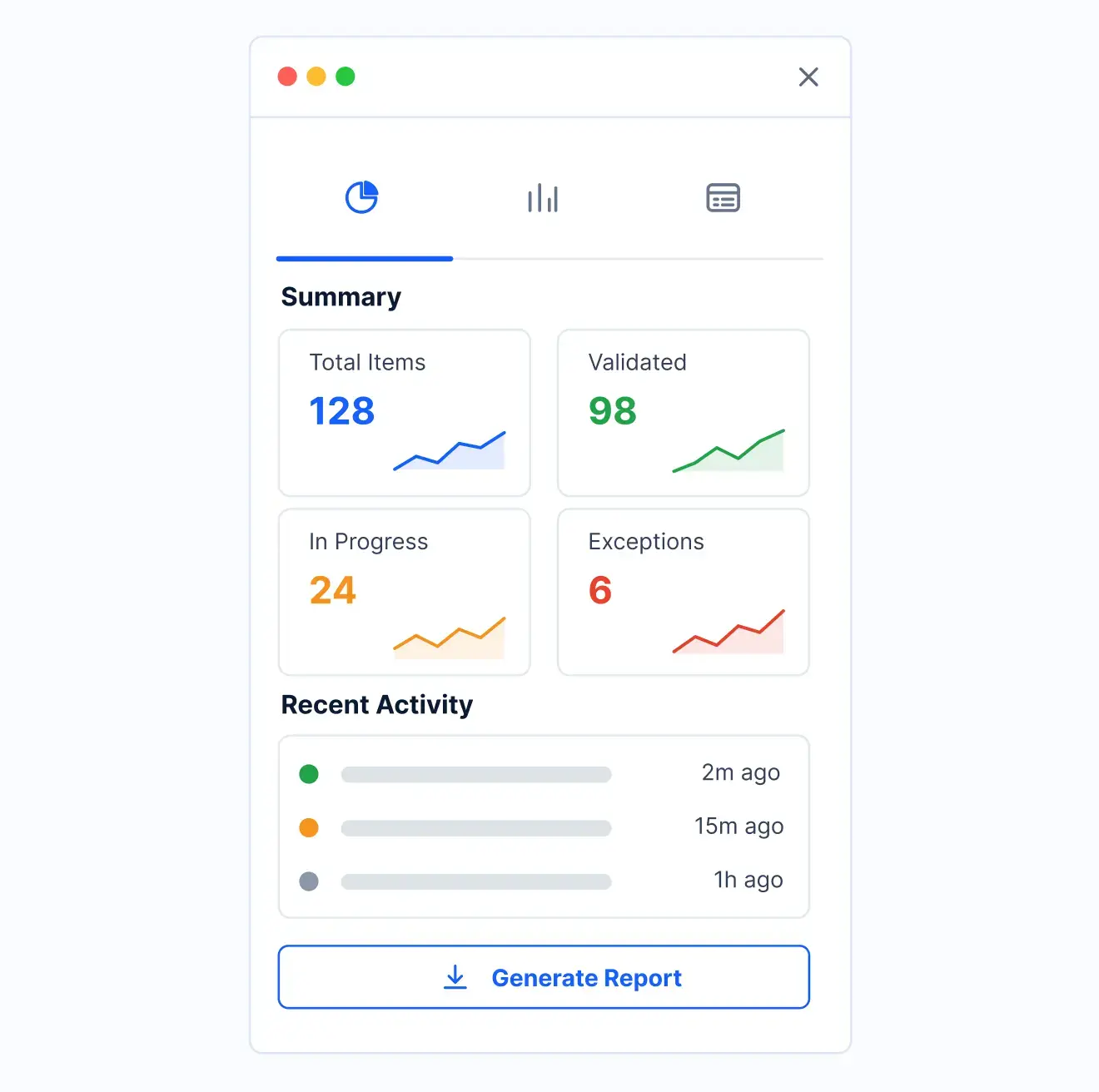
The logbook is the operating record, so history is searchable by unit, tag, category, and date for investigations, handover review, and recurring-issue analysis.
What changes when the shift logbook runs on Kissflow
| Process | Before Kissflow | On Kissflow |
|---|---|---|
| Log entry | Free text in a bound book | Categorized entries with the detail each type needs |
| Carry-forward items | Rewritten each shift, or forgotten | Rolled automatically until closed |
| Handover | A conversation with no record | An approved control with a named accountable person |
| Multi-position logs | Separate books that never meet | Separate logs with a consolidated shift view |
| History search | Reading through bound books | A query by unit, tag, category, and date |
| Recurring issues | Noticed by long-serving operators | Reported from the entries themselves |
Connects to the systems your operation already runs on
.svg)



.svg)
.svg)
.svg)
.svg)

.svg)
.svg)
.svg)
.svg)
.svg)

.svg)

.svg)

.svg)
.svg)
.svg)
.svg)
.svg)
.svg)
.svg)
.svg)
.svg)

.svg)
Built for a handover that has to work at 06:00
Nothing depends on being rewritten
Open items carry forward automatically, which removes the most common way a critical item is lost at handover.
Handover becomes a recorded control
Supervisor approval puts a name against the handover instead of leaving it as an undocumented conversation.
History you can actually query
Reconstructing what the unit was doing before an event takes a query rather than an afternoon with bound books.
A logbook, not a historian
Your historian holds the process data. Kissflow holds what the people did, saw, and handed over.
Governed from day one
Single sign-on, role-based access, and a timestamped audit log are how the app is built. Kissflow runs in the business-process layer, segmented from the OT and control network.
Live in weeks, not a program
Configure in the visual builder, or describe the standard and let the AI Builder generate the app. Delivery moves from weeks to days.
Related apps
Production operations startup and shutdown
Coordinate unit startups and shutdowns with readiness gates and step sign-offs on one board.
SCADA exception response workflow
Turn escalated control room exceptions into tracked cases with owners, deadlines, and closure records.
Tank farm movement logbook
Record tank line-ups, movements, and status across the tank farm with a live shift view.
We help operations leaders make handover a control rather than a conversation
.gif)

“If a company cannot enable everybody to use AI, they will never get the true benefit of AI. Platforms like Kissflow allow us to put that capability in the hands of our users in a safe way.”
Vagesh Dave
GVP & CIO at McDermott International, Ltd
See The Full Story

“Advanced automation of all processes is easy to set up. I cannot imagine how to manage workflows without this software.”
Tanay Tiwary
Global Head - Digitalization & Business Improvement
See the Full Story

“Kissflow supports rapid application development by building a working application prototype in the shortest amount of time.”
Maria Theresa Cabigon
CIO, SN Aboitiz Power Group
See The Full Story
See what Kissflow can do for you
Talk to usGot questions? We're here to help.
Get SupportIt records shift events, actions, and outstanding items in structured categories, carries open items forward automatically, and routes the handover for supervisor approval so it becomes a recorded control with an accountable name against it.
Shift handover is a process safety control. Approval turns it from an undocumented conversation into a recorded event with a named accountable person, which is what an investigation or an audit looks for.
No. Your historian holds process data. The logbook holds what people observed, did, and handed over, which is the context the process data cannot supply.
Yes. Each console, unit, or field position keeps its own log, with a consolidated shift view so the whole picture is available without merging separate books.
Yes. Fields, categories, routing rules, and escalation thresholds are configured by the process owner in the visual builder, and every change is written to the same audit log as a manual edit.
No. Kissflow runs in the business-process layer alongside the systems you already own and connects to them through APIs and integration connectors. It does not replace your EHS suite, your ERP, or your maintenance system, and it does not operate inside the control system.
No. Kissflow AI maps natural language to platform metadata and produces an inspectable blueprint, so every app is auditable and the process owner can maintain it.
Kissflow is certified to SOC 1, SOC 2, SOC 3, ISO/IEC 27001, HIPAA, GDPR, and CCPA, hosted on Google Cloud with data residency in the US, EU, APAC, and Oceania.