Remote Surveillance Control Software for Unmanned Sites
Kissflow governs who can request a remote action at an unmanned site, who has to approve it before it's authorized, and what gets logged when a camera or sensor flags something that needs a human decision, without ever touching the control layer itself.
Trusted by energy operators worldwide






Nobody drives forty minutes to a remote wellsite to check a valve position anymore. Someone still has to decide, from a screen, whether that valve should move.
Nobody drives out to an unstaffed compressor station to double-check what a camera already flagged. Unmanned wellsites, remote pump stations, and unstaffed compressor stations run on cameras, sensors, and a control system that lets an operator act from a control room instead of a truck. What that setup doesn't do on its own is govern who's allowed to request a remote action, who approves it, and what gets logged when a camera catches something that needs a human decision.
Without that governance layer, a remote action gets requested over a radio call or a chat message, actioned by whoever picks it up, and left with no record of who asked, who approved it, or why. When an incident review needs to reconstruct what happened at 2 a.m. at a site nobody was standing at, there's nothing to reconstruct from beyond someone's memory of the call.
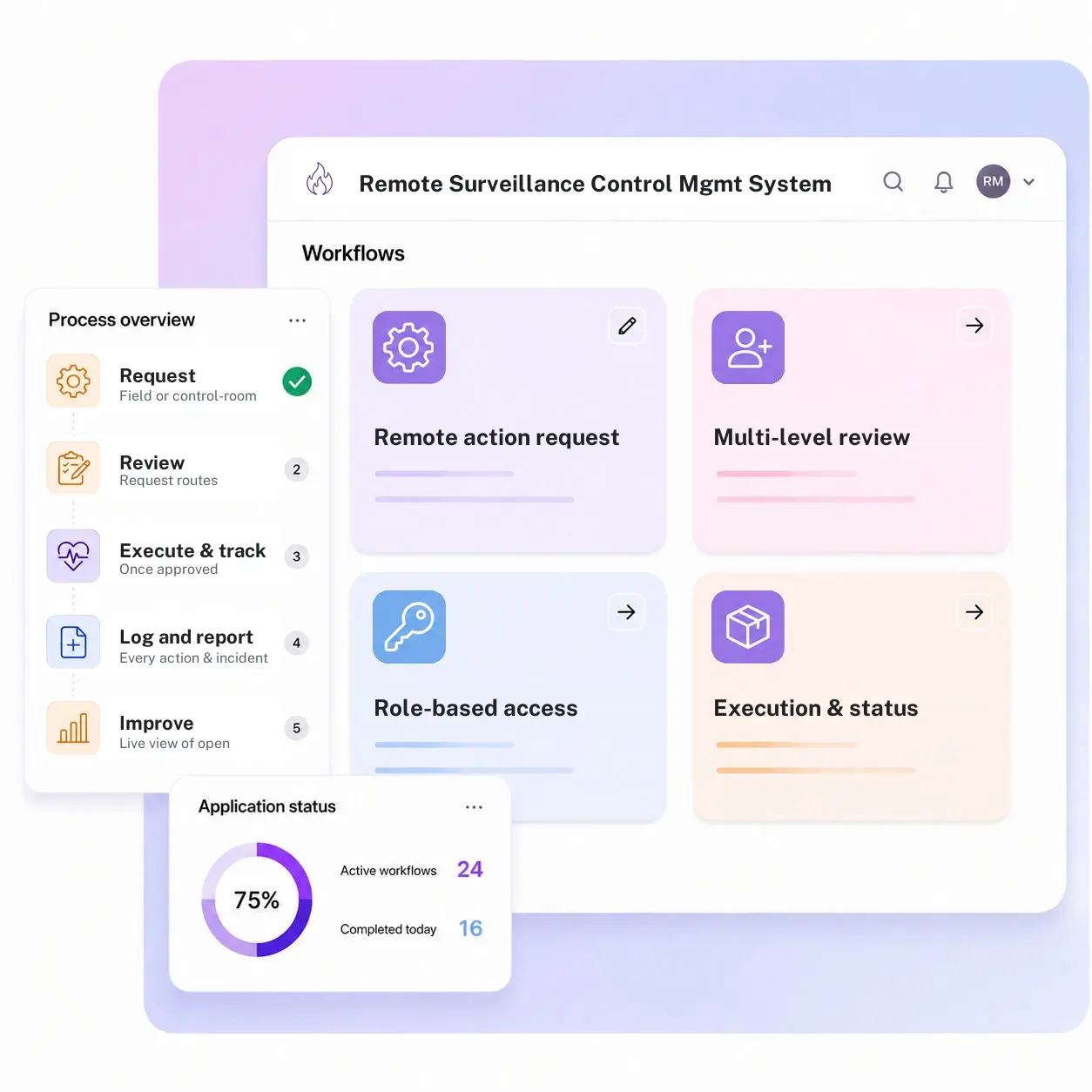
Kissflow runs the governance layer around remote surveillance and control: request intake for a remote action, multi-level review and approval before it's authorized, role-based access to camera feeds and control permissions, execution and status tracking, and a surveillance incident log with reporting dashboards.
Where remote-site governance breaks down between the camera and the decision
No authorization trail
A remote action gets requested over radio or phone and carried out with no record of who approved it or why.
Access isn't scoped
Camera feeds and remote-control permissions aren't matched to role, so more people than necessary can view or act on a remote site.
Incidents go unlogged
A camera catches an intrusion or anomaly, and the only record is whoever happened to be watching at the time.
No cross-site visibility
Each remote site's activity sits in its own silo, so a pattern across multiple sites never surfaces.
Six modules. Governance for the edge of the network.
Every module ships with default forms, routing, and dashboards. Configure each one to your remote-site access policy.
Remote action request intake
A structured request captures what's being asked, which site, and which asset, instead of a radio call with no record.
Multi-level review and approval
A remote-control request routes to the right approver by site and action type before it's authorized.
Role-based access
Camera feeds and control permissions are scoped to role, so a contractor or field tech sees only what their job requires.
Execution and status tracking
Once approved, the request's status is tracked from authorization through execution and confirmation.
Surveillance incident log
Anything a camera or sensor flags gets logged as an incident record, not left to whoever was watching the feed.
Reporting dashboards
A live view of open requests, approval turnaround, and incident activity across every remote, unmanned site.
From request to system of record in four steps
Submit
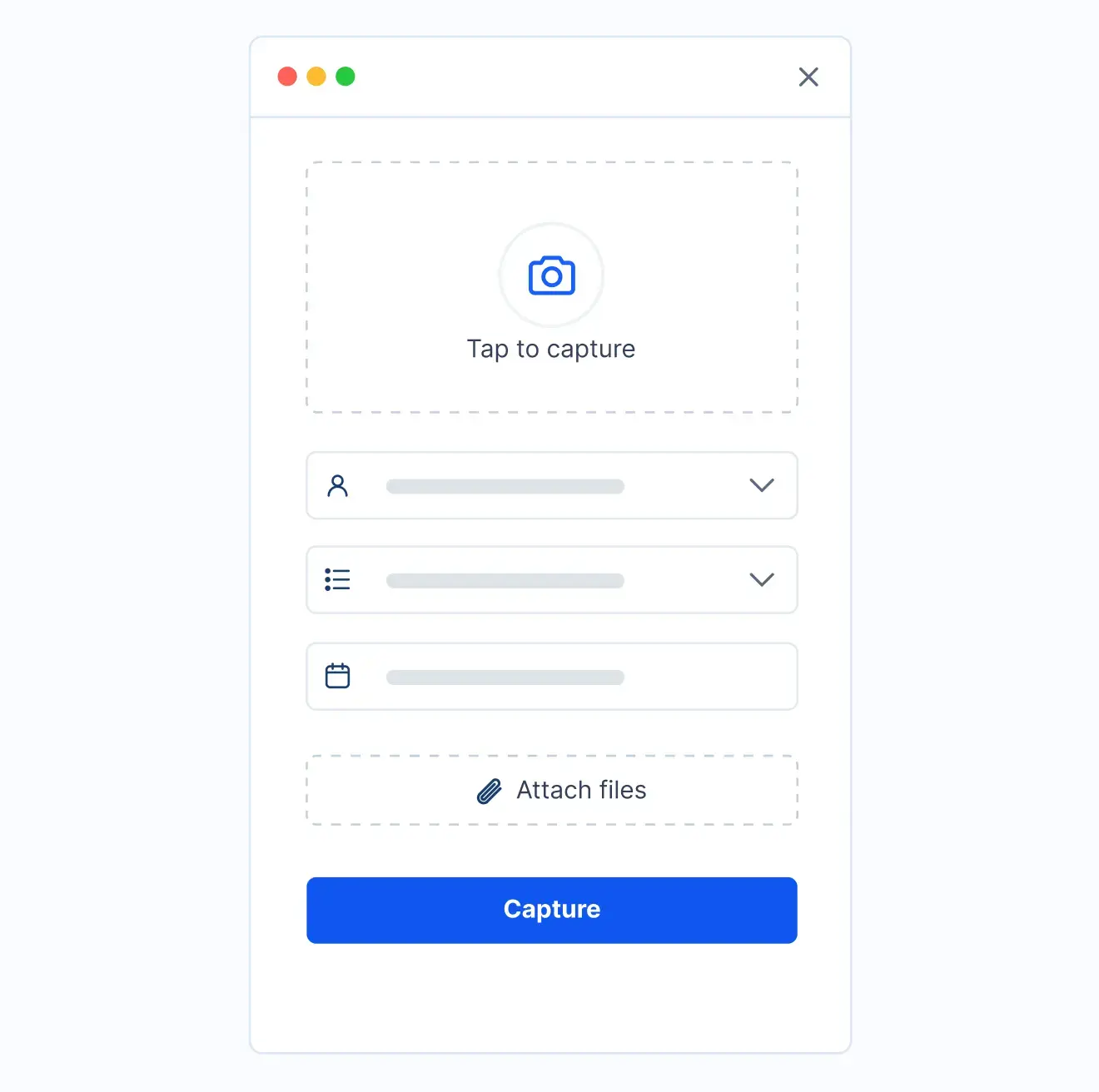
A field or control-room user submits a structured request for a remote action, or flags a surveillance incident.
Review
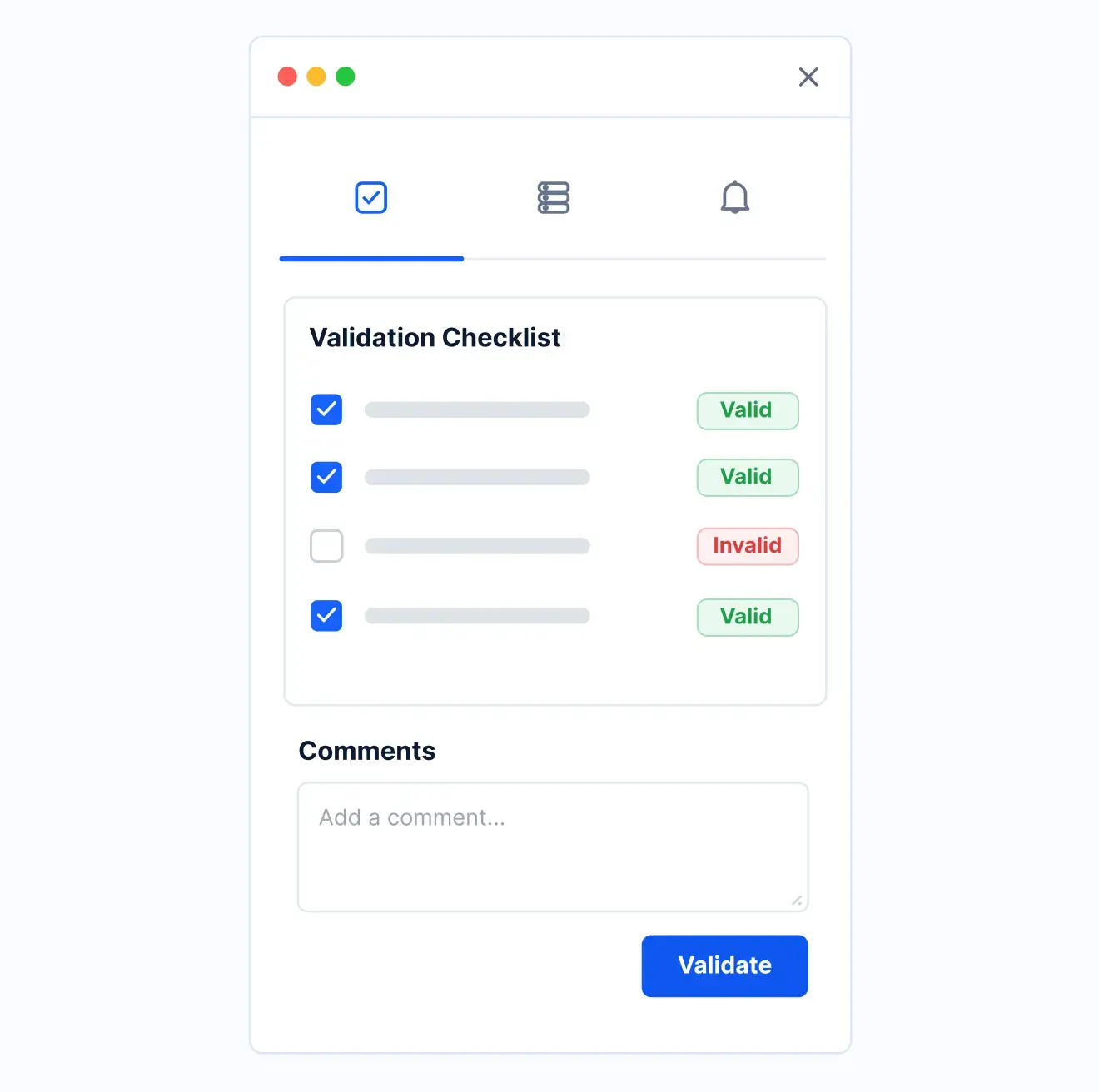
The request routes to the right approver based on site and action type, with the reasoning on record.
Approve
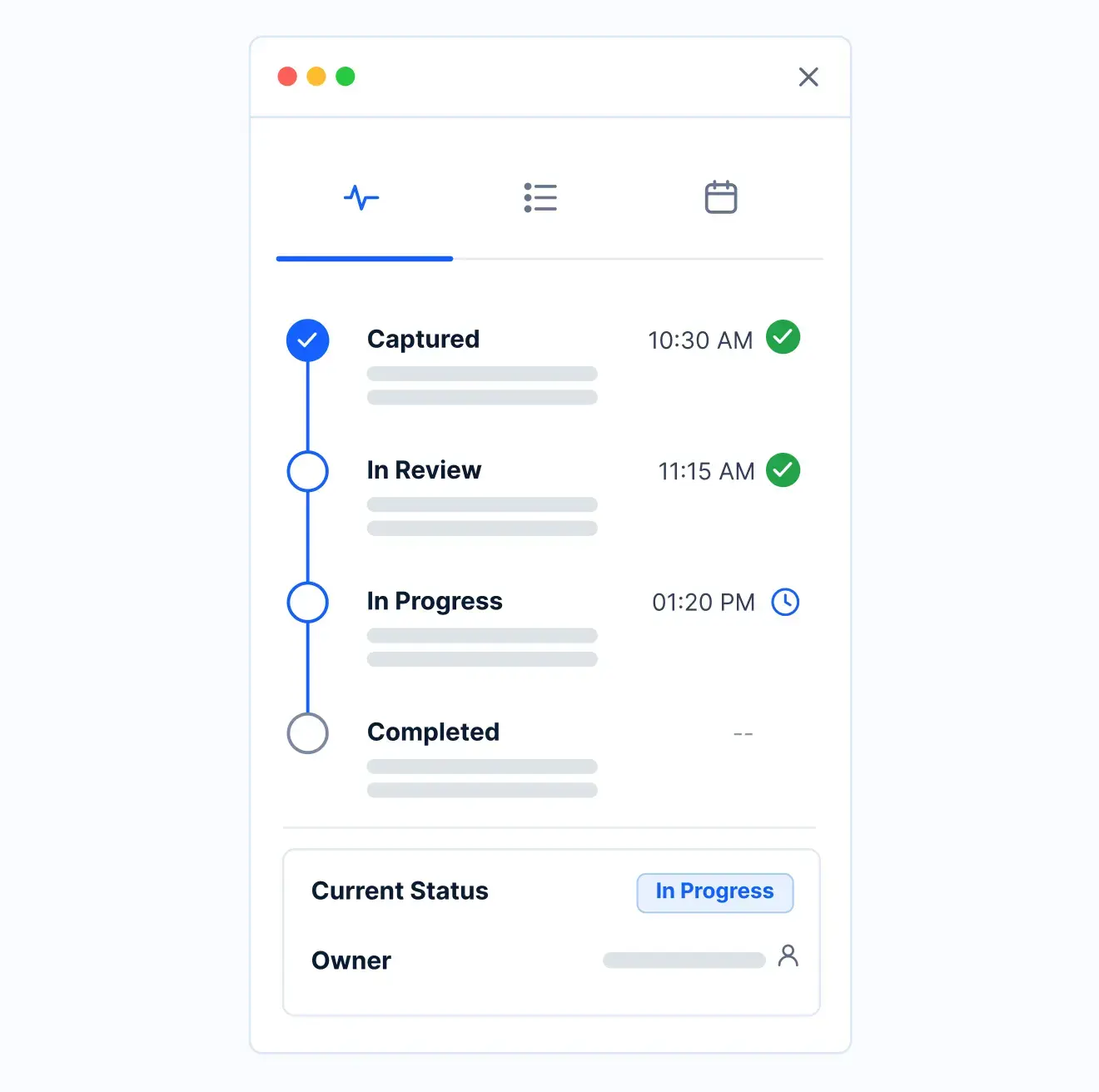
Once approved, the request's execution is authorized and tracked from authorization through final confirmation, without ever touching the control layer itself.
Record
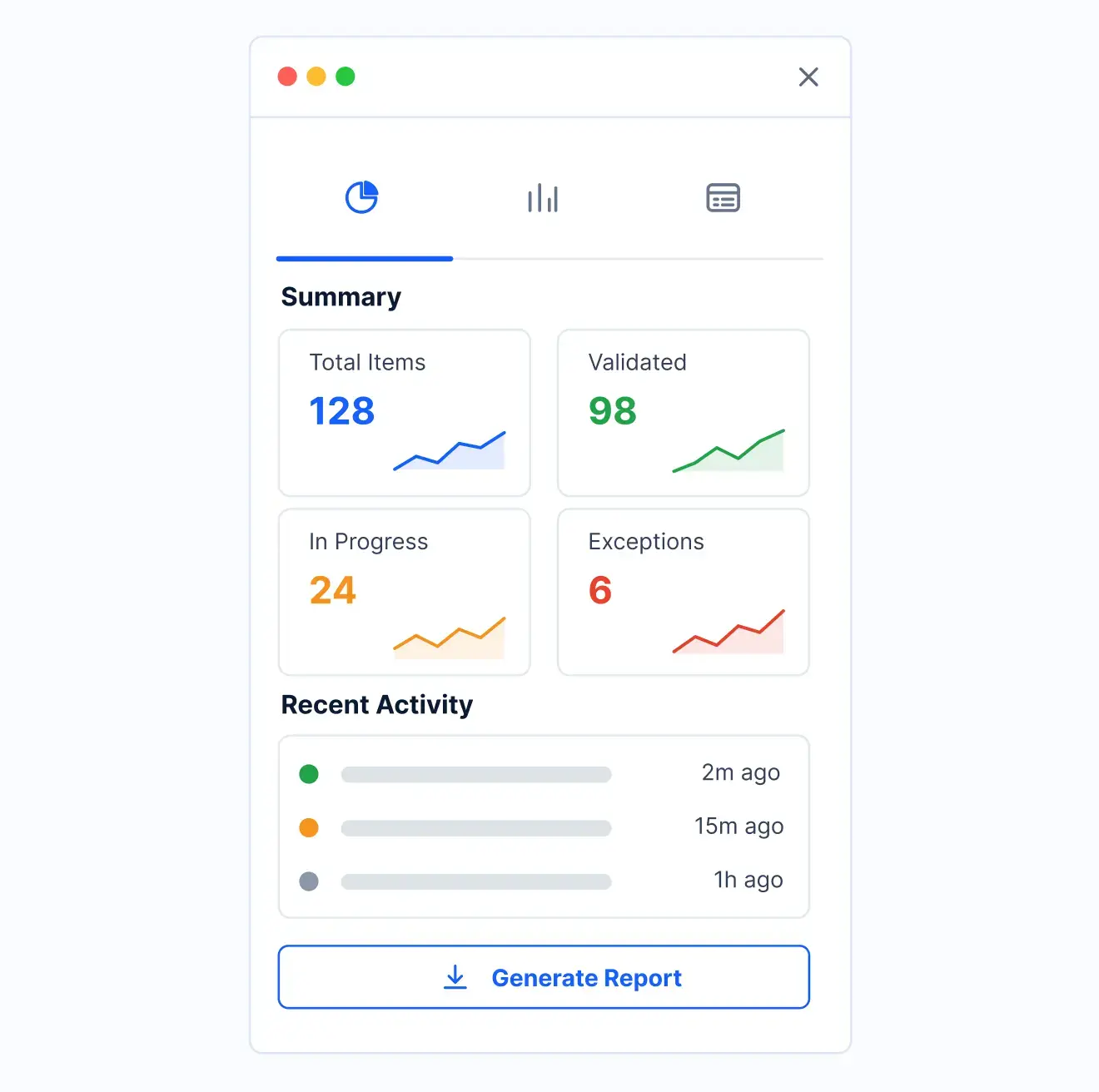
Every action and incident closes into a searchable record, rolled up into cross-site dashboards.
What changes when remote-site governance runs on Kissflow
| Process | Before Kissflow | On Kissflow |
|---|---|---|
| Remote action requests | Called in over radio, no record of who approved it | Submitted through a structured form and routed for approval |
| Approval trail | Verbal, reconstructed from memory after the fact | Logged with approver, timestamp, and reasoning |
| Camera and control access | Broad access with no role distinction | Scoped to role, site, and action type |
| Incident logging | Depends on whoever's watching the feed at the time | Every flagged event becomes a tracked incident record |
| Cross-site visibility | Each site's activity sits in its own silo | One dashboard rolls up activity across every remote site |
| Audit readiness | Reconstructed from radio logs and memory | A complete, searchable authorization and incident trail |
Connects to your CCTV, sensor, and remote-control (SCADA) systems; the control layer stays the system of execution
Kissflow does not operate inside your SCADA or control system and never issues a command to field equipment directly. It runs the request, approval, access, and incident-logging workflow around who is authorized to ask for a remote action and what happened when the cameras flagged something.
.svg)



.svg)
.svg)
.svg)
.svg)

.svg)
.svg)
.svg)
.svg)
.svg)

.svg)

.svg)

.svg)
.svg)
.svg)
.svg)
.svg)
.svg)
.svg)
.svg)
.svg)

.svg)
Built for how remote-site oversight actually works
Governance, not control
Kissflow never touches the control layer. It governs who can request a remote action and who has to approve it first.
Access scoped to role
Camera feeds and control permissions are matched to what a role actually needs to see or request.
Every incident logged
A flagged event becomes a record automatically, not a memory of whoever was watching.
Live in weeks
Configure request types and approval routing in the visual builder, or describe the use case to the AI Builder.
Governed from day one
Role-based access and a complete audit log are built into every request and every incident.
One view across every remote site
Operations and HSE see the same live picture instead of separate site-by-site logs.
Related apps
Security Breach Escalation Tracker
Escalate and manage the response to a confirmed physical security breach.
SCADA Exception Response Workflow
Route SCADA-flagged exceptions to the right responder without operating inside the control layer.
Job Safety Analysis (JSA) Management System
Break a remote job into its steps and route the hazard review before a crew is dispatched.
We help operations teams govern remote sites without adding another control system
.gif)

“If a company cannot enable everybody to use AI, they will never get the true benefit of AI. Platforms like Kissflow allow us to put that capability in the hands of our users in a safe way.”
Vagesh Dave
GVP & CIO at McDermott International, Ltd
See The Full Story

“Advanced automation of all processes is easy to set up. I cannot imagine how to manage workflows without this software.”
Tanay Tiwary
Global Head - Digitalization & Business Improvement
See the Full Story

“Kissflow supports rapid application development by building a working application prototype in the shortest amount of time.”
Maria Theresa Cabigon
CIO, SN Aboitiz Power Group
See The Full Story
See what Kissflow can do for you
Talk to usGot questions? We're here to help.
Get SupportNo. Kissflow never operates inside the SCADA or control layer. Your control system stays the system of execution; Kissflow runs the request, approval, access, and incident-logging governance around it.
Security Breach Escalation Tracker manages the response to a confirmed physical security incident. Remote Surveillance Control Management System governs day-to-day access, remote-action requests, and general surveillance logging, of which a security breach is one possible outcome.
No. Kissflow governs the request and approval around a remote action. The actual command runs through your existing control system.
Whoever your access policy allows, configured by role, site, and action type.
A user flags what a camera or sensor caught, and it becomes a tracked record with a timestamp, site, and resolution status.
Yes. Every site has its own access and approval configuration, rolled up into one cross-site dashboard.
Configuration and AI-assisted app generation move delivery from a multi-month program to a matter of weeks.
Kissflow is certified to SOC 1, SOC 2, SOC 3, and ISO/IEC 27001, with role-based access and a full audit log on every request and incident.