Procurement Package Progress Software for Capital Projects
Kissflow rolls up every procurement package's status, from RFQ through fabrication percent complete to shipment, in one weighted register, so nobody has to check three different trackers or chase a dozen buyers just to answer a simple status question.

Trusted by energy operators worldwide





The RFQ went out on schedule. Nobody has checked on package PKG-0087 since.
A capital project can have dozens of procurement packages open at once, structural steel, piping bulk materials, electrical switchgear, instrumentation, each moving through RFQ, technical evaluation, award, fabrication, and shipment on its own timeline with its own buyer. A package doesn't announce that it's stalled; it just quietly stops moving between updates, and a buyer juggling a dozen packages doesn't always notice which one went quiet first. A separate tracker per buyer holds that buyer's own view of progress. It can't roll every package into one weighted view, or flag the one that hasn't moved without someone chasing down every buyer for a status check.
Kissflow rolls every package's status into one weighted percent-complete register: each package is logged with its scope, buyer, and required-on-site date, tracked stage by stage from RFQ through shipment, with a consistent weighting so the number isn't a buyer's estimate. A package that hasn't moved between update points is flagged automatically, and buyers log status against their own packages instead of a spreadsheet.
Project controls sees which packages have gone quiet, sliceable by category, buyer, or date.
Where procurement package status goes stale between updates
Each buyer tracks their own packages differently
One spreadsheet, one inbox, one memory, package status depends entirely on who's asked.
Fabrication percent complete isn't weighted consistently
One buyer's idea of mostly complete means something different than another's, so the roll-up can't be trusted.
A stalled package doesn't surface until someone asks
PKG-0087 hasn't moved in three weeks, and nobody notices until the weekly review specifically asks about it.
There's no single view across every open package
Answering how procurement is doing overall means pulling data from a dozen separate sources.
Six modules. Every procurement package's status, from RFQ to shipment, rolled up in one weighted register.
Configure your package list, milestone weighting, and reporting cadence to your procurement plan.
Package register
Every procurement package is logged with its scope, assigned buyer, and required-on-site date in one register.
Milestone tracking
RFQ, technical evaluation, award, fabrication, and shipment are tracked stage by stage for each package.
Weighted percent complete
Each package's percent complete is calculated against a consistent weighting, not a buyer's individual estimate.
Stalled package flagging
A package that hasn't moved between its expected update points is flagged automatically for follow-up.
Buyer status updates
Buyers log status updates directly against their assigned packages, replacing separate personal spreadsheets.
Portfolio dashboard
Every package's status rolls up into one portfolio view, sliceable by category, buyer, or required-on-site date.
From request to system of record in four steps
Capture
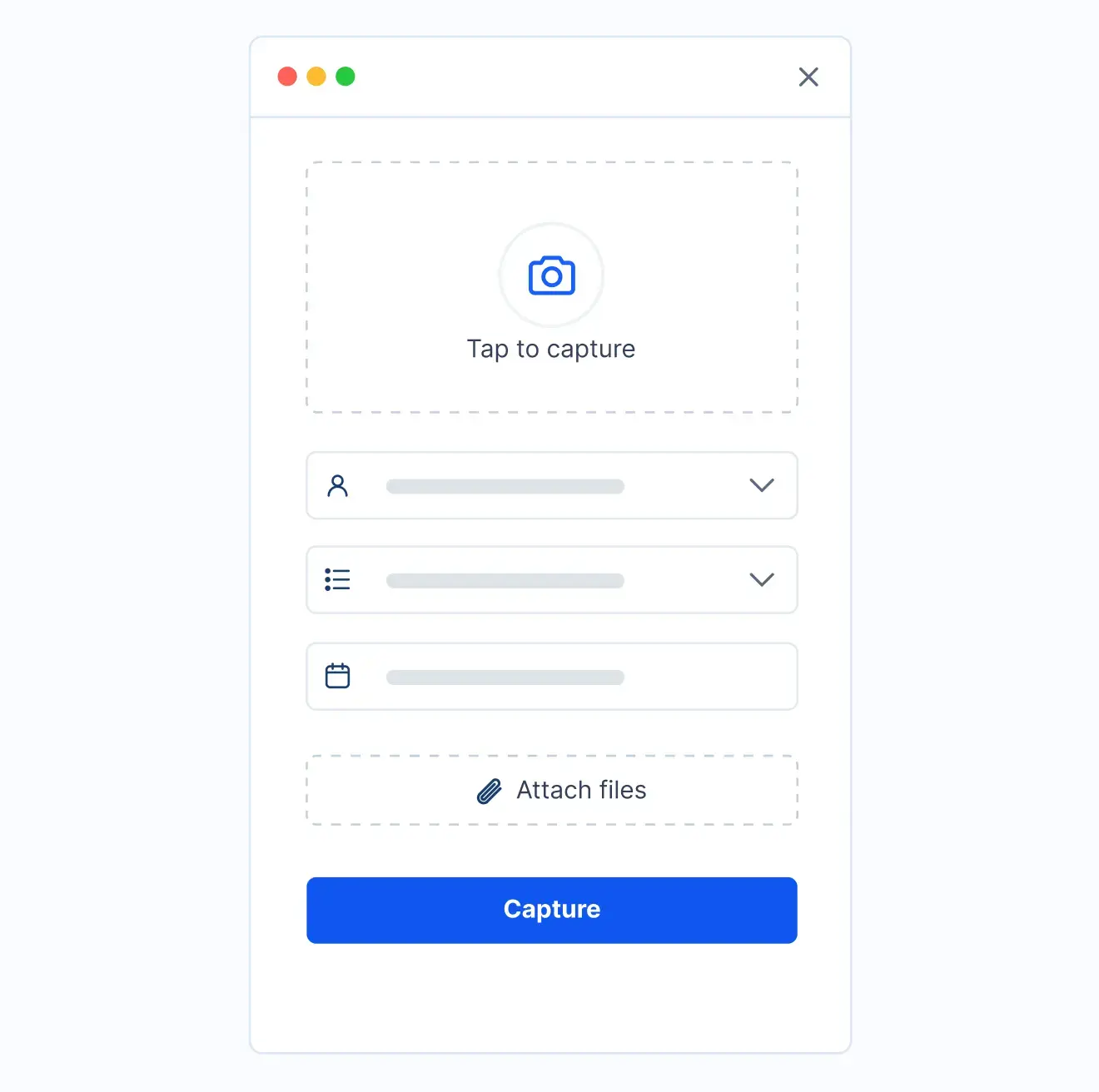
A procurement package is logged in the register with its scope, buyer, and required-on-site date.
Validate
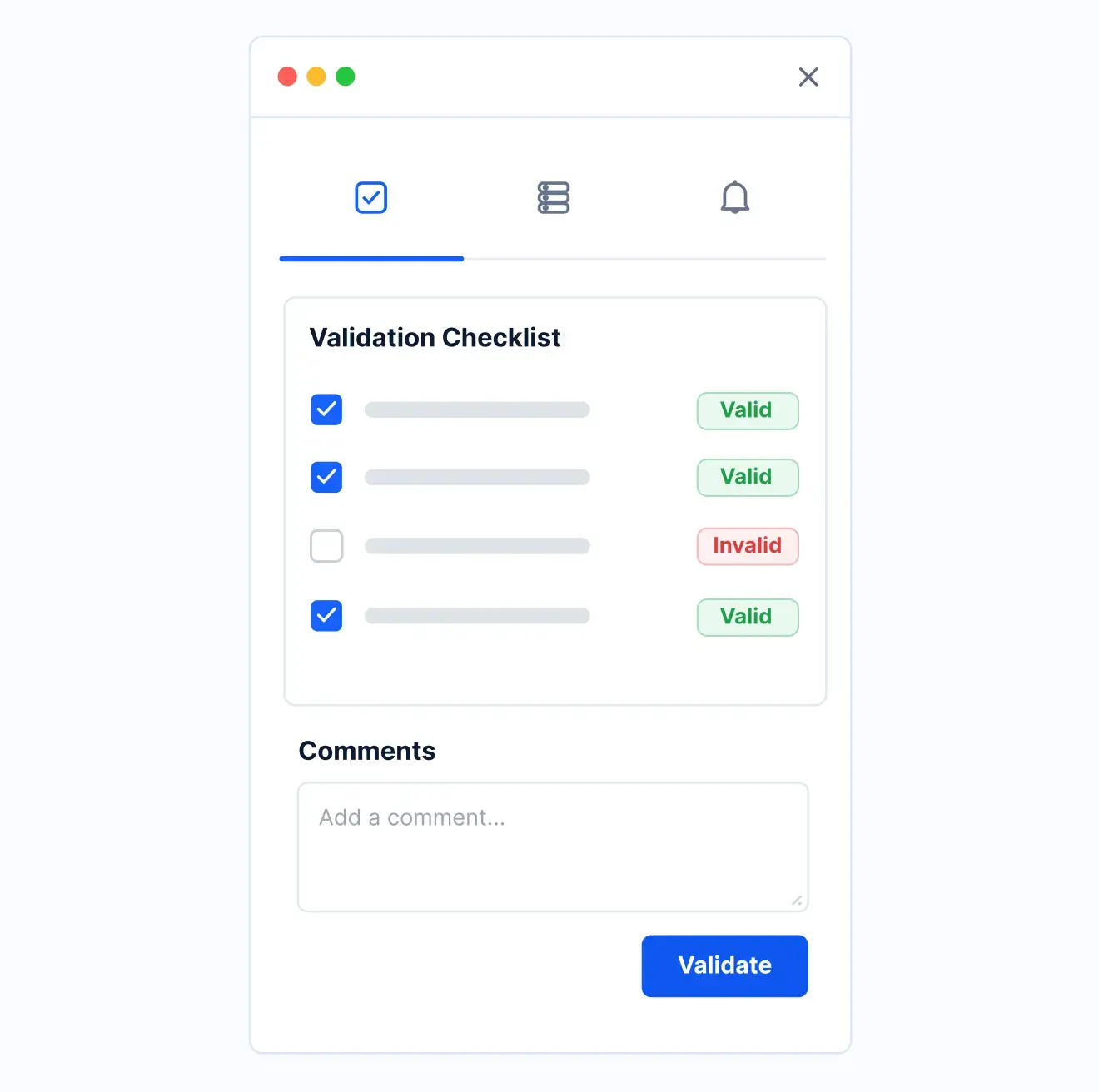
The package moves through RFQ, evaluation, award, fabrication, and shipment, with status logged at each stage.
Track
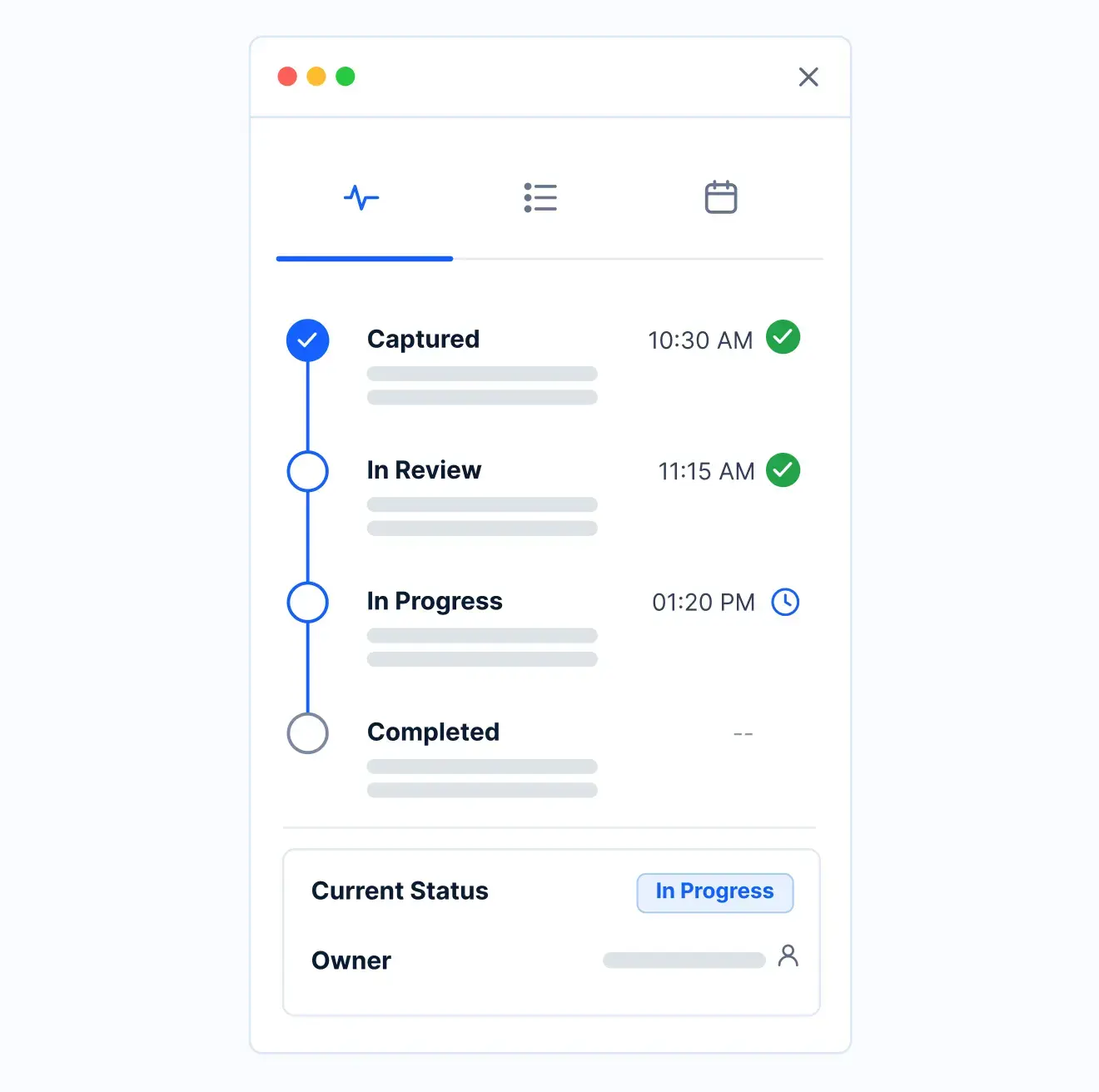
Percent complete is calculated against a consistent weighting across every package, and a package that has not moved is flagged automatically for buyer follow-up before it becomes a shortage.
Report
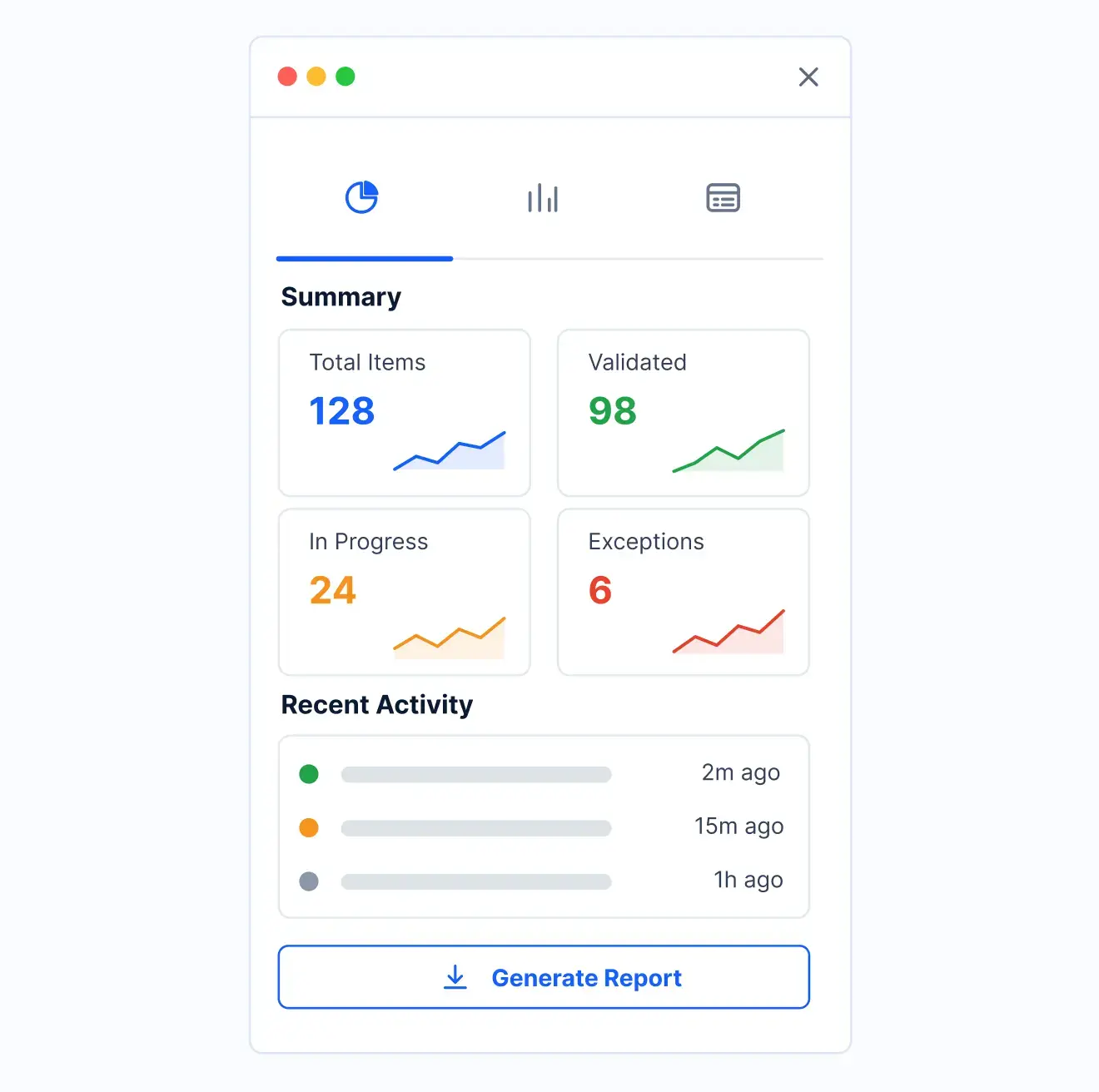
The weighted register is the single system of record for procurement status, answering a status question without chasing a dozen buyers.
What changes when procurement package tracking runs on Kissflow
| Process | Before Kissflow | On Kissflow |
|---|---|---|
| Package status | Tracked differently by every buyer | Logged consistently in one register |
| Percent complete | An individual buyer's estimate | Calculated against a consistent weighting |
| Stalled packages | Found by asking in the weekly review | Flagged automatically when progress stops |
| Portfolio view | Rebuilt from a dozen sources for every report | A standing dashboard across every package |
| Buyer accountability | Unclear who owns which update | Each package has one buyer of record |
| Required-on-site tracking | Checked separately from progress status | Tracked alongside percent complete for every package |
Connects to your ERP for purchase order data and to Long-Lead Item Monitoring System for critical items; Kissflow doesn't replace your system of record
Kissflow runs the package-level progress register. Your ERP stays the system of record for the purchase order, and your project scheduling tool stays the system of record for the baseline delivery dates each package is measured against.
.svg)



.svg)
.svg)
.svg)
.svg)

.svg)
.svg)
.svg)
.svg)
.svg)

.svg)

.svg)

.svg)
.svg)
.svg)
.svg)
.svg)
.svg)
.svg)
.svg)
.svg)

.svg)
Built for how procurement status actually gets tracked, not just reported once a week
One register, every package
Every buyer logs status against the same structure instead of their own spreadsheet.
Consistent weighted completion
Percent complete means the same thing across every package, so the roll-up can actually be trusted.
Stalled packages surface automatically
A package that's gone quiet is flagged before it becomes a delivery problem.
Live in weeks
Configure your package list and milestone weighting in the visual builder, or describe the use case to the AI Builder.
Governed from day one
Role-based access and a full audit trail on every package's status history.
Connects to long-lead risk
A critical package's status links directly to its long-lead item tracking, not a separate silo.
Related apps
Long-Lead Item Monitoring System
Fabrication milestone tracking for long-lead equipment against the required-on-site date, with automatic delay flagging and escalation.
Technical Bid Evaluation Management System
See the evaluation and award decision that started a package before tracking its progress.
Progress Reporting Management System
Roll procurement package progress into the overall project percent-complete picture.
We help project procurement teams answer a status question without three phone calls
.gif)

“If a company cannot enable everybody to use AI, they will never get the true benefit of AI. Platforms like Kissflow allow us to put that capability in the hands of our users in a safe way.”
Vagesh Dave
GVP & CIO at McDermott International, Ltd
See The Full Story

“Advanced automation of all processes is easy to set up. I cannot imagine how to manage workflows without this software.”
Tanay Tiwary
Global Head - Digitalization & Business Improvement
See the Full Story

“Kissflow supports rapid application development by building a working application prototype in the shortest amount of time.”
Maria Theresa Cabigon
CIO, SN Aboitiz Power Group
See The Full Story
See what Kissflow can do for you
Talk to usGot questions? We're here to help.
Get SupportNo. Your ERP stays the system of record for the purchase order itself. Kissflow tracks the package's progress against its milestones and delivery date.
Long-Lead Item Monitoring System is scoped to the specific schedule-critical items whose fabrication time drives the project. This app rolls up status across every procurement package, long-lead or not.
Technical Bid Evaluation Management System runs the pre-award scoring decision. This app tracks the package after RFQ, through award, fabrication, and shipment.
Yes. Milestone weighting is configurable per package category, so a fabricated-equipment package and a bulk-materials package can calculate percent complete differently.
Yes. Role-based access lets a buyer manage their own packages while project controls and procurement leadership see the full portfolio dashboard.
A package is flagged automatically when it hasn't logged a status update within its expected update cadence, configurable by package criticality.
Configuration and AI-assisted app generation move delivery from a multi-month program to a matter of weeks.
Kissflow is certified to SOC 1, SOC 2, SOC 3, and ISO/IEC 27001, with role-based access and a full audit log on every package's status history.