Field Testing and Curriculum Adoption Built for a Decision You Can Defend
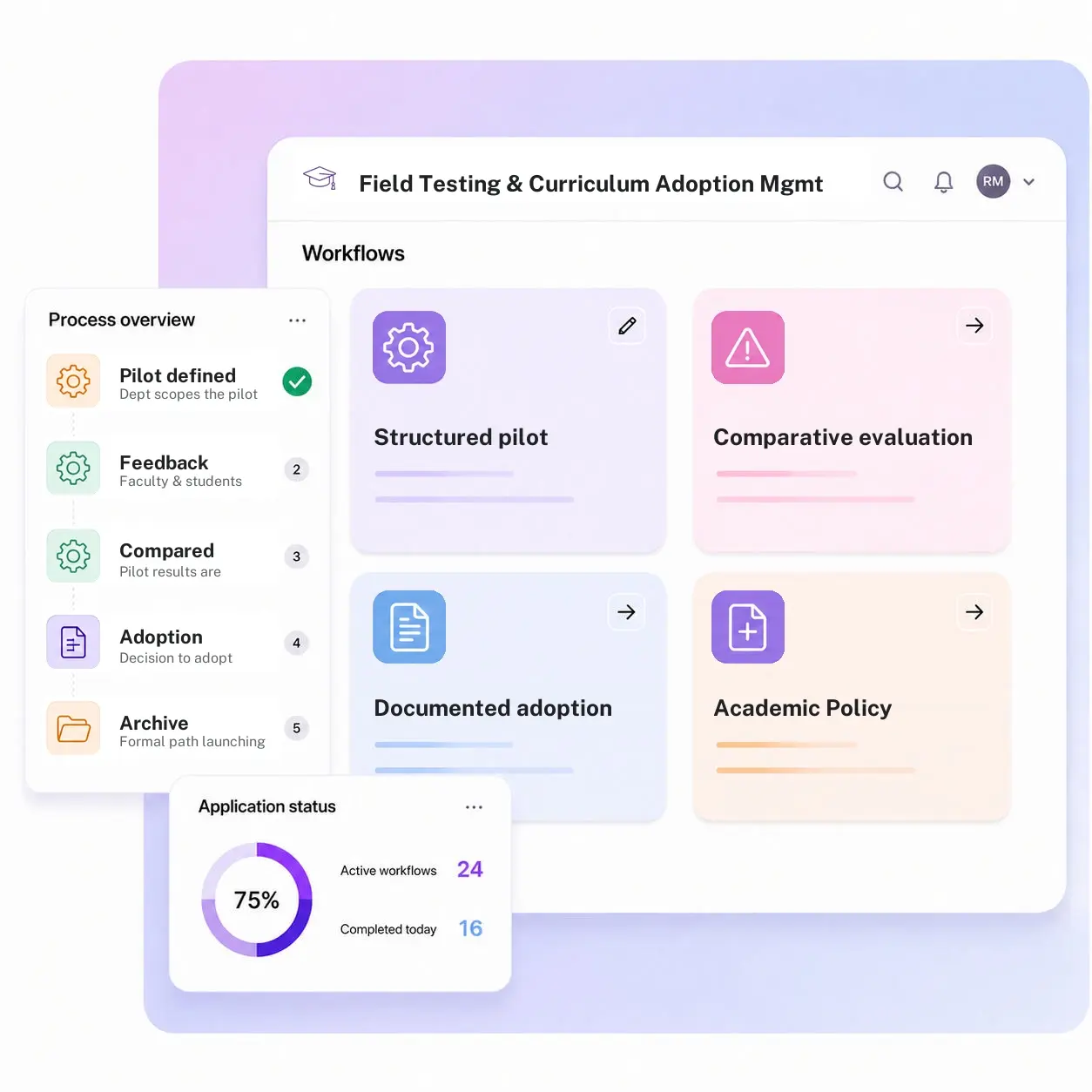
Kissflow runs a structured pilot of a new textbook, lab sequence, or general education requirement, capturing faculty and student feedback against defined criteria, before the results feed a documented adoption decision, so a curriculum committee reviewing a formal proposal later has evidence instead of an instructor's impression.
Trusted by leading universities worldwide





A new textbook, a revised lab sequence, a new requirement: none of it belongs in the catalog until it has been tried
Before a curriculum element reaches formal committee approval, most departments run some version of a pilot, a section or two taught with the new material, informal feedback gathered after the fact. That feedback usually lives in a faculty member's notes or a post-term email, not in a form anyone can point to when the formal proposal reaches committee.
The live version of this page reads as a single template for logging that a pilot happened. It does not structure what feedback gets collected, does not compare pilot sections against a baseline, and gives the eventual adoption decision no documented evidence behind it.
Kissflow rebuilds it as a working pilot process: structured feedback capture from faculty and students against defined criteria, a comparison view against the sections not using the new element, and a documented adoption decision that a curriculum committee can review directly, rather than take on faith. Your catalog stays the system of record for what eventually gets adopted; this app is where the evidence for that decision gets built.
What breaks when curriculum piloting has no structure
Feedback is informal and inconsistent
One instructor emails a summary, another mentions it in a hallway conversation, and none of it is comparable.
No baseline comparison
Without a comparison against sections not using the new element, it is hard to say the pilot actually improved anything.
The adoption decision has no evidence trail
When a formal proposal reaches committee, the pilot that supposedly justified it left no documented record.
Good pilots and bad ones look the same
Without structured criteria, a pilot that failed and a pilot that succeeded are both just an instructor's opinion.
Three modules. Built for how a curriculum pilot actually earns a formal adoption decision.
Configure feedback criteria and comparison groups to the specific element being piloted, in the visual builder.
Structured pilot feedback capture
Faculty and students submit feedback against criteria defined for this specific pilot, not a generic comment box.
Comparative evaluation
Pilot sections are compared against sections not using the new element, on the criteria that matter for this decision.
Documented adoption decision
The decision to adopt, revise, or discontinue is recorded with the evidence behind it, ready for a formal committee proposal.
From request to system of record in four steps
Initiate
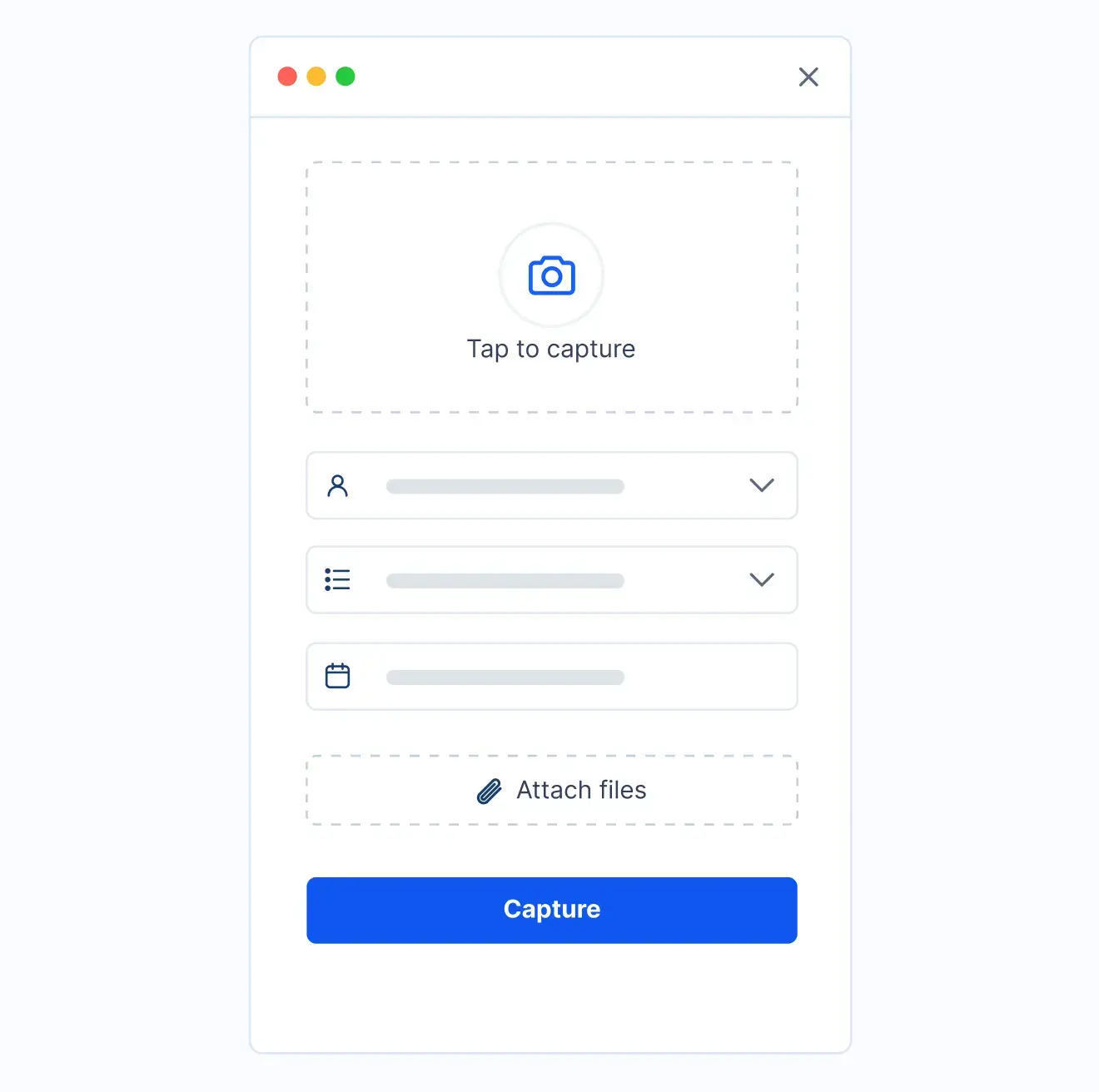
A department scopes the pilot, the element being tested, and the sections or cohort involved.
Conduct
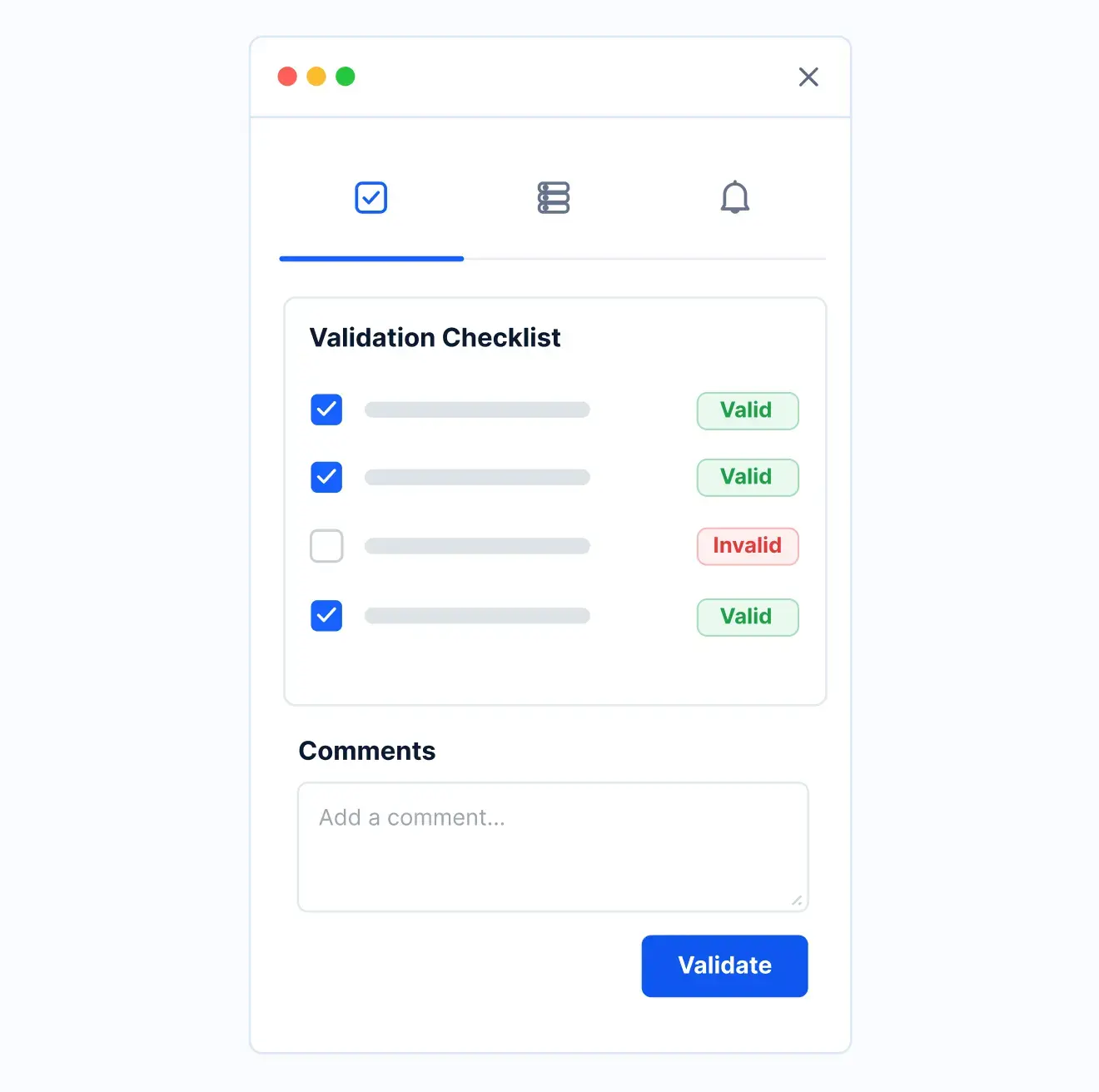
Faculty and students submit structured feedback against defined criteria through the pilot term.
Flag
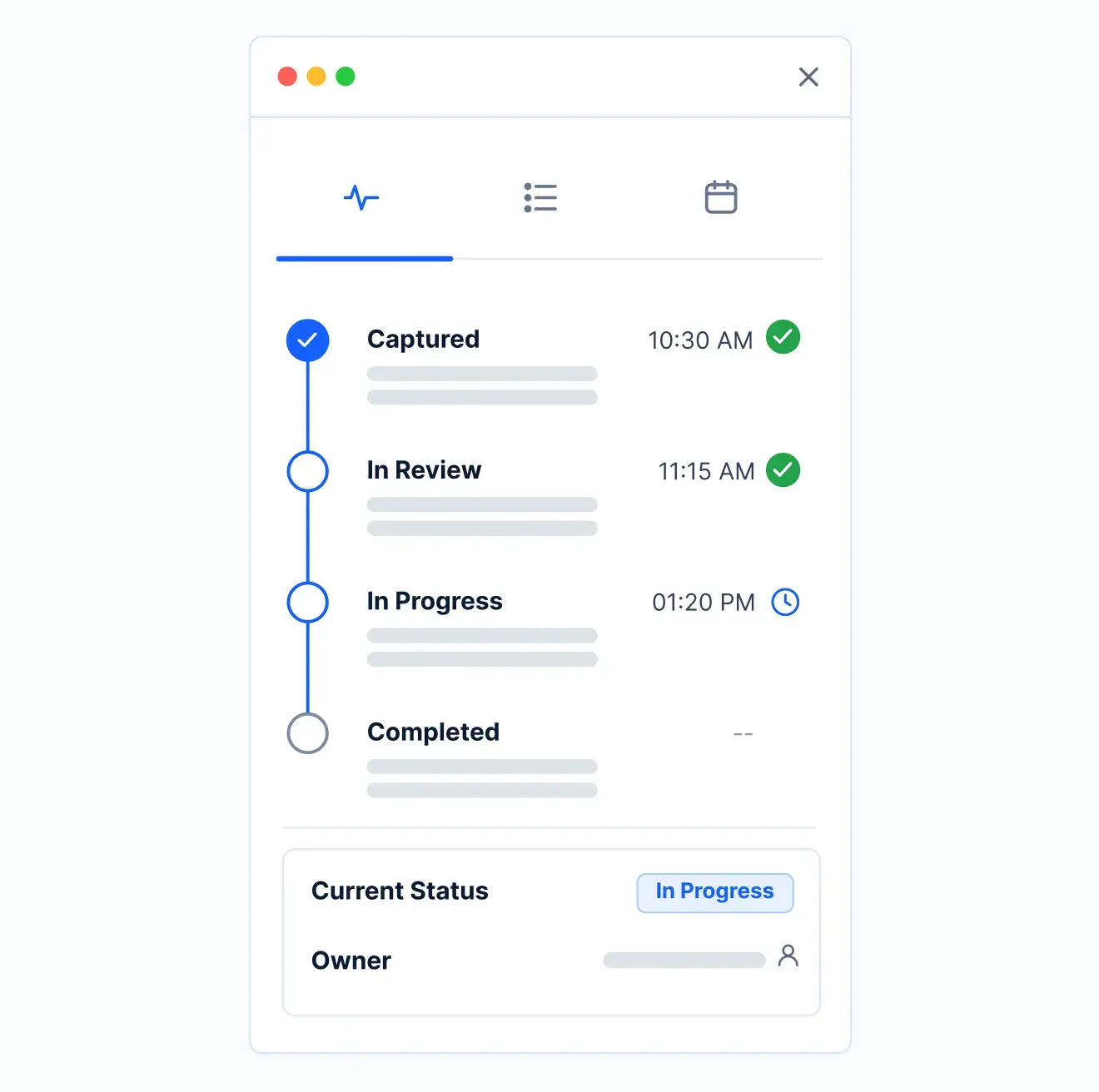
Pilot results are evaluated against baseline sections that did not use the new element.
Record
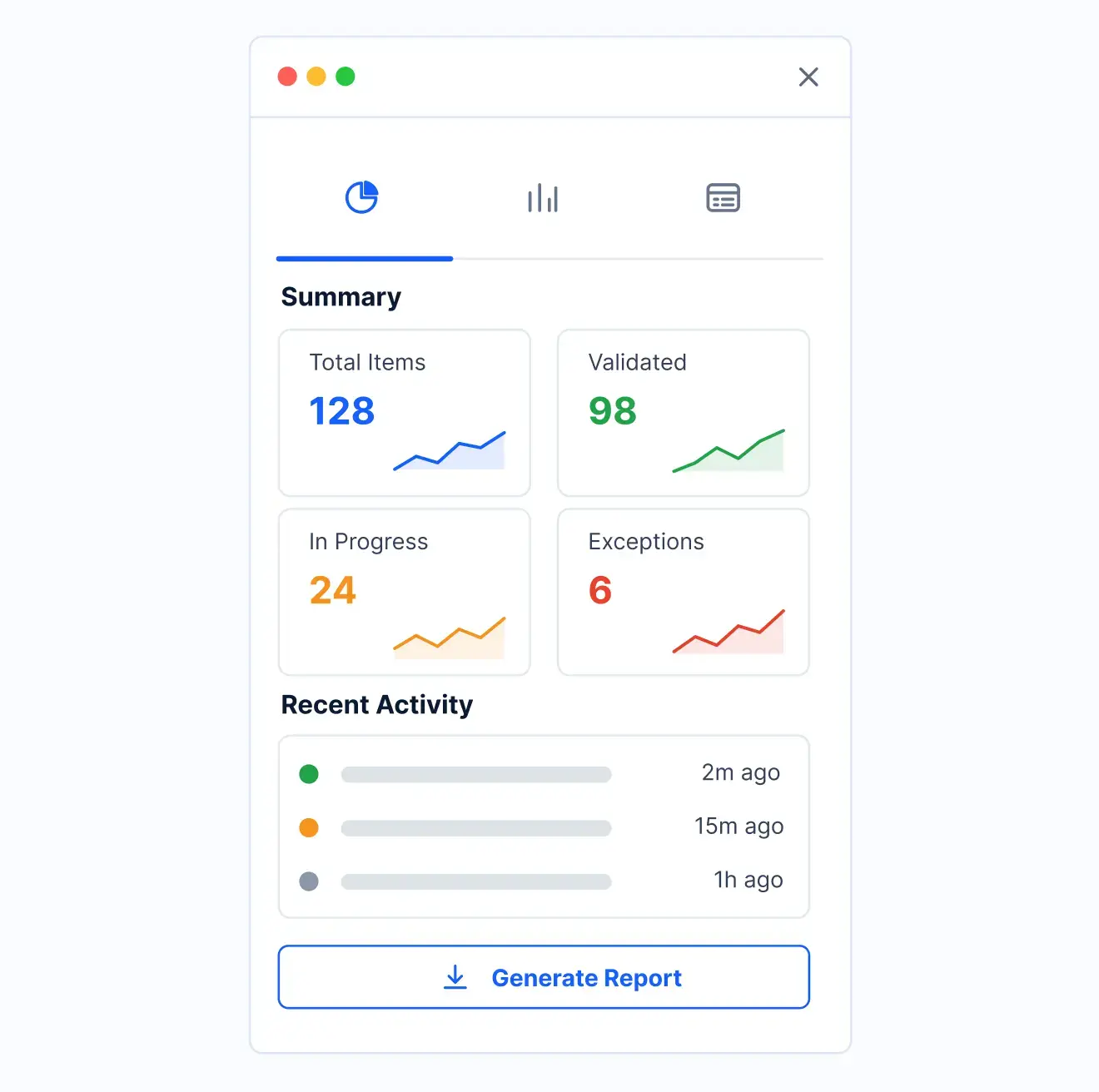
A decision to adopt, revise, or discontinue is recorded with the supporting evidence attached, so a curriculum committee has evidence rather than an instructor's impression.
What changes when curriculum piloting runs on Kissflow
| Process | Before Kissflow | On Kissflow |
|---|---|---|
| Feedback collection | Informal emails and hallway conversations | Structured submissions against defined criteria |
| Comparison basis | An instructor's impression | A documented comparison against baseline sections |
| Adoption evidence | Nonexistent by the time committee asks | A record ready to attach to a formal proposal |
| Consistency across pilots | Every department pilots differently | A repeatable structure department to department |
| Decision accountability | Whoever remembers to write it down | A documented decision owner and rationale |
| Handoff to formal approval | A verbal recommendation to committee | Evidence that plugs directly into a formal proposal |
Connects to your catalog and LMS; Banner and Workday stay the system of record
Kissflow does not replace your catalog system or LMS. It is where the pilot evidence for a curriculum decision gets built before that decision reaches formal approval.


Built for how a pilot actually becomes evidence
Criteria set before the pilot starts
Feedback gets structured against defined criteria, not collected informally and shaped afterward.
A real comparison, not an impression
Pilot sections are measured against a baseline, so the evidence holds up in committee.
Live in a week
A department can scope and launch a pilot's feedback process in the visual builder without waiting on IT.
Feeds directly into formal approval
Documented pilot evidence attaches to the formal course or curriculum change proposal, not left behind.
Faculty and student voice, structured equally
Both groups submit against the same defined criteria, instead of the pilot record leaning on faculty impression alone.
Draft evidence stays with the pilot team
Feedback and comparison data are visible only to the department and committee running the pilot until a decision is made.
Related apps
Curriculum Change and Approval Management System
The formal approval path a successful pilot's evidence gets submitted into.
Course Program Approval Management System
New course and program proposals routed through eligibility checks, multi-level approval, and catalog entry.
Academic Policy Change Requests Management System
The separate track for a policy change, rather than a piloted curriculum content change.
We help departments turn a pilot into evidence a committee can actually act on


“If a company cannot enable everybody to use AI, they will never get the true benefit of AI. Platforms like Kissflow allow us to put that capability in the hands of our users in a safe way.”
Vagesh Dave
GVP & CIO at McDermott International, Ltd
See The Full Story

“Advanced automation of all processes is easy to set up. I cannot imagine how to manage workflows without this software.”
Tanay Tiwary
Global Head - Digitalization & Business Improvement
See the Full Story

“Kissflow supports rapid application development by building a working application prototype in the shortest amount of time.”
Maria Theresa Cabigon
CIO, SN Aboitiz Power Group
See The Full Story
See what Kissflow can do for you
Talk to usGot questions? We're here to help.
Get SupportNo. This app runs the pilot and captures the evidence. The formal decision to change curriculum still goes through Curriculum Change and Approval or Course and Program Approval, now with documented pilot evidence attached instead of an instructor's summary.
Curriculum Change and Approval is the formal, binding approval process for a change already going into the catalog. This app is the earlier, lower-stakes pilot stage, testing whether a new textbook, lab sequence, or requirement works before anyone submits a formal proposal.
Feedback criteria are defined per pilot, typically covering student outcomes, faculty assessment of the material, and completion or engagement measures relevant to what is being tested.
Yes. Each pilot is scoped independently, with its own criteria, sections, and comparison baseline.
The department or curriculum committee reviewing the pilot records the decision, adopt, revise, or discontinue, directly against the pilot's evidence.
Yes. Feedback forms, comparison groups, and the decision record are configured in the visual builder, and the AI Builder can generate a starting structure from a description of the pilot.
Yes. The documented adoption decision and its supporting evidence can be attached directly to a formal Curriculum Change and Approval or Course and Program Approval submission.
Yes. Kissflow is certified to SOC 1, SOC 2, SOC 3, and ISO/IEC 27001, and role-based access keeps pilot feedback visible only to the department and committee involved.