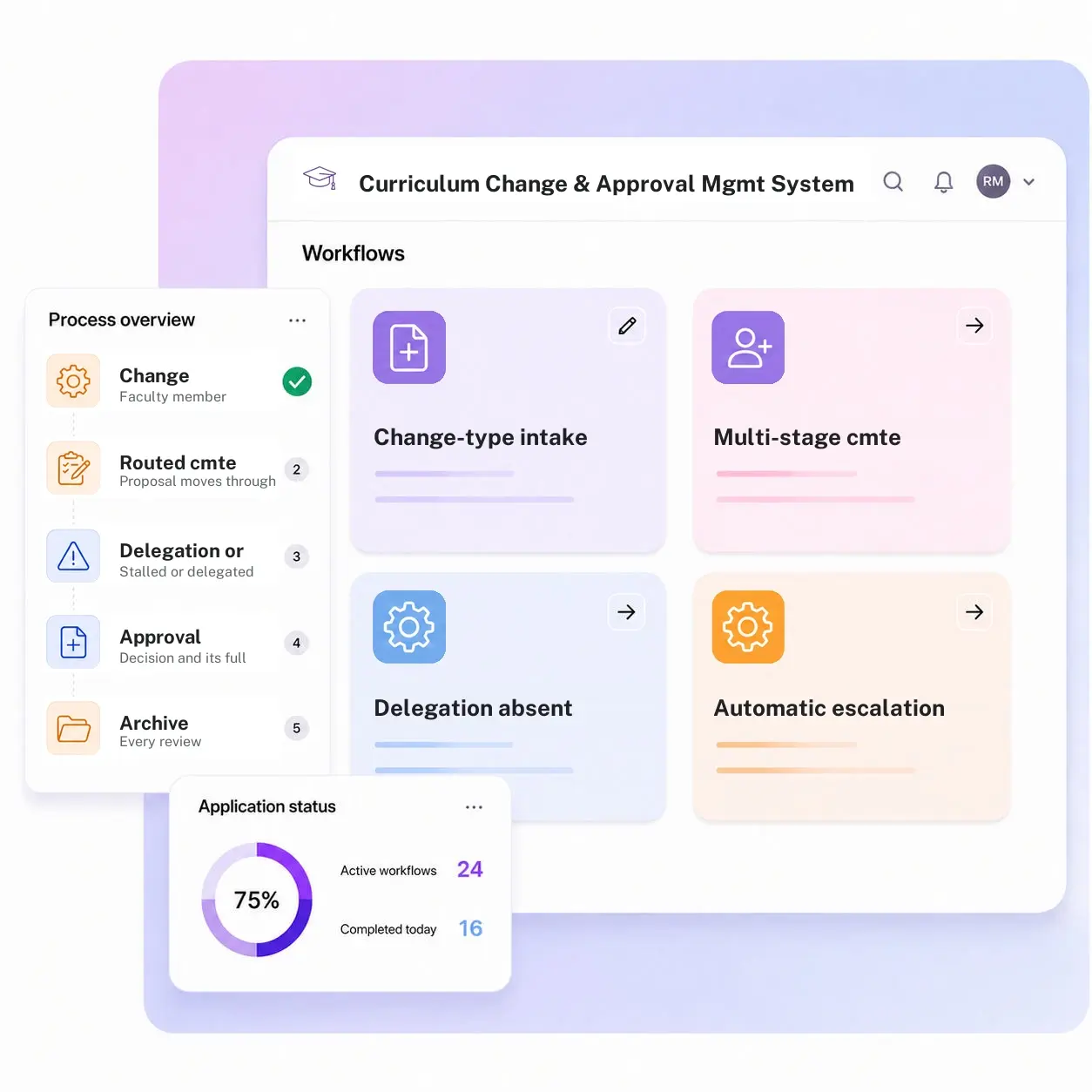
Curriculum Change and Approval Built for Every Committee in the Chain
Kissflow routes a proposed change to an existing course, from a prerequisite to a syllabus requirement, through the department, curriculum committee, and dean sign-off your governance structure already requires, with delegation for absent reviewers, automatic escalation, and a status portal so the requesting faculty member is not the one chasing the approval.
Trusted by leading universities worldwide





Who approved the sentence that now appears in this term's course description
A course description changes, a prerequisite gets added, a grading scale gets revised, and months later nobody in the department can point to the meeting where it was approved. The paper trail exists somewhere, in committee minutes, in an email chain, in a memory that is already fading by the time an audit or a student appeal asks the question.
The live version of this page reads as a single approval process, one form and one outcome. It does not show the requesting faculty member where their proposal sits today, does not route around a committee chair on sabbatical, and keeps no searchable record connecting the approved change back to the discussion that produced it.
Kissflow rebuilds it as a working app: an intake form scoped to the type of change, multi-stage approval with delegation when a reviewer is unavailable and escalation when a stage stalls, a status portal for the requester, and an audit trail that ties every approved change back to who reviewed it and when. Your catalog system stays the system of record for the published course description; Kissflow is where the decision behind it lives.
What breaks when curriculum change approval runs on email
No visibility for the requester
A faculty member who submitted a change has no way to see whether it is sitting with the chair, the committee, or the dean.
A reviewer on leave stalls everything
Without delegation, a proposal waits for a specific person instead of moving to whoever can act on it.
The approval and the discussion split apart
Committee minutes live in one place, the approved change lives in the catalog, and nothing connects them.
No escalation when a stage goes quiet
A proposal can sit for a full term with no automatic nudge to the person holding it up.
Six modules. Built for how curriculum changes actually move through committee.
Every module ships with default forms, routing, and dashboards. Configure each one to your committee structure in the visual builder.
Change-type intake form
Captures the proposed change, the rationale, and the affected courses or programs in a form scoped to the type of change.
Multi-stage committee approval
Routes through department, curriculum committee, and dean review in the order your governance structure requires.
Delegation for absent reviewers
A committee chair on leave can delegate approval authority without stalling the proposal.
Automatic escalation
A stage that goes quiet past a set number of days escalates to the next level or a designated backup.
Requester self-service portal
The faculty member who submitted the change sees exactly where it sits and who holds it, without emailing to ask.
Full audit trail
Every review, delegation, and decision keeps a timestamped record tied to the specific change it approved.
From request to system of record in four steps
Submit
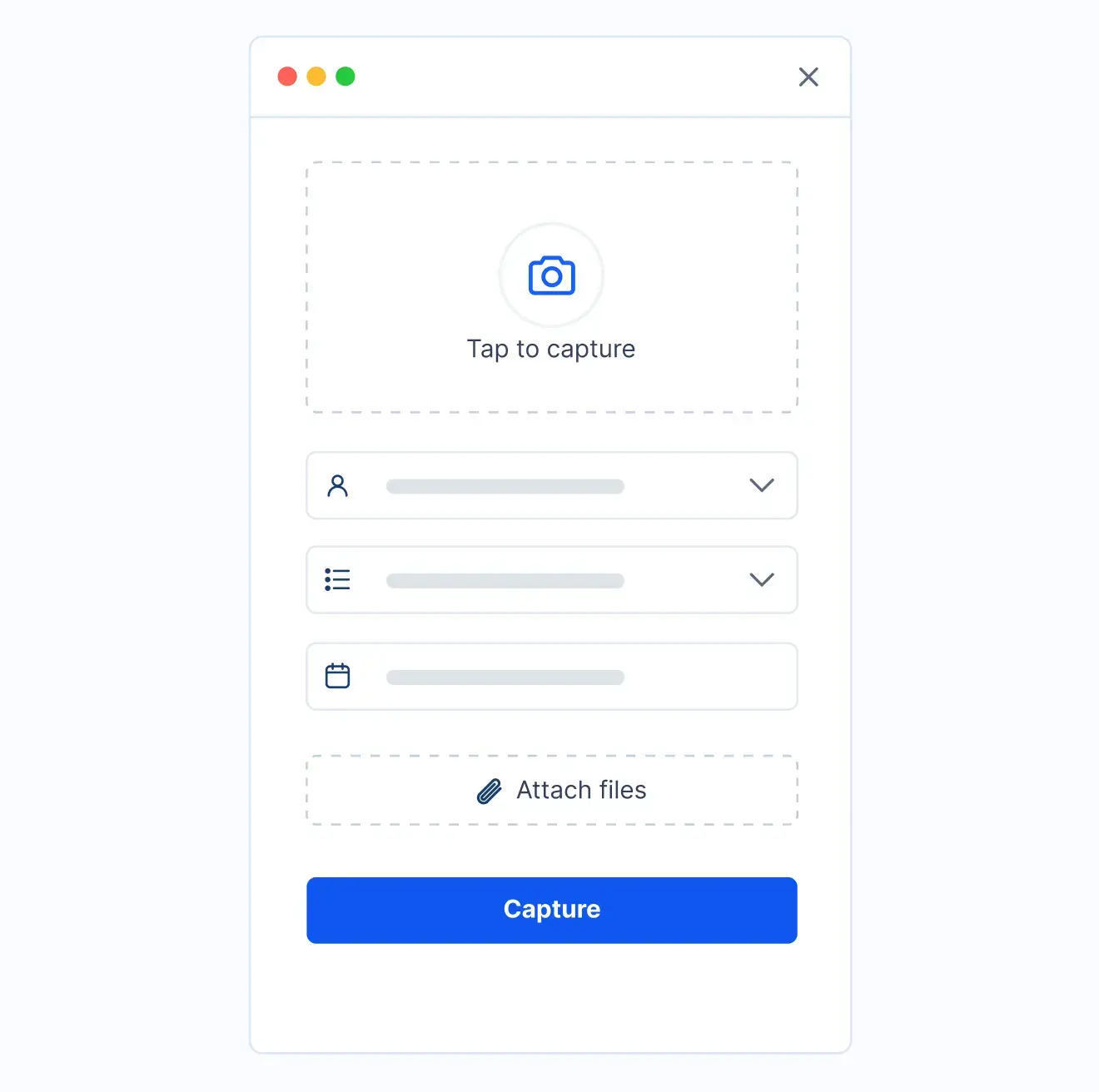
A faculty member submits the proposed change to an existing course, with rationale, through the intake form.
Review
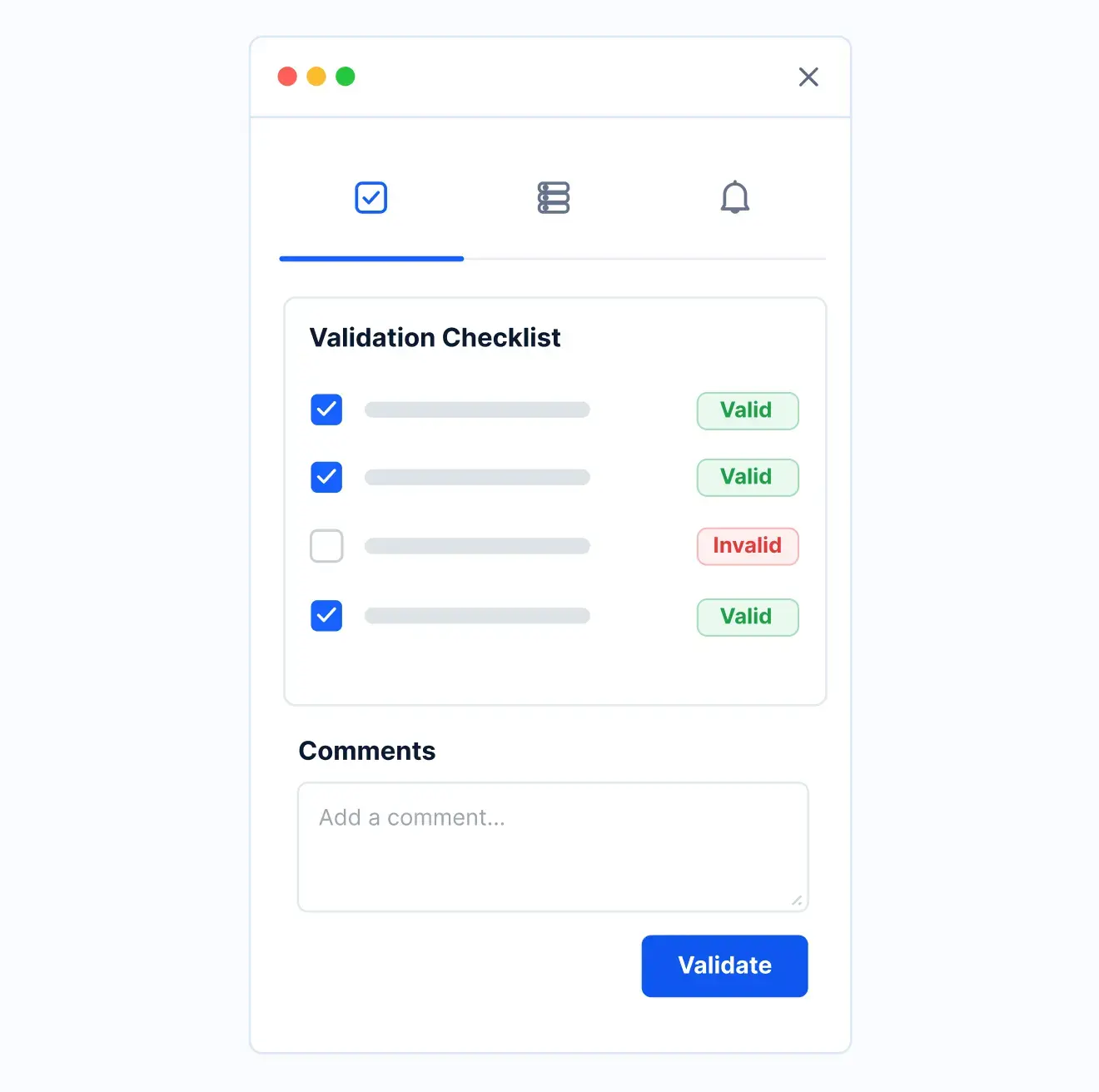
The proposal moves through department, curriculum committee, and dean sign-off in sequence.
Approve
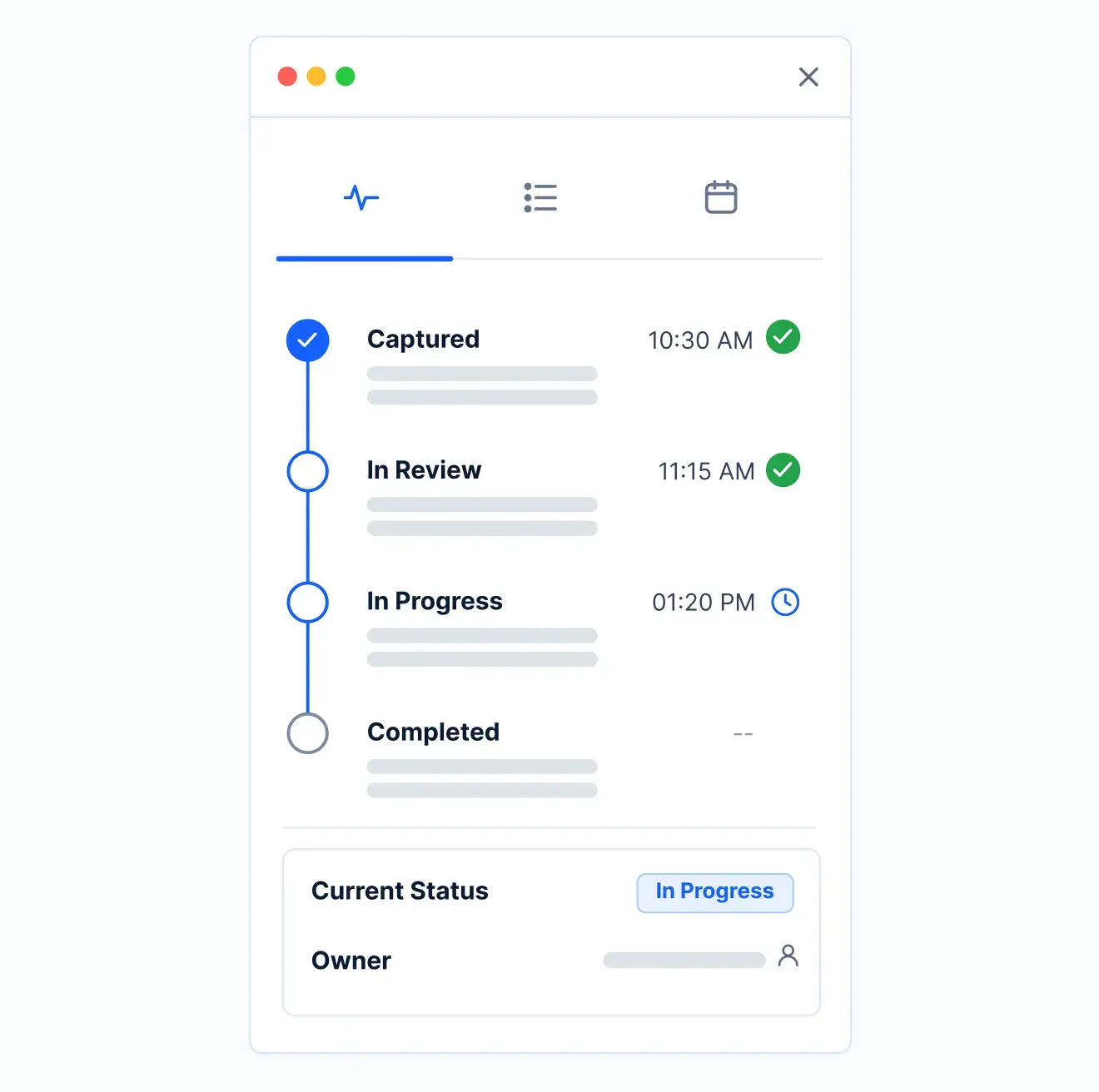
A stalled or delegated stage escalates or reassigns so the proposal keeps moving without waiting on one unavailable reviewer, and a status portal keeps the requester informed.
Record
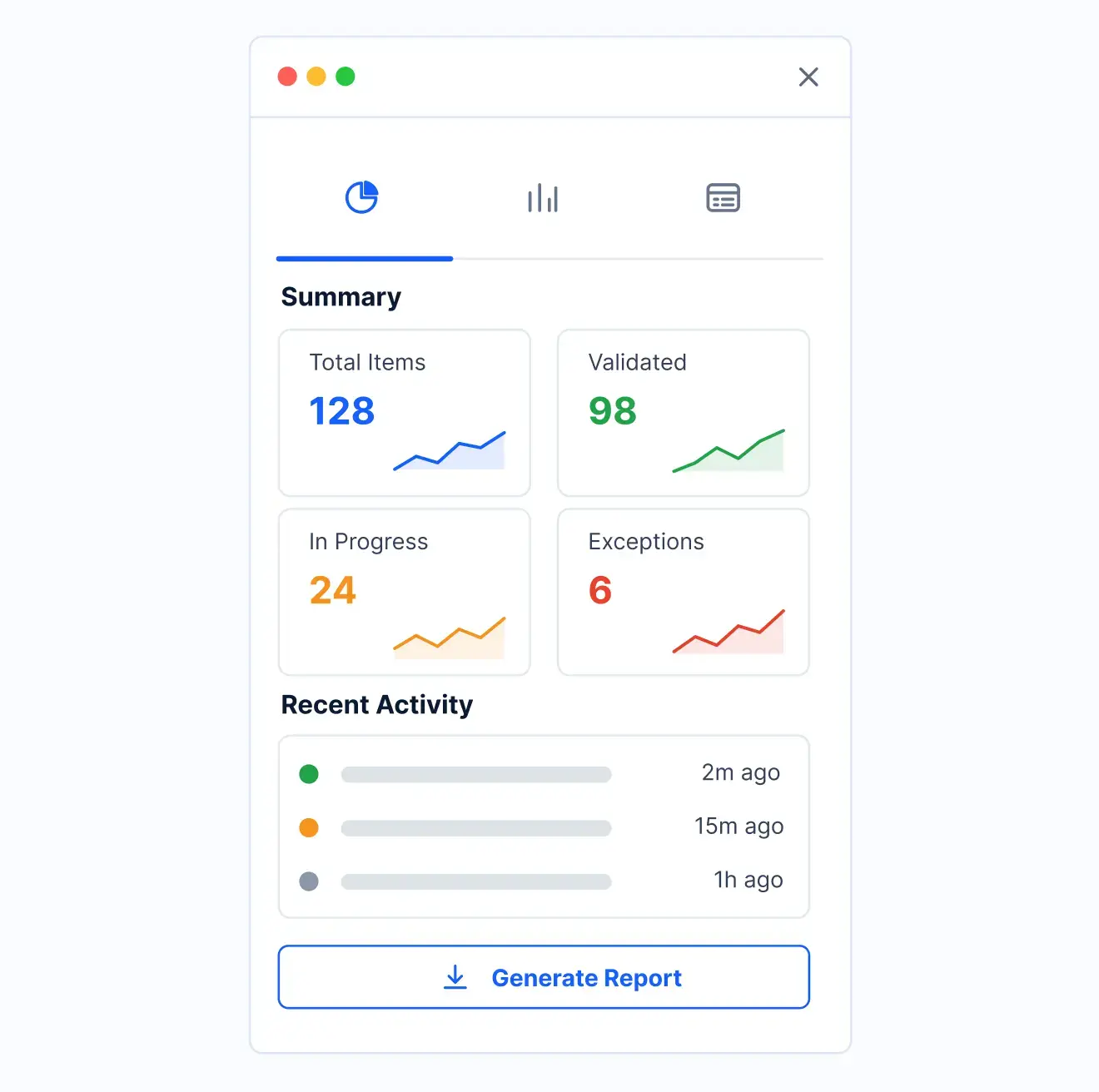
The decision and its full review trail are recorded, and the approved change is ready for catalog update.
What changes when curriculum change approval runs on Kissflow
| Process | Before Kissflow | On Kissflow |
|---|---|---|
| Requester visibility | No way to see where a proposal sits | A live status portal for every submitted change |
| Reviewer absence | A proposal waits for one specific person | Delegation keeps it moving to a backup reviewer |
| Stalled stages | No prompt until someone asks directly | Automatic escalation after a set number of days |
| Decision record | Buried in committee minutes and email | Tied directly to the change it approved |
| Audit readiness | Reconstructed from memory and inboxes | A timestamped trail for every stage and decision |
| Catalog linkage | Approved change and catalog update disconnected | Approval flows directly into the catalog update request |
Connects to your catalog system and SIS; Banner and Workday stay the system of record
Kissflow does not replace Banner, Workday, Ellucian, or your catalog publishing system. It is the governed approval layer that produces the decision those systems then publish.


Built for how curriculum committees actually work
Shared governance, not a generic approval chain
Routing follows your actual department, committee, and dean structure, not a flattened two-step sign-off.
Delegation without a workaround
A reviewer on sabbatical or leave hands off approval authority formally, inside the same record.
Live in weeks
Academic affairs configures intake forms and routing in the visual builder, without a systems project.
An ERP-adjacent decision layer
Your catalog system stays the system of record for the published description. Kissflow holds the approval trail behind it.
Escalation without a reminder email campaign
A stalled stage moves automatically, instead of relying on someone remembering to follow up.
A status portal for the person who actually asks
Faculty stop emailing the committee chair to find out where their proposal sits.
Related apps
Course Program Approval Management System
New course and program proposals routed through eligibility checks, multi-level approval, and catalog entry.
Academic Policy Change Requests Management System
The workflow for changing an institutional policy, distinct from a change to curriculum content.
Field Testing and Curriculum Adoption Management System
The pilot stage that can precede a formal change proposal for a new curriculum element.
We help academic affairs offices keep a defensible record of every curriculum decision


“If a company cannot enable everybody to use AI, they will never get the true benefit of AI. Platforms like Kissflow allow us to put that capability in the hands of our users in a safe way.”
Vagesh Dave
GVP & CIO at McDermott International, Ltd
See The Full Story

“Advanced automation of all processes is easy to set up. I cannot imagine how to manage workflows without this software.”
Tanay Tiwary
Global Head - Digitalization & Business Improvement
See the Full Story
“Kissflow supports rapid application development by building a working application prototype in the shortest amount of time.”
Maria Theresa Cabigon
CIO, SN Aboitiz Power Group
See The Full Story
See what Kissflow can do for you
Talk to usGot questions? We're here to help.
Get SupportNo. Your catalog system stays the system of record for the published course description. Kissflow manages and records the approval decision that authorizes the catalog to change.
Course and Program Approval Workflows governs a brand-new course or program, from proposal to catalog entry. This app governs a change to something that already exists in the catalog, a prerequisite, a grading scale, a syllabus requirement, routed through the same committee structure but as a modification, not a launch.
This app handles changes to curriculum content, courses, prerequisites, requirements. Academic Policy Change Requests handles changes to institutional policy, like an attendance rule or an academic integrity standard, which follows a separate drafting and publication cycle.
Yes. Delegation is built into the routing, so a chair on sabbatical or leave can assign approval authority to a backup without the proposal stalling.
Escalation rules move a stalled proposal to the next level or a designated backup after a set number of days, configurable per stage.
Yes. Intake forms, routing stages, and delegation rules are configured in the visual builder, and the AI Builder can generate a starting workflow from a description of your committee process.
Yes. A self-service portal shows exactly where their proposal sits and who currently holds it, without requiring an email to the committee chair.
Yes. Kissflow is certified to SOC 1, SOC 2, SOC 3, and ISO/IEC 27001, supports HECVAT review, and role-based access keeps committee deliberation visible only to the reviewers involved.