Academic Policy Change Requests Built for a Defensible Effective Date
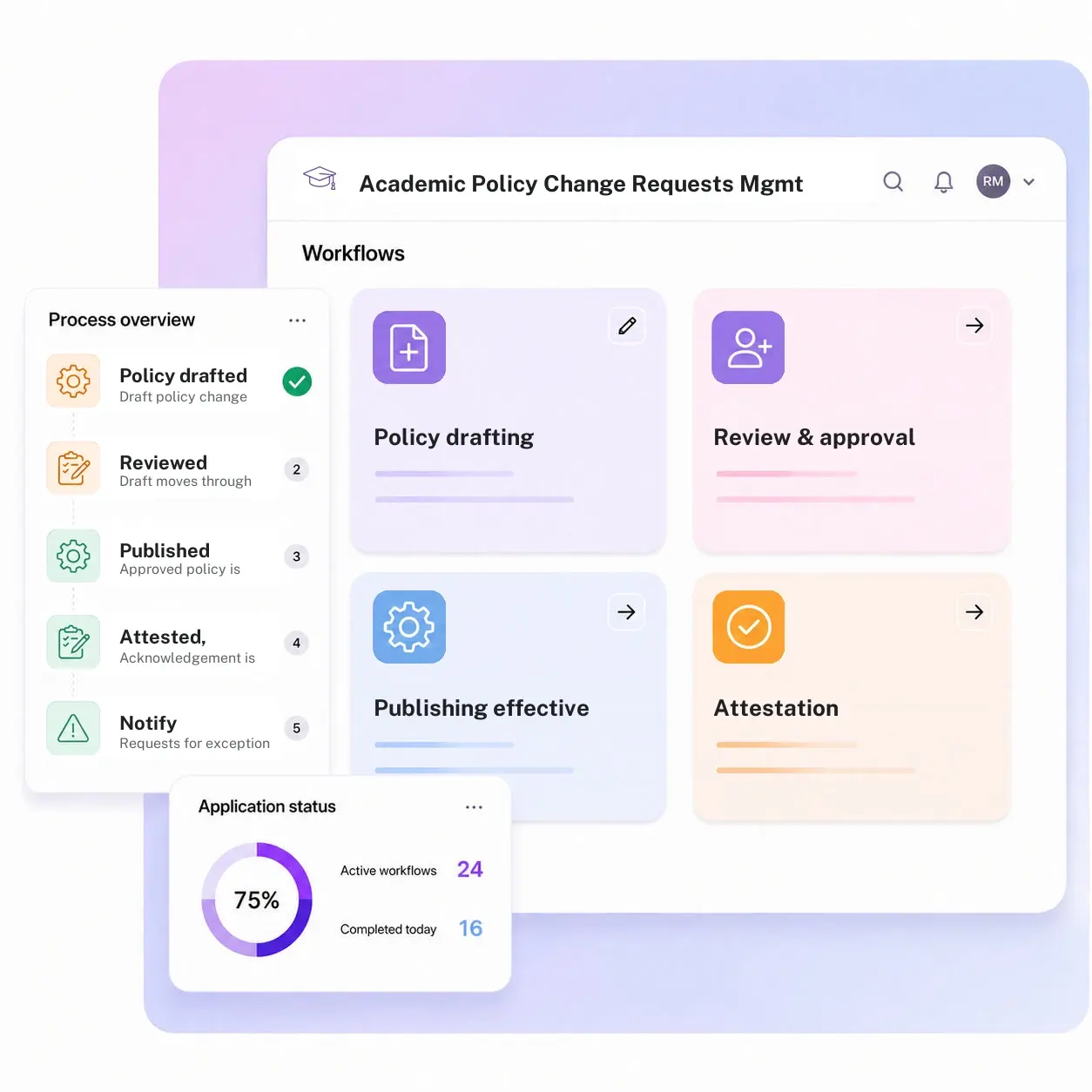
Kissflow tracks an academic policy from draft through review, publication, faculty and staff attestation, and periodic re-review, with a documented exceptions process, so when a student appeals a grade or an auditor asks what policy applied on a given date, the answer is on record instead of reconstructed from memory.
Trusted by leading universities worldwide





A policy that changed in October is not the policy that governed a class in August
An academic policy, a late-add deadline, an academic integrity standard, a grading scale, changes on its own timeline, and enforcement has to match the version that was actually in effect when the conduct in question happened. When a policy lives as a Word document circulated by email, the effective date and the enforcement date are the first two things that get confused.
Today most institutions track a policy's status informally: a memo announcing the change, a webpage update, an assumption that faculty read the announcement. There is rarely a record of who acknowledged the new policy, and rarely a scheduled point at which the policy gets reviewed again before it goes stale.
Kissflow makes the policy lifecycle a governed record: drafting and review before publication, a documented attestation step so faculty and staff acknowledgment is on file, a scheduled periodic review so policies do not sit unexamined for a decade, and an exceptions process for the cases a policy does not cleanly cover. Your policy library or website stays the published source; Kissflow is the record of how the policy got there and who signed off on it.
What breaks when academic policy changes live in a memo
No clear effective date
When enforcement is questioned, there is no clean record of exactly when a policy took effect versus when it was announced.
No attestation record
Faculty and staff are assumed to have read a policy update, with no record of who actually acknowledged it.
No scheduled re-review
Policies sit unexamined for years because nothing prompts a periodic check on whether they still make sense.
Exceptions handled inconsistently
Without a documented exceptions process, similar cases get different outcomes depending on who reviews them.
Six modules. Built for how an academic policy actually moves from draft to enforced.
Every module ships with default forms, routing, and dashboards. Configure each one to your policy library structure in the visual builder.
Policy drafting workspace
Tracks a policy through its draft versions before it goes to review, with the rationale for the change captured alongside it.
Review and approval routing
Routes a draft through the committees and offices your governance structure requires before publication.
Publishing with an effective date
Publication is tied to a specific effective date, distinct from the announcement date, and both are on record.
Attestation and acknowledgement tracking
Records which faculty and staff have acknowledged a new or changed policy, and flags who has not.
Periodic review scheduling
Every policy gets a scheduled re-review date, so nothing sits unexamined indefinitely.
Documented exceptions process
Requests for an exception to a published policy are logged, reviewed, and decided on a consistent record.
From request to system of record in four steps
Submit
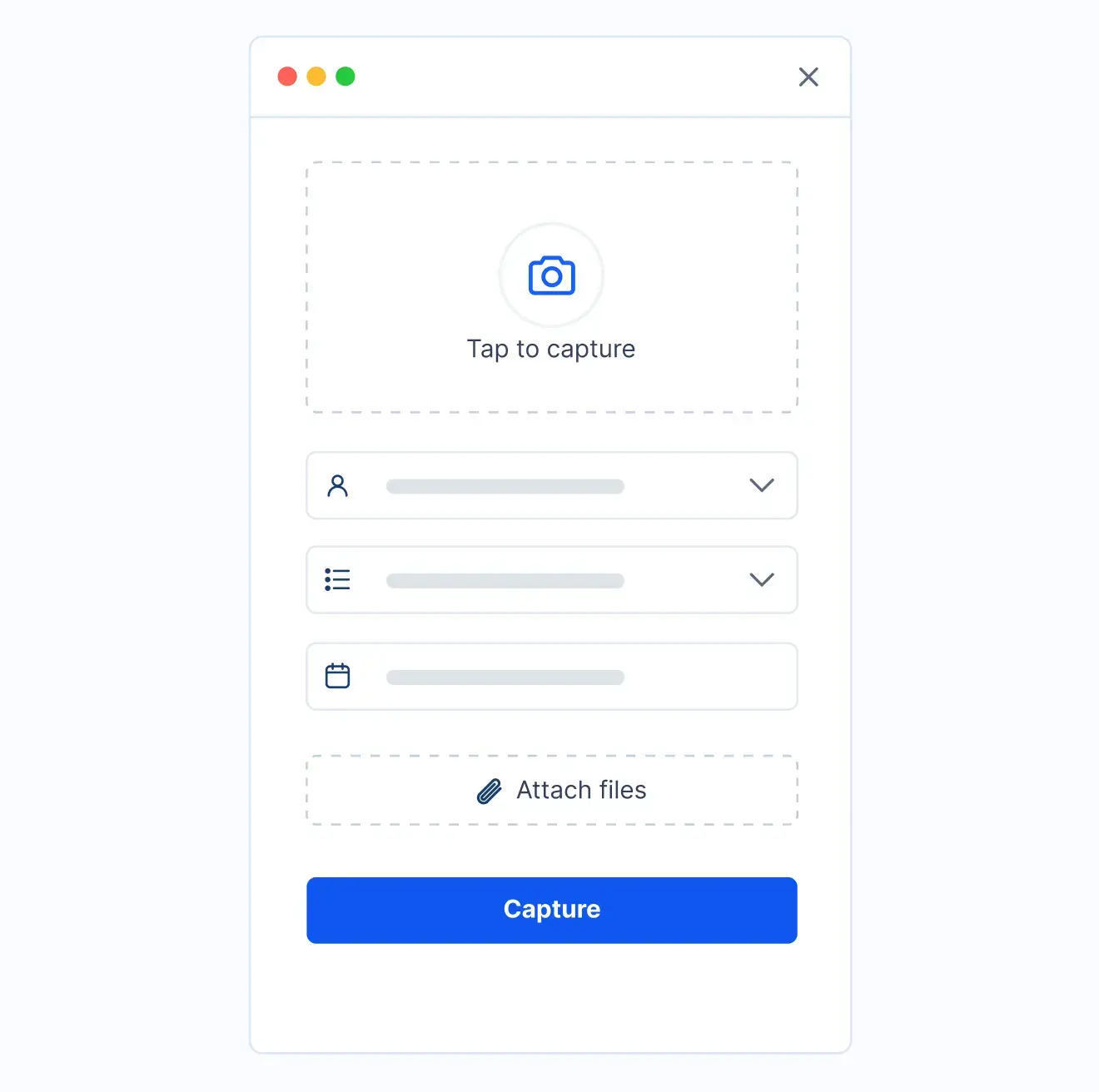
A draft policy change is created with its rationale and routed for initial review.
Review
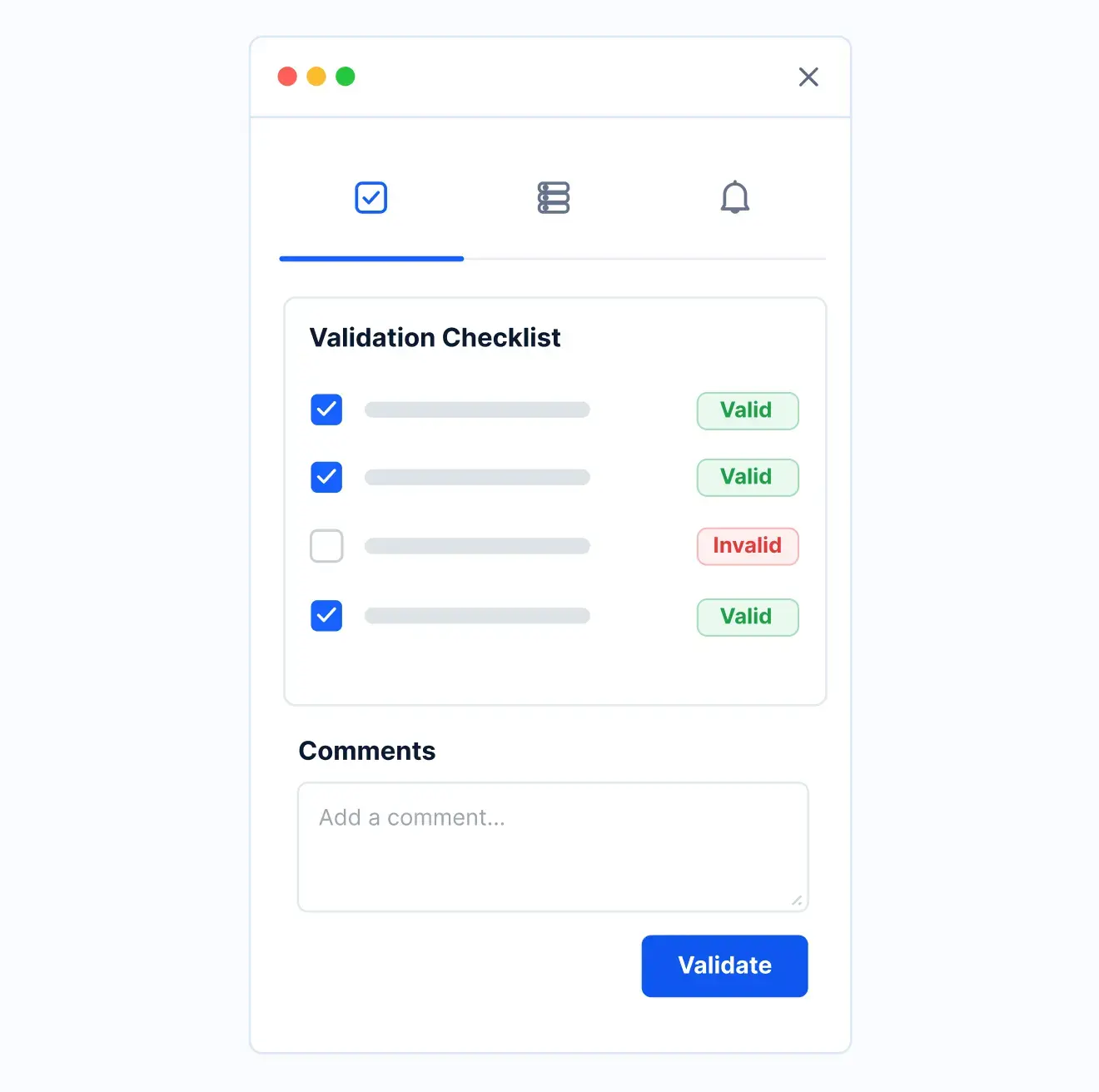
The draft moves through the committees and offices required before it can be published.
Approve
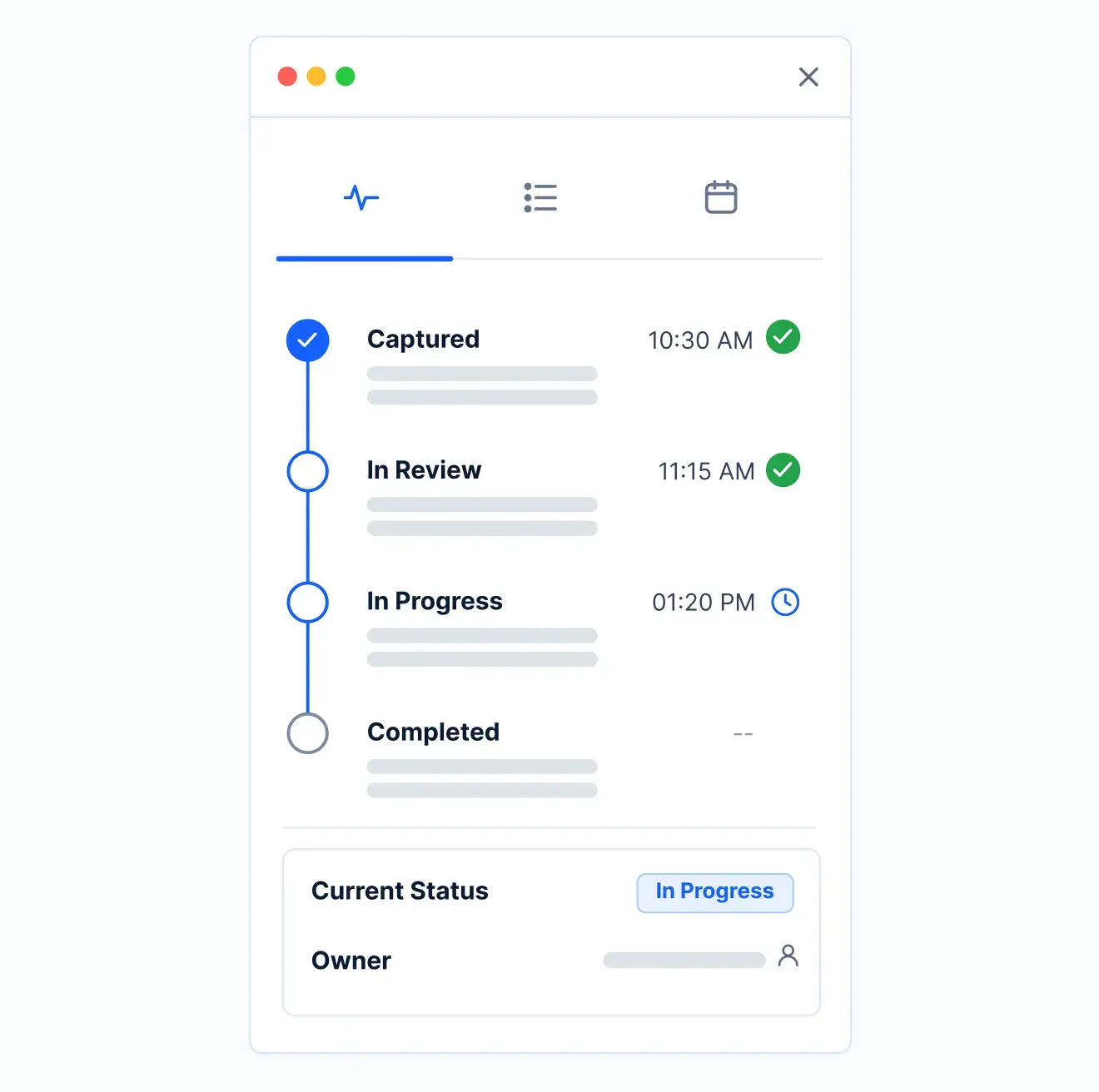
The approved policy is published with a clear effective date, kept separate from the announcement date.
Record
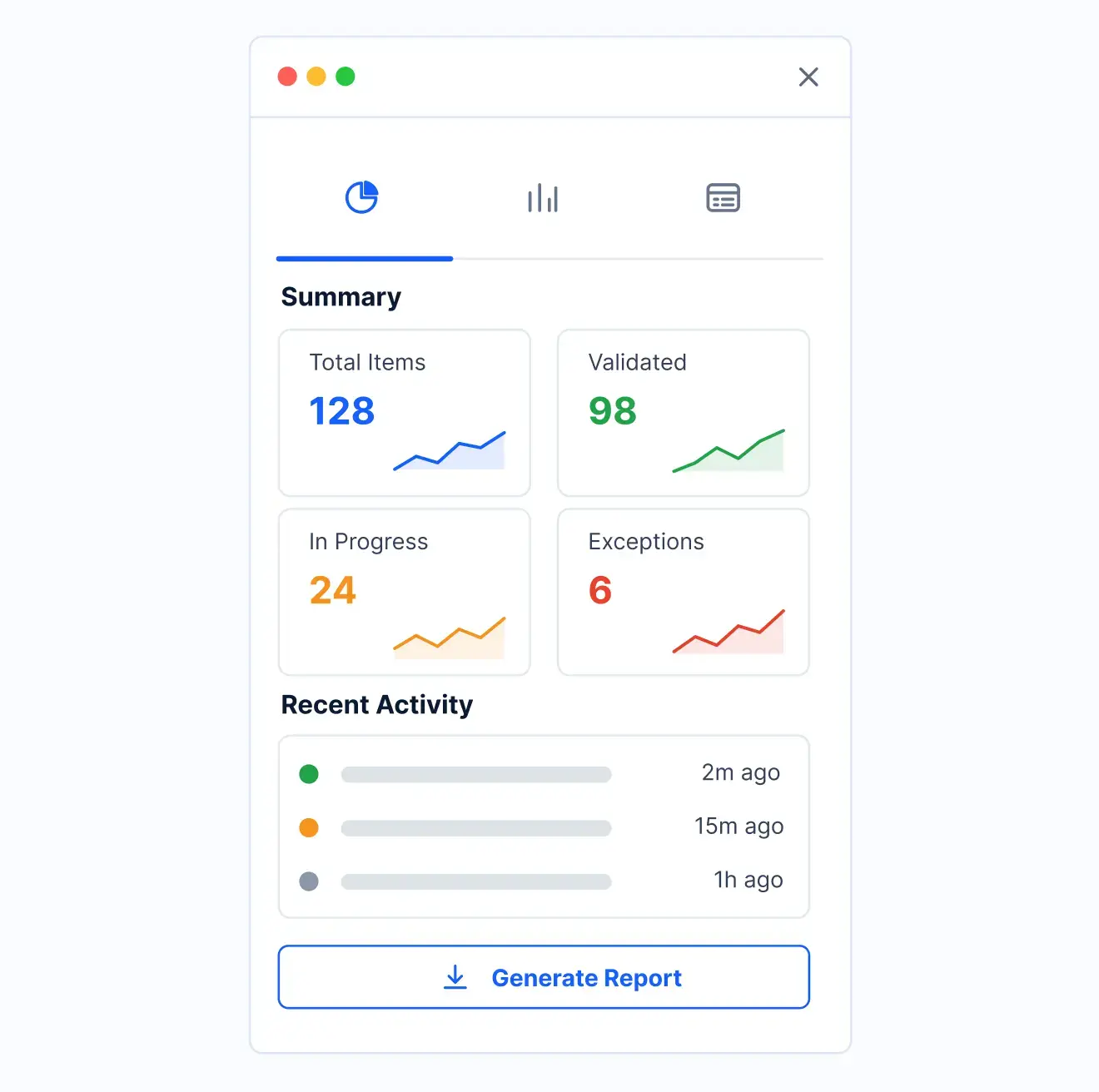
Acknowledgement is logged, a re-review date is scheduled, and any exception requests are recorded against the policy, so the policy in force on any given date is on record.
What changes when academic policy governance runs on Kissflow
| Process | Before Kissflow | On Kissflow |
|---|---|---|
| Effective date | Confused with the announcement date | Recorded explicitly and separately from announcement |
| Attestation | Assumed, with no record of who read it | Logged per faculty or staff member, with gaps flagged |
| Periodic review | Policies go years without a second look | A scheduled re-review date on every policy |
| Exceptions | Decided inconsistently, case by case | Logged and reviewed on a documented, repeatable process |
| Draft history | Lost once the final version is published | Retained, showing how the policy changed and why |
| Audit response | Reconstructed from memos and memory | A timestamped record for every stage, ready to hand over |
Connects to your policy library and website; Banner and Workday stay the system of record
Kissflow does not replace your published policy library or your SIS. It is the governed layer that manages how a policy gets drafted, approved, attested, and reviewed before and after it is published.


Built for how academic policy actually gets enforced later
An effective date that survives an appeal
Enforcement can be checked directly against the recorded effective date, not an assumption.
Attestation, not assumption
Acknowledgement is logged per person, so a policy update is not just announced, it is confirmed.
Periodic review that actually happens
Scheduled re-review dates mean policies get revisited instead of forgotten.
A documented exceptions record
Exception requests are decided on a consistent, reviewable process instead of ad hoc judgment calls.
Live in weeks
Academic affairs configures drafting, routing, and review scheduling in the visual builder, without a systems project.
Role-based access for policy drafts
Draft language stays visible only to reviewers until it is formally published.
Related apps
Curriculum Change and Approval Management System
Governs changes to curriculum content, distinct from changes to institutional policy handled here.
Field Testing and Curriculum Adoption Management System
A pilot process for curriculum content, separate from the policy lifecycle this app governs.
Student Grievance & Title IX Case Management
Where a policy's real-world enforcement gets tested when a student disputes how it was applied.
We help academic affairs offices defend exactly which policy applied and when


“If a company cannot enable everybody to use AI, they will never get the true benefit of AI. Platforms like Kissflow allow us to put that capability in the hands of our users in a safe way.”
Vagesh Dave
GVP & CIO at McDermott International, Ltd
See The Full Story

“Advanced automation of all processes is easy to set up. I cannot imagine how to manage workflows without this software.”
Tanay Tiwary
Global Head - Digitalization & Business Improvement
See the Full Story
“Kissflow supports rapid application development by building a working application prototype in the shortest amount of time.”
Maria Theresa Cabigon
CIO, SN Aboitiz Power Group
See The Full Story
See what Kissflow can do for you
Talk to usGot questions? We're here to help.
Get SupportNo. Your policy library or website stays the published source that students and staff reference. Kissflow manages the drafting, approval, attestation, and review record behind what gets published there.
Curriculum Change and Approval governs changes to curriculum content, courses, prerequisites, requirements. This app governs changes to institutional academic policy, like a grading scale, an academic integrity standard, or a late-add deadline, which follows its own drafting, publication, and attestation cycle.
When a policy is enforced or a student appeals, the question is what policy was in effect on a specific date, not when it was announced. Recording both dates separately keeps enforcement defensible.
Faculty and staff acknowledge a policy update through the app, and the record shows who has attested and who has not, so gaps in awareness are visible before they become a dispute.
The request is logged, routed for review, and decided on a documented process, so similar exception requests are handled consistently rather than case by case.
Yes. Drafting workflows, approval routing, attestation tracking, and periodic review scheduling are configured in the visual builder, and the AI Builder can generate a starting workflow from a description of your policy process.
Access is role-based, so draft language is visible only to the reviewers involved until the policy is formally published.
Yes. Kissflow is certified to SOC 1, SOC 2, SOC 3, and ISO/IEC 27001, supports HECVAT review, and keeps a timestamped record of every draft, approval, attestation, and exception.