Environmental Exception Response Tracker
An environmental exception response tracker handles events across every environmental medium: spills to ground and water, unauthorized discharges, produced water and waste exceptions, and containment failures. It runs notification and remediation on the regulatory clock and closes each case on evidence.

Trusted by energy operators worldwide






The first hour decides the next two years
An environmental release is one of the few events where the reporting obligation starts before anyone knows the volume. Notification windows run in hours, they differ by medium and by jurisdiction, and the clock starts at discovery rather than at the point somebody decides it is reportable. What follows is long: containment, assessment, remediation, monitoring, sign-off, and a file that has to hold together if the site is ever sold or an enforcement action follows.
Kissflow runs environmental exceptions as governed cases. The event is reported from the field with medium, location, estimated volume, and receptor, and the notification obligations that apply are surfaced immediately rather than researched. Containment and remediation actions are tracked with owners and dates, and monitoring after remediation is scheduled rather than remembered.
Because the case stays open until closure criteria are met, the file is complete when it closes. Cases across sites and media roll up so a recurring containment failure or a repeatedly affected receptor is visible while it is still preventable.
The obligation starts before anyone knows the volume
Notification windows run in hours
The clock starts at discovery, and the applicable windows differ by medium and jurisdiction, which is not something to research under pressure.
Containment is actioned but not evidenced
Immediate response is usually good and almost never recorded well enough to defend later.
Closure means the visible work stopped
Without agreed closure criteria, a case is closed when the site looks clean rather than when the criteria are met.
Long-tail monitoring depends on memory
Obligations running months past the event survive only as long as the person who knew about them stays in the role.
Six process modules
Every module ships with default event types, notification rules, remediation tracking, and dashboards. Configure each one to your jurisdictions in the visual builder.
Event reporting
Capture from the field with medium, location, estimated volume, receptor, and immediate action, on mobile and offline, covering ground, water, air release, waste, and containment failures.
Notification obligations
The notification windows that apply by medium and jurisdiction surfaced at reporting, with each notification recorded as made, by whom, and when.
Containment and immediate response
Containment actions tracked with owners and completion evidence, including resources deployed and access or safety constraints recorded.
Assessment and remediation
Assessment findings, remediation plan, and execution tracked to the closure criteria agreed for the case rather than to a generic completion flag.
Post-remediation monitoring
Monitoring scheduled after remediation with results recorded against the case, so long-tail obligations do not depend on memory.
Case and pattern reporting
Open, overdue, and closed cases by medium, site, and receptor, with recurring containment failures and repeatedly affected receptors surfaced.
From request to system of record in four steps
Report
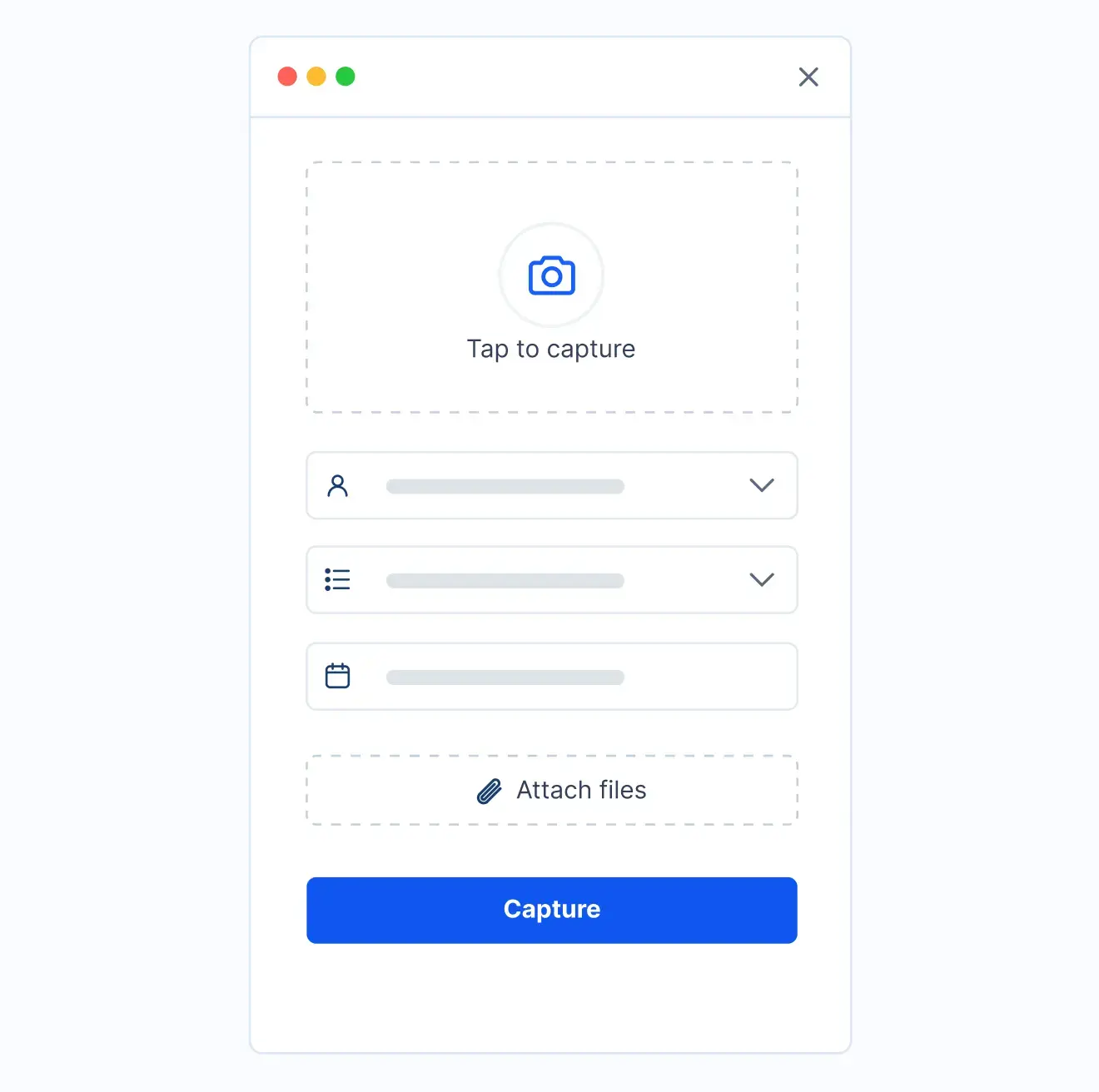
The event is reported from the field with medium, location, estimated volume, receptor, and immediate action taken, on mobile and offline where the location has no coverage.
Assess
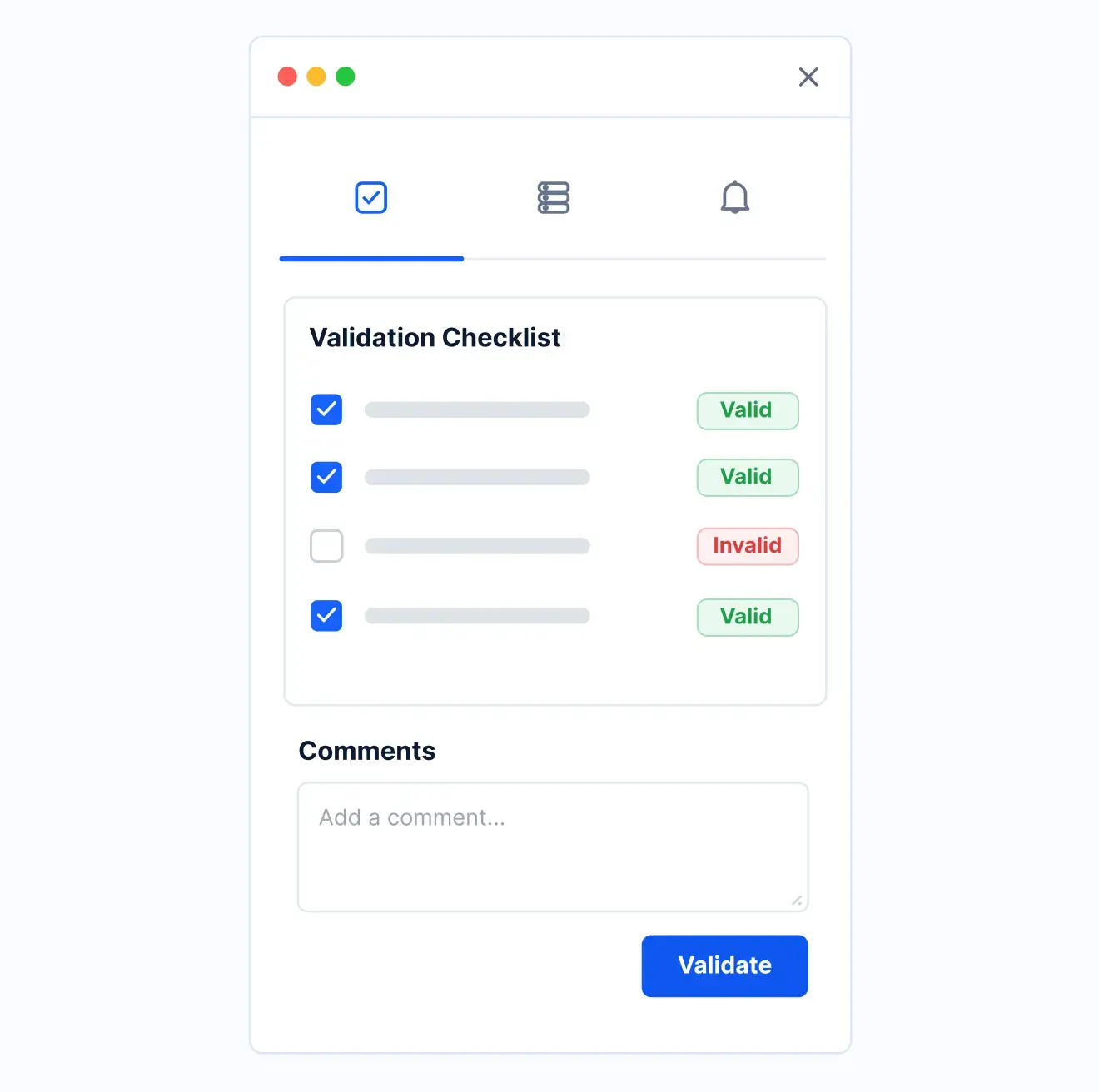
Notification obligations that apply by medium and jurisdiction surface immediately, and assessment establishes extent, receptor impact, and the closure criteria the case will be held to.
Resolve
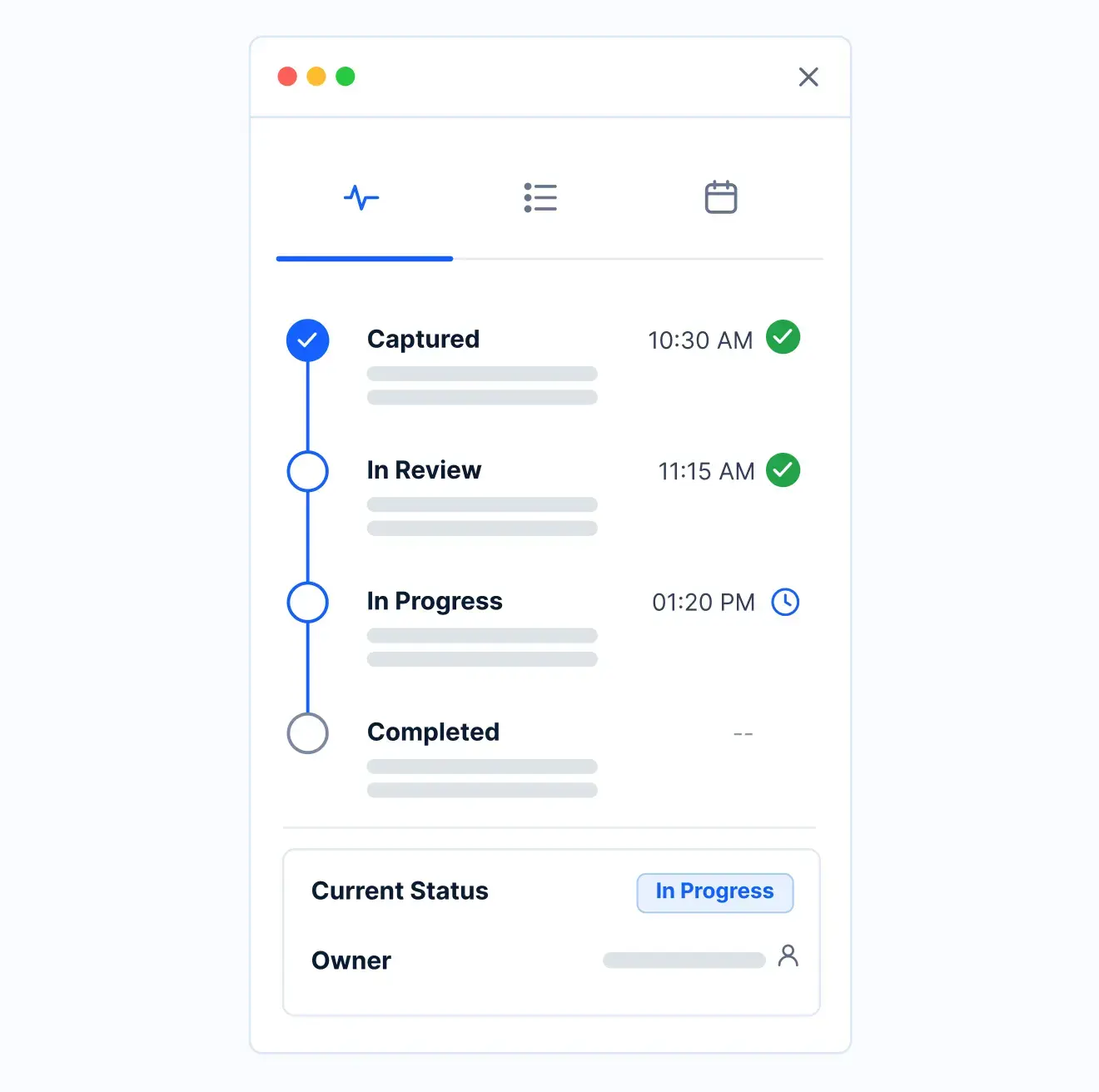
Containment, remediation, and post-remediation monitoring are tracked with owners, dates, and evidence, and the case stays open until the agreed criteria are met.
Record
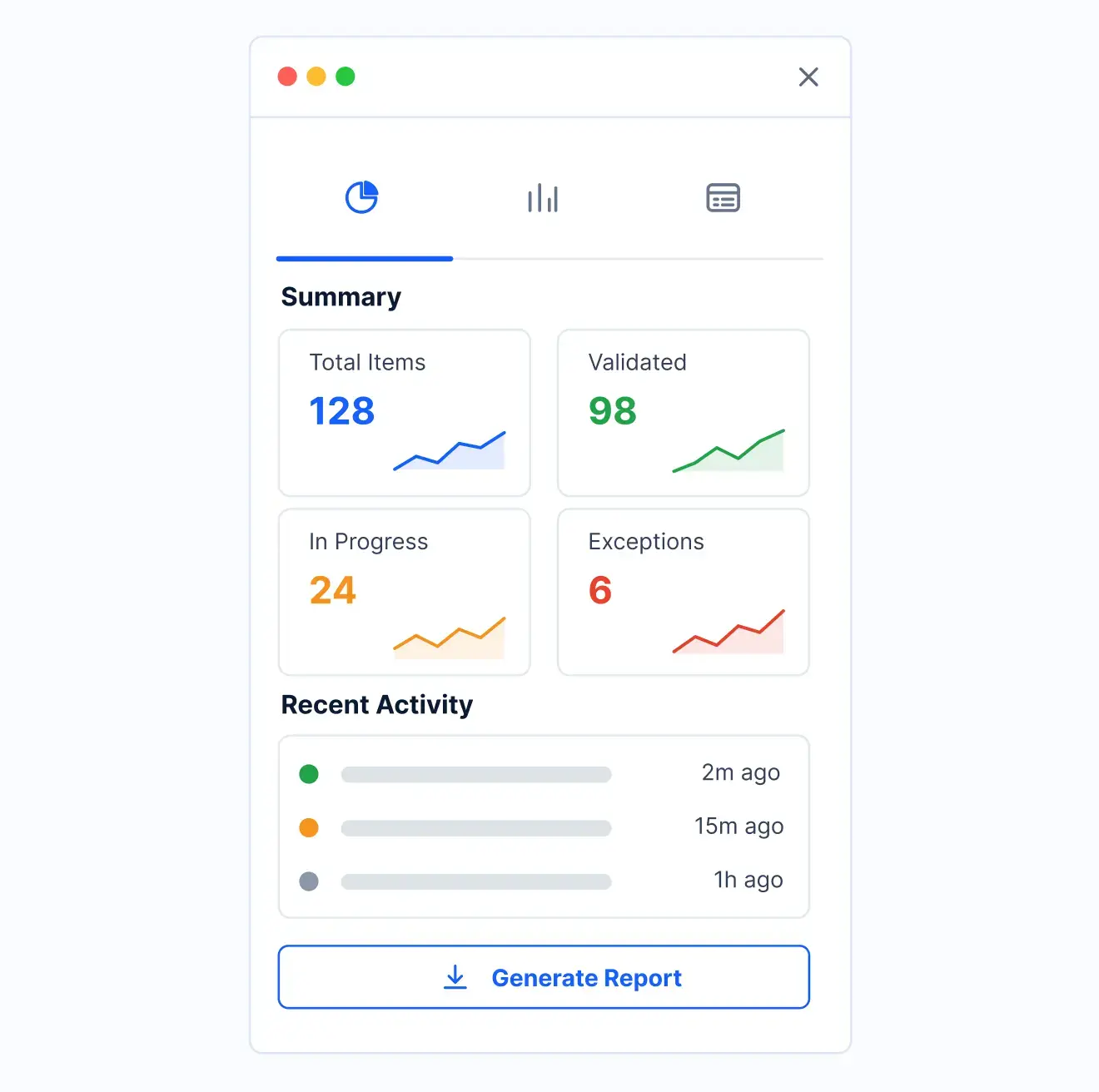
The case closes on evidence against its criteria and is retained in full, feeding pattern reporting across sites, media, and receptors.
What changes when environmental cases run on Kissflow
| Process | Before Kissflow | On Kissflow |
|---|---|---|
| Event reporting | Phoned in and written up later | Captured at the location with medium and receptor |
| Notification windows | Researched under time pressure | Surfaced at reporting by medium and jurisdiction |
| Containment | Actioned and remembered | Tracked with owners and completion evidence |
| Remediation closure | Marked complete when work stops | Held to agreed closure criteria with evidence |
| Long-tail monitoring | Depends on someone remembering | Scheduled against the case with results recorded |
| Pattern visibility | Cases sit in separate files | Reported by medium, site, and receptor |
Connects to the systems your operation already runs on
.svg)



.svg)
.svg)
.svg)
.svg)

.svg)
.svg)
.svg)
.svg)
.svg)

.svg)

.svg)

.svg)
.svg)
.svg)
.svg)
.svg)
.svg)
.svg)
.svg)
.svg)

.svg)
Built for events with a short clock and a long tail
Notification windows surface immediately
The obligations that apply by medium and jurisdiction appear at reporting, when the clock is already running.
Closure means criteria, not completion
A case is held to the closure criteria agreed at assessment rather than closed when the visible work stops.
The long tail is scheduled
Post-remediation monitoring is held against the case, so obligations running months out do not depend on memory.
A response layer, not another EHS suite
Kissflow runs the case, the notification record, and the remediation workflow alongside the systems you already own.
Governed from day one
Single sign-on, role-based access, and a timestamped audit log are how the app is built. Kissflow runs in the business-process layer, segmented from the OT and control network.
Live in weeks, not a program
Configure in the visual builder, or describe the standard and let the AI Builder generate the app. Delivery moves from weeks to days.
Related apps
Environmental emissions exception tracker
Track exceedances against air permit conditions and produce the deviation reports the permit requires.
Emissions monitoring exception workflow
Route detected leaks and monitoring exceedances into a repair workflow with regulatory deadlines and resurvey verification.
Incident and near-miss reporting
Capture incidents and near misses, route investigation and corrective actions, and close each one on record.
We help environmental leaders run the first hour and the next two years from one record
.gif)

“If a company cannot enable everybody to use AI, they will never get the true benefit of AI. Platforms like Kissflow allow us to put that capability in the hands of our users in a safe way.”
Vagesh Dave
GVP & CIO at McDermott International, Ltd
See The Full Story

“Advanced automation of all processes is easy to set up. I cannot imagine how to manage workflows without this software.”
Tanay Tiwary
Global Head - Digitalization & Business Improvement
See the Full Story

“Kissflow supports rapid application development by building a working application prototype in the shortest amount of time.”
Maria Theresa Cabigon
CIO, SN Aboitiz Power Group
See The Full Story
See what Kissflow can do for you
Talk to usGot questions? We're here to help.
Get SupportIt is a case application for environmental events across every medium: spills to ground and water, unauthorized discharges, produced water and waste exceptions, and containment failures. It surfaces notification obligations at reporting and tracks containment, remediation, and post-remediation monitoring to evidenced closure.
The emissions monitoring workflow handles detected leaks at components on a repair clock. The emissions exception tracker handles air permit condition breaches on a reporting clock. This app handles non-air environmental events, where the obligation starts with notification and the work runs long through remediation and monitoring.
Notification obligations are configured by medium and jurisdiction and surface at the point of reporting, with each notification recorded as made, by whom, and when.
Yes. Post-remediation monitoring is scheduled against the case and results are recorded to it, so obligations running well past the initial response remain attached to the event that created them.
Yes. Fields, categories, routing rules, and escalation thresholds are configured by the process owner in the visual builder, and every change is written to the same audit log as a manual edit.
No. Kissflow runs in the business-process layer alongside the systems you already own and connects to them through APIs and integration connectors. It does not replace your EHS suite, your ERP, or your maintenance system, and it does not operate inside the control system.
No. Kissflow AI maps natural language to platform metadata and produces an inspectable blueprint, so every app is auditable and the process owner can maintain it.
Kissflow is certified to SOC 1, SOC 2, SOC 3, ISO/IEC 27001, HIPAA, GDPR, and CCPA, hosted on Google Cloud with data residency in the US, EU, APAC, and Oceania.