Drilling Program Change Management Software for Active Wells
Kissflow routes a mid-well change to an already-sanctioned drilling program through impact and risk assessment, approval board sign-off, and implementation scheduling, so a change made at the rig site is a documented decision, not a verbal call between the superintendent and the engineer.

Trusted by energy operators worldwide






The well plan called for one casing point. The formation had other ideas.
An unexpected pressure kick, a lost-circulation zone, or a bit that's wearing faster than the program assumed means the sanctioned drilling program no longer matches what's actually in the hole. Someone has to decide, often within hours, whether to shift the casing point, change the mud weight, or swap the bit program, and that decision has real well-control and cost consequences. A verbal call between the rig superintendent and the drilling engineer can get the rig moving again fast. It leaves no record of who assessed the risk, who approved the change, or why.
Kissflow runs drilling program changes as a change-control workflow: a change request intake that captures what's different from the sanctioned plan and why, an impact and risk assessment step, approval board routing to the engineering and HSE reviewers who need to sign off before the change is implemented, scheduling that coordinates the change with the rig's current operation, and a post-implementation review once the change is executed.
When the well file is reviewed later, every deviation from the original program is a documented decision with a name and a timestamp attached, not a gap the plan doesn't explain.
Where drilling program changes go undocumented at the rig
Changes happen on a phone call
A casing point shift or mud weight change gets approved verbally between the rig site and the office.
Risk isn't assessed before the change
The rig moves ahead on the new plan before anyone formally checks the well-control impact.
Approval doesn't reach the right reviewers
A change that should go to HSE as well as engineering only reaches the drilling engineer.
Nothing closes the loop
Once the change is implemented, nobody reviews whether it worked as expected.
Six modules. Every mid-well change assessed, approved, and reviewed against the sanctioned plan.
Configure change categories, approval boards, and review criteria to your drilling program.
Change request intake
The rig site or drilling engineer submits what's changing from the sanctioned program, casing point, mud weight, or bit plan, and why.
Impact and risk assessment
The change is assessed for well-control, schedule, and cost impact before it moves forward to approval.
Approval board routing
The request routes to the engineering and HSE reviewers required for that specific category of change.
Implementation scheduling at the rig
Approved changes are scheduled against the rig's current operation so execution doesn't stall the crew.
Post-implementation review
Once a change is executed, it's reviewed against what engineering expected, closing the loop on the decision.
Change log and audit trail
Every deviation from the original program becomes a timestamped, attributed record tied to the well file.
From request to system of record in four steps
Submit
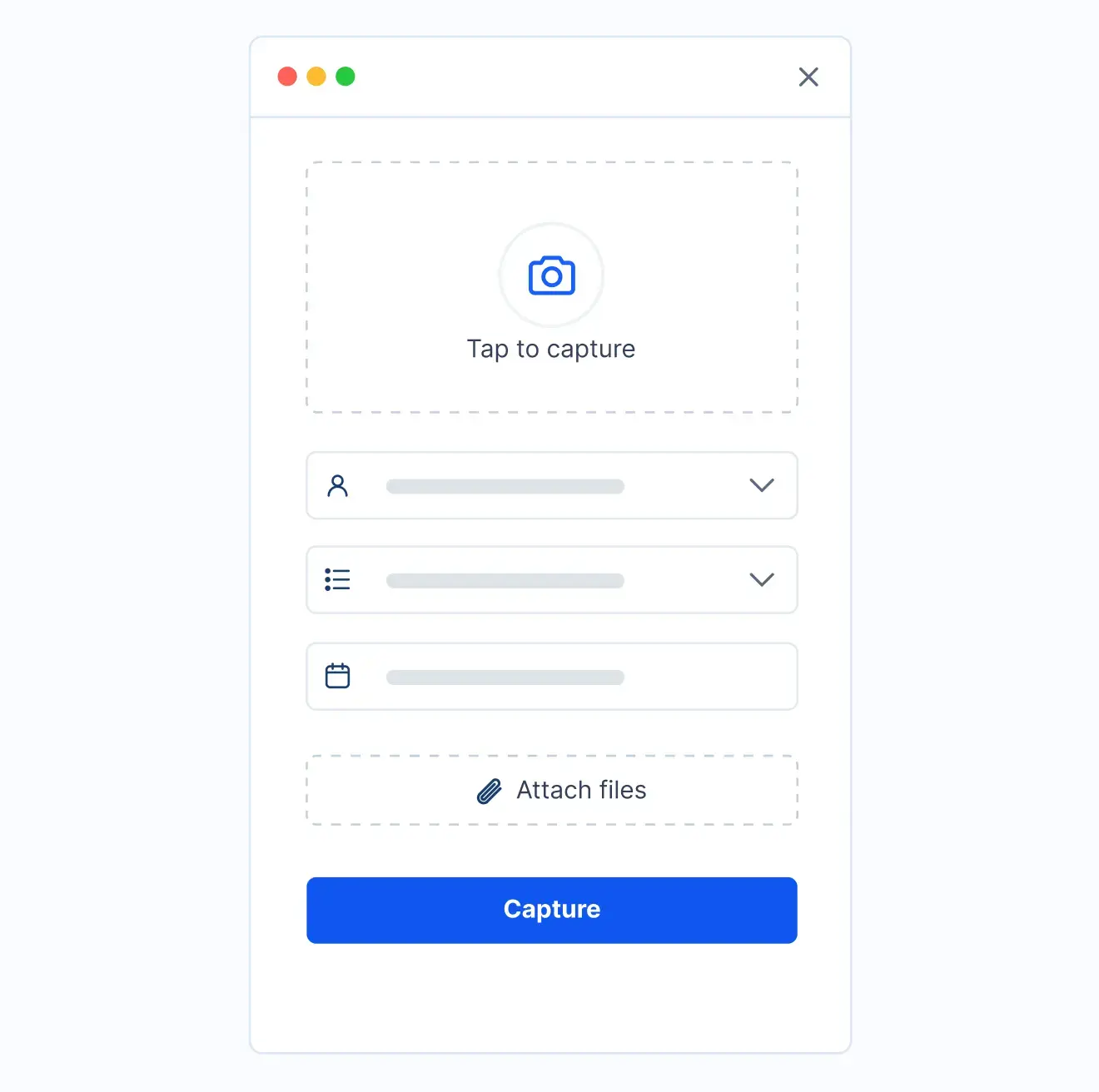
The rig site or drilling engineer logs what is different from the sanctioned program and the reason for it.
Review
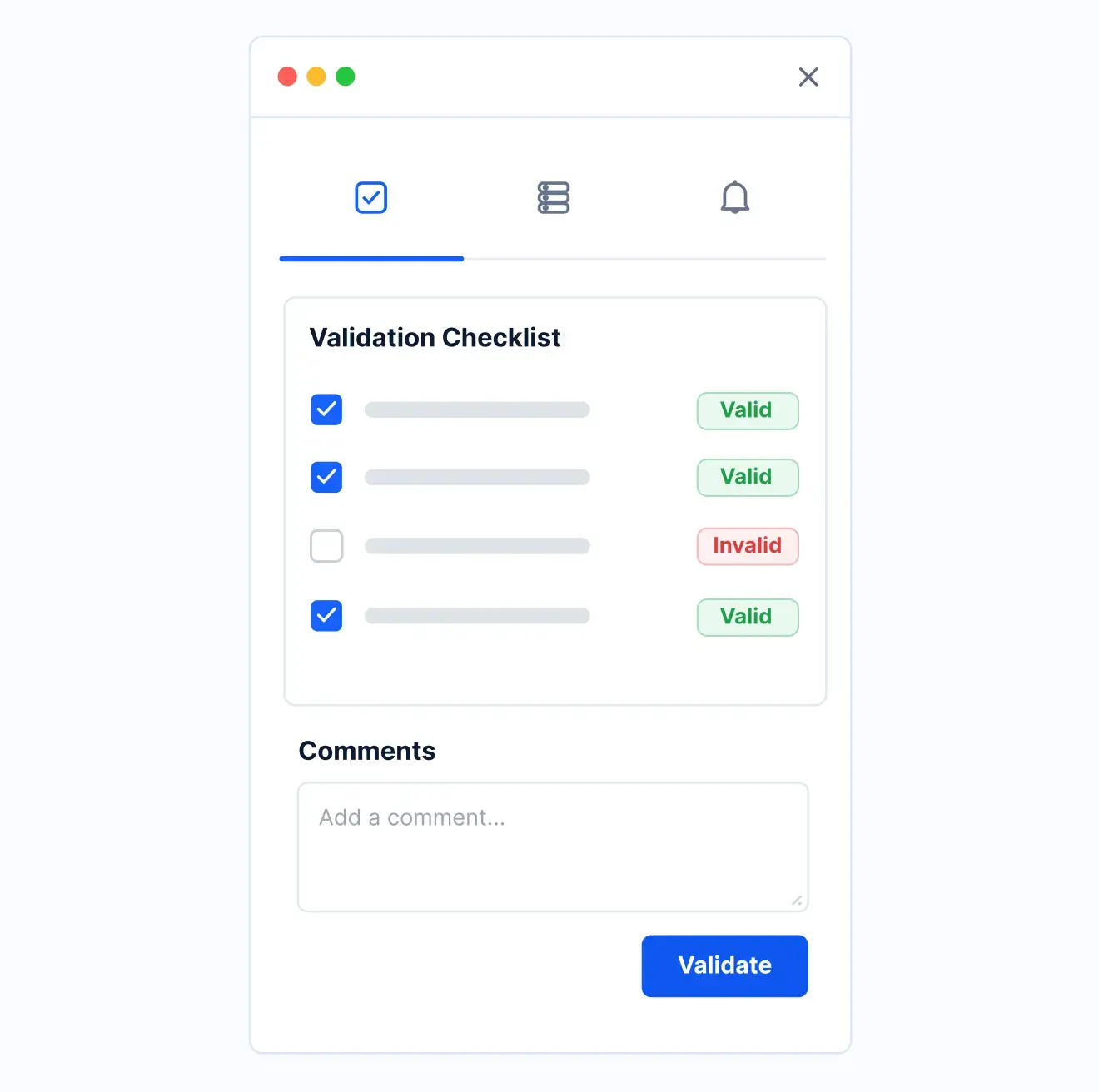
The proposed change is assessed for well-control, schedule, and cost impact before it reaches approval.
Approve
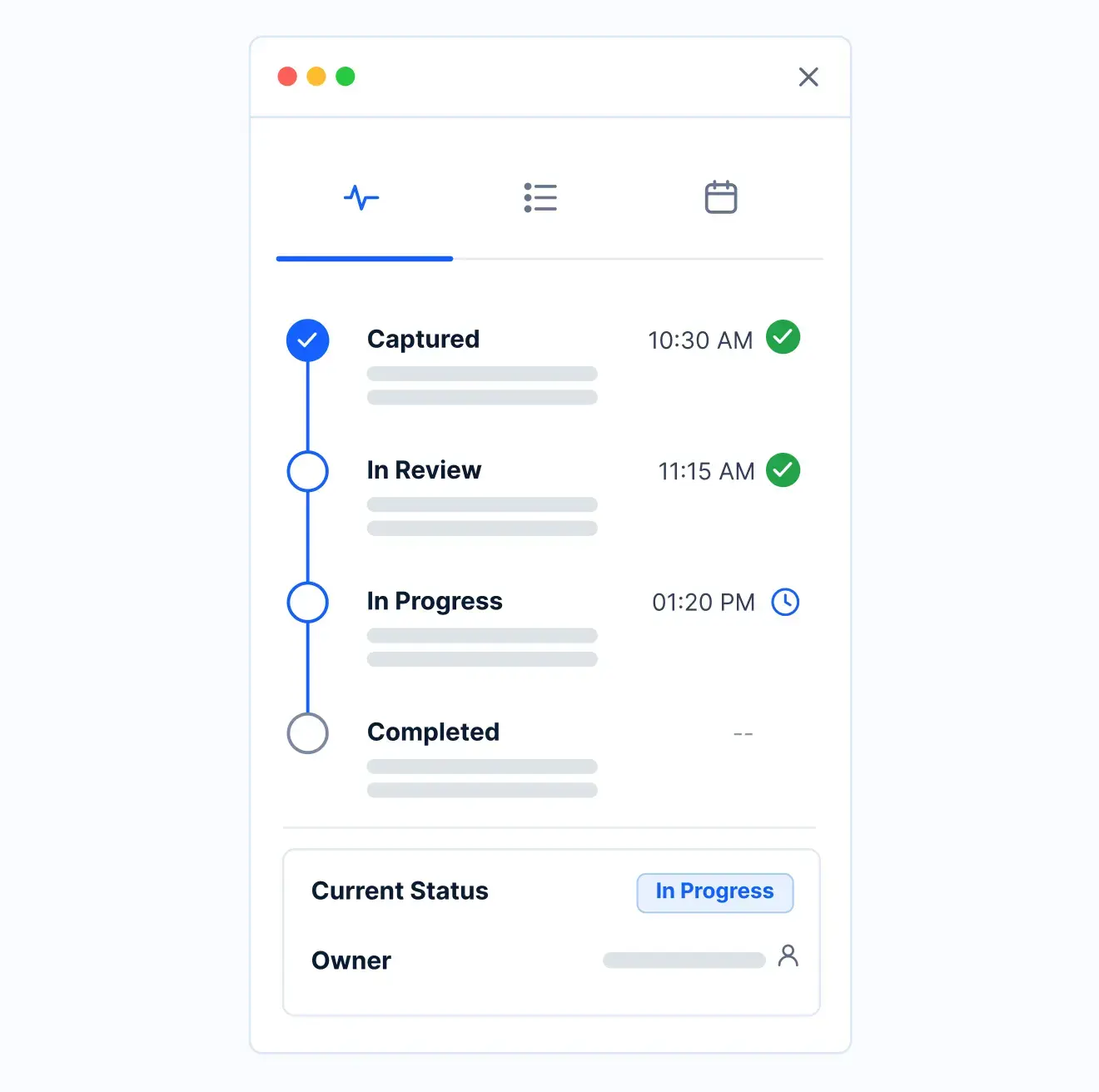
Engineering and HSE reviewers on the approval board sign off before the change can be implemented at the rig.
Record
The change is scheduled, executed at the rig, and reviewed against what was expected, leaving a documented decision instead of a verbal call.
What changes when drilling program change control runs on Kissflow
| Process | Before Kissflow | On Kissflow |
|---|---|---|
| Change request | A phone call between the rig and the office | A logged request with what's different and why |
| Risk assessment | Skipped or done informally before the change is made | A required step before approval |
| Approval routing | Reaches whoever happens to be available | Routes to the reviewers required for that change category |
| Implementation scheduling | Coordinated verbally with the rig crew | Scheduled against the rig's current operation in the system |
| Post-implementation review | Rarely happens once the rig moves on | A required closing step on every change |
| Well file record | A gap the original plan doesn't explain | A documented deviation with a name and timestamp |
Connects to your well data management system or ERP; Kissflow doesn't replace your engineering system of record
Kissflow runs the change-request, approval, and review layer. Your well data management or ERP system stays the system of record for the engineering design itself.
.svg)



.svg)
.svg)
.svg)
.svg)

.svg)
.svg)
.svg)
.svg)
.svg)

.svg)

.svg)

.svg)
.svg)
.svg)
.svg)
.svg)
.svg)
.svg)
.svg)
.svg)

.svg)
Built for how drilling changes actually happen at the rig
Risk assessed before the change, not after
A change doesn't get implemented before its well-control impact is checked.
Routes to the reviewers who need to see it
Engineering and HSE sign off based on the category of change, not who happens to be reachable.
Scheduled against the rig's real operation
Implementation is coordinated with what the rig is actually doing, not assumed.
Live in weeks
Configure change categories and approval boards in the visual builder, or describe the use case to the AI Builder.
Governed from day one
Role-based access and a full audit trail on every change and approval.
A well file that explains every deviation
Every change from the sanctioned program is a documented decision, not a gap.
Related apps
Drilling & Well Planning Management System
Coordinate the original well design and cross-discipline sign-off before spud.
Casing/cementing Approval Management System
Approve the casing string and cement job as a planned execution step.
Lessons Learned From Wells Management System
Feed what a program change taught back into the next well's plan.
We help drilling teams turn a rig-site call into a documented decision
.gif)

“If a company cannot enable everybody to use AI, they will never get the true benefit of AI. Platforms like Kissflow allow us to put that capability in the hands of our users in a safe way.”
Vagesh Dave
GVP & CIO at McDermott International, Ltd
See The Full Story

“Advanced automation of all processes is easy to set up. I cannot imagine how to manage workflows without this software.”
Tanay Tiwary
Global Head - Digitalization & Business Improvement
See the Full Story

“Kissflow supports rapid application development by building a working application prototype in the shortest amount of time.”
Maria Theresa Cabigon
CIO, SN Aboitiz Power Group
See The Full Story
See what Kissflow can do for you
Talk to usGot questions? We're here to help.
Get SupportNo. Your well data management or ERP system stays the system of record for the engineering design. Kissflow runs the change-request, approval, and review layer on top of it.
Drilling & Well Planning Management System covers the upfront design and sign-off before spud. This app is the mid-well change-control gate for when actual conditions differ from that already-sanctioned plan.
The Management of Change (MOC) App governs process and facility changes broadly across an operating site. This app is scoped specifically to changes against an already-sanctioned drilling program at an active well.
Yes. Approval board routing can be configured with an expedited path for time-critical changes, while still capturing the risk assessment and sign-off record.
Whoever you configure by change category, typically the drilling engineer and, for well-control-relevant changes, an HSE reviewer.
Yes. A post-implementation review step closes out every change against what was expected before it's marked complete.
Configuration and AI-assisted app generation move delivery from a multi-month program to a matter of weeks.
Kissflow is certified to SOC 1, SOC 2, SOC 3, and ISO/IEC 27001, with role-based access and a full audit log on every change and approval.