Downtime Breakdown Reporting Software From Event to Root Cause
A downtime and breakdown app opens an event the instant a line goes down, escalates by how long it stays down, tracks the repair and structured reason code against the record, and drives root cause analysis before it closes into MTTR and OEE analytics.

Trusted by leading manufacturers worldwide


A downtime log that nobody analyzes is just a list of interruptions
A machine goes down, someone starts a mental stopwatch, and the actual root cause gets written up days later from memory, if it gets written up at all. Downtime and breakdown events typically get logged after the fact in a maintenance log, with the reason code chosen loosely and the escalation, who gets called, how fast, left to whoever is on shift and remembers the protocol.
Kissflow runs downtime and breakdown reporting as a triggered, tiered workflow. An event opens the moment downtime starts, not at shift-end, and tiered escalation rules notify the right responder based on how long the line has been down, a technician first, then a supervisor, then plant leadership if it drags on. Response and repair actions are tracked against the same record, downtime reason coding is structured rather than free text, and root cause analysis is a required step before the event can close.
Maintenance and production leads configure escalation tiers and reason codes in the visual builder to match their own maintenance standard. MTTR and OEE analytics roll every logged event up automatically, so recurring failure patterns show up in the data instead of staying anecdotal between planners.
A downtime log filled in after the fact cannot drive a maintenance improvement
Logging happens after the machine restarts
A breakdown gets written up once production resumes, so the timeline and severity of the event are reconstructed from memory.
Escalation depends on who is on shift
Getting the right technician on a breakdown depends on who happens to answer the phone, not a defined severity path.
Reason coding is inconsistent
Downtime reason is entered as free text, so nobody can reliably roll it up into a failure-mode analysis.
MTTR and OEE built from someone's spreadsheet
Reliability metrics get manually assembled from the downtime log before every review, if they get assembled at all.
Six process modules
Every module ships with default forms, escalation logic, and dashboards. Configure each one to your maintenance program in the visual builder.
Event trigger and logging
Opens an event the moment downtime is triggered, with the exact start time captured automatically on record.
Tiered escalation
Escalation tiers notify a technician, then a supervisor, then leadership based on how long the line is down.
Response and repair tracking
Response and repair actions are logged against the event, with the responder and time to resolution recorded.
Downtime reason coding
Downtime reason is captured through a structured code set, not free text, for consistent trend analysis.
Root cause analysis
Root cause analysis is a required step on every event, linking the confirmed cause to the downtime record.
MTTR and OEE analytics
Every event feeds MTTR and OEE analytics automatically, rolled up by machine, line, and reason code.
From request to system of record in four steps
Report
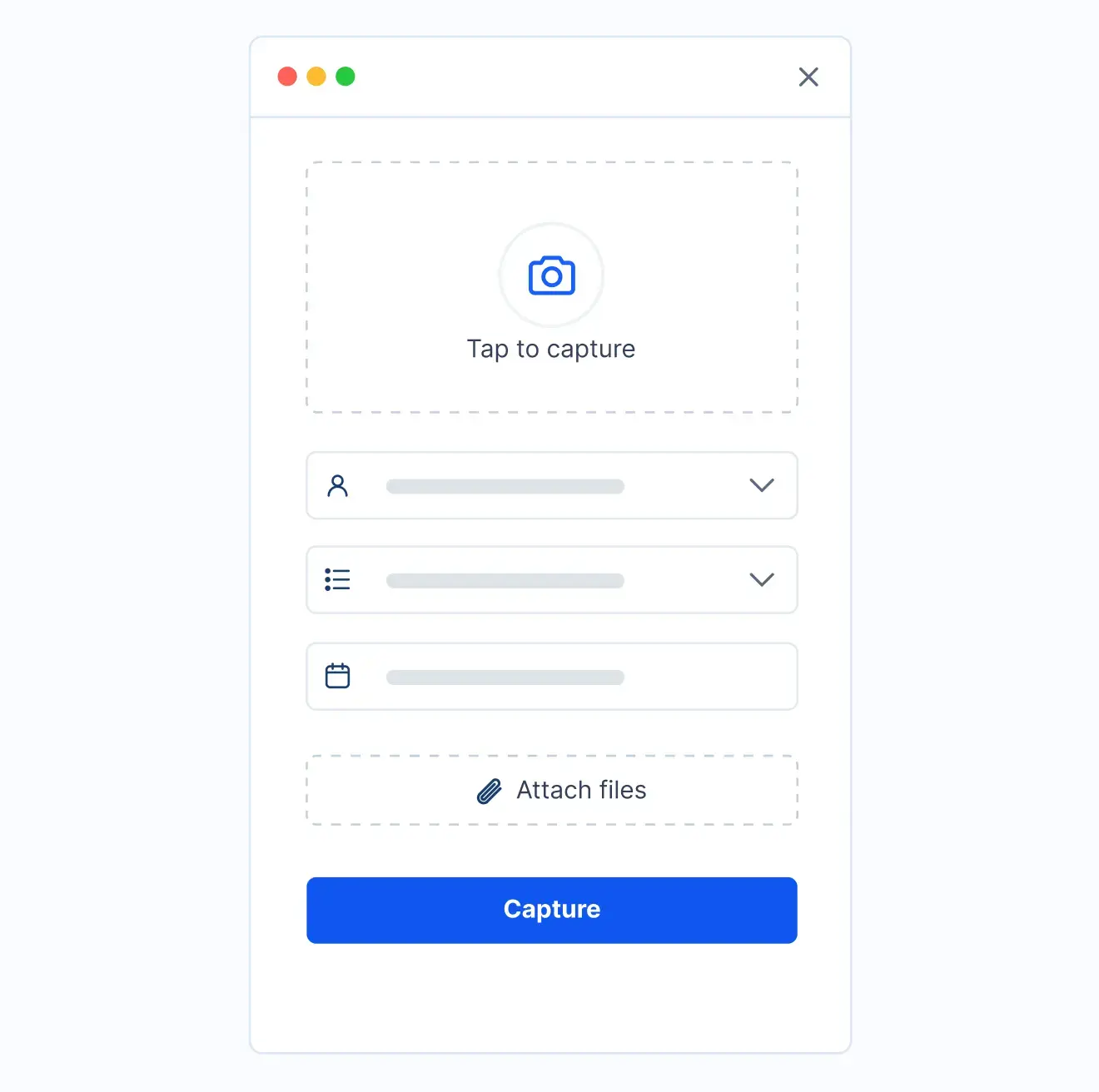
An event opens automatically the instant downtime is triggered anywhere on the line.
Assess
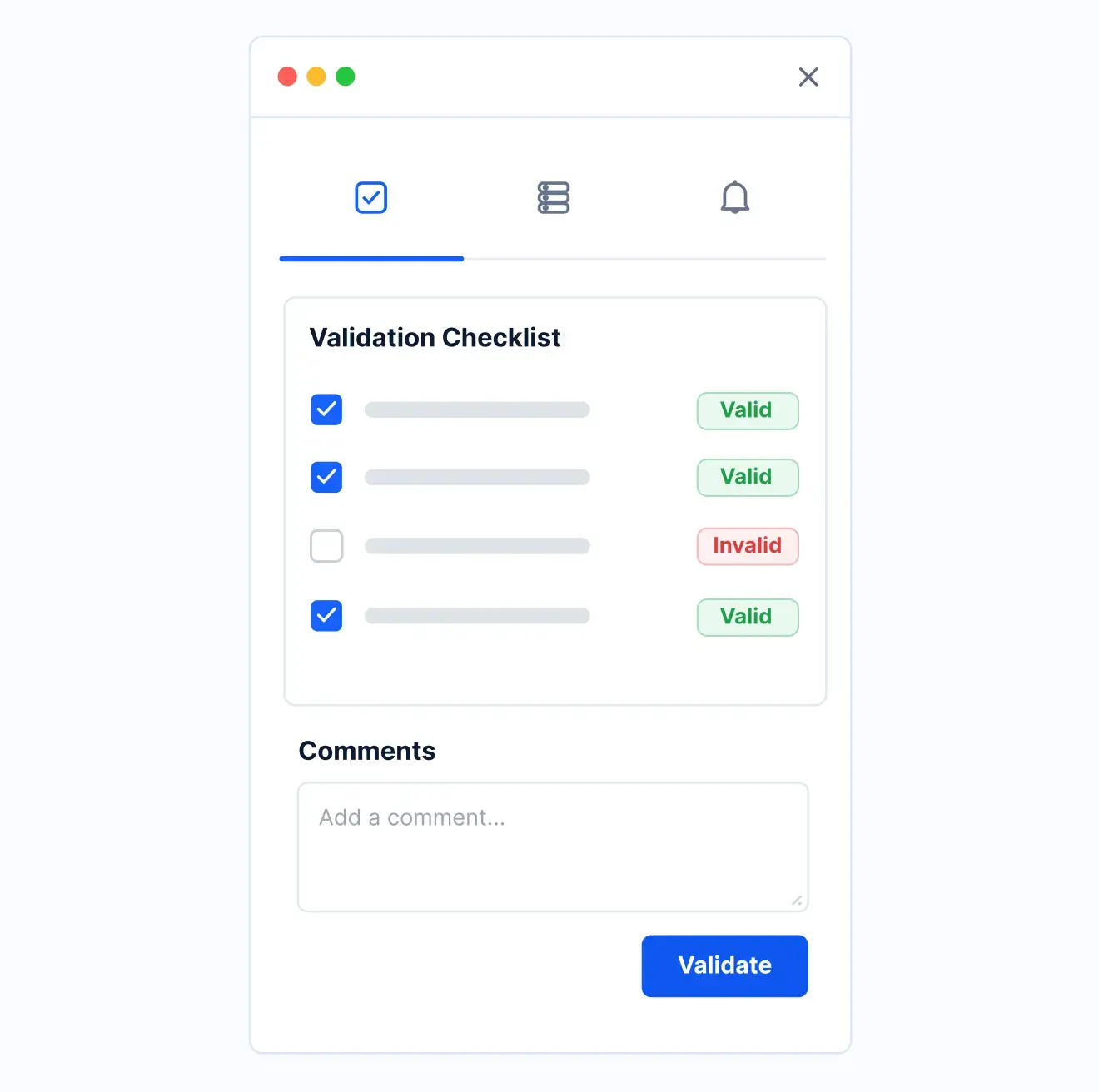
The event escalates by tier based on elapsed downtime, notifying the right responder.
Resolve
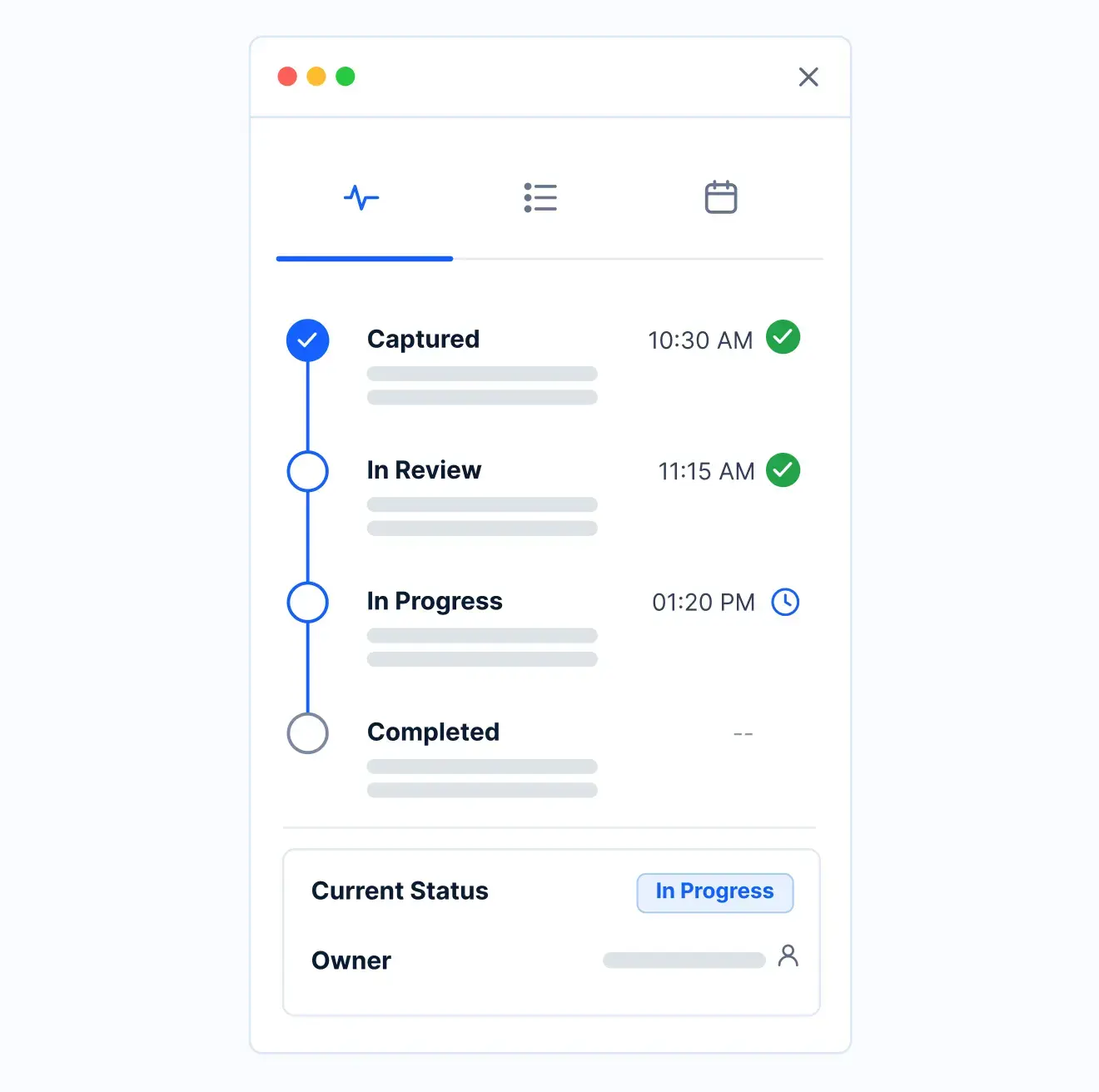
Repair actions are logged and root cause analysis identifies the failure driving the breakdown.
Record
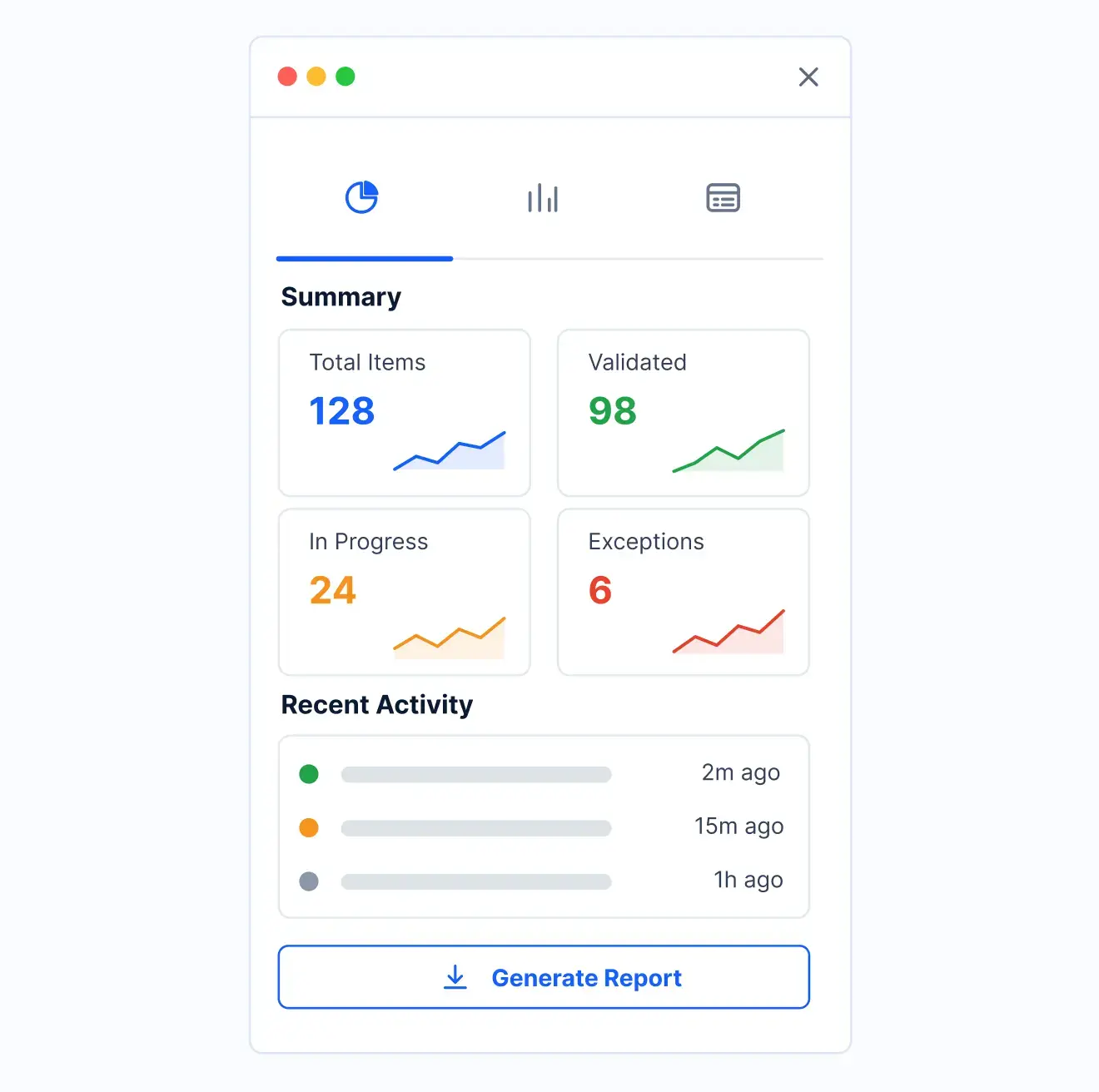
The event is verified closed and rolls into MTTR and OEE analytics automatically.
What changes when breakdown reporting runs on Kissflow
| Process | Before Kissflow | On Kissflow |
|---|---|---|
| Event logging | Written up after the machine restarts | Logged the moment the breakdown happens |
| Escalation | Depends on who answers the phone | Routed by severity tier automatically |
| Reason coding | Free text, inconsistent | Structured codes built for failure-mode analysis |
| Repair tracking | Tracked informally, if at all | Time-stamped from response through completion |
| Root cause | Skipped unless the breakdown is major | Triggered on repeat or high-severity events |
| MTTR and OEE | Manually assembled before each review | Rolled up automatically from closed events |
Connects to the systems your maintenance team already runs on
.svg)



.svg)
.svg)
.svg)
.svg)

.svg)
.svg)
.svg)
.svg)
.svg)

.svg)

.svg)

.svg)
.svg)
.svg)
.svg)
.svg)
.svg)
.svg)
.svg)
.svg)

.svg)
Built for reliability data that is actually usable
Escalation by severity tier
The right level of maintenance response is notified automatically based on how serious the breakdown is.
Structured reason coding
Downtime reason is captured as a code, not free text, so failure modes can actually be analyzed.
MTTR and OEE built in
Closed breakdowns roll straight into reliability reporting without a manual spreadsheet exercise.
Live in weeks
Configure escalation tiers and reason codes in the visual builder, without a multi-month CMMS rollout.
Root cause where it matters
Investigation triggers on repeat or high-severity breakdowns, not every minor stoppage.
Works from the floor
Logging and repair tracking work on a phone or tablet at the point of the breakdown.
Related apps
Real-Time Production Monitoring Dashboard
Surfaces a downtime spike on the live dashboard that this app then investigates.
Production Monitoring and Optimization
Handles the broader threshold-based exception workflow this breakdown reporting feeds into.
Production Deviation Logging and Escalation
Tracks process drift, as distinct from an equipment breakdown, on the same floor.
We help maintenance teams turn a downtime log into a reliability program
.gif)

“If a company cannot enable everybody to use AI, they will never get the true benefit of AI. Platforms like Kissflow allow us to put that capability in the hands of our users in a safe way.”
Vagesh Dave
GVP & CIO at McDermott International, Ltd
See The Full Story

“Advanced automation of all processes is easy to set up. I cannot imagine how to manage workflows without this software.”
Tanay Tiwary
Global Head - Digitalization & Business Improvement
See the Full Story

“Kissflow supports rapid application development by building a working application prototype in the shortest amount of time.”
Maria Theresa Cabigon
CIO, SN Aboitiz Power Group
See The Full Story
See what Kissflow can do for you
Talk to usGot questions? We're here to help.
Get SupportIt is a governed application that logs an equipment breakdown immediately, escalates by severity, tracks repair to completion, codes the downtime reason, and rolls closed events into MTTR and OEE reporting.
A paper log records that downtime happened. This app logs it in real time, escalates it by severity, and structures the reason code so the data can actually drive an MTTR or failure-mode analysis.
No. It runs the breakdown logging, escalation, and root cause workflow around the event. A CMMS can remain the system of record for work orders and asset history.
Severity tiers configured per equipment or line determine which level of maintenance response is notified and how urgently.
No. Investigation triggers on repeat or high-severity events, so minor, one-off stoppages do not carry the same overhead.
Yes. Closed breakdown records roll directly into MTTR, OEE, and failure-mode reporting without a manual assembly step.
Yes. Event logging and repair tracking work on a phone or tablet at the point of the breakdown.
Configuring escalation tiers and reason codes in the visual builder typically takes weeks.