Delay Event Management Software for Capital Projects
Kissflow logs every schedule delay against the baseline the moment it happens, codes its cause, whether it's weather, a permit, a vendor, or an engineering hold, and escalates it before a three-day slip on one critical-path activity turns into a schedule claim nobody can substantiate.

Trusted by energy operators worldwide






Day 47 of a 60-day activity turns into day 52, and the first anyone outside the discipline lead hears about it is the weekly schedule review.
On a capital project running to a baseline schedule, an activity slipping a few days rarely gets written up the day it happens. A permit that should have cleared on Tuesday clears on Friday, a specialty contractor's crew doesn't show, a foundation pour waits three extra days for engineering to close out a rebar query. Each one, on its own, looks small. By the time they surface in the monthly schedule update, three or four of them have stacked on the same critical path, and nobody can point to which cause actually drove the float to zero.
Kissflow logs a delay the day it starts: which activity, which baseline date it's measured against, a cause code (weather, permit, vendor, engineering, owner-caused), and the number of days at risk. A delay past a configured threshold escalates to the project controls lead automatically, and a corrective action, resequencing, added shifts, an expedited permit, gets tracked against the same event until the float recovers or the delay closes as accepted schedule impact.
A monthly trend view rolls up every delay event by cause and discipline, so a project controls team can see whether permitting or a specific contractor is driving most of the schedule risk, instead of relitigating each event from scratch when a claim or a schedule recovery plan is due.
Where schedule delays go unrecorded until the monthly report
A delay isn't logged the day it happens
A crew no-show or a late permit gets mentioned in a hallway conversation, not written down against the schedule.
Cause codes aren't consistent
One report calls it a vendor delay, another calls the same event a weather delay, so root-cause trends can't be trusted.
Critical path impact isn't obvious until float is gone
Three small delays on the same path stack silently until the schedule shows zero float with no clear explanation.
Corrective action isn't tracked back to the event
A resequencing decision gets made in a meeting, but nothing ties it to the delay that triggered it.
Six modules. Every delay logged against the baseline, coded, escalated, and closed with a trend view by cause.
Configure baseline linkage, cause codes, and escalation thresholds to your project schedule.
Delay event capture
An activity slipping against its baseline date is logged with a cause code and days-at-risk the day it happens.
Cause coding
Weather, permit, vendor, engineering, or owner-caused, every delay is classified consistently for trend reporting.
Critical path threshold check
A delay on a critical or near-critical path activity flags automatically once it crosses a configured float threshold.
Escalation
Delays past their threshold route to the project controls lead with the schedule impact attached.
Corrective action tracking
Resequencing, added resources, or expedited approvals are tracked against the delay event until it closes.
Delay trend dashboard
Every closed and open delay rolls up by cause and discipline, showing where schedule risk is concentrated.
From request to system of record in four steps
Report
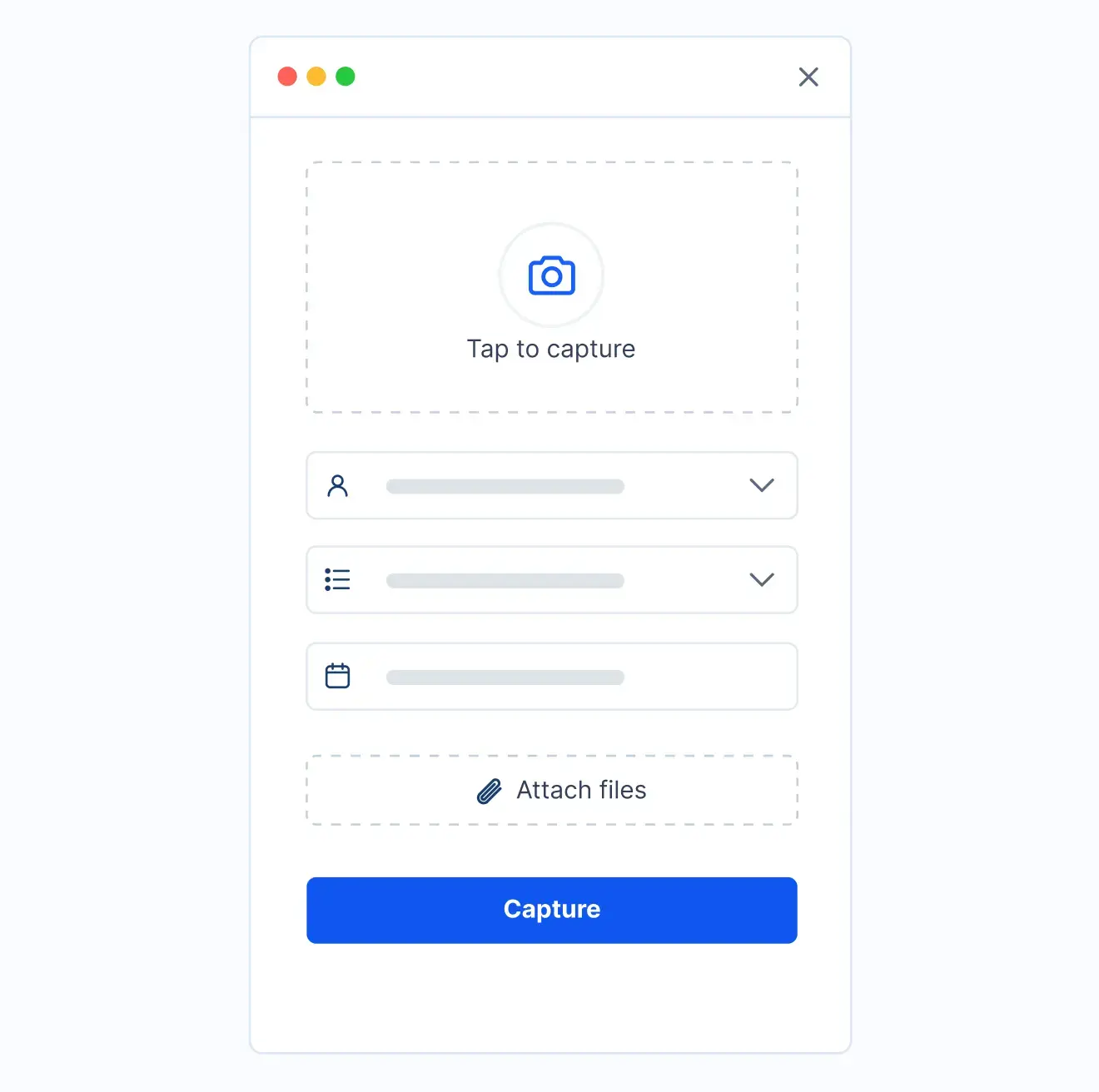
An activity slipping against its baseline date is captured with a cause code and days at risk.
Assess
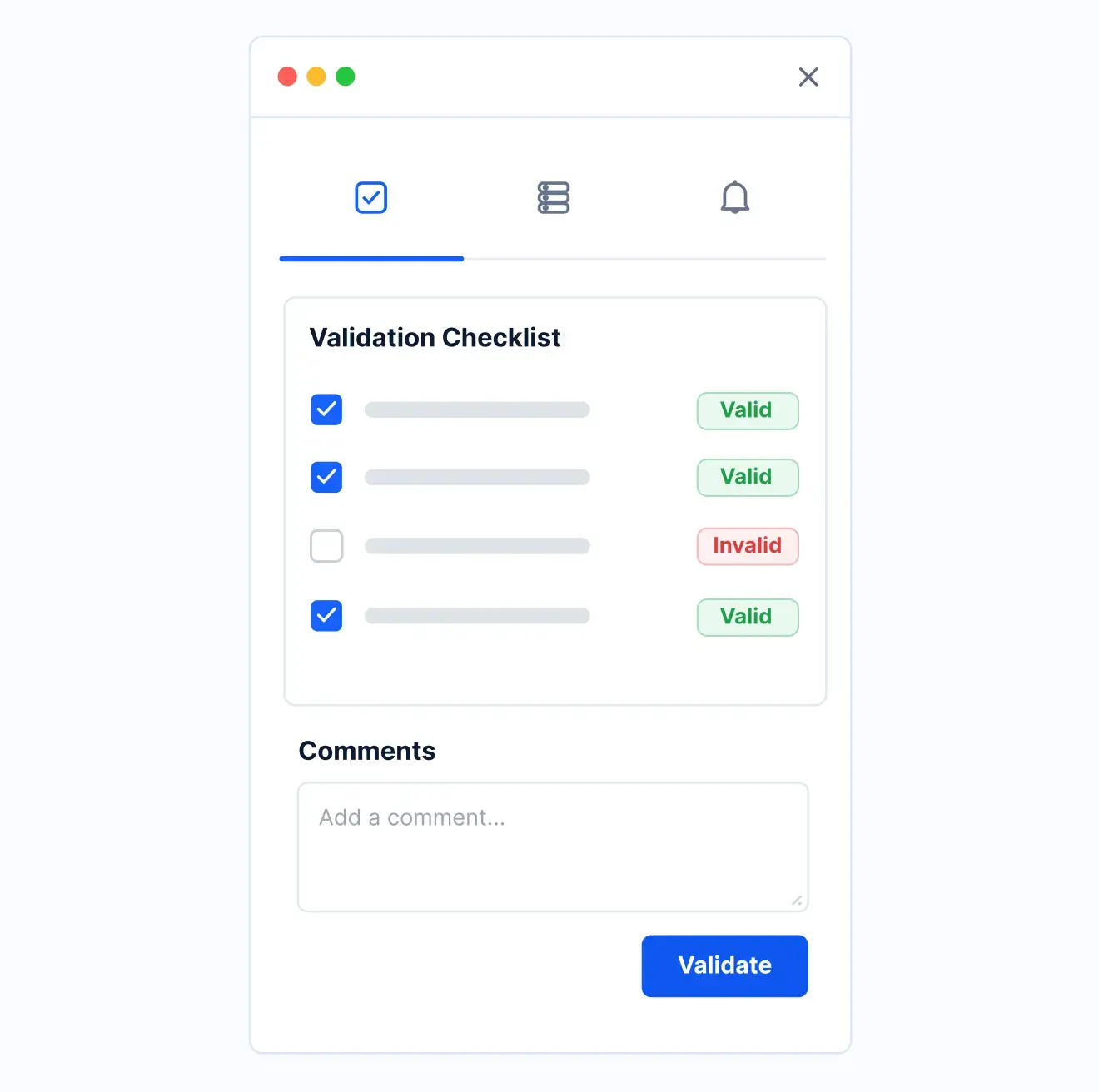
The system flags whether the delay is eating float on the critical or near-critical path.
Resolve
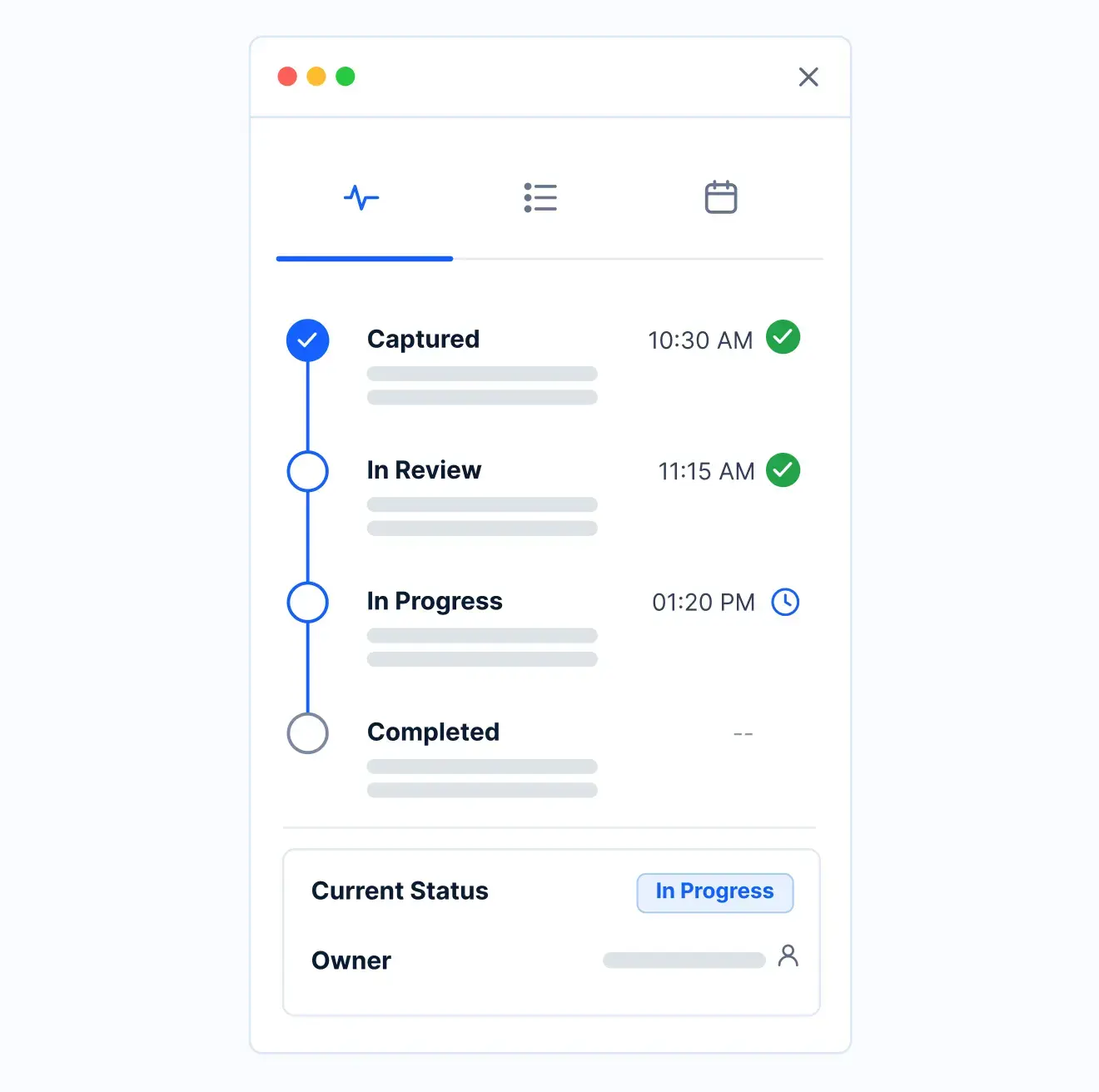
A delay that crosses its configured threshold routes to the project controls lead.
Record
A corrective action or an accepted schedule impact closes the event with the float outcome recorded.
What changes when delay events run on Kissflow
| Process | Before Kissflow | On Kissflow |
|---|---|---|
| Delay capture | Mentioned in a meeting, not written down | Logged against the baseline the day it happens |
| Cause coding | Inconsistent between reports | Classified against one standard set of cause codes |
| Critical path impact | Noticed once float hits zero | Flagged automatically as float erodes |
| Escalation | Depends on the schedule review cadence | Automatic once a delay crosses its threshold |
| Corrective action | Decided in a meeting, untracked | Tracked against the delay event that triggered it |
| Root-cause trends | Reconstructed for each claim or recovery plan | A standing dashboard by cause and discipline |
Connects to your project scheduling tool or ERP for the baseline and cost impact; Kissflow doesn't replace your system of record
Kissflow runs the delay capture, cause coding, and escalation layer. Your scheduling tool (Primavera P6 or equivalent) or ERP stays the system of record for the baseline schedule and the cost of a recovery plan.
.svg)



.svg)
.svg)
.svg)
.svg)

.svg)
.svg)
.svg)
.svg)
.svg)

.svg)

.svg)

.svg)
.svg)
.svg)
.svg)
.svg)
.svg)
.svg)
.svg)
.svg)

.svg)
Built for how schedule delays actually get caught, not just reported monthly
Logged the day it happens, not the week it's reported
A delay is captured against the baseline immediately, not reconstructed at the next schedule review.
One set of cause codes
Every delay across every discipline is classified consistently, so a trend is actually a trend.
Critical path impact flagged automatically
See float erosion as it happens, not once it's already at zero.
Live in weeks
Configure cause codes and escalation thresholds in the visual builder, or describe the use case to the AI Builder.
Governed from day one
Role-based access and a full audit trail on every delay event and corrective action.
One dashboard for every claim or recovery plan
Pull every delay by cause and discipline in seconds instead of rebuilding the history from meeting notes.
Related apps
Progress Reporting Management System
Roll delay events up into the percent-complete and schedule variance picture for the whole project.
Scope Change Request Management System
Track a scope change that's driving schedule impact separately from a pure execution delay.
Turnaround Work Scope Approval Management System
Approve turnaround-specific work scope items on the same discipline-review pattern.
We help project controls teams catch a delay the day it happens, not the week it's reported
.gif)

“If a company cannot enable everybody to use AI, they will never get the true benefit of AI. Platforms like Kissflow allow us to put that capability in the hands of our users in a safe way.”
Vagesh Dave
GVP & CIO at McDermott International, Ltd
See The Full Story

“Advanced automation of all processes is easy to set up. I cannot imagine how to manage workflows without this software.”
Tanay Tiwary
Global Head - Digitalization & Business Improvement
See the Full Story

“Kissflow supports rapid application development by building a working application prototype in the shortest amount of time.”
Maria Theresa Cabigon
CIO, SN Aboitiz Power Group
See The Full Story
See what Kissflow can do for you
Talk to usGot questions? We're here to help.
Get SupportNo. Your scheduling tool stays the system of record for the baseline schedule and the full critical path network. Kissflow captures delay events against that baseline and runs the cause-coding and escalation workflow.
Progress Reporting Management System rolls up percent-complete and overall schedule status across the whole project. This app is scoped to individual delay events, why an activity slipped, and tracking that specific cause to resolution.
A scope change is a change to what's being built. A delay event is time lost executing the scope as defined. The two are linked, since a scope change can cause a delay, but this app tracks the schedule slippage itself, whatever the cause.
Yes. Configure separate thresholds by float value or activity criticality so a critical path delay escalates faster than a delay with slack still available.
Yes. Cause codes are configurable to match how your project controls team already categorizes delay, weather, permit, vendor, engineering, or owner-caused, or any custom set.
No. Kissflow tracks the delay event and its documented cause and impact. Your scheduling and commercial teams use that record to build a claim or damages calculation.
Configuration and AI-assisted app generation move delivery from a multi-month program to a matter of weeks.
Kissflow is certified to SOC 1, SOC 2, SOC 3, and ISO/IEC 27001, with role-based access and a full audit log on every delay event and corrective action.