Academic Advising and Appointment Scheduling
Kissflow schedules an advising appointment against an advisor's real availability, captures notes and any hold or flag raised in the meeting, and surfaces at-risk signals and follow-up tasks to the next advisor who sees the student, so an advising history survives an advisor's turnover, a student's transfer between advisors, or a semester's gap between visits.

Trusted by leading universities worldwide






An advising appointment that ends without a note might as well not have happened; the next advisor who sees this student has no idea it did.
Academic advising is high-volume and mostly undocumented. An advisor sees a student for a short window several times a term, across four years, and what gets written down afterward depends entirely on that advisor's own habits. Some keep detailed notes in a shared system. Many keep nothing beyond a scheduling calendar, or notes in a personal document nobody else can see. When a student switches advisors, changes majors, or simply sees a different advisor because their usual one is out, the new advisor starts from zero.
Scheduling itself has its own friction: a student books against an advisor's posted hours without knowing which slots are already full, a hold that should route a student to advising before registration doesn't connect to the scheduling system at all, and a flag raised in one meeting, an academic difficulty, a major change under consideration, doesn't reach whoever sees the student next.
Kissflow runs advising as one connected system: appointment scheduling against real advisor availability, a notes record attached to the student rather than the advisor, hold and flag visibility tied to registration, at-risk signal surfacing for follow-up, and reporting on caseload and visit patterns. Your SIS stays the record of registration and academic standing; Kissflow is where the advising relationship itself is documented and handed off cleanly.
What breaks when advising notes live in an advisor's own head
Scheduling doesn't reflect real availability
A student books against a calendar that doesn't account for an advisor's actual open slots, leading to double-booking or no-shows.
Notes don't survive an advisor change
A new advisor starts from nothing when a student transfers, with no visibility into what was discussed or flagged before.
Holds aren't visible at the point of scheduling
A registration hold that should route a student to advising doesn't connect to the appointment system that would clear it.
At-risk signals stop at the meeting that raised them
A flag raised in one advising conversation doesn't reach the next advisor, or trigger any follow-up on its own.
Six modules. Built so a student's advising history outlives any one advisor.
Every module ships with default forms, routing, and dashboards. Configure each one to your advising process in the visual builder.
Appointment scheduling
Books advising appointments against each advisor's real, posted availability.
Advising notes
Captures notes from each meeting on the student's record, visible to any advisor who sees them next.
Hold and registration flag visibility
Surfaces an advising hold at the point of scheduling, so a student books the appointment that actually clears it.
At-risk signal tracking
Flags a concern raised in a meeting, academic difficulty, a major change, for follow-up rather than letting it end with the appointment.
Caseload assignment
Assigns students to advisors and reassigns cleanly when a student transfers, with full history intact.
Visit pattern and caseload reporting
Reports on appointment volume, no-show rates, and caseload distribution across the advising office.
From request to system of record in four steps
Capture
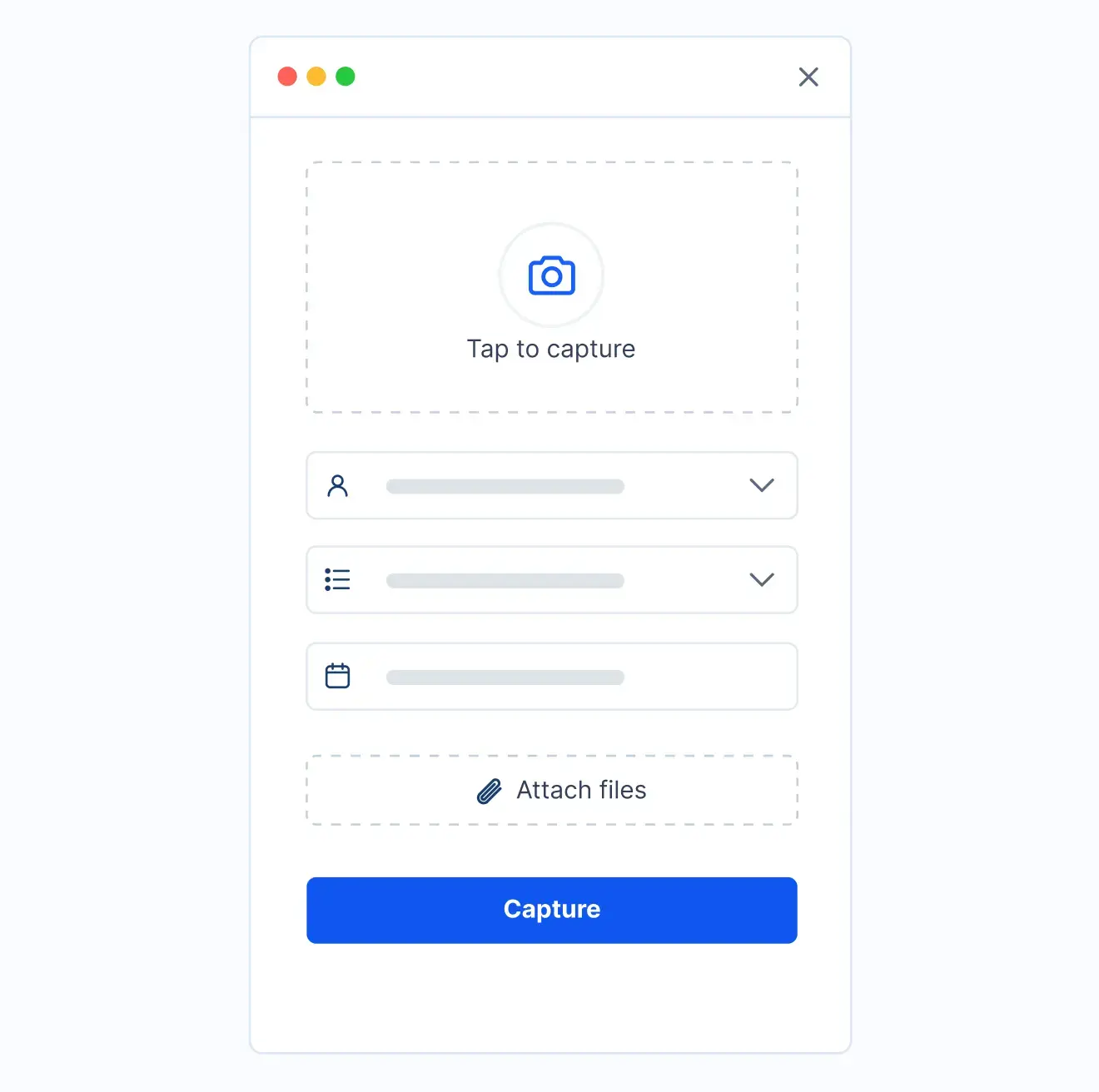
A student books an appointment against an advisor's real availability, with any hold flagged if relevant.
Validate
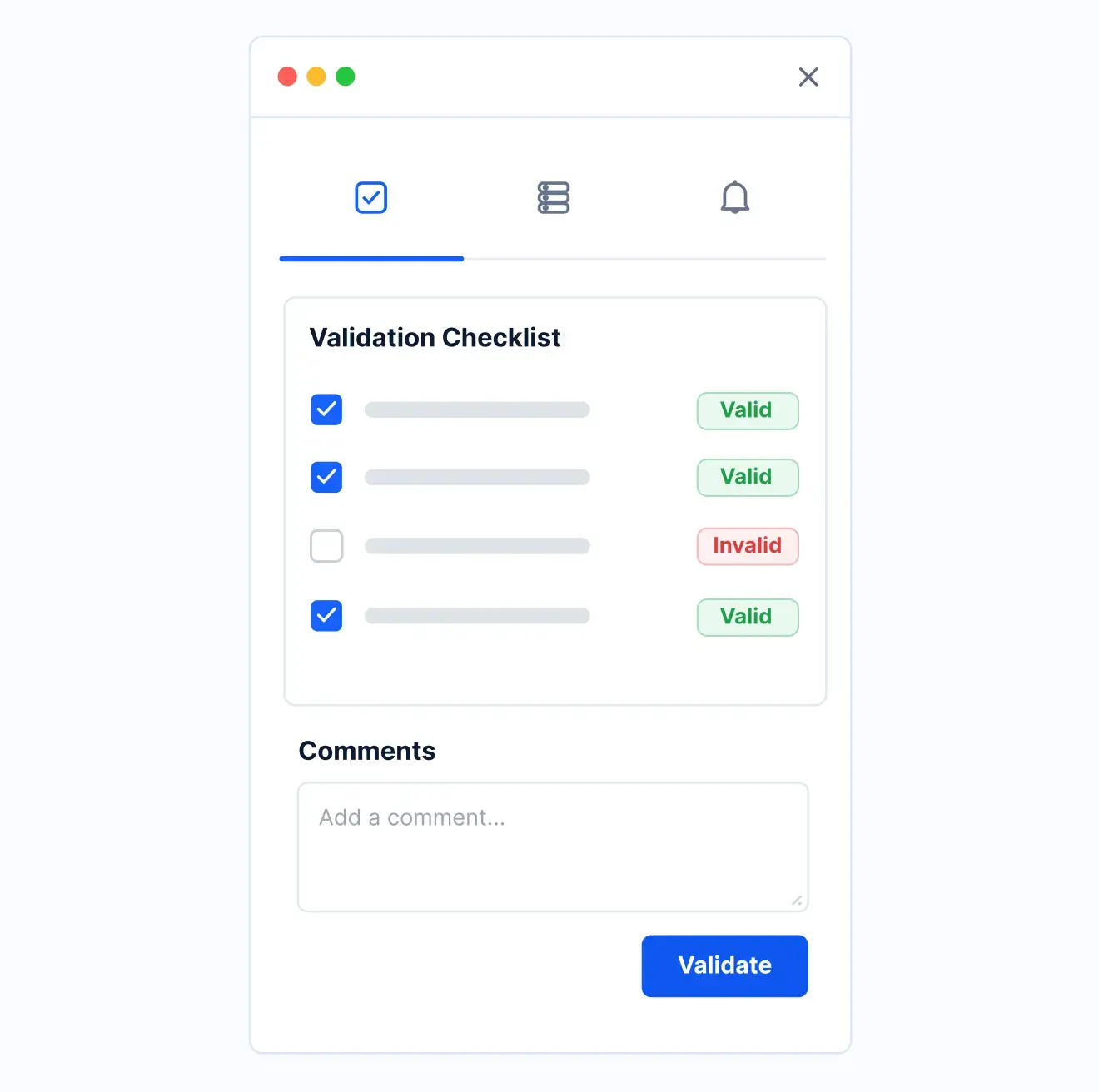
The advisor meets with the student and logs notes and any flag on the student's record.
Track
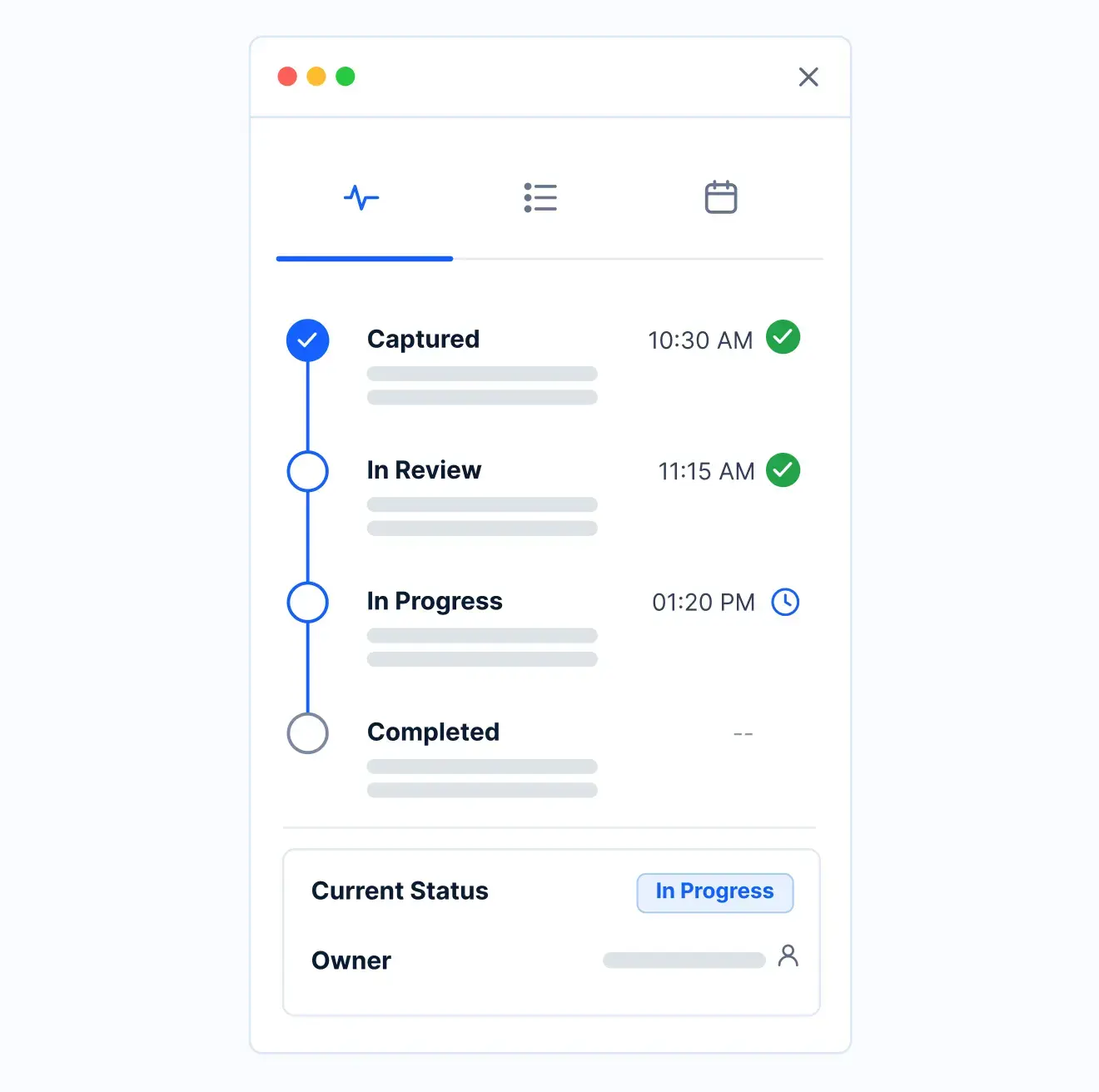
A flagged concern generates a follow-up task instead of ending when the meeting does, and at-risk signals surface to the next advisor who sees the student.
Report
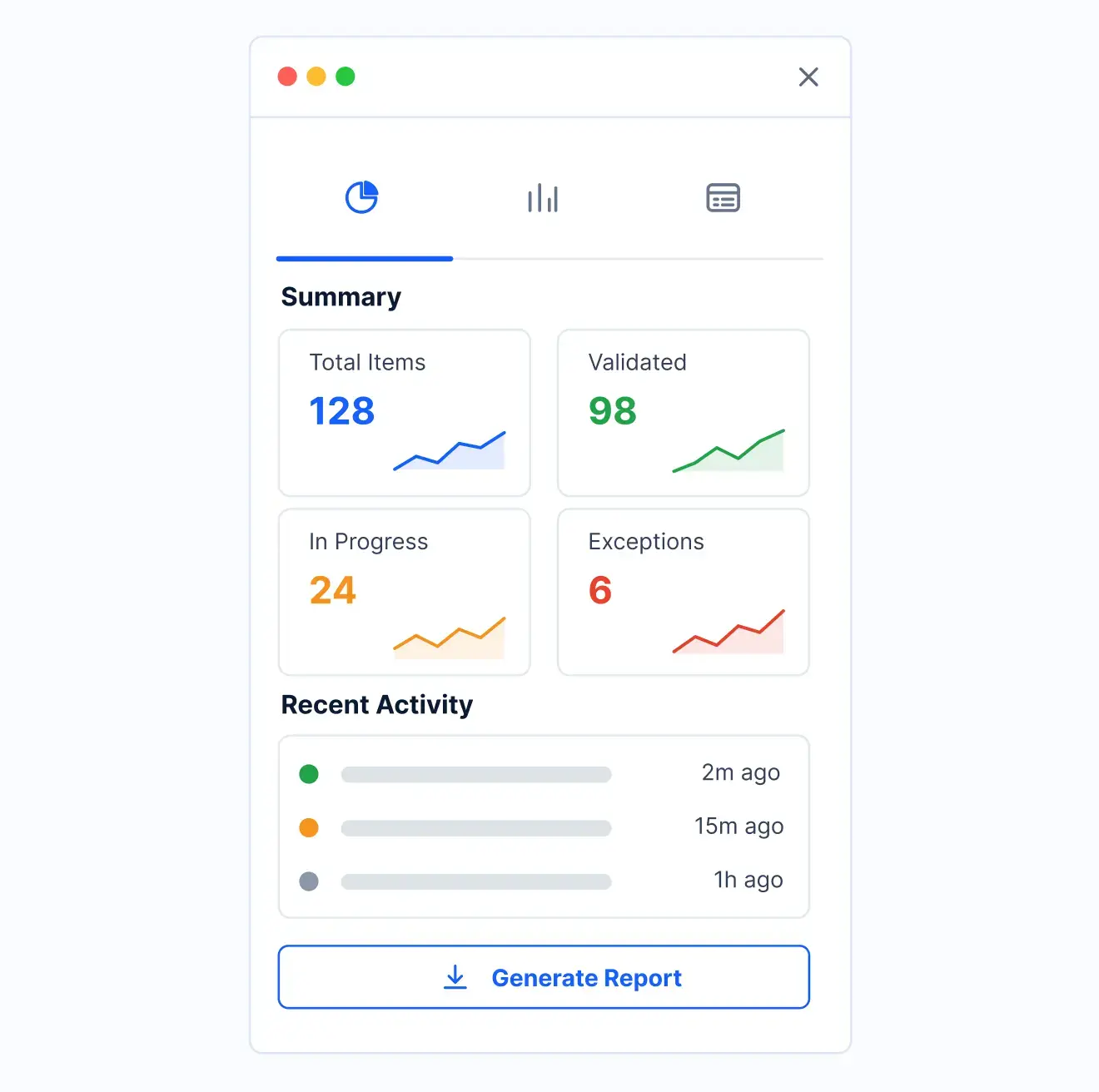
Notes and history stay with the student's record and feed caseload reporting, so the advising log survives an advisor's turnover, a transfer, or a semester's gap.
What changes when academic advising runs on Kissflow
| Process | Before Kissflow | On Kissflow |
|---|---|---|
| Scheduling | A calendar that doesn't reflect real availability | Booked against actual open advisor slots |
| Notes | Kept, if at all, by the individual advisor | Attached to the student's record, visible to any advisor |
| Holds | Invisible at the point of scheduling | Surfaced so the right appointment gets booked |
| Advisor transfer | New advisor starts from zero | Full history transfers with the student |
| At-risk flags | End with the meeting that raised them | Generate a tracked follow-up task |
| Reporting | No visibility into caseload or visit patterns | Reported across the advising office |
Connects to your SIS; registration and academic standing stay the system of record
Kissflow does not replace your student information system's registration or academic record. It is where the advising relationship, appointments, notes, holds, and follow-up, is documented and handed off cleanly.
.svg)



.svg)
.svg)
.svg)
.svg)

.svg)
.svg)
.svg)
.svg)
.svg)

.svg)

.svg)

.svg)
.svg)
.svg)
.svg)
.svg)
.svg)
.svg)
.svg)
.svg)

.svg)
Built for a history that survives the next advisor
Notes that outlive the advisor
A student's advising history is attached to their record, not one advisor's memory.
Holds visible at scheduling
A registration hold surfaces when the appointment is booked, so the right meeting happens.
Flags become follow-up tasks
A concern raised in a meeting generates a tracked task instead of disappearing when the appointment ends.
Live in weeks
The advising office configures scheduling rules, note templates, and flag routing in the visual builder, without a systems project.
Clean handoff on transfer
A student who changes advisors brings their full advising history with them.
Caseload visible across the office
Appointment volume and distribution are visible without a manual pull.
Related apps
Enrollment Yield & Retention Intervention Management System
The signal-detection and intervention-trigger app; this app is where the advising conversation and follow-up that responds to a signal actually happens.
Apply Remove Access Hold Management System
Approval-routed holds and releases with a full register and student-facing status.
Matriculation Case Management System
The broader new-student case record this app's advising history can feed into.
We help advising offices keep a student's history intact across every advisor who sees them
.gif)

“If a company cannot enable everybody to use AI, they will never get the true benefit of AI. Platforms like Kissflow allow us to put that capability in the hands of our users in a safe way.”
Vagesh Dave
GVP & CIO at McDermott International, Ltd
See The Full Story

“Advanced automation of all processes is easy to set up. I cannot imagine how to manage workflows without this software.”
Tanay Tiwary
Global Head - Digitalization & Business Improvement
See the Full Story

“Kissflow supports rapid application development by building a working application prototype in the shortest amount of time.”
Maria Theresa Cabigon
CIO, SN Aboitiz Power Group
See The Full Story
See what Kissflow can do for you
Talk to usGot questions? We're here to help.
Get SupportNo. Your student information system stays the record of registration and academic standing. Kissflow documents the advising relationship itself, appointments, notes, holds, and follow-up.
That app detects an at-risk signal and triggers an intervention. This app is where the actual advising appointment, conversation, and notes that respond to that signal live.
Yes, notes are attached to the student's record and visible to any advisor with an active caseload assignment.
A hold configured in your registrar system can be surfaced at the point of scheduling, so the appointment booked is the one that actually addresses it.
Yes, in the visual builder, with the AI Builder able to generate a starting workflow from a description of your advising process.
Access is role-based, restricted to advisors with an active or historical assignment to that student.
Yes, appointment status and no-show rates are visible in reporting.
Yes. Kissflow is certified to SOC 1, SOC 2, SOC 3, and ISO/IEC 27001, and supports HECVAT review.