Enrollment Yield and Retention Intervention Built to Act Before the Withdrawal
Kissflow turns academic, engagement, and financial aid risk signals into a routed intervention, an advisor outreach, a case manager assignment, a scholarship conversation, before an admitted student melts away or an enrolled student withdraws, with reporting that shows enrollment management and student affairs which interventions actually change an outcome.

Trusted by leading universities worldwide






A student who misses two advising appointments is not a data point
By the time anyone notices the pattern, the pattern has usually already become a withdrawal, or for an admitted student, a deposit that never converts to enrollment. The signals exist, missed appointments, a dropped course, a stalled FAFSA, an unpaid balance, but they usually sit in separate systems that nobody is cross-referencing in real time.
Most institutions run yield and retention as two separate efforts, one focused on admitted students before the deposit deadline, one focused on enrolled students after add-drop. The signals that predict both are often the same kind of thing, disengagement, and treating them separately means an institution reacts to a withdrawal instead of the signal that preceded it.
Kissflow routes risk signals, wherever they originate, academic progress checkpoints, engagement data, financial aid status, into an intervention assigned to an advisor or case manager, tracked from trigger to outcome. Banner, Workday, or your SIS stays the system of record for the underlying data; Kissflow is where a signal actually becomes an action instead of a number on a dashboard nobody acts on.
What breaks when risk signals do not trigger action
Signals sit in separate systems
Academic progress, engagement data, and financial aid status live in three places nobody is cross-referencing.
No owner for the intervention
A flagged student shows up on a report, but no advisor is assigned to actually reach out.
No record of what was tried
When a student withdraws anyway, there is no documented history of what intervention was attempted.
Yield and retention treated as unrelated
The same disengagement pattern that predicts summer melt also predicts a later withdrawal, and both get missed.
Six modules. Built for how a risk signal actually becomes a saved student.
Every module ships with default forms, routing, and dashboards. Configure signal sources and intervention types to your institution in the visual builder.
Risk signal detection
Pulls academic, engagement, and financial aid signals into a single flagged-student view, instead of three separate reports.
Case assigned to an advisor
A flagged student is assigned to an advisor or case manager, so a signal always has an owner.
Intervention scheduled
Outreach, whether an advising meeting, a financial aid conversation, or a check-in, is scheduled and tracked to completion.
Outcome logged
What was tried and what happened is recorded against the student, building a real intervention history.
Cohort reporting
Shows enrollment management and student affairs which signals and interventions actually correlate with a saved student.
Recurring signal monitoring
A student who resolves one flag but trips another later is caught by ongoing monitoring, not a one-time check.
From request to system of record in four steps
Report
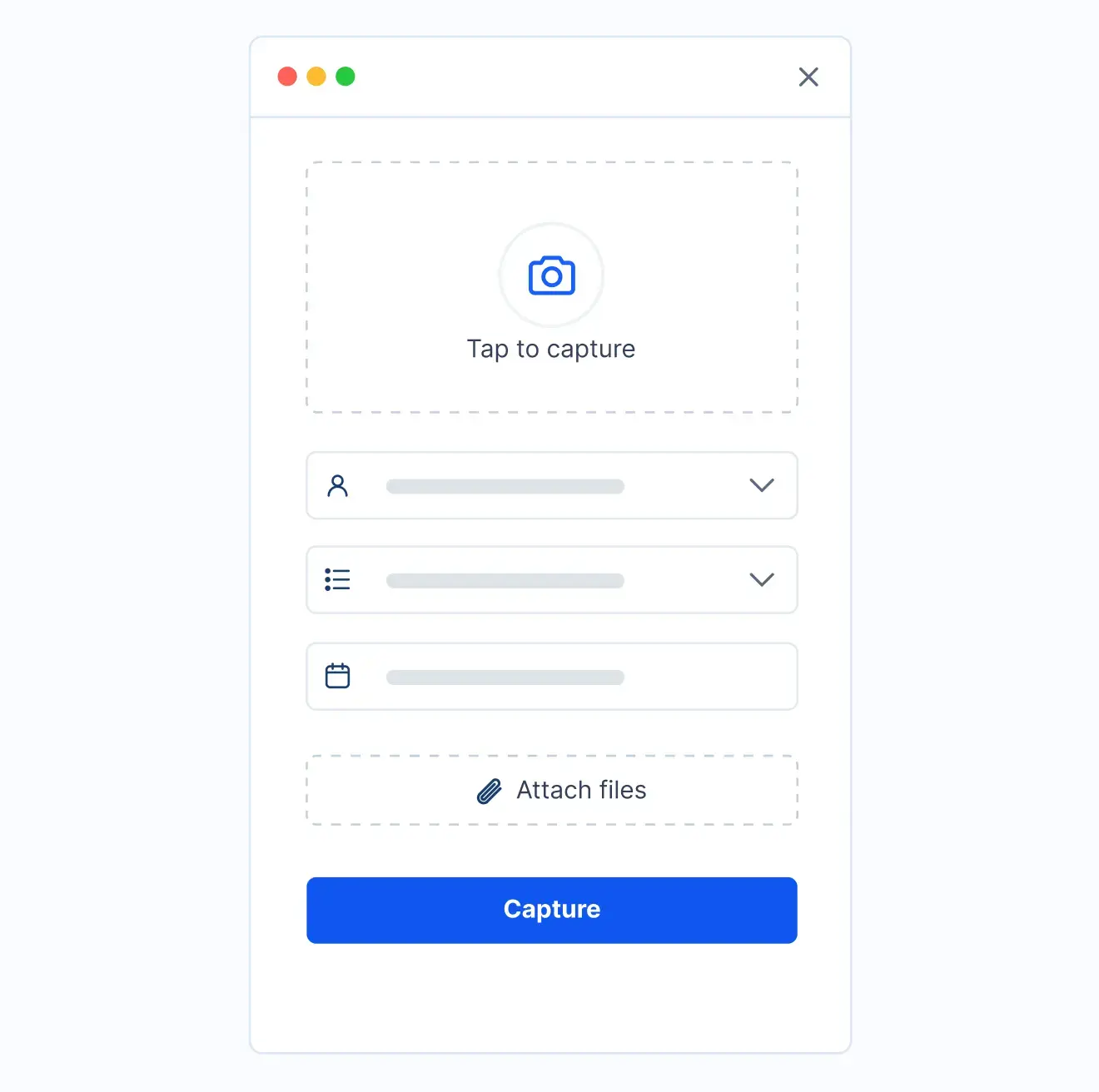
Academic, engagement, or financial aid data flags a student against defined risk criteria.
Assess
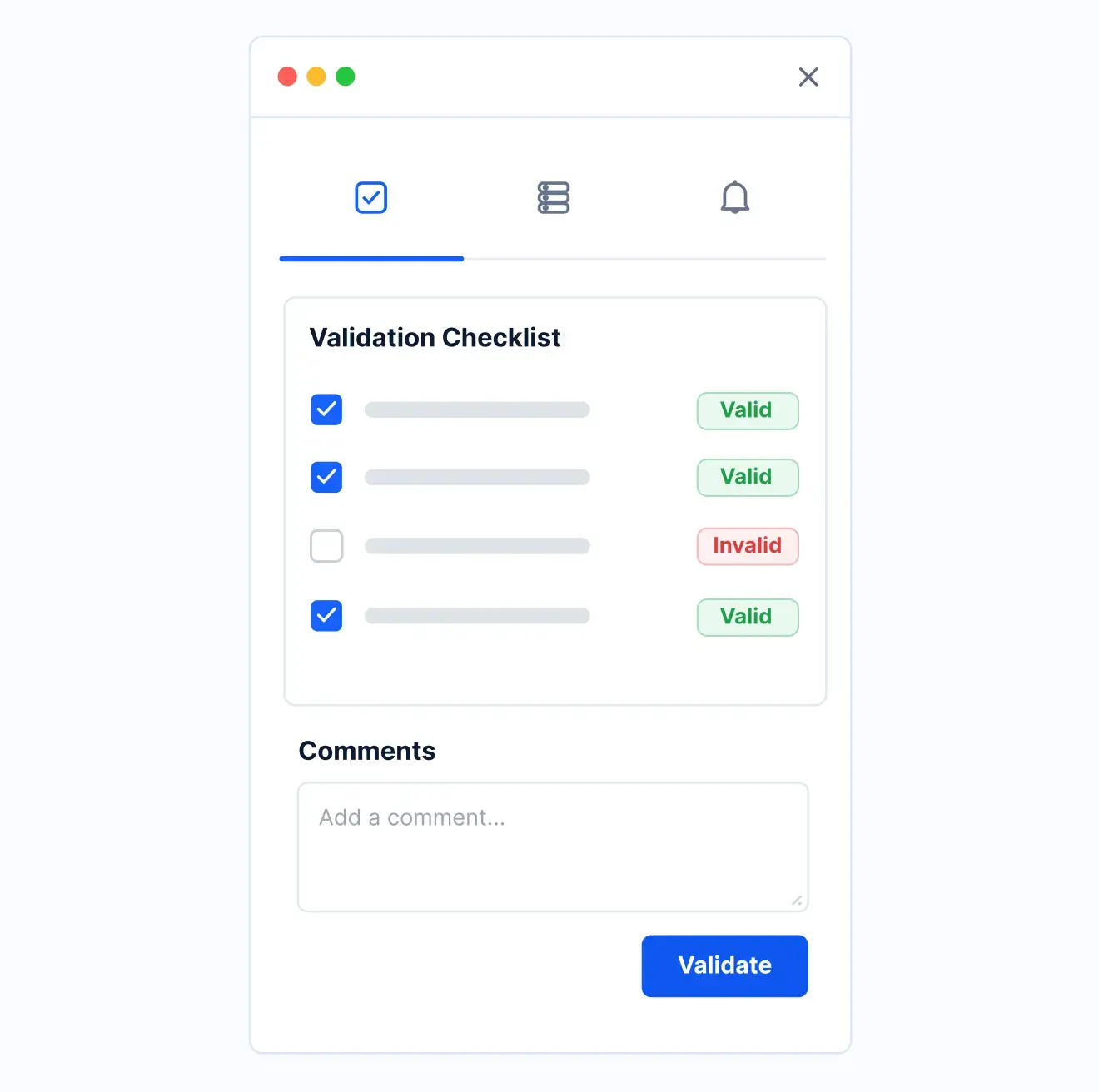
The flagged student is routed to the advisor or case manager responsible for that population.
Resolve
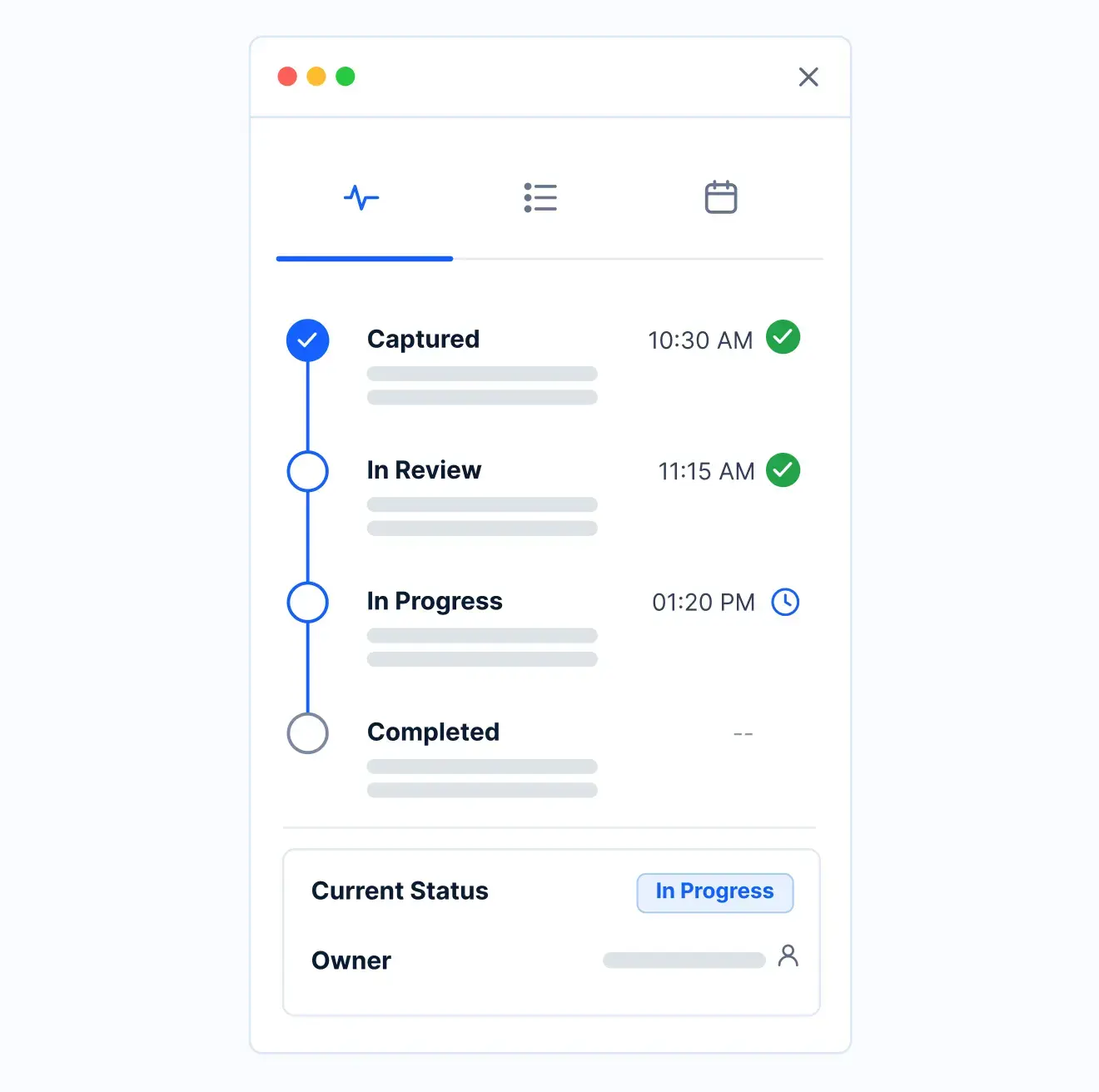
Outreach is scheduled and delivered, and logged whether or not it succeeds in reaching the student.
Record
The result feeds cohort reporting, showing which interventions actually change an outcome.
What changes when yield and retention intervention runs on Kissflow
| Process | Before Kissflow | On Kissflow |
|---|---|---|
| Signal visibility | Scattered across three separate systems | Consolidated into a single flagged-student view |
| Ownership | A report with no assigned advisor | Every flag routed to a named owner |
| Intervention history | Undocumented, lost if a student withdraws | Logged against the student, visible to the next advisor |
| Yield and retention | Treated as two unrelated efforts | Both fed by the same disengagement signal model |
| Effectiveness measurement | Unknown which interventions actually work | Cohort reporting shows what correlates with retention |
| Recurring risk | Caught once, then dropped from view | Monitored continuously across the lifecycle |
Connects to your SIS, LMS, and financial aid system; Banner and Workday stay the system of record
Kissflow does not replace Banner, Workday, or your LMS. It pulls the signals those systems already hold into a routed intervention, so a risk signal results in an advisor conversation, not just a dashboard entry.
.svg)



.svg)
.svg)
.svg)
.svg)

.svg)
.svg)
.svg)
.svg)
.svg)

.svg)

.svg)

.svg)
.svg)
.svg)
.svg)
.svg)
.svg)
.svg)
.svg)
.svg)

.svg)
Built for the gap between a signal and an action
Signals from more than one system, in one view
Academic, engagement, and financial aid risk factors are cross-referenced, not reviewed separately.
Every flag has a named owner
A risk signal always routes to an assigned advisor or case manager, not a report nobody is responsible for.
Reporting that shows what actually works
Cohort-level outcomes tie back to specific intervention types, not just a raw retention rate.
Live in weeks
Enrollment management and student affairs configure signal criteria and routing in the visual builder, without a systems project.
An ERP-adjacent intervention layer
Banner, Workday, or your SIS stays the system of record for the underlying data. Kissflow is where that data turns into action.
Monitoring that does not stop after one flag
A student is tracked across the lifecycle, not checked once and forgotten.
Related apps
Applicant Communication & Yield Management
Feeds admitted-but-not-yet-enrolled engagement signals into this app's risk model before enrollment even happens.
Student Course Progress Management System
Course-level progress tracking with at-risk flagging and advisor routing.
Matriculation Case Management System
Handles procedural blockers for an individual admitted student, distinct from this app's behavioral and academic risk signals.
We help enrollment management and student affairs act on a risk signal before it becomes a withdrawal
.gif)

“If a company cannot enable everybody to use AI, they will never get the true benefit of AI. Platforms like Kissflow allow us to put that capability in the hands of our users in a safe way.”
Vagesh Dave
GVP & CIO at McDermott International, Ltd
See The Full Story

“Advanced automation of all processes is easy to set up. I cannot imagine how to manage workflows without this software.”
Tanay Tiwary
Global Head - Digitalization & Business Improvement
See the Full Story

“Kissflow supports rapid application development by building a working application prototype in the shortest amount of time.”
Maria Theresa Cabigon
CIO, SN Aboitiz Power Group
See The Full Story
See what Kissflow can do for you
Talk to usGot questions? We're here to help.
Get SupportNo. Banner, Workday, your SIS, and your LMS remain the systems of record for enrollment, financial, and academic data. Kissflow pulls signals from those systems into a routed intervention with an assigned owner.
Applicant Communication and Yield Management focuses on admitted-but-not-yet-enrolled applicants, tracking engagement signals and running outreach campaigns to improve yield. This app is broader, spanning yield through the full retention lifecycle, and triggers individually assigned interventions rather than campaign-style communication.
Matriculation Case Management opens a case when a specific admitted student hits a procedural blocker, like a missing transcript or an unresolved hold. This app is triggered by behavioral and academic risk signals, disengagement, academic struggle, financial aid gaps, across a wider window than the matriculation period alone.
Signal sources are configurable and typically include academic progress data, LMS or advising engagement, and financial aid or billing status, combined into a single flagged-student view.
Routing rules assign a flagged student to the advisor, case manager, or office responsible for that population, so every flag has a named owner.
Yes. Signal thresholds, routing rules, and reporting are configured in the visual builder, and the AI Builder can generate a starting workflow from a description of your risk model.
Outcomes are logged against each intervention, and cohort reporting shows which intervention types correlate with a student staying enrolled.
Yes. Kissflow is certified to SOC 1, SOC 2, SOC 3, and ISO/IEC 27001, supports HECVAT review, and role-based access restricts sensitive risk data to advisors and staff who need it.