By the time it ships, the vendor list has already changed.
Kissflow runs the vendor and access lifecycle on one system, alongside the tools you already use, on a nine-module platform delivered in ten weeks rather than eighteen months.


4.3/5

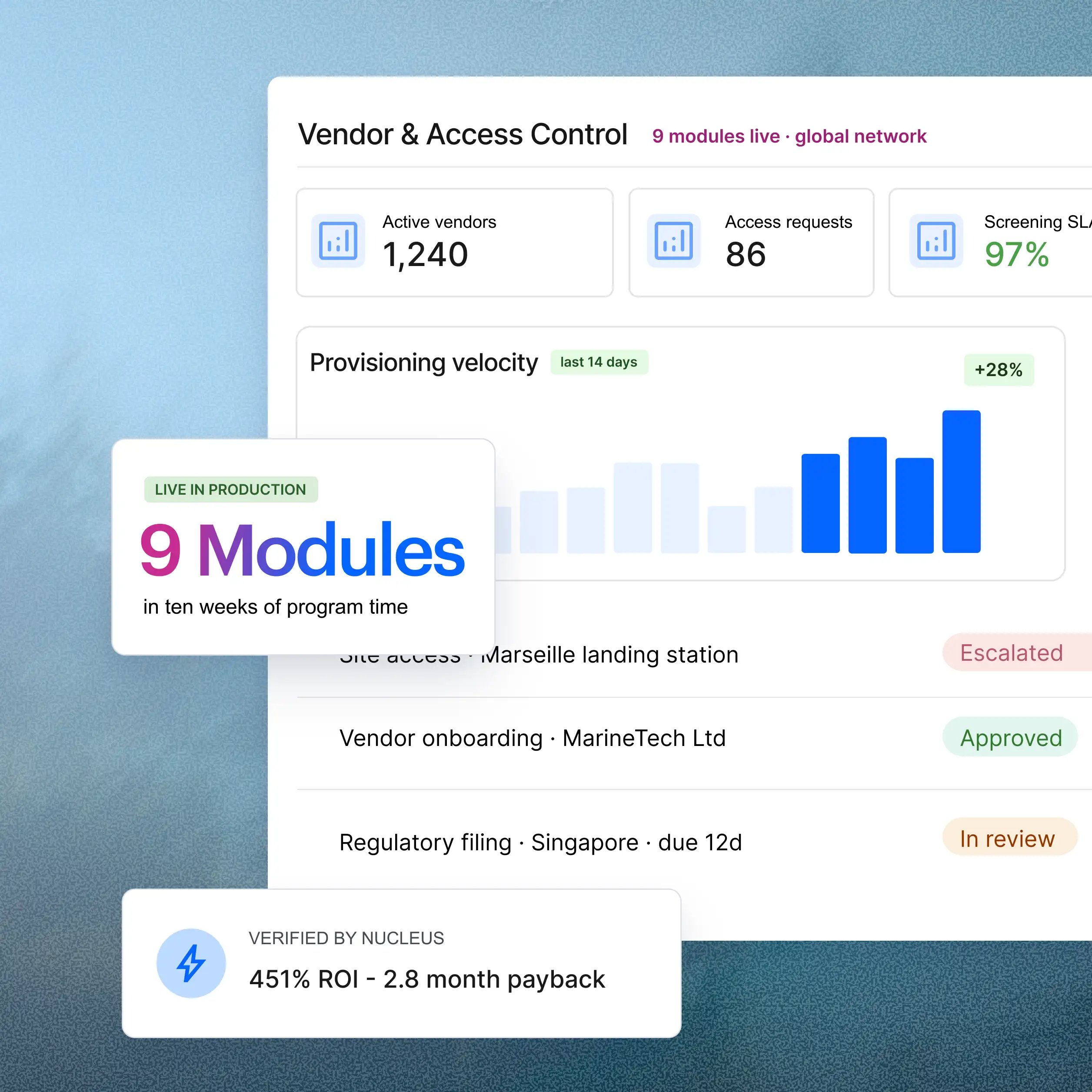






A live production environment
A global subsea cable operator is running this today, which means the walkthrough is the application itself rather than a prototype.
-1.webp?width=1200&height=1224&name=Live%20Production%20Environment%20(1)-1.webp)
Ten weeks of program time
Discovery, design, build, user acceptance testing, go-live, and hypercare, against the twelve to eighteen months a hand-coded equivalent typically runs.
Thirteen flows, around 120 fields
Configured as metadata rather than hand-coded, which is what makes a field change a republish instead of a redeploy cycle.
Nine modules, ten personas
Asset registry, vendor lifecycle, change governance, access control, risk and incident, audit and filings, each with role-specific dashboards rather than one shared view.
No authoritative record
Asset and vendor data sits across spreadsheets, a general-purpose ticketing tool, and email, with no single place that is actually definitive.
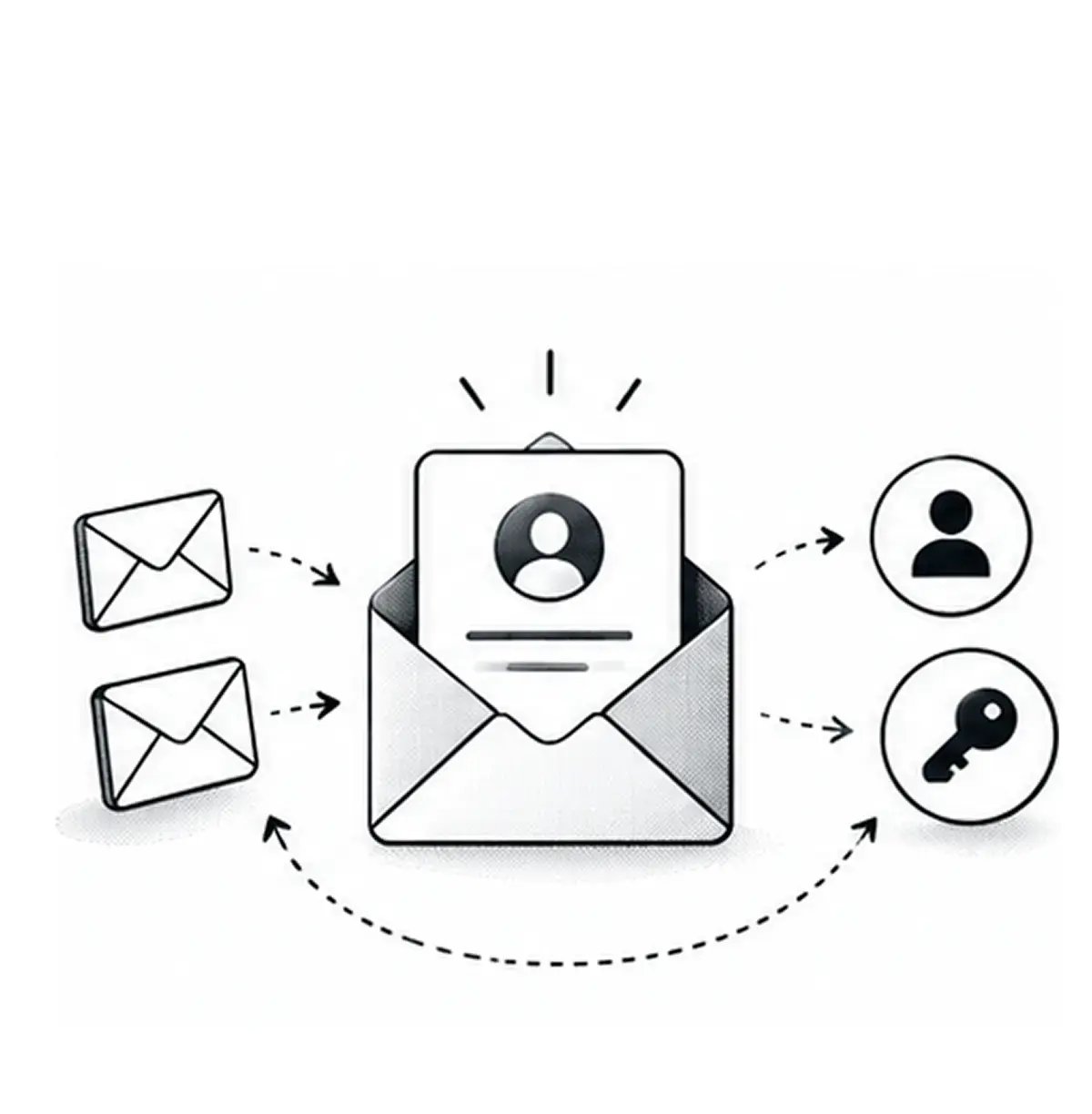
Access provisioning runs on email
Granting a contractor site or system access moves through inboxes with no consistent screening step and no record of who approved it.
Your core systems stay in place. The workflow connects them in one place.
Five groups, one asset and vendor record, and nothing you already run has to move.
The teams running the vendor and access lifecycle
Operations, compliance, vendor management, security, and field contractors. Five groups, one asset and vendor record.


The governed execution layer
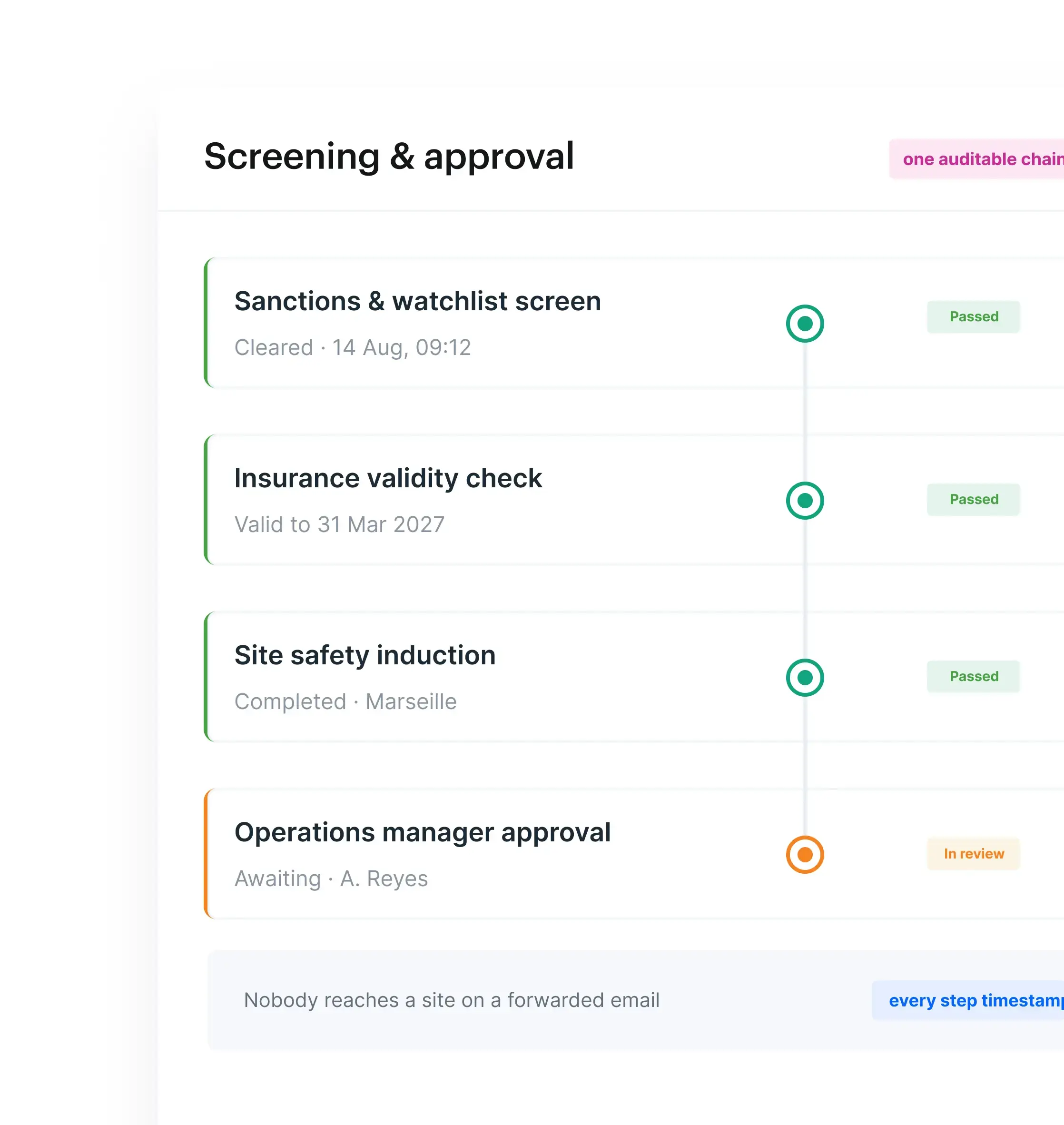
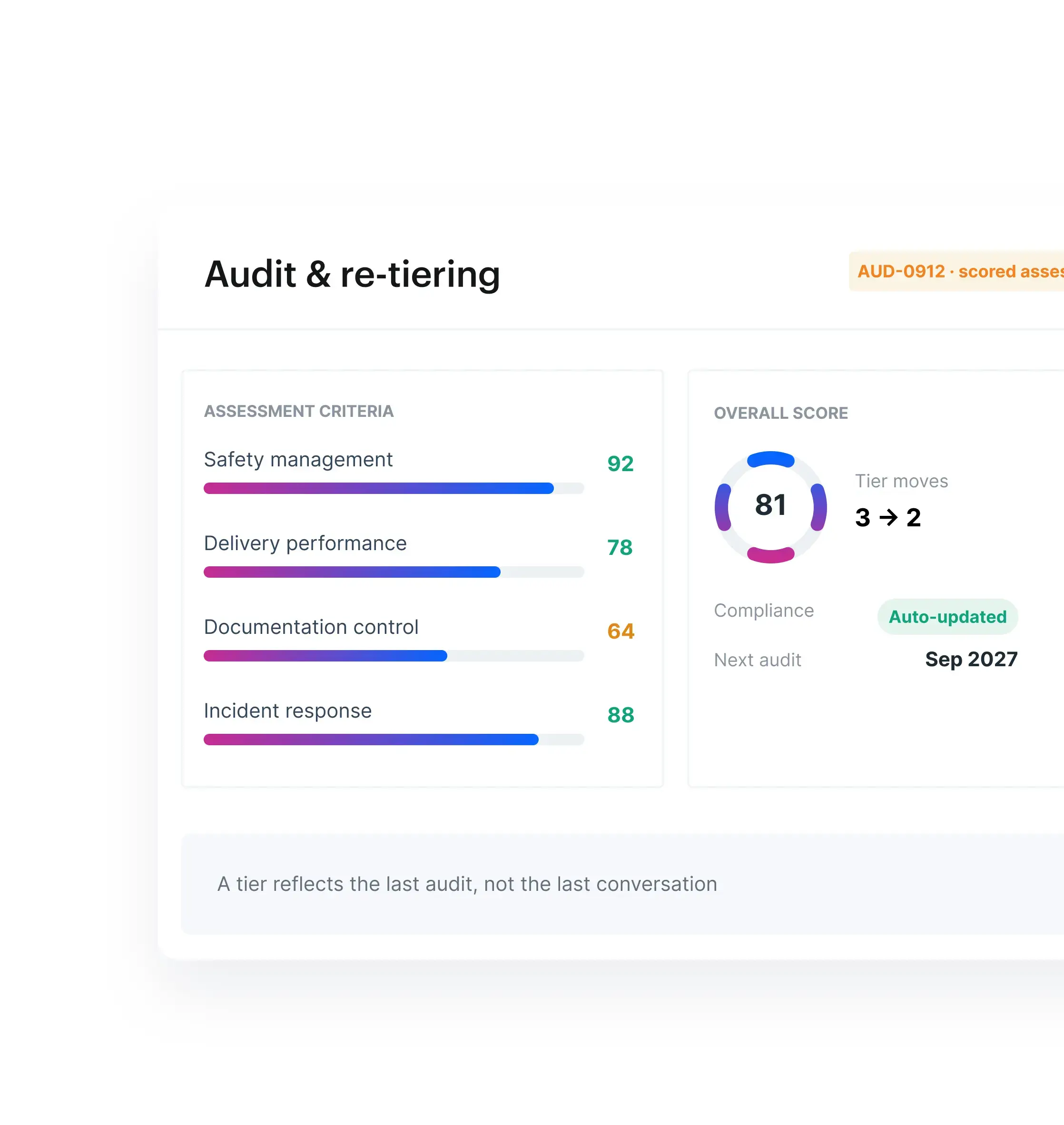
Holds the asset and vendor registry, gates access provisioning through screening and approval, scores audits that re-tier the vendor automatically, and tracks filings by jurisdiction against their deadlines.


Everything you already run
Your ERP, identity provider, ticketing tool, document store, and mapping systems. API and integration connectors. Nothing existing moves.
.webp)
.webp)
Built for how infrastructure operators actually buy.
Six things that separate a metadata platform from a hand-coded build.

Metadata, not hand-coded screens
A field, reference, or permission rule is authored once and the data model, validation, API, and interface generate from it.

One interface pattern, reused
List view, detail view, request form, and approval bar are built once and carried across every module rather than commissioned per screen.

Modular, phased rollout
Start with the one or two pillars where the pain is sharpest, prove the value, then extend into the rest of the pattern.

Near-zero cost of iteration
Changing a field, a workflow step, or a permission rule is a metadata edit and a republish rather than a code change and a redeploy.

Connects to your existing systems
Kissflow works alongside whatever you already run, including your ERP, identity provider, ticketing tool, and document store.

A proven migration path
Spreadsheet and ticketing-tool sources move into structured, cross-referenced records, which is the migration most operators are still facing.

-1.webp)

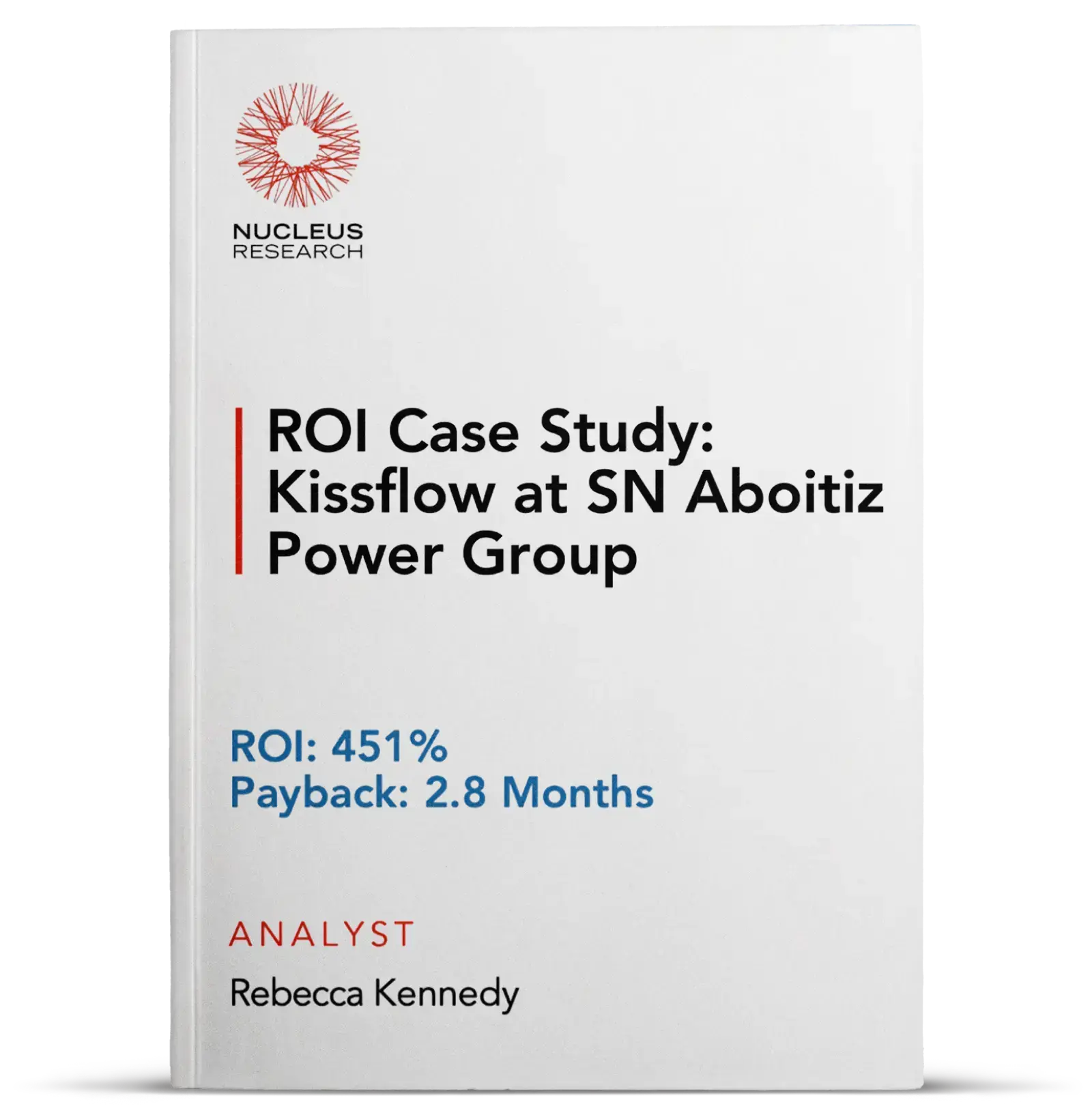


“Advanced automation of all processes is easy to set up. I cannot imagine how to manage workflows without this software.”
Tanay Tiwary
Global Head - Digitalization & Business Improvement
Watch Story

“Kissflow supports rapid application development by building a working application prototype in the shortest amount of time”
Maria Theresa Cabigon
CIO
Watch Story
.png)
“Everyone uses Kissflow. It requires no previous training. The platform is very intuitive and user-friendly.”
Antonio Serpa Pinto
Head of IT
Watch Story
Recognized by
The Forrester Wave™:
AppGen and Low-Code Platforms Landscape, Q1 2026
Gartner Hype Cycle™:
CADP, No-Code 2026
IDC :
LCNC 2025