Application Modernization
in the AI Era

Build intelligent, adaptable applications faster with less development complexity.

Get Started

app-modernization

Trusted by forward-thinking enterprises

Motorola Solutions
NBC Universal
Southers Glazers
Essilor Luxottica
University of Michigan
NielsenIQ

The AI era changed modernization.
It also changed how it fails.

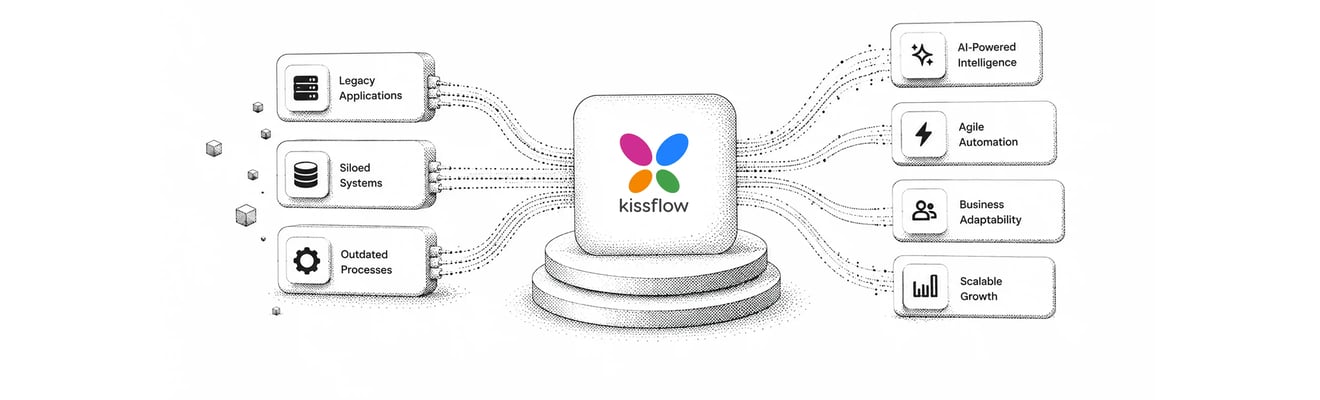
Modernization used to be slow and expensive. AI made it fast. The risk moved with it, and the frame for IT changed.

The promise_ apps in minutes

The promise: apps in minutes

AI can generate a working application from a prompt, collapsing work that took quarters into days.

The trap_ AI-generated legacy

The trap: AI-generated legacy

Code an AI writes is as hard to govern, audit, and change as the code you are replacing. Modernizing onto it just creates legacy faster.

The shift that matters

The shift that matters

The goal is no longer newer code. It is logic you can see and govern: a blueprint AI generates, with people in the lead.

The rebuild is bigger than the problem

The rebuild is bigger than the problem

One legacy application touches finance, operations, and compliance, so replacing it means replacing everything attached.

The budget is already committed

The budget is already committed

Run-the-business spend crowds out the work that moves the business forward.

The system of record is not the problem

The system of record is not the problem

The ERP holds data well. The gap is in the processes that grew up around it.

What is application modernization?

Application modernization is the practice of upgrading the applications that run the business so they meet current requirements, without rewriting them from the ground up

In practice, it rarely means replacing a system of record. It means rebuilding the process layer around that system: the approvals, forms, and spreadsheets that grew up around an ERP, CRM, or HR system because none of those systems could bend.

Most programs choose from six standard approaches, the six Rs: retire, retain, rehost, replatform, refactor, and rebuild.

The six approaches to modernization

Approach
What it means
Best when
Retire
Decommission it entirely
It is redundant or unused
Retain
Keep it as is, for now
It works and carries low risk
Rehost
Move to new infrastructure, unchanged
You need off old hardware fast
Replatform
Move with light optimization
Small changes unlock real gains
Refactor
Restructure code, same behavior
Logic is sound, architecture blocks change
Rebuild
Recreate on a modern platform
The process is the problem, not the record
Approach What it means Best when
Retire Decommission it entirely It is redundant or unused
Retain Keep it as is, for now It works and carries low risk
Rehost Move to new infrastructure, unchanged You need off old hardware fast
Replatform Move with light optimization Small changes unlock real gains
Refactor Restructure code, same behavior Logic is sound, architecture blocks change
Rebuild Recreate on a modern platform The process is the problem, not the record

A five-stage framework enterprise IT can run

Assess

Catalog every app, spreadsheet, and email-driven process, then assess its true cost and value.
Assess

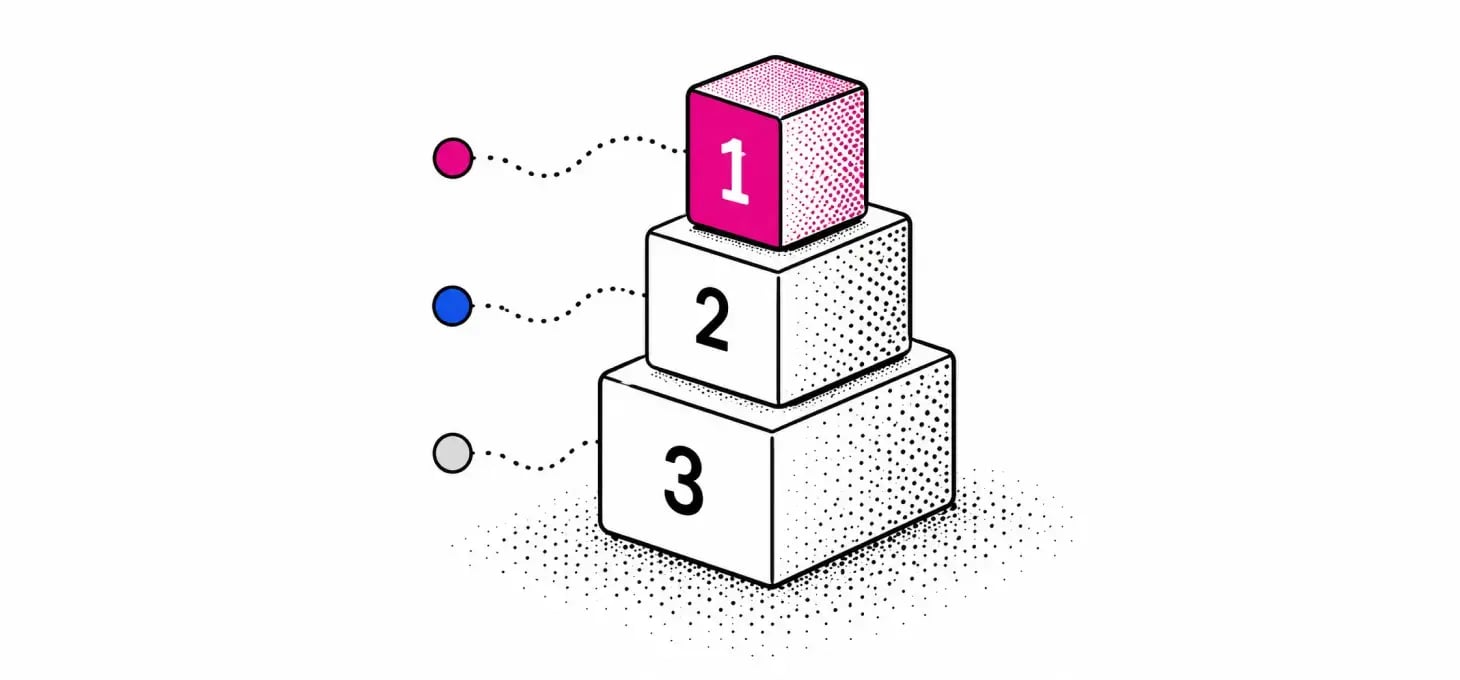
Prioritize

Start with high-friction, low-integration processes—not the hardest applications.
Prioritize

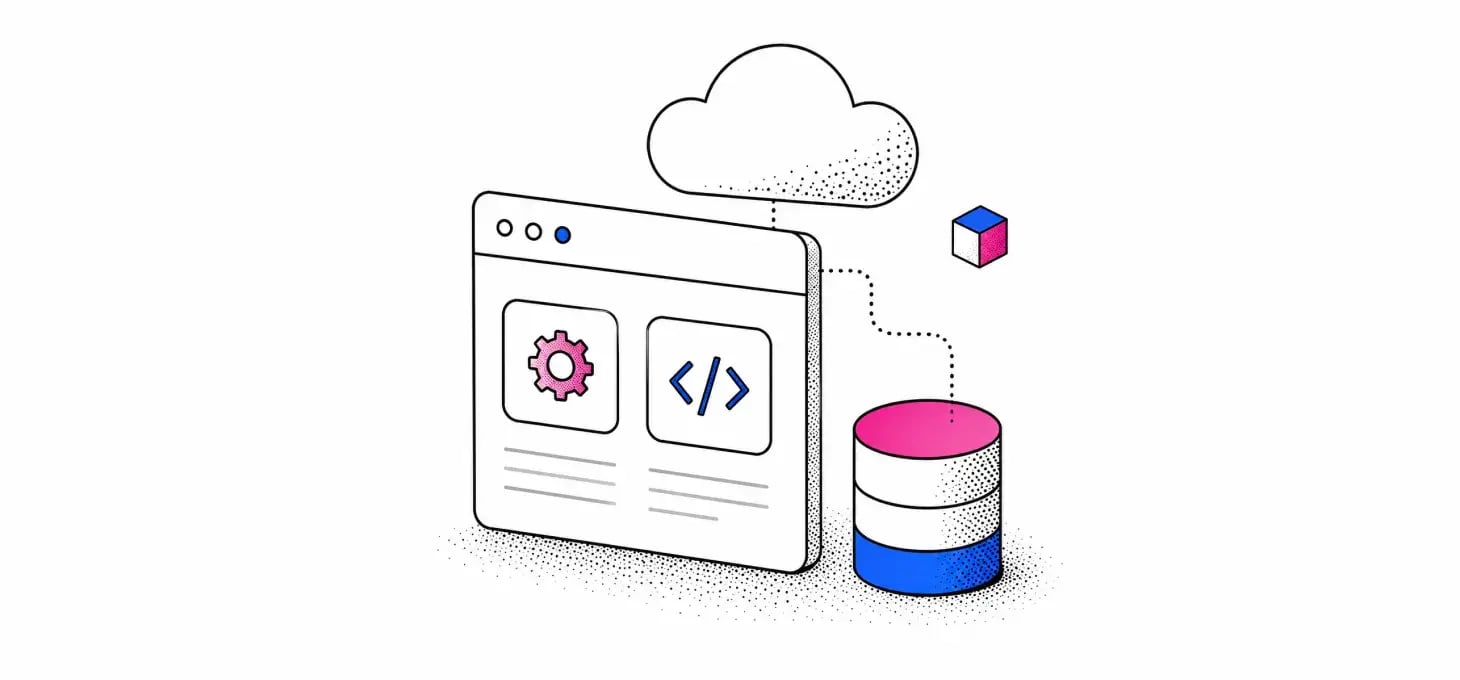
Modernize

Rebuild processes on a modern platform while keeping core data in existing systems.
Modernize

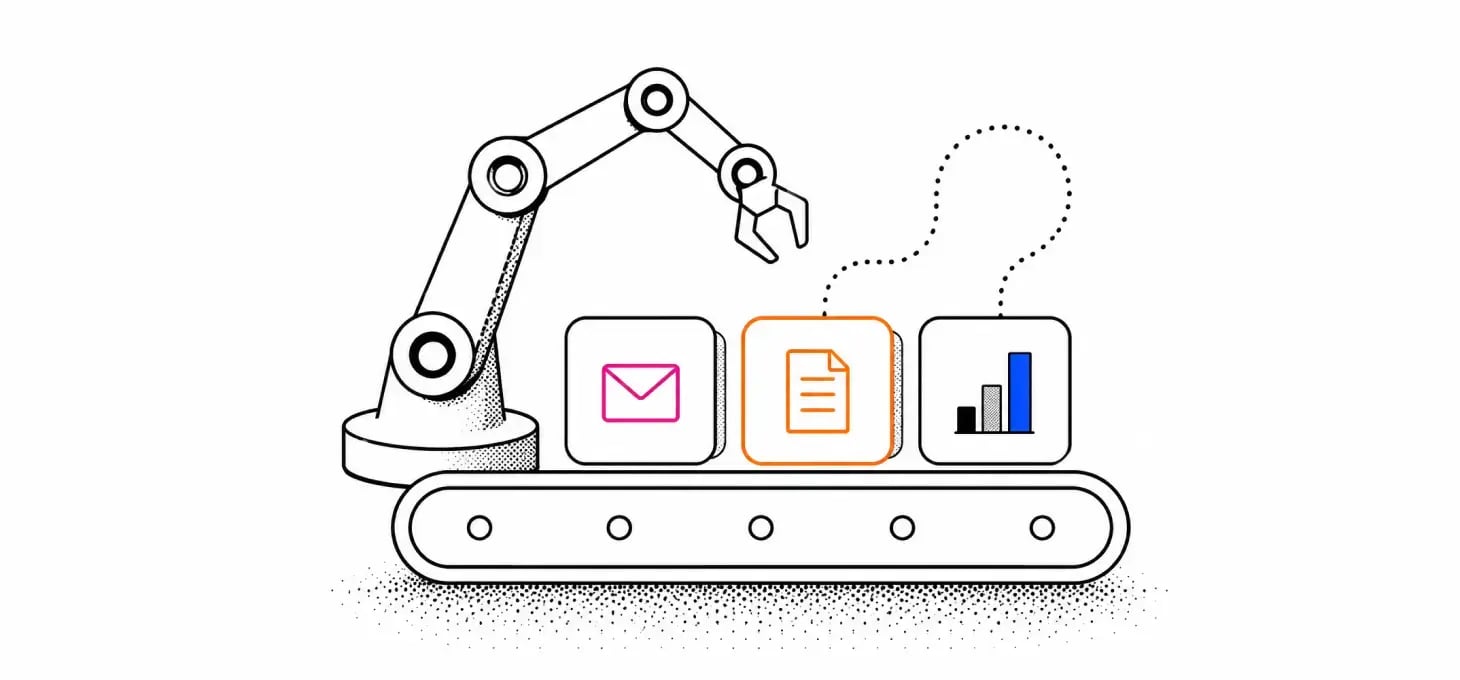
Automate

Automate handoffs and add analytics, replacing spreadsheets and email chains.
Automate

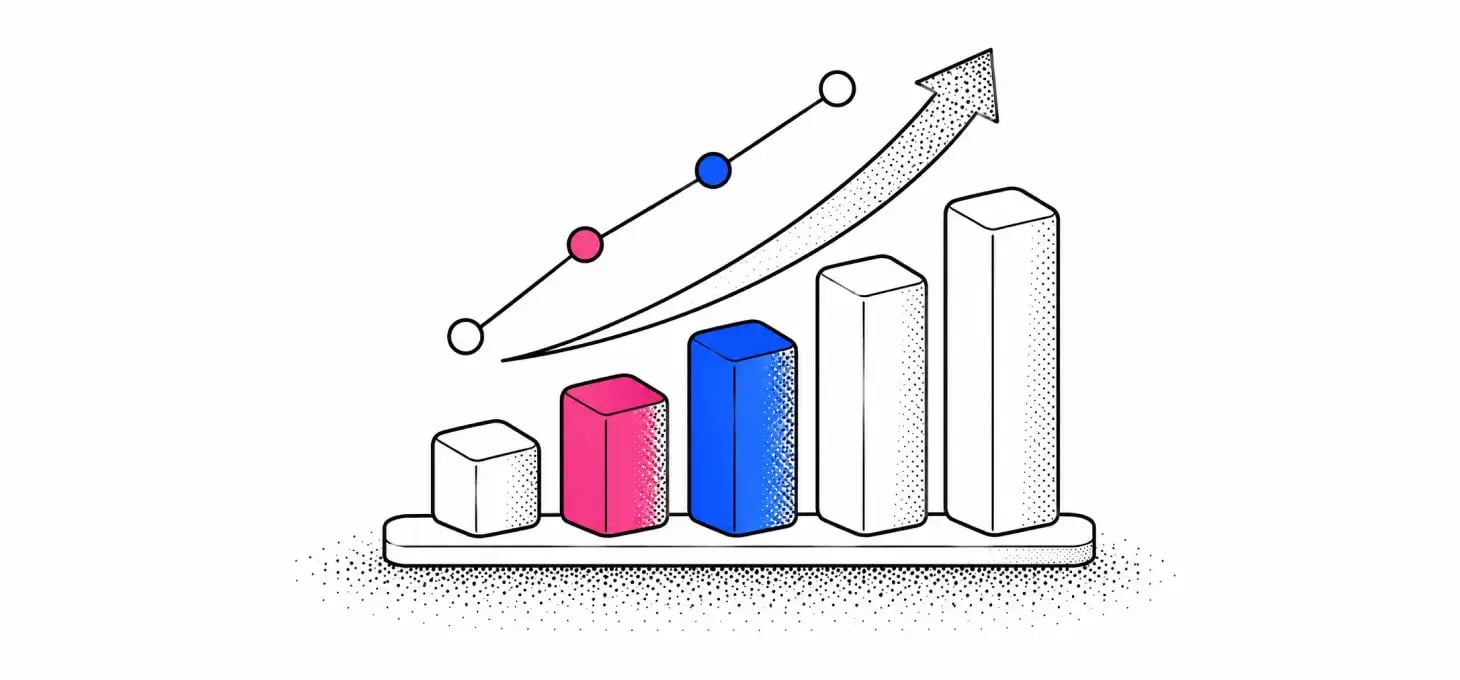
Scale

Templatize what works, reuse it across teams, and turn the project into a repeatable operating model.
Scale

The three paths in the AI era

Every enterprise now faces the same choice. Only one of them is both fast and governable.

Rip-and-replace
AI code generation
Blueprint-led
Speed: Years
Minutes to a demo
Weeks to production
What you get: A new system of record
Working code
A readable blueprint
Six months later: A change request and a release cycle
Code no one can explain
An edit to logic, in an audit log
Governance: Added late
Not possible
Built in from the start
Net result: Slow but owned
Fast but ungovernable
Fast and governed
Rip-and-replace AI code generation Blueprint-led
Speed: Years Minutes to a demo Weeks to production
What you get: A new system of record Working code A readable blueprint
Six months later: A change request and a release cycle Code no one can explain An edit to logic, in an audit log
Governance: Added late Not possible Built in from the start
Net result: Slow but owned Fast but ungovernable Fast and governed

What a governed modernization layer looks like

Governance

Access control, versioning, audit trails, and compliance. AI-made changes are logged like manual edits.

Governance icon
Arrow down
Execution layer

Applications, processes, forms, integrations, and analytics, generated from a blueprint.

Permits Exceptions Incidents Shutdowns Field capture Contractor access
Arrow up
Systems icon
Systems of record

ERP, CRM, HR, ITSM, and databases, such as SAP, Oracle, Salesforce, Workday, and ServiceNow.

SAP ServiceNow Oracle Salesforce Workday

Connects to the systems you already run

Twilio-logo-red 2 (1) Twilio-logo-red 2
microsoft-sql-server-logo-svgrepo-com 2 microsoft-sql-server-logo-svgrepo-com 3
Container (1) Container (2)
Mask group (1) image 4 (1)
Zendesk_logo Zendesk_logo (1)
Container (4) container
Twilio-logo-red 2 (1) Twilio-logo-red 2
microsoft-sql-server-logo-svgrepo-com 2 microsoft-sql-server-logo-svgrepo-com 3
Container (1) Container (2)
Mask group (1) image 4 (1)
Zendesk_logo Zendesk_logo (1)
Container (4) container
Vector (15) Vector (6)
Vector (1) Vector (7)
Clip path group xero (1)
Oracle-Net Oracle-Net (1)
Image Image (1)
Vector (16) Vector (8)
Vector (15) Vector (6)
Vector (1) Vector (7)
Clip path group xero (1)
Oracle-Net Oracle-Net (1)
Image Image (1)
Vector (16) Vector (8)
Vector (5) Vector (9)
Vector (2) Vector (10)
Vector (3) Vector (11)
Vector (4) Vector (12)
Clicksend Clicksend (1)
Vector (4) Vector (12)
Vector (5) Vector (9)
Vector (2) Vector (10)
Vector (3) Vector (11)
Vector (4) Vector (12)
Clicksend Clicksend (1)
Vector (4) Vector (12)

The cost of getting it wrong

45%
over budget

Large IT projects run 45 percent over budget on average.

56%
less value

They deliver 56 percent less value than predicted (McKinsey and Oxford).

1
app at a time

The blueprint-led path spends per application, not per multi-year program.

From one process to a program in 90 days

Days 1 to 30

  • Pick one high-friction process with a named business sponsor
  • Describe it, and the platform generates a blueprint
  • Review with the business owner before a screen exists
  • Ship to a pilot group
Days

Days 31 to 60

  • Wire the application to the system that owns the data
  • Set access control, environments, and version policy with IT
  • Move the pilot into production and retire the spreadsheet
  • Instrument the process so cycle time is visible
Days

Days 61 to 90

  • Templatize the blueprint and reuse it on the next process
  • Onboard a second business team as builders
  • Stand up an IT and business review cadence
  • Report first-wave results against the Assess baseline
Days

Days 1 to 30

  • Pick one high-friction process with a named business sponsor
  • Describe it, and the platform generates a blueprint
  • Review with the business owner before a screen exists
  • Ship to a pilot group
Days

Days 31 to 60

  • Wire the application to the system that owns the data
  • Set access control, environments, and version policy with IT
  • Move the pilot into production and retire the spreadsheet
  • Instrument the process so cycle time is visible
Days

Days 61 to 90

  • Templatize the blueprint and reuse it on the next process
  • Onboard a second business team as builders
  • Stand up an IT and business review cadence
  • Report first-wave results against the Assess baseline
Days

Application modernization use cases

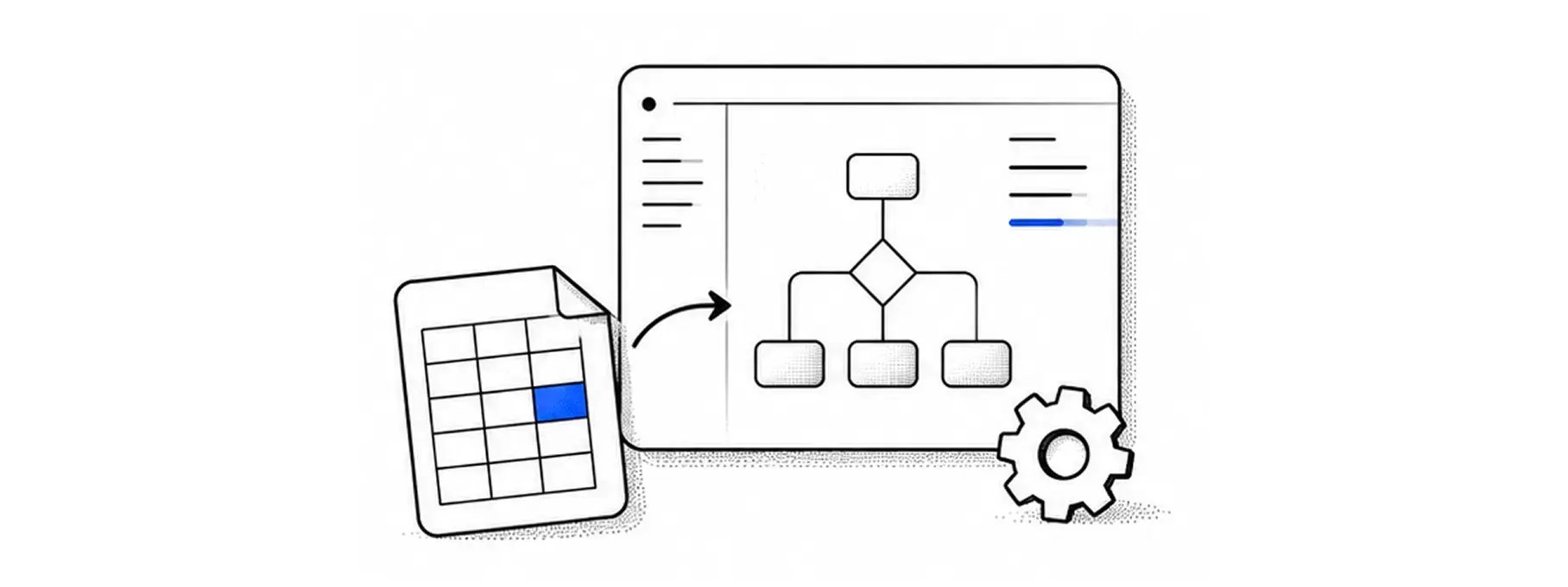
Manufacturing

Replacing spreadsheet-driven approvals around an ERP without displacing the ERP.
Manufacturing

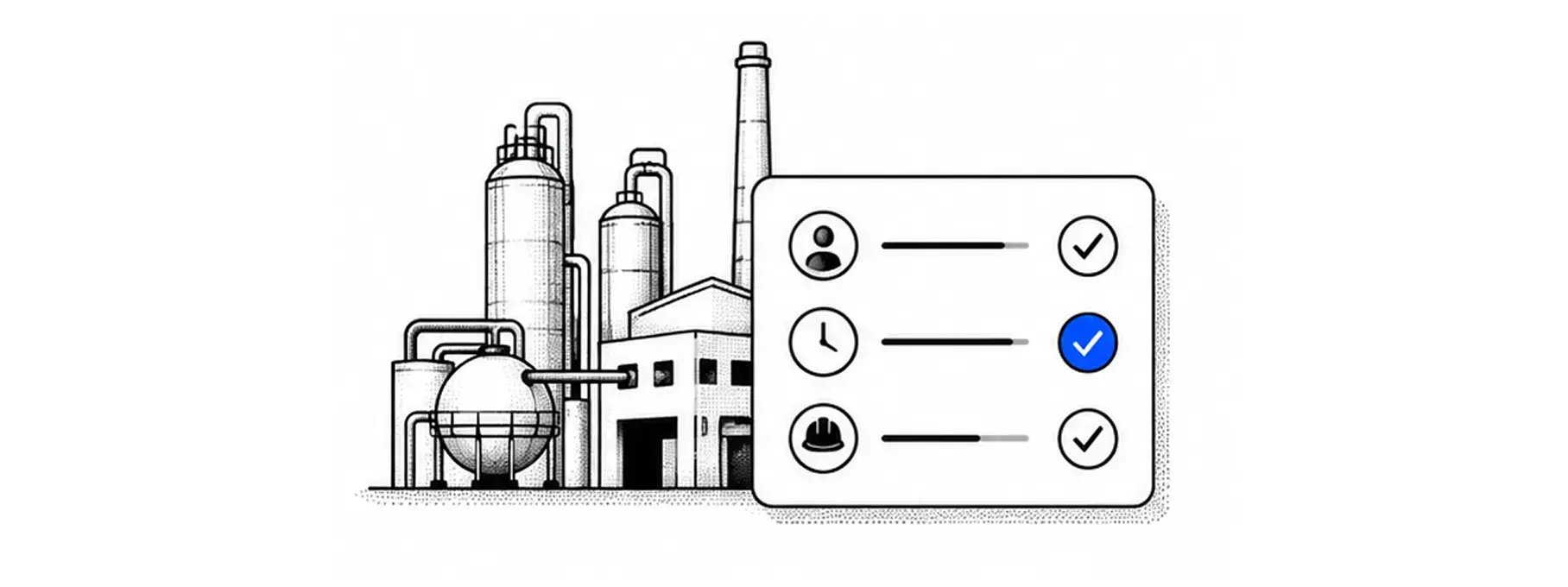
Energy

Rebuilding shutdown and turnaround management as a governed application.
Energy

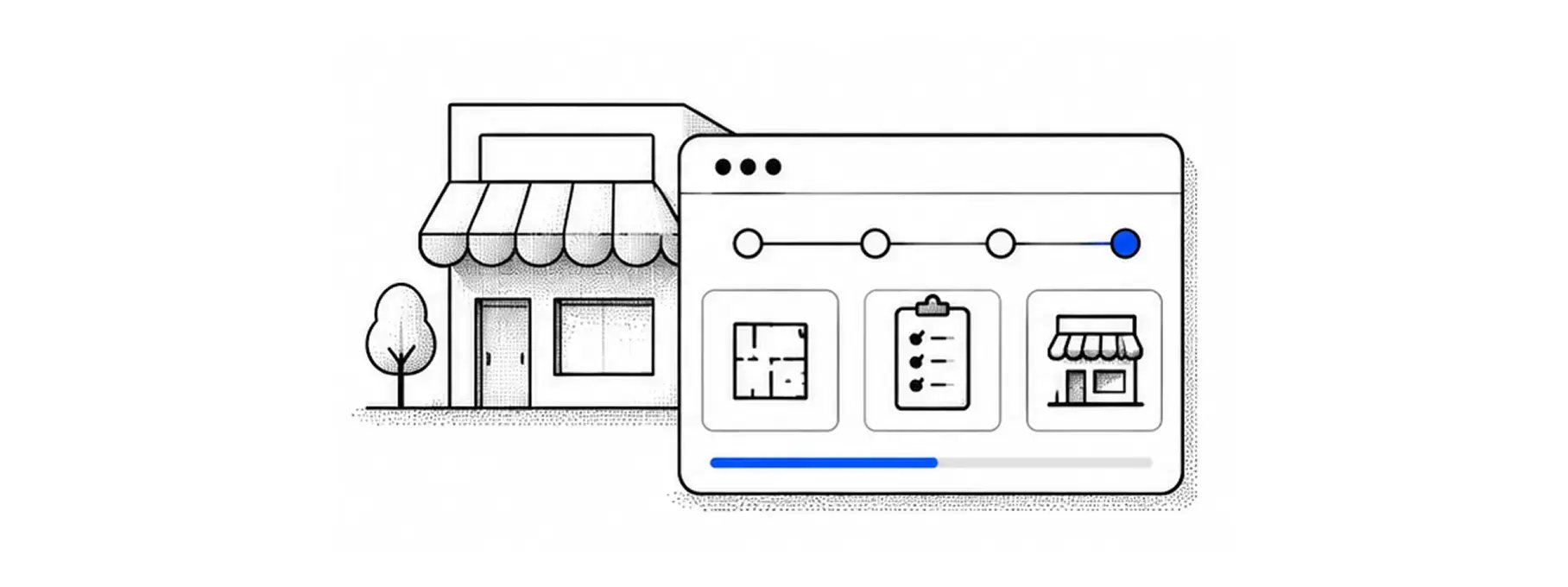
Retail

New store opening and lifecycle workflows spanning systems no single tool owns.
Retail

Finance and procurement

End-to-end procurement and financial consoles that extend a system of record.

Finance and Procurement

Recognized by

Forrester-2

The Forrester Wave™:
AppGen and Low-Code Platforms Landscape, Q1 2026
Gartner-2

Gartner Hype Cycle™:
CADP, No-Code 2026
IDC-1

IDC :
LCNC 2025

Stories from transformative leaders

Puma GIF optimized
INDUSTRY Energy
HEADQUATERS USA

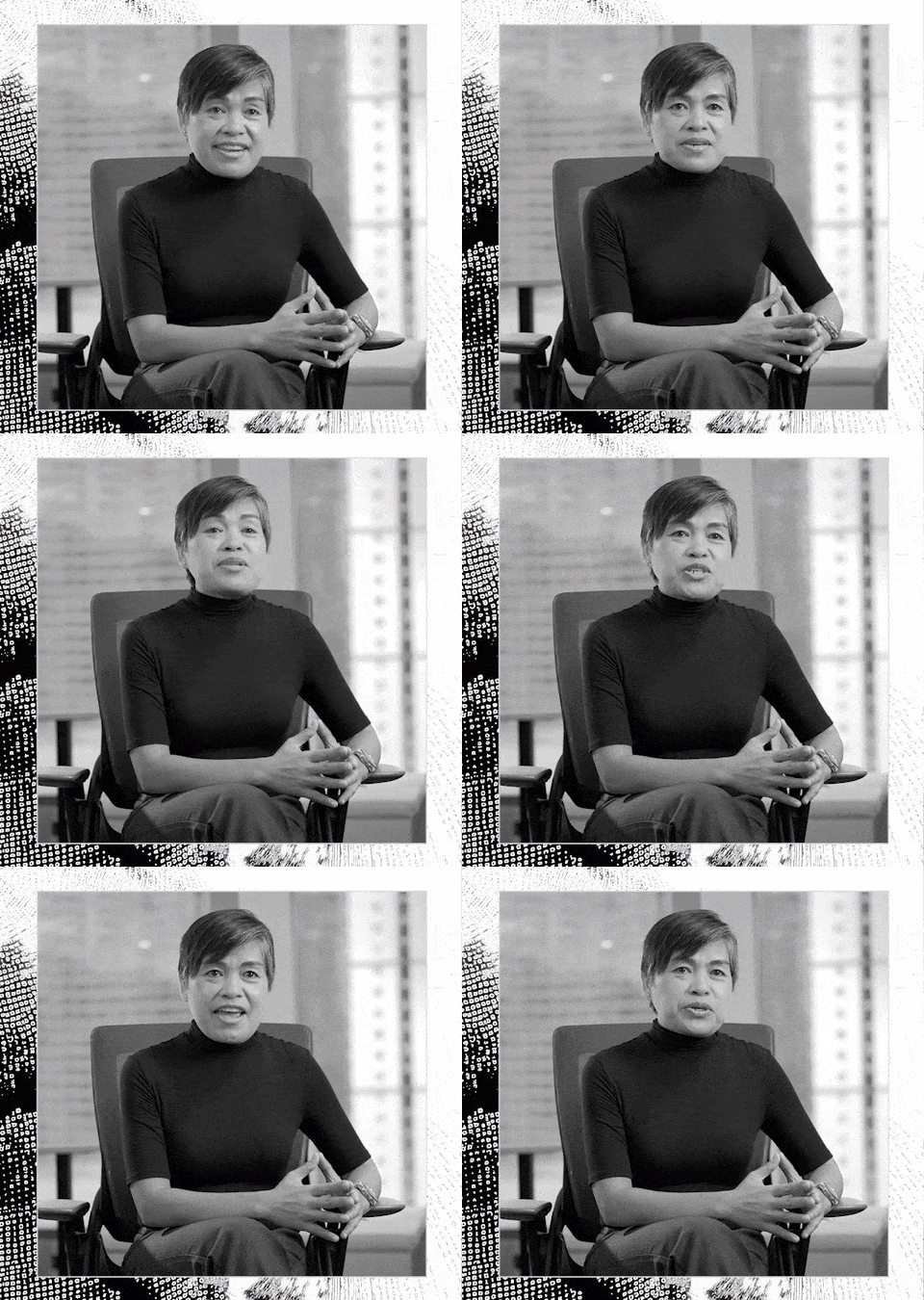
“Advanced automation of all processes is easy to set up. I cannot imagine how to manage workflows without this software.”

Tanay Tiwary

Global Head - Digitalization & Business Improvement

See the Full Story

KEY HIGHLIGHTS
700+
Use Cases
73%
Operation Efficiency
1001 - 5000
# of Employees
SN Aboitiz optimized

“Advanced automation of all processes is easy to set up. I cannot imagine how to manage workflows without this software.”

Maria Theresa Cabigon

CIO, SN Aboitiz Power Group

See The Full Story


KEY HIGHLIGHTS
800+
Use Cases
10x
ROI
201 - 500
# of Employees
Valantic GIF Optimizer
INDUSTRY IT Consulting
HEADQUATERS Germany

“Everyone uses Kissflow. It requires no previous training. The platform is very intuitive and user-friendly.”

Antonio Serpa Pinto

Head of IT

See the Full Story
KEY HIGHLIGHTS
150+
Use Cases
18
Countries
1,001 - 5,000
# of Employees
Previous
    Next

    Questions IT leaders ask before they start

    Upgrading the applications that run the business to meet current requirements, without rewriting them from the ground up. It usually means rebuilding the process layer around a system of record, using a mix of the six Rs: retire, retain, rehost, replatform, refactor, and rebuild.

    Retire, retain, rehost, replatform, refactor, and rebuild. They give IT a structured way to classify each application and choose an approach based on business value and cost.

    No. Modern platforms connect to SAP, Oracle, Salesforce, and Workday and read from and write back to them. The system of record stays where it is.

    It maps requirements to structured metadata that describes the application in business terms rather than generating code. The output is deterministic and inspectable, and changes are recorded in an audit log.

    Generating code with AI is fast, but the output is as hard to govern, audit, and change as the legacy code being replaced, which can create new technical debt faster than before. For enterprise modernization, the lower-risk path is AI that generates a readable blueprint of the application, so the logic stays inspectable and governed with people in the lead.

    It depends on approach and estate. Rehosting one application can take days. Rebuilding a first-wave process is typically scoped to reach production in weeks. A full rip-and-replace program runs in quarters or years.

    There is no single figure, because cost scales with approach and estate. Rehosting is cheapest. A full rebuild is most expensive. Rebuilding the process layer on a governed platform sits between: costs land per application rather than per program, and value shows up in weeks. The more useful question is cost of delay against the value at risk.

    Start with Assess: a scored inventory of every application, spreadsheet, and email-driven process in the estate, then prioritize a first wave with a visible business sponsor.

    See modernization without a rebuild on your own estate

    Talk to our team