Work Order Management SLA Software
Kissflow logs every open work order's SLA target by category, watches it against that deadline, flags an order approaching breach, escalates automatically to the physical plant director when one is missed, and rolls breach patterns into a trend dashboard by building and category, so a semester-critical repair never drifts unnoticed until a dean or a parent complaint surfaces it.

Trusted by leading universities worldwide





An open work order has a due date the moment it's created. Whether anyone is watching that date is a separate question.
A physical plant office can run dozens or hundreds of open work orders at once, each with an implicit or explicit service-level expectation: a life-safety issue gets same-day attention, a classroom repair needs to close before the semester starts, routine requests get a standard turnaround window. Individually, each work order might be tracked fine. What's usually missing is the layer that watches all of them at once against their own SLA and tells the physical plant director which ones are drifting before a dean or a parent complaint does.
Without that layer, an SLA breach is discovered the way most things get discovered on a campus with no dashboard: someone notices, or someone complains. By then the classroom repair that should have closed before move-in is the one everyone's asking about, and there's no record of when it started drifting or why.
Kissflow adds that layer on top of whatever intake process creates a work order: a capture form that logs every open order's SLA target, a records dataset the physical plant director can query by building, category, or technician, threshold-based alerts as an order approaches its deadline, an escalation workflow when it's missed, and a trend and exception dashboard that shows what's breaching and where, before the next complaint does.
What breaks when open work orders have no SLA layer watching them
SLA breaches are discovered by complaint
Nobody sees a work order drifting past its deadline until someone asks about it.
No dashboard shows breach patterns
A recurring problem building or category isn't visible without a manual pull.
Escalation depends on someone noticing
A missed deadline has no automatic next step.
Semester-critical deadlines get buried
A pre-semester classroom repair looks the same in the queue as a routine request.
Six modules. Built to catch a breach before the next complaint does.
Every module ships with default forms, alerts, and dashboards. Configure each one to your SLA categories in the visual builder.
SLA capture at intake
Logs every open work order with its applicable service-level target by category, life-safety, classroom, routine.
Searchable work order records
Finds any open or closed order by building, category, or assigned technician in one searchable dataset.
Threshold alerts
Flags a work order approaching its SLA deadline before it's breached, not after someone notices the drift.
Escalation on breach
Escalates automatically to the physical plant director the moment an SLA target is missed, no manual check needed.
Trend and exception dashboard
Shows breach patterns by building, category, or technician over time instead of a one-off complaint response.
Semester-critical flagging
Marks a work order tied to a hard deadline, move-in, semester start, so it's visibly distinct from routine requests.
From request to system of record in four steps
Capture
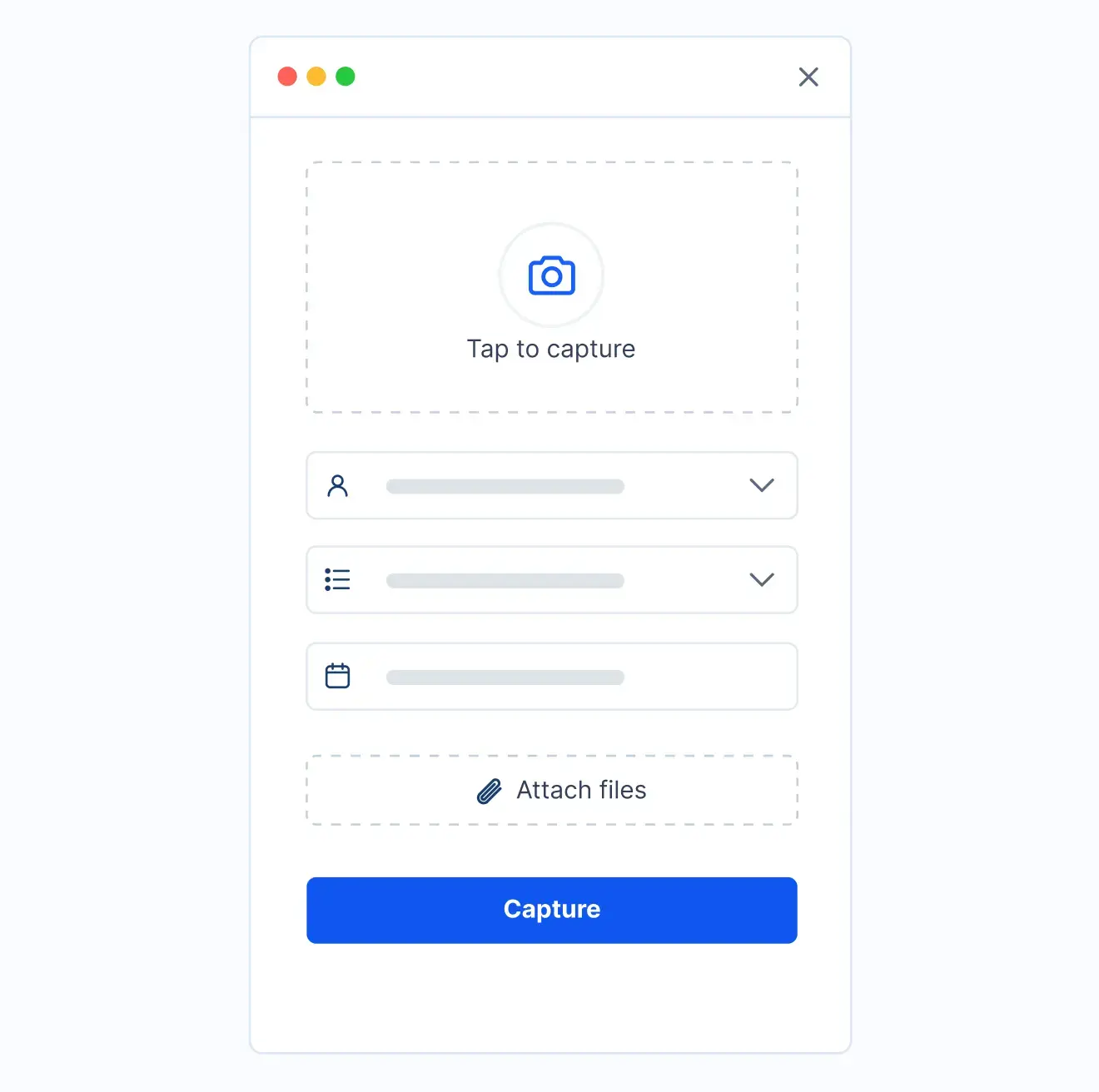
A work order is logged at intake with its category and the applicable SLA target attached.
Validate
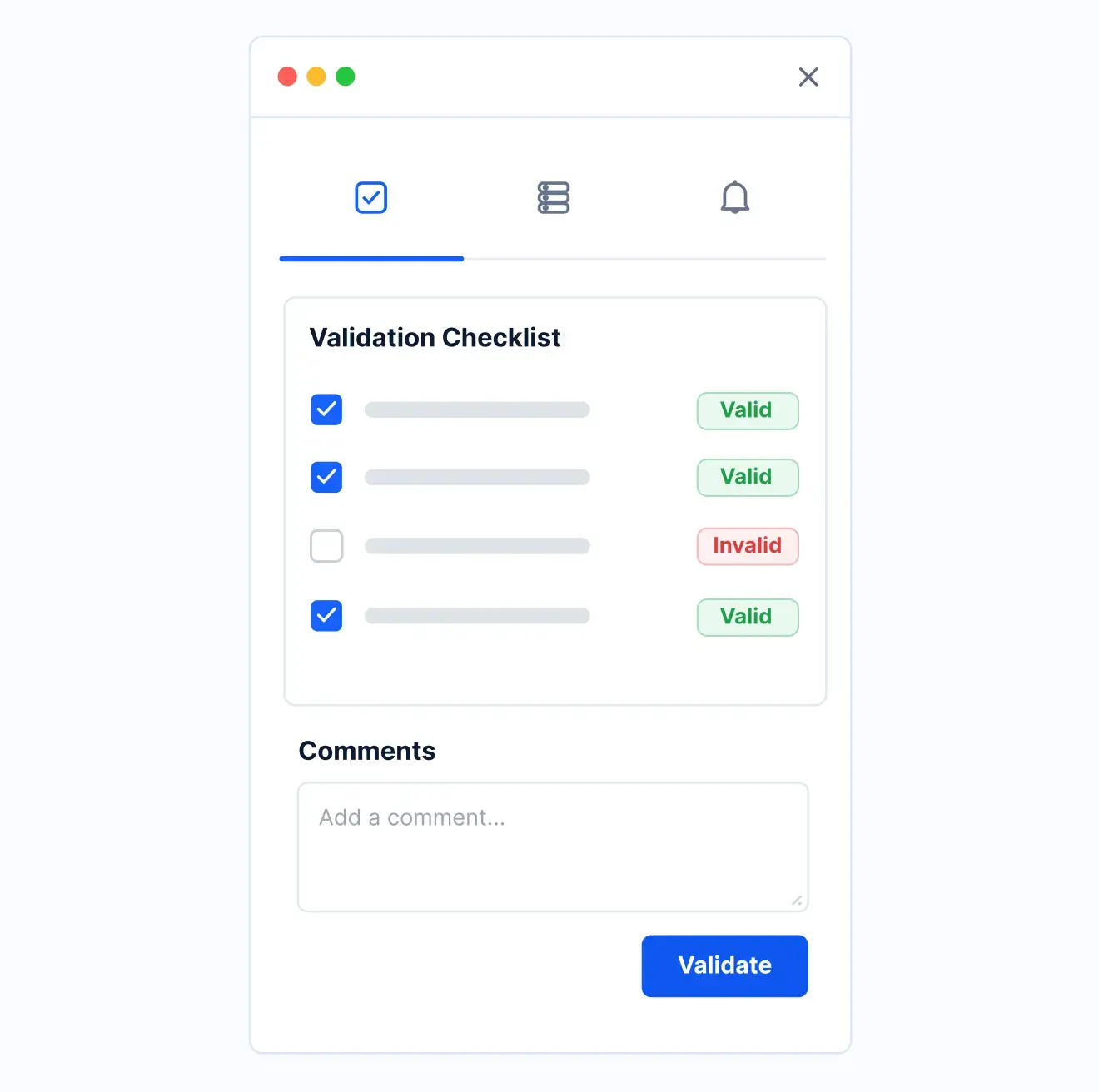
The order sits in the register with a threshold alert set against its own deadline, checked continuously so nothing is watched by hand.
Track
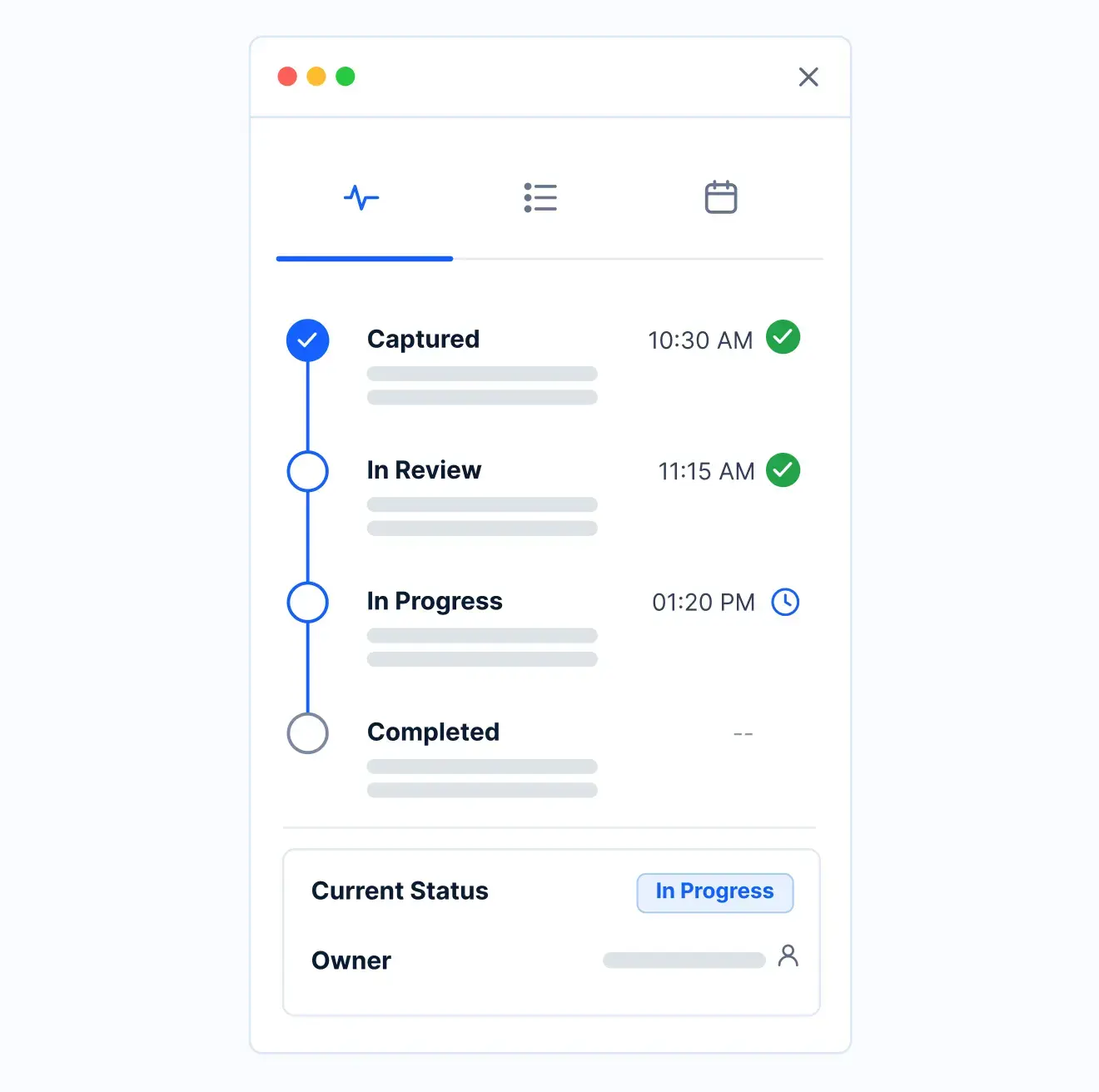
An approaching or missed SLA triggers an alert, then an automatic escalation to the physical plant director, surfacing as an exception.
Report
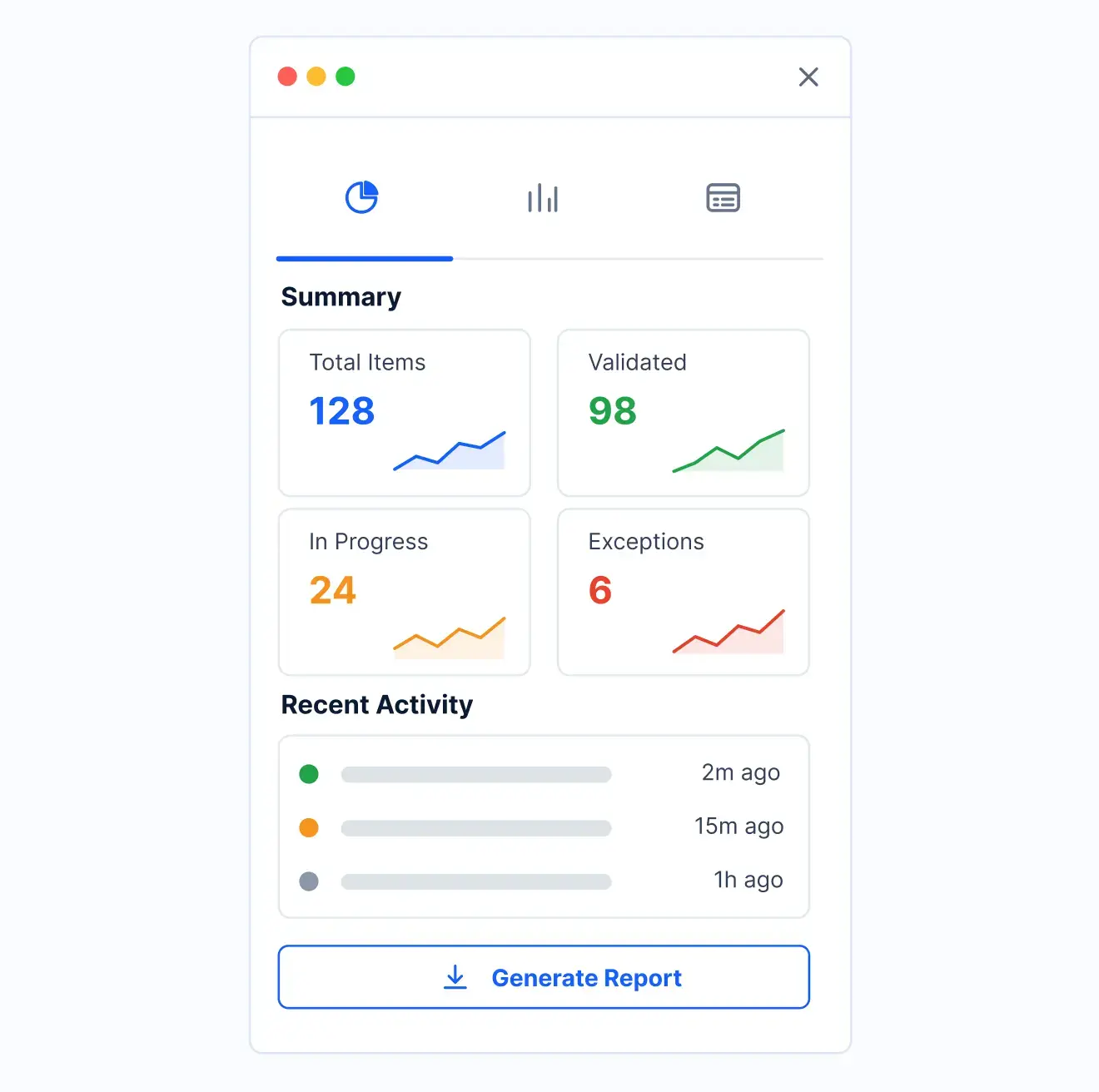
Because the register is the system of record, the order closes into it and breach patterns roll into a trend dashboard by building and category for the next review.
What changes when work order SLA tracking runs on Kissflow
| Process | Before Kissflow | On Kissflow |
|---|---|---|
| SLA visibility | Implicit, tracked in a technician's head | Explicit, set and tracked for every order |
| Breach detection | Discovered by complaint | Flagged by an automatic threshold alert |
| Escalation | Depends on someone noticing | Automatic once a deadline is missed |
| Semester-critical orders | Look the same as routine requests in the queue | Flagged distinctly with their own deadline |
| Breach patterns | Invisible without a manual data pull | Visible on a trend dashboard by building and category |
| Physical plant director visibility | Reactive, hears about problems after the fact | Proactive, alerted before a breach becomes a complaint |
Connects to your CMMS and facilities request intake; your CMMS stays the system of record for asset history
Kissflow does not replace a computerized maintenance management system. It is the SLA-monitoring and escalation layer that watches every open order it's fed against its own deadline.
.svg)



.svg)
.svg)
.svg)
.svg)

.svg)
.svg)
.svg)
.svg)
.svg)

.svg)

.svg)

.svg)
.svg)
.svg)
.svg)
.svg)
.svg)
.svg)
.svg)
.svg)

.svg)
Built to catch a breach before the next complaint does
Alerts before the breach, not after
A deadline flag fires ahead of an SLA miss, not once a complaint comes in.
Breach patterns visible
A recurring problem building or category shows up in trend reporting automatically.
Semester-critical orders flagged distinctly
A pre-semester repair doesn't get lost in the routine queue.
Live in weeks
Physical plant configures SLA targets by category in the visual builder.
Escalation that doesn't depend on memory
A missed deadline escalates automatically to the director.
Every order searchable
Find any order by building, category, or technician instantly.
Related apps
Facilities Maintenance Request & Work Order Management System
The intake and approval front door this app's SLA layer sits behind.
Preventive Maintenance Schedule Management System
The proactive counterpart that reduces how many reactive work orders enter this queue.
College-Level Accreditation Dashboard
Another pure visibility layer, applied to a different operational domain.
We help physical plant directors see SLA breaches before the next complaint does
.gif)

“If a company cannot enable everybody to use AI, they will never get the true benefit of AI. Platforms like Kissflow allow us to put that capability in the hands of our users in a safe way.”
Vagesh Dave
GVP & CIO at McDermott International, Ltd
See The Full Story

“Advanced automation of all processes is easy to set up. I cannot imagine how to manage workflows without this software.”
Tanay Tiwary
Global Head - Digitalization & Business Improvement
See the Full Story

“Kissflow supports rapid application development by building a working application prototype in the shortest amount of time.”
Maria Theresa Cabigon
CIO, SN Aboitiz Power Group
See The Full Story
See what Kissflow can do for you
Talk to usGot questions? We're here to help.
Get SupportNo. That app is the intake and approval front door for a new request. This app is the SLA-monitoring layer watching every order already in the queue against its deadline.
By category, life-safety, classroom-critical, routine, each with its own configurable turnaround target that the physical plant office controls.
An automatic escalation notifies the physical plant director, with the breach recorded against the work order's history.
Yes. A work order can be marked against a hard deadline, like move-in or semester start, so it's visually distinct from routine requests in reporting.
No. Your CMMS stays the system of record for asset-level maintenance history. This app adds the SLA-monitoring and escalation layer on top of whatever creates the work order.
Yes. The trend dashboard breaks down breach patterns by building, category, and technician to surface recurring problems.
Configurable by category, commonly the physical plant director for life-safety and semester-critical breaches, a supervisor for routine ones.
Yes. Kissflow is certified to SOC 1, SOC 2, SOC 3, and ISO/IEC 27001.