Welding Management System for Fabrication Crews
Kissflow ties every weld to a qualified welder, a procedure, and a joint number: a welder-continuity record that expires on schedule, a WPS/PQR library the crew has to use, film or NDT results logged against the joint, and a dashboard that shows repair rate by welder and by shift.

Trusted by energy operators worldwide





A weld number in a spreadsheet does not tell you who welded it or whether their ticket is current.
A pipe spool gets welded on a Tuesday afternoon by whoever is free. The joint gets a number, the number goes in a logbook, and the welder's qualification card is somewhere in a filing cabinet at the yard office, current or not. Nobody finds out a welder's continuity lapsed until a radiograph comes back bad and someone has to trace every joint that welder touched since the last film.
Kissflow runs welding as a qualification-linked log: a welder register with WPS/PQR assignment and continuity tracking that flags an expiring ticket before the next job, a joint-by-joint weld record tied to procedure, heat number, and welder ID, an NDT/film result capture that routes a reject straight to a repair workflow, and a dashboard that rolls up repair rate by welder, shift, and spool. Your QA/QC system stays the system of record for the fabrication package; Kissflow is the layer that stops an unqualified welder from ever getting assigned a joint.
QA leads configure WPS libraries, continuity intervals, and repair-routing rules in the visual builder, so a new procedure gets added once and applies to every crew using it.
Where weld traceability breaks down between the yard and the QA office
Qualification cards go stale
A welder's continuity lapses and nobody catches it until a film comes back and the trail has to be reconstructed by hand.
WPS assignment is verbal
A foreman tells a welder which procedure to use, with no record tying the joint to the procedure that was actually followed.
Film results sit in a folder
A reject shows up on a radiograph and the repair gets scheduled by memory, not by a routed workflow.
No rollup by welder
A repair-rate problem with one welder or one shift stays invisible until a client audit asks for the numbers.
Six modules. Every joint tied to a qualified welder and a procedure.
Configure each module to your WPS library, continuity intervals, and repair routing.
Welder qualification register
Every welder is tracked against WPS/PQR assignment, test results, and a continuity clock that flags before it lapses.
WPS/PQR library
Approved procedures are published once and assigned by joint type, so a crew always welds to the current revision.
Joint-by-joint weld log
Every joint is recorded against welder ID, heat number, procedure, and spool, building a searchable traceability record.
NDT/film result capture
Radiograph or NDT results are logged against the joint, and a reject routes straight into a repair workflow.
Repair and reweld routing
A rejected joint is assigned back to a qualified welder with the cause noted, closing the loop instead of leaving it in a folder.
Repair-rate dashboard
Repair rate rolls up by welder, shift, and spool, so a pattern shows up before a client audit finds it.
From request to system of record in four steps
Capture
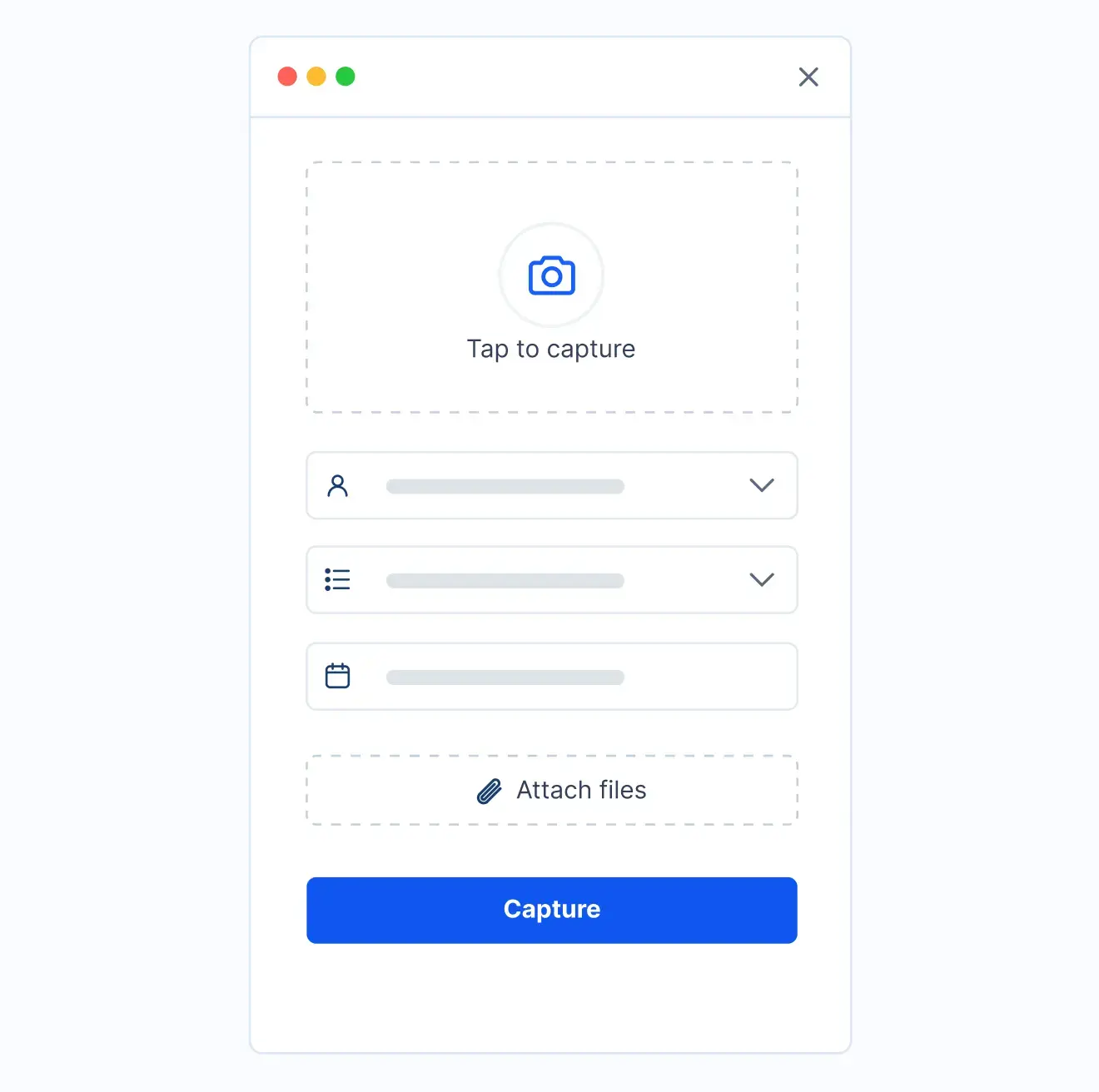
Each weld is recorded against welder ID, heat number, joint number, and the procedure revision used, tying it to a qualified welder and a WPS.
Validate
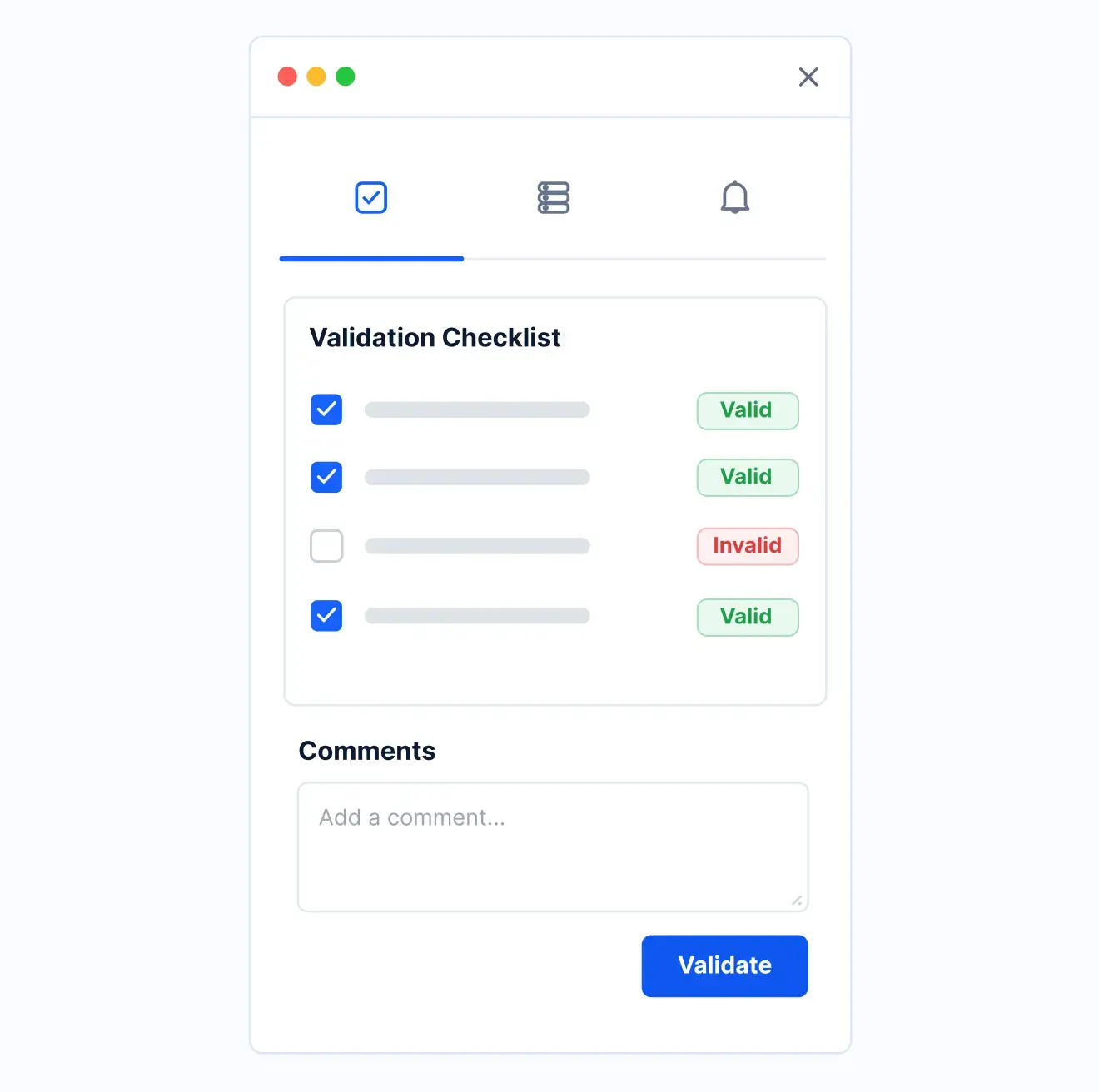
A joint is assigned only to a welder whose continuity clock is current and qualified against the correct WPS revision, and film or NDT results are logged against the joint with a pass or reject recorded before the spool ships.
Track
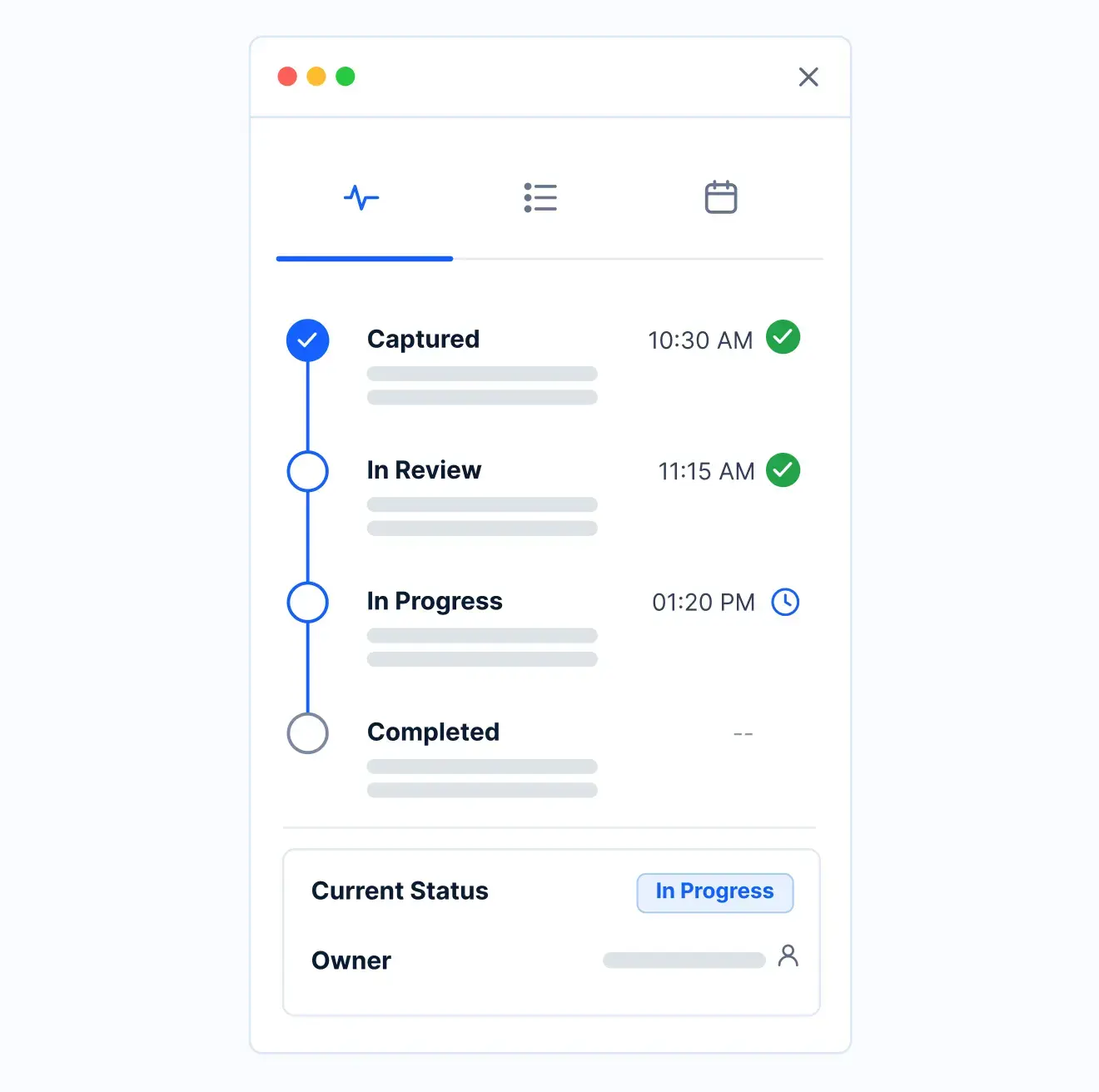
A reject routes automatically to a qualified welder for reweld, and repair rate by welder and by shift stays live as the job runs.
Report
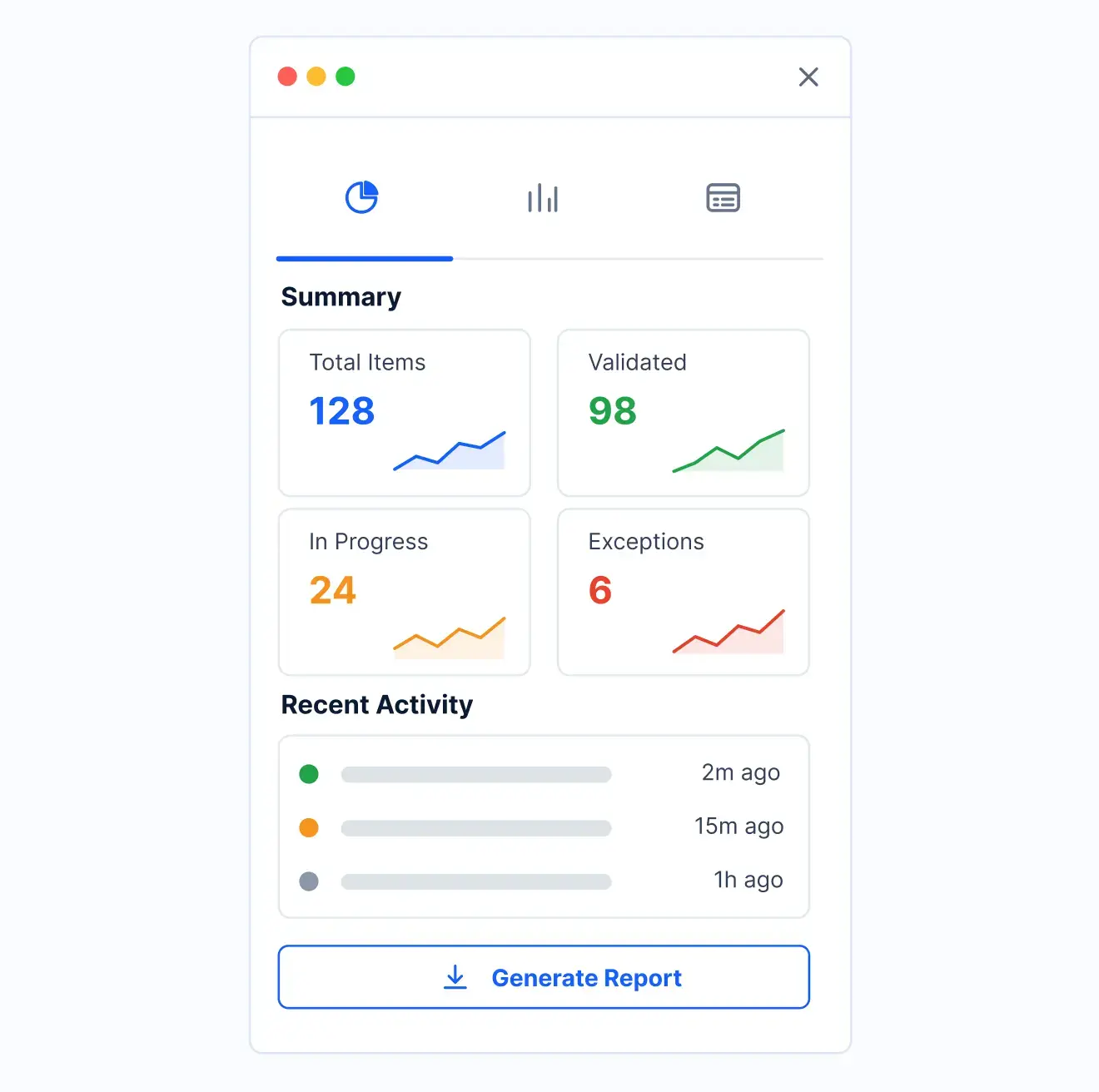
The register is itself the weld traceability record, so welder continuity, procedure use, and repair-rate reporting all draw from the same data behind every joint.
What changes when weld traceability runs on Kissflow
| Process | Before Kissflow | On Kissflow |
|---|---|---|
| Welder qualification | A card in a filing cabinet, current or not | A register that flags an expiring continuity clock before the next job |
| Procedure assignment | Told verbally by a foreman | Assigned by joint type from a published WPS library |
| Weld record | A number in a logbook | Tied to welder ID, heat number, and procedure |
| Film result | Filed on paper | Logged against the joint and routed on a reject |
| Repair routing | Scheduled by memory | Assigned automatically to a qualified welder with cause noted |
| Performance visibility | Invisible until an audit asks | A live dashboard by welder, shift, and spool |
Connects to your QA/QC and document control systems; Kissflow does not replace the fabrication package of record
Kissflow runs the qualification, weld-log, and repair-routing layer. Your QA/QC system stays the system of record for the fabrication package and client deliverables.
.svg)



.svg)
.svg)
.svg)
.svg)

.svg)
.svg)
.svg)
.svg)
.svg)

.svg)

.svg)

.svg)
.svg)
.svg)
.svg)
.svg)
.svg)
.svg)
.svg)
.svg)

.svg)
Built for how welding actually gets qualified, executed, and repaired
Continuity that does not lapse quietly
An expiring welder ticket is flagged before the next job is assigned, not after a bad film.
Reject routing built in
A failed NDT result becomes a repair assignment automatically, not a note in a folder.
Repair rate by welder
A pattern in one welder or one shift is visible before a client audit asks for it.
Live in weeks
Configure WPS libraries and routing rules in the visual builder, or describe the use case to the AI Builder.
Governed from day one
Role-based access and a full audit trail on every weld, film, and repair record.
One record across every crew
QA, foremen, and welders see the same live joint record instead of a logbook per yard.
Related apps
NDT Inspection Management Workflow
Schedule and track non-destructive testing across every asset, not just welds.
Material Traceability Management System
Trace lot and heat numbers from receipt through installation.
As-Built Documentation Management System
Capture field redlines against the issued-for-construction baseline.
We help fabrication QA teams keep every joint traceable to a qualified welder
.gif)

“If a company cannot enable everybody to use AI, they will never get the true benefit of AI. Platforms like Kissflow allow us to put that capability in the hands of our users in a safe way.”
Vagesh Dave
GVP & CIO at McDermott International, Ltd
See The Full Story
“Advanced automation of all processes is easy to set up. I cannot imagine how to manage workflows without this software.”
Tanay Tiwary
Global Head - Digitalization & Business Improvement
See the Full Story

“Kissflow supports rapid application development by building a working application prototype in the shortest amount of time.”
Maria Theresa Cabigon
CIO, SN Aboitiz Power Group
See The Full Story
See what Kissflow can do for you
Talk to usGot questions? We're here to help.
Get SupportNo. Your QA/QC system stays the system of record for the fabrication package. Kissflow runs the qualification, weld-log, and repair-routing layer on top of it.
NDT Inspection covers non-destructive testing across every asset type. Welding Management System is scoped to weld qualification, WPS assignment, and joint traceability specifically. Fabrication yards typically run both together.
Yes. Continuity intervals are configured per welder and per code, and an alert fires before the clock runs out.
Yes. Every joint record is tied to the procedure revision in force on the day it was welded.
Yes, repair routing rules are configured by cause and by qualification, so a reweld goes to someone certified to do it.
Yes. Each yard logs against the same welder register and procedure library, rolled up into one dashboard.
Configuration and AI-assisted app generation move delivery from a multi-month program to a matter of weeks.
Kissflow is certified to SOC 1, SOC 2, SOC 3, and ISO/IEC 27001, with role-based access and a full audit log on every record.