Training Compliance Register
A training compliance register holds which training and certification each role requires, what each person has completed, and when it expires, and reports compliance by crew, site, and contractor. Kissflow runs that register alongside your learning and HR systems.

Trusted by energy operators worldwide






The register has to answer one question on demand
Every operating site carries a matrix in someone's head or someone's spreadsheet: which roles need which training, who holds it, and when it runs out. That matrix decides whether a job can be assigned this morning. It is usually maintained by one coordinator, updated after the fact, and consulted by whoever remembers it exists. When a certificate lapses, the discovery is almost always operational rather than administrative: a person turns up to a task they are no longer cleared for.
Kissflow holds the requirement and the record in one place. Training requirements are defined per role, so a person moving to a new role inherits the gaps automatically rather than being assessed by memory. Completion records carry expiry dates that drive alerts to the person, the supervisor, and the coordinator with enough lead time to schedule the renewal rather than react to a lapse.
Contractor personnel sit in the same register under your requirements. When an auditor, a client, or a mobilization decision needs the compliance position for a crew, it is a report rather than a reconciliation across three sources.
The requirement and the record live in different places
The requirement lives separately from the record
Which training a role needs sits in one document and who has completed it sits in another, so the gap between them is only visible when somebody compares them by hand.
Expiry is discovered operationally
A lapsed certificate is found when a person is assigned to a task, at the point when the alternative is a delay rather than a renewal.
Role changes reset nothing
A person moving into a new role carries the training they had, and the additional requirements are picked up by whoever notices.
Contractor compliance is asserted, not held
Contractors confirm their crews are trained, and the evidence sits in emailed certificates nobody holds in a queryable form.
Six process modules
Every module ships with default role matrices, expiry rules, renewal routing, and dashboards. Configure each one to your competency standard in the visual builder.
Role training matrix
The training and certification each role requires, defined once and applied to every person holding that role, so requirements follow the role rather than the individual.
Completion and certification records
Completion records per person with issuing body, date, evidence, and expiry, held against the requirement they satisfy.
Expiry and renewal alerts
Alerts to the person, the supervisor, and the coordinator ahead of expiry, with enough lead time to schedule the renewal rather than react to a lapse.
Nomination and scheduling
Training nomination, approval, and session scheduling, with attendance and assessment outcomes written back to the record.
Contractor compliance
Contractor personnel held in the same register under your requirements, with evidence attached rather than asserted in an email.
Compliance reporting
Dashboards for compliance by role, crew, site, and contractor, with lapsed and approaching-expiry records surfaced as exceptions.
From request to system of record in four steps
Capture
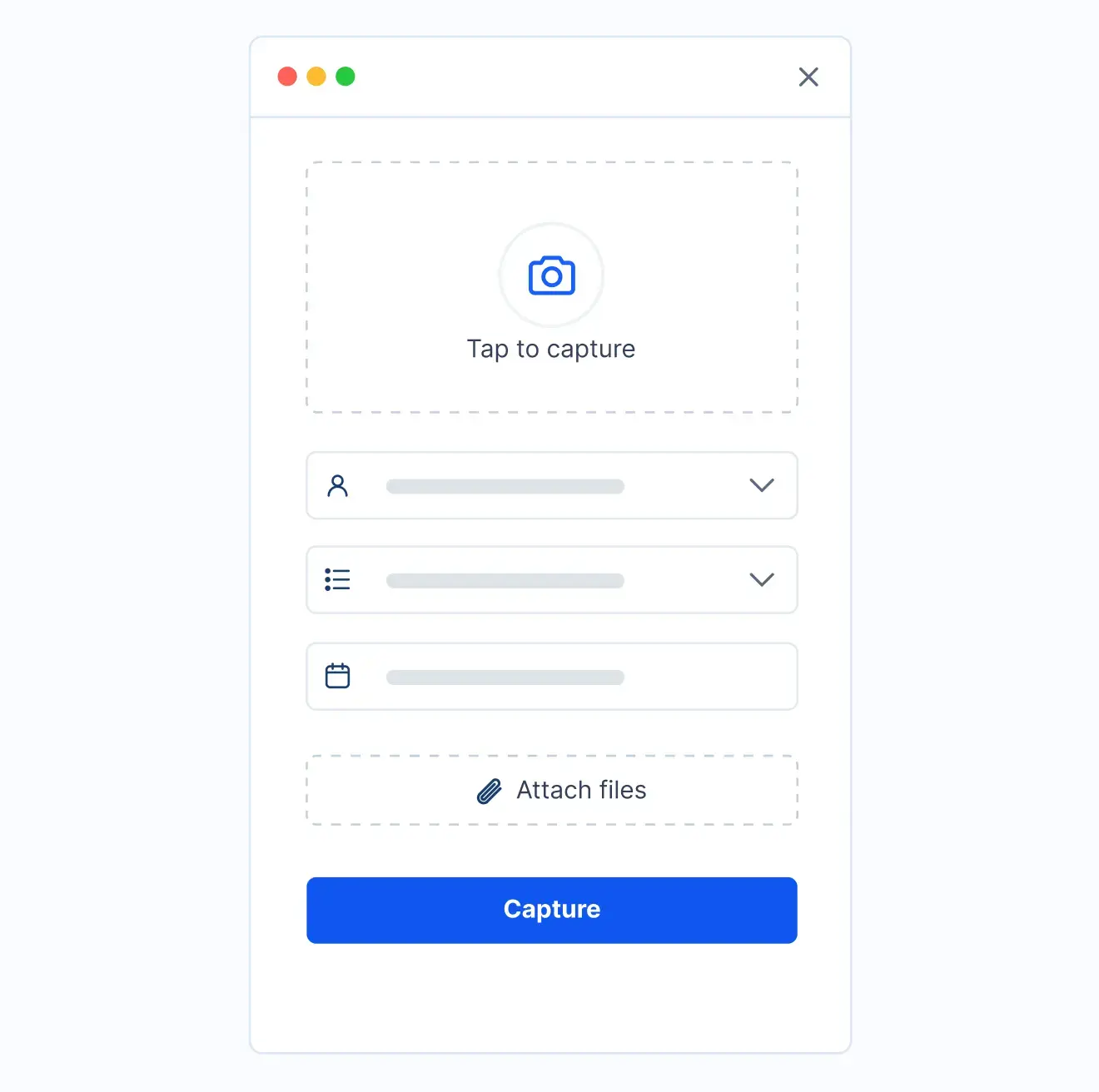
Completion records, certificates, and assessment outcomes are recorded against the person and the requirement they satisfy, with issuing body, date, and expiry.
Validate
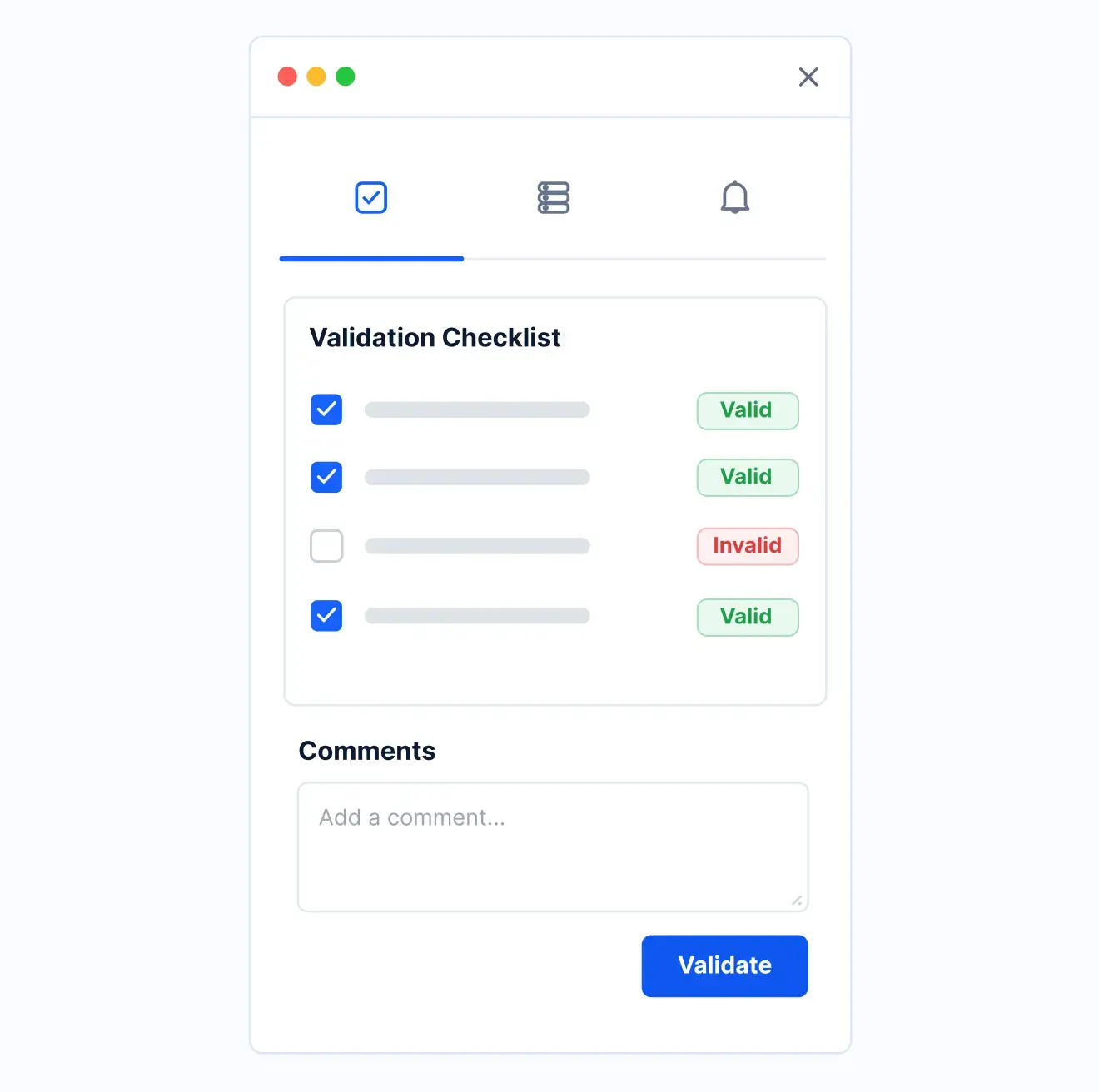
Entries are checked against the role requirement as they are logged, so a certificate that does not satisfy the requirement is not accepted as one that does.
Track
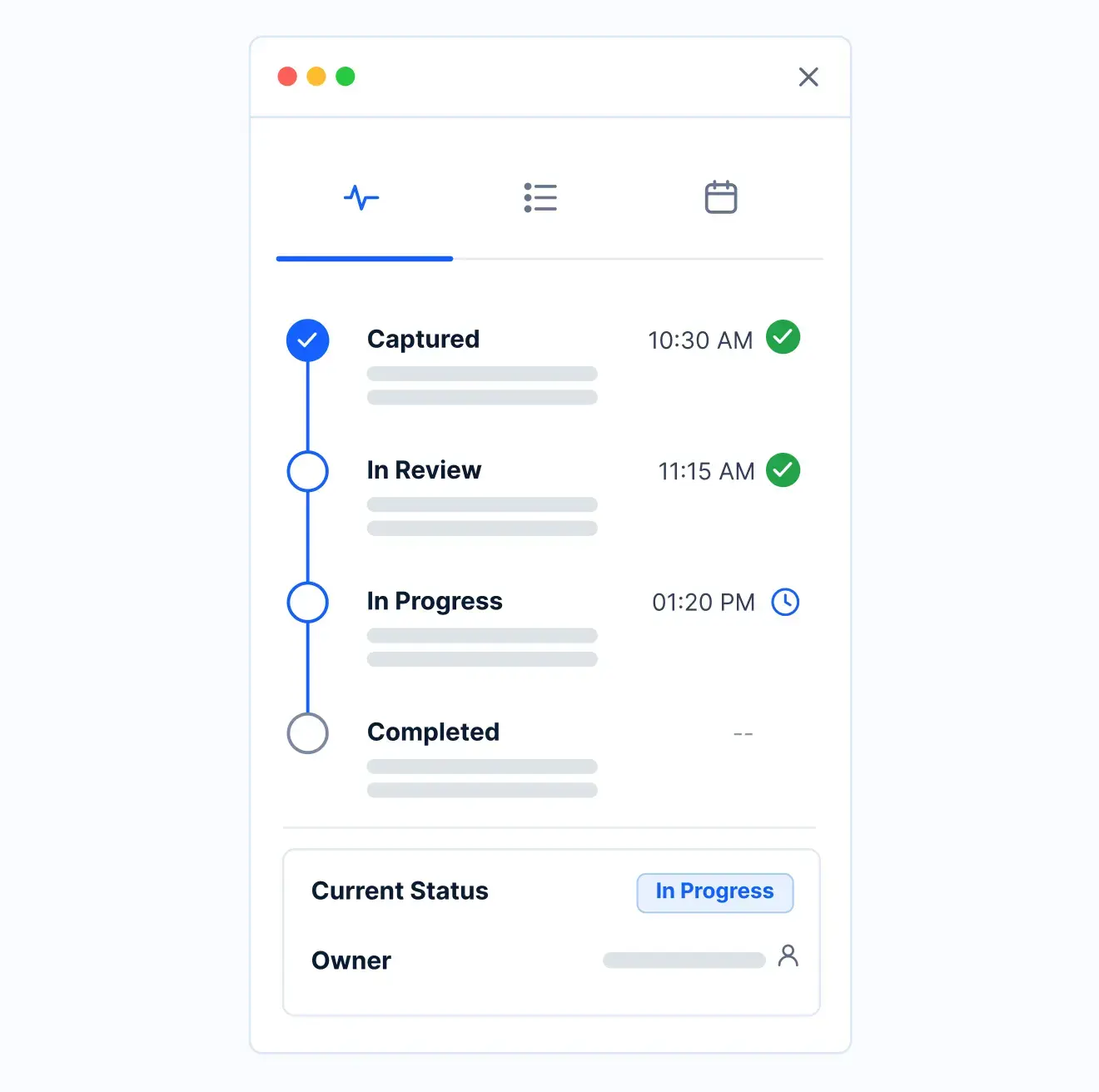
The register stays live, and lapsed certifications, approaching expiry, and gaps created by a role change surface as exceptions rather than waiting for a review.
Report
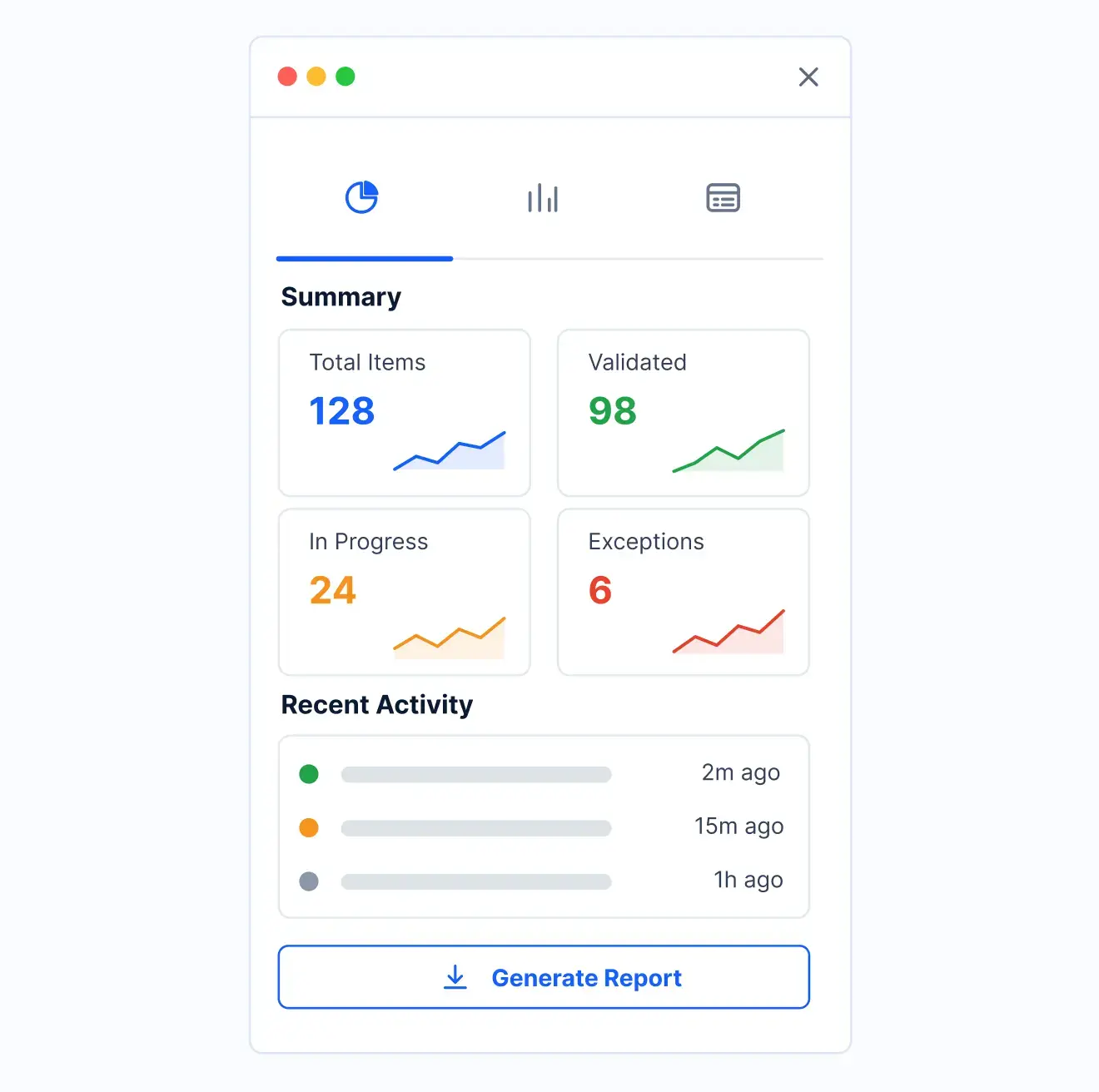
The register is the compliance record, so position by role, crew, site, and contractor reports straight from it for mobilization, audit, and client assurance.
What changes when training compliance runs on Kissflow
| Process | Before Kissflow | On Kissflow |
|---|---|---|
| Requirement definition | A document separate from the completion record | Defined per role and applied to everyone in it |
| Role changes | New requirements picked up when noticed | Gaps appear automatically on role assignment |
| Expiry | Found when a person is assigned to a task | Alerted with lead time to schedule the renewal |
| Evidence | Certificates in a shared folder | Held against the requirement they satisfy |
| Contractor crews | Compliance asserted by the contractor | Held in the same register under your requirements |
| Reporting | Reconciled across sources on request | Drawn from the register the operation uses daily |
Connects to the systems your operation already runs on
.svg)



.svg)
.svg)
.svg)
.svg)

.svg)
.svg)
.svg)
.svg)
.svg)

.svg)

.svg)

.svg)
.svg)
.svg)
.svg)
.svg)
.svg)
.svg)
.svg)
.svg)

.svg)
Built for competency that has to hold up at the gate
Requirements follow the role
A person moving roles inherits the gaps automatically instead of being assessed against a matrix somebody has to remember to check.
Renewal, not reaction
Expiry alerts carry enough lead time to schedule training, which is the difference between a renewal and a delayed job.
Contractors in the same register
Contractor compliance is held as evidence under your requirements rather than asserted in an email.
A register, not another LMS
Your learning system delivers the training. Kissflow holds the requirement, the record, and the compliance question the operation actually asks.
Governed from day one
Single sign-on, role-based access, and a timestamped audit log are how the app is built. Kissflow runs in the business-process layer, segmented from the OT and control network.
Live in weeks, not a program
Configure in the visual builder, or describe the standard and let the AI Builder generate the app. Delivery moves from weeks to days.
Related apps
Safety induction completion log
Record site induction attendance, acknowledgement, and content version, with coverage by crew and contractor.
Contractor HSE Induction Tracker
Induction session scheduling, contractor registration, training completion, certificate issuance, and expiry tracking for every contractor and vendor worker on site.
Offshore platform personnel onboarding
Clear medical, competency, certification, and induction gates before personnel mobilize.
We help HSE and competency leaders answer the compliance question without a reconciliation
.gif)

“If a company cannot enable everybody to use AI, they will never get the true benefit of AI. Platforms like Kissflow allow us to put that capability in the hands of our users in a safe way.”
Vagesh Dave
GVP & CIO at McDermott International, Ltd
See The Full Story

“Advanced automation of all processes is easy to set up. I cannot imagine how to manage workflows without this software.”
Tanay Tiwary
Global Head - Digitalization & Business Improvement
See the Full Story

“Kissflow supports rapid application development by building a working application prototype in the shortest amount of time.”
Maria Theresa Cabigon
CIO, SN Aboitiz Power Group
See The Full Story
See what Kissflow can do for you
Talk to usGot questions? We're here to help.
Get SupportA training compliance register holds the training and certification each role requires, the completion record for each person, and the expiry date on each certification, and reports compliance position by role, crew, site, and contractor.
An induction log records site-specific briefing attendance, which has a short shelf life and applies to anyone entering the site. A training compliance register holds formal role-based competency and certification with expiry, which gates what work a person can be assigned.
No. Your learning system delivers and records training. Kissflow holds the role requirement, the compliance position, and the expiry logic, connecting to your systems through APIs and integration connectors.
The new role carries its own requirement set, so any gaps appear automatically against that person rather than depending on someone remembering to reassess them.
Yes. Fields, categories, routing rules, and escalation thresholds are configured by the process owner in the visual builder, and every change is written to the same audit log as a manual edit.
No. Kissflow runs in the business-process layer alongside the systems you already own and connects to them through APIs and integration connectors. It does not replace your EHS suite, your ERP, or your maintenance system, and it does not operate inside the control system.
No. Kissflow AI maps natural language to platform metadata and produces an inspectable blueprint, so every app is auditable and the process owner can maintain it.
Kissflow is certified to SOC 1, SOC 2, SOC 3, ISO/IEC 27001, HIPAA, GDPR, and CCPA, hosted on Google Cloud with data residency in the US, EU, APAC, and Oceania.