Tooling, Die & Fixture Management Software
A die running past its refurbishment threshold is still making parts, because nobody was counting the cycles. Kissflow tracks every die, tool, and fixture by usage cycle, schedules refurbishment and calibration before wear becomes a quality problem, and closes the record on retirement.

Trusted by leading manufacturers worldwide


One lifecycle record for every die, tool, and fixture on the floor
Nobody was counting the cycles on a die that blew past its refurbishment threshold weeks ago, and it is still making parts today.
Tooling, die, and fixture records usually live in a spreadsheet that tracks what was bought, not what's happening to it now: how many cycles it's run, when it last went in for refurbishment, whether its calibration is current if it's used for inspection, and whether it was ever formally retired. Refurbishment happens reactively, after a part already failed, and a decommissioned die with no retirement record can quietly end up back on the floor in the hands of someone who doesn't know it was pulled for a reason.
Kissflow keeps one record per die, tool, or fixture with its own asset number, logs every issue and return against the job that used it, tracks usage cycles against a refurbishment threshold, schedules calibration separately for inspection fixtures, and closes the record permanently on retirement, so wear gets caught before it becomes a quality problem and a retired tool can't quietly return to production.
A die running well past its refurbishment threshold is still making parts
Refurbishment happens reactively
A die gets pulled for rework only after a part fails, not before wear drifts a dimension out of spec.
Tool location is a guess
A fixture logged out to a job three weeks ago might be back in the crib, on the floor, or still on that job, and nobody's sure.
Calibration and refurbishment blur together
An inspection fixture's calibration due date gets missed because it's tracked, if at all, on the same schedule as production tooling refurbishment.
Retired tools resurface
A die pulled from service with no retirement record can end up back on the floor months later, because nothing marked it as decommissioned.
Six modules. Configurable by asset class.
Every module ships with default forms, alert logic, and dashboards. Configure each one to your operating model in the visual builder.
Tool, die, and fixture register
One record per die, tool, or fixture, with its asset number, part numbers it produces, and storage location.
Issue and return tracking
Logs every tool issued to a job or work order and its return, so a die's location and status are never a guess.
Usage cycle tracking
Counts cycles or parts run against each die or fixture, and flags it for refurbishment before wear drifts a dimension out of spec.
Refurbishment scheduling and history
Schedules refurbishment against the cycle count or a calendar threshold, and keeps the full service history.
Calibration for inspection fixtures
Tracks calibration due dates for fixtures used in inspection, separate from the refurbishment cycle for production tooling.
Retirement and disposal record
Closes out a die or fixture's record permanently on retirement, so a decommissioned tool can't quietly return to the floor.
From request to system of record in four steps
Capture
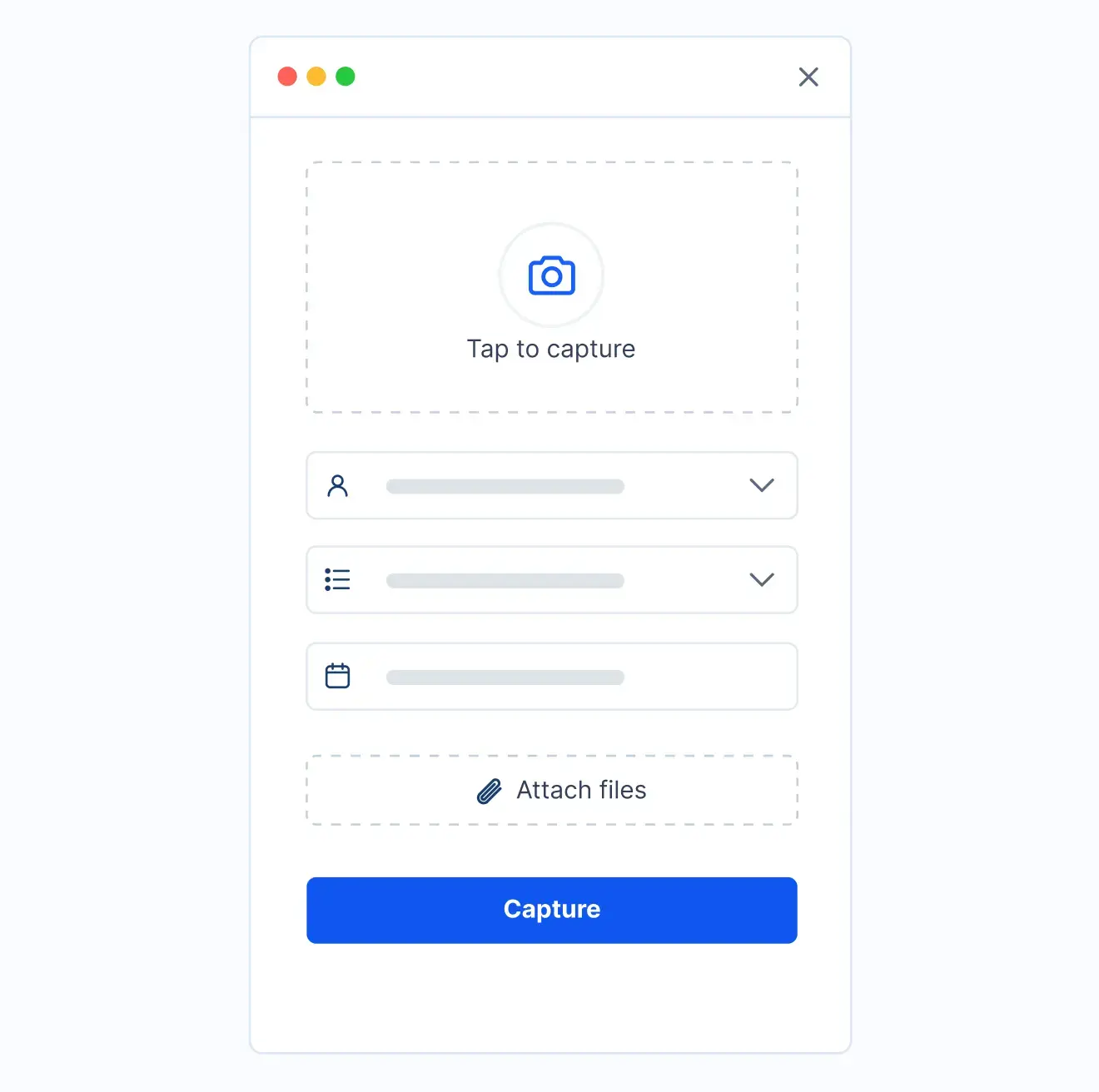
Every die, tool, or fixture is entered into the register with a unique asset number and its storage location.
Validate
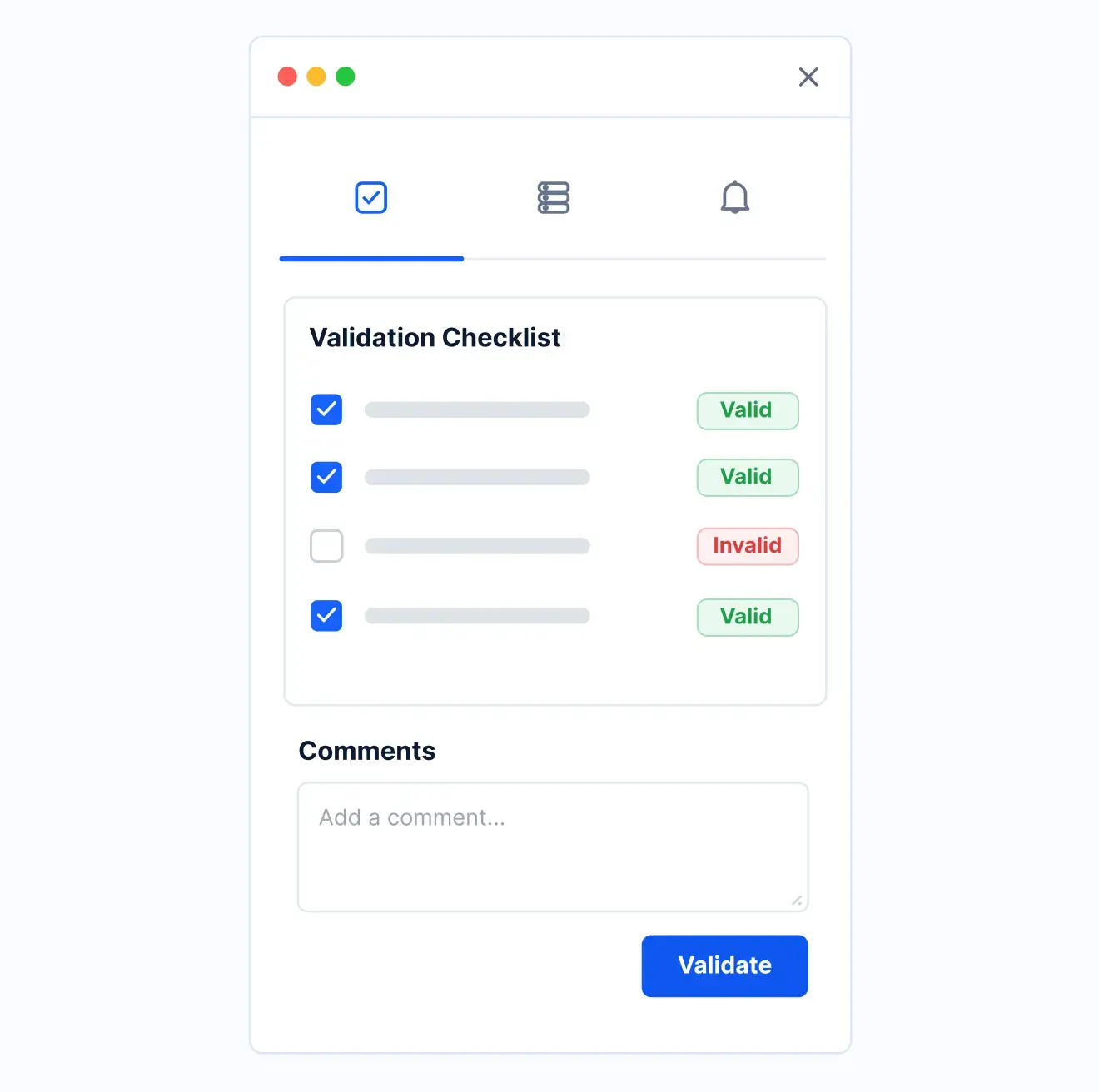
The tool is logged out to a work order or job, and its return is tracked on completion.
Track
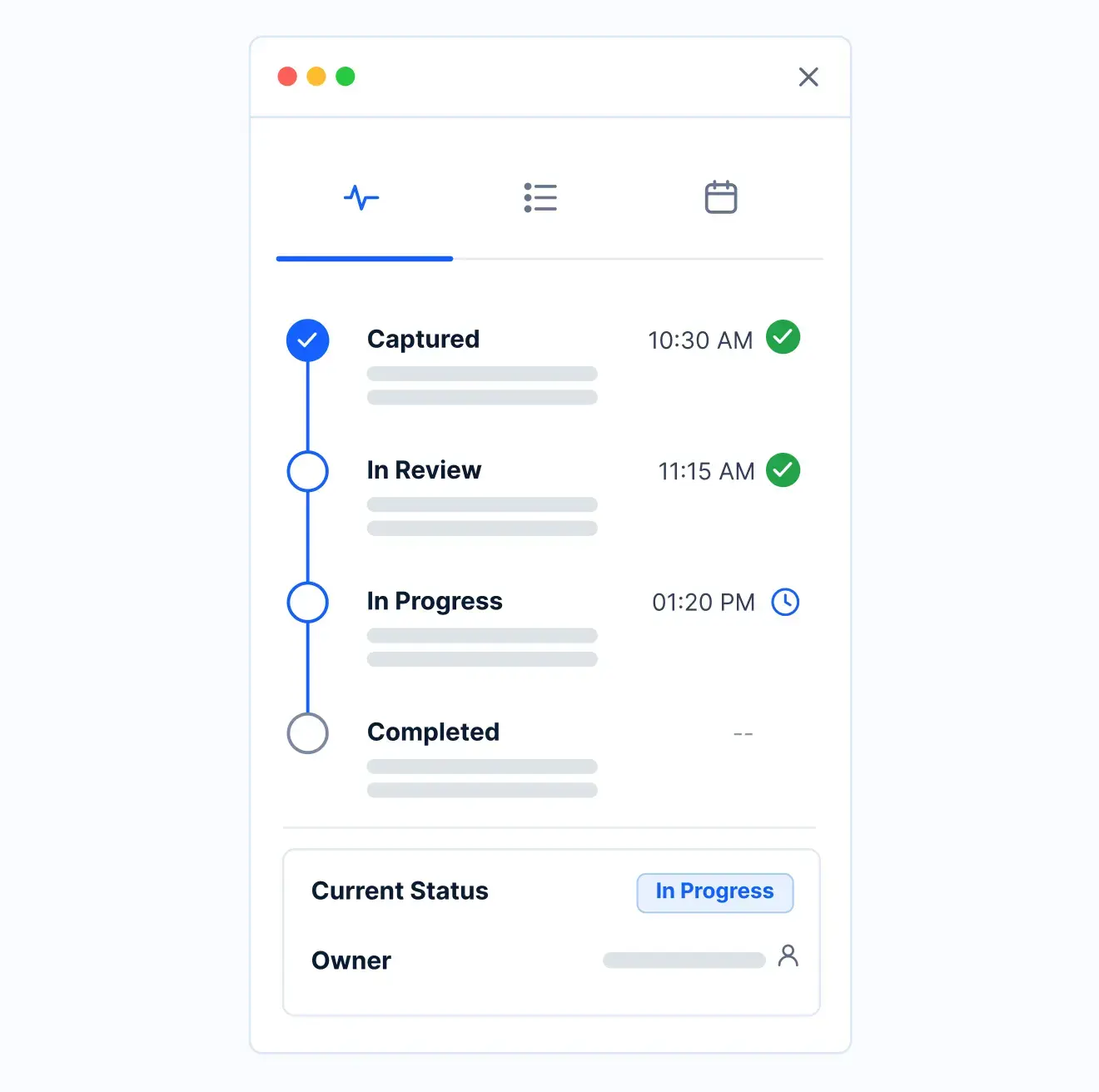
Cycles or parts run against the asset are counted and compared against its refurbishment threshold, with refurbishment or calibration scheduled before wear becomes a quality problem.
Report
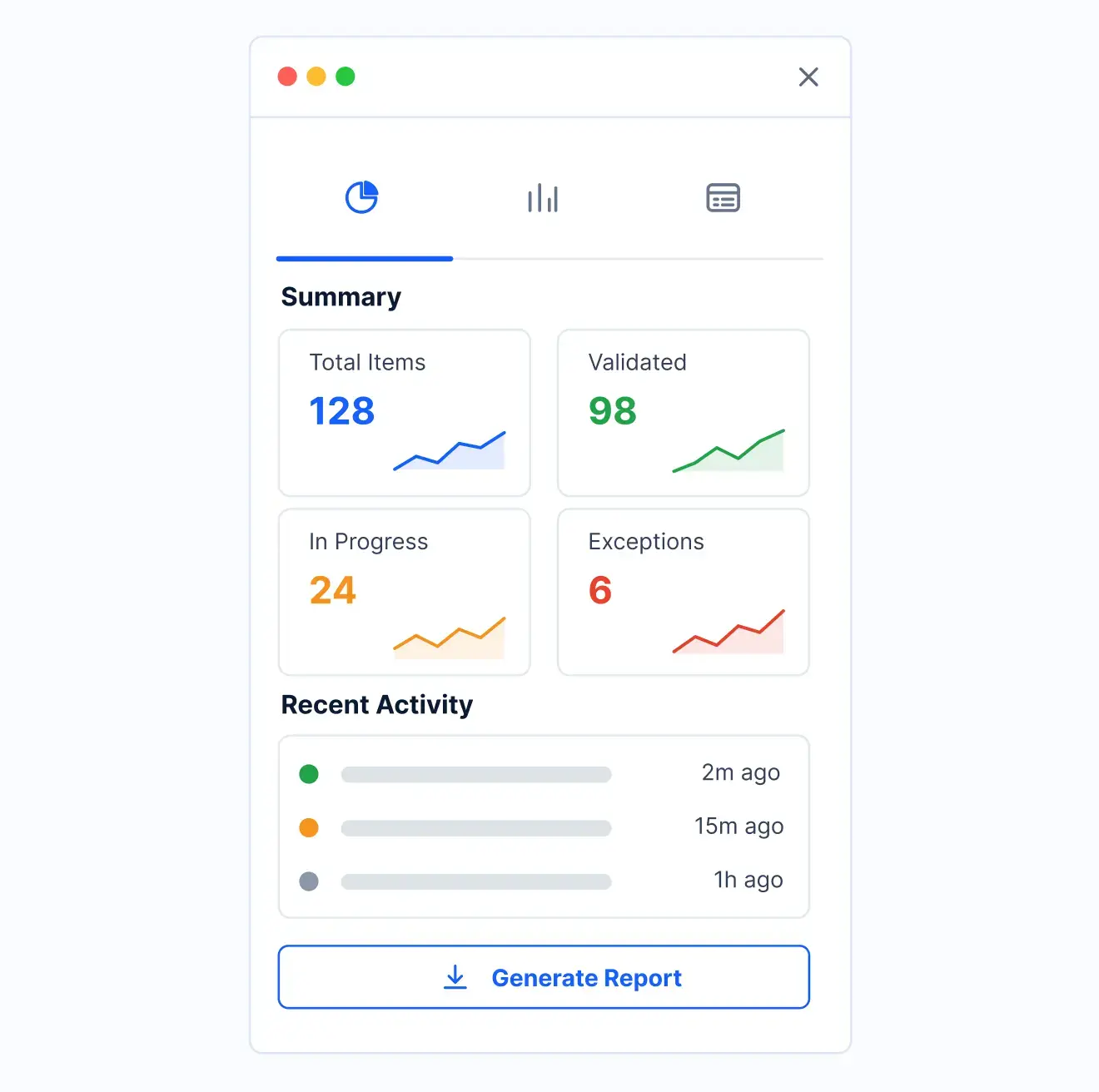
The register is the lifecycle record for every tool, die, and fixture, with the record closed permanently on retirement.
What changes when tooling, die, and fixture management runs on Kissflow
| Process | Before Kissflow | On Kissflow |
|---|---|---|
| Tool register | A spreadsheet updated inconsistently | One record per die, tool, and fixture with a unique ID |
| Location | A guess based on who last had it | Logged at issue and return |
| Wear tracking | Not tracked against usage | Cycle count tracked against a refurbishment threshold |
| Refurbishment | Reactive, after a part fails | Scheduled against the cycle or calendar threshold |
| Calibration | Blurred with production refurbishment | Tracked separately for inspection fixtures |
| Retirement | Undocumented, tools can resurface | Closed permanently on record |
Connects to the maintenance and ERP systems you already run
.svg)



.svg)
.svg)
.svg)
.svg)

.svg)
.svg)
.svg)
.svg)
.svg)

.svg)

.svg)

.svg)
.svg)
.svg)
.svg)
.svg)
.svg)
.svg)
.svg)
.svg)

.svg)
Built for tooling that has to last years, not just get bought once
One record per asset, for its whole life
Every die, tool, and fixture has a permanent record from issue through retirement, not a purchase order that stops updating.
Wear tracked before it's a defect
Usage cycles are counted against a refurbishment threshold, so wear gets caught before a dimension drifts out of spec.
Calibration kept separate from refurbishment
Inspection fixtures get their own calibration schedule, distinct from the wear-based refurbishment cycle for production tooling.
Live in weeks, not a re-implementation
Configure the asset register, refurbishment thresholds, and calibration schedules in the visual builder, without a change request against ERP.
Retirement that actually sticks
A retired die's record closes permanently, so it can't quietly resurface on the floor months later.
Location that's never a guess
Every issue and return is logged, so a tool's current status and location are always on record.
Related apps
Tool Crib & Perishable Tooling Management
Track consumable, high-turnover tooling checked out at the crib window, separate from this app's durable, serialized assets.
Preventive Maintenance Approval Logic & Work Management
Route the approval and scheduling for machine maintenance work orders, separate from tooling-specific refurbishment.
Gage & Calibration Management
Manage the broader calibration program for measurement gages, alongside this app's inspection fixture calibration.
We help plant leaders keep tooling running before it becomes a quality problem
.gif)

“If a company cannot enable everybody to use AI, they will never get the true benefit of AI. Platforms like Kissflow allow us to put that capability in the hands of our users in a safe way.”
Vagesh Dave
GVP & CIO at McDermott International, Ltd
See The Full Story

“Advanced automation of all processes is easy to set up. I cannot imagine how to manage workflows without this software.”
Tanay Tiwary
Global Head - Digitalization & Business Improvement
See the Full Story

“Kissflow supports rapid application development by building a working application prototype in the shortest amount of time.”
Maria Theresa Cabigon
CIO, SN Aboitiz Power Group
See The Full Story
See what Kissflow can do for you
Talk to usGot questions? We're here to help.
Get SupportTool Crib & Perishable Tooling Management tracks consumable items issued and used up at the crib window. This app tracks durable, individually numbered dies, tools, and fixtures through refurbishment, calibration, and retirement across a much longer service life.
Any durable, individually numbered production asset meant to be tracked across a multi-year service life: stamping dies, molds, jigs, and fixtures.
Against whichever threshold comes first, a cycle count or a calendar interval, configurable per asset or asset class.
No. If you run a broader asset or maintenance system, Kissflow adds the tool, die, and fixture-specific register and lifecycle tracking and can connect to it.
Yes. Plant leaders configure the asset register, refurbishment thresholds, and calibration schedules in the visual builder, and the AI Builder can generate a working app from a plain-language description.
Through APIs and integration connectors, under single sign-on and role-based access, with every action written to an audit log.
Configuration and AI generation move delivery from weeks to days, without a multi-year platform program or an engineering backlog.
Kissflow is certified to SOC 1, SOC 2, SOC 3, ISO/IEC 27001, HIPAA, GDPR, and CCPA, hosted on Google Cloud with data residency in the US, EU, APAC, and Oceania.