Program-Level Accreditation Evidence Assembly Built for the Accreditor SACSCOC Doesn't Cover
ABET, AACSB, CCNE, and other program-specific accreditors need their own evidence structure, assembled standard by standard, with faculty and committee review built in from the start of the cycle instead of assembled the semester before the site visit team arrives.

Trusted by leading universities worldwide




The evidence a program chair is assembling alone
ABET does not accept the same self-study SACSCOC does, and a program chair assembling evidence for a specialized accreditor is often doing it alone, without the institutional research office's cycle or template behind them. The result is a self-study built from scratch every review, by whoever happens to be chair that year, with no continuity from the last cycle.
Program-Level Accreditation Evidence Assembly Management System gives that chair a standards-mapped evidence library built for the specific program accreditor, ABET, AACSB, CCNE, CAEP, or another, with faculty and committee review routed the same way an institutional reaffirmation would be. Evidence is tagged to the exact standard it supports, and a piece untouched since the last cycle is flagged as going stale before a site visit team finds the gap first.
Every piece of evidence keeps who submitted it, who reviewed it, and when, so the self-study is assembled continuously across the cycle instead of scrambled together the semester before the visit, and coverage by standard rolls up into the report structure the accreditor actually expects, not one improvised from a SACSCOC template.
What breaks when program-level accreditation evidence runs on a chair's own files
No standards-mapped structure
Evidence sits in a folder organized however the program chair happens to organize it, not against the accreditor's actual standards.
No institutional support behind it
The regional accreditation cycle has staff and a system; a program-specific accreditor cycle often has neither.
Faculty review happens ad hoc
A course syllabus or assessment result gets reviewed if someone remembers to ask, not on a defined schedule.
Nothing carries forward to the next cycle
Each accreditation cycle for the program starts from a folder someone has to reconstruct.
Six modules. Built for the accreditor that is specific to one program, not the whole institution.
Every module ships with default forms, routing, and dashboards. Configure each one to match your program accreditor's standards.
Standards-mapped evidence library
Evidence is tagged to the specific program accreditor's standard it supports, ABET, AACSB, CCNE, or another.
Faculty and committee review routing
A submitted piece of evidence routes to the faculty member or committee responsible for confirming it is current.
Cycle and deadline tracking
The program's accreditation cycle and its interim reporting deadlines stay on the record, not in one person's calendar.
Currency alerts
A standard whose evidence has not been touched since the last cycle is flagged before it goes stale.
Full audit trail
Every piece of evidence keeps who submitted it, who reviewed it, and when, ready for a site visit team.
Self-study reporting dashboard
Coverage by standard rolls up into the report structure the accreditor actually expects, not one improvised from a different review.
From request to system of record in four steps
Capture
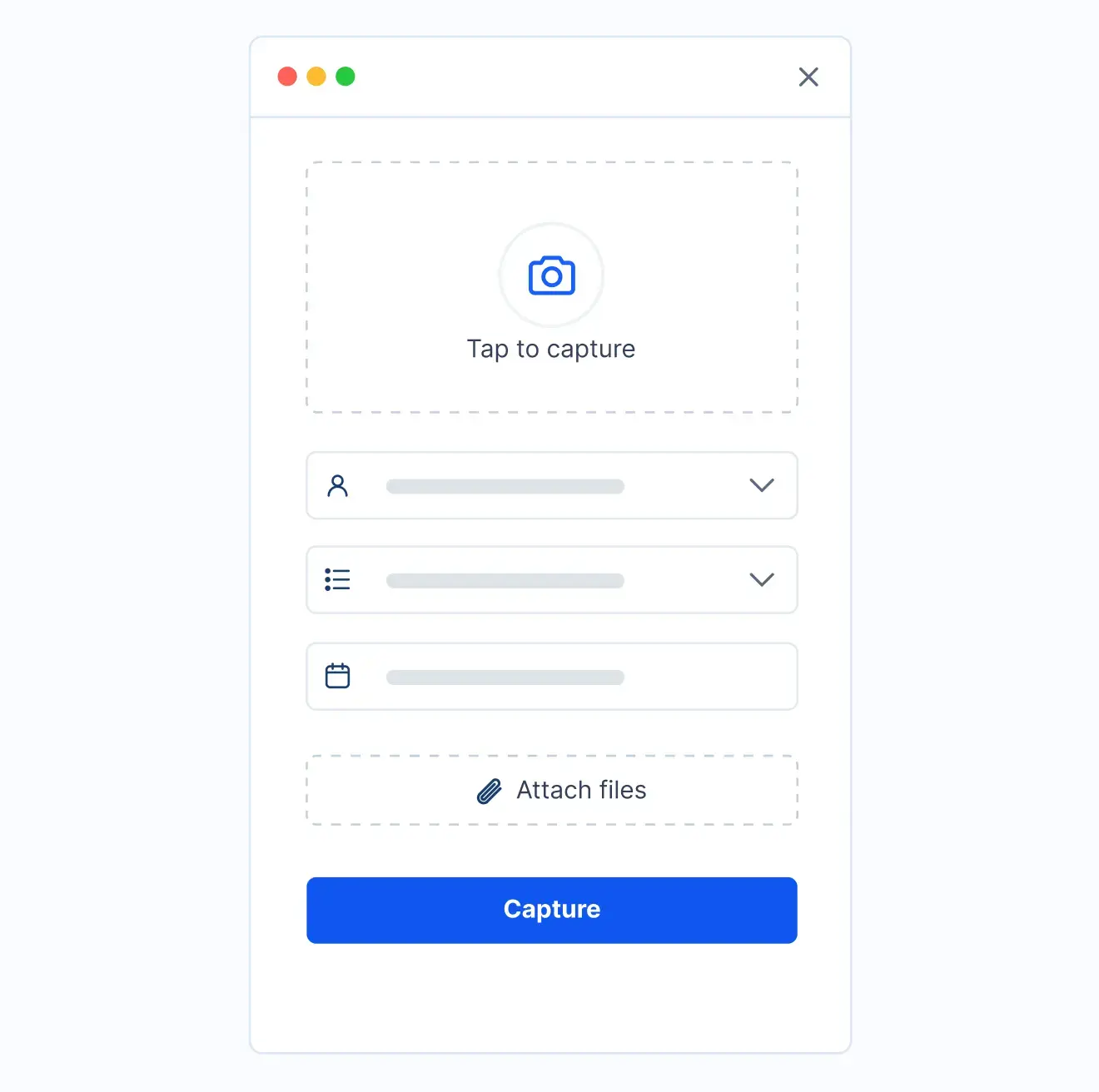
A document, assessment result, or record is tagged to the specific accreditor's standard it supports.
Validate
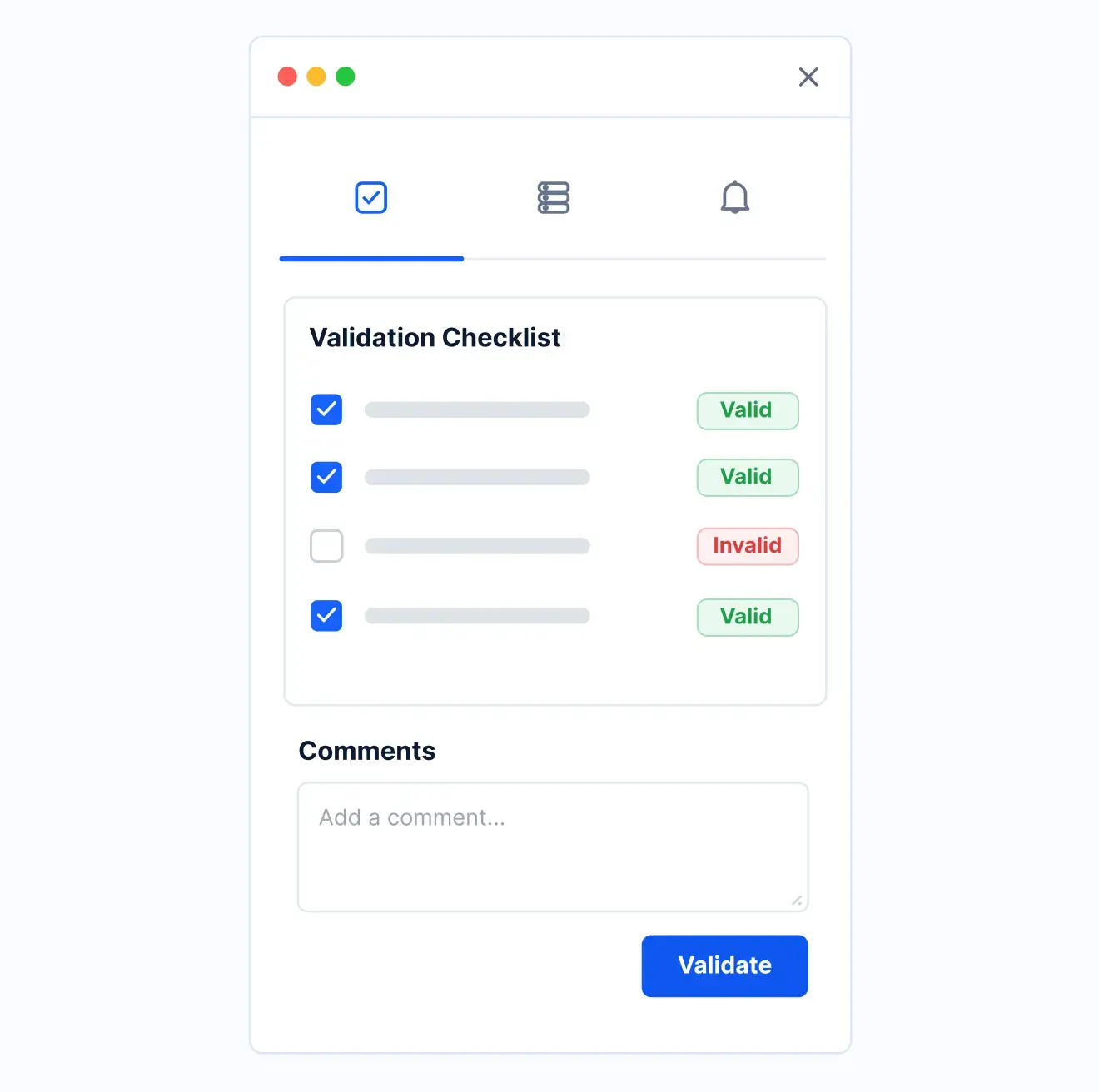
The evidence routes to the faculty member or committee responsible for confirming it is current and accurate before it counts.
Track
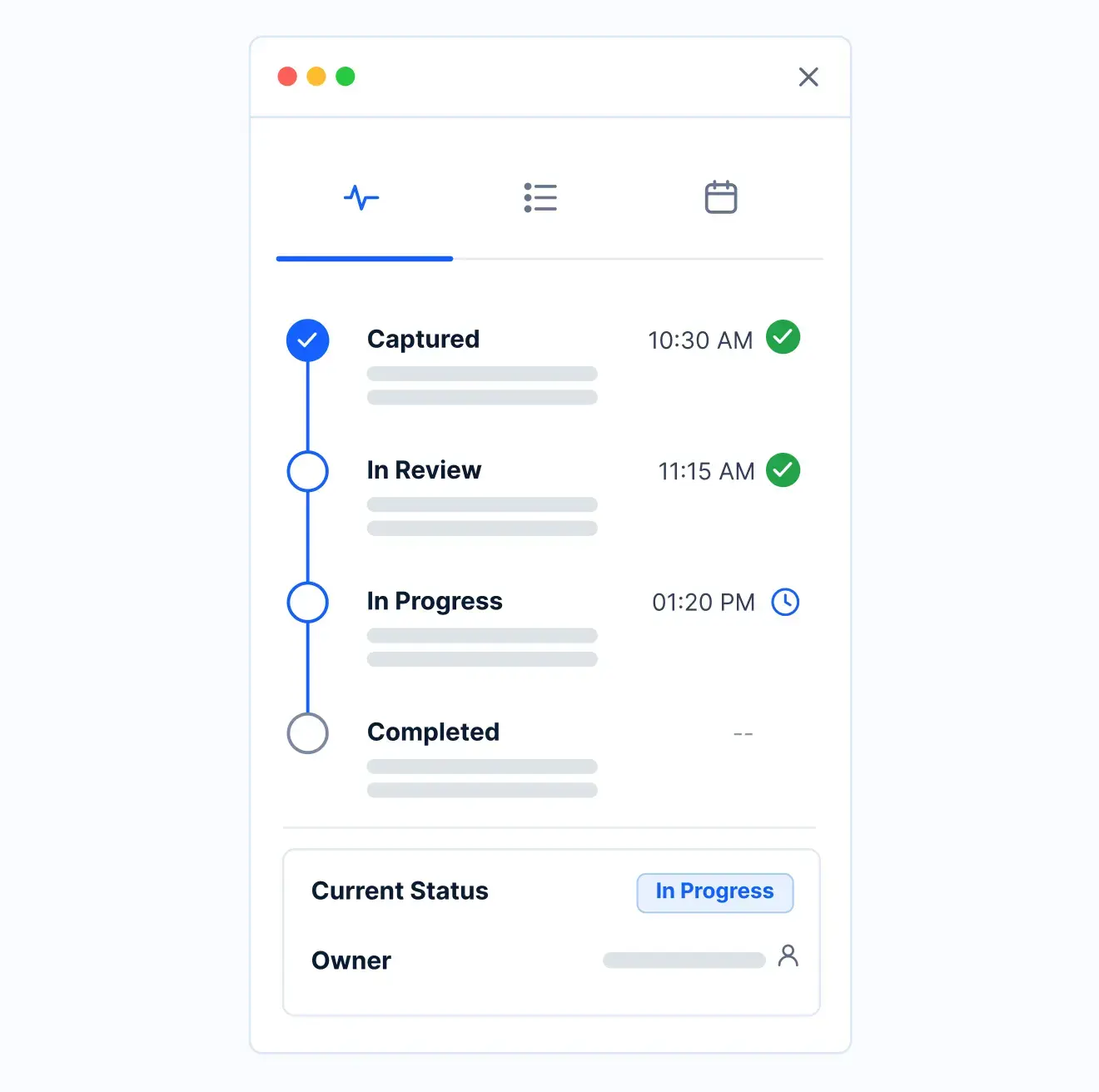
Evidence gone stale since the last review cycle is flagged automatically for the responsible faculty member.
Report
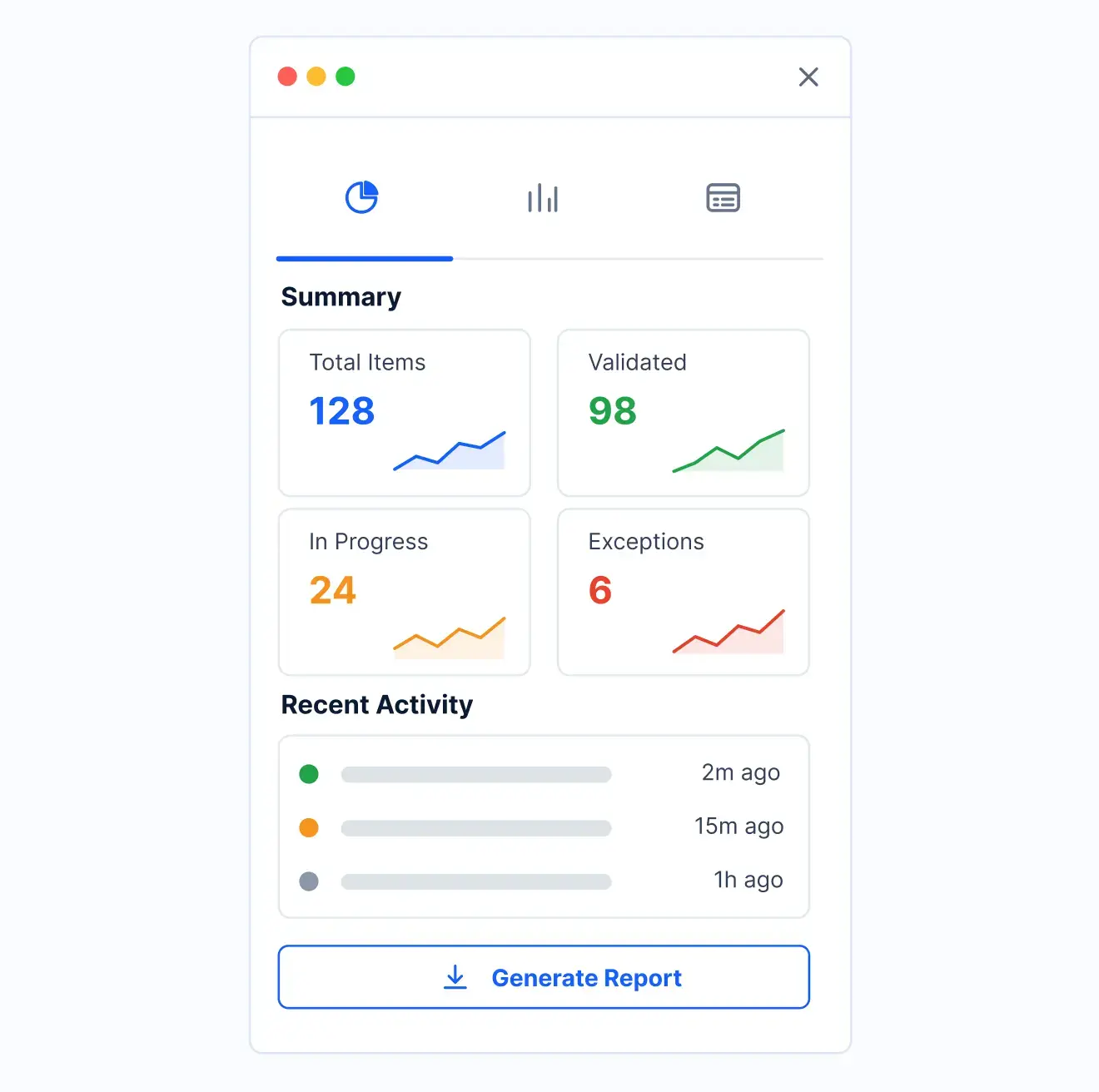
The register of evidence is the system of record for the program's accreditation, and the self-study report structure the accreditor expects builds continuously from it.
What changes when program-level accreditation evidence runs on Kissflow
| Process | Before Kissflow | On Kissflow |
|---|---|---|
| Evidence organization | A folder organized however the chair set it up | Mapped to the specific accreditor's standards |
| Institutional support | None, unlike the regional accreditation cycle | The same structured process the institution uses for SACSCOC or HLC |
| Faculty review | Ad hoc, if someone remembers to ask | Routed on a defined schedule |
| Currency | Discovered stale during the self-study crunch | Flagged automatically between cycles |
| Cycle continuity | Reconstructed from scratch each time | Carried forward on the same record |
| Self-study assembly | A scramble before the site visit | Continuous, standard by standard |
Connects to your SIS and document systems; your institutional research office's tools stay the system of record
Kissflow does not replace the institutional research office's own accreditation systems. It is where a specific program's evidence for its own specialized accreditor, ABET, AACSB, CCNE, or another, gets assembled continuously, standard by standard, whether or not the institutional office has a template for that accreditor.
.svg)



.svg)
.svg)
.svg)
.svg)

.svg)
.svg)
.svg)
.svg)
.svg)

.svg)

.svg)

.svg)
.svg)
.svg)
.svg)
.svg)
.svg)
.svg)
.svg)
.svg)

.svg)
Built for the accreditor a program chair is answering to alone
Live in weeks
Standards, review routing, and currency alerts are configured in the visual builder, and the AI Builder can generate a starting workflow from a description of your program accreditor's standards.
Mapped to the accreditor that actually applies
ABET, AACSB, CCNE, and other program-specific standards get their own structure, not a generic institutional template.
Faculty review on a real schedule
A standard gets reviewed because the cycle requires it, not because someone happened to remember.
Currency alerts before the crunch
Stale evidence surfaces between cycles, with enough runway to fix it.
Role-based access
Faculty see the standards they're responsible for; the program chair sees the full evidence library.
A self-study that assembles itself as the work happens
Coverage by standard is always current, not reconstructed the semester before the visit.
Related apps
Accreditation Documentation Management System
Continuous accreditation evidence collection, committee review, and reporting mapped to your standards.
Accreditation Compliance Evidence Management System
Evidence capture, currency alerts, escalation, and a trend dashboard for accreditation standards, tracked year-round.
Program Assessment & Outcome Management System
Continuous learning outcomes data capture with threshold-based flagging, escalation, and corrective action tracking.
We help program chairs assemble accreditor-specific evidence continuously, not alone the semester before the visit.
.gif)

“If a company cannot enable everybody to use AI, they will never get the true benefit of AI. Platforms like Kissflow allow us to put that capability in the hands of our users in a safe way.”
Vagesh Dave
GVP & CIO at McDermott International, Ltd
See The Full Story

“Advanced automation of all processes is easy to set up. I cannot imagine how to manage workflows without this software.”
Tanay Tiwary
Global Head - Digitalization & Business Improvement
See the Full Story

“Kissflow supports rapid application development by building a working application prototype in the shortest amount of time.”
Maria Theresa Cabigon
CIO, SN Aboitiz Power Group
See The Full Story
See what Kissflow can do for you
Talk to usGot questions? We're here to help.
Get SupportNo. If your institution already has a system for SACSCOC or HLC reaffirmation, this app runs alongside it. It is built for a program's specific accreditor, ABET, AACSB, CCNE, or another, which often has no institutional system behind it at all.
Accreditation Documentation Management System is built around institutional regional accreditors, SACSCOC, HLC, MSCHE, NECHE, ACCJC, and the comprehensive self-study they require. This app is scoped to a single program's specialized accreditor, ABET for an engineering program, AACSB for a business school, CCNE for nursing, and the evidence structure that accreditor specifically expects, usually assembled by a program chair without an institutional research office cycle behind it.
Yes. Each program's evidence library maps to its own accreditor's standards, so a college with an ABET-accredited program and a CCNE-accredited program can run both without one structure forcing a fit on the other.
A standard whose supporting evidence has not been reviewed since the last cycle is flagged automatically, before the self-study crunch, not during it.
Yes. Standards, review routing, and currency alerts are configured in the visual builder, and the AI Builder can generate a starting workflow from a description of your program accreditor's standards.
Access is role-based. Faculty see the standards they're responsible for; the program chair and accreditation liaison see the full library.
Configuration and AI-assisted setup typically move initial rollout to weeks, not a multi-month systems project.
Kissflow is certified to SOC 1, SOC 2, SOC 3, and ISO/IEC 27001, supports HECVAT review, and is built to support FERPA and GLBA Safeguards obligations, with data residency options in the US, EU, APAC, and Oceania.