Faculty Tenure and Promotion Dossier Management
Kissflow assembles a tenure or promotion dossier from a faculty member's CV, external letters, teaching evaluations, and department vote, routes it through department, college, and provost-level committee review, and retains the complete decision record, so a candidate's file is never missing a document on the one day it can't be.

Trusted by leading universities worldwide





A tenure dossier has one hard deadline and a stack of documents, external letters, teaching evaluations, department vote, that all have to land current and complete on the same day.
A tenure or promotion dossier is one of the highest-stakes documents a university produces about an individual, and it's usually assembled the same way it was decades ago: a candidate compiles a CV and statement, a department chair solicits external review letters and hopes they arrive on time, teaching evaluations get pulled from wherever they're stored, and a department committee's vote gets recorded in meeting minutes that may or may not make it into the file cleanly.
From there the dossier moves through a review chain, department, college, university-level committee, provost, with each stage adding its own recommendation and each stage needing the complete file, not a partial one, to actually deliberate. A missing external letter or an evaluation from the wrong semester at the college-review stage doesn't just slow things down, it can put a candidate's timeline at risk for reasons that have nothing to do with the merits of their case.
Kissflow runs dossier assembly as a governed workflow: document collection and completeness checks for the CV, letters, and evaluations, department review and vote recording, sequential committee evaluation with each stage's recommendation retained, decision routing through the full review chain, and a complete notification and record at the end. Your HR system stays the record of employment; Kissflow is where the dossier itself gets assembled and reviewed without a missing document derailing a candidate's case.
What breaks when a dossier is assembled by hand at every stage
Completeness isn't checked until a committee opens the file
A missing external letter or an outdated evaluation surfaces mid-review instead of before the file moves forward.
Each review stage starts its own version of the file
Department, college, and provost-level review often work from separately assembled copies instead of the same evolving record.
External letters arrive on their own schedule
Solicited reviewers respond whenever they respond, with no visibility into what's outstanding until someone asks.
The final decision record is scattered
Committee recommendations, votes, and the final decision often live in separate emails and meeting minutes, not one file.
Six modules. Built so a candidate's file is never missing a document.
Every module ships with default forms, routing, and dashboards. Configure each one to your review chain in the visual builder.
Dossier assembly and completeness check
Collects the CV, statement, external letters, and teaching evaluations into one file, flagging what's still missing.
Department review and vote
Records the department committee's review and vote directly against the candidate's file.
Sequential committee evaluation
Routes the file through college and university-level committee review in order, with each stage's recommendation retained.
Decision routing
Carries the file through provost-level decision with the complete review history attached.
Notification and record
Notifies the candidate of the outcome and retains the complete dossier and decision record.
Dossier status dashboard
Shows every active dossier's stage, outstanding items, and timeline across the college or university.
From request to system of record in four steps
Submit
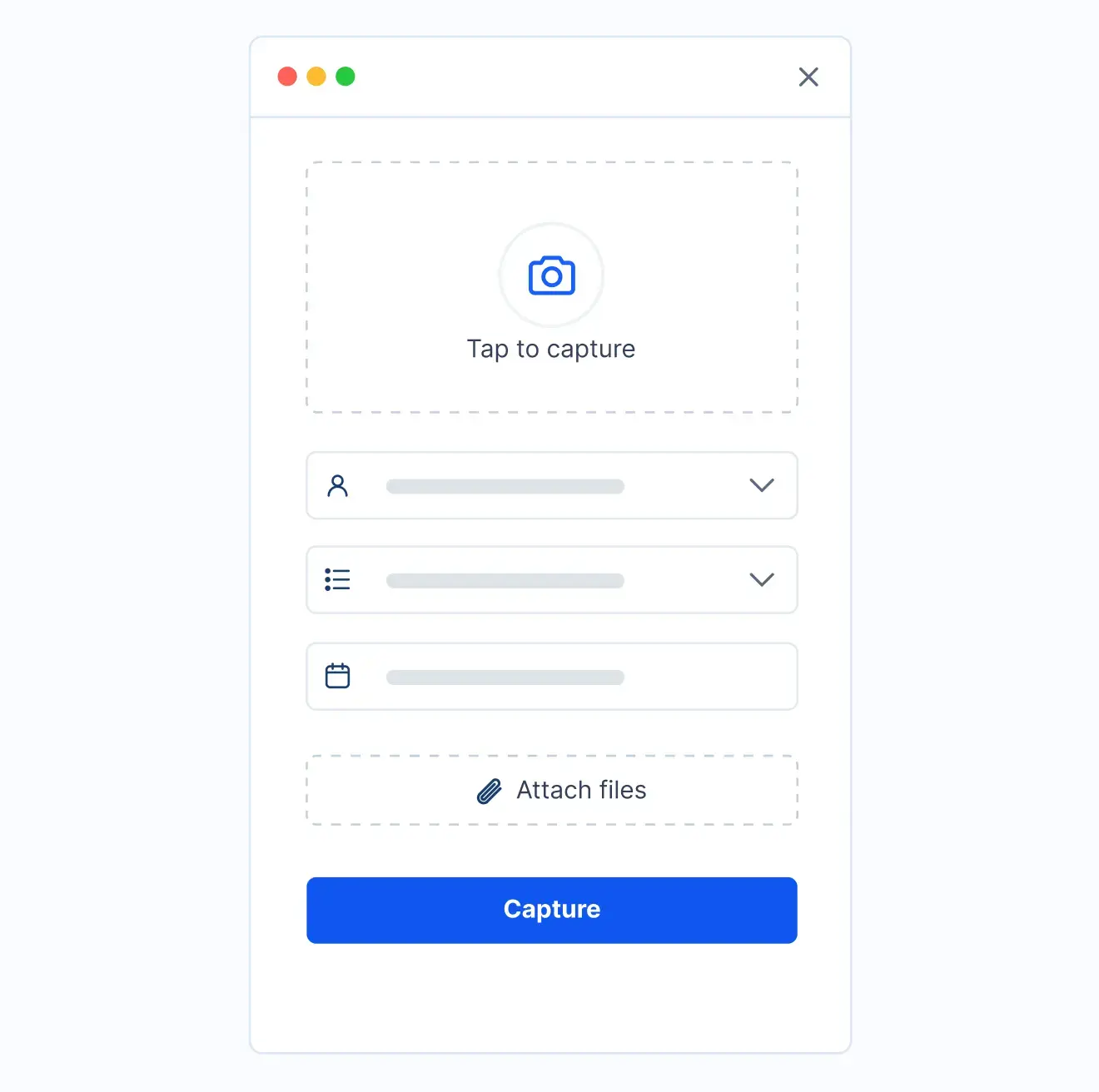
The candidate's CV, statement, external letters, and evaluations are collected and checked for completeness.
Review
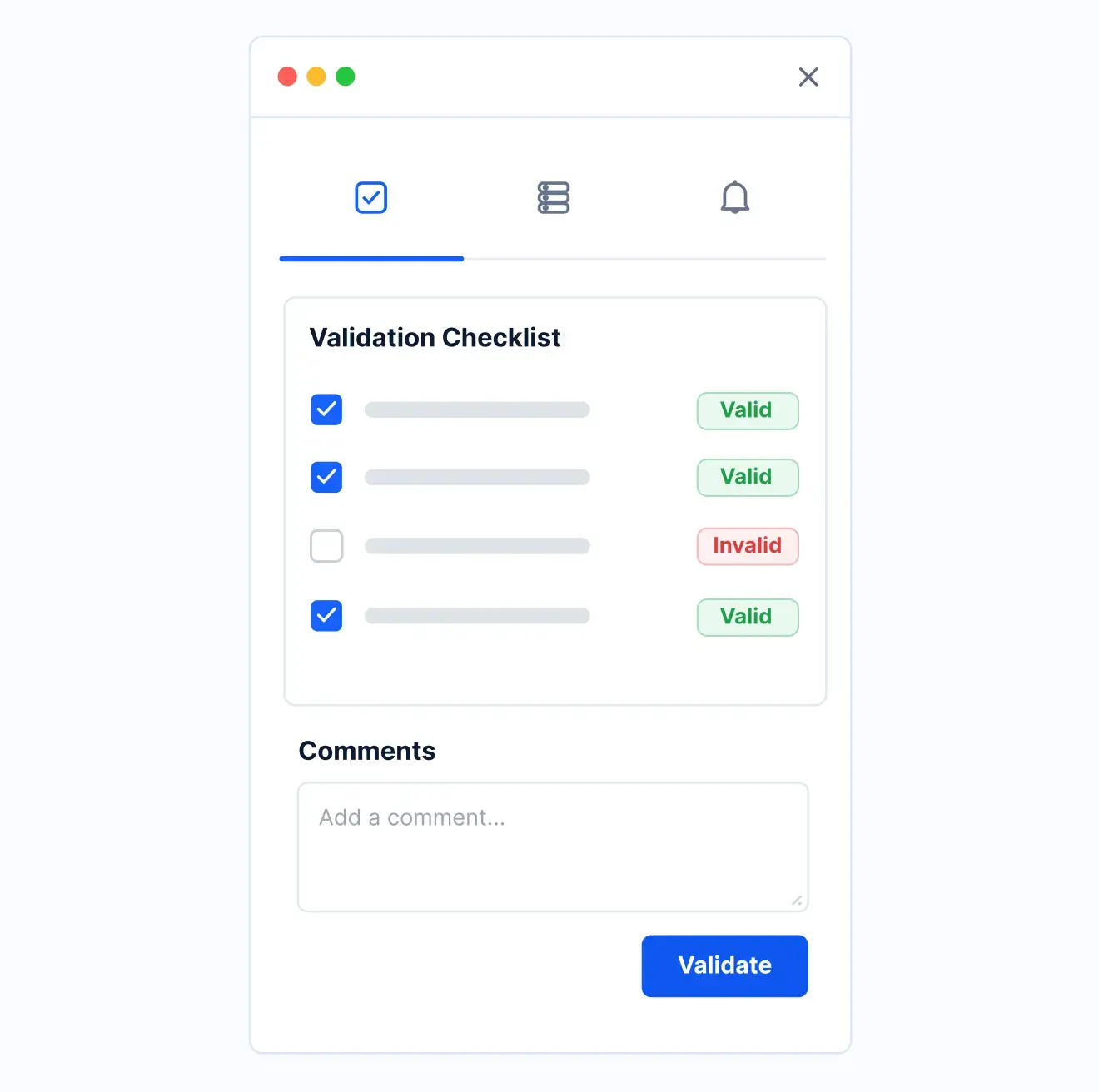
The department committee reviews the file and records its vote and recommendation.
Approve
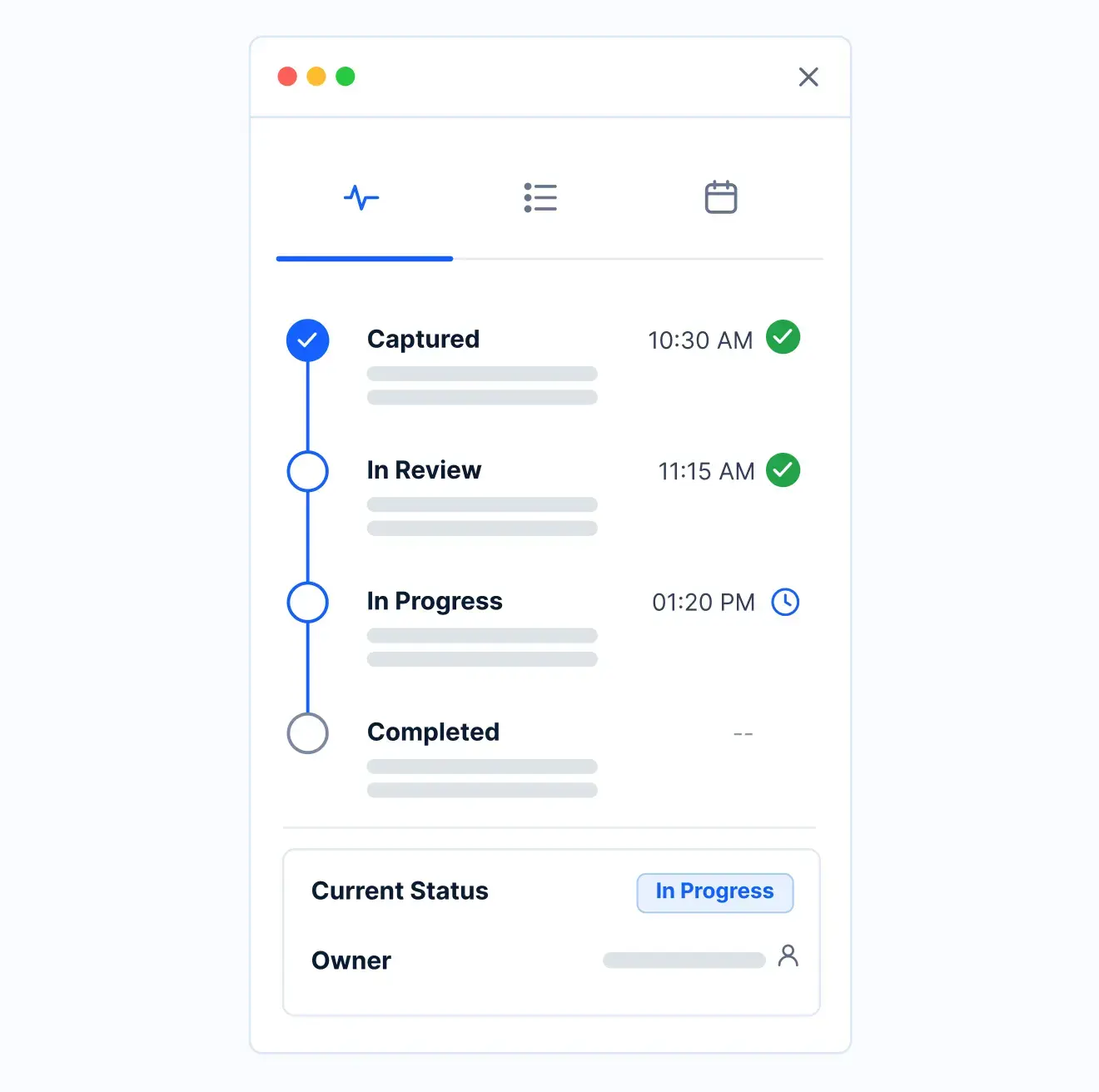
The file moves through college and university-level committee review in sequence.
Record
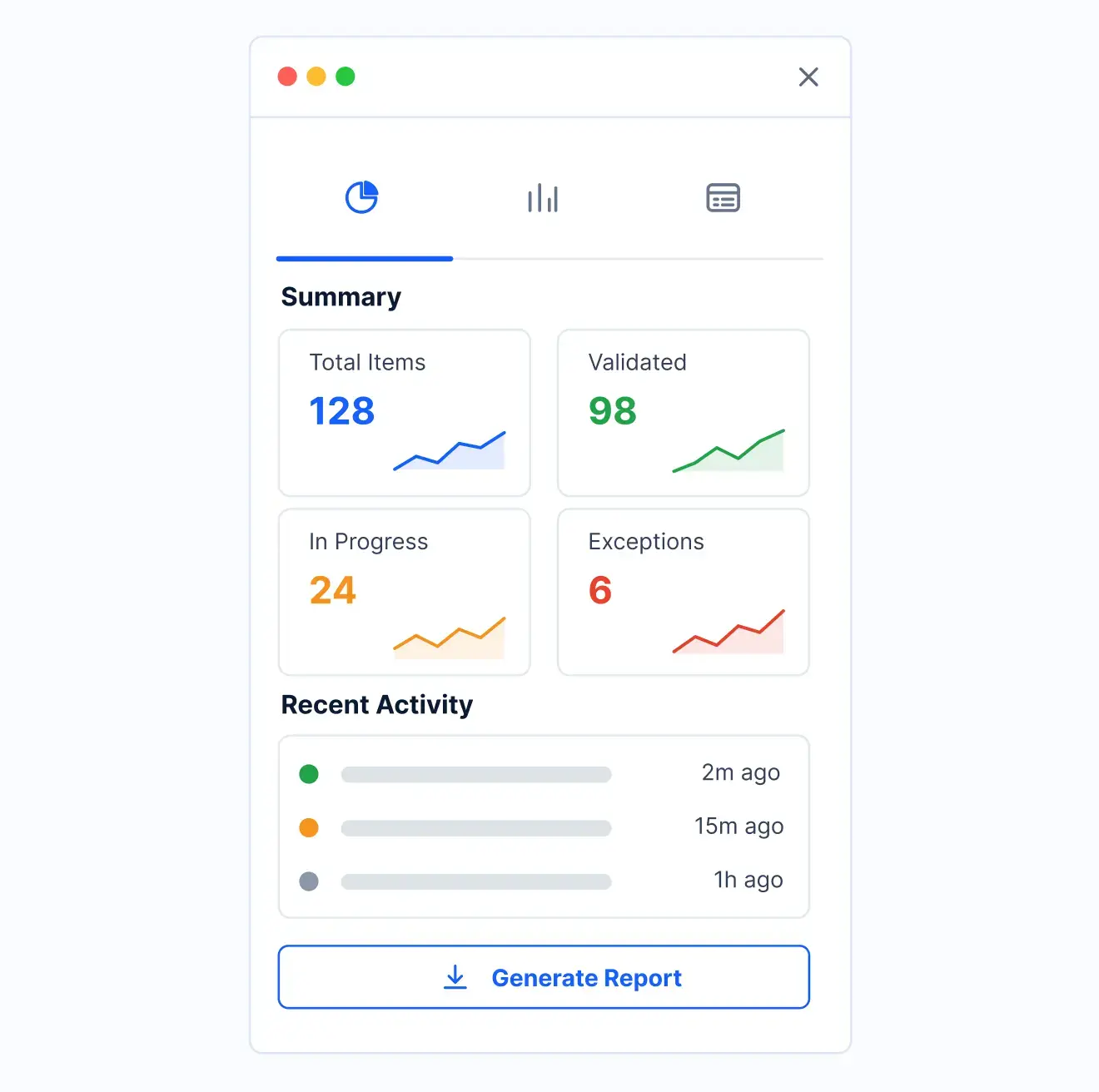
The provost's decision is recorded, the candidate is notified, and the complete file is retained.
What changes when tenure and promotion dossiers run on Kissflow
| Process | Before Kissflow | On Kissflow |
|---|---|---|
| Assembly | Compiled by the candidate and chair from scattered sources | Collected into one file with completeness checked automatically |
| External letters | Tracked by whoever solicited them | Status visible against every solicited letter |
| Department vote | Recorded in meeting minutes, separate from the file | Recorded directly on the candidate's dossier |
| Committee review | Each stage works from its own assembled copy | One evolving file moves through every stage in order |
| Decision record | Scattered across emails and minutes | Retained as one complete record with the file |
| Status visibility | Requires asking the chair or committee directly | Visible on a dashboard by stage and outstanding item |
Connects to your HR and faculty records system; employment history stays where it belongs
Kissflow does not replace your HR system as the record of faculty employment. It is where the dossier itself is assembled, reviewed, and decided, with the complete history retained.
.svg)



.svg)
.svg)
.svg)
.svg)

.svg)
.svg)
.svg)
.svg)
.svg)

.svg)

.svg)

.svg)
.svg)
.svg)
.svg)
.svg)
.svg)
.svg)
.svg)
.svg)

.svg)
Built for a file that can't be missing a document
Completeness checked before it matters
A missing letter or outdated evaluation surfaces before the file moves to the next review stage, not during it.
One file through every stage
Department, college, and provost-level review all work from the same evolving record.
Decision history retained with the file
Every stage's recommendation and the final decision stay attached to the candidate's dossier.
Live in weeks
Academic affairs configures the review chain, forms, and routing in the visual builder, without a systems project.
Every active dossier visible at once
Stage, outstanding items, and timeline are visible across every candidate under review.
Access controlled to the review chain
Only the reviewers at the current stage see the file, with confidentiality maintained appropriate to a personnel decision.
Related apps
Faculty Lifecycle Events Management System
Stage-gated task orchestration and document collection across a faculty member's full career.
Faculty Hiring & Credentialing Management System
Where a faculty member's file starts, credential verification at the point of hire.
Faculty Governance Committee Coordination
Coordinates the standing committees that may include tenure and promotion review among their broader charge.
We help academic affairs keep a tenure or promotion file complete at every stage of review
.gif)

“If a company cannot enable everybody to use AI, they will never get the true benefit of AI. Platforms like Kissflow allow us to put that capability in the hands of our users in a safe way.”
Vagesh Dave
GVP & CIO at McDermott International, Ltd
See The Full Story

“Advanced automation of all processes is easy to set up. I cannot imagine how to manage workflows without this software.”
Tanay Tiwary
Global Head - Digitalization & Business Improvement
See the Full Story

“Kissflow supports rapid application development by building a working application prototype in the shortest amount of time.”
Maria Theresa Cabigon
CIO, SN Aboitiz Power Group
See The Full Story
See what Kissflow can do for you
Talk to usGot questions? We're here to help.
Get SupportNo. Your HR system stays the record of faculty employment. Kissflow assembles, reviews, and decides the tenure or promotion dossier itself.
That app tracks events across a faculty member's full career, hire, leave, promotion, retirement, as a lifecycle record. This app is the dedicated dossier assembly and multi-stage committee review workflow for the tenure or promotion decision itself.
Each solicited letter's status, requested, received, outstanding, is visible on the candidate's file without needing to ask the chair directly.
Yes, department, college, and university-level review stages and committees are configurable per unit.
Yes, in the visual builder, with the AI Builder able to generate a starting workflow from a description of your review process.
Access is restricted by review stage, with confidentiality controls appropriate to a personnel decision.
Yes, the complete dossier and decision history are retained for future reference or reappointment review.
Yes. Kissflow is certified to SOC 1, SOC 2, SOC 3, and ISO/IEC 27001, and supports HECVAT review.