Employee Grievance and Disciplinary Process Management
Kissflow intakes an employee grievance or disciplinary matter from any channel, a direct report to HR, a faculty senate grievance committee referral, or a supervisor's writeup, routes it to the right triage owner, and carries the case through investigation, hearing, and resolution and appeal with a policy knowledge base and a shared-governance-appropriate audit trail behind it, so HR and the provost's office can show exactly where a case stands without reconstructing it from someone's inbox.

Trusted by leading universities worldwide





By the time HR hears about it, three other people already know
A staff member's complaint about a supervisor, or a disciplinary matter that starts with a department chair's writeup, rarely arrives through one clean door. It comes in as an email to an HR generalist, a verbal report to a colleague, or a referral to the faculty senate's own grievance committee if the respondent is tenure-track, each with its own procedural rulebook and its own record.
Once a case exists, most colleges and universities track it the way they tracked the first one, in a folder someone maintains by hand, cross-referenced against a collective bargaining agreement's grievance timeline or an employee handbook's disciplinary steps if anyone remembers to check. Investigation notes live with the investigator. Hearing outcomes live with whoever ran the hearing. Nothing forces the pieces back together until someone asks for the whole file at once, usually during an EEOC charge or a grievance appeal to the board.
Kissflow rebuilds this as a governed case management app: intake from multiple channels into one case record, a triage and routing board that assigns ownership by case type and CBA or policy track, SLA timers against the applicable procedural clock, a resolution workflow through investigation, hearing, and appeal, a knowledge base for policy and precedent, and analytics on case volume, type, and outcome. Your HRIS stays the system of record for employment history; Kissflow is the case file built to survive an appeal.
What breaks when grievance and disciplinary intake has no single door
Intake channel decides the record, not policy
A verbal report to a supervisor and a formal HR complaint don't always start the same documented case.
Two clocks run on two different tracks
A CBA grievance timeline and a Title VII or ADA complaint timeline can both apply to the same matter, tracked nowhere together.
Investigation and hearing records live apart
The investigator's notes and the hearing committee's decision aren't connected to the same case file.
No visibility into repeat matters or patterns
A repeat respondent or a recurring complaint type across departments is invisible without a manual pull.
Six modules. Built for a case that has to hold up under appeal.
Every module ships with default forms, routing, and dashboards. Configure each one to your grievance and disciplinary policy in the visual builder.
Multi-channel intake
Captures a grievance or disciplinary report from a direct HR complaint, a supervisor's writeup, or a faculty senate grievance committee referral into one case record.
Triage and routing
Routes each case to the right owner by type, HR-handled, union-grievance, or shared-governance committee, with ownership assigned on intake.
Procedural SLA timers
Tracks each case against its applicable clock, a CBA grievance deadline, a Title VII or ADA response window, flagging what's approaching before it's missed.
Investigation workflow
Tracks investigator assignment, evidence and interview notes, and findings against the same case record from intake forward.
Hearing and resolution
Coordinates hearing scheduling, committee or hearing-officer assignment, and the resolution decision on one continuous file.
Appeal and closure
Tracks any appeal on the same timeline discipline as the original case and closes with an access-controlled, retained record.
From request to system of record in four steps
Report
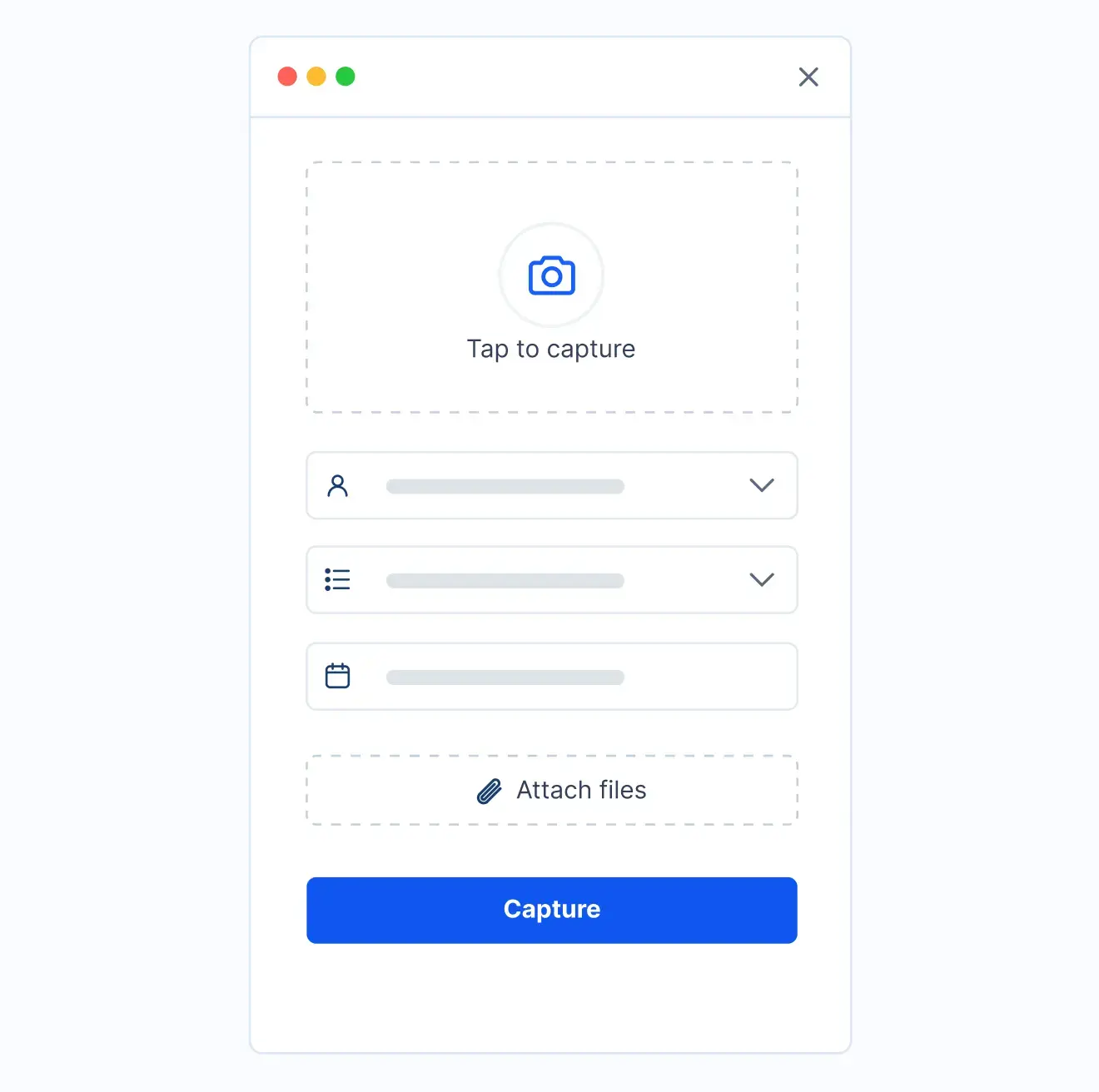
A grievance or disciplinary matter enters through any channel, a report to HR, a grievance committee referral, or a supervisor's writeup, and becomes a single case record.
Assess
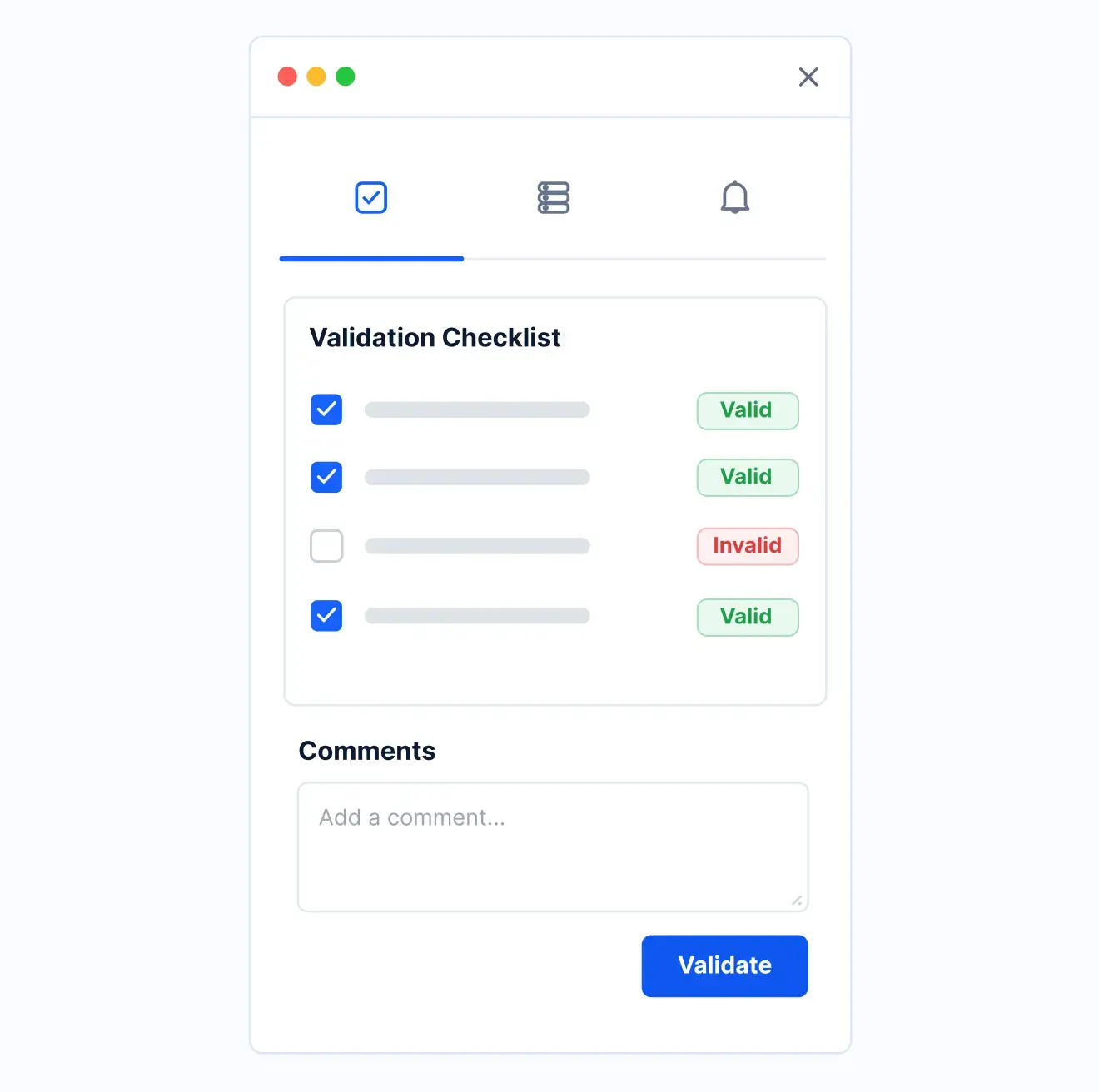
The case is routed to its triage owner and acknowledged, starting the applicable procedural clock.
Resolve
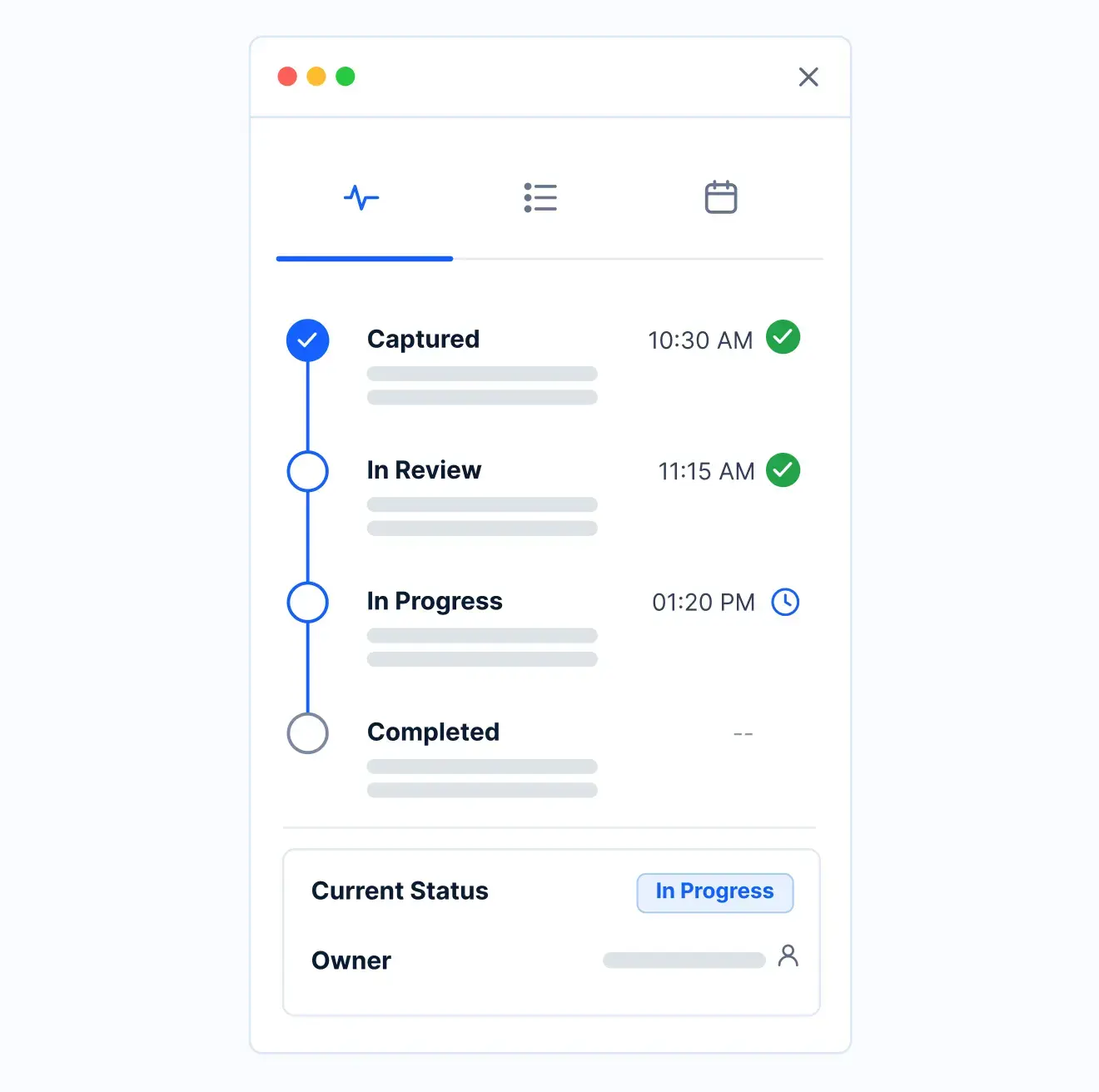
It moves through investigation and, where required, a hearing, tracked against deadline throughout with a policy knowledge base behind it.
Record
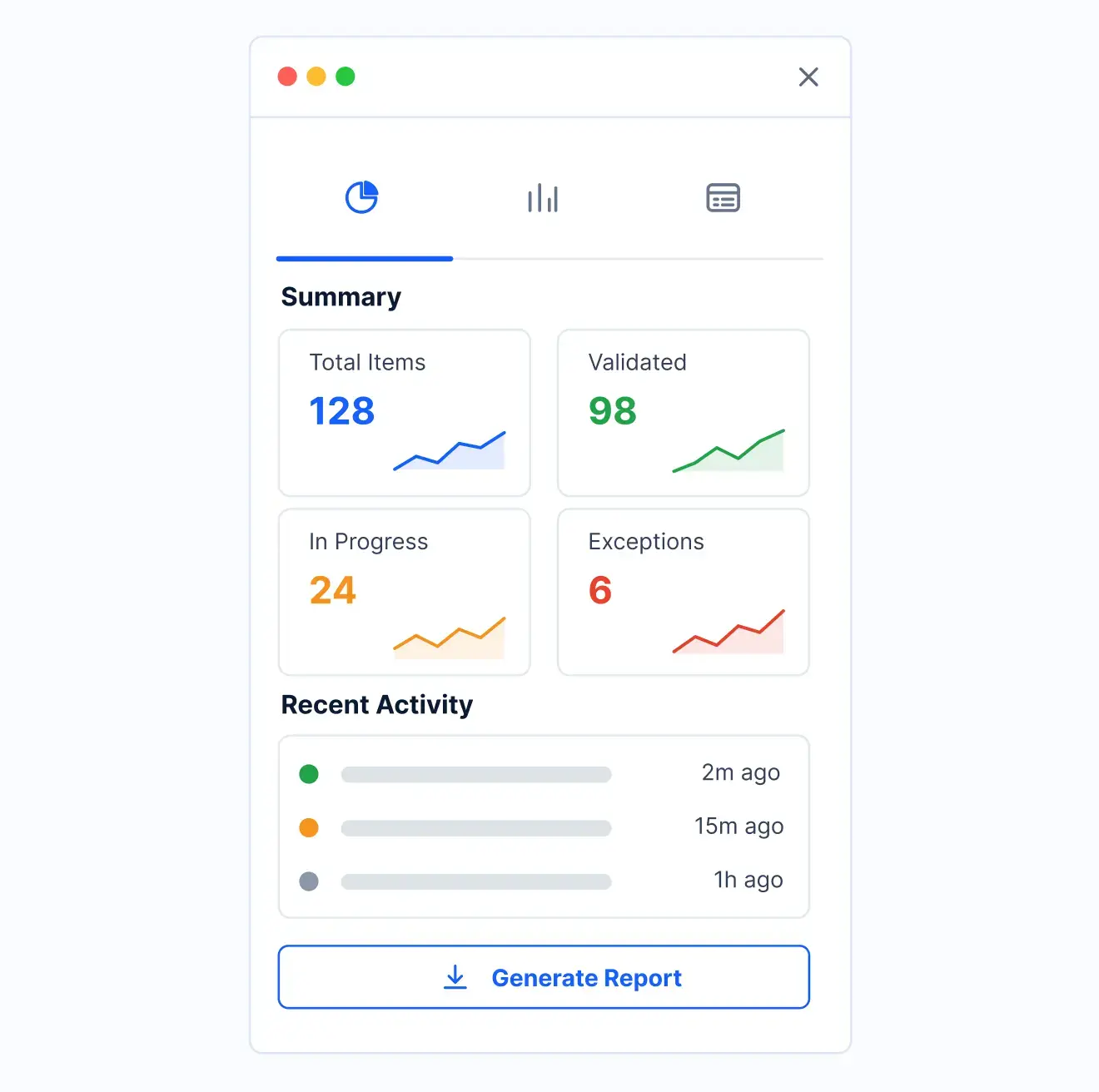
A resolution is recorded, any appeal is tracked, and the case closes with a complete, retained audit trail.
What changes when grievance and disciplinary case management runs on Kissflow
| Process | Before Kissflow | On Kissflow |
|---|---|---|
| Intake | Different channels, inconsistent documentation | One case record regardless of how the report arrived |
| Procedural clock | Tracked manually against CBA or policy language | Automatic timers flag an approaching deadline |
| Investigation record | Kept separately by the investigator | Connected directly to the case record |
| Hearing documentation | Tracked independently by the committee or hearing officer | Part of the continuous case record |
| Pattern visibility | Noticed manually, if at all | Analytics surface volume and pattern by case type and department |
| Records retention | Inconsistent, dependent on who kept what | Retained to policy standard with role-based access control |
Connects to your HRIS and shared governance record; Workday and PeopleSoft stay the system of record
Kissflow does not replace Workday, PeopleSoft, or your HR system of record for employment history. It is the case management layer that keeps intake, investigation, hearing, and resolution against one governed timeline.
.svg)



.svg)
.svg)
.svg)
.svg)

.svg)
.svg)
.svg)
.svg)
.svg)

.svg)

.svg)

.svg)
.svg)
.svg)
.svg)
.svg)
.svg)
.svg)
.svg)
.svg)

.svg)
Built for a case file that has to hold up under appeal
SLA timers that don't wait for a memory
A deadline surfaces automatically instead of depending on an HR generalist's own tracking.
One case regardless of intake channel
A verbal report and a formal complaint both become the same kind of documented case.
Investigation and hearing on the same record
No gap between what the investigator found and what the hearing committee worked from.
Live in weeks
HR configures intake forms, SLA rules, and routing in the visual builder, without a systems project.
Patterns surface across cases
A repeat respondent or a complaint-type trend by department is visible in analytics, not just individual memory.
Access controlled to who needs to know
Case details stay restricted to HR, the assigned investigator, and the hearing committee involved.
Related apps
Student Grievance & Title IX Case Management
The student-facing counterpart, conduct and Title IX complaints on a federal SLA clock, a separate case type and track.
Employee Hiring & Rate Card Processing Management System
Where a hire's file starts, before any grievance or disciplinary matter would touch it.
Contract Renewal & Credential Expiration Management System
Tracks the credentials and term appointments a disciplinary outcome might affect.
We help HR and shared governance offices show exactly where every case stands against its clock
.gif)

“If a company cannot enable everybody to use AI, they will never get the true benefit of AI. Platforms like Kissflow allow us to put that capability in the hands of our users in a safe way.”
Vagesh Dave
GVP & CIO at McDermott International, Ltd
See The Full Story

“Advanced automation of all processes is easy to set up. I cannot imagine how to manage workflows without this software.”
Tanay Tiwary
Global Head - Digitalization & Business Improvement
See the Full Story

“Kissflow supports rapid application development by building a working application prototype in the shortest amount of time.”
Maria Theresa Cabigon
CIO, SN Aboitiz Power Group
See The Full Story
See what Kissflow can do for you
Talk to usGot questions? We're here to help.
Get SupportNo. Workday, PeopleSoft, or your HR system of record stays authoritative for employment history. Kissflow manages intake, SLA tracking, investigation, hearing, and resolution for each case.
That app handles student-facing conduct and Title IX complaints on a federal compliance clock. This app handles employee grievance and disciplinary matters, governed by CBA language, employee handbook policy, and Title VII or ADA timelines, a different case type with a different procedural track.
Yes, and the app tracks both timelines against the same case record rather than forcing a choice between them, so nothing gets missed because it fell on the wrong track.
Cases involving tenure-track faculty can be routed to a shared-governance grievance committee as a distinct owner type, with its own SLA and its own access controls, separate from HR-handled staff matters.
Yes. Intake forms, routing rules, SLA timers, and reporting are configured in the visual builder, and the AI Builder can generate a starting workflow from a description of your grievance and disciplinary process.
Access is role-based and restricted to HR, the assigned investigator, and the hearing committee for that specific case.
Yes. An appeal is tracked on the same case record with its own timeline rather than starting a disconnected process.
Yes. Kissflow is certified to SOC 1, SOC 2, SOC 3, and ISO/IEC 27001, supports HECVAT review, and is built to support the confidentiality obligations around personnel case records.