Contract Renewal and Credential Expiration Software
Kissflow captures every term contract and professional credential in one searchable register, sets threshold alerts before a renewal or expiration date, escalates automatically when a deadline is missed, and routes the renewal decision, renew, revise, or end, through the appropriate approver, so a faculty credentialing file is current the day an accreditor asks, not the week before.

Trusted by leading universities worldwide






A faculty credentialing file has to survive an accreditor's spot check, on demand, not on notice
SACSCOC, HLC, and every other regional accreditor can pull a faculty credentialing file during reaffirmation and expect it current: terminal degree documentation, the professional license a nursing or counseling faculty member needs to teach in the program, the term contract that says this adjunct is actually employed through the semester being reviewed. A license that lapsed eight months ago is not a filing problem when an accreditor finds it; it is a finding, the kind that shows up in a monitoring report.
The same expiration problem runs through term appointments generally: a one-year non-tenure-track contract, an adjunct's semester agreement, a coach's certification, a lab manager's safety credential. Each has its own renewal date, tracked, if it's tracked at all, in whatever spreadsheet the department or HR office happens to maintain, with no shared alert before the date passes.
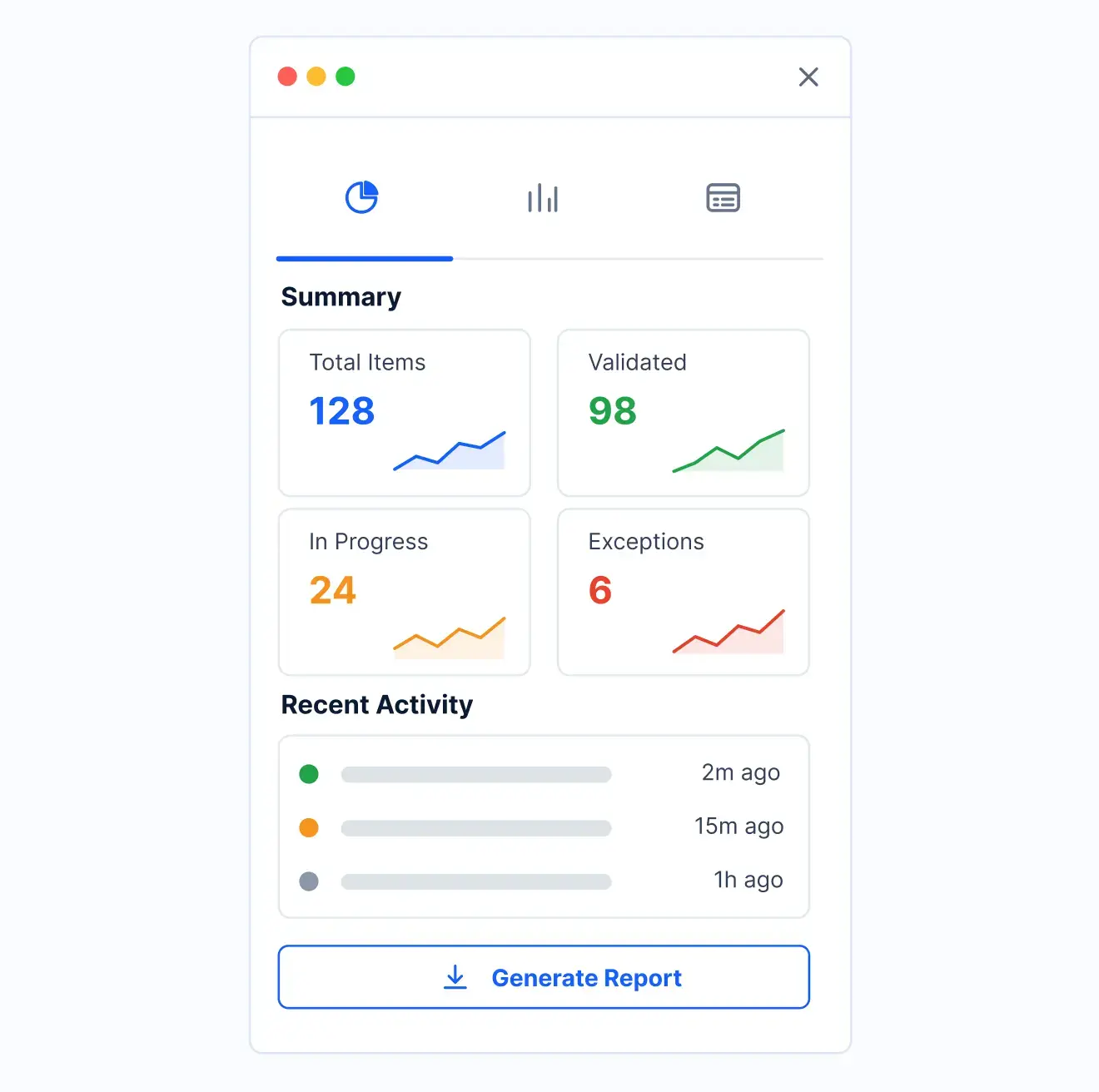
Kissflow rebuilds this as a single register with teeth: a capture form for every contract and credential on file, a records dataset searchable by department, program, or accreditation body, threshold-based alerts before a renewal or expiration date, an escalation workflow when a deadline is missed, and a trend and exception dashboard that shows the provost's office and HR exactly what's expiring and when, before an accreditor asks.
What breaks when contract and credential expiration has no shared clock
A license lapses and nobody notices
No automatic alert exists before a professional credential expires.
Term contracts expire without a renewal decision
A one-year appointment rolls past its end date with no prompt to renew, revise, or end it.
Accreditor spot checks find gaps late
A credentialing file gap surfaces during reaffirmation, not before.
Departments track expiration independently
Each program keeps its own list, with no institution-wide view of what's coming due.
Six modules. Built to keep a credentialing file current before an accreditor asks.
Every module ships with default forms, alerts, and dashboards. Configure each one to your credential types and accreditation cycle in the visual builder.
Contract and credential capture
Records every term contract and professional credential with its expiration date in one dataset.
Searchable records
Finds any contract or credential by department, program, or accreditation body.
Threshold alerts
Flags a contract or credential approaching its renewal or expiration date before it lapses.
Escalation on missed deadlines
Escalates automatically when an alert goes unaddressed past its own threshold.
Renewal workflow
Routes a renewal decision, renew, revise, or end, through the appropriate approver.
Trend and exception dashboard
Shows what's expiring by department and time horizon, ahead of an accreditor's request.
From request to system of record in four steps
Capture
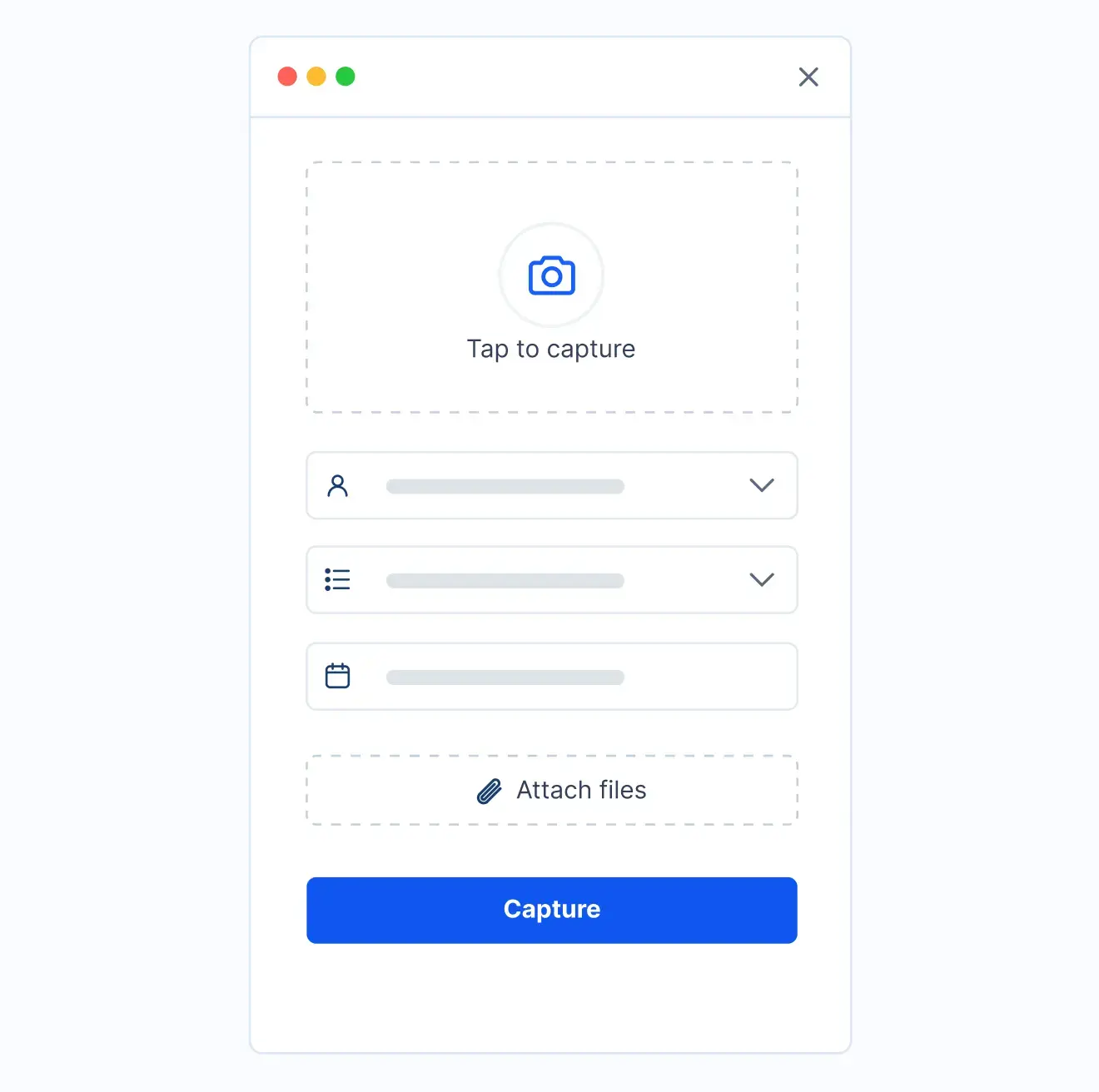
A contract or credential is logged with its expiration date at intake.
Validate
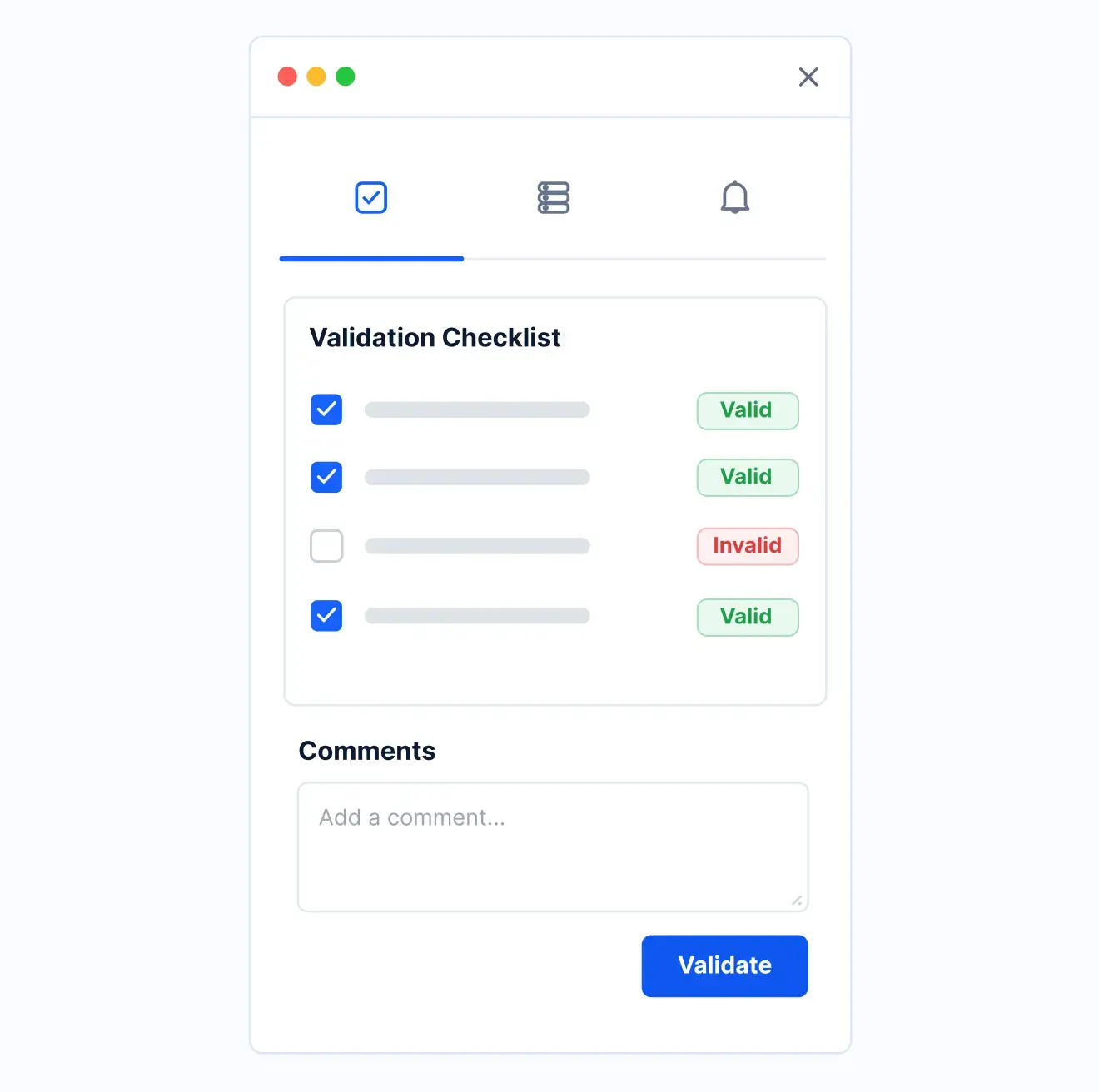
The record enters the searchable register with a threshold alert set against its expiration.
Track
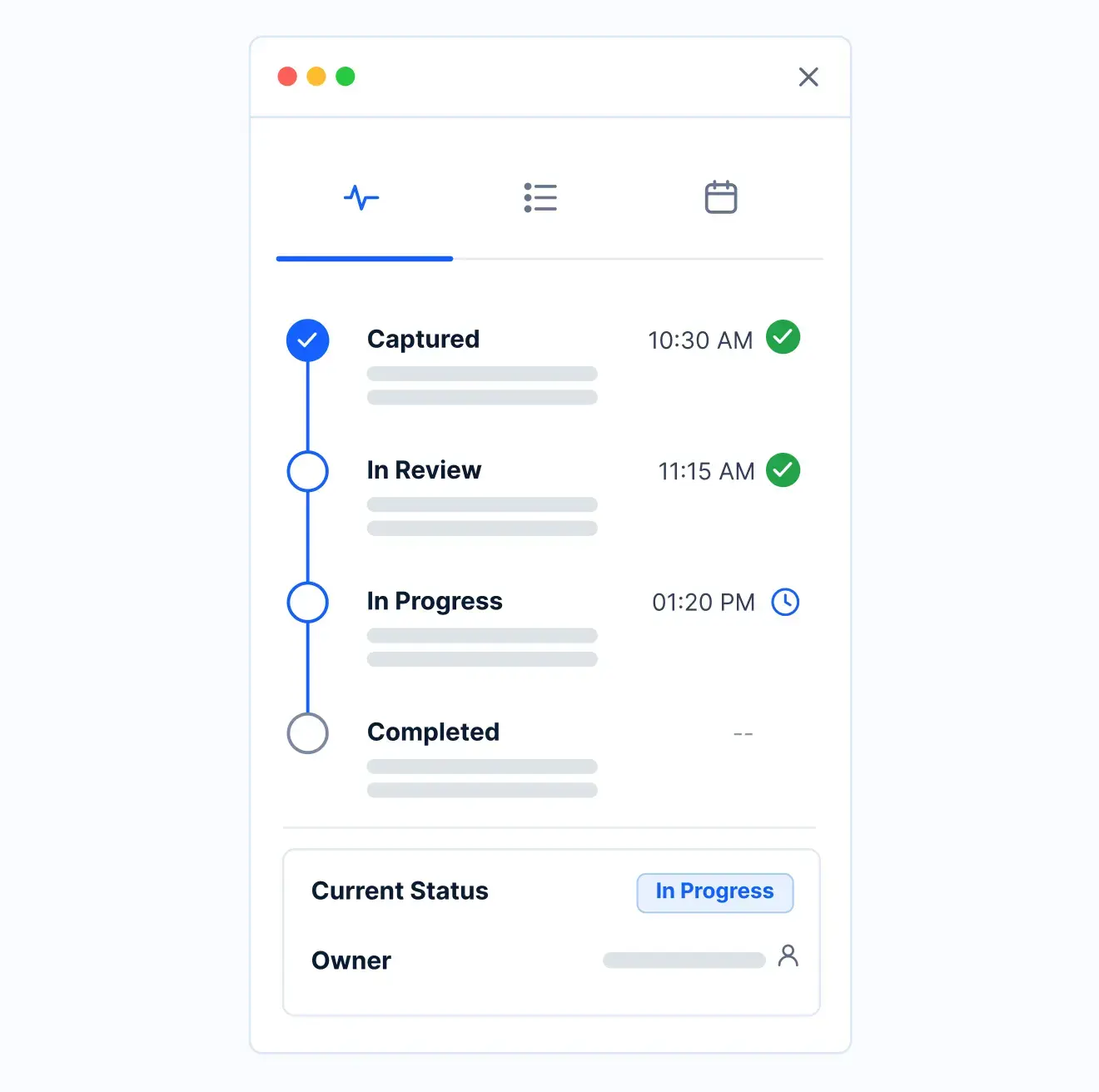
An approaching or missed date triggers an alert, then an escalation if unaddressed, and the renewal decision, renew, revise, or end, routes through the appropriate approver.
Report
The register is the system of record for every contract and credential, current the day an accreditor asks, not the week before.
What changes when contract and credential tracking runs on Kissflow
| Process | Before Kissflow | On Kissflow |
|---|---|---|
| Contract and credential tracking | A spreadsheet maintained by each department | One searchable register across the institution |
| Expiration alerts | None, or a manual calendar reminder | Automatic threshold-based alerts before the date passes |
| Missed deadlines | Discovered when someone happens to check | Escalated automatically past the alert threshold |
| Accreditor spot checks | A scramble to compile current documentation | A dashboard that's current by default |
| Renewal decisions | Made informally, with no consistent record | Routed through an approval with a documented outcome |
| Institution-wide visibility | None, department by department only | One dashboard showing what's expiring, by program and accreditor |
Connects to your HRIS and accreditation documentation system; Workday and your credentialing files stay the system of record
Kissflow does not replace Workday for employment records or your accreditation documentation archive. It is the alerting and renewal layer that keeps both current before an accreditor asks.
.svg)



.svg)
.svg)
.svg)
.svg)

.svg)
.svg)
.svg)
.svg)
.svg)

.svg)

.svg)

.svg)
.svg)
.svg)
.svg)
.svg)
.svg)
.svg)
.svg)
.svg)

.svg)
Built for accreditor scrutiny, not just internal tracking
Alerts before the deadline, not after
A threshold flag fires ahead of expiration, not once it's already lapsed.
One institution-wide view
Every department's contracts and credentials in one searchable register, not scattered spreadsheets.
Renewal decisions on record
Renew, revise, or end, each with a documented approver.
Live in weeks
HR and the provost's office configure credential types and alert thresholds in the visual builder.
Escalation that doesn't rely on memory
A missed alert escalates automatically instead of waiting for someone to notice.
Built for accreditor scrutiny
A dashboard that shows current status by department and accreditation body on demand.
Related apps
Faculty Hiring & Credentialing Management System
Where a credential first enters the record, at hire, before this app tracks its expiration.
Accreditation Documentation Management System
Continuous accreditation evidence collection, committee review, and reporting mapped to your standards.
Employee Hiring & Rate Card Processing Management System
The requisition and offer process that starts a new term contract this app then tracks.
We help HR and the provost's office keep every credentialing file current before an accreditor asks
.gif)

“If a company cannot enable everybody to use AI, they will never get the true benefit of AI. Platforms like Kissflow allow us to put that capability in the hands of our users in a safe way.”
Vagesh Dave
GVP & CIO at McDermott International, Ltd
See The Full Story

“Advanced automation of all processes is easy to set up. I cannot imagine how to manage workflows without this software.”
Tanay Tiwary
Global Head - Digitalization & Business Improvement
See the Full Story

“Kissflow supports rapid application development by building a working application prototype in the shortest amount of time.”
Maria Theresa Cabigon
CIO, SN Aboitiz Power Group
See The Full Story
See what Kissflow can do for you
Talk to usGot questions? We're here to help.
Get SupportNo. It's the alerting and renewal layer that keeps contracts and credentials current so your accreditation documentation, wherever it's archived, isn't compiled under pressure.
That app handles verification at the point of hire. This app tracks what happens after, ongoing renewal and expiration monitoring for the life of the contract or credential.
A professional license, a required certification, a terminal degree record, or any documentation an accreditor or program requires to be current, configurable by department.
Thresholds are configurable per credential type, commonly 90, 60, and 30 days ahead of expiration, with escalation if the alert goes unaddressed.
Yes. Any term appointment, staff, adjunct, or coaching, with its own end date and renewal decision, can be tracked in the same register.
Yes. Role-based access lets a department chair see their own program's records, while HR and the provost's office see the institution-wide view.
Yes. A renewal, revision, or non-renewal routes through the appropriate approver and is recorded against the same credential file.
Yes. Kissflow is certified to SOC 1, SOC 2, SOC 3, and ISO/IEC 27001, with role-based access to personnel credentialing records.