Emergency Notification and Mass Alert Management
Kissflow gives a campus emergency operations center one trigger point for a multi-channel alert, text, email, push, and digital signage, with delivery and acknowledgment tracking, an escalation path if a population doesn't respond, and a logged after-action record for every incident and drill.

Trusted by leading universities worldwide






The alert went out at 2:14 p.m. Whether it was read is a separate question, answered late or not at all.
A campus emergency notification system is judged on speed, and speed is genuinely most of the job: a Clery Act timely warning, a severe weather alert, an active threat notification, all have to reach a campus population fast across whatever channel each person actually checks, text, email, a mobile app push, digital signage in a building lobby, an outdoor siren. What most systems don't handle well is the second half: knowing who got it, who acknowledged it, and who needs a second push because the first one didn't land.
An emergency operations center running an incident in real time needs that visibility, not just a send confirmation. A student who doesn't respond to a shelter-in-place alert within a set window is a different problem than one who acknowledged it and is following instructions, and without an escalation path, both look the same from the dispatch console: sent.
Kissflow builds this as an emergency notification workflow layered on top of your mass alert dispatch technology: a trigger that fires the multi-channel alert, delivery and acknowledgment tracking per recipient, an automatic escalation path for anyone who hasn't responded, all-clear issuance to close the incident, and an after-action log for every real incident and every drill, so the EOC has a documented record ready for the next tabletop exercise or compliance review.
What breaks when an alert has no acknowledgment layer
Sent and read look the same on the console
A dispatch confirmation shows the alert went out, not whether the intended recipient actually saw it.
Non-responders don't get a second push automatically
Without an escalation rule, someone who missed the first alert waits on a human to notice and resend.
All-clear timing is inconsistent
Closing out an incident depends on someone remembering to send the follow-up, on top of everything else happening during it.
Drills and real incidents aren't logged the same way
Without a shared after-action record, comparing drill performance to a real incident response is manual work.
Six modules. Built for the acknowledgment gap, not just the send.
Every module ships with default forms, routing, and dashboards. Configure each one to your emergency operations plan in the visual builder.
Alert trigger
Fires a multi-channel alert, text, email, push, and digital signage, from one trigger point.
Delivery and acknowledgment tracking
Tracks who received and who acknowledged the alert, per recipient, in real time.
Automatic escalation
Pushes a second alert or a different channel to anyone who hasn't acknowledged within a set window.
All-clear issuance
Sends and logs the all-clear notification that closes out an active incident.
After-action logging
Retains a full record of the incident, timing, and response for every real event and drill.
EOC dashboard
Gives the emergency operations center one live view of delivery, acknowledgment, and escalation status during an incident.
From request to system of record in four steps
Report
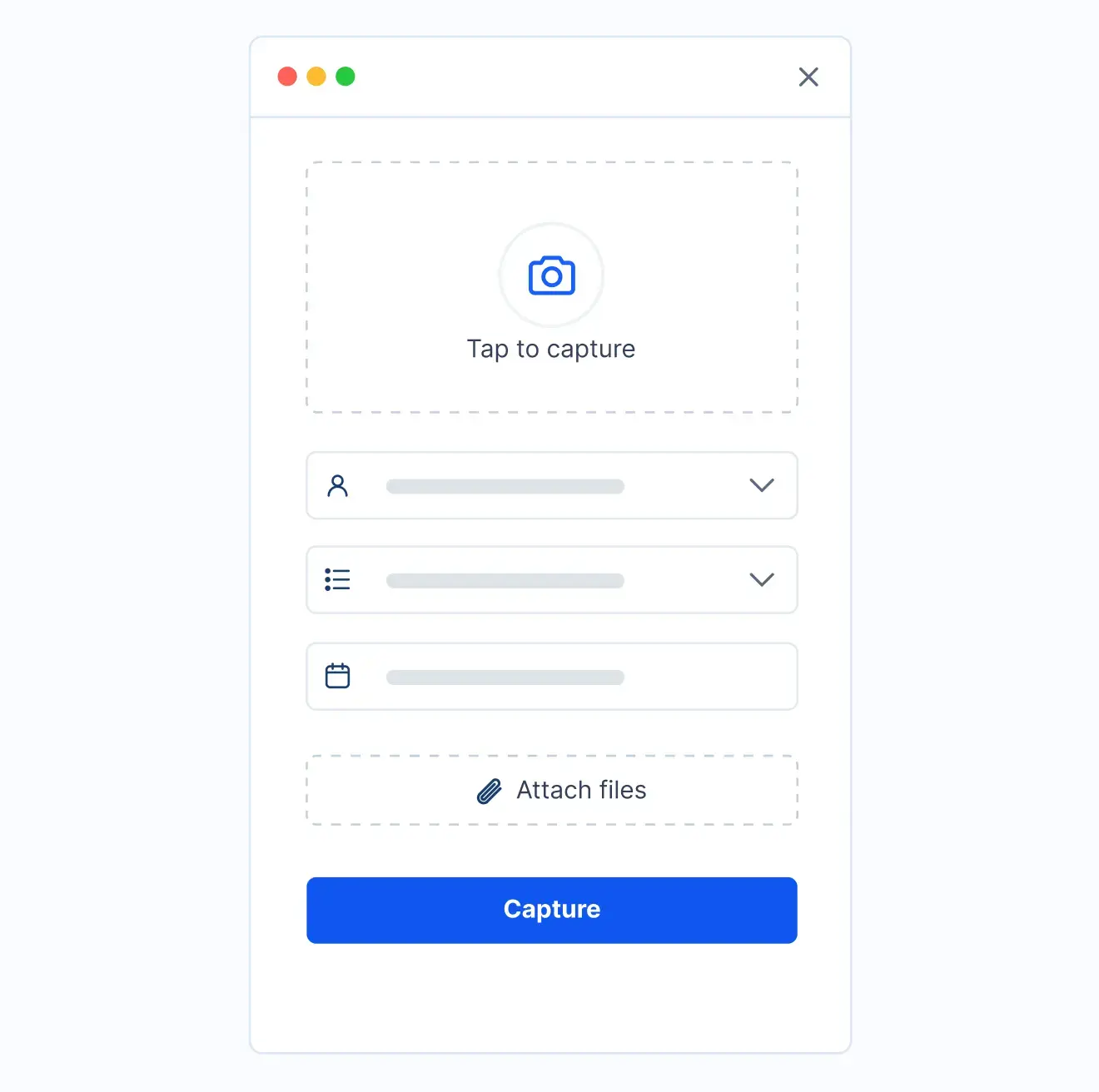
An authorized user fires the alert across configured channels, text, email, push, and digital signage, for the affected population.
Assess
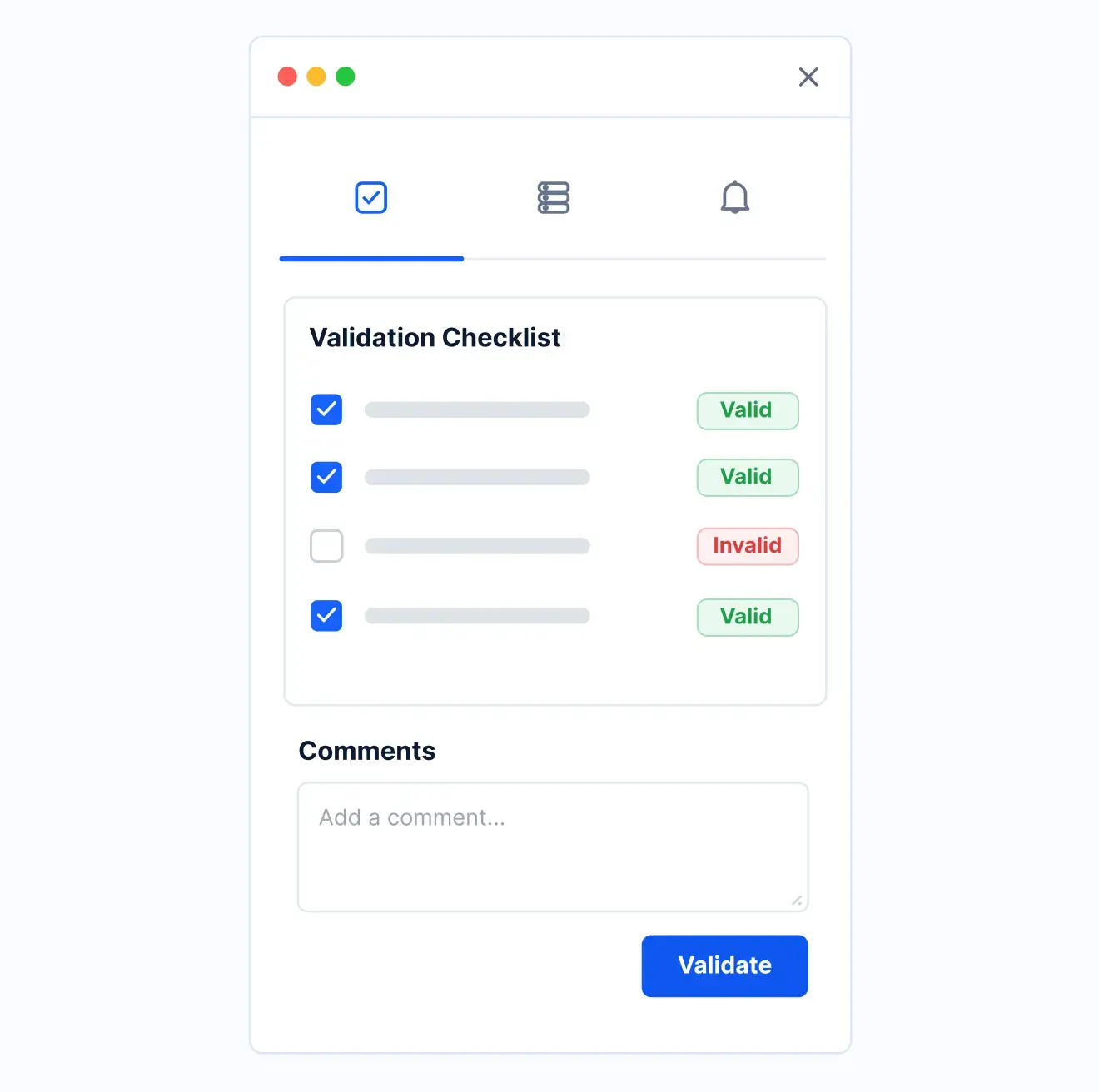
The system logs delivery and acknowledgment per recipient in real time.
Resolve
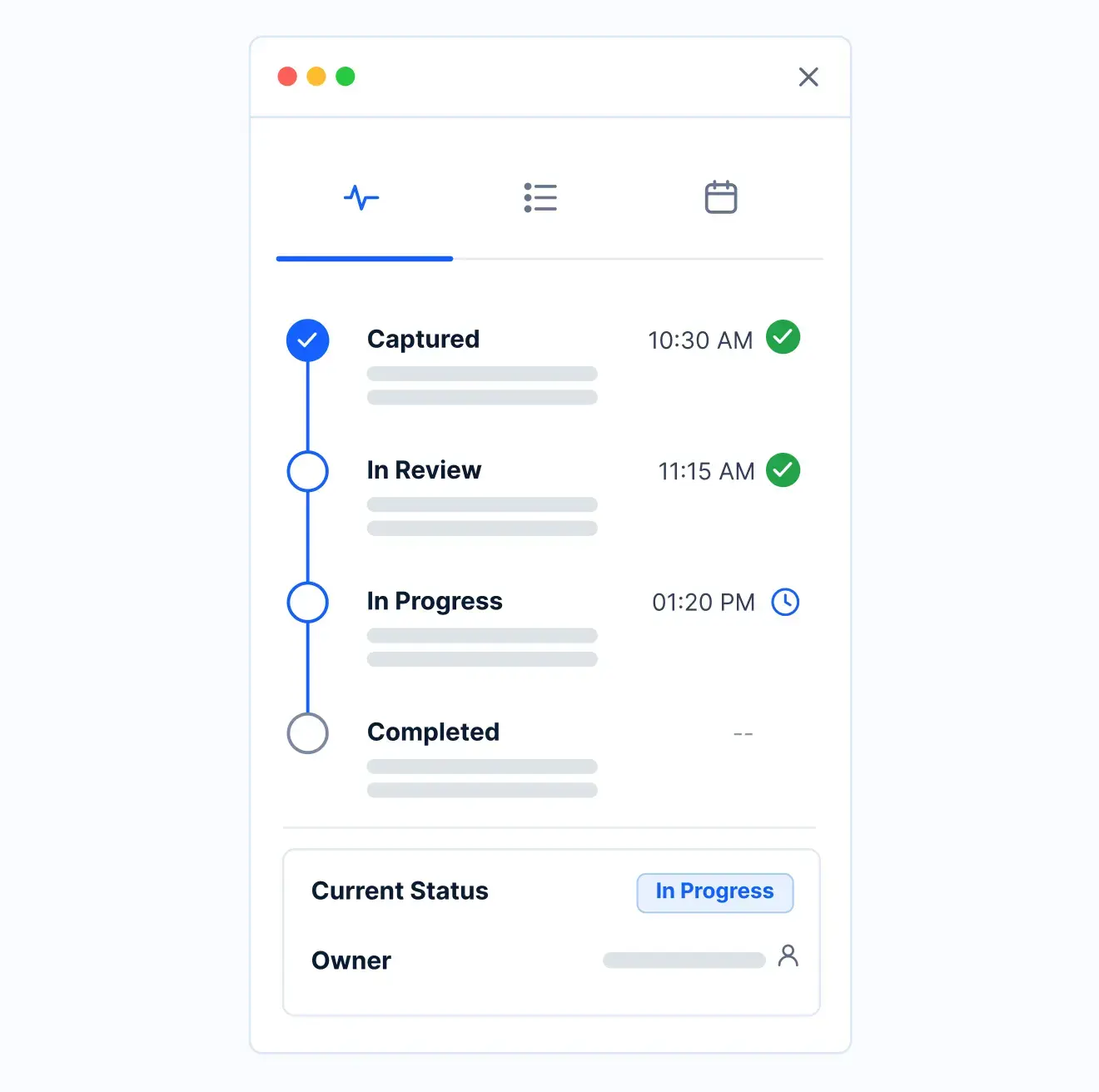
Anyone who has not acknowledged within the window receives an automatic follow-up through another channel.
Record
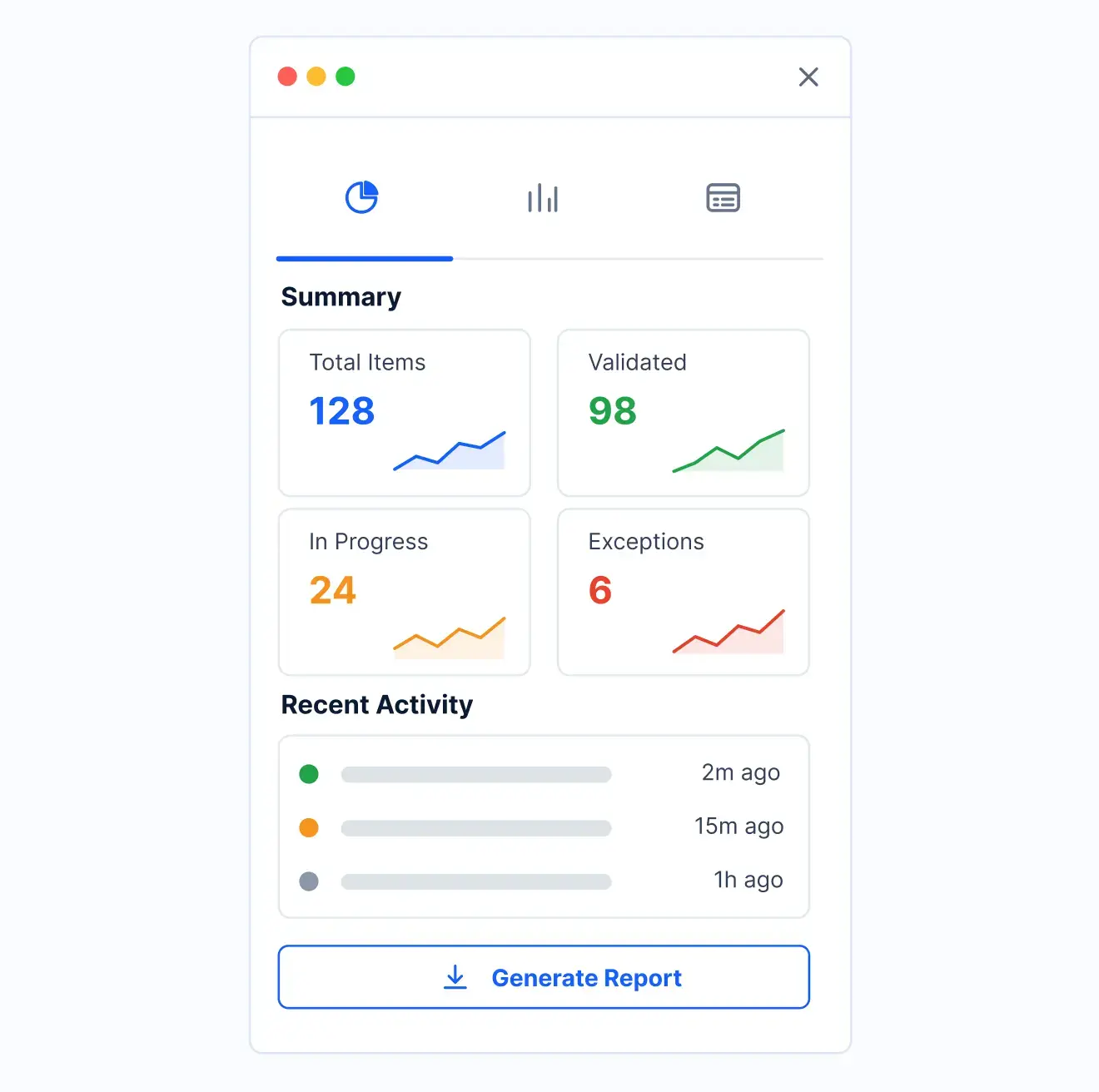
The incident closes with an all-clear notification and a retained after-action record for every incident and drill.
What changes when emergency notification runs on Kissflow
| Process | Before Kissflow | On Kissflow |
|---|---|---|
| Alert dispatch | Confirmed as sent | Tracked as delivered and acknowledged, per recipient |
| Non-responders | Rely on a human to notice and resend | Escalated automatically within a set window |
| All-clear | Sent when someone remembers | Issued and logged as a defined step in the incident |
| Incident record | Reconstructed after the fact | Logged in real time as the incident unfolds |
| Drill comparison | Manual, if done at all | Drills and real incidents logged the same way for comparison |
| EOC visibility | Split across separate channel consoles | One dashboard across delivery, acknowledgment, and escalation |
Connects to your mass notification and SIS systems
Kissflow does not replace your mass notification dispatch technology, siren system, or digital signage network. It is the tracking, escalation, and after-action layer that sits on top of the channels you already use to send an alert.
.svg)



.svg)
.svg)
.svg)
.svg)

.svg)
.svg)
.svg)
.svg)
.svg)

.svg)

.svg)

.svg)
.svg)
.svg)
.svg)
.svg)
.svg)
.svg)
.svg)
.svg)

.svg)
Built for the acknowledgment gap, not just the send
Acknowledgment tracked, not assumed
Delivery confirmation and actual acknowledgment are tracked separately, per recipient.
Escalation happens automatically
A non-responder gets a follow-up without waiting on a human to notice.
A real after-action record
Every incident and drill is logged the same way, ready for comparison and review.
One dashboard during an active incident
The EOC sees delivery, acknowledgment, and escalation status in one place.
Live in weeks
Campus safety configures triggers, channels, and escalation rules in the visual builder.
Access limited to authorized responders
Only authorized emergency operations staff can trigger an alert or view the live incident dashboard.
Related apps
Safety Inspection & Compliance Documentation Management System
A related campus safety and compliance record, inspection-based rather than incident-triggered.
Behavioral Intervention / CARE Team Case Management
A different, individual-level early-warning process, not a mass population alert.
Facilities Maintenance Request & Work Order Management System
Where a facilities issue underlying an emergency, a gas leak or a structural concern, gets logged and worked.
We help emergency operations centers track acknowledgment, not just delivery
.gif)

“If a company cannot enable everybody to use AI, they will never get the true benefit of AI. Platforms like Kissflow allow us to put that capability in the hands of our users in a safe way.”
Vagesh Dave
GVP & CIO at McDermott International, Ltd
See The Full Story

“Advanced automation of all processes is easy to set up. I cannot imagine how to manage workflows without this software.”
Tanay Tiwary
Global Head - Digitalization & Business Improvement
See the Full Story

“Kissflow supports rapid application development by building a working application prototype in the shortest amount of time.”
Maria Theresa Cabigon
CIO, SN Aboitiz Power Group
See The Full Story
See what Kissflow can do for you
Talk to usGot questions? We're here to help.
Get SupportNo. It sits on top of whatever mass notification technology you already use to send text, email, push, and signage alerts, and adds acknowledgment tracking, escalation, and after-action logging.
Yes, a single trigger can fire an alert across every configured channel for the affected population.
An automatic escalation pushes a follow-up through another channel within a set window, without waiting on a human to notice.
Yes, so drill performance and real incident response can be compared on the same record.
Access is restricted to authorized emergency operations staff, configured to your institution's policy.
Yes, in the visual builder, with the AI Builder able to generate a starting workflow from a description of your notification process.
Yes. Every incident and drill is logged with timing, delivery, acknowledgment, and escalation detail, available on demand.
Yes. Kissflow is certified to SOC 1, SOC 2, SOC 3, and ISO/IEC 27001, and supports HECVAT review.