Cross-Department Student Services Coordination Built for a Student Three Offices Are Serving at Once
Kissflow coordinates advising, disability services, counseling, and financial aid around a single student whose needs cross more than one office, with shared stage-gate tasks, document collection, cross-team handoffs, and a status dashboard, so a student with a documented disability, a housing conflict, and a financial hold is treated as one coordinated case, not three disconnected ones.

Trusted by leading universities worldwide





Advising sends an email. Disability services sends a form. Financial aid sends a hold notice.
A student receives three separate messages about what is, from the institution's side, one connected problem, and no single office sees the whole picture. Each office has its own intake process, its own case notes, and its own sense of urgency, and coordination between them usually happens only when a student is persistent enough to explain their situation three separate times.
The live version of this page reads as a generic multi-team lifecycle template, indistinguishable from any other cross-department process. It does not track the specific offices a complex student-support case typically touches, and gives no single case owner a way to see what the other offices involved have already done.
Kissflow rebuilds it as a working coordination app: a shared case record across the offices involved, stage-gate tasks assigned to each one, document collection so a student is not asked for the same paperwork twice, cross-team handoffs, and a status dashboard the whole care team can see. Each office's own case management system stays the system of record for its own notes; Kissflow is where the offices stay coordinated on the student they share.
What breaks when a complex student case has no shared owner
The student repeats their situation to every office
Without a shared case record, a student explains the same circumstances to advising, disability services, and financial aid separately.
No office sees the full picture
Each office knows its own piece of the case and has to ask the student, or guess, about the rest.
Documents get requested twice
A form disability services already has gets requested again by another office that cannot see it was submitted.
Nobody owns the coordination itself
Individual offices own their own piece, but no one is responsible for making sure the pieces connect.
Six modules. Built for how a complex student case actually gets coordinated across offices.
Every module ships with default forms, routing, and dashboards. Configure each one to the support offices involved in the visual builder.
Case initiation across offices
Opens a shared case record when a student's needs span more than one support office.
Stage-gate tasks per office
Advising, disability services, counseling, and financial aid each get their own tasks within the shared case.
Cross-team handoffs
A completed step in one office notifies and hands off to the next without the student relaying it themselves.
Shared document collection
Documentation submitted to one office is visible to the others involved, instead of being requested again.
Case status dashboard
Every office involved, and the student where appropriate, sees the same live status of the case.
Completion and review record
A closed case keeps a full record of every office's involvement and action, for continuity if the student's needs resurface.
From request to system of record in four steps
Plan
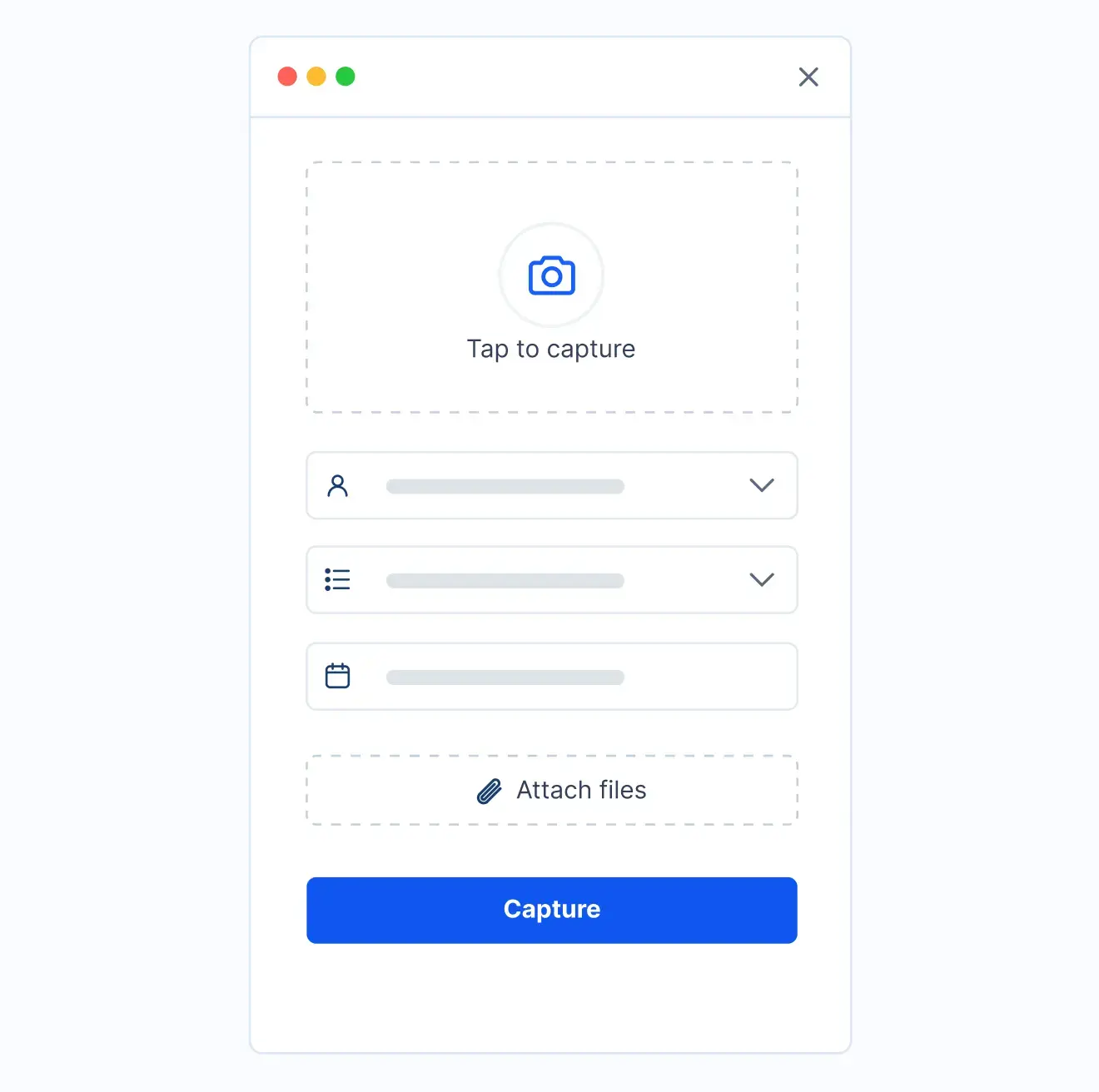
A student whose needs span more than one support office is scoped into a single shared case record across advising, disability services, counseling, and financial aid.
Assign
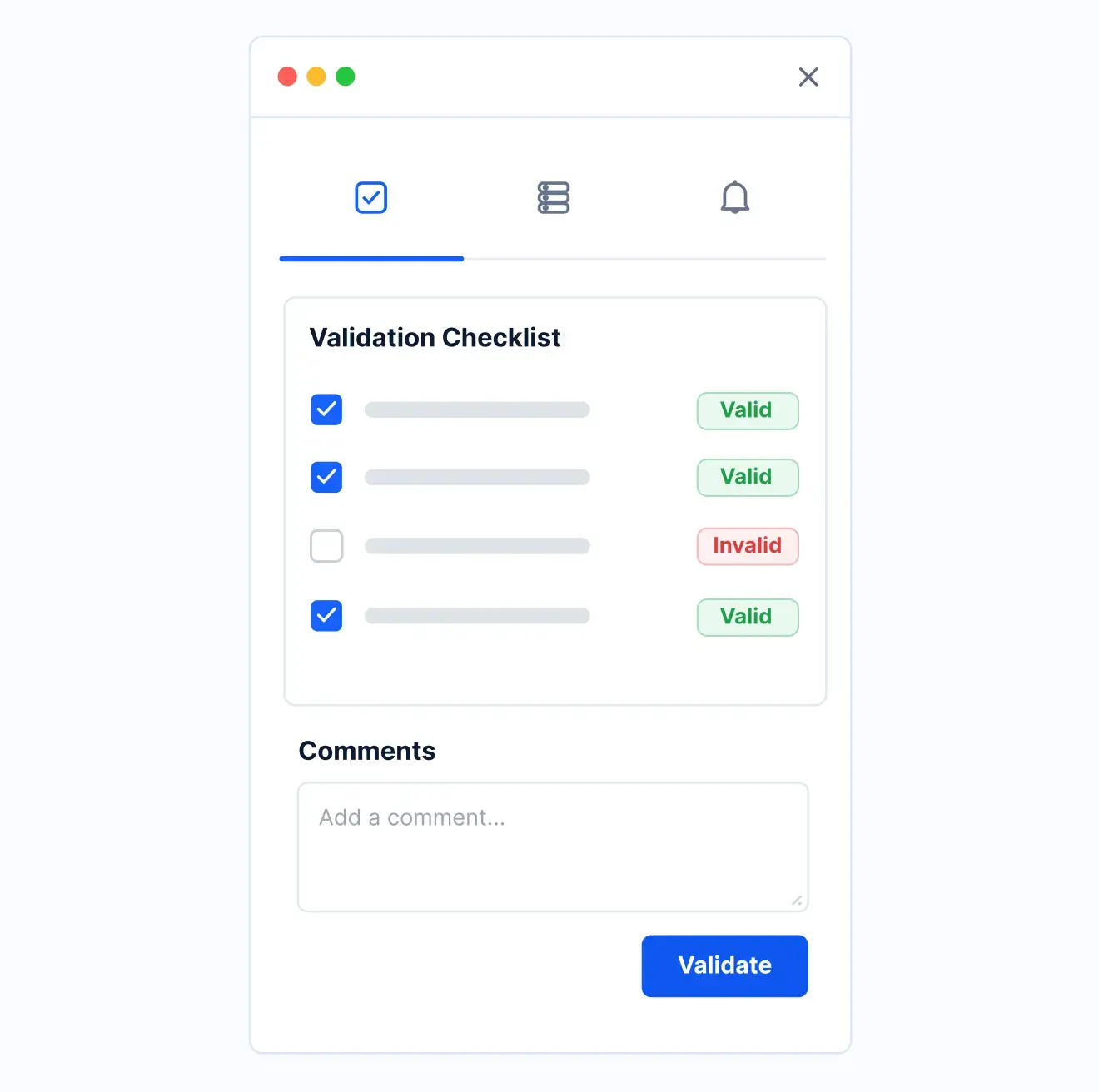
Each involved office receives its own stage-gate tasks within the shared case.
Execute
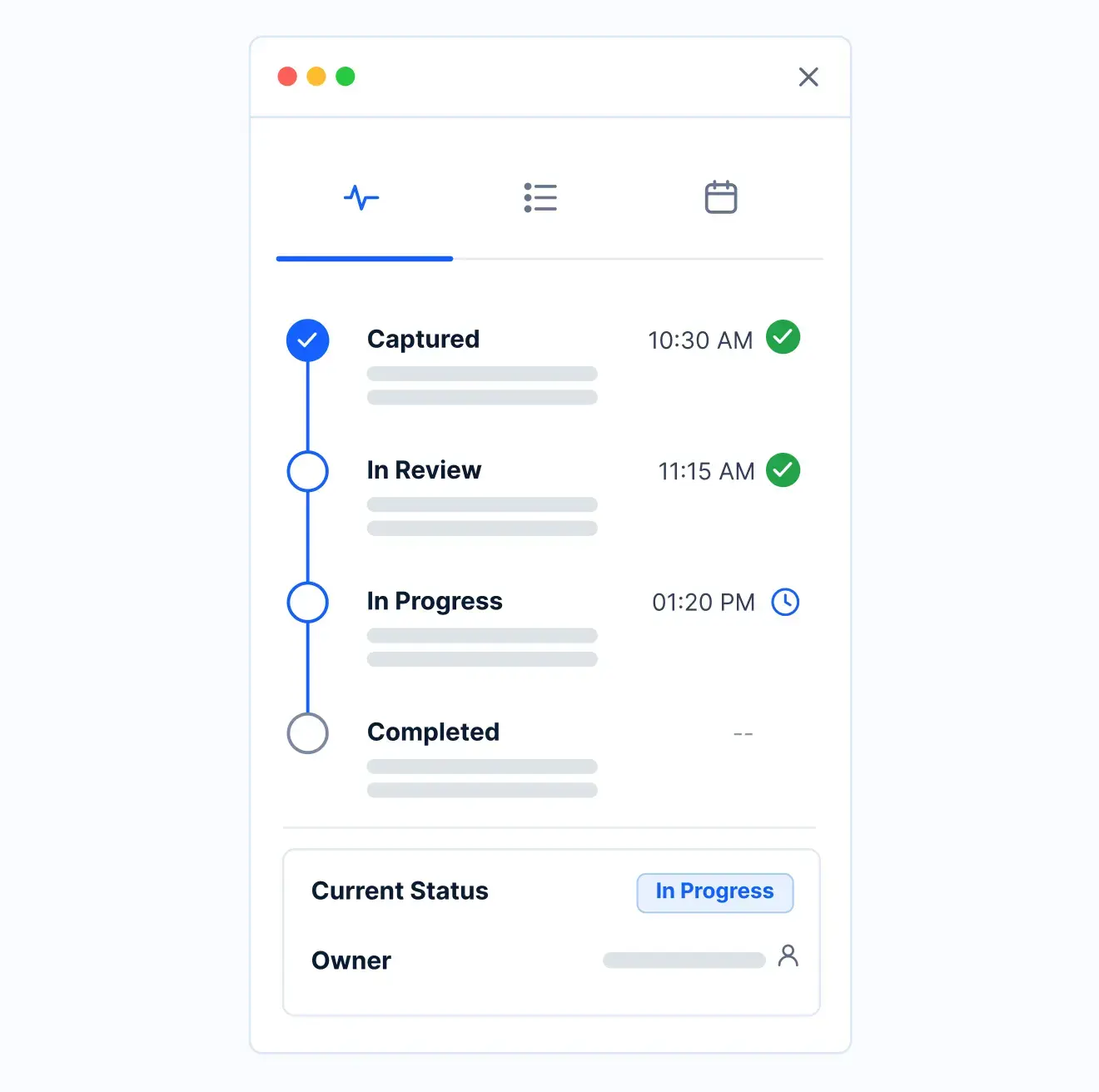
Completed steps in one office hand off to the next automatically, with progress visible to every office on one case.
Close-out
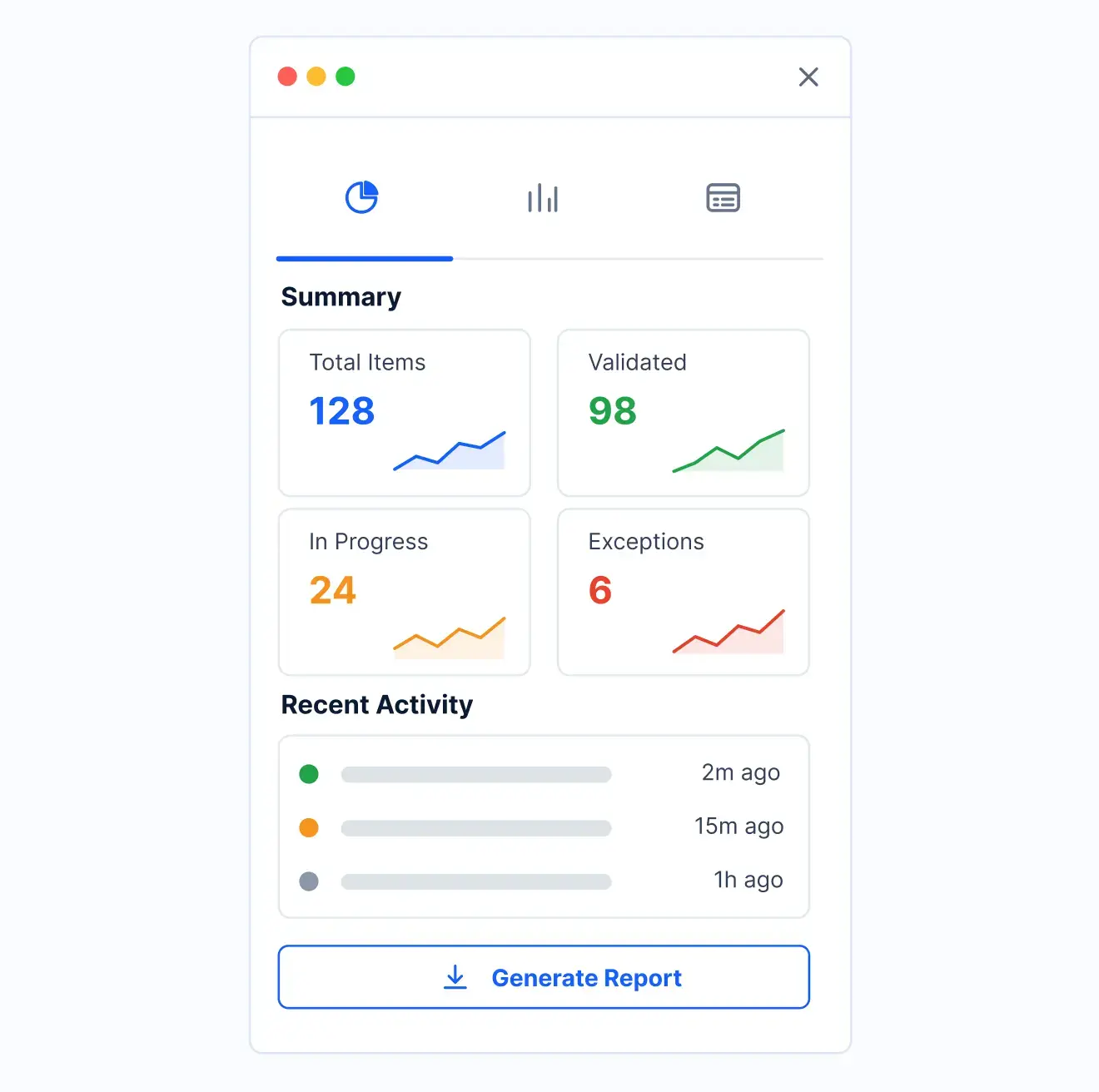
The case status stays visible until the student's needs are resolved and the case is closed as one coordinated record.
What changes when cross-department student services coordination runs on Kissflow
| Process | Before Kissflow | On Kissflow |
|---|---|---|
| Student experience | Explains their situation to each office separately | Tells their story once, into a shared case record |
| Office visibility | Each office knows only its own piece | Every office sees the full shared case |
| Document requests | Repeated across offices | Submitted once, visible to all offices involved |
| Case ownership | No one owns the coordination itself | A shared case record with visible task ownership |
| Handoffs | Depend on the student relaying updates | Routed directly between offices automatically |
| Continuity | Lost if the student's needs resurface later | Retained in a complete case history |
Connects across student affairs systems; Banner and Workday stay the system of record
Kissflow does not replace Banner, Workday, or any individual office's case management system. It is the shared coordination layer for a student whose needs cross more than one of those systems at once.
.svg)



.svg)
.svg)
.svg)
.svg)

.svg)
.svg)
.svg)
.svg)
.svg)

.svg)

.svg)

.svg)
.svg)
.svg)
.svg)
.svg)
.svg)
.svg)
.svg)
.svg)

.svg)
Built for a student, not a department silo
One case record, several offices
Advising, disability services, counseling, and financial aid work from the same shared case.
Handoffs the student does not have to manage
Coordination moves between offices automatically instead of depending on the student to relay updates.
Documents submitted once
A form one office already has does not get requested again by another.
Live in weeks
Student affairs configures the offices, stages, and handoffs involved in the visual builder, without a systems project.
A dashboard the whole care team can use
Every office involved sees the same case status, not a piece of it.
A record that helps the next case, too
Closed case history informs how a similar situation gets coordinated the next time it comes up.
Related apps
Inter-Department Academic Coordination Management System
The equivalent coordination model applied to a bounded academic initiative rather than an ongoing student-support case.
Cross-Department Enrollment Coordination Management System
The standard pre-registration pipeline for every admitted student, distinct from this app's case-based support for already-enrolled students.
Enrollment Yield and Retention Intervention Management System
Where an academic or engagement risk signal for the same student might trigger a related intervention.
We help student affairs coordinate the offices a complex student case actually touches
.gif)

“If a company cannot enable everybody to use AI, they will never get the true benefit of AI. Platforms like Kissflow allow us to put that capability in the hands of our users in a safe way.”
Vagesh Dave
GVP & CIO at McDermott International, Ltd
See The Full Story

“Advanced automation of all processes is easy to set up. I cannot imagine how to manage workflows without this software.”
Tanay Tiwary
Global Head - Digitalization & Business Improvement
See the Full Story

“Kissflow supports rapid application development by building a working application prototype in the shortest amount of time.”
Maria Theresa Cabigon
CIO, SN Aboitiz Power Group
See The Full Story
See what Kissflow can do for you
Talk to usGot questions? We're here to help.
Get SupportNo. Advising, disability services, counseling, and financial aid each keep their own systems as the record of their own case notes. Kissflow is the shared coordination layer that connects the offices working with the same student.
Cross-Department Enrollment Coordination is the standard, bounded pipeline every admitted student moves through before registration. This app is case-based and open-ended, for a currently enrolled student whose ongoing needs span more than one support office.
Inter-Department Academic Coordination coordinates academic initiatives, joint degrees, program reviews, not individual students. This app coordinates support services around a specific student's complex, ongoing needs.
Matriculation Case Management is scoped narrowly to procedural blockers during the admission-to-enrollment window. This app covers a currently enrolled student's ongoing needs across multiple support offices, with no fixed end date.
No. Once a shared case record is open, the student's circumstances are visible to every involved office, so they are not asked to explain the same thing repeatedly.
Yes. The offices, tasks, and handoffs are configured per case type in the visual builder, and the AI Builder can generate a starting structure from a description of a common case pattern.
Access is role-based, limited to the specific offices actively involved in that student's case, with sensitive information restricted appropriately.
Yes. Kissflow is certified to SOC 1, SOC 2, SOC 3, and ISO/IEC 27001, supports HECVAT review, and is built to support FERPA obligations around student records.